
General News
Trump Seeks to Rebuild Support Among 2024 Voters in North Carolina

By Angel No Lie | KPD Online | September 16, 2026
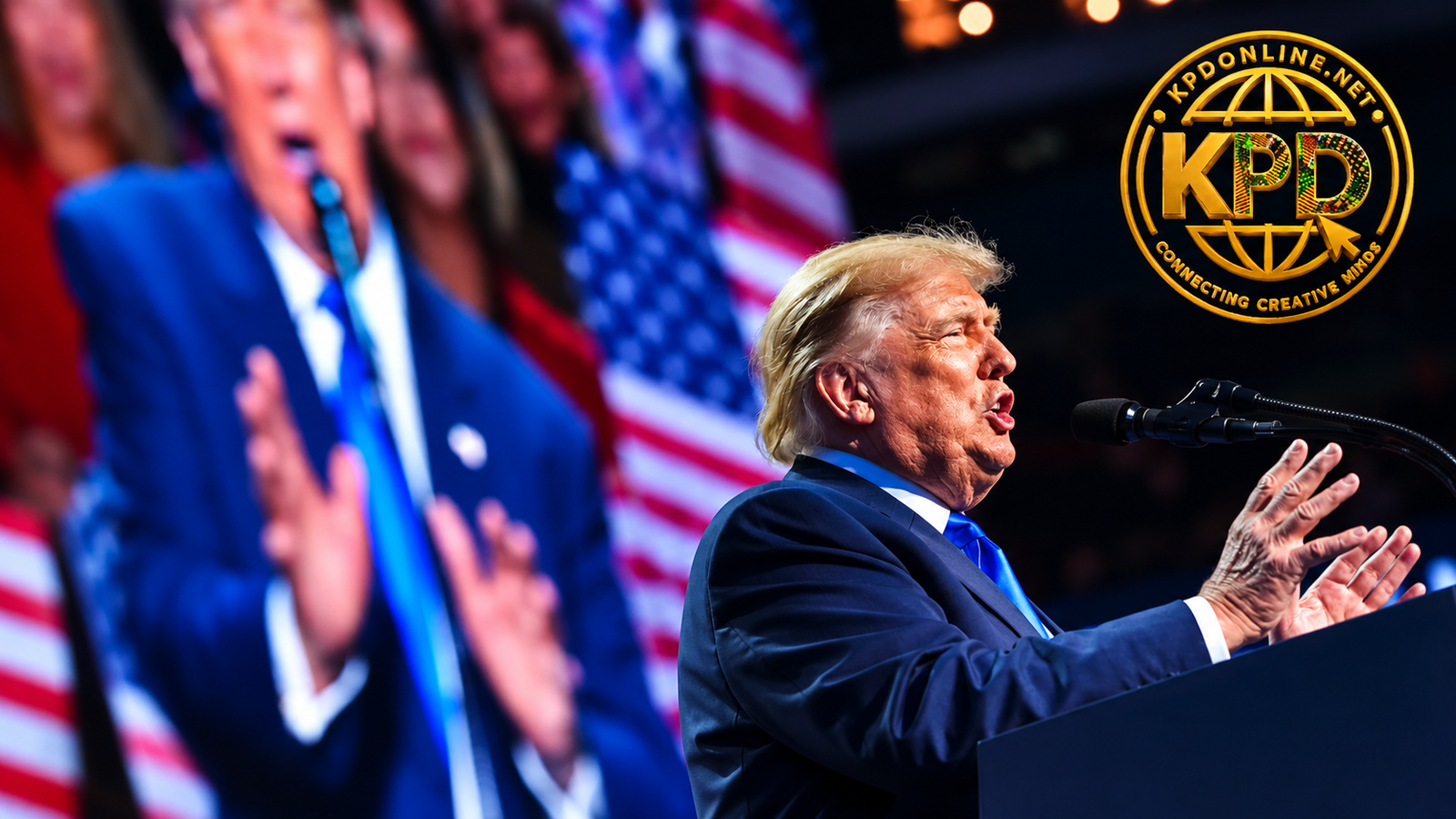
U.S. President Donald Trump is returning to North Carolina on Wednesday to campaign for Republican Senate candidate Michael Whatley, as Republicans work to consolidate support ahead of the November 2026 midterm elections.
The visit is Trump’s first major campaign appearance since the Republican Party’s midterm convention and forms part of his effort to make the congressional elections a referendum on his presidency. Whatley, a former Republican National Committee chairman, is seeking the Senate seat being vacated by Republican Senator Thom Tillis.

Donald Trump campaigns in North Carolina ahead of the 2026 midterm elections.
Focus on voters who backed Trump in 2024
North Carolina was one of the closely contested states in the 2024 presidential election, when Trump won the state. The current Senate campaign is putting particular attention on voters who supported Trump in that election but have not necessarily committed to the Republican Senate nominee.
An August Elon University poll cited by Reuters found that 72% of North Carolina voters who said they voted for Trump in 2024 supported Whatley, while 10% supported Democratic candidate Roy Cooper and 14% remained undecided. Among voters who said they backed Kamala Harris in 2024, 93% supported Cooper.
The figures illustrate a distinction between presidential and down-ballot voting: some people who supported Trump in 2024 are not automatically supporting the Republican Senate candidate in 2026.

Republican Senate candidate Michael Whatley is seeking to consolidate support among voters who backed Trump in 2024.
Focus on voters who backed Trump in 2024
North Carolina was one of the closely contested states in the 2024 presidential election, when Trump won the state. The current Senate campaign is putting particular attention on voters who supported Trump in that election but have not necessarily committed to the Republican Senate nominee.
An August Elon University poll cited by Reuters found that 72% of North Carolina voters who said they voted for Trump in 2024 supported Whatley, while 10% supported Democratic candidate Roy Cooper and 14% remained undecided. Among voters who said they backed Kamala Harris in 2024, 93% supported Cooper.
The figures illustrate a distinction between presidential and down-ballot voting: some people who supported Trump in 2024 are not automatically supporting the Republican Senate candidate in 2026.

North Carolina’s large unaffiliated electorate remains a major focus of the 2026 Senate campaign.
Affordability emerges as a central issue
Economic conditions are another major theme of the campaign.
Reuters reported that concerns about affordability are affecting Trump’s support among some moderate voters, while gasoline prices have become a prominent issue. The national average price for regular gasoline was reported at $4.33 per gallon on September 15, while diesel reached $6.27, according to AAA figures cited by Reuters.
Trump has continued to emphasize issues including crime and immigration, while the Whatley campaign has sought to connect those issues to the broader Republican agenda.
North Carolina’s unaffiliated voters
Unaffiliated voters are particularly important in North Carolina. Reuters reported that they make up approximately 40% of the state’s registered electorate, making them the largest registration category.
The state’s political balance means campaigns from both parties are seeking support beyond their traditional bases. The discussion has consequently focused on issues such as household costs, the economy and the performance of the Trump administration.
North Carolina’s State Board of Elections reported that more than 5.7 million people voted in the state’s 2024 general election, underscoring the size of the electorate involved in the state’s political contests.
Polling snapshot
A recent Elon University poll cited by Reuters put Cooper at 49% and Whatley at 38% among likely voters. The same survey found that 54% of North Carolina respondents disapproved of Trump’s job performance, while 31% approved. These are measurements from a particular survey and date, rather than forecasts of the eventual election result.
Nationally, a Reuters/Ipsos poll conducted during the previous week put Trump’s approval rating at 35%, compared with 33% in the preceding survey. The poll also found Democrats ahead of Republicans 44% to 37% on its generic congressional ballot question.
Trump makes the midterms personal
Trump has urged Republicans to approach the 2026 elections as a judgment on his administration, telling Republicans at last week’s convention to “pretend that I’m on the ballot,” despite not being a candidate in the November elections.
His North Carolina appearance reflects that strategy, with Trump using his national profile to campaign for candidates running in competitive states.
Democrats, meanwhile, are also seeking to make the Senate contest about Trump’s record and policies. The competing approaches mean the North Carolina race is being fought not only around the individual candidates but also around voters’ assessments of the administration’s economic and domestic policies.
What to watch
The North Carolina campaign is likely to continue focusing on several groups of voters: Republicans who supported Trump in 2024, unaffiliated voters, and voters whose concerns are centered on inflation, fuel prices and household affordability.
The state’s official election calendar lists October 9, 2026, as the voter-registration deadline and October 15–31 as the in-person early-voting period for the November general election.
For the Republican campaign, Trump’s appearance provides an opportunity to mobilize his existing supporters while addressing concerns among voters who supported him previously but remain undecided about the Senate contest.














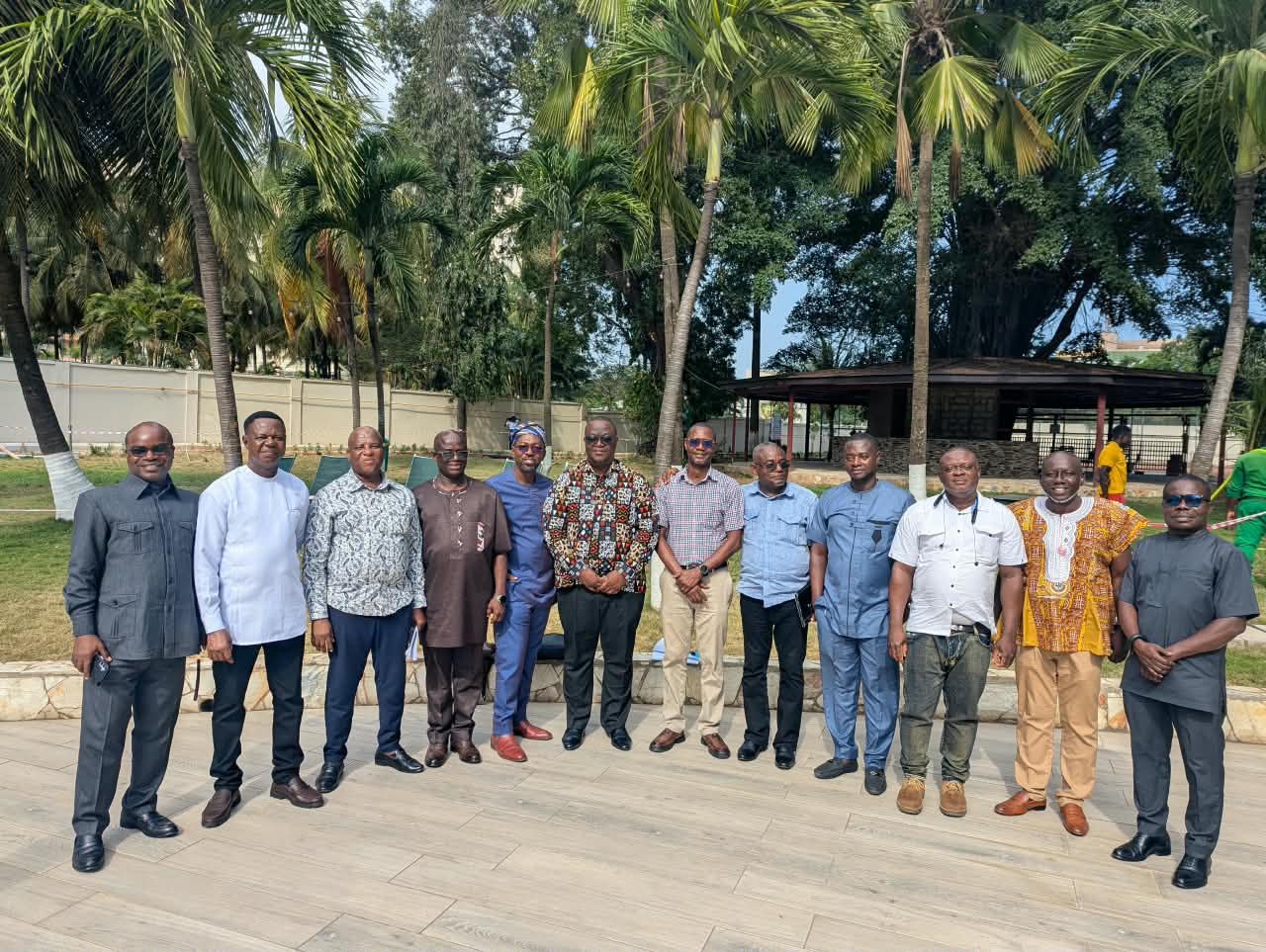
Fourteen Regional Directors of the Ghana Tourism Authority (GTA) have raised concerns about the leadership approach of the Authority’s Chief Executive Officer, Maame Efua Houadjeto, during a meeting with the Board of Directors to address what they describe as persistent organisational challenges.
The meeting, held on Monday, October 12, 2026, at 3:00 p.m., was convened to discuss issues the Regional Directors say have remained unresolved since July 2026.
According to the Directors, the engagement was not intended to serve as an arbitration process but rather to obtain responses to questions and concerns they had previously raised.
During the meeting, the Directors expressed their displeasure with the CEO’s leadership approach, highlighting concerns about stakeholder engagement, regional coordination and other issues they believe are affecting the effective operation of the Authority.
They indicated that the concerns extend beyond individual disagreements and touch on broader institutional matters that require attention to ensure the smooth functioning of the GTA.
The Directors maintained that their position was motivated by the need to safeguard the integrity of the institution and restore effective operations across its regional structures.
They also called on the Board of Directors to facilitate a formal response from the Office of the CEO to the issues raised, stressing the need for the concerns to be addressed through the appropriate institutional channels.
The engagement provided an opportunity for the Regional Directors to formally communicate their grievances to the Board and seek its intervention in resolving the outstanding matters.
The meeting ended with a call for further intervention by the Board of Directors to ensure that the issues raised receive the necessary attention and responses.
It remains unclear what specific questions have been pending since July, what responses the Regional Directors expect from the CEO, or what steps the Board intends to take following the meeting.
The outcome of any subsequent engagement between the Board, the CEO and the Regional Directors is expected to be important in determining how the concerns will be addressed and how coordination within the Authority will be strengthened.
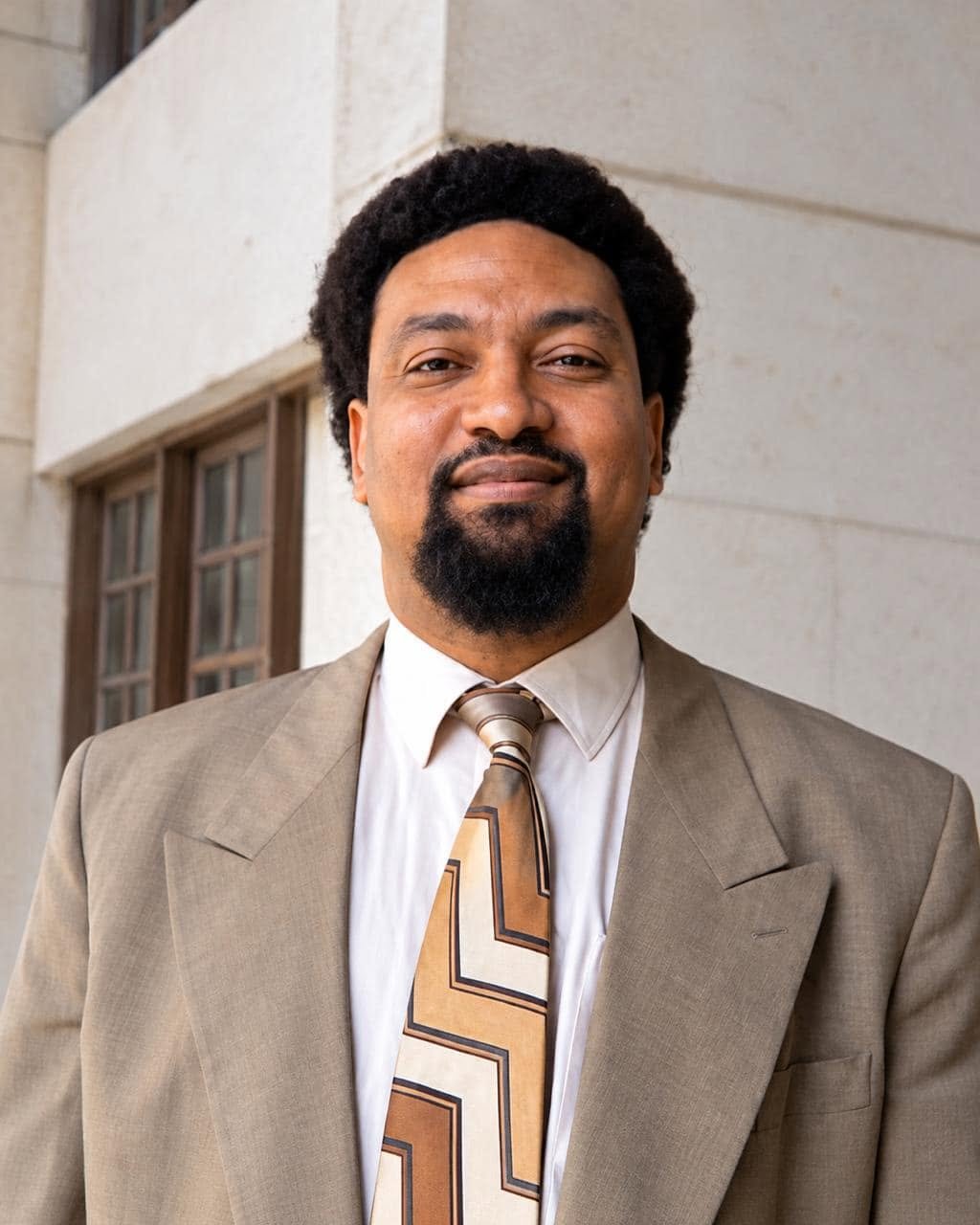
Gamal Gorkeh Nkrumah, son of Ghana’s founding President, Osagyefo Dr Kwame Nkrumah, has died in Cairo, Egypt, following a prolonged illness.
The Nkrumah family announced his death in a statement posted on the Facebook page of Samia Nkrumah, daughter of Ghana’s first president.
According to the statement, Gamal passed away peacefully in Cairo, where he had been receiving care at a rehabilitation centre after suffering a stroke.
The family described him as a beloved son, respected journalist, writer and intellectual who dedicated much of his life to examining the political, social and cultural developments shaping Africa and the wider world.
It said Gamal remained deeply committed to the ideals of justice, human dignity, African unity and international solidarity throughout his life.
As a journalist and commentator, he used his voice and intellect to analyse issues affecting Africa and the international community, earning recognition among friends, colleagues and readers who valued his insights and perspectives.
The family further described him as a man of profound intellectual curiosity, independent thought and quiet conviction, noting that he carried forward his father’s legacy in his own distinctive way while building a reputation based on his personal principles and achievements.
His death, the family said, represents a significant loss not only to his relatives and loved ones but also to the wider community of people who appreciated his work, humanity and engagement with important issues of his time.
The statement added that the family remembers Gamal with immense love, gratitude and pride, describing his wisdom, kindness and commitment to his values as an enduring source of inspiration.
The Nkrumah family also expressed appreciation to those who supported Gamal throughout his illness, particularly the medical professionals and caregivers in Cairo who provided him with treatment and care.
It extended its gratitude to the governments and people of both Egypt and Ghana for their support during the difficult period.
The family has appealed to the public to respect its privacy as it mourns the loss.
Details of memorial arrangements and opportunities for the public to pay tribute to Gamal Gorkeh Nkrumah’s life and legacy, according to the statement, will be communicated in due course.
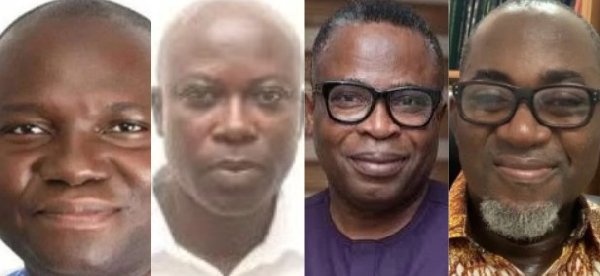
Four professors at the Ghana Institute of Management and Public Administration (GIMPA) have filed a lawsuit seeking to halt aspects of the process to select a search committee for the appointment of a new Rector, escalating tensions over the institution’s leadership transition.
The plaintiffs are Professors Lord Mawuko Yevugah, Wisdom Akpalu, Kwami Adanu and Patrick Tandoh-Offin. They filed the action on October 5, 2026, challenging aspects of the process involving the Chairman of GIMPA’s Governing Council, the Institute’s Secretary and the Rector.
At the centre of the dispute is the Convocation register used to determine who could vote for representatives on the Rector Search Committee. The professors contend that about 30 newly appointed or promoted lecturers were included on the register despite questions over whether their appointments had received the necessary approval from the Governing Council.
They argue that allowing the lecturers to participate in the election could undermine the legitimacy of the process and have asked the court to ensure that the selection of the search committee complies with GIMPA’s 2020 Statutes. They also want the committee’s composition and the respective roles of the Governing Council and Convocation clarified.
GIMPA management, however, has indicated that a special ad hoc committee audited the Convocation register and confirmed that those listed had valid appointments, based on Human Resource Management records. Exceptions reportedly applied to staff on leave of absence or secondment.
The Convocation election proceeded on October 6. According to reports, Professor Patrick Tandoh-Offin contested to represent the professorial class but lost to Professor Emmanuel Gyamfi Numapau, who received 118 votes against Tandoh-Offin’s 35.
The legal challenge comes as GIMPA prepares for the end of Rector Professor Samuel Kwaku Bonsu’s tenure in August 2027. The Institute’s statutes require the search process to begin ahead of the incumbent’s departure.
The case raises questions about voting eligibility, institutional governance and the procedures for selecting the next Rector. The court’s determination could affect the process, although the available reports do not establish that an injunction has been granted or that the election
General News
EPA ORDERS IMMEDIATE HALT TO UNAPPROVED RECLAMATION WORKS NATIONWIDE — GOVERNMENT AGENCIES, CONTRACTORS ON NOTICE

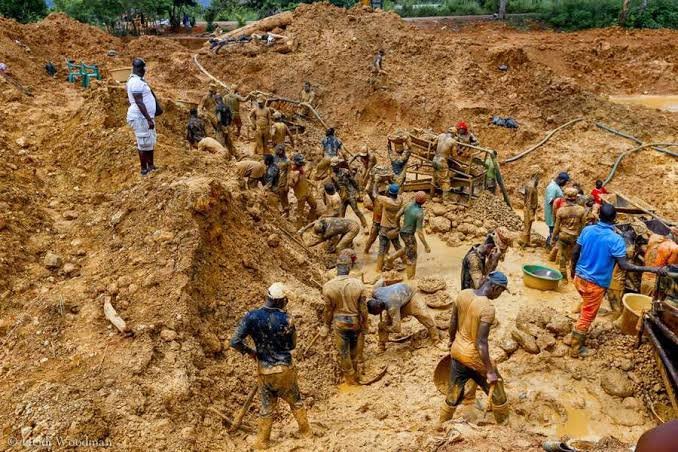
The Environmental Protection Authority (EPA) has ordered an immediate halt to all land reclamation, mine-site rehabilitation, dredging and water-body restoration activities being undertaken without the requisite environmental permits across Ghana.
In a public notice issued on Wednesday, October 14, 2026, the Authority warned that institutions, companies, contractors and individuals operating without its approval must cease work immediately and report to the nearest EPA regional office or its head office for regulatory assessment.
The directive applies to both public and private projects, including government-sponsored, privately funded and donor-supported initiatives. The EPA specifically mentioned the Ministry of Lands and Natural Resources, Forestry Commission, Ghana Gold Board (GoldBod), Minerals Commission and Mineral Development Fund among the institutions required to ensure compliance.
Under Regulation 40 of the Environmental Protection (Environmental Assessment) Regulations, 2025 (L.I. 2504), reclamation and restoration activities fall within Ghana’s environmental assessment and permitting framework.
The covered activities include rehabilitating abandoned mining sites, backfilling excavated areas, restoring degraded land, revegetation, dredging and desilting rivers, modifying river channels and restoring polluted water bodies, wetlands and aquatic ecosystems.
The Authority stressed that securing a contract, obtaining funding approval, holding a mining lease or receiving authorisation from another public institution does not replace an EPA Environmental Permit. Similarly, consent from traditional authorities, memoranda of understanding and participation in government programmes cannot substitute for the required approval.
Contracting institutions have also been directed to verify the environmental permit status of projects before allowing contractors to mobilise to their sites.
The EPA acknowledged the importance of restoring lands and water bodies damaged by illegal and irresponsible mining but cautioned that rehabilitation efforts must not create further environmental destruction by bypassing regulatory safeguards.
It warned that individuals and institutions that continue unapproved operations after the notice would face action in accordance with applicable Ghanaian laws.
The directive reinforces the Authority’s position that environmental restoration, regardless of its funding source or purpose, must comply with the country’s permitting requirements.
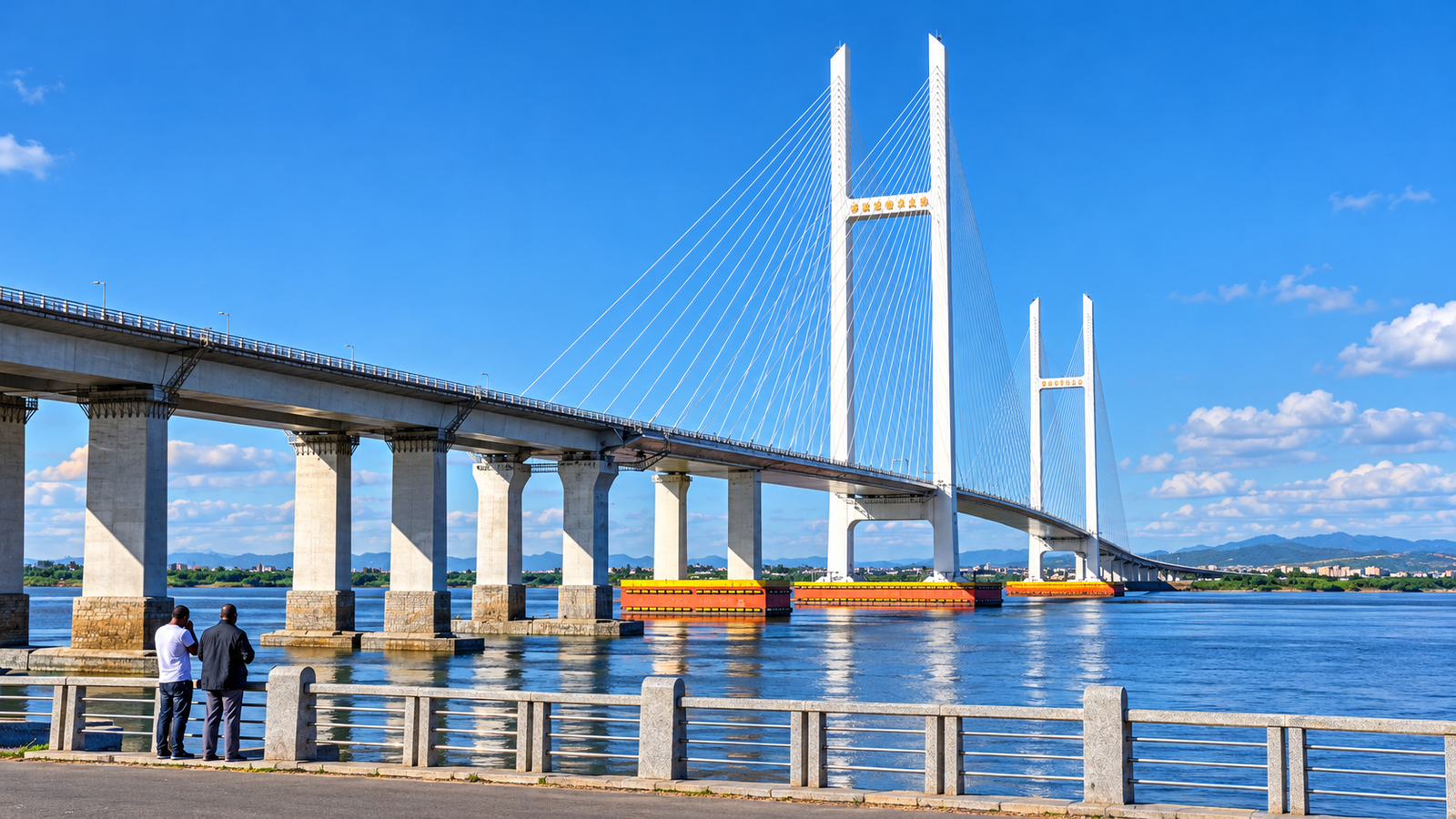
The opening of the long-awaited New Yalu River Bridge marks a significant step towards strengthening cross-border transport and trade between China and North Korea.
China and North Korea have officially opened a major bridge linking the two countries, ending a 12-year delay that kept the infrastructure project unused despite its completion in 2014.
The New Yalu River Bridge connects the Chinese border city of Dandong, in Liaoning province, with Sinuiju in North Korea. The four-lane crossing stretches approximately three kilometres across the Yalu River and is expected to improve the movement of goods between the neighbouring countries.
The project was originally intended to begin operating in 2014. However, the opening was postponed for years as infrastructure on the North Korean side, including connecting roads and customs facilities, remained incomplete. Analysts have also pointed to strained bilateral relations and disagreements surrounding economic cooperation as possible contributing factors.
Trade and economic implications
The new crossing is expected to ease pressure on the older China–North Korea Friendship Bridge, which has served as a major route for official trade between the two countries.
By providing additional road capacity, the new bridge could improve freight transportation, reduce congestion and support the movement of essential goods. Its strategic location is particularly important because China remains North Korea’s principal trading partner.
Nevertheless, the opening does not automatically guarantee a rapid increase in trade. International sanctions imposed in response to North Korea’s nuclear and weapons programmes continue to constrain economic activity, while the scale of future commercial traffic will depend on border arrangements and the two governments’ economic policies.
A signal of closer bilateral engagement
The bridge’s inauguration comes amid renewed diplomatic engagement between Beijing and Pyongyang. It also highlights China’s continued economic importance to North Korea as the latter seeks to maintain relationships with key regional partners.
For China, improved transport links could facilitate cross-border commerce and support economic activity in Dandong. For North Korea, the bridge offers additional capacity for importing goods and developing commercial infrastructure around Sinuiju.
However, the project’s long delay illustrates how political disagreements and economic considerations can obstruct infrastructure intended to improve regional connectivity.
What happens next?
Attention will now turn to how quickly the bridge becomes an established route for commercial traffic and whether the additional capacity translates into measurable growth in bilateral trade.
While the opening represents an important infrastructure milestone, its longer-term economic and diplomatic impact will depend on the willingness of both governments to sustain cooperation and the restrictions governing North Korea’s international trade.
The opening ends a lengthy wait for the two countries, but the bridge’s ultimate significance will be measured by the trade and cooperation it enables in the years ahead.

South Korea Pledges US$4.5 Million to Preserve Ghana’s Forts and Castles

Kojo Antwi Presents Signed Memoir to US Embassy

Defender Eugene Appiah ready to represent Ghana at the international level

IRAWMA 2025: Shatta Wale Wins 3 Major Awards Including Best Music Video

AirtelTigo losing GH₵20m monthly; total debts exceed $200million – Sam George

Samini Secures Promotional Deal with Audiomack for Upcoming Album “THE ORIGIN8A”


-
 Politics2 weeks ago
Asiedu Nketiah to Chair Launch of Six NDC Historiographies on Ghana’s Political Journey
-

 General News1 week ago
World Cup Visa Storm: Kojo’s GTA Questions Resurface as Minority Demands Action
-

 General News2 weeks ago
SSNIT Unveils Big Plans to Transform Labadi, La Palm Beachfront into Tourism Hub
-
 Sports2 weeks ago
“I Leave With Respect, Gratitude and Pride” – Carlos Queiroz Bids Farewell to Ghana
-

 General News2 weeks ago
Putin Warns Russia Could Use Full Arsenal if Kaliningrad Is Attacked
-

 Entertainment2 weeks ago
Rick Ross Arrested in Miami Beach on Domestic Violence-Related Charges
-

 Sports2 weeks ago
Real Madrid Send Major Dossier to UEFA Over Barcelona Payments Case
-
 General News1 week ago
Political communicators must prepare before speaking on teachers’ strike – Seth Afum Dankwah