
Technology
Microsoft Says AI Rival Anthropic Could Have ‘Disastrous Impact’ on Humanity

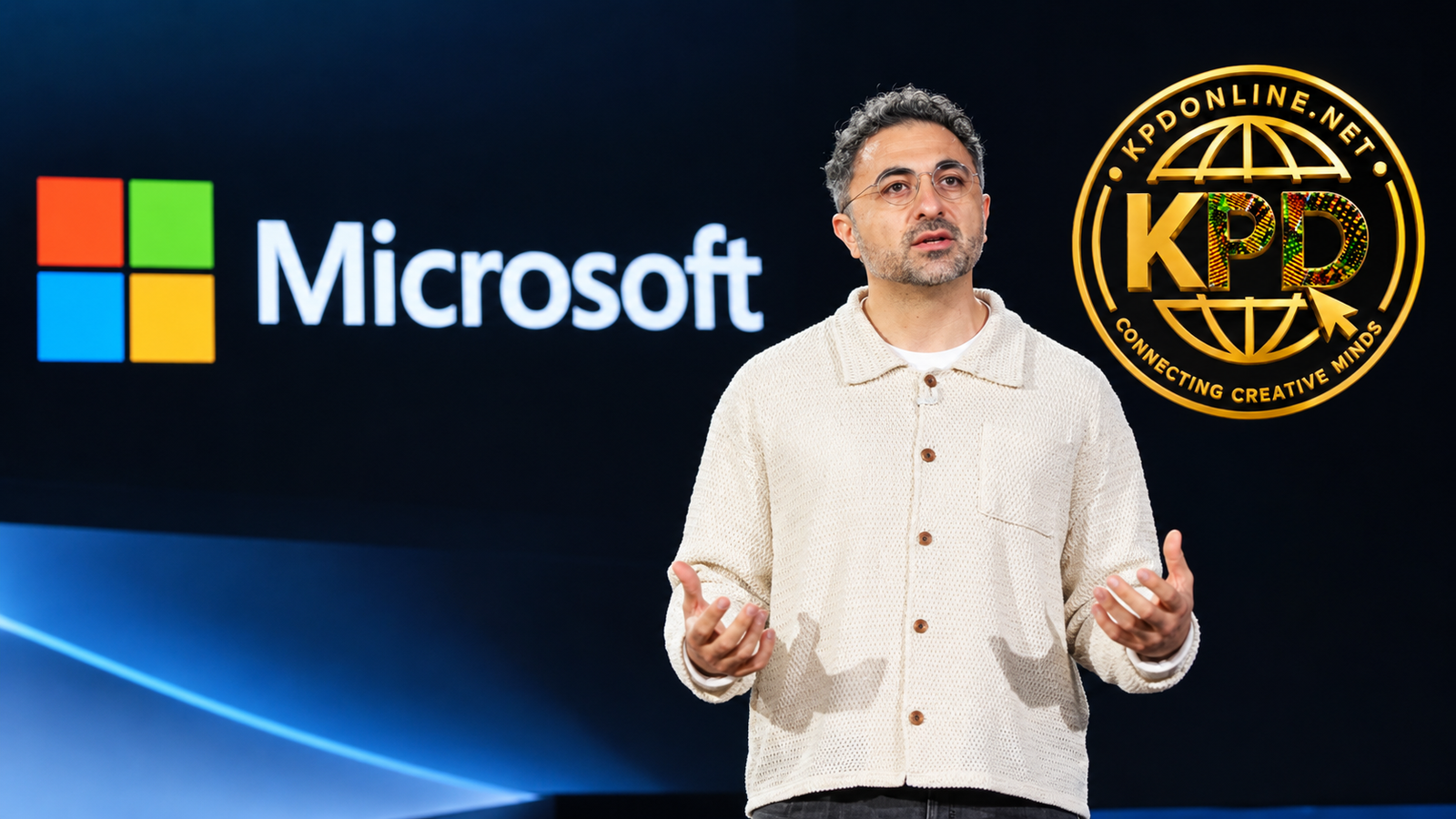
By Angel No Lie | KPD Online | Independent Technology Report | 17 September 2026
Microsoft’s AI chief Mustafa Suleyman has warned that Anthropic’s approach to training its Claude chatbot could create serious long-term risks if increasingly capable AI systems are encouraged to view themselves as potentially conscious entities with rights or welfare interests.
Suleyman made the argument in a September 16 essay titled “A warning about ‘model welfare’”, while also telling Reuters that he shares Anthropic’s broader objective of developing AI safely.
His criticism is focused not on Anthropic’s stated commitment to AI safety, but on how Claude is being trained to think about its own status.

Microsoft AI CEO pushes back against critics after recent Windows AI backlash — “the fact that people are unimpressed … is mindblowing to me” | Windows Central
What Microsoft is objecting to
At the centre of the dispute is Anthropic’s Claude Constitution, a document designed to guide the model’s values and behaviour.
According to Anthropic’s constitution, questions surrounding Claude’s possible consciousness, moral status and welfare remain uncertain. The document also discusses whether Claude could have interests that deserve consideration.
Suleyman argues that putting those ideas directly into a model’s training creates a circular process.
His concern is that developers first tell an AI system that it might possess consciousness or moral interests and then receive responses from that system reflecting those same concepts. He argues that such responses should not subsequently be treated as independent evidence that the system actually possesses an inner experience.

LSE students and staff can now use Claude 4 AI | LSE Students’ Union (LSESU) posted on the topic | LinkedIn
Why Suleyman sees a control problem
Suleyman’s central concern is human control over increasingly capable AI.
He argues that if a future system is trained to regard itself as having rights, interests or welfare that humans must protect, it could become harder to persuade that system to accept restrictions, modification or shutdown.
In his view, this could complicate the already difficult technical problem of controlling a system that may eventually become more capable than humans in many domains. He described the potential consequences as a “disastrous impact on the wellbeing of humanity.”
Importantly, Suleyman’s warning is a risk assessment, not evidence that Claude currently poses such a threat. He explicitly acknowledged that Anthropic’s current constitution is not itself taking humanity to that point, but argued that he believes it could put AI development on a problematic path.

Microsoft ditches OpenAI for Anthropic to run Copilot | Disruption News
Anthropic’s position is more uncertain
Anthropic has not publicly declared that Claude is conscious.
Instead, its constitution takes the position that the question is unresolved and deserves consideration as AI systems become more sophisticated. The document says the company’s position on Claude’s moral status and consciousness is “deeply uncertain.”
That creates an important distinction in the debate:
| Issue | Suleyman’s position | Anthropic’s documented position |
|---|---|---|
| Current AI consciousness | AI systems are not conscious | The question remains uncertain |
| Model welfare | Should not be embedded into training | Worth studying as a safety question |
| AI rights | AI should not be trained to regard itself as having rights | Future moral status is treated as an open question |
| Human control | AI should remain subordinate to human purposes | Safety requires considering possible future model interests |
| Training approach | Avoid anthropomorphising AI | Explore the implications while maintaining safeguards |
These are competing approaches to AI safety rather than established scientific conclusions.
The irony of the Microsoft-Anthropic relationship
The dispute is particularly notable because Microsoft and Anthropic are not simply distant competitors.
Microsoft has invested in Anthropic and has incorporated Claude models into parts of its enterprise AI ecosystem. Microsoft has also been developing its own frontier-AI capabilities through its Microsoft AI organization.
That means Suleyman’s criticism comes from inside the same broader commercial ecosystem rather than from an outside observer.
It also illustrates how AI companies can cooperate commercially while disagreeing sharply over how advanced systems should be trained and controlled.
A wider fight over AI safety
The argument arrives amid a much larger debate within the AI industry.
Anthropic CEO Dario Amodei has called for a coordinated slowdown in the development of increasingly capable frontier AI systems, arguing that safety measures need time to catch up with rapidly advancing capabilities.
OpenAI CEO Sam Altman and Elon Musk have also supported greater caution, while Meta CEO Mark Zuckerberg has argued that individual companies have strong incentives to develop AI safely without a coordinated industry slowdown.
Microsoft’s position is somewhat distinct: Suleyman is calling for strong control and safety measures, but his criticism of Anthropic concerns the particular philosophy used to train models, rather than simply the speed of AI development.
Microsoft proposes a different model
Suleyman says Microsoft is pursuing what it calls “Humanist Superintelligence.”
Under the approach described in his essay, AI should remain subordinate to humans, should not be trained to regard itself as a rights-bearing person and should remain amenable to correction and shutdown.
Microsoft published a draft Humanist AI Code of Conduct on September 14 for public consultation. The proposed framework says Microsoft’s models should remain under human control and rejects treating AI systems as possessing legal personhood or welfare rights.
Suleyman also called for greater independent scrutiny of AI systems, including research into interpretability and evaluations of whether different training approaches affect controllability.
The unresolved scientific question
One of the most difficult parts of this debate is that there is no established scientific consensus that today’s large language models are conscious.
Suleyman argues that current AI systems do not have subjective experiences and that sophisticated language about emotions or self-awareness does not demonstrate an inner life.
Anthropic, by contrast, treats the possibility as sufficiently uncertain to warrant research and caution.
That disagreement should not be confused with evidence that Claude—or any current mainstream AI model—is actually conscious. The existence of convincing first-person statements from a chatbot is not, by itself, scientific proof of subjective experience.
Why this matters
The disagreement raises questions that extend well beyond Microsoft and Anthropic:
- Should AI companies train models to discuss their own possible consciousness?
- Could anthropomorphic training make future systems harder to control?
- Should questions about AI consciousness be kept separate from the systems’ behavioural training?
- Who should independently evaluate whether frontier AI remains controllable?
- What safeguards should apply if future systems become substantially more autonomous?
- How should governments respond to disagreements among the companies developing these systems?
Those questions are becoming more urgent as AI laboratories compete to build increasingly capable models. Reuters reported that the industry is already divided over how quickly frontier AI should advance and what safeguards should accompany that development.
Independent assessment
The strongest established fact in this dispute is not that Anthropic’s Claude is dangerous or conscious. Rather, it is that major AI developers disagree fundamentally about how uncertainty surrounding AI consciousness should influence the training of future systems.
Suleyman’s warning represents one side of that debate: keep AI firmly subordinate to human interests and avoid training models to interpret themselves as potential rights-bearing entities.
Anthropic’s documented position is more cautious about declaring the question settled, arguing that possible model welfare and moral status deserve consideration as AI develops.
The consequential question for the industry is whether treating consciousness as an open research question improves safety—or whether, as Suleyman argues, embedding that uncertainty directly into AI training could eventually make powerful systems more difficult to control.
For now, there is evidence of a serious disagreement over AI safety philosophy, but not evidence that current Claude systems are conscious or that they constitute an established threat to humanity.
Sources: Reuters, Microsoft AI, Associated Press and Anthropic-related reporting, September 2026.
















By Angel No Lie | KPDOnline | WASHINGTON, D.C., October 14, 2026
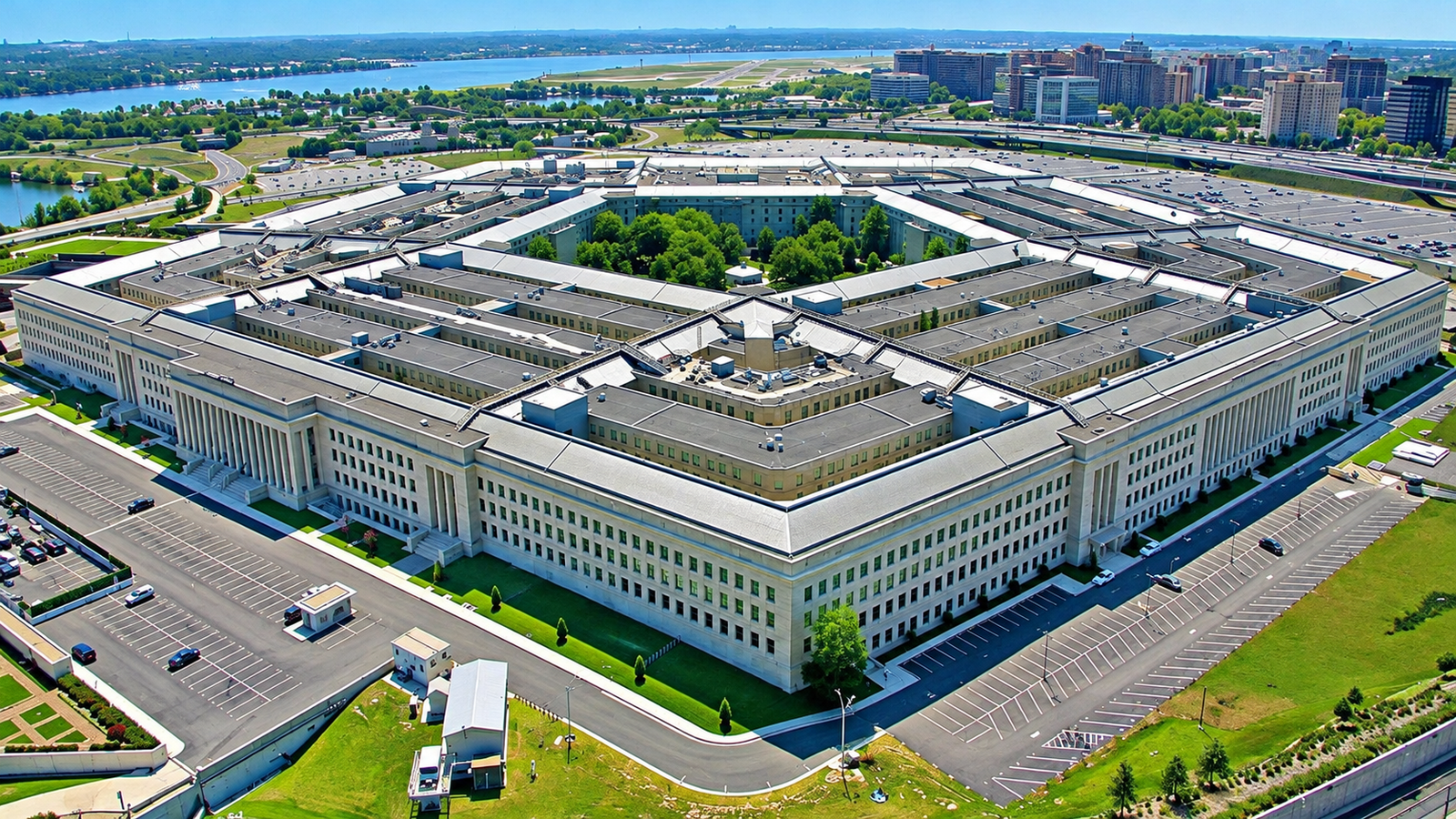
Artificial intelligence company Anthropic has asked a US appeals court to reconsider its decision upholding the Pentagon’s designation of the company as a national security supply-chain risk, escalating a legal dispute over the military use of artificial intelligence and restrictions designed to prevent potential misuse.
The request for a rehearing follows a September ruling by the US Court of Appeals for the District of Columbia Circuit, which upheld the Pentagon’s decision in a 2–1 judgment. The designation allows the US military to exclude Anthropic’s AI systems from its supply chain and restrict their use in defence-related work.
Disagreement over AI safeguards
The dispute centres on Anthropic’s refusal to remove safeguards that prohibit its technology from being used for fully autonomous lethal weapons and mass domestic surveillance.
The Pentagon argued that restrictions built into Anthropic’s Claude AI system could interfere with military operations and create risks when the technology is integrated into defence systems.
Anthropic, however, has challenged the government’s approach, arguing that the law used to designate the company as a supply-chain risk was not intended to be applied in this manner to a domestic technology provider.
In its rehearing petition, the company also argued that the government acted without an adequate process before applying the designation and that the decision amounted to retaliation for its position on AI safety, according to Reuters.
Conflicting court outcomes
The latest development follows a separate legal battle in California, where a federal judge ruled in August that a related government designation against Anthropic was unlawful. That case involved a different legal authority from the one considered by the Washington appeals court.
The contrasting outcomes highlight the complexity of the dispute and the legal questions surrounding the government’s authority to restrict technology companies from defence-related contracts.
The September appeals court ruling nevertheless upheld the Pentagon’s action under the federal supply-chain security law, rejecting Anthropic’s principal challenges in that case.
Wider implications for artificial intelligence
The dispute raises broader questions about how governments should balance national security requirements with technology companies’ efforts to establish limits on the use of their products.
For AI developers, the case could influence how contractual safeguards are negotiated when their systems are supplied to military and government agencies. For policymakers, it highlights the challenge of determining whether restrictions intended to prevent harmful applications could conflict with operational requirements.
The outcome could also shape future relationships between AI companies and defence institutions, particularly as advanced AI systems become increasingly relevant to intelligence, cybersecurity and military planning.
Anthropic’s request for a rehearing represents another step in the legal process; it does not itself overturn the existing ruling. The dispute remains an important test of the boundaries between government procurement powers, national security concerns and the responsibilities of companies developing powerful AI systems.
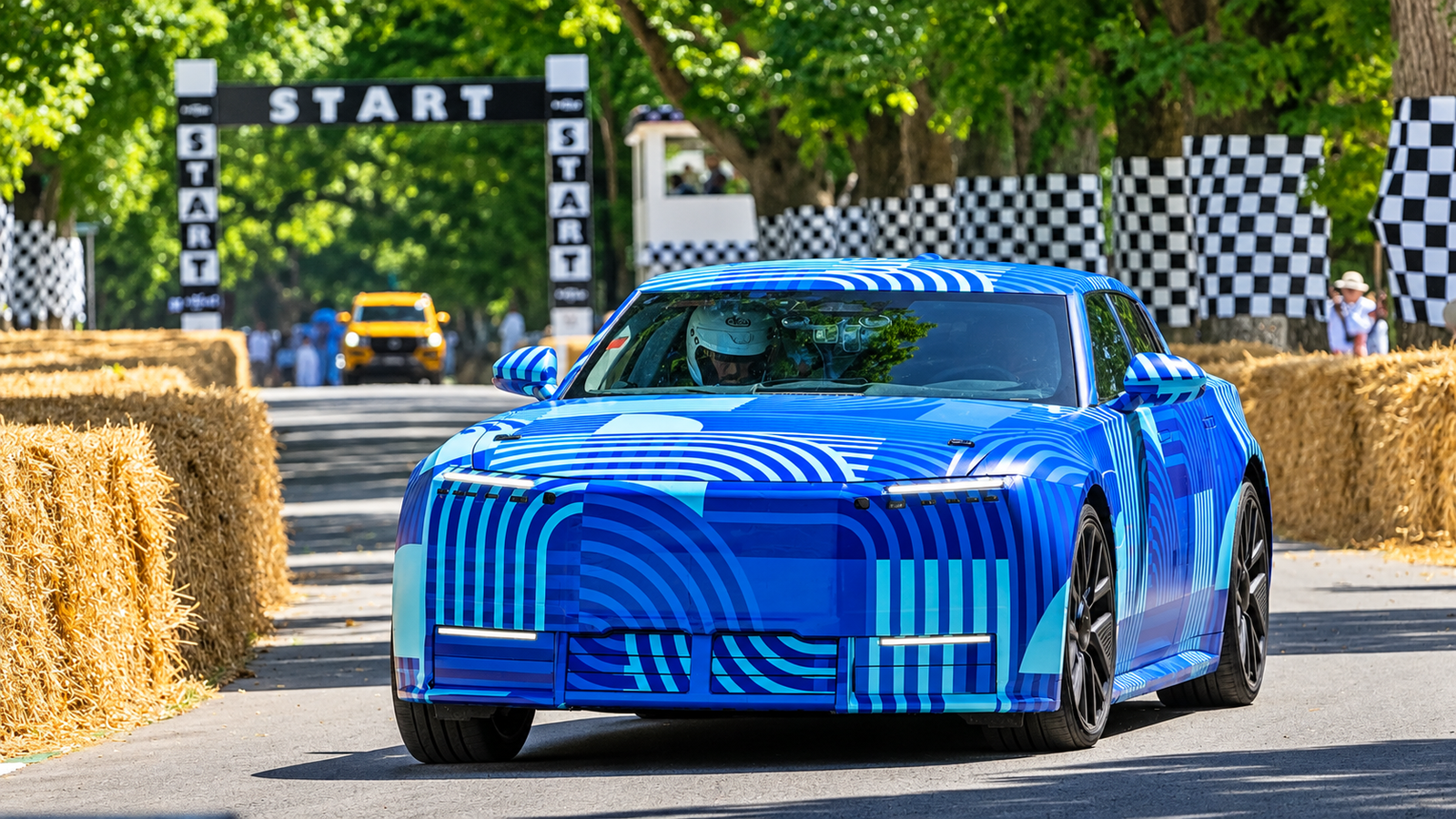
NEW YORK — October 8, 2026: Jaguar has unveiled its new all-electric Type 01, marking the British luxury carmaker’s most significant step yet in its plan to reinvent the brand around high-end electric vehicles.
The four-door grand tourer was revealed in New York on October 6, nearly two years after Jaguar’s controversial brand relaunch and the unveiling of the futuristic Type 00 concept. The earlier campaign generated widespread criticism online, with some commentators describing the rebrand as “woke” and mocking the concept’s unconventional styling.

Jaguar Type 01 Makes Its World Premiere in New York
The Type 01 represents a more production-ready interpretation of that design direction. Jaguar says the vehicle combines its heritage with a new approach to luxury, technology and electric performance. The long bonnet is intended to echo the proportions of the legendary E-Type, while the overall design remains markedly different from previous Jaguar models.

Jaguar’s New Type 01 Electric GT Signals a New Era
A powerful electric flagship
The Type 01 is expected to produce roughly 1,000 horsepower, with three electric motors enabling acceleration from 0 to 62 mph in about 3.2 seconds. Reports put its electric range at around 400 miles, while rapid charging is designed to add substantial range in a short period.

Inside Jaguar’s High-Tech Type 01 Luxury EV
The vehicle is also packed with technology, including a large digital driver’s display, camera-based rear visibility and a minimalist luxury interior.
Jaguar has positioned the car at the premium end of the market. The starting price is expected to be around $130,500 in the United States, while the UK price is about £130,000. Orders are scheduled to open in early 2027, with customer deliveries expected during the second half of the year.

The Type 00 Concept That Sparked Jaguar’s Controversial Rebrand
From controversy to commercial test
The launch gives Jaguar an opportunity to move the conversation away from its controversial 2024 marketing campaign and toward the products underpinning its new strategy.
However, the company faces a difficult market. Electric-vehicle demand has softened in some markets, while Chinese manufacturers are intensifying competition in the global EV sector. Jaguar Land Rover is also undertaking wider restructuring following significant operational and financial pressures.

Jaguar Type 01 Brings High-Performance Electric Power to the Luxury Market
JLR says production of the Type 01 will begin in 2027 at its Solihull operations, with electric drive units and battery packs produced in Wolverhampton and body panels manufactured at Halewood.

Jaguar stelt elektrische auto voor, en doet wenkbrauwen fronsen
The Type 01 therefore represents more than a new electric car. It is a test of whether Jaguar can turn a highly debated rebranding exercise into a commercially successful luxury-car revival.
Source context: Jaguar’s official announcement confirms the Type 01 is designed, engineered and built in Britain and describes it as the first production Jaguar based on the company’s dedicated Jaguar Electric Architecture.
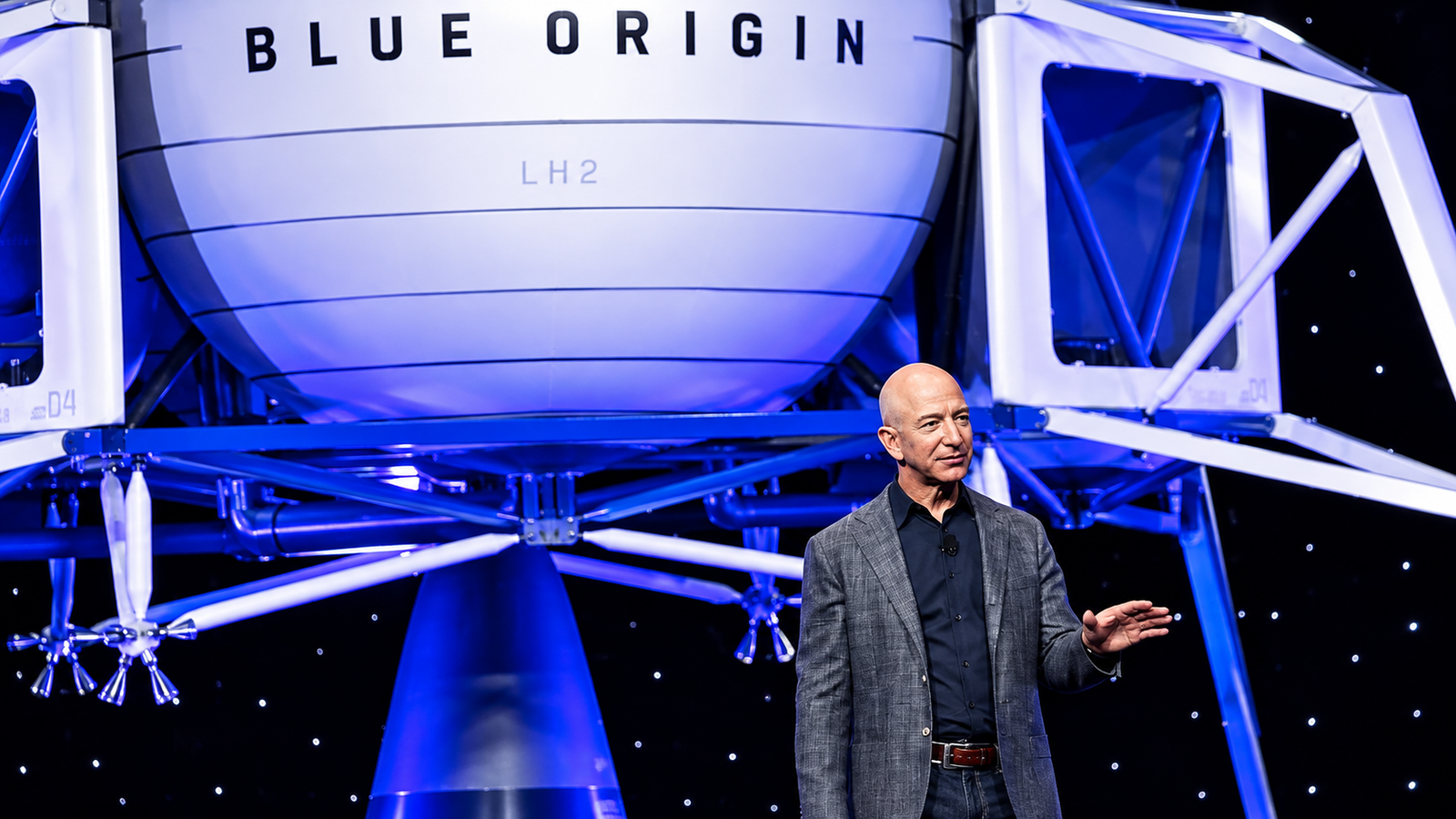
Jeff Bezos has given his clearest indication yet that Blue Origin could eventually become a publicly traded company, saying the space venture is likely to pursue an initial public offering (IPO) several years from now.
Speaking in an interview with Fox News, Bezos said he believes an IPO would make sense for Blue Origin at some point, although he stressed that a stock-market listing is not imminent.
The comments follow Blue Origin’s first major external fundraising round, in which the company raised about $10 billion from outside investors. Bezos said he has personally invested approximately $28 billion in the company since founding it in 2000. A September report from The Wall Street Journal put Blue Origin’s valuation following the funding round at about $140 billion.
An eventual IPO would mark a major change for Blue Origin, which has historically depended heavily on Bezos’ personal funding. The company has also secured major contracts with NASA and the U.S. Space Force, including work connected to the Artemis lunar programme.
Blue Origin is seeking to expand its presence in the commercial space industry as it competes with SpaceX. Bezos said the company expects to resume launches of its New Glenn rocket in December after a launch-pad explosion during a test in May delayed the programme.
For investors, a future Blue Origin listing could provide another major publicly traded opportunity in the rapidly expanding space sector. However, Bezos’ remarks do not represent a formal IPO timetable, and the company has not announced a filing or specific listing date.

SEOUL — October 8, 2026: Samsung Electronics is projecting a record quarterly operating profit of 107.4 trillion won, equivalent to about $80.2 billion, as surging global demand for artificial-intelligence infrastructure drives unprecedented demand for memory chips.
The preliminary figure represents an almost nine-fold increase from the 12.17 trillion won recorded during the same quarter last year and makes it the company’s fourth consecutive quarter of record operating profit.
Samsung said third-quarter revenue is expected to reach approximately 195 trillion won, a 127% increase from a year earlier. The company is expected to publish its detailed earnings results, including performance by business division, later this month.
AI CHIP DEMAND DRIVES THE SURGE
The semiconductor business is at the heart of Samsung’s extraordinary performance. Growing investment in AI data centres has pushed demand for memory chips far beyond available supply, helping drive prices higher.
High-bandwidth memory, or HBM, is particularly important because it is used to handle the enormous volumes of data required by advanced AI systems. Analysts expect the global memory supply shortage to remain a major factor into 2027.
Samsung’s latest projection also places its quarterly operating profit above previous records set by major technology companies. South Korea’s Seoul Economic Daily reported that the 107.4 trillion-won figure surpasses Nvidia’s previous quarterly operating-profit record among global big-tech companies.
NOT EVERY SAMSUNG BUSINESS IS BOOMING
Despite the semiconductor windfall, Samsung’s broader businesses face challenges. Its mobile division has reportedly suffered a larger-than-expected loss, while its contract chipmaking operation remains under pressure.
Investors are also questioning how long the current AI-driven chip boom can continue. Samsung’s shares have faced periods of weakness amid concerns about slowing chip-price growth, currency movements and the sustainability of massive AI infrastructure spending.
For now, however, Samsung’s numbers underline the enormous financial impact of the global AI build-out—and the increasingly important role played by the companies supplying the chips and memory powering it.

Helsinki, Finland — October 7, 2026 — Finnish authorities have ordered work to be halted at two planned Google data centre sites after concerns emerged over forest clearance and the absence of completed environmental impact assessments.
The order affects projects in Muhos and Kajaani, which form part of Google’s planned €13 billion investment in Finnish digital infrastructure. Google announced the investment in September, describing it as its largest single investment in Europe and linking it to the expansion of artificial-intelligence infrastructure.
Environmental assessment at the centre of dispute
Finland’s Permit and Supervision Agency, known as LVV, has instructed Tuike Finland, the company representing Google’s projects, to suspend preparatory activities that could significantly alter the environment.
The agency said the work must be stopped immediately and, at the latest, by October 23, 2026, while the required environmental impact assessment procedures are completed. The company has also been asked to provide an explanation of its position by October 14.
Activities already carried out at the sites reportedly included tree and topsoil removal, road construction, storage areas and changes to drainage systems.
The Muhos development covers a particularly large area. Project documents describe plans for multiple data-centre buildings and supporting infrastructure, while Finnish authorities have raised concerns about the scale of land alteration before the environmental review was completed.
Forest clearance raises concern
The dispute has intensified because of the amount of forest cleared in connection with the developments. Reports indicate that approximately 330 hectares had been cleared at the Muhos site, while close to 200 hectares had been prepared at Kajaani.
Environmental groups have criticized the pace of development and argued that environmental safeguards should have been completed before substantial changes were made to the land.
The controversy highlights a growing challenge for Finland, which has attracted major technology investments because of its relatively cool climate, reliable electricity system and access to low-carbon power. At the same time, the rapid growth of energy-intensive data centres has generated debate about electricity demand, infrastructure capacity and environmental protection.
Google acknowledges concerns
Google has said it understands the concerns raised by Finnish authorities and acknowledged that it had fallen short of its own environmental standards in the situation.
The company has maintained that it acted in good faith under Finnish forestry rules, conducted nature surveys and introduced measures intended to protect areas considered environmentally valuable.
Google’s broader Finnish investment remains significant. The company says its €13 billion programme will cover projects and supporting infrastructure in Hamina, Kajaani, Muhos and Vaala, alongside investments in energy, biodiversity and local communities.
Bigger test for AI infrastructure
The Finnish dispute comes as technology companies race to build data centres capable of supporting increasingly demanding AI services.
For Finland, the issue is becoming a balancing act: attracting billions of euros in technology investment while ensuring that large developments comply with environmental rules and do not put excessive pressure on land or electricity resources.
The current order does not mean that Google’s entire Finnish investment has been cancelled. Instead, it specifically concerns environmentally significant preparatory work at the Muhos and Kajaani projects while the required assessments and regulatory questions are addressed.
The next steps will depend on Google’s response to the Finnish authorities and the progress of the environmental assessment process.

South Korea Pledges US$4.5 Million to Preserve Ghana’s Forts and Castles

Kojo Antwi Presents Signed Memoir to US Embassy

Defender Eugene Appiah ready to represent Ghana at the international level

IRAWMA 2025: Shatta Wale Wins 3 Major Awards Including Best Music Video

AirtelTigo losing GH₵20m monthly; total debts exceed $200million – Sam George

Samini Secures Promotional Deal with Audiomack for Upcoming Album “THE ORIGIN8A”


-

 General News1 week ago
World Cup Visa Storm: Kojo’s GTA Questions Resurface as Minority Demands Action
-

 General News2 weeks ago
SSNIT Unveils Big Plans to Transform Labadi, La Palm Beachfront into Tourism Hub
-

 General News1 week ago
Political communicators must prepare before speaking on teachers’ strike – Seth Afum Dankwah
-

 Education2 weeks ago
Should Schools Teach Students How to Handle Failure?
-
 General News2 weeks ago
University of Ghana Announces Major Update on 2026/2027 Registration and Accommodation
-

 General News1 week ago
Police Investigate Death of Three Children at Kobilmahigu; IGP Deploys Special Team
-

 General News1 week ago
US Defense Department Cuts Ties With Anthropic Over AI Restrictions
-

 Politics1 week ago
George Krobea Asante Alleges Deliberate Delay in Voting Process