
Entertainment
Ebony Reigns: The Life, Music, Controversies and Lasting Legacy of Ghana’s 90s Bad Gyal


Priscilla Opoku-Kwarteng, popularly known as Ebony Reigns, lived only 20 years, but within the short period she spent in Ghana’s music industry, she achieved what many artistes spend decades trying to accomplish.
She arrived on the music scene as a young, relatively unknown singer, faced criticism over her image and lyrics, released a string of songs that dominated Ghanaian airwaves, built a recognisable brand and eventually became the first female artiste to win the overall Artiste of the Year award at the Ghana Music Awards.
Then, just as her career seemed to enter its biggest chapter, it ended abruptly.
Ebony died in a road crash on February 8, 2018, while returning to Accra from Sunyani after visiting her mother.
She was only days away from turning 21.
Yet years after her death, her songs continue to stream, play at parties, and be remembered by Ghanaians, while academics continue to study the cultural questions raised by her music, image, and public persona.

Who was Ebony Reigns?
Ebony was born Priscilla Opoku-Kwarteng on February 16, 1997.
She was the daughter of Nana Opoku Kwarteng, popularly known as Starboy Kwarteng, and Beatrice Oppong Martin.
She grew up in Accra and was affectionately called Nana Hemaa or Ohemaa by people close to her.
Her family roots were associated with the Brong-Ahafo area, although she was raised in the capital.
She attended Seven Great Princess Academy in Dansoman for her basic education before continuing to Methodist Girls’ High School at Mamfe in the Eastern Region.
It was during her teenage years that music began to take over her ambitions.
Rather than completing senior high school, she decided to pursue music professionally.
Her decision was risky.
At the time, she was a teenager attempting to enter an industry where established musicians already dominated the attention of the public.
But she believed music was the path she wanted to follow.

The teenager who chose music over school
Ebony’s decision to leave school became an important part of her story.
She had already begun nurturing her interest in music while she was still in school.
Eventually, she made the decision to leave formal education and concentrate on becoming a musician.
A University of Cape Coast study on Ebony describes this as part of her attempt to remake herself and establish an identity through music.
The research is particularly useful because it looks beyond the celebrity image and examines how Ebony’s music and public persona reflected aspects of contemporary Ghanaian youth culture.
Her choice was controversial, but it ultimately became the beginning of a career that would change Ghana’s female music landscape.
Ebony’s breakthrough was closely connected to music entrepreneur Bullet, formerly of the duo Ruff n Smooth.
In 2015, Bullet discovered the young singer and signed her to RuffTown Records.
The label became the home from which Ebony’s career would take off.
At the time, she was not yet a household name.
She had to establish herself one song at a time.
Her first major step came with her debut single, Dancefloor.

Dancefloor — the beginning
Ebony released “Dancefloor” in December 2015.
The song announced the arrival of a new female voice in Ghanaian music.
It did not immediately make her one of the country’s biggest stars, but it gave her the platform she needed.
The song eventually earned her a nomination in the Unsung category at the 2016 Ghana Music Awards.
For a new artiste, the nomination was an important signal that the industry was beginning to notice her.
But Ebony had not yet released the song that would transform her career.

Then came Kupe
In March 2016, Ebony released Kupe.
That song changed everything.
“Kupe” became one of the songs that established her as a major young artiste in Ghana.
It also introduced listeners to the personality that would become central to the Ebony brand.
She was bold, confident, and outspoken.
And she did not appear interested in fitting comfortably into the traditional expectations placed on female Ghanaian performers.
The song became a major hit and helped move Ebony from an emerging artiste into the national spotlight.

The birth of the 90s Bad Gyal
Ebony eventually embraced the identity of the 90s Bad Gyal.
The name was more than a nickname.
It became part of her branding.
She presented herself as a young woman who was confident, independent and unwilling to apologise for her personality.
Her clothing, dance moves, music videos and lyrics all formed part of this image.
That image attracted a huge following.
But it also attracted criticism.
Some members of the public believed her appearance and performances were too provocative, particularly for a young Ghanaian woman.
Others argued that Ebony was simply exercising artistic freedom and creating a character that allowed her to stand apart from her competitors.
Academic research has since treated this tension as an important part of understanding Ebony’s cultural impact.

Why Ebony became controversial
Ebony’s popularity was not based only on music.
Her appearance became part of the national conversation.
Her revealing outfits and sexually suggestive lyrics were frequently discussed in the Ghanaian media.
She was criticised by some religious figures, parents and commentators who felt that she was setting a bad example for young girls.
Others defended her.
For them, Ebony represented a young woman exercising control over her image and refusing to conform to expectations about how female artistes should dress or behave.
This created a strange contradiction.
The same public that criticised her was also consuming her music.
Her songs were everywhere.
Her videos were being watched.
Her performances were attracting large crowds.
And her name was constantly appearing in the media.
A University of Cape Coast study describes this contradiction as central to Ebony’s public reception: she was simultaneously criticised as an unacceptable role model and celebrated for her music and distinctive persona.
Poison takes her even higher
After “Kupe,” Ebony continued releasing songs that strengthened her position.
One of the biggest was Poison.
The song helped establish her as one of Ghana’s most recognisable young female performers.
By this stage, Ebony’s voice, fashion and performance style were becoming difficult to ignore.
She had moved beyond being simply another new singer.
She was becoming a brand.
Sponsor and another major hit
Ebony’s next major success was Sponsor.
The song became one of her signature records.
It was heavily played on radio and at social gatherings and helped maintain her dominance over Ghana’s music conversation.
By 2017, songs such as Sponsor, Poison, Kupe, Date Ur Fada, Hustle and Maame Hw3 were regularly heard across the country.
Spotify’s current catalogue also continues to list Date Ur Fada, Sponsor, Hustle, Poison and Maame Hw3 among Ebony’s most-streamed recordings, showing that her music has continued to find listeners years after her death.

Date Ur Fada
“Date Ur Fada” became another song strongly associated with Ebony’s identity.
The song was playful, provocative and deliberately different from the more conservative expectations surrounding female performers.
Its popularity demonstrated Ebony’s understanding of her audience.
She knew how to create songs that generated conversation.
Even people who criticised the lyrics often knew the words.
That ability to dominate conversation became one of her greatest strengths as an entertainer.

Hustle
Hustle was another important record.
The song demonstrated that Ebony could use wordplay and a commercially accessible sound while maintaining the personality that had become central to her brand.
Academic research on contemporary Ghanaian women’s music has since examined “Hustle” as part of a wider discussion about women’s agency, sexuality, work and self-expression in popular music.

The deeper meaning of Maame Hw3
Perhaps the song that most clearly showed another side of Ebony was Maame Hw3. Translated roughly as Mother, look, the song addressed domestic violence and the plight of women in abusive relationships.
It was a significant departure from the image of Ebony as simply the provocative “90s Bad Gyal.”
The song allowed her to address a social issue.
Its music video also helped communicate the message.
Ghana’s academic literature has subsequently examined Maame Hw3 through the lens of womanism, female self-expression and liberation.
A 2023 peer-reviewed study concluded that the song raises issues relating to women’s liberation, relationships and social behaviour.
That aspect of Ebony’s catalogue is important because it demonstrates that her music could carry social commentary alongside entertainment.

Aseda
Ebony also released Aseda, a song with a more reflective and grateful tone.
The song became another popular recording associated with her short career.
It showed that her catalogue was not limited entirely to provocative dancehall records.
She could move between different moods and themes.
Although Ebony was frequently described as a dancehall artiste, her music drew from several Ghanaian and international styles.
Her recordings incorporated elements of dancehall, Afropop, highlife and hiplife.
Her voice was often placed prominently over relatively sparse productions driven by bass, percussion and keyboard sounds.
The University of Cape Coast research into her music describes this production style as characteristic of contemporary Ghanaian dancehall and popular music.
This flexibility helped her reach a wide audience.

Her debut album: Bonyfied
In 2017, Ebony released her debut album, Bonyfied.
The album consolidated the success she had built through her singles.
It became a major part of the story of her rise.
By the end of 2017, Ebony was no longer simply a promising young artiste.
She was one of the biggest names in Ghanaian music.
Her album would eventually become even more significant after her death.
2017: The year Ebony took over
The year 2017 was arguably the defining year of Ebony’s career.
She was everywhere.
Her songs dominated radio.
Her videos attracted attention.
She performed at major events.
Her image became a regular subject of public discussion.
And she continued releasing music while other established artistes competed for the same audience.
Graphic Showbiz later described her as an artiste whose brand had become so powerful that she controlled conversations across Ghanaian society.

She was not afraid of criticism
One of Ebony’s defining characteristics was her apparent willingness to ignore criticism.
She understood that her image would not be accepted by everyone.
But instead of abandoning it, she used the controversy to strengthen her identity.
This became an important part of the “Ebony Reigns” brand.
The public knew what to expect when she appeared.
The clothes.
The confidence.
The dancehall sound.
The attitude.
The stage presence.
Everything formed part of a recognisable identity.

Ebony’s stage presence
Her popularity was not based only on recorded music.
She was also known for her performances.
She had a distinctive stage presence and a style of movement that helped her connect with audiences.
Graphic Showbiz described her stagecraft as one of the elements that helped distinguish her from her contemporaries.
Her performances reinforced the idea that Ebony was not simply a singer.
She was an entertainer.
Her relationship with her father
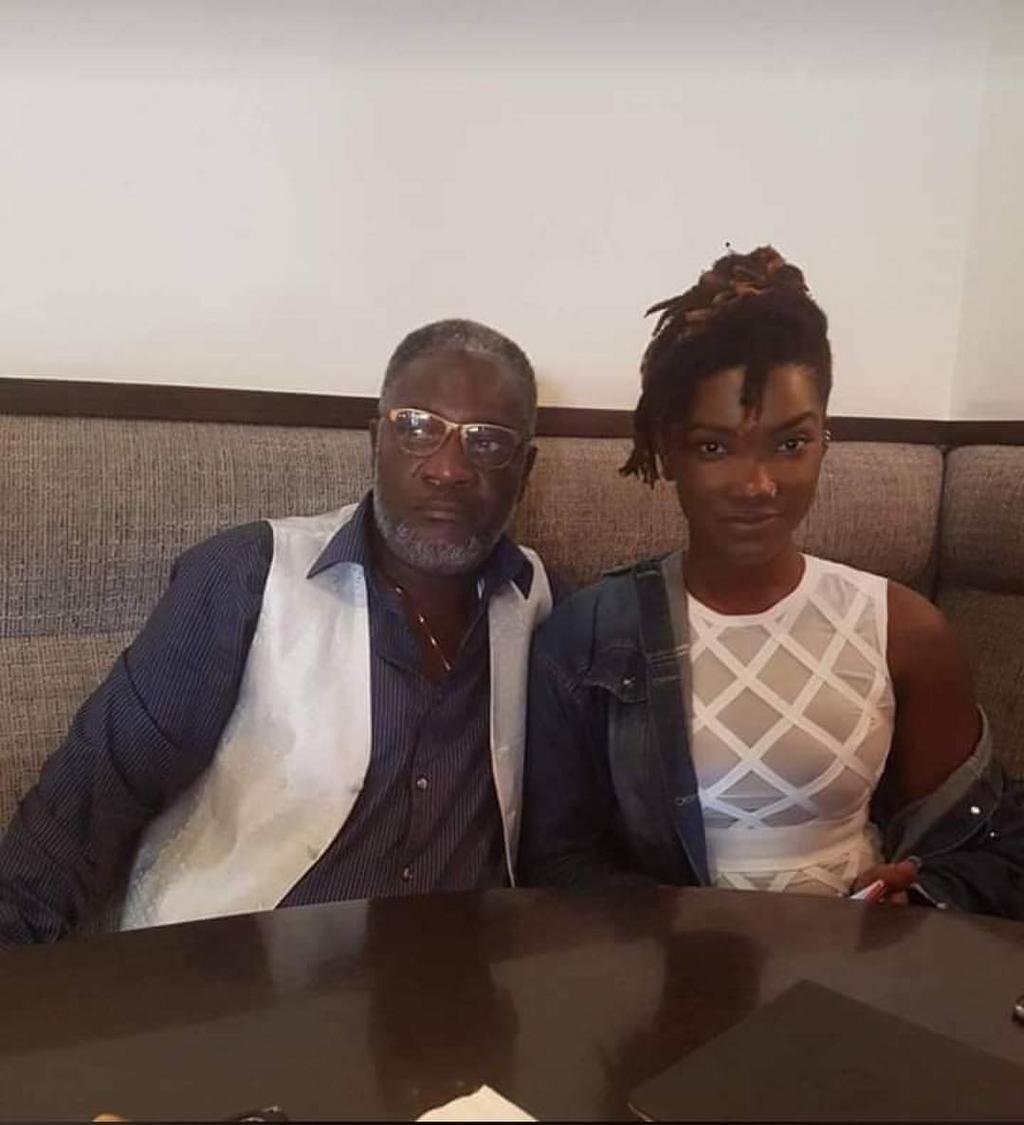
Ebony’s father, Nana Opoku Kwarteng, was closely involved in her career and became one of the most visible members of her family after her death.
Images from the period show Ebony with her father during the filming of the video for “Sponsor.”
He later became an important voice in preserving her memory and speaking publicly about his daughter.
MyJoyOnline has documented his visits to Ebony’s grave with other members of the family during later anniversaries of her death.
The tragedy that shocked Ghana
On February 8, 2018, Ghana woke up to devastating news.
Ebony Reigns had died in a road accident.
She had been travelling from Sunyani towards Kumasi and Accra after visiting her mother.
The vehicle in which she was travelling was involved in a collision with a VIP bus on the Sunyani-Kumasi road.
Ebony died alongside her friend Franky Kuri and military officer Lance Corporal Francis Atsu Vondee.
The driver survived.
Ebony was only 20 years old and was just eight days away from her 21st birthday.
A career that ended just before a new chapter
The tragedy was made even more painful because Ebony’s career was still expanding.
According to her father, she had a visa and was preparing to travel to Europe for a music tour.
The international trip was expected to help introduce her music to a wider audience.
Instead, her career ended before she could make that next step.
It was a painful reminder of how quickly fame and life can change.
The shock across Ghana
Ebony’s death generated an extraordinary reaction.
Fans who had followed her music mourned.
Celebrities paid tribute.
Politicians expressed condolences.
People who had previously criticised her music also joined the national mourning.
Her one-week observance in Dansoman attracted thousands of people.
The event was described as more than a traditional mourning ceremony; it became a public celebration of her short but remarkable life.
Ebony’s funeral
Ebony was buried on March 24, 2018, following a funeral service at the forecourt of the State House in Accra.
She was later laid to rest at the Osu Cemetery.
Her funeral attracted musicians, entertainment personalities, government officials, religious leaders, family members and thousands of fans.
Songs such as Sponsor, Maame Hw3, Kupe and Aseda were central to the atmosphere surrounding her farewell.

The awards that came after her death
One of the most remarkable chapters in Ebony’s story came after her burial.
On April 14, 2018, less than three months after her death, Ebony made Ghanaian music history.
At the 19th Vodafone Ghana Music Awards, she was crowned Artiste of the Year.
She also won:
Album of the Year – Bonyfied
Afro Pop Song of the Year – Sponsor
Her manager, Bullet, won Songwriter of the Year for Maame Hwe.
The first female Artiste of the Year
Ebony’s Artiste of the Year victory was historic.
She became the first female artiste to win the overall Artiste of the Year category at the Ghana Music Awards.
She had competed against major names including Joe Mettle, Sarkodie, Shatta Wale and Stonebwoy.
The significance of the victory was heightened by the fact that she was not alive to receive it herself.
Her parents and management team accepted the awards on her behalf.

The irony of her biggest achievement
There was a painful irony surrounding the award.
Ebony had spent the previous year battling criticism and proving that she deserved to be taken seriously.
By the time the biggest recognition arrived, she was gone.
But the award confirmed what her supporters had argued throughout 2017: Ebony had become one of Ghana’s most important music acts.
Her death did not erase her achievement.
If anything, it made the achievement even more symbolic.
Tributes at the Ghana Music Awards
The 2018 awards ceremony also became a major tribute to Ebony.
Artists performed some of her songs in her memory.
MzVee performed Date Ur Fada.
Akosua Agyapong, Adina and Efya were also involved in performances paying tribute to the late singer.
The ceremony demonstrated the extent to which her absence had affected Ghana’s music community.
Nana Hemaa — the industry remembers her
Four years after her death, the Ministry of Tourism, Arts and Culture, MUSIGA and GHAMRO organised an all-star tribute to Ebony.
The tribute, titled Nana Hemaa, featured female artistes including Adina, MzVee, Efya, Freda Rhymz, eShun, Feli Nuna and Adomaa.
The event was significant because many of the women involved had been part of the generation of artistes Ebony influenced or inspired.
It demonstrated that her impact had extended beyond the songs she recorded.
Her music survived her
Ebony’s death did not stop her music from reaching new audiences.
Her catalogue continues to be available on streaming platforms.
Spotify currently lists songs including Date Ur Fada, Sponsor, Hustle, Poison and Maame Hw3 among her most popular recordings.
Her debut album Bonyfied remains part of her recorded legacy.
This is important because music consumption has changed dramatically since 2018.
A song that once depended on radio and television can now reach listeners years after an artiste’s death.
John 8:7 and the continuation of her catalogue
Ebony’s posthumous catalogue also continued to grow.
In 2021, Bullet released John 8:7, featuring Wendy Shay, using previously recorded material associated with Ebony.
The release allowed fans to hear new Ebony material years after her passing.
It also demonstrated how the RuffTown team attempted to preserve and extend her musical legacy.
Why Ebony remains culturally important
Ebony’s importance is not simply that she died young.
Many young musicians have died before reaching their full potential.
What makes Ebony different is the speed and scale of her rise.
She entered the mainstream around 2016.
By 2017, she had become one of Ghana’s biggest music stars.
By April 2018, after her death, she had become the first woman to win Ghana’s biggest overall music award.
That happened in a career that lasted only a few years.
She changed conversations about female artistes
Ebony’s career also contributed to a wider conversation about female musicians in Ghana.
Women in the industry have often faced expectations concerning how they should dress, behave and perform.
Ebony openly challenged many of those expectations.
That did not make everyone comfortable.
But it forced the public to discuss questions around:
Who decides how a female artiste should look?
Can a woman use sexuality as part of her artistic identity?
Where should society draw the line between entertainment and morality?
Can provocative music still carry a meaningful social message?
Ebony’s career did not provide simple answers to these questions.
Instead, it forced them into the public conversation.
Academic researchers continue to examine those issues through her music.
Maame Hw3 changed the conversation
The importance of Maame Hw3 is particularly clear in retrospect.
The same artiste who was heavily criticised for provocative performances produced a song addressing domestic abuse.
That contrast demonstrated that Ebony could not easily be placed into one category.
She could be provocative and socially conscious.
She could make party songs and songs about serious social issues.
She could be controversial and commercially successful at the same time.
That complexity is part of what made her interesting.

Ebony as a symbol of youth culture
A University of Cape Coast study describes Ebony’s public persona as representing aspects of contemporary urban youth culture.
Her confidence, fashion, lyrics and rejection of traditional expectations reflected the attitudes of some young Ghanaians who wanted greater freedom to define themselves.
This is one reason her music attracted such a strong youth following.
She was not presenting herself as an older person telling young people how to behave.
She was one of them.
She was young, outspoken and experimenting with her identity in public.
Ebony’s influence can also be seen in the generations of young female musicians who followed.
She demonstrated that a young Ghanaian woman could build an enormous commercial music brand around dancehall and Afropop.
She showed that female artistes could create strong visual identities.
She showed that controversy could become part of a marketing strategy.
And she proved that a female artiste could compete directly with Ghana’s biggest male stars for the overall top prize.
Her 2018 Artiste of the Year victory remains one of the most important milestones in the history of Ghanaian female music.

Her legacy seven years later
In 2025, seven years after her death, Radio Univers at the University of Ghana revisited Ebony’s career.
The station noted that her influence remained visible and highlighted the continuing popularity of songs such as Kupe, Sponsor, Date Ur Fada, and Hustle.
The tribute also described her as an artiste who had redefined aspects of Ghana’s music industry through her lyrics, style and stage presence.
That continuing interest shows that Ebony has not disappeared from Ghana’s cultural memory.
Ebony’s family has continued marking anniversaries of her death.
In 2020, her father and sister visited her grave at Osu Cemetery on the second anniversary of her passing.
In 2022, her parents and other family members again visited the gravesite on the fourth anniversary.
These visits have become part of the family’s ongoing remembrance of the young woman they lost.
The music she left behind
Although her career was short, Ebony left behind a catalogue that continues to be associated with an important period in Ghanaian pop music.
Some of her best-known songs include: Dancefloor, Kupe, Poison, Sponsor, Hustle, Date Ur Fada, Maame Hw3Aseda
Her album Bonyfied remains the defining album of her career.
She also appeared on collaborations and had additional material released after her death.
What Ebony never got to do
Perhaps the saddest part of Ebony’s story is the list of things she never got the opportunity to accomplish.
She never got to see how far her music could travel internationally.
She never got to experience the full impact of winning Artiste of the Year.
She never got to turn 21.
She never got to release the many albums that might have followed Bonyfied.
She never got to see the young female artistes who would later enter the industry and draw inspiration from her.
And she never got to see how technology would continue introducing her music to new listeners.
Her career ended just as it was beginning to reach another level.

The woman behind the brand
It is easy, years later, to remember Ebony only as the bold woman in music videos.
But behind the 90s Bad Gyal image was a young woman who had dreams, a family, friends and ambitions.
She was a daughter, a sister and friend.
A young woman trying to establish herself in a difficult industry.
Her rapid transformation from an aspiring teenager into a national star happened in only a few years.
That makes her story both inspiring and heartbreaking.
Why Ebony’s story still matters
Ebony Reigns should not be remembered only because she died young.
She should be remembered because she changed the conversation.
She entered Ghana’s music industry at a young age and refused to disappear into the crowd.
She created a recognisable identity.
She released music that dominated the airwaves.
She addressed social issues.
She challenged traditional expectations of female performers.
She became a major commercial force.
And she made history at the Ghana Music Awards.
Her career may have lasted only about three years, but its influence has lasted much longer.
A legacy bigger than her age
Ebony was 20 when she died.
Yet her achievements were already those of an established artiste.
She had a hit catalogue.
A successful debut album.
A loyal fan base.
Major industry recognition.
International ambitions.
And a historic Artiste of the Year award.
That is why her death remains one of the most painful moments in Ghanaian entertainment history.
She did not simply leave behind unfinished plans.
She left behind a career that had already begun changing the industry.
The legacy of the 90s Bad Gyal
Years after her death, Ebony’s name still appears whenever discussions turn to Ghana’s most influential female musicians.
Her songs continue to play.
Her image remains familiar.
Her story is still studied.
Her family continues to honour her.
Musicians continue to pay tribute to her.
And young listeners who were children or had not yet been born when she became famous can still discover her through streaming platforms.
That is perhaps the clearest definition of legacy.
A musician’s life ends, but the music keeps moving.
Ebony Reigns may have left Ghana’s music industry in February 2018, but she never really left the country’s musical memory.
From Dancefloor to Kupe, Poison, Sponsor, Hustle, Date Ur Fada, Maame Hw3 and Aseda, she compressed an extraordinary musical journey into a remarkably short life.
She became the first female Artiste of the Year at the Ghana Music Awards.
She challenged ideas about how a female artiste should look and behave.
She used music to address issues such as domestic violence.
She created a brand that was impossible to ignore.
And she left behind a story that continues to provoke admiration, debate and nostalgia.
Ebony Reigns did not live long enough to see the full extent of her potential. But she lived long enough to leave a mark.
And in Ghanaian music, that mark remains.

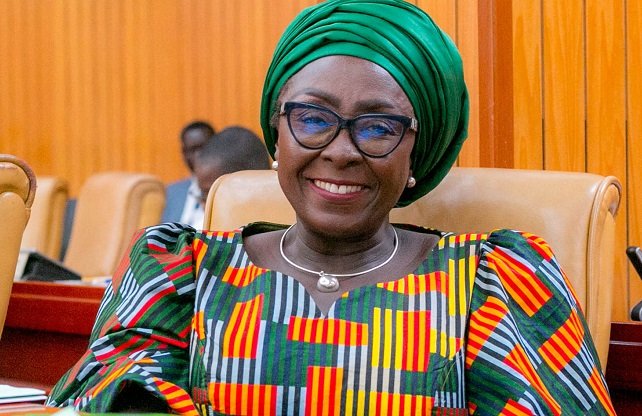
South Korea has pledged US$4.5 million in support over five years to help Ghana preserve its historic forts and castles, strengthen heritage tourism and protect coastal heritage sites from the effects of climate change, Tourism Minister Abla Dzifa Gomashie has disclosed.
The support, according to the minister, will include technical expertise and equipment to help restore and protect the country’s historic monuments, many of which face increasing threats from rising sea levels, tidal waves, coastal erosion and other environmental challenges.
Speaking on efforts to reposition Ghana’s heritage tourism sector posted on the Facebook page of Aidoo Elizabeth, Ms Gomashie said the government was working with the United Nations Educational, Scientific and Cultural Organisation (UNESCO) and the National Commission of UNESCO of Korea to develop measures to safeguard the country’s forts and castles.
She explained that the collaboration was aimed at reversing the deterioration of Ghana’s historic sites and making them more attractive to visitors, particularly those from the African diaspora seeking to reconnect with their ancestral history.
The minister acknowledged that although Ghana’s historic forts and castles remain important destinations for heritage tourism, there is a need to improve the visitor experience and introduce additional attractions to sustain public interest.
She cited the Kwame Nkrumah Memorial Park as a leading destination in terms of visitor arrivals, noting that the government was exploring ways to strengthen other heritage sites, including Cape Coast Castle.
According to her, repeated visits to some historic sites may become less appealing when there are limited new experiences for tourists, despite the profound historical significance of the locations.
“The Kwame Nkrumah Memorial Park now is the highest in terms of arrivals,” she said, explaining that the government was considering how to address possible visitor fatigue at Cape Coast Castle.
She noted that visits to the castle carry a deeper meaning for members of the African diaspora, many of whom travel to Ghana to reconnect with their heritage and learn more about the history of the transatlantic slave trade.
For such visitors, she explained, the experience is not necessarily about entertainment or elaborate activities but about reconnecting with their roots and understanding the historical experiences of their ancestors.
However, she maintained that more could be done to improve the presentation and preservation of the sites while maintaining their historical significance.
The government is therefore seeking to develop Ghana’s heritage tourism offerings in ways that preserve the authenticity of the monuments while providing visitors with more meaningful experiences.
Ms Gomashie said the government had been engaging UNESCO and the Korean National Commission for UNESCO, commonly referred to as KNCU, to explore ways of restoring and protecting the country’s forts and castles.
She explained that the initiative involves cooperation with Ghana’s National Commission for UNESCO, which she identified as being headed by Professor Damba, as well as UNESCO’s office in Ghana.
The minister said the partnerships were expected to contribute technical knowledge and other resources towards protecting Ghana’s historic properties.
She stressed that preserving the forts and castles was particularly important at a time when President John Dramani Mahama had placed emphasis on reparations and restitution.
According to her, Ghana must strengthen its heritage infrastructure to accommodate visitors interested in learning about slavery, the experiences of Africans during the transatlantic slave trade and the historical links between Ghana and the wider African diaspora.
The forts and castles are central to that effort because of their connection to the forced movement of Africans and the broader history of the transatlantic slave trade.
She argued that improving their condition and accessibility would help Ghana maintain its position as a destination for historical and cultural tourism.
The tourism minister identified climate change and global warming as major threats to Ghana’s coastline and the historic structures located along it.
She said the country’s coastal monuments were increasingly exposed to harsh weather conditions and environmental pressures, making restoration and long-term protection urgent.
Ms Gomashie, who is also the Member of Parliament for Ketu South, said her concerns extended beyond her constituency to the wider coastline and the national heritage resources situated along it.
She recalled the challenges faced by coastal communities affected by tidal waves, explaining that the same environmental pressures threatening communities also pose risks to historic sites and other valuable coastal assets.
She said South Korea’s proposed support would help provide the expertise and equipment needed to protect the forts and castles against these threats.
The minister emphasised that the preservation of the monuments was not only a tourism concern but also a national responsibility, given their historical, cultural and economic significance.
The five-year support programme is expected to contribute to efforts to safeguard these sites for future generations while strengthening their potential to attract international visitors.
Beyond the restoration of forts and castles, Ms Gomashie said Ghana was exploring opportunities to develop underwater heritage tourism along its coastline.
She explained that the country had ratified international conventions, including one concerning the protection of underwater cultural heritage.
According to her, the historical significance of Ghana’s coastline suggests that there may be submerged heritage resources, including shipwrecks, that could contribute to the country’s tourism offerings.
She said such resources should be identified, protected and managed responsibly to preserve their historical value.
The minister noted that underwater heritage could provide new opportunities for visitors interested in underwater sightseeing and the exploration of historical sites beneath the sea.
She clarified that the objective was not simply to excavate submerged resources but also to protect them and explore ways of making them accessible through appropriate tourism activities.
The development of underwater heritage tourism could therefore complement existing attractions along the coast and provide additional experiences for visitors interested in Ghana’s maritime history.
However, such efforts would require appropriate protection measures and technical expertise to ensure that underwater cultural resources are not damaged or exploited.
The proposed South Korean support forms part of broader efforts to preserve Ghana’s historical assets and improve the country’s appeal as a heritage tourism destination.
The forts and castles remain significant reminders of the transatlantic slave trade and the experiences of Africans who were held and transported through the coastal trading centres.
Their preservation is particularly relevant to Ghana’s engagement with members of the diaspora, including visitors seeking historical knowledge, ancestral connections and a deeper understanding of the country’s role in the slave trade.
By combining restoration, climate protection, international cooperation and the development of new tourism products, the government hopes to ensure that these sites continue to serve as important cultural and educational destinations.
The collaboration with South Korea and UNESCO is expected to support that objective over the five years, while efforts to explore underwater heritage tourism could broaden the range of experiences available to visitors.
For Ghana, the challenge will be to protect its historic monuments from environmental damage while ensuring that the sites remain relevant, accessible and attractive to future generations of tourists.
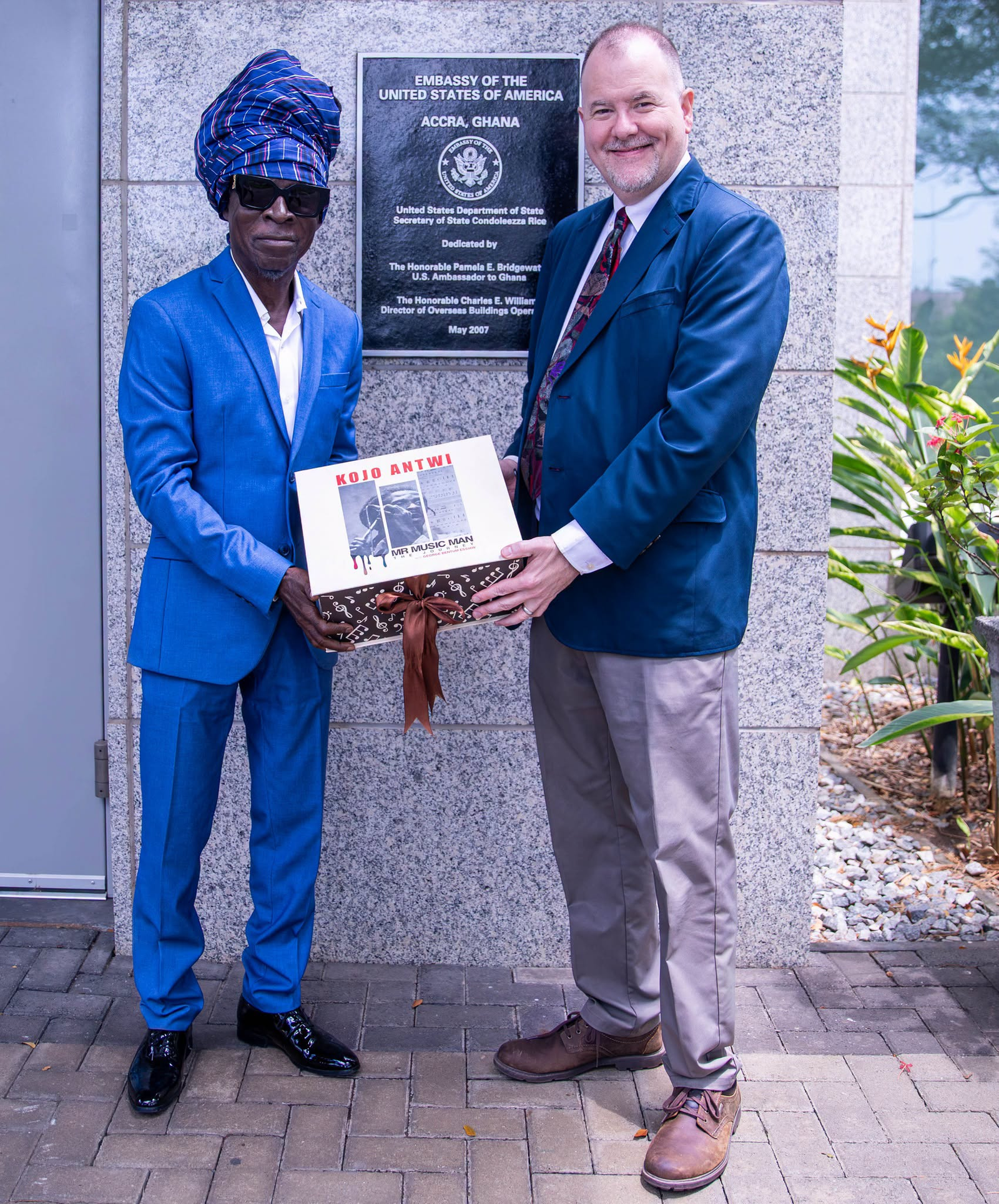
Ghanaian music legend Kojo Antwi has presented an autographed copy of his memoir, Mr Music Man: The Journey, to the United States Embassy in Accra following a meeting with the embassy’s Chargé d’Affaires, a.i., Rolf Olson.
The presentation took place during a visit by the celebrated musician to the embassy, where discussions centred on music, culture and the longstanding people-to-people relations between Ghana and the United States.
In a Facebook post on Wednesday, October 14, 2026, the US Embassy highlighted the engagement, noting the role of music and cultural exchange in strengthening connections between the two countries.
The meeting underscored the importance of the creative arts in promoting cultural understanding and fostering relationships beyond geographical boundaries.
Kojo Antwi, popularly known as Mr Music Man, is one of Ghana’s most celebrated musicians, with a career spanning several decades. He has earned a lasting place in the country’s music industry through his distinctive sound and contributions to highlife and contemporary African music.
His extensive catalogue of songs has established him as an influential figure in Ghanaian music, earning him recognition across generations of music lovers.
His memoir, Mr Music Man: The Journey, reflects on his life, career and experiences in the music industry, offering readers an opportunity to learn more about the journey behind his enduring musical legacy.
The presentation of the signed memoir to the US Embassy adds another dimension to the musician’s engagements beyond the stage, bringing his personal story and contribution to Ghanaian music into discussions about cultural diplomacy and international relations.
The engagement also highlights how Ghanaian musicians can contribute to strengthening international connections through their work, personal stories and cultural influence.
The Ghana Music Rights Organisation (GHAMRO) has named 16 radio and television stations it recognises as complying with music royalty payment obligations out of more than 700 broadcasters operating across the country.
The recognition highlights broadcasters GHAMRO says are meeting their copyright obligations by paying royalties for the use of music in their programmes.
In a post on X on Wednesday, October 14, 2026, the organisation commended the stations for respecting copyright laws and supporting Ghana’s creative industry.
“We celebrate and appreciate our Top Complying 2026 Broadcasting Channels for leading by example, respecting copyright laws, and directly championing the Ghanaian creative economy,” GHAMRO stated.
The stations recognised for complying with music royalty payment obligations are:
Joy FM
Hitz FM
Asempa FM
Adom TV
Adom FM
Luv FM
Nhyira FM
Joy Prime
Sporty FM
Pent Radio
Pent TV
Citi FM
Channel One TV
PCG TV
Hope FM
Lucky TV

The announcement comes amid GHAMRO’s efforts to improve royalty collection and encourage broadcasters and other commercial users of music to comply with copyright requirements.
Music royalties compensate musicians, composers, songwriters and other rights holders when their works are used for broadcasting and other commercial purposes.
By publicly recognising compliant stations, GHAMRO hopes to encourage more broadcasters to meet their obligations and support the sustainable growth of Ghana’s music and creative industries.
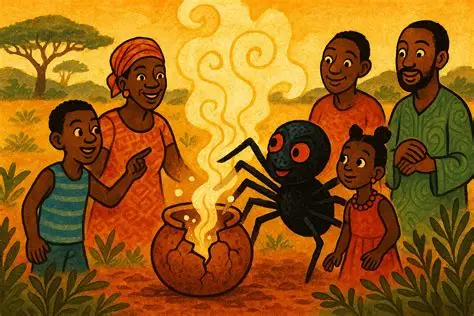
There was a time when bedtime did not always mean going straight to sleep. For some Ghanaian children, it meant gathering around a grandmother, grandfather or another older relative who had a story to tell.
The storyteller did not need a television, a projector or an internet connection. Sometimes, all that was needed was a quiet evening, a group of curious children and a story that had been passed down through generations.
There were tales about clever animals, foolish kings, wicked neighbours, brave children and people whose decisions changed their lives. Some stories entertained. Others warned against greed, dishonesty, disrespect and selfishness.
Children listened, laughed, interrupted with questions and begged for another story when the first one ended.
Today, that familiar scene is less visible in many households. Children have access to cartoons, films, online videos, games and social media. Older relatives may live far away, while busy family schedules leave little time for extended storytelling.
But as entertainment changes, an important question remains: Are Ghanaian communities losing the tradition of telling stories that once helped children understand their world?
In many Ghanaian communities, storytelling was an informal way of teaching children about life.
A story about a dishonest person could explain why trust mattered. A tale about an arrogant character might show how pride could lead to trouble. Stories involving animals could reveal human weaknesses without directly accusing anyone.
The storyteller could use humour to communicate a serious message, allowing children to learn while enjoying themselves.
Some stories also explained cultural beliefs, community practices and relationships between people. They helped children understand why certain behaviours were encouraged, and others discouraged.
The lessons were not always presented as direct instructions. Instead, children were expected to think about what the characters did and what happened as a result.
That process made storytelling a form of informal education.
Ananse: The trickster who taught through his mistakes
One of the most recognisable figures in Akan oral tradition is Ananse, the spider character known for cleverness, mischief and trickery.
In many stories, Ananse tries to outsmart others, gain something for himself or escape a difficult situation through cunning.
Sometimes his plans succeed. At other times, his greed or overconfidence creates problems.
The character is memorable because he is not a perfect hero. He can be intelligent and foolish, resourceful and selfish, entertaining and frustrating.
Through Ananse stories, listeners encounter questions about greed, wisdom, fairness, responsibility and the consequences of one’s actions.
Ananse stories have also travelled beyond Ghana and become part of wider African and Caribbean storytelling traditions.
Yet preserving these stories requires more than remembering the character’s name. The language, humour, performance style and different versions of the tales are also part of the heritage.
Every community had its own stories
Ghana’s storytelling traditions are not limited to Ananse.
Different communities have their own folktales, legends, historical narratives, praise traditions and stories associated with particular places or families.
Some stories explain the origin of a community. Others recount the actions of respected leaders, ancestors or extraordinary individuals.
There are stories about animals, rivers, forests, farming, marriage, friendship and conflict.
The details vary across cultures, and a story may have several versions depending on who tells it.
This diversity is important. Ghana’s oral heritage cannot be reduced to one character or one collection of tales.
When stories are documented, it is valuable to record the language in which they were told, the community they come from and the person sharing them.
Otherwise, a story may survive while the cultural context that gives it meaning is forgotten.
The decline of traditional storytelling cannot be blamed on one cause. Changes in family life, technology, language use and daily routines have all affected how stories are shared.
Television, smartphones and online platforms provide entertainment at any hour.
A child can watch a cartoon, listen to an audiobook or view a video without waiting for an older relative to become available.
Digital entertainment is not necessarily harmful. It can introduce children to literature, languages and different cultures.
The challenge is that traditional storytelling is interactive. The listener can ask questions, challenge a character’s behaviour or request that the storyteller repeat a favourite part.
A recorded video cannot always reproduce the personal connection created when an older relative tells a story from memory.
Work, school, commuting and other responsibilities can make it difficult for families to spend long periods together.
In some households, several generations no longer live under the same roof. Grandparents may reside in another town or village, making regular contact less frequent.
This does not mean families have stopped caring about their traditions. It means the opportunities to pass on certain practices may be fewer.
When storytelling is no longer part of an ordinary evening, it may be remembered mainly during festivals, cultural events or school activities.
Language can also influence whether traditional stories survive.
Some folktales rely on proverbs, wordplay, local expressions and cultural references that are difficult to translate fully into another language.
When a story is told in a language the listener does not understand well, its humour and deeper meaning may be lost.
Children who are not comfortable speaking the language of their parents or grandparents may struggle to follow long stories told in that language.
This does not mean stories should only be told in one language. They can be translated and explained. However, preserving the original language alongside translations helps retain expressions and meanings that might otherwise disappear.
Traditional storytellers carry knowledge that may never have been written down.
Some know several versions of a tale. Others remember the songs, sayings or responses that accompanied a performance.
If nobody records or learns from them, their knowledge may disappear when they are no longer able to tell the stories.
A written summary may preserve the plot but fail to capture the storyteller’s voice, gestures, timing and interaction with the audience.
That is why audio and video recordings, community archives and interviews with older people can be valuable.
What happens when the storyteller disappears?
When a traditional story is lost, the immediate effect may appear small. Children can still read books, watch films and learn from their teachers.
But the loss can be deeper than the disappearance of a single tale.
A story may contain expressions from a local language, references to a community’s history or lessons about relationships that have been discussed for generations.
It may also preserve an older way of understanding the environment, social responsibility or human behaviour.
When stories are no longer shared, children can lose an opportunity to learn about their cultural heritage directly from the people who know it.
The concern is not that every traditional story contains a lesson that must be followed today. Some stories reflect beliefs or social expectations that deserve critical examination.
Preservation does not mean accepting everything uncritically. It means keeping the stories available so that people can understand, discuss and interpret them.
Can schools bring storytelling back?
Schools could play an important role by giving oral storytelling a place alongside reading and writing.
Teachers could invite community elders, writers, linguists and storytellers to share stories with pupils.
Students could record folktales told by their parents or grandparents, write down different versions and discuss the lessons or questions raised by each story.
Cultural programmes could also include storytelling competitions in Ghanaian languages, encouraging young people to develop confidence in oral performance.
These activities could support language learning, listening skills, creativity and an appreciation of cultural diversity.
The goal should not be to turn every story into a rigid classroom lesson. Children should also have the freedom to enjoy the suspense, humour and imagination that make storytelling appealing.
Technology may have contributed to changes in storytelling, but it can also help preserve the tradition.
Content creators could produce short videos of Ghanaian folktales, with narrators telling stories in their original languages and providing subtitles.
Radio stations, podcasts and online publishers could develop storytelling programmes featuring older narrators and younger performers.
Libraries, cultural institutions and community organisations could build digital collections of stories, songs and oral histories.
Care is needed to ensure that the people and communities who share these stories are properly acknowledged. Where a story belongs to a particular cultural tradition, its origins should not be erased simply to make it more marketable.
With thoughtful documentation, a story once told to a handful of children could reach audiences far beyond the community where it originated.
One reason storytelling may be neglected is the belief that it requires someone who knows many traditional tales or has a special gift for narration.
But families can begin with simple steps.
Parents can ask grandparents to share stories from their childhood. They can tell children about how their community changed, how their parents grew up or how a family tradition began.
Children can also be encouraged to create their own stories inspired by what they hear.
The important thing is to create opportunities for conversation and imagination.
A story does not have to be perfect to be meaningful. Sometimes, the memory of sitting beside a grandparent and listening carefully becomes just as important as the story itself.
Not every old story should remain unchanged
As Ghanaian society changes, traditional stories may also need to be reconsidered.
Some tales contain stereotypes or reflect historical attitudes that modern audiences may question. Others may have different meanings in different communities.
These differences should be discussed rather than hidden.
Storytelling can be preserved while allowing new generations to ask questions, develop new versions and explore different interpretations.
That is how a living tradition remains relevant: it carries the past into the present without preventing people from thinking critically about it.
Ghana has made room for modern entertainment, digital learning and international culture. There is no need to reject those developments to preserve oral traditions.
But if children grow up knowing fictional characters from around the world while remaining unfamiliar with the stories their grandparents grew up hearing, it is worth asking what opportunities have been missed.
The answer is not to blame young people for preferring cartoons or accuse parents of abandoning their culture.
The more useful response is to create opportunities for stories to be heard again—in homes, schools, libraries, on radio and through digital platforms.
Older people should be encouraged to share their knowledge, while younger people should be given the tools to record and reinterpret it.
Because a story that is never told cannot be questioned, enjoyed or passed on.
And perhaps the greatest danger is not that Ghana’s traditional storytellers will stop speaking, but that the next generation will no longer gather to listen.


Netflix is planning to eliminate approximately 1,000 jobs worldwide in its largest workforce reduction since 2022, as the streaming company adjusts its operations amid intensifying competition for viewers and growing pressure to sustain business growth.
The planned cuts represent roughly 6% of Netflix’s global workforce. According to reports published on October 14, 2026, the reductions will primarily affect employees in the company’s product, technology, legal and human resources departments. The announcement was communicated to staff in an internal memo from co-chief executives Greg Peters and Ted Sarandos.
The executives said the company intended to direct its people and resources towards areas considered most important to improving its service and supporting future growth. They also maintained that Netflix’s business remained strong and that the company was on track to meet its full-year financial forecast.
Competition puts pressure on streaming businesses
The restructuring comes as Netflix competes with established entertainment companies and digital platforms such as YouTube for audiences’ time and attention. The growing availability of free online video and alternative entertainment services has increased the pressure on subscription-based platforms to keep viewers engaged.
Netflix has also been exploring additional revenue opportunities, including advertising-supported subscriptions, live programming and gaming, as it seeks to broaden its business beyond traditional on-demand streaming. However, investors remain concerned about the company’s growth prospects and its ability to turn new initiatives into sustainable sources of expansion.
Biggest cuts since 2022
The latest reductions mark a significant workforce change for a company that had approximately 16,000 full-time employees at the end of 2025. In 2022, Netflix cut around 450 jobs after reporting a subscriber decline that raised questions about its growth trajectory.
Despite the planned layoffs, Netflix says it will continue investing in areas it believes can improve the platform and support innovation. The changes illustrate the difficult decisions facing major streaming services as they balance staffing costs, content investments, competition and expectations from shareholders.
The long-term impact of the restructuring will depend on whether Netflix can maintain its financial performance while keeping viewers engaged and developing new sources of revenue.

South Korea Pledges US$4.5 Million to Preserve Ghana’s Forts and Castles

Kojo Antwi Presents Signed Memoir to US Embassy

Defender Eugene Appiah ready to represent Ghana at the international level

IRAWMA 2025: Shatta Wale Wins 3 Major Awards Including Best Music Video

AirtelTigo losing GH₵20m monthly; total debts exceed $200million – Sam George

Samini Secures Promotional Deal with Audiomack for Upcoming Album “THE ORIGIN8A”


-

 Politics2 weeks ago
Asiedu Nketiah to Chair Launch of Six NDC Historiographies on Ghana’s Political Journey
-

 General News1 week ago
World Cup Visa Storm: Kojo’s GTA Questions Resurface as Minority Demands Action
-

 General News2 weeks ago
SSNIT Unveils Big Plans to Transform Labadi, La Palm Beachfront into Tourism Hub
-

 Sports2 weeks ago
“I Leave With Respect, Gratitude and Pride” – Carlos Queiroz Bids Farewell to Ghana
-

 General News2 weeks ago
Putin Warns Russia Could Use Full Arsenal if Kaliningrad Is Attacked
-

 Entertainment2 weeks ago
Rick Ross Arrested in Miami Beach on Domestic Violence-Related Charges
-

 Sports2 weeks ago
Real Madrid Send Major Dossier to UEFA Over Barcelona Payments Case
-

 General News1 week ago
Political communicators must prepare before speaking on teachers’ strike – Seth Afum Dankwah