
General News
Tinubu Blames Opposition for Nigeria’s Hunger Crisis; Atiku Calls Claim ‘Delusional’

Politics | Nigeria | October 25, 2026
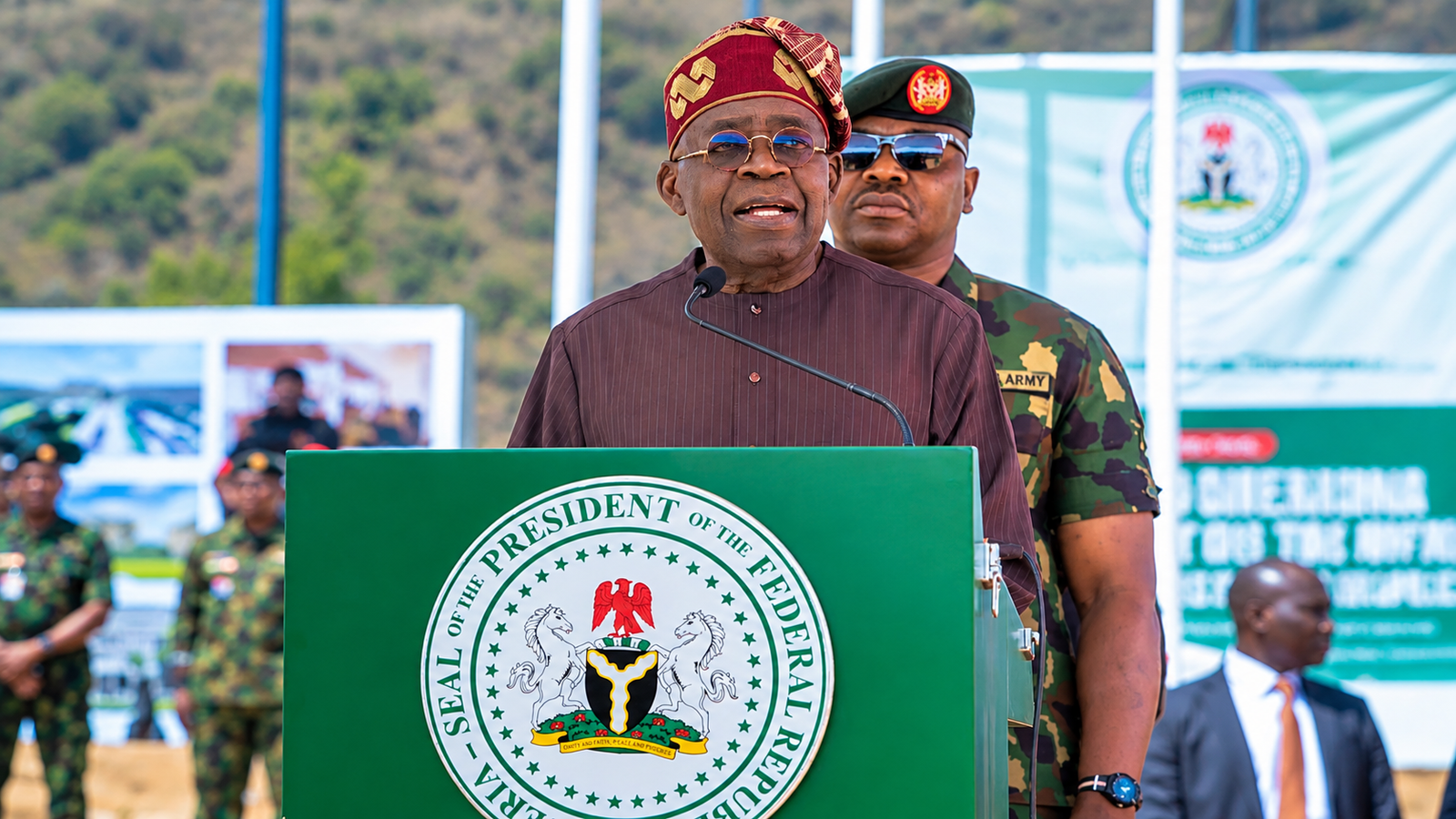
President Bola Tinubu has blamed opposition politicians for the hunger and poverty confronting Nigerians, prompting a sharp response from former Vice-President Atiku Abubakar, who accused the president of avoiding responsibility for the country’s economic difficulties.
The exchange followed Tinubu’s presidential campaign launch for the 2027 election at a rally in Kaduna on Saturday, October 24. Addressing supporters of the ruling All Progressives Congress (APC), the president argued that opposition politicians were responsible for creating the problems his administration was seeking to resolve.
“I hear the opposition talking about hunger and poverty. Who caused them? They did!” Tinubu said, adding that his government was working to eliminate the problems.
Atiku, the former vice-president and presidential candidate of the African Democratic Congress (ADC), rejected the president’s remarks, describing them as delusional and an attempt to evade accountability.
Atiku questions the government’s handling of the economy
In a statement issued through his campaign communications director, Phrank Shaibu, Atiku argued that the APC-led administration should accept responsibility for the economic conditions Nigerians are experiencing.
He pointed to the party’s years in federal government, including Tinubu’s time in office, and questioned why the opposition was being blamed for the country’s hardship.
Atiku also criticised the administration’s economic policies, particularly the removal of the petrol subsidy and changes to the foreign-exchange regime, arguing that their effects had placed pressure on households and businesses.
He challenged the government to explain how its policies were improving living standards and what concrete results Nigerians could expect from public spending.
Tinubu defends his economic reforms
Tinubu has defended the removal of the petrol subsidy as a necessary reform intended to reduce government expenditure and address longstanding problems associated with the subsidy system.
At the Kaduna rally, he maintained that the country would not return to the former subsidy arrangement and urged supporters to reject criticism from political opponents. He also promised continued efforts towards economic recovery, prosperity and growth.
The policy remains a central point of debate in Nigeria. While the government argues that its reforms are necessary for long-term economic stability, critics have raised concerns about the immediate effects on fuel prices, transport costs, food affordability and household purchasing power.
Economic hardship takes centre stage ahead of 2027
The exchange comes as political parties prepare for the 2027 presidential election, with the economy likely to remain a major issue in public debate.
For many Nigerians, the key concerns include the cost of essential goods, employment opportunities, the value of the naira and whether government policies can translate into improved living conditions.
Atiku has called on the administration to be judged by its record and the everyday experiences of citizens. Tinubu, meanwhile, has defended his reform agenda and pledged to continue pursuing economic recovery.
The competing positions illustrate a widening political dispute over who bears responsibility for Nigeria’s economic challenges and whether the government’s policies are delivering sufficient relief.
As campaigning continues, the central question for voters will be how the competing parties explain the country’s economic situation and what credible measures they propose to improve living standards.

















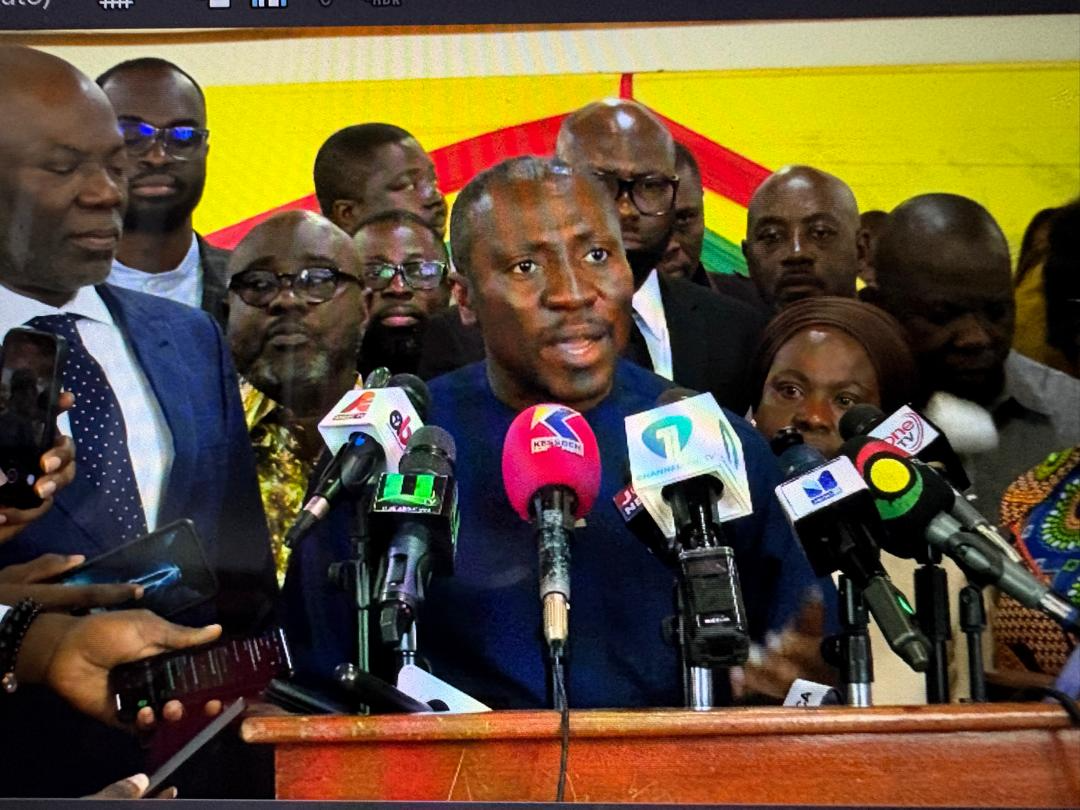
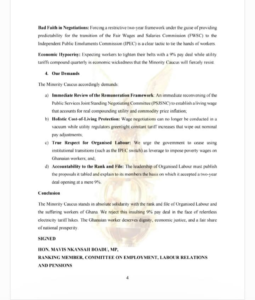
The Minority Caucus on Employment, Labour Relations and Pensions in Parliament has strongly criticised the newly signed public sector salary agreement for 2027 and 2028, describing the proposed 9 per cent remuneration increase for 2027 as an insult to Ghanaian workers.
The caucus says the agreed salary adjustments do not reflect the economic realities confronting public sector employees, particularly the rising cost of living and the increasing financial burden on households.
According to the Minority, workers continue to grapple with successive increases in electricity and water tariffs, transport fares, rent, food prices and other essential commodities, making the proposed salary increment inadequate to meet their everyday needs.
In a statement issued on October 30 and signed by Mavis Nkansah Boadu, Ranking Member of the Committee on Employment, Labour Relations and Pensions, the caucus expressed shock and disappointment over the Multi-Year Public Service Remuneration Agreement finalised on October 28.
Under the agreement, public sector workers are expected to receive an 8 per cent increase in base pay, together with an additional 1 per cent adjustment in conditions of service, bringing the total remuneration increase for 2027 to 9 per cent.
For 2028, the agreement provides for a 10 per cent increase in remuneration.
However, the Minority argues that the adjustments fall short of what workers deserve, considering the prevailing economic conditions and the growing cost of maintaining their households.
It warned that the proposed increases could further weaken the purchasing power of public sector employees, particularly low-income earners who are already struggling to cope with rising living expenses.
The caucus maintains that salary negotiations should not be based solely on percentage increases but must also consider the actual financial challenges facing workers and the extent to which their earnings can cover necessities.
As part of its demands, the Minority is calling for an urgent review of the remuneration framework agreed upon by the government and organised labour.
It is also demanding the immediate reconvening of the Public Services Joint Standing Negotiating Committee (PSJSNC) to reconsider the agreement and establish what it describes as a living wage that reflects the actual cost of living.
The caucus insists that such negotiations must take into account the cumulative impact of increases in utility tariffs, commodity prices and other essential household expenses.
It further stressed that future wage negotiations must be guided by prevailing economic conditions and the welfare of workers rather than focusing primarily on nominal salary adjustments.
The Minority believes that a remuneration arrangement that fails to address the growing financial pressures on public sector employees risks leaving many workers worse off despite receiving annual salary increases.
General News
15-year-old Javits Frimpong shot dead in the Bronx — father says, “He was my everything”

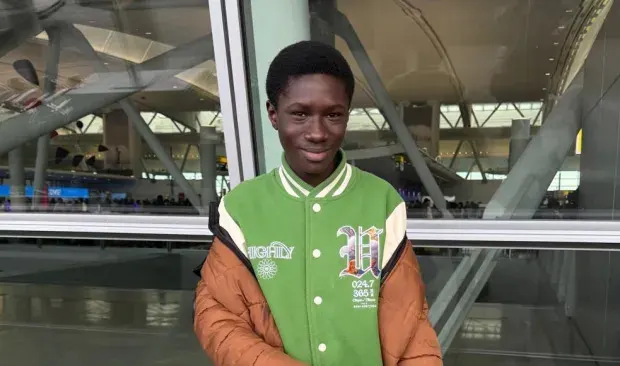
Ghanaian teenager killed while walking to school in New York; grieving father raises concerns about alleged bullying as police search for three suspects.
A 15-year-old Ghanaian boy, Javits Frimpong, has been fatally shot while walking to school in the Bronx, New York, leaving his father devastated and prompting renewed concerns about youth violence and alleged bullying.
Javits was shot in the abdomen shortly before 9:30 a.m. on Thursday, October 29, 2026, near East 171st Street and Crotona Place in the Claremont section of the Bronx, according to reports citing the New York Police Department (NYPD).
Police officers rushed him to hospital, where he later died from his injuries.
His father, Thomas Frimpong, 60, expressed profound grief as he spoke about the loss of his only son.
“It’s not easy for me. It’s not easy for me. He’s my everything,” he told CBS News New York while at the hospital.
Mr Frimpong said he learnt about the shooting from the principal of his son’s school, Dreamyard Preparatory.
He disclosed that the school principal had contacted him days earlier about an incident involving his son and two other students, who were reportedly suspended following a confrontation.
According to the grieving father, Javits later told him that he had repeatedly complained about being bullied by another student during lunchtime.
“He said, ‘Dad, any time I am going to lunch, that guy keep on bullying me,’” Mr Frimpong recounted.
He added that his son had told him he had reported the alleged bullying several times.
However, authorities have not confirmed whether the reported bullying was connected to the fatal shooting. CBS News New York reported that the school and the New York City Department of Education had been contacted for comment but had not immediately responded.
Police search for suspects
The NYPD is searching for three teenage males, believed to be between 16 and 18 years old, in connection with the shooting.
Reports indicate that the suspects were last seen wearing black clothing and blue surgical masks. Police have not publicly established a motive for the attack, and no arrests had been reported in the initial coverage.
Javits moved from Ghana to the United States about a year ago to join his father. Mr Frimpong described him as a quiet and reserved boy.
The teenager’s death has shocked neighbours, who expressed sadness that a young life was cut short while he was simply going to school.
Mr Frimpong has called on those responsible to surrender to the police as investigations continue.
The tragedy has also renewed questions about how schools respond to bullying reports and how communities can better protect young people from violence.
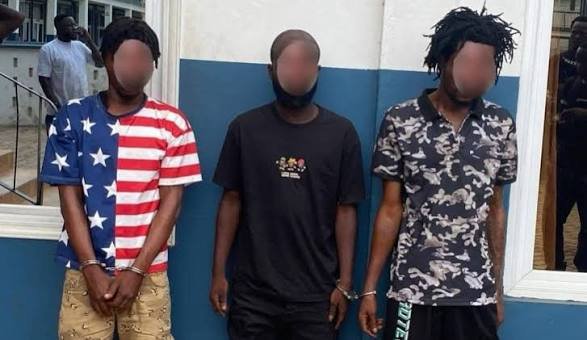
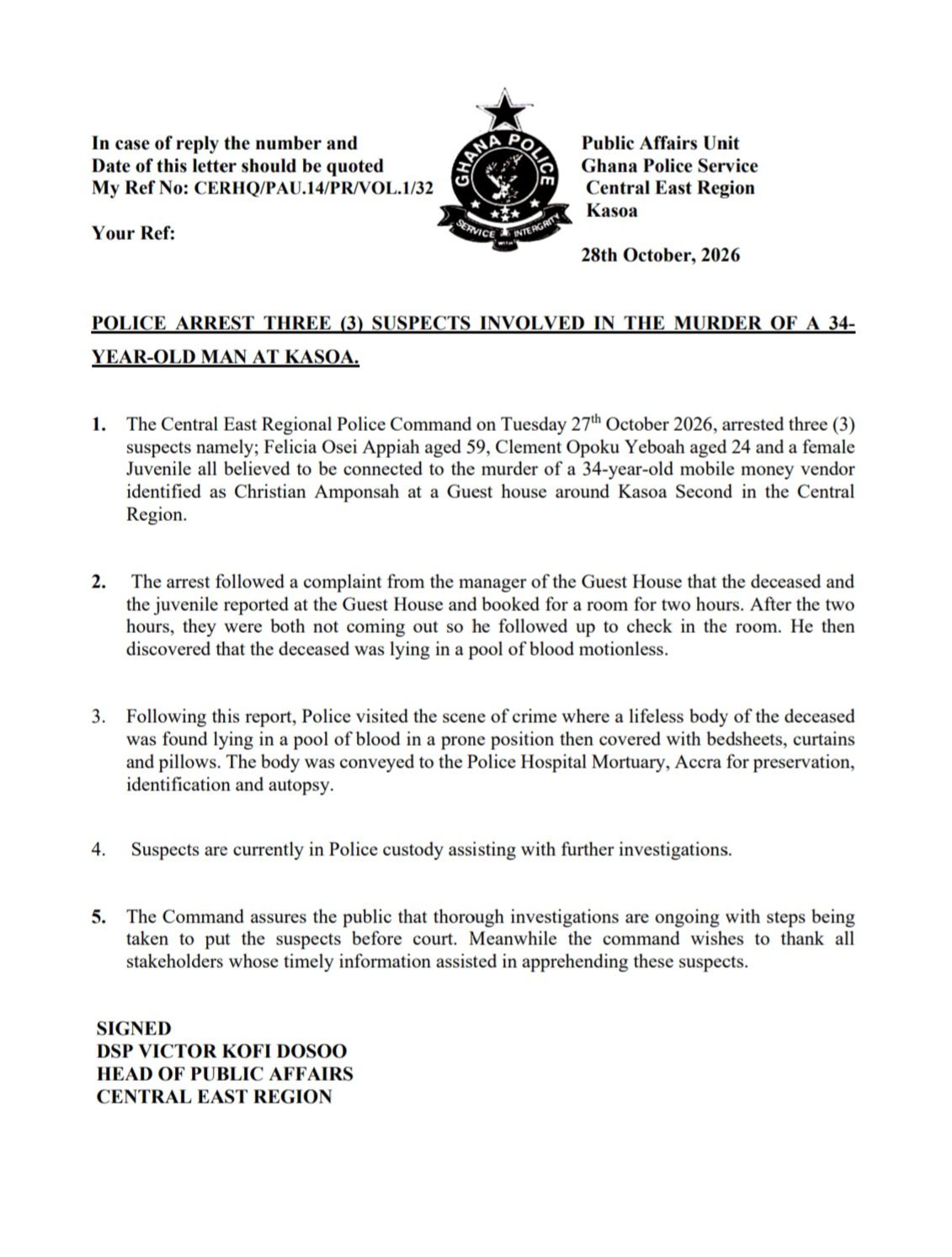
Central East Regional Police Command says two adults and a juvenile have been arrested in connection with the killing of Christian Amponsah at a guest house near Kasoa.
The Central East Regional Police Command has arrested three suspects in connection with the murder of a 34-year-old mobile money vendor, identified as Christian Amponsah, at a guest house around Kasoa Second in the Central Region.
The suspects are Felicia Osei Appiah, 59; Clement Opoku Yeboah, 24; and a female juvenile whose identity has not been disclosed.
According to a police statement dated October 28, 2026, the three were arrested on Tuesday, October 27, following investigations into the killing.
The arrests followed a complaint by the manager of the guest house, who reportedly told police that the deceased and the juvenile had checked into a room and booked it for two hours.
The manager said that after the two-hour period had elapsed without the occupants leaving the room, he went to check on them.
He subsequently discovered Mr Amponsah lying motionless in a pool of blood, prompting a report to the police.
Body discovered in pool of blood
Police officers who visited the scene found the deceased lying face down in a pool of blood. The body had reportedly been covered with bedsheets, curtains and pillows.
The police retrieved the body and conveyed it to the Police Hospital Mortuary in Accra for preservation, identification and an autopsy to establish the cause of death.
The circumstances surrounding the killing, including the motive and the specific roles allegedly played by the three suspects, have not yet been established publicly.
Suspects assisting police investigations
The Central East Regional Police Command confirmed that all three suspects are in police custody and are assisting with further investigations.
In the statement signed by the Head of Public Affairs for the region, DSP Victor Kofi Dosoo, the Command assured the public that thorough investigations were ongoing.
Police said steps were being taken to ensure the suspects are put before court.
The Command also expressed appreciation to stakeholders whose timely information assisted in the arrest of the suspects.
The arrests mark a significant development in the investigation, although police have yet to disclose further details about the evidence gathered or whether the suspects have been formally charged.
The identities and alleged involvement of the suspects remain subject to the ongoing investigation and judicial process.
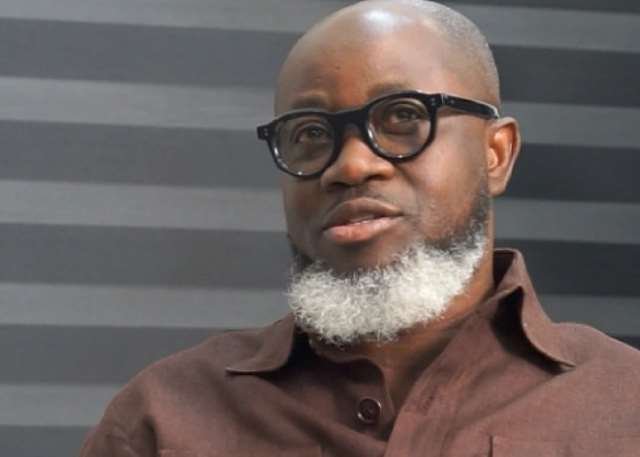
Former investigative journalist formally takes over leadership of Ghana’s anti-economic crime agency after serving in an acting capacity for more than a year.
Raymond Archer has been confirmed as the substantive Executive Director of the Economic and Organised Crime Office (EOCO), bringing his acting leadership of the state investigative agency to a formal conclusion.
The confirmation was announced on Thursday, October 29, 2026, by EOCO Board Chairman, Daniel Domelevo, who disclosed that Mr Archer officially assumed the substantive position on October 27, 2026.
Mr Archer had been leading the institution in an acting capacity since August 2025, when he was appointed to replace former Executive Director Abdulai Bashiru Dapilah.
His confirmation formalises his leadership of an institution mandated to investigate and prosecute economic and organised crime, including money laundering, human trafficking and other offences that threaten Ghana’s financial and economic interests.
From investigative journalism to public service
Before joining EOCO, Mr Archer built a career in investigative journalism, where he was associated with reporting on alleged corruption, financial irregularities and accountability issues.
His transition from journalism to public service brought him into the leadership of one of Ghana’s key law enforcement institutions.
During his time as acting Executive Director, EOCO pursued a number of high-profile investigations, attracting public attention and debate over the agency’s enforcement approach.
His leadership has received both commendation and criticism, with supporters pointing to the agency’s investigative activities while some critics have raised concerns about aspects of its operations.
Expectations for EOCO
As substantive Executive Director, Mr Archer is expected to provide leadership and strategic direction for the agency as it continues efforts to tackle economic and organised crime.
EOCO’s responsibilities include investigating suspected financial crimes, tracing proceeds of crime and pursuing prosecutions in accordance with the law.
The agency also plays a role in protecting public resources and safeguarding confidence in Ghana’s financial and economic systems.
His confirmation comes at a time when public attention remains focused on the handling of major investigations and the need for accountability in the public and private sectors.
The substantive appointment gives Mr Archer formal leadership of the institution, with expectations that EOCO will continue carrying out its mandate while ensuring that investigations and enforcement actions respect due process and the rights of persons under investigation.
Deputy Attorney-General and Minister for Justice, Dr Justice Srem-Sai, has also congratulated Mr Archer on his confirmation, describing him as a brother in a social media post.
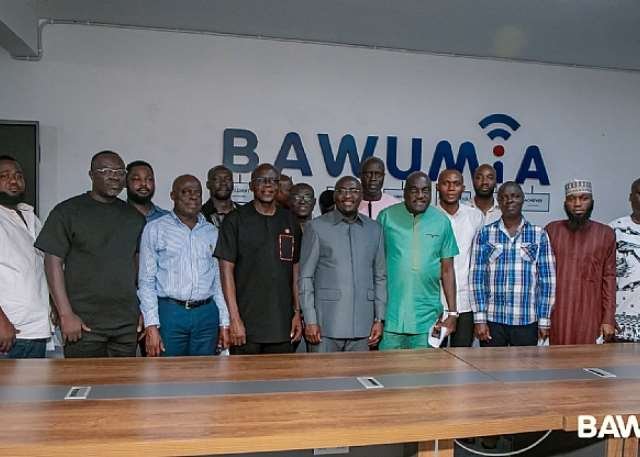
NPP flagbearer says planned checks should be scrapped following concerns from vehicle dealers over additional costs, port delays and challenges facing the automobile trade.
New Patriotic Party (NPP) flagbearer Dr Mahamudu Bawumia has backed calls for the abolition of a proposed pre-shipment inspection regime for imported vehicles, following a meeting with the leadership of the Vehicles and Assets Dealers Union of Ghana (VADUG).
The engagement, held on Wednesday, October 28, 2026, formed part of Dr Bawumia’s stakeholder consultations aimed at understanding the challenges confronting businesses and identifying possible policy interventions.
In a Facebook post after the meeting, the former Vice President said both sides had agreed that the proposed inspection requirement should be abolished.
The discussions covered several concerns affecting vehicle dealers, including high import duties, delays in clearing vehicles at Ghana’s ports, access to credit and competition from foreign retailers.
Concerns over inspection costs
The proposed inspection regime was being developed by the Ghana Standards Authority (GSA) under its Pre-Export Verification of Conformity programme.
The arrangement was intended to require used vehicles to undergo inspection in their countries of origin before shipment to Ghana to ensure they met the country’s applicable safety and technical standards.
However, the proposal attracted criticism from industry players who were concerned that the additional requirements and associated fees could increase the cost of importing vehicles.
The proposed inspection charges were reported to range from US$200 to US$300 per vehicle, depending on the country of origin.
The GSA suspended implementation of the regime in October 2026 following concerns about its introduction, indicating that a new implementation date would be communicated.
Dealers seek support and fair competition
Beyond the inspection proposal, VADUG raised concerns about the high cost of importing vehicles and delays in clearing them at the ports.
Access to financing, particularly through the Ghana Export-Import Bank (EXIM Bank), also featured in the discussions, with dealers seeking improved credit opportunities to support their businesses.
The union further called for stronger enforcement of existing laws intended to protect Ghanaian retailers from what it considers unfair competition from foreign businesses.
Dr Bawumia said the discussions had been productive and that representatives of both sides would continue engaging to develop specific policy proposals to address the concerns raised.
The consultations form part of his broader engagement with industry groups as he seeks views on policies to support businesses and strengthen Ghana’s private sector.
The proposed abolition of the inspection regime is, however, a position reached during the engagement between Dr Bawumia and VADUG; it does not amount to a formal government decision to cancel the policy. The GSA’s suspension remains the latest reported administrative position on its implementation.

Don’t Destroy Okudzeto Ablakwa Over Past Mistakes — Citizen Ato Dadzie Fires Back At Critics

Okudzeto Ablakwa’s Downfall Is His Arrogance Of Power – NPP Fires Back Over Chartered Flight Saga

Okudzeto Started Well But Lost Guard — Kwadwo Yeboah Questions Okudzeto’s Handling Of Foreign Affairs

IRAWMA 2025: Shatta Wale Wins 3 Major Awards Including Best Music Video

Samini Secures Promotional Deal with Audiomack for Upcoming Album “THE ORIGIN8A”

AirtelTigo losing GH₵20m monthly; total debts exceed $200million – Sam George


-

 Entertainment1 week ago
Shatta Wale Cake Tells Story of Growth, Identity and African Dancehall Influence
-

 General News4 days ago
GTA Staff Demand Answers on World Cup Visa Slots, Staff Dismissals and Unpaid Allowances
-

 General News1 week ago
FOKLEX MEDIA AWARDS COMMENDS PRINCE KWAW GYIMAH AND OWASS FM TEAM FOR PROFESSIONALISM DURING KWAME DZOKOTO INCIDENT
-
 Politics1 week ago
OB UASI HEADMASTER IN SEXUAL MISCONDUCT CONTROVERSY EYES NDC CONSTITUENCY CHAIRMANSHIP
-

 Entertainment1 week ago
Ghana Unveils December in GH 2026 Calendar With Over 150 Events Nationwide
-
 General News1 week ago
PROFOUND GRATITUDE FOR YOUR DECISIVE INTERVENTION IN FAST-TRACKING THE COMPLETION OF THE MUMFORD FISHING HARBOUR
-
 General News4 days ago
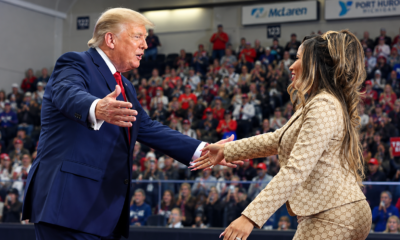
Nicki Minaj Throws Her Support Behind Trump Ahead of US Midterm Elections
-

 General News6 days ago
SAMMY GYAMFI’S “MINE WITHOUT LICENCE” REMARK SPARKS FRESH GALAMSEY DEBATE