
Business
Kufuor Calls for Lower Tax Burdens on Entrepreneurs, Says Ghanaians Must Keep Legitimate Wealth

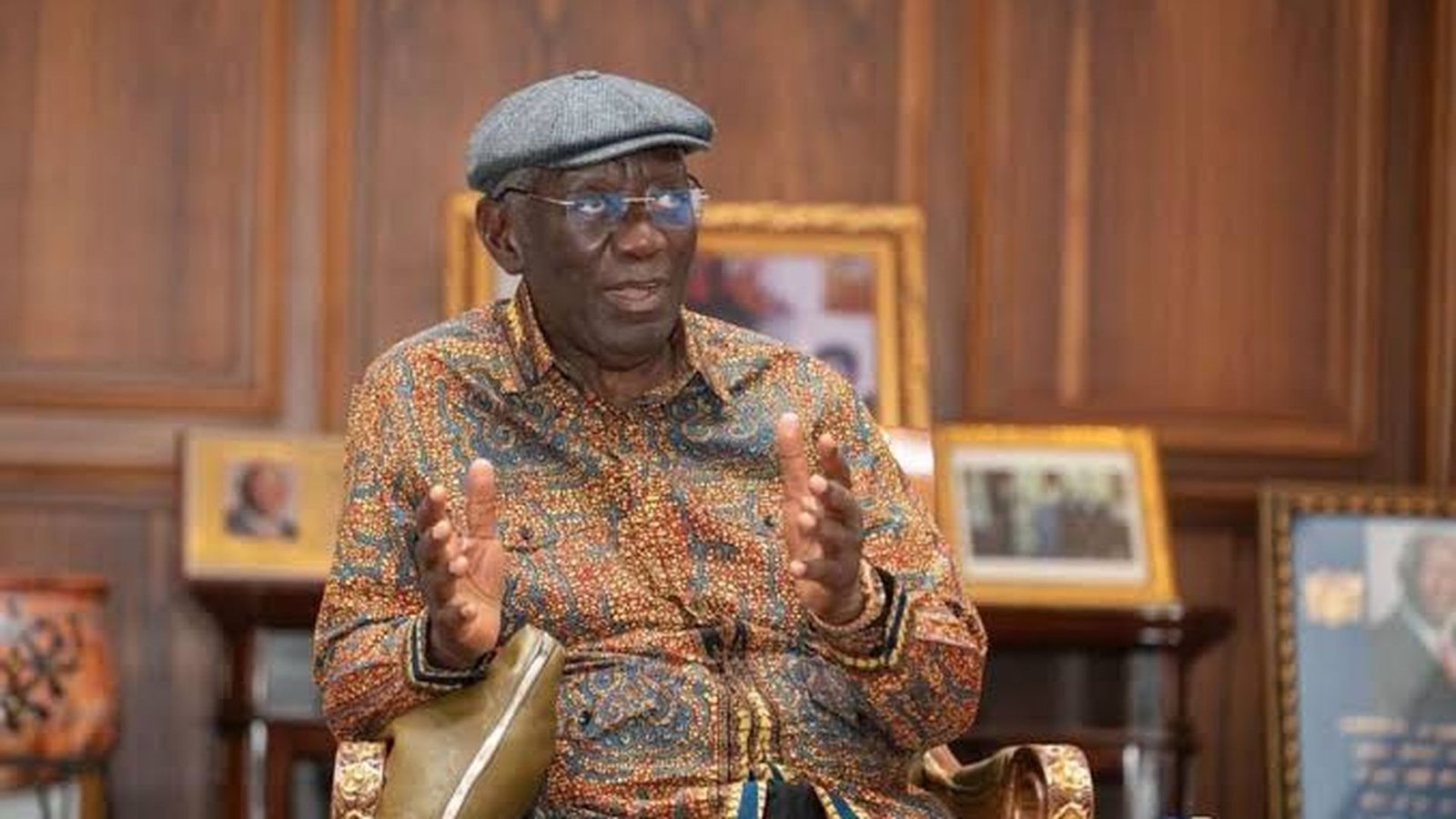
Former President John Agyekum Kufuor has called on Ghanaian leaders to create an economic environment that allows entrepreneurs to retain wealth they have legitimately earned, provided they pay reasonable taxes.
Speaking on Joy News’ PM Express on Wednesday, October 28, Kufuor cautioned that excessive taxation could discourage initiative, weaken private enterprise and limit opportunities for Ghanaians to build successful businesses.
The former president said Ghana’s long-term development should be driven in part by the ability of individuals to use their talents, skills and the country’s available resources to create wealth.
He argued that people who become millionaires through legitimate business activities should be allowed to enjoy the rewards of their efforts while meeting their tax obligations.
“We shouldn’t stifle initiative with excessive taxation,” Kufuor said, emphasising the importance of striking a balance between government revenue needs and the freedom of businesses to grow.
Private enterprise key to Ghana’s future
Kufuor made the remarks while discussing his vision for Ghana over the next 50 years and the opportunities the country should create for younger generations.
He called for a system in which the state provides the necessary conditions for entrepreneurs to establish businesses, attract investment and expand economic activity.
In his view, a stronger private sector could help create jobs, increase incomes and improve the country’s capacity to generate sustainable prosperity.
The former president also highlighted Ghana’s natural resources, including gold, lithium, bauxite and manganese, as important assets that could support economic transformation if effectively harnessed.
He suggested that the country’s future prosperity would depend not only on the resources it possesses but also on the quality of leadership and the policies put in place to encourage productive investment.
Wealth creation must benefit society
While advocating for greater freedom for entrepreneurs, Kufuor also stressed the importance of ensuring that economic progress benefits the wider population.
He called for inclusive governance that enables the state to provide quality education, healthcare and social protection for vulnerable people.
He particularly emphasised the need to ensure that children across the country have access to high-quality education, while people with disabilities and those without jobs receive support to prevent them from falling into extreme poverty.
His position points to an economic vision that combines private-sector growth with public investment and social protection, rather than treating wealth creation and public welfare as competing objectives.
A call for an enabling business environment
Kufuor’s remarks add to ongoing discussions about taxation, entrepreneurship, investment and the role of the private sector in Ghana’s economic development.
For business owners and aspiring entrepreneurs, the central message is that legitimate wealth creation should be encouraged, not discouraged by excessive tax burdens or an environment that makes business expansion difficult.
At the same time, the former president’s emphasis on reasonable taxation and social protection highlights the need to balance incentives for enterprise with the funding of essential public services.
His vision places responsibility on policymakers to establish a system that rewards innovation, encourages investment and allows more Ghanaians to participate in the country’s economic progress.




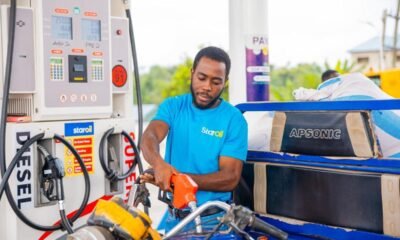










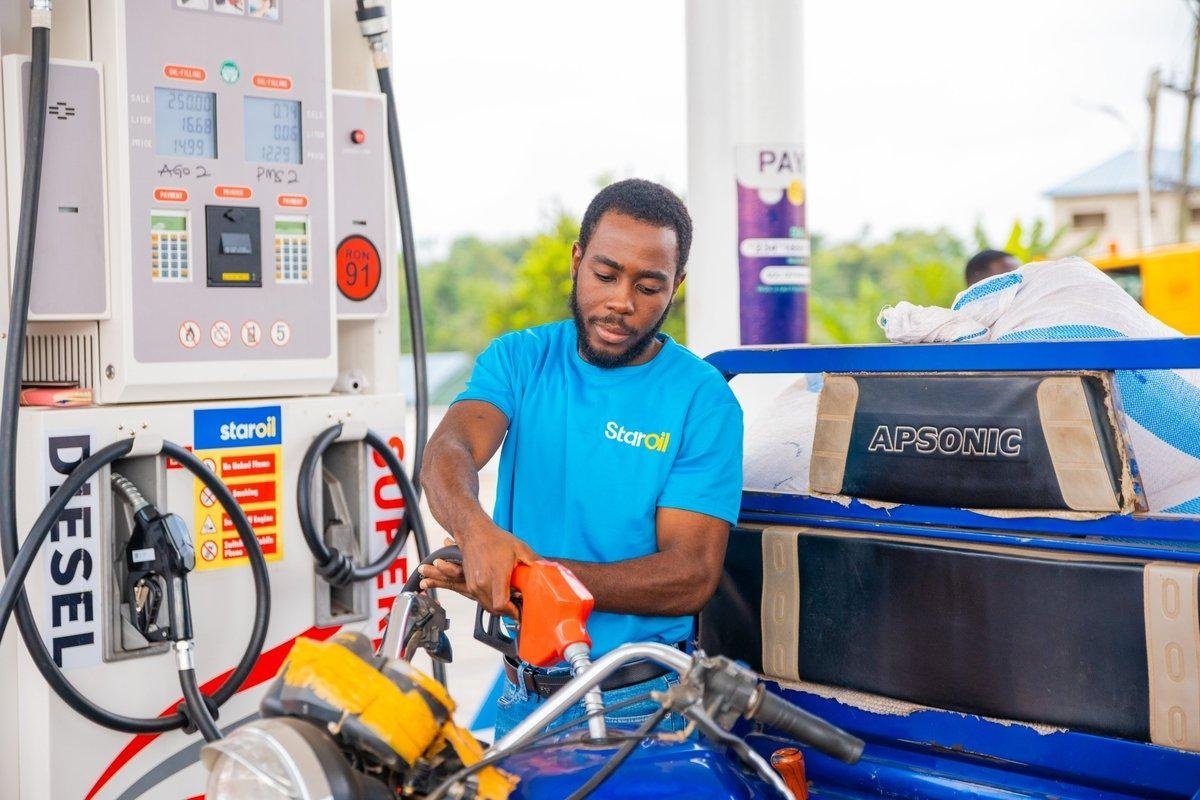
Ghanaian motorists are expected to experience mixed fuel price movements from Sunday, November 1, 2026, with petrol prices projected to decline while diesel prices are expected to increase.
The projection was made by the Chamber of Petroleum Consumers (COPEC) in its latest pricing outlook for the first pricing window of November.
According to COPEC, the average retail price of petrol is expected to fall by 1.71 per cent, from the current average of GH¢17.02 to approximately GH¢16.72 per litre.
The chamber attributes the anticipated reduction largely to a decline in international petrol prices, coupled with an appreciation of the Ghana cedi against the US dollar.
COPEC indicates that petrol could sell between GH¢15.89 and GH¢17.57 per litre, depending on the pricing decisions of individual Oil Marketing Companies.
Diesel, however, is expected to move in the opposite direction, with an estimated 4.07 per cent increase.
The average price is projected to rise from GH¢18.40 to GH¢19.15 per litre, representing an increase of approximately 75 pesewas.
COPEC attributes the expected increase to a rise in the international benchmark price of diesel, which increased by 2.71 per cent, from 1,414.78 dollars to 1,453.07 dollars per metric tonne.
The chamber further projects that diesel prices could range between GH¢18.19 and GH¢20.11 per litre during the upcoming pricing window.
Meanwhile, Liquefied Petroleum Gas (LPG) prices are expected to remain broadly stable at the pumps, despite an increase in their international benchmark price.
COPEC has appealed to Oil Marketing Companies to consider moderating their profit margins to cushion consumers against the impact of rising petroleum costs.
Although the projections point to some relief for petrol users, diesel-dependent businesses and transport operators could face additional operating costs if the anticipated increase is reflected at the pumps.
The final prices will depend on adjustments announced by individual fuel retailers.
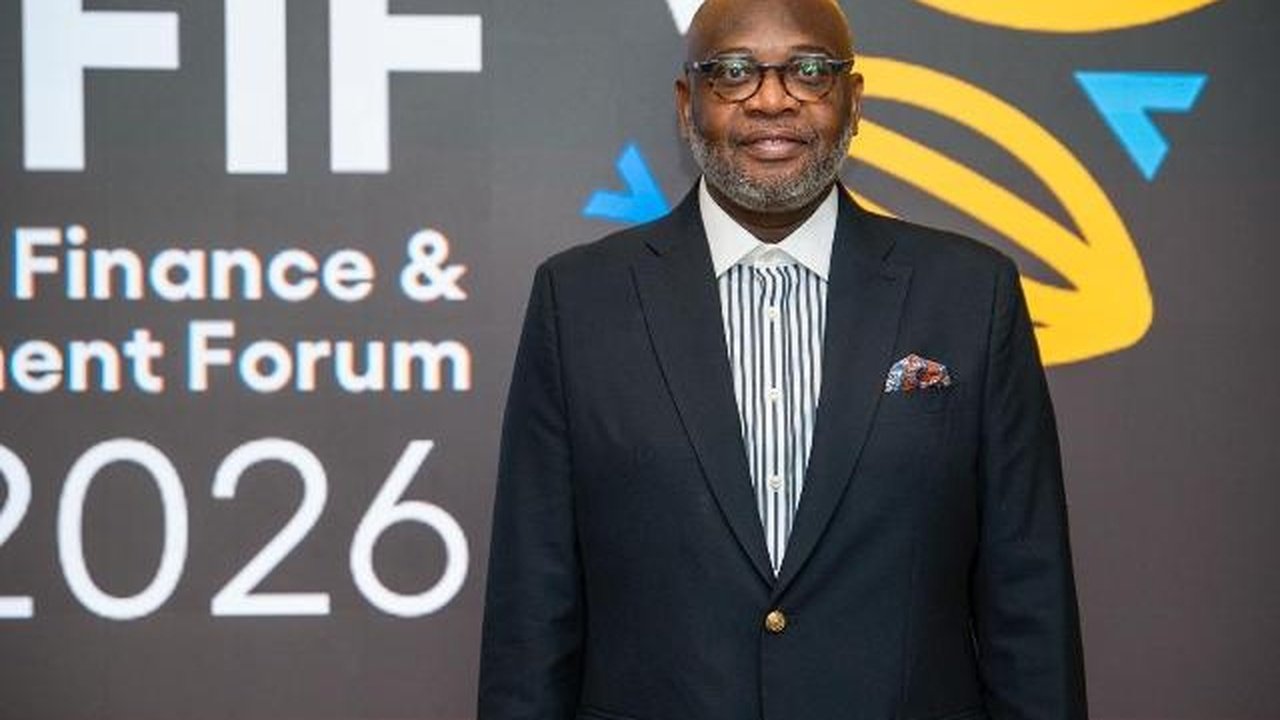
Ghana is stepping up efforts to attract international investment into its cocoa industry, with the Chief Executive Officer of the Ghana Cocoa Board (COCOBOD), Dr Ransford Anertey Abbey, presenting the country’s new cocoa financing framework to investors at a high-level investment forum in New York.
Speaking at the Africa Cocoa Finance and Investment Forum (ACFIF), Dr Abbey outlined a series of reforms aimed at strengthening the cocoa sector, improving farmers’ incomes and positioning Ghana as a more attractive destination for investment across the cocoa value chain.
He encouraged international investors to explore emerging opportunities in cocoa processing, sustainability, traceability, farm rehabilitation and value addition.
A major focus of his presentation was the government’s ambition to increase domestic cocoa processing to 50 per cent of the country’s total cocoa production.
The policy is expected to create opportunities for investors and local businesses to participate more actively in processing cocoa beans into finished and semi-finished products, allowing Ghana to retain a greater share of the value generated from its cocoa industry.
Dr Abbey’s engagement comes against the backdrop of a major shift in Ghana’s cocoa financing arrangements.
The new framework, anchored by Cocoa Capital PLC, involves a GH¢16.3 billion domestic securities programme designed to finance cocoa purchases and address legacy debt obligations.
The initiative seeks to reduce COCOBOD’s historical dependence on offshore syndicated loans while mobilising funds from Ghana’s domestic capital market.
The financing programme represents a significant change in how the country intends to fund its cocoa purchasing operations, with greater emphasis on domestic financial institutions and institutional investors.
The New York forum brought together government officials, financiers, commodity traders, processors, development partners and investors from Africa, Europe and North America to examine opportunities within the continent’s cocoa industry.
Discussions also centred on sustainable cocoa production, industrialisation, climate-smart agriculture and the need for producing countries to capture more economic benefits from their natural resources.
The engagement forms part of broader efforts to reposition Ghana’s cocoa sector through investment, financial reforms and increased local participation in the global cocoa value chain.
For Ghana, the challenge will be to translate investor interest into tangible investments that improve productivity, strengthen processing capacity and deliver sustainable benefits to cocoa farmers.

MTN Ghana has reaffirmed its commitment to strengthening the country’s telecommunications infrastructure, describing its investment in 5G technology as a strategic move to sustain network quality and support the increasing demand for digital connectivity.
The telecommunications company says the investment reflects its determination to provide reliable and improved connectivity as more Ghanaians embrace digital services for business, education, communication and other essential activities.
According to MTN, the deployment of 5G technology forms part of its broader commitment to enhancing network performance and supporting Ghana’s growing digital economy.
The company believes that sustained investment in modern telecommunications infrastructure will be critical to meeting the evolving needs of consumers and businesses while creating opportunities for innovation.
MTN has also emphasised the importance of maintaining network quality as demand for faster and more reliable internet services continues to grow.
The renewed commitment comes at a time when digital connectivity is increasingly becoming an important driver of economic activity, with businesses and individuals relying on telecommunications services for their daily operations.
The company maintains that continued investment in network infrastructure will be essential to supporting Ghana’s digital transformation agenda.

Youth unemployment in Ghana has exceeded 32 per cent, highlighting the growing challenge of providing sustainable employment opportunities for the country’s young population.
Figures attributed to the Ghana Statistical Service indicate that approximately 12 million Ghanaians are between the ages of 15 and 35, placing significant pressure on the country’s labour market to create jobs and expand economic opportunities.
Ghana’s youth population continues to represent a significant proportion of the country’s human resource potential, but concerns remain over the limited employment opportunities available to many young people.
With approximately 12 million Ghanaians aged between 15 and 35, the country faces increasing pressure to develop policies and interventions that can translate its youthful population into productive economic contributors.
The reported youth unemployment rate of more than 32 per cent raises concerns about the ability of the economy to absorb young people entering the labour market.
The situation also highlights the need to strengthen technical and vocational education, expand entrepreneurship support, improve access to funding and encourage private-sector investment.
For many young people, securing decent and sustainable employment remains a major challenge, despite their educational qualifications and professional skills.
Stakeholders have therefore been urged to intensify efforts towards job creation, skills development and policies that support businesses to employ more young people.
As Ghana seeks to harness the potential of its youthful population, addressing unemployment will remain critical to economic growth, poverty reduction and national development.
Important statistical clarification
The headline needs a little adjustment to avoid misleading readers. According to the GSS:
-
32.4% – Average unemployment among young people aged 15–24 during the first three quarters of 2025.
-
21.9% – Average unemployment among those aged 15–35.
-
About 12 million – Ghanaians aged 15–35 in 2025.
- Nearly 2 million – Young people aged 15–35 were not in employment, education or training in the third quarter of 2025.
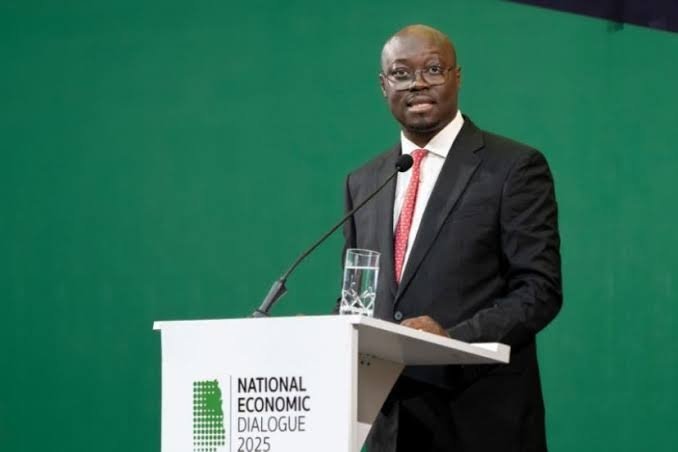
Ghana’s Finance Minister, Dr Cassiel Ato Forson, has disclosed that the government has introduced approximately 22 laws over the past 18 months as part of efforts to protect the country’s economic gains and ensure that ongoing reforms remain sustainable.
According to the minister, the legislative measures are intended to give the government’s economic policies a stronger legal foundation and make it more difficult for future administrations to reverse key reforms.
Dr Forson made the disclosure during a New Economy engagement at the University of Ghana on Friday, October 30, 2026.
He was responding to a question from Professor Fred Dzanku, Head of the Economics Division at the university’s Institute of Statistical, Social and Economic Research (ISSER), who sought to know how the government could ensure that its policies and development agenda would continue beyond its period in office.
The Finance Minister explained that the government’s approach involved introducing new legislation, repealing existing laws and amending current ones to protect important policy decisions.
He indicated that some of the proposed amendments would require a two-thirds majority in Parliament before they could be changed, thereby creating additional safeguards against policy reversals.
Dr Forson said the intention was to ensure that Ghana did not lose the economic progress achieved through the ongoing reforms or return to the difficulties experienced during the 2022–2024 economic crisis.
“We are trying to put these reforms into law,” he explained, adding that the government was working to make the progress sustainable.
Public Financial Management Act among key reforms
Dr Forson identified the ongoing amendments to the Public Financial Management (PFM) Act as one of the important measures being pursued to institutionalise the government’s reforms.
The legislation provides a framework for managing public finances, including government expenditure and fiscal responsibilities.
He argued that policies without legal backing could easily be changed by successive governments, making it necessary to establish stronger legislative protections.
The minister also pointed to his experience in Parliament and policymaking as an important factor influencing his approach to sustaining economic reforms.
He maintained that institutionalising policies through legislation would help ensure that critical economic decisions were not abandoned whenever political leadership changed.
The disclosure highlights the government’s efforts to move beyond short-term economic interventions and establish a framework that could preserve policy continuity across successive administrations.
However, the long-term effectiveness of the measures will depend on their implementation, institutional enforcement and the ability of future governments to maintain the reforms.

Ebola Outbreak Claims Over 5,000 Lives in DR Congo, Raising Regional Concerns

Binance Faces $6.3 Billion Hack Fallout as Recovery Efforts Continue

Trump Suffers Legal Setback as Court Rejects Lawsuit Over Epstein Birthday Book

IRAWMA 2025: Shatta Wale Wins 3 Major Awards Including Best Music Video

Samini Secures Promotional Deal with Audiomack for Upcoming Album “THE ORIGIN8A”

AirtelTigo losing GH₵20m monthly; total debts exceed $200million – Sam George


-

 Entertainment2 weeks ago
Shatta Wale Cake Tells Story of Growth, Identity and African Dancehall Influence
-

 General News6 days ago
GTA Staff Demand Answers on World Cup Visa Slots, Staff Dismissals and Unpaid Allowances
-

 General News1 week ago
FOKLEX MEDIA AWARDS COMMENDS PRINCE KWAW GYIMAH AND OWASS FM TEAM FOR PROFESSIONALISM DURING KWAME DZOKOTO INCIDENT
-

 General News1 week ago
SAMMY GYAMFI’S “MINE WITHOUT LICENCE” REMARK SPARKS FRESH GALAMSEY DEBATE
-

 General News6 days ago
Nicki Minaj Throws Her Support Behind Trump Ahead of US Midterm Elections
-

 Entertainment2 weeks ago
Ghana Unveils December in GH 2026 Calendar With Over 150 Events Nationwide
-
 Politics2 weeks ago
OB UASI HEADMASTER IN SEXUAL MISCONDUCT CONTROVERSY EYES NDC CONSTITUENCY CHAIRMANSHIP
-
 General News2 weeks ago
PROFOUND GRATITUDE FOR YOUR DECISIVE INTERVENTION IN FAST-TRACKING THE COMPLETION OF THE MUMFORD FISHING HARBOUR