
Business
Ghana and Guinea Explore New Economic Partnership to Boost Trade and Industrial Growth

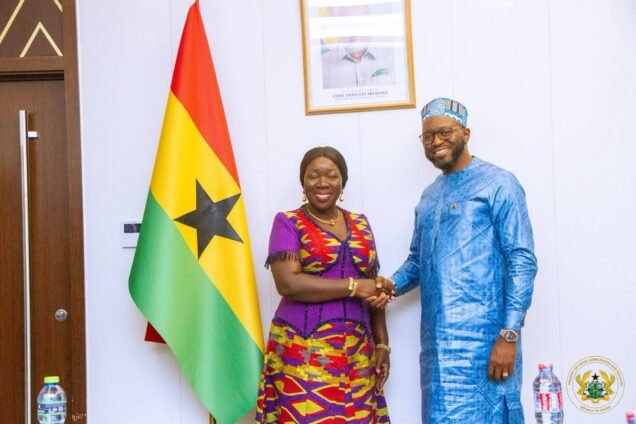
Ghana is seeking to strengthen its economic relationship with Guinea as the government steps up efforts to expand regional trade, encourage industrial development and create new opportunities for businesses across West Africa.
The Minister for Trade, Agribusiness and Industry, Elizabeth Ofosu-Adjare, made the call during a meeting with Guinea’s Minister for Trade, Industry and Enterprise, Aboubacar Kourocuma, in Accra on Monday, October 26, 2026.
The engagement took place on the sidelines of the signing ceremony of the Accra Convention and a symposium marking 60 years of the United Nations Commission on International Trade Law (UNCITRAL).
Discussions focused on improving bilateral commercial relations, strengthening industrial partnerships and identifying opportunities for cooperation in tourism and cultural heritage.
A major proposal from the Ghanaian minister was to establish closer cooperation between the Ghana Standards Authority and Guinea’s standards and metrology institution.
The proposed collaboration would help align product standards, improve certification processes and reduce technical barriers that often make cross-border trade difficult for businesses.
Such measures could make it easier for Ghanaian and Guinean manufacturers, exporters and traders to access each other’s markets while improving the competitiveness of locally produced goods.
The initiative also aligns with the broader objectives of the African Continental Free Trade Area (AfCFTA), which seeks to increase trade among African countries by reducing barriers and improving access to regional markets.
Another proposal involved Ghana and Guinea working together to renovate and preserve the former residence of Ghana’s first President, Dr Kwame Nkrumah, in Conakry.
The initiative is intended to protect an important part of African history while developing the property into a cultural and historical tourism attraction.
The proposal carries historical significance because Nkrumah lived in Guinea after his removal from office in 1966. Guinea’s first President, Ahmed Sékou Touré, welcomed him into the country, where he remained until his death in 1972.
Guinea’s minister welcomed the renewed commitment to cooperation, particularly the proposed alignment of standards and efforts to facilitate imports and exports between the two countries.
However, the proposals will need to be translated into practical arrangements, including institutional collaboration and clear implementation plans, before businesses can experience their full benefits.
For Ghana, stronger commercial relations with Guinea could create opportunities for exporters, manufacturers and investors seeking to expand into neighbouring West African markets.
The latest engagement highlights the importance of regional partnerships in building stronger African industries, improving trade competitiveness and advancing economic integration.















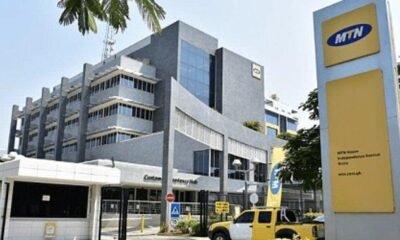


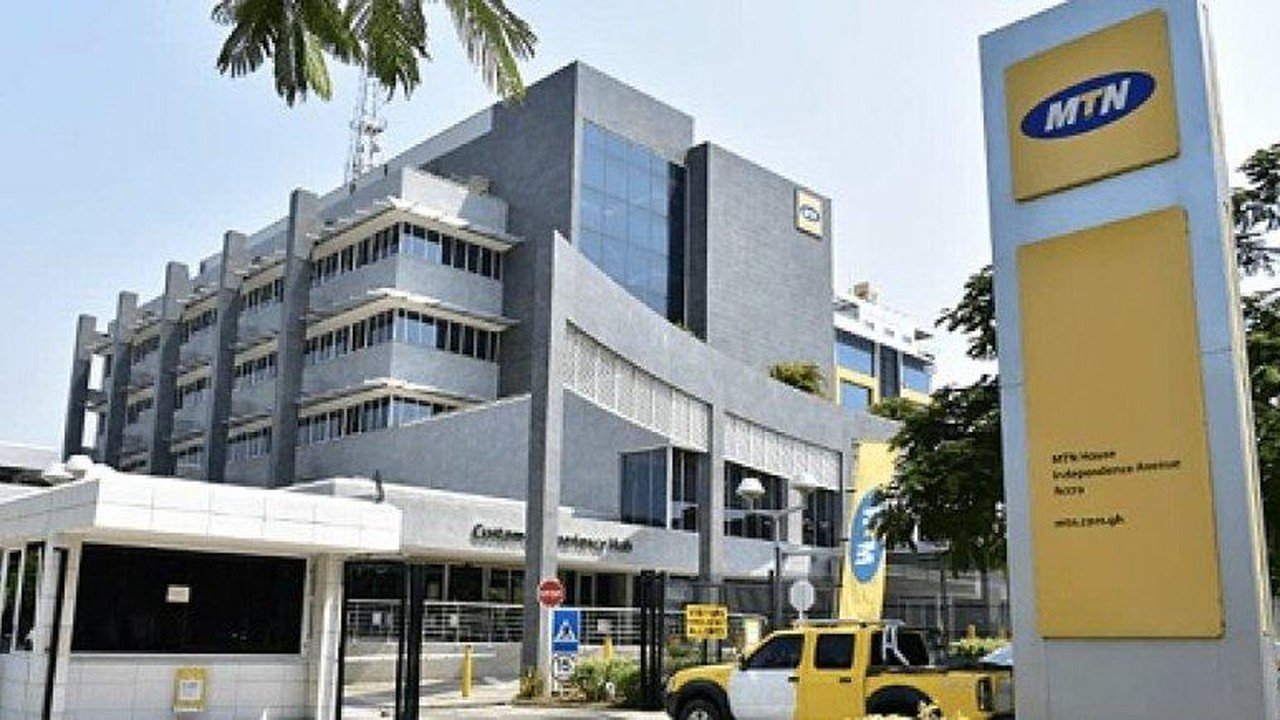
MTN Ghana has reported a significant increase in its earnings, recording GH¢11.3 billion in profit before tax for the nine months ending September 30, 2026.
The figure represents a 51.8 per cent increase compared with the GH¢7.7 billion recorded during the corresponding period in 2025, according to the company’s latest financial performance report released to investors on October 29, 2026.
The strong performance reflects growing demand for telecommunications services, increased data consumption and the expansion of the company’s digital financial services.
MTN Ghana’s total revenue reached GH¢23.2 billion during the nine-month period, representing a 35.7 per cent increase over the previous year’s performance. Service revenue also increased by 33.5 per cent to GH¢23.2 billion.
Data services and Mobile Money drive growth
The company’s data business remained a major contributor to its financial performance. Data revenue increased by 39.9 per cent year-on-year in the third quarter, reflecting sustained demand for internet connectivity and digital services.
MTN’s Mobile Money business also recorded considerable growth, with revenue increasing by 26.5 per cent to GH¢5.3 billion.
The growth was supported by a 6.9 per cent increase in active Mobile Money users, bringing the total number to approximately 18.9 million.
Revenue from basic Mobile Money services, including person-to-person transfers, increased by 22.2 per cent to GH¢3.5 billion. Advanced services, covering digital payments, lending and other financial solutions, grew by 28.7 per cent to GH¢1.9 billion.
Mobile Money accounted for 23.2 per cent of MTN’s service revenue during the period.
Network investment and business expansion
Alongside its earnings growth, MTN Ghana invested approximately GH¢3.2 billion in capital expenditure during the first nine months of 2026.
The investment forms part of the company’s continued efforts to strengthen its operations and support the expansion of its telecommunications and digital services.
Chief Executive Officer Stephen Blewett said the company’s growth remained diversified across its major revenue streams.
He also pointed to Ghana’s relatively stable operating environment, including moderating inflation, stronger external reserves and resilient economic activity.
MTN proposes interim dividend for shareholders
Following the reported performance, MTN Ghana’s board has proposed a gross interim dividend of GH¢0.03 per share for the third quarter ended September 30, 2026.
The proposed dividend remains subject to applicable taxes.
The company indicated that shareholders who qualify under the relevant dates would receive their payments electronically through their registered bank accounts or Mobile Money wallets on December 10, 2026.
Overall, MTN Ghana’s latest results highlight the growing importance of data connectivity and digital financial services to its business. However, the continued expansion of its earnings also places attention on how the company balances profitability with network quality, customer experience and affordable services.
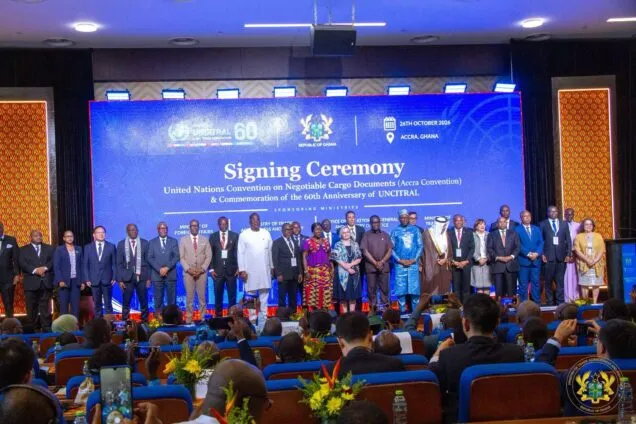
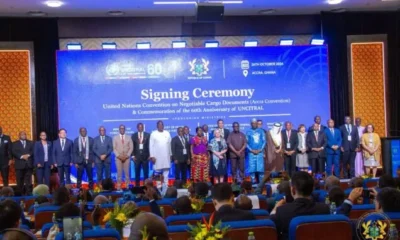
ACCRA, GHANA – Ghana has emerged at the forefront of a new international effort to modernise trade documentation and improve access to business financing after 26 countries signed the United Nations Convention on Negotiable Cargo Documents, popularly known as the Accra Convention.
The agreement was signed on October 26, 2026, at a ceremony in Accra, with Ghana becoming the first country to endorse the convention. The initiative is designed to establish common legal standards for cargo documents used in transporting goods by road, rail, air and sea.

Representatives from 26 countries gather in Accra for the signing of the UN trade convention.
The agreement is expected to address some of the longstanding challenges confronting international traders, particularly small and medium-sized enterprises (SMEs) that struggle to obtain financing because of limitations in the legal recognition of goods transported across borders.
Improving access to business financing
Under the existing international trade system, maritime cargo documents have traditionally played an important role in allowing businesses to transfer ownership of goods while they are still in transit and use those goods to secure financing from banks.
However, similar legal arrangements have not been consistently available for cargo transported by road, rail and air.
The Accra Convention seeks to address this gap by establishing a harmonised framework that allows negotiable cargo documents to serve as documents of title across different transportation systems.
This could provide businesses with additional opportunities to secure loans, manage commercial transactions and move goods across international markets with greater legal certainty.

Elizabeth Ofosu-Adjare speaks on Ghana’s commitment to improving international trade.
Africa’s trade financing challenges
The agreement comes at a time when African businesses continue to face significant difficulties accessing the financing required to support imports, exports and cross-border commerce.
Figures cited by Ghana’s Trade Minister, Elizabeth Ofosu-Adjare, indicate that Africa’s trade finance gap was estimated at between US$74 billion and US$92 billion in 2024.
She also noted that road transportation accounts for approximately 80 to 90 per cent of freight movement across the continent, while intra-African trade represented just 14.4 per cent of Africa’s total trade in 2024.
These challenges have increased calls for more efficient trade systems capable of reducing documentation barriers and improving access to financial services for businesses.

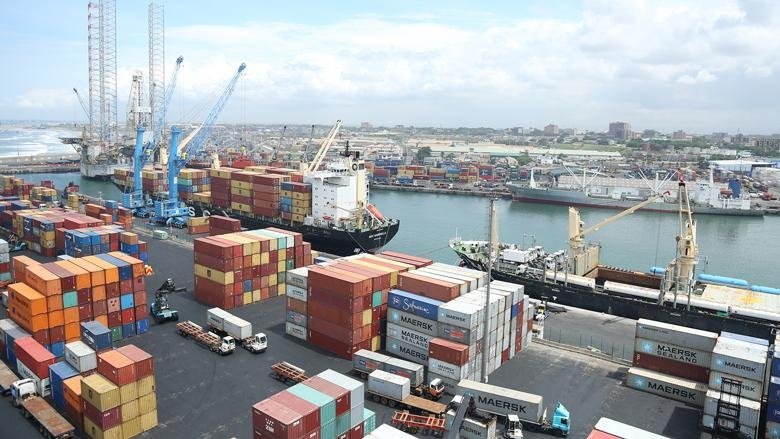
Cargo operations at Ghana’s ports highlight the importance of efficient international trade systems.
Digitalisation at the centre of the agreement
A major feature of the convention is its recognition of electronic negotiable cargo documents, giving them the same legal effect as their paper-based counterparts, subject to the convention’s requirements.
This provision is expected to reduce reliance on physical paperwork, improve information exchange between businesses and financial institutions, and support the wider adoption of digital systems in international trade.
The United Nations Commission on International Trade Law (UNCITRAL) Secretary, Anna Joubin-Bret, welcomed Ghana’s role in hosting the signing ceremony.
She indicated that the agreement could help reduce legal uncertainty, strengthen supply chains, improve trade financing and support the digital transformation of international commerce.

Road freight accounts for an estimated 80–90 per cent of Africa’s freight movement.
Ghana prepares for implementation
Beyond signing the agreement, Ghana has announced plans to pursue early ratification and review relevant domestic laws to support its implementation.
The Trade Minister also disclosed plans to pilot negotiable cargo documents in collaboration with the Ghana Shippers’ Authority, Ghana Ports and Harbours Authority, the Customs Division of the Ghana Revenue Authority and financial institutions.
The proposed pilot is expected to help prepare institutions and businesses for the practical application of the new framework.
However, the signing does not automatically mean the convention is already operational in all participating countries. It must receive the required domestic approvals, and it will enter into force after the deposit of the tenth instrument of ratification, acceptance, approval or accession.

The new framework seeks to expand financing opportunities for small and medium-sized enterprises.
Countries participating
The 26 signatories are Ghana, Sierra Leone, Burkina Faso, Cabo Verde, China, Comoros, Côte d’Ivoire, Cuba, the Democratic Republic of the Congo, Djibouti, Dominica, the Dominican Republic, Gabon, The Gambia, Guinea, Guinea-Bissau, Mauritania, Nicaragua, Nigeria, Pakistan, Rwanda, Saudi Arabia, South Sudan, Togo, Tanzania and Venezuela.

The signing represents an important step towards establishing more consistent international rules for cargo documentation.
For Ghana and other participating countries, the next major test will be translating the agreement into practical reforms that make trade easier, improve access to financing and strengthen commercial links across international markets.
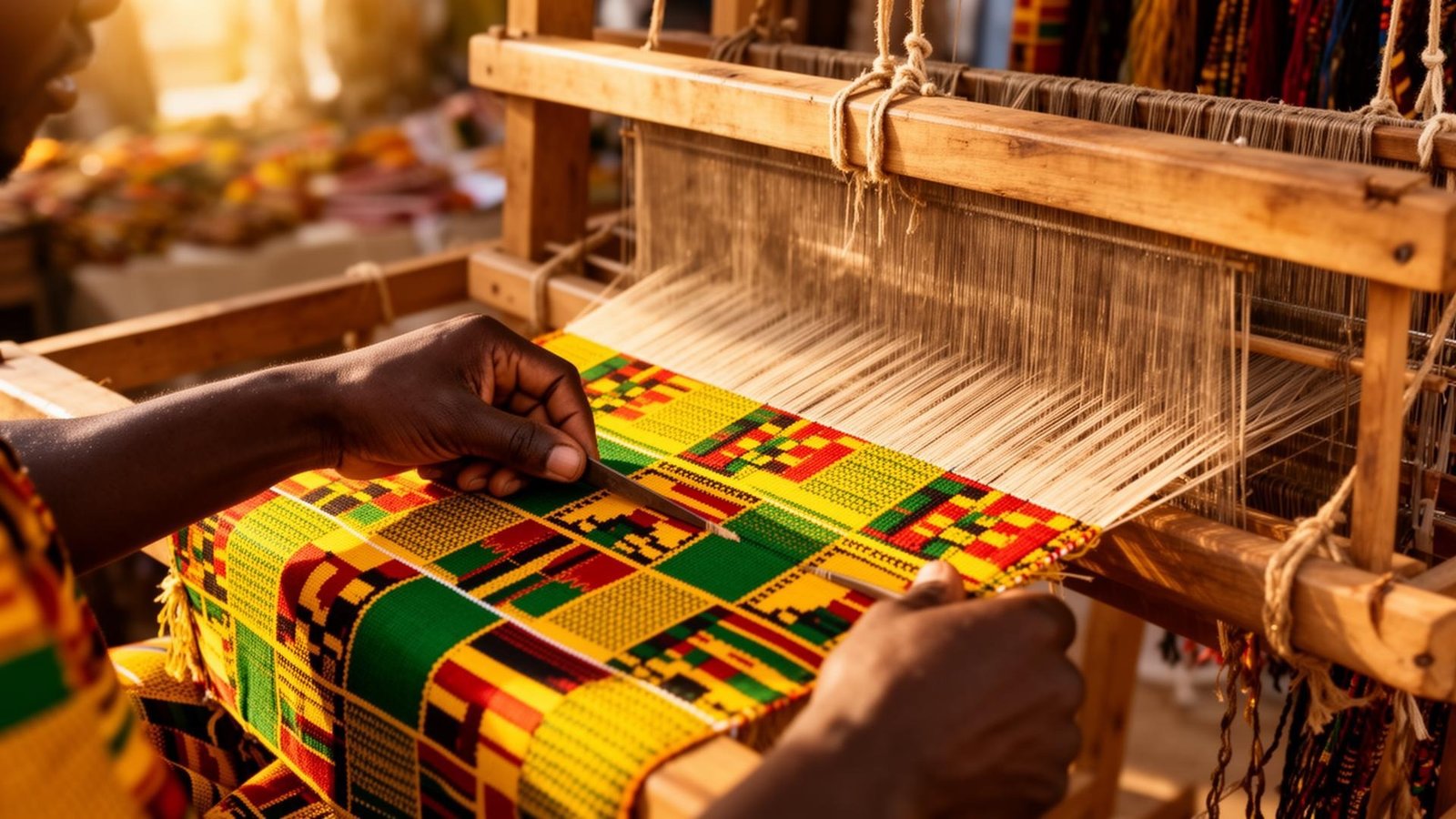
Accra, Ghana – Business and Industry
Ghana is stepping up efforts to revitalise its textile and garment manufacturing industry, with an ambitious government target of attracting US$1.2 billion in new investment and generating approximately 150,000 jobs through the sector’s expansion.
The initiative forms part of a broader industrialisation strategy aimed at strengthening local manufacturing, increasing production capacity and positioning Ghana as a competitive destination for textile and garment production.
The investment and employment targets were outlined in August 2025 by Deputy Minister of Trade, Agribusiness and Industry, Samson Ahi, during a stakeholder validation workshop on the draft Textiles and Garments Manufacturing Policy in Accra.
The government also outlined plans to revive cotton cultivation across approximately 50,000 hectares of farmland to improve the availability of locally produced raw materials for textile manufacturers.
Five Industrial Parks and Incentives for Manufacturers
Among the proposed interventions are the establishment of five industrial parks, dedicated funding for cotton development and textile industry upgrades, as well as fiscal incentives and concessional tariffs intended to encourage investment.
These measures are expected to strengthen the relationship between cotton farmers, textile producers and garment manufacturers, creating opportunities across the industry’s production chain.
The policy also seeks to improve Ghana’s attractiveness as a sourcing destination for companies interested in ethical and sustainable apparel manufacturing.
Government Seeks to Reverse Decline in Local Production
Ghana’s textile industry has faced significant challenges, including competition from imported finished garments, rising production costs and declining domestic manufacturing capacity.
Government officials have acknowledged that although the garment export subsector has recorded growth, it has yet to realise its full potential.
The proposed reforms are therefore intended to strengthen local businesses, encourage new manufacturing investments and reduce the country’s dependence on imported finished clothing.
Women and Young People Expected to Benefit
Employment generation is one of the major objectives of the initiative, with women and young people expected to benefit from opportunities in textile production, garment assembly, cotton farming, distribution and related services.
At the policy validation workshop, then Minister of Employment and Labour Relations, Dr Abdul-Rashid Pelpuo, urged stakeholders to ensure that the framework promoted genuine employment opportunities and merit-based recruitment rather than political favouritism.
Cabinet Approval Marks Another Step
The policy has since progressed beyond the draft stage. On June 27, 2026, the Information Services Department reported that Cabinet had approved new industrial policies covering textiles, pharmaceuticals, component manufacturing and agribusiness.
Trade Minister Elizabeth Ofosu-Adjare said the approvals were intended to strengthen Ghana’s manufacturing environment and attract investment into the targeted industries.
However, the approval of the policy does not automatically mean that the projected US$1.2 billion has been secured or that the 150,000 jobs have already been created.
Implementation Will Determine Success
The success of Ghana’s textile revival will ultimately depend on whether the policy translates into functioning factories, reliable access to raw materials, affordable financing and a competitive business environment.
Investors will also need confidence in infrastructure, energy supply, skilled labour and the consistency of government incentives.
For cotton farmers, textile manufacturers, fashion designers and garment workers, the initiative presents an opportunity to reconnect different parts of Ghana’s textile value chain.
The central challenge now is turning the government’s investment ambitions into measurable industrial expansion and sustainable employment.
Source references: Ghana News Agency, August 8, 2025; Information Services Department, June 27, 2026.
By KPD News Online | October 29, 2026
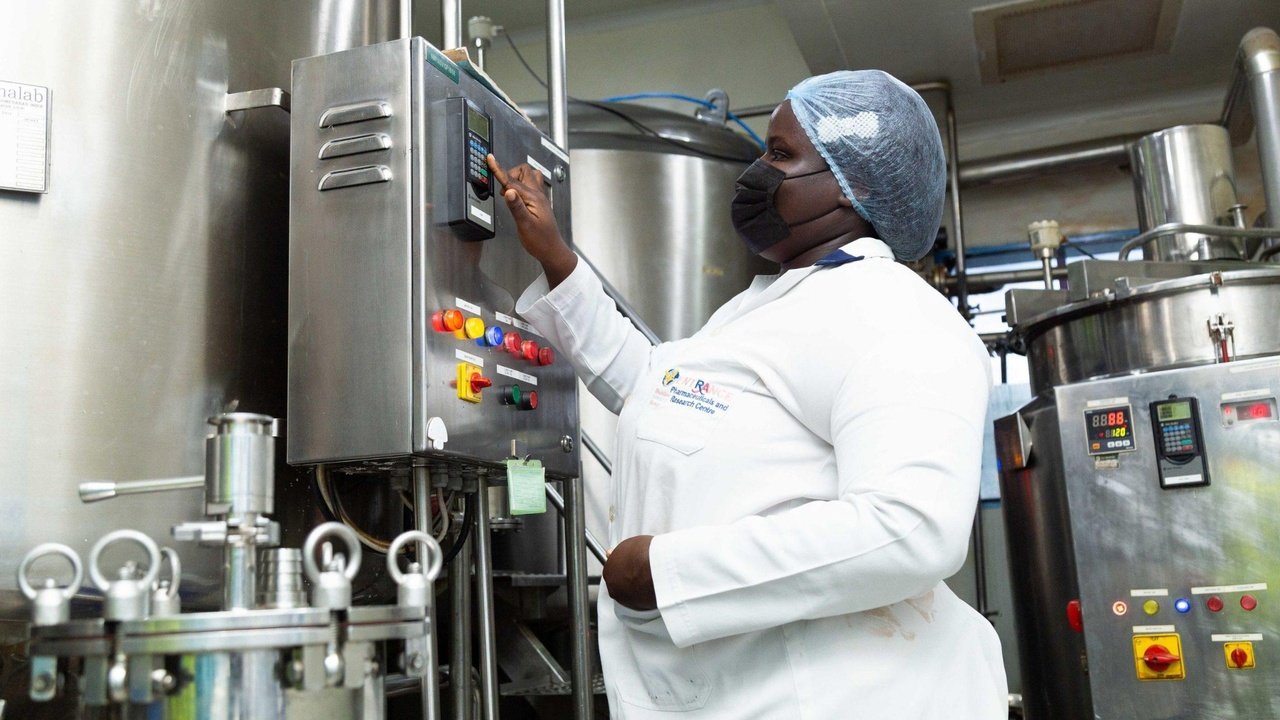
ACCRA, Ghana – The government has launched a new pharmaceutical manufacturing policy aimed at doubling the country’s domestic production of medicines, reducing dependence on imported drugs and strengthening Ghana’s position in the West African pharmaceutical industry.
The Cabinet-approved Ghana Pharmaceutical Manufacturing Policy was officially launched in Accra on Wednesday, October 28, 2026, by the Minister of Trade, Agribusiness and Industry, Elizabeth Ofosu-Adjare.
The initiative seeks to increase the proportion of medicines manufactured locally from approximately 30 per cent to 60 per cent within five years. It also forms part of the government’s broader ambition to achieve at least 70 per cent pharmaceutical self-sufficiency.
The policy comes as Ghana continues to rely heavily on foreign pharmaceutical products, with imported medicines accounting for approximately 70 per cent of the country’s supply.
Addressing stakeholders at the launch, Mrs Ofosu-Adjare said the initiative would provide a coordinated framework for attracting investment, improving manufacturing capacity and creating opportunities for local pharmaceutical companies.
She stressed that the availability of essential medicines was closely connected to national health security, economic resilience and the country’s ability to respond to international supply disruptions.
Six strategic pillars to drive production
The new policy is built around six major areas of intervention.
These include improving the quality of locally manufactured medicines, expanding access to domestic markets, providing affordable long-term financing, developing pharmaceutical ingredients and vaccines, strengthening research and technical skills, and increasing access to regional export markets.
The government also intends to support local pharmaceutical companies in obtaining internationally recognised World Health Organisation Good Manufacturing Practices certification and prequalification where applicable.
Public procurement and the National Health Insurance Scheme are expected to play an important role in creating market opportunities for locally manufactured medicines that meet the required quality standards.
Financial institutions, including Development Bank Ghana and Ghana EXIM Bank, are also expected to support manufacturers seeking funding to establish new facilities, modernise existing factories and expand production.
Moving beyond packaging to advanced manufacturing
A major ambition of the policy is to move Ghana’s pharmaceutical industry beyond the packaging and processing of imported products.
The government wants to encourage domestic production of active pharmaceutical ingredients, excipients, vaccines and other essential pharmaceutical inputs.
This could help strengthen the country’s position in the pharmaceutical value chain while creating opportunities for technology transfer, research and specialised employment.
The policy also seeks to encourage collaboration between universities, research institutions and pharmaceutical manufacturers to develop the technical expertise needed to support the industry’s expansion.
Regional ambitions and economic opportunities
Beyond meeting domestic demand, Ghana hopes to expand pharmaceutical exports to neighbouring countries through the African Continental Free Trade Area (AfCFTA) and the Economic Community of West African States (ECOWAS).
The government believes stronger local manufacturing could reduce foreign exchange pressures, create skilled employment and improve the availability of essential medicines.
However, achieving these objectives will require sustained investment, reliable access to raw materials, affordable financing and consistent regulatory oversight.
Industry representatives have also highlighted the need for long-term, affordable financing to help local manufacturers compete with established international pharmaceutical companies.
Implementation will determine success
Although the new policy represents a significant step towards pharmaceutical independence, its success will ultimately depend on effective implementation.
Manufacturers will need modern production facilities, access to technology, skilled personnel and reliable supply chains to increase output while maintaining internationally recognised quality standards.
Regulatory institutions will also have an important responsibility to ensure that locally manufactured medicines remain safe, effective and affordable.
If successfully implemented, the policy could reshape Ghana’s pharmaceutical industry, reduce its exposure to international supply disruptions and establish the country as an important medicine manufacturing and export centre in West Africa.
Business
African CEOs Remain Optimistic About Growth as AI Readiness and Economic Risks Challenge Businesses
By KPD News Online | October 29, 2026
LAGOS, Nigeria — African business leaders remain confident about their companies’ growth prospects despite economic uncertainty, geopolitical tensions and increasing pressure to adapt to artificial intelligence (AI), according to the latest KPMG Africa CEO Outlook 2026.
The report highlights a growing contrast between business confidence and organisational preparedness, particularly as companies across the continent consider how to invest in emerging technologies while protecting their operations against economic and cybersecurity risks.
According to the survey, 79 per cent of African chief executive officers (CEOs) expressed confidence in their organisations’ growth prospects over the next three years. Meanwhile, 72 per cent were confident in their domestic economies, while 66 per cent expressed confidence in the global economy.
The findings suggest that African businesses are maintaining an optimistic outlook despite operating in an increasingly unpredictable economic environment.
Revenue growth offers encouragement, but profitability remains a concern
The survey found that 86 per cent of African CEOs recorded revenue growth in their most recent financial year.
However, expectations for future earnings remain relatively cautious. Only 58 per cent anticipate annual earnings growth of at least 2.5 per cent over the next three years, compared with 68 per cent of CEOs globally.
The difference highlights the challenge facing businesses as they attempt to turn increased revenue into sustainable profitability.
Rising operating costs, changing trade conditions, supply-chain disruptions and energy-market volatility are among the factors that could influence corporate investment decisions.
AI investment ambition exceeds organisational readiness
Artificial intelligence is becoming an increasingly important part of corporate investment strategies across Africa.
KPMG found that 72 per cent of African CEOs consider AI a major investment priority. However, only 14 per cent believe their organisations are keeping pace with or moving ahead of developments in the technology.
The comparison with global businesses is significant. Globally, 66 per cent of CEOs believe their organisations are keeping pace with or leading AI developments.
This suggests that although African companies recognise the potential of AI, many still face difficulties developing the infrastructure, technical expertise, data systems and workforce capabilities required to deploy it effectively.
The report also found that 48 per cent of African CEOs expect returns on AI investments within one to three years, while 42 per cent anticipate that returns could take more than three years.
For businesses, the challenge will be ensuring that technology investments deliver measurable improvements in productivity, efficiency and competitiveness.
Cybersecurity and supply-chain risks remain major threats
Beyond technological transformation, African companies are increasingly concerned about protecting their operations against external disruptions.
Cybersecurity and data security, alongside supply-chain resilience, were each identified by 31 per cent of African CEOs as leading threats to business growth.
In response, 45 per cent said they were increasing investment in cybersecurity and digital-risk resilience.
These priorities reflect the growing importance of protecting sensitive business information, maintaining reliable supply networks and preparing organisations for unexpected disruptions.
As more companies move their operations online, cybersecurity is becoming an essential part of long-term business planning rather than simply an IT concern.
Workforce skills and employment remain central to business transformation
The growing adoption of AI is also influencing how companies approach recruitment, employee development and workplace organisation.
KPMG found that 84 per cent of African CEOs expect their organisations to increase employee numbers over the next three years.
Furthermore, 86 per cent intend to retain and retrain high-potential employees, while 82 per cent are redesigning roles, career paths and team structures to support collaboration between humans and AI.
However, skills shortages remain a challenge, with 59 per cent identifying workforce skills gaps as a concern.
The findings underline the importance of investing in professional training and digital education as African companies prepare for a changing employment landscape.
Sustainability gains importance in investment decisions
The report also points to progress in corporate sustainability preparedness.
Some 65 per cent of African CEOs said their organisations were capable of meeting new sustainability reporting requirements, up from 55 per cent in the previous year.
The improvement suggests that more businesses are strengthening their reporting systems and incorporating sustainability considerations into corporate planning.
However, companies still face the challenge of balancing environmental commitments with operational costs, energy requirements and long-term commercial objectives.
The road ahead for African businesses
The 2026 KPMG Africa CEO Outlook presents a picture of a continent whose business leaders remain optimistic but increasingly aware that confidence alone will not guarantee future success.
For African companies, the next phase of investment is likely to depend on their ability to strengthen technological capabilities, develop skilled workforces, improve cybersecurity and build more resilient supply chains.
The findings also highlight the importance of broader economic conditions, including reliable infrastructure, affordable energy, access to capital and predictable regulatory environments.
As businesses navigate these challenges, the ability to convert investment ambitions into practical results could determine which organisations are best positioned to compete in an increasingly digital and interconnected global economy.
Source: KPMG Africa CEO Outlook 2026.

Salary Finished in One Week? The Spending Habits Keeping Young Ghanaians Broke

Police arrest three suspects over murder of 34-year-old mobile money vendor at Kasoa

Raymond Archer confirmed as substantive EOCO Executive Director

IRAWMA 2025: Shatta Wale Wins 3 Major Awards Including Best Music Video

Samini Secures Promotional Deal with Audiomack for Upcoming Album “THE ORIGIN8A”

AirtelTigo losing GH₵20m monthly; total debts exceed $200million – Sam George


-

 Entertainment1 week ago
Shatta Wale Cake Tells Story of Growth, Identity and African Dancehall Influence
-

 General News4 days ago
GTA Staff Demand Answers on World Cup Visa Slots, Staff Dismissals and Unpaid Allowances
-

 General News7 days ago
FOKLEX MEDIA AWARDS COMMENDS PRINCE KWAW GYIMAH AND OWASS FM TEAM FOR PROFESSIONALISM DURING KWAME DZOKOTO INCIDENT
-

 Politics1 week ago
OB UASI HEADMASTER IN SEXUAL MISCONDUCT CONTROVERSY EYES NDC CONSTITUENCY CHAIRMANSHIP
-

 Entertainment1 week ago
Ghana Unveils December in GH 2026 Calendar With Over 150 Events Nationwide
-
 General News1 week ago
PROFOUND GRATITUDE FOR YOUR DECISIVE INTERVENTION IN FAST-TRACKING THE COMPLETION OF THE MUMFORD FISHING HARBOUR
-

 General News4 days ago
Nicki Minaj Throws Her Support Behind Trump Ahead of US Midterm Elections
-

 General News6 days ago
SAMMY GYAMFI’S “MINE WITHOUT LICENCE” REMARK SPARKS FRESH GALAMSEY DEBATE