
General News
Germany Cost-of-Living Protests Turn Violent as Shops Are Looted

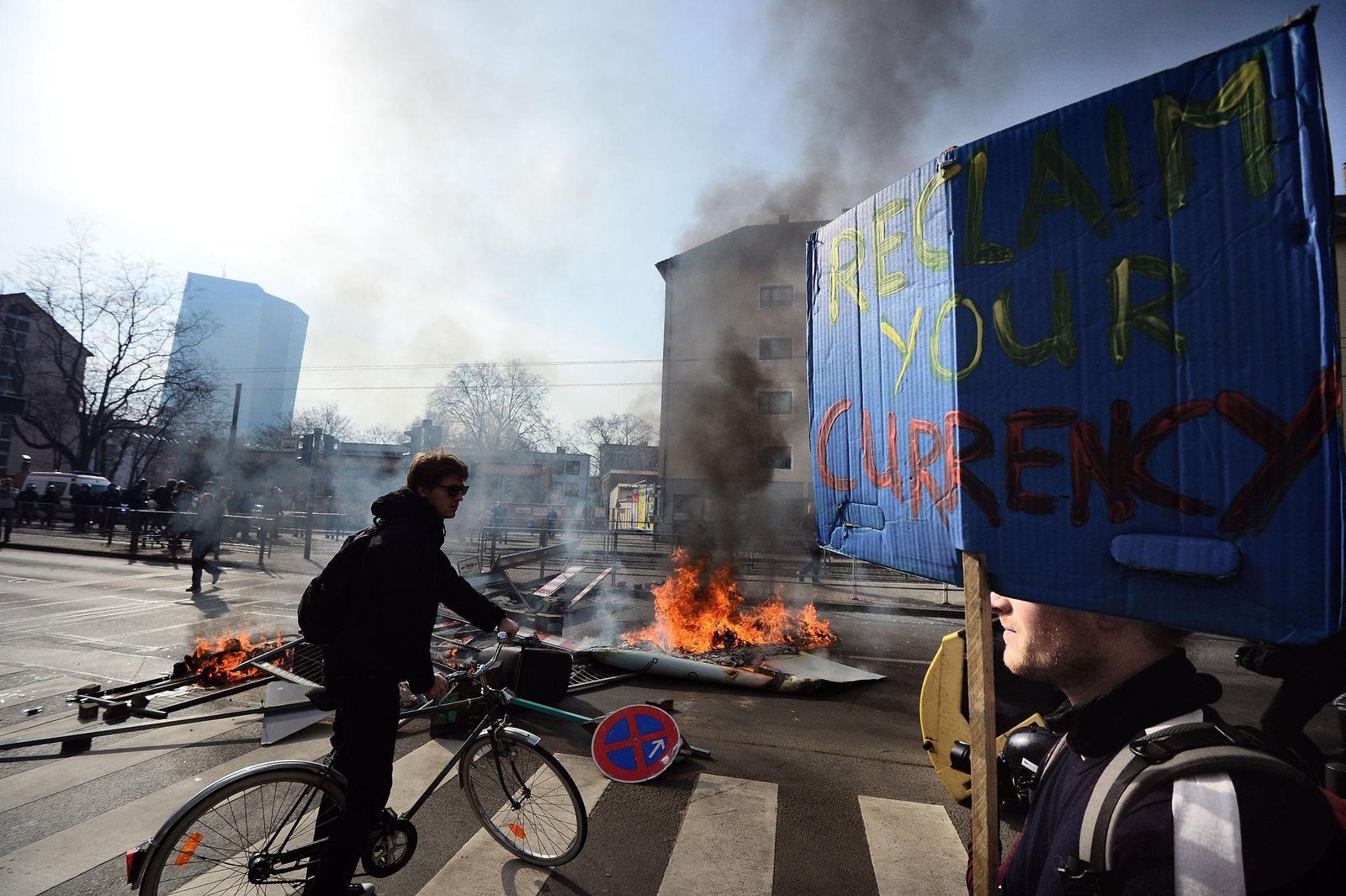
Protests Over Living Costs Escalate Into Violence Across German Cities
Germany has witnessed violent clashes and shop looting following demonstrations over rising living costs, public spending cuts, education funding and proposed compulsory military service.
The unrest began after thousands of people joined largely peaceful demonstrations organised by the youth campaign group Gen Z regelt, whose name translates roughly as “Gen Z takes charge.” The protests took place in 34 cities, including Frankfurt, Berlin and Munich, according to reports by Reuters.

Protesters confront shopfronts as demonstrations over living costs escalate in Frankfurt, Germany.
In Frankfurt, Germany’s financial centre, the situation deteriorated late on Saturday, October 31, when groups of rioters reportedly smashed shop windows and looted at least two stores. Police said emergency services were targeted with projectiles and incendiary devices as the unrest intensified.
Police Respond as Violence Spreads
Authorities also reported disturbances in Berlin, Cologne and Hamburg. Police used water cannon and other crowd-control measures in attempts to disperse groups involved in violent confrontations.
In Berlin, police reported injuries among officers and the temporary detention of dozens of people. In Hamburg, disturbances included burning barricades and fireworks directed towards police, according to published reports.
The violence followed demonstrations calling for greater investment in education, stronger public services and measures to make everyday life more affordable. Organisers also opposed compulsory military service and argued that younger generations were facing growing economic and social pressures.

Police officers respond to unrest following demonstrations in German cities.
Official attendance estimates in Frankfurt, Munich and Berlin reached a combined total of up to 18,000 protesters, while organisers had anticipated substantially higher participation.
Economic Frustration at the Centre of Demonstrations
The protests reflect wider concerns about the affordability of housing, the quality of public services and the economic prospects of younger people in Germany.
Participants have called for more government support for education and healthcare, alongside a fairer distribution of public spending. The campaign has also raised concerns about the financial and personal implications of compulsory military service.

Police secure parts of Frankfurt’s shopping district following reports of vandalism and looting.
However, the violence has raised questions about public safety and the protection of businesses during large demonstrations. Officials have criticised the destruction and alleged that extremist groups contributed to the escalation.
What Happens Next?
The developments place renewed attention on how German authorities will respond to public frustration over economic pressures while protecting the right to peaceful assembly.
Although many participants demonstrated peacefully, the reported looting and clashes have complicated the campaign’s message and increased pressure on authorities to restore order.
Further official updates will be needed to establish the full extent of property damage, arrests and injuries resulting from the disturbances.
Editorial conclusion: The protests highlight growing concerns about living costs and public services, but the violence and looting have shifted attention towards public order and the challenges of addressing economic grievances without further confrontation.
Sources: Reuters, Associated Press/CBS News, and published reporting carried by Irish broadcaster RTÉ.

















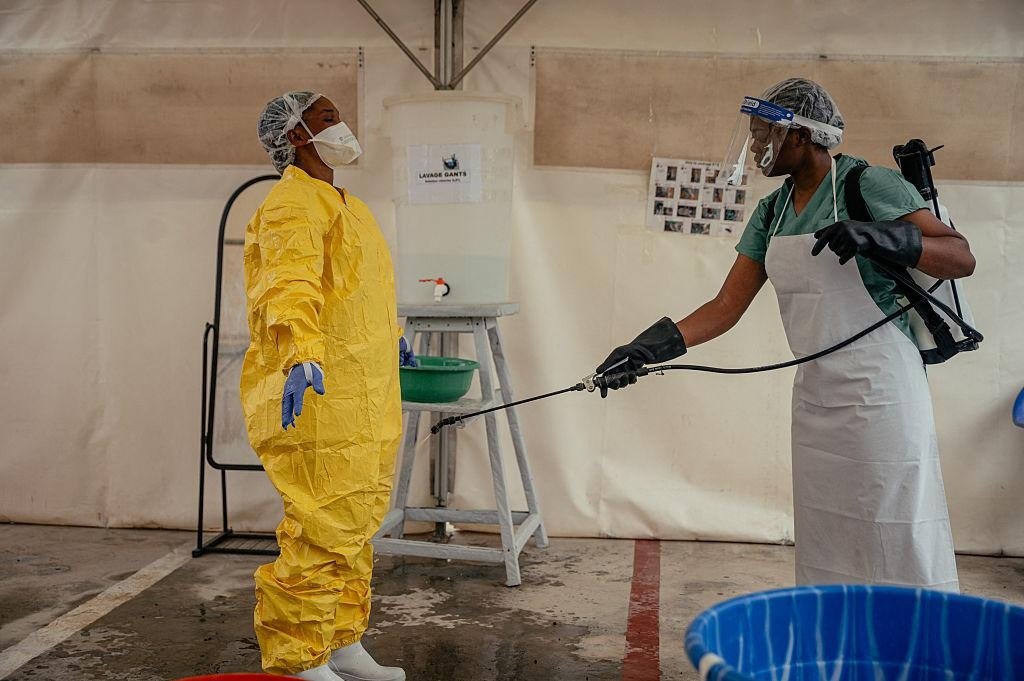
The Democratic Republic of Congo (DR Congo) is facing its deadliest Ebola outbreak in recorded history, with more than 5,000 people confirmed dead as health authorities struggle to contain the rapidly spreading disease.
According to figures reported on October 31, 2026, the outbreak has recorded approximately 10,351 confirmed infections and 5,026 deaths, representing a fatality rate of about 48.6 per cent.
The outbreak, caused by the Bundibugyo strain of the Ebola virus, has become the second-largest Ebola epidemic ever recorded globally, behind the devastating 2014–2016 West African outbreak.

Healthcare workers in protective equipment respond to the Ebola outbreak.
Eastern provinces remain at the centre of the crisis
The outbreak has particularly affected eastern DR Congo, with Ituri and North Kivu among the hardest-hit provinces.
Health authorities report that the disease has spread across 67 health zones in eight of the country’s 26 provinces, creating significant challenges for disease surveillance, emergency medical response and contact tracing.
The spread has also raised concerns beyond DR Congo’s borders, with cases reported in other African countries, including Uganda, Kenya and Nigeria.

Medical personnel work to provide care amid the growing health emergency.
Health workers face serious challenges
Efforts to contain the epidemic have been complicated by insecurity, limited resources and difficulties gaining access to affected communities.
Public health officials have also expressed concern about the number of infections occurring outside officially monitored contact networks. This makes it harder for response teams to identify transmission routes and reach people who may have been exposed.
Another major concern is delayed access to medical care, with reports indicating that some patients died before reaching treatment facilities.

Community outreach remains important in preventing further infections.
International concern grows
The outbreak has attracted growing international attention as the virus crosses national borders. Kenya confirmed eight cases and two deaths, while Nigeria reported one confirmed case. Uganda had also experienced cases earlier in the epidemic.
The World Health Organization and Africa Centres for Disease Control and Prevention have emphasised the importance of strengthening surveillance, improving access to healthcare and supporting frontline medical personnel.
Although 2,788 people have reportedly recovered, health authorities continue to face significant difficulties in slowing transmission.

Ituri province is among the areas most affected by the epidemic.
A difficult road ahead
The rising death toll highlights the urgency of a stronger and more coordinated response. Security challenges, public distrust and disruptions to healthcare services remain major obstacles.
For DR Congo, the immediate priority is to identify new infections quickly, improve access to treatment and prevent further transmission across communities and neighbouring countries.

The epidemic has expanded across multiple provinces.
The outbreak is a major public health concern for Africa, with international health organisations continuing to monitor developments and support containment efforts.

Cryptocurrency exchange Binance says it has replaced approximately 90% of the digital assets stolen in a reported $6.3 billion cyberattack, pledging to cover the remaining losses without passing the financial burden on to its customers.
Remaining losses present a challenge
The exchange said the remaining 10% consists of less-liquid digital tokens that may take longer to obtain in the quantities required. Less-liquid assets can be harder to purchase in large amounts without affecting market prices.
Binance has indicated that its recovery effort draws on several sources, including its Secure Asset Fund for Users (SAFU), its futures insurance fund and its corporate treasury. The company says it will bear the financial impact rather than its users.
FBI links attack to North Korean hacking unit
The incident has also drawn attention from US law enforcement. The Federal Bureau of Investigation (FBI) attributed the attack to TraderTraitor, a North Korean state-sponsored cyber unit.
According to reporting on the investigation, authorities observed stolen cryptocurrency being converted into other digital assets and warned that further attempts to move or conceal the funds could follow. The attribution comes amid broader international concerns about cyber operations used to generate revenue for North Korea.
Customer confidence and withdrawals remain key concerns
The breach has placed renewed focus on the security of cryptocurrency exchanges, the protection of customer holdings and the ability of major platforms to withstand sophisticated cyberattacks.
Binance said it had taken a new snapshot of assets held on its platform as part of its proof-of-reserves process. The exchange also indicated that withdrawals were expected to resume on November 1, although users should check its official announcements for the latest operational status.
Although replacing 90% of the stolen assets marks significant progress, the incident leaves important questions about cybersecurity safeguards, the tracing of stolen funds and the long-term resilience of digital-asset markets.
For customers and the wider cryptocurrency industry, the next test will be whether Binance can complete the remaining recovery effort while restoring confidence in its platform.

A federal judge in the United States has dismissed President Donald Trump’s defamation lawsuit against The Wall Street Journal and other defendants over the newspaper’s reporting on an alleged birthday letter linked to Jeffrey Epstein. The ruling marks a significant setback for Trump in his legal dispute with the media organisation.
Judge says Trump failed to meet legal standard
US District Judge Darrin Gayles, sitting in Miami, dismissed the lawsuit for a second time on Saturday, October 31, ruling that Trump’s amended complaint failed to adequately establish that the defendants acted with “actual malice.”
Under US defamation law, public figures generally must show that a publisher knowingly made a false statement or acted with reckless disregard for whether it was true. The judge concluded that Trump’s allegations did not meet this demanding legal threshold.
The case was dismissed with prejudice, meaning Trump cannot simply amend and refile the same lawsuit in the same court. The judge had previously dismissed the initial complaint in April 2026 but allowed the president to submit an amended version.
Dispute centres on alleged Epstein birthday letter
The legal battle began after the Wall Street Journal published a report in July 2025 about a birthday album prepared for Epstein’s 50th birthday in 2003. The newspaper reported that the album contained a letter bearing Trump’s name and featuring a suggestive drawing.
Trump denied writing the letter, described the reporting as false and defamatory, and pursued legal action against the newspaper’s publisher, Dow Jones, its parent company News Corp, media executive Rupert Murdoch and other individuals associated with the report.
The lawsuit sought billions of dollars in damages. The newspaper and its publisher defended their reporting and challenged the legal basis of Trump’s claims.
Newspaper welcomes ruling as Trump maintains his position
The judge’s decision represents a victory for the newspaper and its co-defendants in a high-profile dispute over press freedom, public accountability and the legal protections afforded to journalism.
Dow Jones welcomed the decision, while a spokesperson for Trump’s legal team said the president would continue pursuing his claims against those he believes misled the American public.
The case has attracted considerable attention because it involves a sitting US president, one of the country’s most influential media companies and reporting related to Epstein, whose associations with prominent figures have remained a subject of public scrutiny.
The ruling does not, by itself, establish whether the disputed letter was authentic. It addresses whether Trump’s complaint sufficiently alleged the legally required elements of defamation.

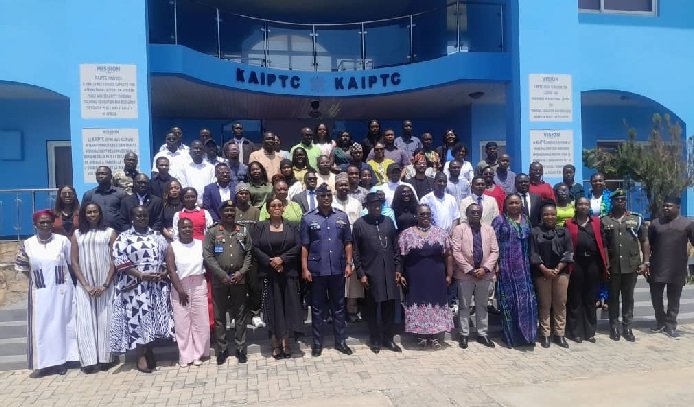
Former Nigerian President urges young people to take active roles in governance, promote peaceful advocacy and use social media to hold leaders accountable.
Former Nigerian President Goodluck Jonathan has called on young people across West Africa to take a more active role in leadership and decision-making, saying their meaningful involvement is essential to achieving sustainable development, peace and security in the sub-region.
He made the call while addressing an ECOWAS Ministerial Consultation on Transforming Youth Leadership and Policy Action to Advance Peace, Security and Community Resilience in Accra on Thursday, October 29, 2026.
Mr Jonathan said West Africa could not make meaningful progress if young people, who constitute a significant proportion of the population, were excluded from governance and efforts to protect their countries.
“We cannot move forward as a sub-region and even as a continent or society if the youth are neglected, if the youth are not involved in an effort to protect our own country,” he stated.
Youth must embrace leadership
The former Nigerian leader recalled the important contributions young people made to West Africa’s independence struggles and subsequent political developments, particularly through student movements and youth activism.
He urged the current generation to draw inspiration from that history and take responsibility for promoting accountable leadership, good governance and peaceful political change.
According to him, young people’s numerical strength gives them considerable influence over the direction of the continent, with the potential to contribute either to stability and progress or to crisis and instability.
Mr Jonathan also challenged young people to overcome the perception that leadership is reserved for older people, stressing that commitment, determination, energy and service to the public were more important than age.
He maintained that leadership should be driven by the desire to serve the collective interest rather than pursue personal benefits.
Advocacy instead of confrontation
On strategies for achieving change, Mr Jonathan encouraged young people to prioritise peaceful advocacy, mentorship, persuasion and constructive engagement instead of confrontation.
Drawing on his experience in government, he recounted how dialogue and engagement with young people had helped defuse a potentially volatile situation.
He cautioned that violent approaches could worsen instability and undermine the development young people sought to achieve.
The former president also urged young people to use social media strategically to mobilise support, influence public debate and hold governments accountable for decisions they consider contrary to the public interest.
ECOWAS consultation focuses on youth empowerment
The three-day consultation, held from October 27 to 29, brought together government representatives, regional institutions, development partners and youth leaders to assess progress in implementing the African Union’s Continental Framework on Youth, Peace and Security.
The discussions focused on strengthening youth participation, regional cooperation and community resilience across West Africa.
Mr Jonathan urged emerging leaders to remain patient and committed, noting that meaningful political and social transformation requires sustained effort over time.
General News
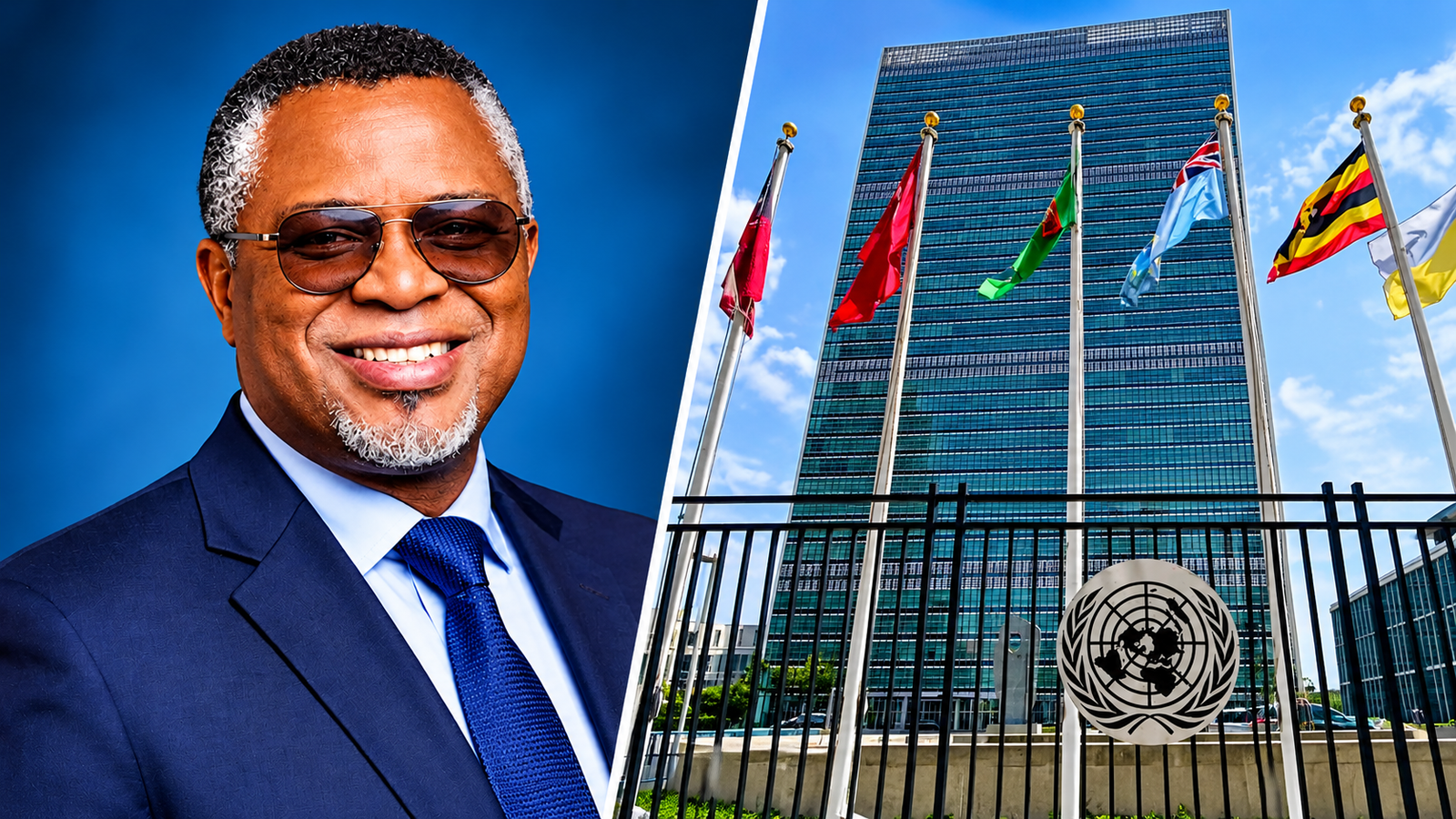
Rev. Dr. Christian Kweitsu Urges UN to Amplify Africa’s Voice in Global Decision-Making
By Angel No Lie | KPD News Online | November 1, 2026
Rev. Dr. (H.C.) Christian Kwetey Kweitsu, a representative of the Universal Peace Federation (UPF) Ghana, has called for greater commitment to listening, dialogue and inclusive decision-making as essential tools for peacebuilding, as the United Nations marks its 81st anniversary.
Speaking virtually at the anniversary celebration, Rev. Dr. Kweitsu addressed the theme, “The Role of Listening and Being Heard in Peacebuilding,” drawing connections between his professional background in audiology and the growing need for meaningful communication in resolving conflicts.
He emphasized that hearing and listening are not the same, arguing that the ability to receive sound does not necessarily translate into understanding, empathy or action.
According to him, effective peacebuilding requires individuals, institutions and governments to move beyond simply hearing grievances to understanding the concerns behind them and responding constructively.
Listening as a Foundation for Peace
Drawing on the four stages of hearing — gathering sound, amplification, transformation and interpretation — Rev. Dr. Kweitsu explained that peacebuilding processes could similarly fail when concerns are ignored, marginalized voices are not valued, information is distorted or leaders fail to respond with empathy.
He cited family disagreements, political tensions and international conflicts as examples of situations where poor communication and a lack of understanding can undermine peaceful coexistence.
The peace advocate maintained that when people feel ignored for prolonged periods, their frustrations may escalate into protests and other forms of confrontation.
He therefore urged political leaders to create opportunities to engage citizens meaningfully, particularly traders, farmers, transport operators and residents of underserved communities.
Calls for Greater Inclusion in Global Governance
Rev. Dr. Kweitsu also raised concerns about Africa’s representation in international decision-making, particularly within the United Nations Security Council.
He questioned whether the global body adequately reflects the voices and interests of African countries, noting that the continent remains without a permanent seat with veto power on the Security Council.
He further highlighted what he described as the imbalance between Africa’s contribution to global challenges and its representation in decisions concerning climate change, public health, debt and technological development.
“We are in the room, but not on the microphone,” he said, calling for a shift from treating Africa primarily as a recipient of aid to recognizing the continent as an equal partner in global development.
He urged international institutions to engage African nations more meaningfully and incorporate their perspectives, experiences and indigenous knowledge into global policy decisions.
Advocates Listening at Home and in Politics
At the family level, Rev. Dr. Kweitsu stressed the importance of creating safe environments where children, spouses and other family members can express their concerns without fear of being dismissed.
He argued that peace within the home is fundamental to achieving peace in society, warning that emotional neglect and poor communication can deepen misunderstandings.
On governance, he called for leaders to prioritize dialogue over confrontation and to listen to citizens with the intention of understanding rather than merely responding to criticism.
He also stressed the need for responsible communication, urging individuals, particularly young people, to express grievances without resorting to insults, misinformation, tribal prejudice or hate speech.
Three Proposals for Advancing Peace
As the United Nations prepares to enter its 82nd year, the UPF Ghana representative outlined three proposals to promote a culture of listening and peaceful engagement.
First, he called for the establishment of structured listening platforms, including weekly family listening sessions, monthly parliamentary citizen engagement forums and a proposed Global Listening Day to encourage meaningful dialogue between world leaders and ordinary people.
Second, he advocated training young people in what he described as “Peace Articulation” — the ability to communicate grievances clearly, respectfully and without hostility.
Third, he urged the amplification of marginalized voices, particularly those affected by conflict, poverty, environmental destruction and global inequalities.
He called on the United Nations and peace organizations to ensure that the concerns of vulnerable communities are not merely heard but translated into meaningful action.
Peacebuilding Beyond Words
Rev. Dr. Kweitsu, an audiologist with more than two decades of professional experience at KRISPAT Hearing Centre Ghana, said his work in helping people regain hearing had strengthened his understanding of the relationship between communication, dignity and social inclusion.
Referencing his book, Amplifying Life, he explained that effective listening goes beyond receiving information to recognizing and affirming the humanity of others.
He concluded by urging families, political leaders and international institutions to cultivate deeper listening and clearer communication, stressing that peace becomes possible when people feel understood, valued and included.
He called for renewed commitment to the ideals of the United Nations, the Universal Peace Federation and the promotion of a peaceful global community.

Ebola Outbreak Claims Over 5,000 Lives in DR Congo, Raising Regional Concerns

Binance Faces $6.3 Billion Hack Fallout as Recovery Efforts Continue

Trump Suffers Legal Setback as Court Rejects Lawsuit Over Epstein Birthday Book

IRAWMA 2025: Shatta Wale Wins 3 Major Awards Including Best Music Video

Samini Secures Promotional Deal with Audiomack for Upcoming Album “THE ORIGIN8A”

AirtelTigo losing GH₵20m monthly; total debts exceed $200million – Sam George


-

 General News6 days ago
GTA Staff Demand Answers on World Cup Visa Slots, Staff Dismissals and Unpaid Allowances
-

 Entertainment2 weeks ago
Shatta Wale Cake Tells Story of Growth, Identity and African Dancehall Influence
-

 General News1 week ago
FOKLEX MEDIA AWARDS COMMENDS PRINCE KWAW GYIMAH AND OWASS FM TEAM FOR PROFESSIONALISM DURING KWAME DZOKOTO INCIDENT
-

 General News1 week ago
SAMMY GYAMFI’S “MINE WITHOUT LICENCE” REMARK SPARKS FRESH GALAMSEY DEBATE
-

 General News6 days ago
Nicki Minaj Throws Her Support Behind Trump Ahead of US Midterm Elections
-

 Entertainment2 weeks ago
Ghana Unveils December in GH 2026 Calendar With Over 150 Events Nationwide
-

 Politics2 weeks ago
OB UASI HEADMASTER IN SEXUAL MISCONDUCT CONTROVERSY EYES NDC CONSTITUENCY CHAIRMANSHIP
-
 General News2 weeks ago
PROFOUND GRATITUDE FOR YOUR DECISIVE INTERVENTION IN FAST-TRACKING THE COMPLETION OF THE MUMFORD FISHING HARBOUR