
Entertainment
From Highlife to Afrobeats: The Evolution of Ghanaian Music and the Genres That Shaped Its Cultural Identity


Music has always been an important part of Ghanaian culture, serving as a powerful means of storytelling, entertainment, communication and cultural preservation. From the traditional sounds of drums and flutes to the energetic rhythms of highlife, hiplife, gospel, reggae, dancehall and Afrobeats, Ghana’s musical journey reflects the country’s history, creativity and changing social identity.

Over the years, Ghanaian music has moved beyond entertainment to become a reflection of everyday life, addressing issues such as love, politics, religion, migration, economic hardship and national pride.
Among the many genres that have shaped Ghana’s musical landscape, highlife remains one of the most influential. However, the emergence of other musical styles has expanded the country’s creative industry, giving different generations opportunities to express themselves through unique sounds.
Highlife Music: The Foundation of Ghana’s Modern Music Industry
Highlife music is widely regarded as one of Ghana’s most important contributions to African music. Its origins can be traced to the coastal communities of the Gold Coast during the late 19th and early 20th centuries, when African musical traditions began interacting with European instruments and styles.

The genre developed through exchanges involving local musicians, traders, sailors, colonial military bands and communities along the West African coast.
Early highlife drew inspiration from palm-wine music, a style commonly performed with acoustic guitars, percussion and other portable instruments at social gatherings.
Another major influence was adaha, a brass-band tradition that combined European military instrumentation with African rhythmic patterns.

As these influences developed, musicians introduced guitars, trumpets, saxophones, drums and keyboards, creating the distinctive melodies and danceable rhythms associated with highlife.
One of the genre’s most celebrated pioneers was E.T. Mensah, popularly recognised as the King of Highlife. His band, The Tempos, helped popularise highlife across Ghana and other West African countries during the 1950s and 1960s.

Other influential Ghanaian highlife musicians include Ebo Taylor, Nana Ampadu, Amakye Dede, Daddy Lumba, Kojo Antwi and Pat Thomas.
Beyond Ghana, Nigerian musicians such as Cardinal Rex Lawson and Sir Victor Uwaifo contributed to highlife’s growth across West Africa.

Highlife songs frequently explore relationships, marriage, family responsibilities, morality, politics and social behaviour. Their lyrics often contain proverbs and life lessons, making the genre an important source of cultural education.
Despite the rise of contemporary musical styles, highlife remains popular at weddings, funerals, festivals and family celebrations.

Traditional Ghanaian Music: The Roots of Cultural Expression
Long before the development of highlife and other contemporary genres, traditional music played a central role in Ghanaian communities.
Different ethnic groups developed distinct musical traditions that reflected their languages, histories, spiritual beliefs and social structures.

Among the Akan, traditional drumming and music are closely connected to festivals, royal ceremonies, funerals and community gatherings. Instruments such as the fontomfrom drums are associated with chieftaincy and important ceremonial occasions.
The Ewe communities are particularly recognised for their complex drumming traditions, including agbadza, which combines rhythmic drumming, singing and coordinated dancing.

In northern Ghana, instruments such as the gyil, a traditional wooden xylophone, and various talking drums remain important elements of musical expression.
Traditional music also plays a role in storytelling, with songs used to preserve historical events, praise community leaders and pass cultural knowledge from older generations to younger ones.
Although modern instruments have become more common, traditional Ghanaian music continues to influence highlife, gospel, hiplife and Afrobeats.

Hiplife: The Genre That Connected Ghanaian Youth to Hip-Hop
The emergence of hiplife during the 1990s marked a major turning point in Ghana’s music industry.
The genre combines elements of American hip-hop with Ghanaian highlife rhythms, local languages and indigenous storytelling.

Reggie Rockstone is widely credited with pioneering and popularising hiplife in Ghana, particularly through his use of Twi and other Ghanaian expressions in rap music.
At a time when hip-hop was becoming increasingly popular among young people, hiplife created a musical identity that connected international influences with Ghanaian culture.
Musicians such as Obour, Lord Kenya, Tic, Mzbel, VIP and Buk Bak helped establish hiplife as a dominant force in Ghanaian entertainment.

Later, artistes including Sarkodie and M.anifest contributed to the development of Ghanaian rap, although their music extends beyond traditional hiplife.
Hiplife provided young musicians with a platform to discuss unemployment, relationships, ambition, poverty, social inequality and everyday experiences.

The genre also transformed Ghana’s entertainment industry by encouraging music videos, youth-oriented radio programming, rap competitions and commercial collaborations.
Gospel Music: Faith, Worship and Ghanaian Musical Identity
Gospel music is one of Ghana’s most widely embraced musical genres, reflecting the significant role Christianity plays in many communities.
Its development has been influenced by church hymns, traditional African rhythms, choral arrangements and contemporary international worship music.

Earlier Ghanaian gospel performers helped establish a distinctive local sound by combining Christian messages with highlife melodies and indigenous languages.
Musicians such as Yaw Sarpong, Daughters of Glorious Jesus, Tagoe Sisters, Cindy Thompson and Esther Smith played important roles in popularising gospel music.

Contemporary performers including Diana Hamilton, Joe Mettle, MOGmusic, Celestine Odonkor and Empress Gifty have continued to expand its audience.
Gospel music in Ghana is not limited to churches. It is performed at concerts, weddings, funerals, national events and private celebrations.

The genre has also developed several musical expressions, including traditional gospel, contemporary worship, gospel highlife, gospel reggae and urban gospel.
For many Ghanaians living abroad, gospel music provides a connection to their religious beliefs, language and cultural identity.

Reggae and Dancehall: The Caribbean Influence on Ghanaian Music
Reggae and dancehall originated in Jamaica but have become important parts of Ghana’s contemporary musical landscape.
Reggae is often associated with messages of peace, justice, spirituality, resistance and social consciousness.

Dancehall, meanwhile, is generally characterised by energetic rhythms, rhythmic vocal delivery and a strong connection to street culture and youth expression.
Ghanaian musicians began embracing reggae influences decades ago, with artistes such as Rocky Dawuni helping to promote Ghanaian reggae internationally.
The rise of Samini, Shatta Wale and Stonebwoy further strengthened the popularity of reggae and dancehall among Ghanaian audiences.

These musicians have blended Caribbean sounds with Ghanaian languages, local rhythms and contemporary African musical influences.
Reggae and dancehall have also influenced Ghanaian fashion, stage performances, youth culture and entertainment discussions.
Through international collaborations and performances, Ghanaian reggae and dancehall musicians have helped introduce local audiences and cultural expressions to listeners outside Africa.

Afrobeats: Taking Ghanaian Sounds to the International Stage
Afrobeats has become one of the most commercially influential contemporary African music styles.
Unlike Afrobeat, the genre associated with Nigerian musician Fela Kuti, Afrobeats is a broad contemporary musical movement that incorporates influences from highlife, hip-hop, R&B, dancehall, electronic music and various African rhythms.

Ghana has played an important role in shaping this modern sound through musicians, producers and international collaborations.
Artistes such as King Promise, KiDi, Kuami Eugene, Wendy Shay and Gyakie have contributed to the popularity of Ghanaian Afrobeats and related contemporary styles.

Afrobeats songs frequently explore love, relationships, enjoyment, ambition, heartbreak and personal success.
The rise of digital streaming platforms and social media has significantly expanded the genre’s reach.
Music videos, dance challenges and collaborations with international performers have enabled Ghanaian musicians to connect with audiences across Africa, Europe, North America and other regions.
Afrobeats has also created opportunities for music producers, dancers, fashion designers, content creators and event organisers.

Burger Highlife: How Ghanaian Migrants Created a New Sound Abroad
Burger Highlife emerged largely through Ghanaian musicians living in Germany during the late 1970s and 1980s.
The term Burger became associated with Ghanaians who had lived in Germany, particularly Hamburg, and returned home with new fashions, lifestyles and musical influences.
Ghanaian musicians in Europe began combining traditional highlife with electronic keyboards, synthesisers, drum machines, disco, funk and other Western popular music styles.
This experimentation produced a modern and danceable sound that appealed to both Ghanaian migrants and audiences back home.
George Darko became one of the genre’s most influential figures, particularly through his popular song Akoo Te Brofo.

Other musicians associated with burger highlife include Charles Sarpong and Lee Dodou.
Burger Highlife became particularly popular during the 1980s and 1990s, influencing Ghanaian popular music production and the wider use of electronic instruments.
The genre also demonstrates how migration can influence cultural creativity, allowing musicians to preserve elements of their heritage while adapting to new environments.

Afro-Rock and Afro-Funk: Ghana’s Experimental Musical Traditions
Ghanaian music has also contributed to the development of Afro-rock and Afro-funk, genres that combine African rhythms with Western rock, jazz, soul and funk.
One of the most internationally recognised groups associated with this movement is Osibisa, a band formed in London in 1969 by musicians with Ghanaian and Caribbean backgrounds.

The group became known for its energetic performances, elaborate percussion arrangements and fusion of African and Western musical influences.
Its success demonstrated that African musical traditions could appeal to international audiences without losing their cultural character.

Ghanaian musician Ebo Taylor also played an important role in developing music that combined highlife with jazz, funk and Afrobeat influences.
These experimental sounds helped broaden the possibilities of African popular music and continue to influence contemporary musicians and producers.

Asakaa and Ghanaian Drill: A New Voice for the Streets
The emergence of Asakaa, often described as Ghanaian drill, introduced another important chapter in the country’s musical development.
The movement gained significant attention around 2020, particularly through young musicians based in Kumasi.

Influenced by international drill music, Asakaa combines heavy basslines, distinctive rhythmic patterns and rap delivered in Twi, English and Ghanaian street expressions.
Musicians associated with the movement include Yaw Tog, O’Kenneth, Jay Bahd and Kweku Flick.
The genre became especially popular among young listeners because of its energetic delivery and references to street experiences, ambition, friendship and economic struggles.

Social media played an important role in its expansion, with performances and music videos reaching audiences beyond Ghana.
Asakaa has also helped draw attention to Kumasi as an important centre of contemporary Ghanaian music.

Jama and Kpanlogo: The Sounds of Community Celebration
Jama and Kpanlogo represent two important forms of Ghanaian communal musical expression, although they have different origins and cultural functions.
Jama is widely associated with rhythmic chanting, drumming, singing and coordinated group participation.

It is particularly popular in Ghanaian schools, sporting competitions, festivals and social gatherings.
During inter-school competitions and sporting events, jama performances create excitement and strengthen unity among participants.
Kpanlogo, on the other hand, is a recreational music and dance tradition associated with the Ga people of Greater Accra.

It became particularly popular during the mid-20th century and is recognised for its lively percussion, distinctive dance movements and communal participation.
Both traditions demonstrate how Ghanaian music extends beyond commercial recording studios into everyday social life.
Their rhythmic patterns and performance styles have also influenced contemporary Ghanaian musicians.

Contemporary R&B, Soul and Alternative Music
Beyond the more established genres, Ghana’s music industry has witnessed growing interest in R&B, soul, alternative pop and experimental sounds.
These genres offer musicians opportunities to explore softer melodies, unconventional production styles and deeply personal storytelling.

Efya has become one of Ghana’s notable voices in soul and R&B, recognised for her vocal performances and emotionally expressive music.
Amaarae has also gained international recognition through her experimental approach to music, blending alternative pop, R&B, Afrobeats and other influences.
Other performers, including Darkovibes and Worlasi, have contributed to the development of Ghana’s contemporary alternative music scene.
These artistes demonstrate that Ghanaian music is increasingly diverse, with musicians exploring sounds that do not always fit into traditional genre classifications.

Their work also reflects changing audience preferences, particularly among younger listeners who consume music from different cultures through digital platforms.
Music has become an important contributor to Ghana’s tourism and creative economy.
Festivals, concerts, cultural exhibitions and entertainment events attract local and international audiences, creating opportunities for musicians, hotels, transport operators, food vendors and other businesses.
Events such as AfroFuture, BHIM Festival and other major musical gatherings have helped position Ghana as a destination for entertainment and cultural experiences.

Traditional music performances at tourist attractions and cultural festivals also introduce visitors to the country’s history and heritage.
Highlife, in particular, remains closely connected to Ghana’s national identity, while contemporary genres such as Afrobeats, hiplife and dancehall attract younger international audiences.
Music also serves as a bridge between Ghana and its diaspora.
For Ghanaians living abroad, familiar songs can evoke memories of childhood, family gatherings, festivals and important cultural experiences.
Through music, younger generations born outside Ghana can develop connections to their ancestral languages, traditions and cultural heritage.
Despite its cultural importance and international potential, Ghana’s music industry continues to face several challenges.
One major concern is the preservation of older musical genres, particularly highlife and traditional music.
As younger audiences increasingly embrace contemporary international sounds, some industry stakeholders worry that important aspects of Ghana’s musical heritage could gradually receive less attention.
Other challenges include inadequate investment, limited performance infrastructure, copyright infringement, royalty distribution concerns and difficulties accessing international markets.
The growing dominance of digital streaming has also changed how musicians earn income, making it important for artistes to understand music publishing, intellectual property rights and digital distribution.
Music education and archival preservation remain equally important.
Without proper documentation, recordings and historical research, the contributions of pioneering musicians risk being overlooked by future generations.
There is also a need for stronger collaboration among musicians, producers, cultural institutions, policymakers and educational establishments to support the development of the industry.
Ghana’s musical identity continues to evolve as younger artistes experiment with new sounds and production techniques.
The growing relationship between traditional rhythms and contemporary genres creates opportunities for innovation without abandoning the country’s cultural foundations.
Highlife melodies can be heard in modern Afrobeats productions, traditional percussion continues to influence gospel music, and indigenous languages remain important in hiplife, rap and Asakaa.
Emerging technologies, including digital recording software, streaming services and artificial intelligence, are also transforming music production and distribution.
However, preserving Ghana’s musical history remains essential to ensuring that future generations understand the contributions of the musicians who helped establish the country’s creative identity.
From the pioneering sounds of E.T. Mensah and the timeless compositions of Nana Ampadu to the international achievements of contemporary performers, Ghanaian music continues to tell stories of identity, resilience, creativity and cultural transformation.


















In a heartfelt post on his X page on Thursday, November 19, 2026, the popular content creator expressed the pain of losing his mother, revealing that although he knew he would one day have to say goodbye to her, he never imagined it would happen so soon.
His mother passed away on October 19, 2026, exactly one month before her birthday, leaving him with memories he says he will cherish for the rest of his life.
According to Wode Maya, the past month has been one of the most difficult periods of his life, as he continues to struggle with the emotional emptiness created by his mother’s absence.
“I always knew a day like this would come, but I never imagined it would come this soon. I knew that one day I would have to say goodbye to my mother, but I was never prepared for the pain of losing her. I guess God knows best, even when our hearts struggle to understand,” he wrote.
He recalled their final conversation about celebrating her birthday, explaining that he never imagined it would become one of the last precious memories they would share.
“Today, 19th November, would have been another beautiful birthday celebration for my mother. Little did I know that our last conversation about celebrating your birthday would become such a precious memory,” he stated.
The YouTuber, who is currently in Uganda, also expressed his sadness over not being able to share his travel experiences, achievements and daily activities with his mother as he previously did.
He explained that one of the things he misses most is her constant concern for his safety, particularly whenever he travelled outside Ghana.
Wode Maya disclosed that his mother regularly called to check on him, prayed for him daily and sometimes stayed awake until he returned home safely, despite his age.
“Mummy, I wish I could pick up the phone one more time just to tell you everything happening in my life here in Uganda. I wish I could tell you about the places I’m visiting, the people I’m meeting and everything God is allowing me to experience,” he wrote.
He continued, “I will surely miss your constant calls whenever I travel. I will miss your daily prayers for me. I will miss how, even at my age, you would stay awake waiting for me to get home safely before you finally went to bed.”
Overwhelmed by memories of his mother’s love and care, the content creator questioned who would now fill the special role she played in his life.
“Oh, Auntie Maggie! Who will do all these things for me now?” he asked.
He further expressed his desire to hear her voice again, receive her prayers and share the little victories he continues to experience in his personal and professional life.
“If only heaven had a phone line, I have so much to tell you,” he wrote.
Wode Maya also used the emotional birthday tribute to announce arrangements for his mother’s final funeral rites.
He disclosed that his beloved mother would be laid to rest on January 28, 2027, inviting friends, loved ones, followers and well-wishers to join his family in giving her a befitting farewell.
“As we prepare to give you a befitting farewell, I would also like to invite you all to join my family and me on 28th January as we lay my beloved mother to rest,” he announced.
He acknowledged that the burial would be another difficult moment for the family but expressed his determination to honour his mother’s memory and celebrate the life she lived.
“It will be a difficult day, but we will come together to honour and celebrate the beautiful life you lived,” he added.
The Ghanaian YouTuber ended his tribute with a touching birthday message to his late mother, expressing how deeply he misses her.
“Happy heavenly birthday, Mummy. I miss you more than words can ever explain. Forever in my heart, Mummy.”
Entertainment
Ghana Invites US Virgin Islands Investors to Explore Tourism and Creative Arts Opportunities
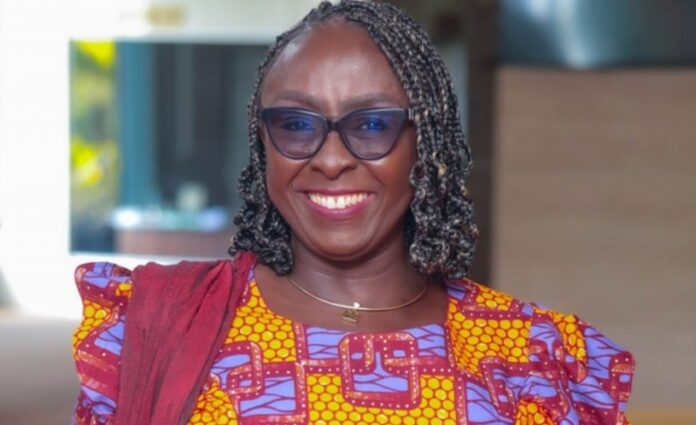
Speaking at the US Virgin Islands–Ghana Trade and Investment Summit in Accra, the Minister expressed Ghana’s readiness to establish stronger partnerships with Caribbean investors to promote tourism development and expand economic opportunities.
She encouraged prospective investors to collaborate with the Ministry in identifying and developing tourism projects that could enhance Ghana’s attractiveness as an international travel destination.
Mrs Gomashie specifically highlighted the beautiful beaches along the coastline of the Volta Region, describing them as valuable tourism resources with significant investment potential.
According to her, developing these coastal attractions could create new tourism experiences, attract international visitors and generate economic opportunities for surrounding communities.
The Minister further emphasised the importance of strategic partnerships in transforming Ghana’s tourism and creative arts sectors into major contributors to national economic growth.
The summit provided a platform for government representatives from Ghana and the US Virgin Islands to discuss possible areas of cooperation in trade, tourism, investment and other sectors of mutual interest.
Mrs Gomashie participated in the discussions alongside the Chief of Staff, Dr Julius Debrah, and other government ministers, who engaged a delegation from the US Virgin Islands led by Governor Albert Bryan.
The engagement focused on strengthening economic relations between the two destinations while identifying investment opportunities that could benefit businesses and communities.
Beyond tourism infrastructure, the discussions also presented opportunities for cultural collaboration, creative industry partnerships and the promotion of shared heritage between Ghana and the Caribbean territory.
Ghana’s historical landmarks, coastal attractions, traditional festivals, cultural heritage and expanding creative arts industry remain important resources in the country’s efforts to attract international investment.
The government is also seeking partnerships that could support tourism infrastructure development, encourage private-sector participation and create employment opportunities within the tourism value chain.
Source: Adom Online

The award-winning singer disclosed that her religious beliefs changed significantly during her years abroad, largely due to the lifestyle she adopted and the influence of people within her social circle.
Speaking in an interview on Mother’s FM on November 19, 2026, Wendy Shay explained that although she grew up in a Christian home and was raised in the Church of Christ, her environment in Germany gradually affected her relationship with God.
According to her, spending time with friends who did not share her religious beliefs influenced her understanding of Christianity and eventually led her to abandon the faith she had known since childhood.
She admitted that during that period, she neither worshipped God nor believed in Jesus Christ, describing her spiritual journey as evidence of how much her life has changed.
“Before I left Germany for Ghana, I wasn’t worshipping God, and I didn’t believe in Jesus Christ. This shows that God has called me. If I am here talking about God today, you should know that God has revealed something to me,” she stated.
The RuffTown Records artiste further explained that growing up in a Christian environment did not prevent her from questioning and eventually distancing herself from her religious upbringing.
“I was born into the Church of Christ, but because of the lifestyle abroad and my friends, my thinking gradually changed. The people I associated with did not believe in those things, and at a point, they influenced the way I thought,” she recounted.
Wendy Shay disclosed that her return to Ghana marked a significant turning point in her spiritual life, as she gradually developed a renewed interest in Christianity and began rebuilding her relationship with God.
She particularly acknowledged the contribution of her manager, Ricky Nana Agyemang, popularly known as Bullet, whom she credited with helping her find her way back to Christianity.
The singer explained that Bullet played a major role in her renewed faith, helping her embrace the Christian beliefs she had previously abandoned while living in Europe.
“It was after I came to Ghana that I realised this is the only way. It was through Bullet that I started believing in God again,” Wendy Shay added.
Entertainment
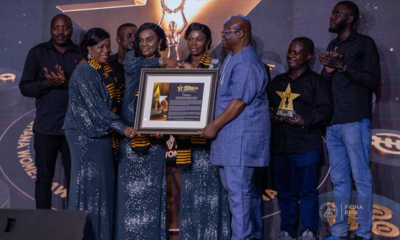
Daughters of Glorious Jesus Receive Lifetime Achievement Award at 2026 Ghana Women Awards
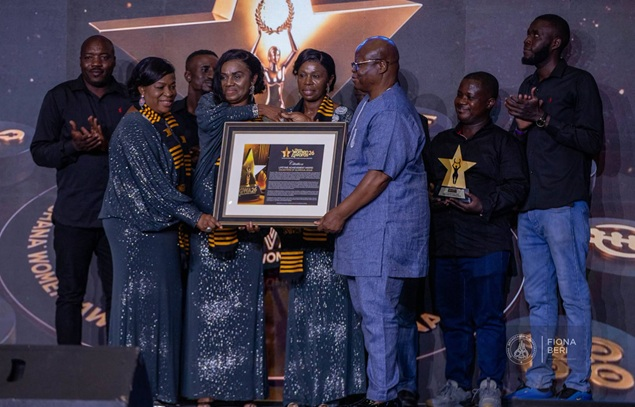
The celebrated trio was among 23 distinguished women honoured during the awards ceremony held at the UPSA Auditorium on Saturday, November 14, 2026.
The group received the prestigious Lifetime Achievement Award in recognition of its longstanding influence on Ghana’s gospel music industry and its dedication to spreading the Christian message through music.
Veteran broadcaster and Director of TV, Akushika Acquaye, was also presented with a Lifetime Achievement Award for her contribution to broadcasting.
The ceremony attracted accomplished women from various professional backgrounds, including entertainment, healthcare, business, engineering, sports, media and the security services.
One of the major highlights of the evening was the presentation of the Legendary Woman Award to Mercy Naa Afrowa Needjan, President of the Greater Accra Markets Association (GAMA).
She received the night’s highest honour for her exceptional leadership and more than 40 years of dedicated service.
Dr Evelyn Nsiah Asare, Chief Executive Officer of Hasaacas Ladies FC, was recognised with the Change Maker Award for her contribution to sports development and the advancement of women’s football.
In the media and entertainment categories, Angel FM presenter Ohemaa Woyeje emerged as Outstanding Female Media Personality, while actress and comedian Jacinta Ocansey received the Outstanding Female Entertainer Award.
Several female professionals in the healthcare sector were also acknowledged for their dedication and contributions.
Dr Adoma Dwomo-Fokuo Odame, a Senior Specialist Paediatrician and child advocate at HopeXchange Medical Centre, was honoured as Most Outstanding Female Doctor.
Dr (Mrs) Eva Mensah, Director of Nursing and Midwifery at the Ghana Health Service, received the Most Outstanding Nurse Award, while CNMO Joanna Boakye, Head of Nursing and Midwifery at Tema Urban Hospital, was named Most Outstanding Midwife.
The security services also recorded significant recognition, with Air Commodore Sophia Adzoa Jiagge, Chief Staff Officer of the Ghana Air Force, receiving the Outstanding Female Military Officer Award.
COP Maame Yaa Tiwaa Addo-Danquah, Technical Advisor to the Minister of the Interior, was honoured as Most Outstanding Female Police Officer.
DC Theresa Potakey, Deputy Commissioner for Operations at the Ghana Revenue Authority’s Customs Division, received the Outstanding Female GRA (Customs) Personnel Award.
The Outstanding Female Ghana National Fire Service Personnel Award went to ADO 1 Mercy Dzifa Adjei Eshun, Second-in-Command for Operations at Kasoa.
DCOI Prudence Aku Sosuh-Azalekor, Head of Permits and Visa Processing at the Ghana Immigration Service, was recognised as Outstanding Female Immigration Officer.
DDP Hannah Hilda Ewoame, Officer-in-Charge of Manhyia Local Prison, also received the Outstanding Female Ghana Prisons Service Personnel Award.
In engineering, Ing. Sophia Abena Tijani, FGhIE, President-Elect of the Ghana Institution of Engineers, was named Outstanding Female Engineer.
Arc. Kakra Adwoa Taylor-Hayford, Chief Executive Officer of Kakt Architecture, received the Outstanding Female Architect Award.
The beauty and entrepreneurship sectors were equally represented, with Marie Noelle Yakubu, Chief Executive Officer of Marie Noelle’s Spa & Salon and Marie Noelle’s Beauty Academy, receiving the Outstanding Cosmetologist Award.
Pearl Naheema Hanson, a liquid scientist and Chief Executive Officer of AA Food and Beverages Ltd, was recognised as the Most Promising Lady.
Dr Maame Yaa Afriye, Chief Executive Officer of St John’s Hospital & Fertility Centre, received the Outstanding Female Corporate Woman Award.
Mary Anane Awuku, Founder and Managing Director of Brain Hills International School and FacilityPro Management, was also among the personalities celebrated.
Traditional leadership received recognition as Queen Mother Naa Koole Tsuikpakpa I, who was honoured with the Outstanding Queen Mother Award.
Maame Yaa Afful, Marketing Manager of Nutrifoods Ghana Ltd, was named Outstanding Female Marketer.
Beyond the presentation of awards, the event offered guests an opportunity to interact, celebrate achievements and enjoy an evening of entertainment.
Highlife musician Kwabena Kwabena delivered a musical performance, while Daughters of Glorious Jesus thrilled the audience with some of their popular gospel songs.
The group’s performance created an exciting atmosphere as guests joined in singing and dancing to their familiar tunes.
Source: Graphic Online
Entertainment
Ghana to Use $4.5 Million South Korean Support to Restore Forts and Castles – Dzifa Gomashie

According to the Minister, the funding will help improve the physical condition of these heritage sites, preserve their historical significance and make them more appealing to both local and international visitors.
Speaking on the Citi Breakfast Show on Friday, November 20, 2026, Dzifa Gomashie explained that the restoration project forms part of broader efforts to protect Ghana’s cultural heritage while positioning the country as a preferred destination for heritage tourism.
She indicated that the initiative would involve collaboration with international development partners, including the South Korean government and the Danish Embassy, which are supporting different aspects of the restoration works.
The Minister identified the historic Osu Castle, previously known as Christiansborg Castle, as one of the important landmarks receiving attention under the initiative.
She explained that the Danish Embassy is contributing to restoration activities at the castle because of its historical connection to Denmark.
“Korea is contributing $4.5 million to assist us in working on the state of our forts and castles. In the case of the Osu Castle, it is not just the support from the Koreans; there is also support from the Danish Embassy,” she stated.
Dzifa Gomashie further emphasised that although international partnerships are contributing to the preservation of Ghana’s historic monuments, the government remains committed to financing significant portions of the restoration programme.
She pointed to provisions in the recently presented national budget as evidence of the government’s intention to invest in the protection and improvement of the country’s tourism infrastructure.
“You know that we used to call it the Christianborg Castle and so they [the Danish] too are doing some part of the work for us, but the greatest part of this whole narrative of restoring our forts and castles for the tangible part of our tourism promotion is what the government itself has pledged to do in the budget that was recently read,” she explained.
The Minister noted that improving the condition of forts and castles would not only safeguard Ghana’s historical landmarks but also strengthen their ability to attract tourists interested in learning about the country’s colonial history, the transatlantic slave trade and its cultural heritage.
She maintained that restoring these monuments and ensuring their long-term preservation remain important priorities for the tourism sector.
“We are working out how to ensure that the forts and castles remain places that attract people to come into our country,” she added.


Producer Inflation Picks Up to 5.2%, Raising Cost Concerns

GSS: Ghanaian Workers Produce Nearly Three Times More, but Wages Lag

Ghana’s labour productivity rises 178% over 34 years, GSS report reveals

Unemployment remains a challenge for secondary-educated people in Ghana – GSS

BoG Warns Public Against 19 Unlicensed Loan Apps, Including Cedi Trust and SikaPadi

NADFFA 2027: Ghana to Host Pan-African Film and Food Festival in March

GTA Staff Demand Answers on World Cup Visa Slots, Staff Dismissals and Unpaid Allowances

Nicki Minaj Throws Her Support Behind Trump Ahead of US Midterm Elections

SAMMY GYAMFI’S “MINE WITHOUT LICENCE” REMARK SPARKS FRESH GALAMSEY DEBATE

FOKLEX MEDIA AWARDS COMMENDS PRINCE KWAW GYIMAH AND OWASS FM TEAM FOR PROFESSIONALISM DURING KWAME DZOKOTO INCIDENT

Illinois’ financial crisis could bring the state to a halt
The final 6 ‘Game of Thrones’ episodes might feel like a full season
New Season 8 Walking Dead trailer flashes forward in time
Mod turns ‘Counter-Strike’ into a ‘Tekken’ clone with fighting chickens
Meet Superman’s grandfather in new trailer for Krypton

-

 Politics22 hours ago
GovTech Deutschland Recognises Ghana’s Lead In Gov’t Digitalisation – Dr Bawumia
-
 Entertainment20 hours ago
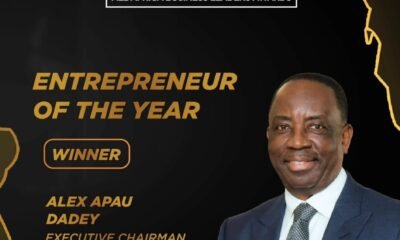
Ghana’s Alex Apau Dadey Wins Entrepreneur of the Year at Prestigious All Africa Business Leaders Awards in South Africa
-

 Politics21 hours ago
Too Much Hypocrisy and Retaliation in Ghanaian Politics Are Hindering Progress – GCPP General Secretary
-
 Lifestyle19 hours ago
Childhood Memories: The Beautiful Days We Wish We Could Experience Again
-
 Entertainment19 hours ago
Daughters of Glorious Jesus Receive Lifetime Achievement Award at 2026 Ghana Women Awards
-

 Business8 hours ago
Ghana’s Mobile Money Transactions Approach GH¢5 Trillion in 10 Months
-

 General News14 hours ago
GES Code of Conduct Under Fire Over Dismissal Sanctions for Student Sexual Offences
-
 Entertainment21 hours ago
Stonebwoy Celebrates Black Challenge’s Historic World Cup Semi-Final Qualification