
Lifestyle
Why Do We Give Advice Nobody Asked For? The Habit of Interfering in Other People’s Lives


Imagine sitting quietly at a family gathering, enjoying your food and minding your own business. Suddenly, an auntie approaches you with a serious expression.
“You are growing too fat. You need to stop eating late.”
Before you can respond, another relative joins the conversation.
“And when are you getting married? You are not getting any younger.”
Within minutes, what was supposed to be a peaceful family gathering has turned into an unexpected counselling session.
The interesting part is that you never asked anyone for advice.
From relationships and marriage to education, career choices, parenting and physical appearance, people often feel comfortable offering opinions about decisions that do not directly concern them.
Sometimes, these comments come from genuine concern. Other times, they sound more like criticism disguised as advice.
But why do some people feel the need to tell others how to live, even when nobody has requested their opinion?
Have you noticed how quickly people become experts when discussing someone else’s life?
Tell a friend you are experiencing difficulties in your relationship, and they may immediately advise you to leave your partner.
Mention that you are considering starting a business, and someone may begin explaining why your idea will fail.
Even people who have never managed a business may confidently tell entrepreneurs how to operate one.
In Ghanaian social settings, advice can come from almost anywhere: relatives, neighbours, colleagues, friends and sometimes strangers.
A person may simply mention that they are tired, only for someone to recommend changing jobs, getting married or taking a holiday.
Although suggestions can be helpful, not every conversation is an invitation for someone to take control of another person’s decisions.
For some young adults, family gatherings can be both exciting and uncomfortable.
You arrive hoping to enjoy good food, laughter and conversations with relatives you have not seen in months.
However, before the event ends, someone may begin questioning your personal decisions.
“Why haven’t you built a house?”
“When are you bringing someone home?”
“Your younger sister is already married. What are you waiting for?”
These questions are sometimes followed by lengthy advice about what the person should have achieved at a particular age.
The relatives offering such advice may genuinely believe they are helping. However, they may not understand the individual’s financial circumstances, emotional challenges or personal priorities.
Not everyone follows the same timeline in life, and reaching a certain age does not mean someone must have achieved every milestone society expects.
There is a thin line between offering advice and making someone feel inadequate.
Imagine someone telling you, “You would look more beautiful if you lost weight.”
The person may insist that the comment is intended to help, but the recipient may experience it as criticism of their appearance.
Similarly, telling someone that their career is useless or that their relationship will fail may create unnecessary emotional pressure.
Advice becomes especially uncomfortable when it is delivered publicly.
A person may feel embarrassed when a relative criticises their choices in front of friends or family members.
Sometimes, the problem is not necessarily what is being said but how, when and where it is communicated.
Respectful advice should consider the other person’s feelings and circumstances.
Social media has made unsolicited advice even more common.
Someone posts a picture wearing an outfit they love, and strangers begin suggesting what they should wear instead.
A celebrity shares a photograph with their partner, and people who know little about the relationship begin offering marriage counselling.
A parent uploads a video of their child, and the comment section fills with opinions about parenting methods.
In some cases, the comments may raise legitimate concerns. However, many are based on assumptions rather than a full understanding of the situation.
The confidence with which strangers discuss other people’s private lives can be surprising.
A photograph captures only a moment, yet some people use it to conclude an individual’s entire character.
People offer unsolicited advice for different reasons.
Some genuinely want to prevent others from making mistakes they once made.
Others may believe their age, experience, or social position gives them the authority to guide younger people.
There are also individuals who simply enjoy expressing their opinions and expect others to follow them.
In communities where family involvement is highly valued, personal decisions can sometimes become collective discussions.
Choosing a career, selecting a partner or deciding where to live may attract opinions from several relatives.
While family support can be valuable, excessive interference may leave individuals feeling that they have little freedom to make their own decisions.
One common response when someone objects to unwanted advice is, “I am only advising you.”
The statement may be followed by another familiar expression: “You will remember my words one day.”
Such remarks can make the recipient feel guilty for refusing suggestions.
However, advice is not an instruction.
A person can appreciate someone’s concern without accepting every recommendation.
For example, a young graduate may decide to pursue entrepreneurship instead of seeking conventional employment.
A relative might disagree and recommend a different path.
Both individuals can express their views respectfully without turning the disagreement into a personal conflict.
The final decision should remain with the person who will live with its consequences.
Imagine telling a friend that you had a difficult day at work.
Before you finish explaining what happened, your friend interrupts.
“You should resign immediately.”
But perhaps you were not planning to resign. Maybe you simply wanted someone to listen while you expressed your frustration.
This is one of the most overlooked aspects of communication.
Not every problem shared requires an immediate solution.
Sometimes, people need understanding, encouragement or simply the opportunity to speak without being interrupted.
Asking, “Do you want my advice, or would you prefer that I just listen?” can make a significant difference.
It allows the other person to decide what kind of support they need.
There are situations where speaking up without being asked can be important.
If someone is about to make a dangerous decision, is being exploited or faces a serious safety risk, remaining silent may not be appropriate.
A concerned friend may need to raise an issue even when the other person has not requested advice.
However, there is a difference between warning someone about genuine harm and attempting to control harmless personal preferences.
Someone choosing a different hairstyle, career or lifestyle does not automatically need correction.
Before offering advice, it may be useful to consider whether the issue genuinely affects the person’s well-being or simply conflicts with one’s personal preferences.
Can We Learn to Respect Other People’s Decisions?
Giving advice is not necessarily wrong. Many people have benefited from the wisdom and experience of parents, teachers, friends and mentors.
The challenge is knowing when advice is welcome and when it becomes interference.
A person may have good intentions but still communicate in a way that feels disrespectful.
Sometimes, asking permission before offering an opinion can make a conversation more productive.
Instead of saying, “You are making a terrible mistake,” one could ask, “Would you mind if I shared my thoughts?”
The difference may appear small, but it gives the other person room to accept or decline the conversation.
After all, people can care about one another without trying to control every decision.
And perhaps the next time we feel tempted to comment on someone’s appearance, relationship, finances or career, we should ask ourselves one simple question: Did this person actually ask for my opinion?
Is giving someone advice without being asked a sign of genuine concern, or is it simply another way of interfering in their life?

















Lifestyle
When Did Growing Up Become So Expensive? The Childhood Joys Ghanaian Children Are Missing Today

There was a time in Ghana when having fun as a child did not require money, expensive toys, smartphones or visits to entertainment centres. A simple bicycle tyre, an empty milk tin, a piece of rope or even a handful of stones could provide hours of excitement.
Children did not need to visit shopping malls or amusement parks to enjoy themselves. The compound, school playground and open spaces around the neighbourhood were enough to create unforgettable memories.
Today, childhood appears to be changing. From expensive birthday parties and electronic gadgets to paid entertainment activities, some parents now spend considerable amounts of money trying to give their children enjoyable experiences.
But has childhood really become more expensive, or have adults changed what they believe children need to be happy?
For many Ghanaians who grew up in earlier decades, childhood entertainment was often created rather than purchased.
An empty container could become a drum. Old pieces of cloth could be transformed into dolls, while discarded materials could be used to build toy cars.
Children could spend hours inventing games, competing with friends and finding creative ways to entertain themselves.
A new pair of slippers, a special meal or an occasional trip to town was sometimes enough to make an ordinary day feel extraordinary.
There was excitement in the simplest experiences because children had fewer expectations about what happiness should look like.
Modern parenting comes with different expectations.
Some parents feel pressure to provide their children with the latest gadgets, fashionable clothes, expensive school accessories and memorable birthday celebrations.
Social media has made it easier to see how other families celebrate important moments. Pictures of elaborate children’s parties, beautifully decorated bedrooms and expensive gifts can create the impression that good parenting requires constant spending.
For families struggling with financial responsibilities, trying to meet these expectations can become stressful.
Yet, children do not necessarily measure love by the price of their possessions. Attention, affection, encouragement and quality time can be just as meaningful.
In the past, many Ghanaian children celebrated birthdays with a simple family gathering, homemade food, drinks and perhaps a cake.
Some children even considered receiving new clothes or being allowed to share sweets with classmates a major birthday treat.
Today, birthday celebrations can involve professional photography, themed decorations, customised cakes, entertainment, matching outfits and expensive venues.
There is nothing wrong with celebrating children beautifully when families can afford it.
However, the growing emphasis on elaborate celebrations raises an interesting question: are birthday parties being organised primarily for the children’s enjoyment, or sometimes to impress other adults?
Technology has also transformed childhood entertainment.
Children now have access to cartoons, educational videos, mobile games and online activities that previous generations could hardly imagine.
These resources can support learning and creativity when used appropriately.
However, excessive screen time may reduce opportunities for physical activity, face-to-face interaction and imaginative play.
Some parents also rely on smartphones to keep children occupied while they work or attend to household responsibilities.
The challenge is not necessarily the availability of technology, but finding a healthy balance between digital entertainment and other childhood experiences.
One interesting feature of earlier childhood experiences was the ability to make something out of almost nothing.
Children learnt to improvise, solve problems and entertain themselves without depending entirely on adults.
A broken toy did not always mean the end of the fun. Sometimes, repairing it became another exciting activity.
Today, with many ready-made entertainment options available, some children may have fewer opportunities to invent their own activities.
Encouraging creative play, storytelling, drawing, gardening and simple household projects can help children develop practical skills while enjoying themselves.
Another challenge facing modern families is comparison.
A child may begin to believe that happiness depends on owning the same things as friends or classmates.
Parents may also feel uncomfortable when they cannot afford what other families provide.
This can create unnecessary pressure in households where money is already needed for food, education, healthcare and other essentials.
Teaching children gratitude and the difference between needs and wants can help them appreciate experiences without constantly comparing their lives with others.
Modern childhood offers opportunities that earlier generations did not have, including improved access to information, educational resources and different forms of entertainment.
At the same time, families can preserve the value of simple experiences.
A weekend spent cooking together, visiting grandparents, playing outdoors in a safe environment or sharing family stories can create lasting memories without requiring large amounts of money.
Children may forget the price of a birthday decoration or the brand of a toy, but they can remember the excitement of spending meaningful time with people who care about them.
Perhaps the greatest gift parents can offer is not an expensive childhood, but one filled with love, security, laughter and memorable experiences.
Are we raising children to enjoy the simple things in life, or are we teaching them that happiness must always come with a price tag?

Have you ever come across an old household item and suddenly remembered how life used to be? Perhaps an old radio, a cassette tape, a kerosene lantern or a telephone that once occupied a special place in your family home.
There was a time when these things were part of everyday life. They were not considered old-fashioned or outdated. In fact, owning some of them was a sign of comfort, progress or even wealth.
But as technology advances and lifestyles change, many of the things we once depended on are gradually disappearing from our homes and communities.

In Ghana, several household items, communication devices and traditional tools that were once common have been replaced by modern alternatives. While some can still be found in rural communities, old family houses and museums, others have become rare reminders of the past.
The Kerosene Lantern That Brightened Our Homes
Before electricity became widely available in many Ghanaian communities, kerosene lanterns were essential household items.
Families used them to illuminate their rooms, prepare meals at night and help children study after sunset.

In some homes, the lantern was carefully placed in the middle of the room so everyone could benefit from its light.
Children were often warned not to play around it because it could cause a fire.
Today, rechargeable lamps, solar lights and electricity have reduced the use of kerosene lanterns in many households.
Cassette Tapes and the Famous Pencil Trick
Who remembers using a pencil to rewind a cassette tape?
There was a time when cassette tapes were among the most treasured possessions of music lovers.
People purchased albums from their favourite musicians and played them repeatedly on cassette players.
When the tape became tangled or loose, a pencil was often used to wind it back into position.

Some people even recorded their favourite songs directly from radio programmes.
Today, smartphones, music streaming platforms and digital downloads have largely replaced cassette tapes.
The Grinding Stone That Was Found in Many Kitchens
Before electric blenders became common, grinding stones were widely used to prepare ingredients for cooking.
Pepper, tomatoes, onions and other ingredients were crushed manually to prepare soups, stews and sauces.
Using the grinding stone required patience, physical effort and experience.

In many households, children watched their mothers and grandmothers grind ingredients while preparing meals.
Although some people still prefer traditional grinding methods because of the texture they produce, electric blenders have become more convenient for many families.
The Box Television That Brought Families Together
There was a time when owning a television was considered a major achievement.
The large box-shaped television sets occupied special positions in living rooms, sometimes covered with beautifully designed cloths.
Some families had to adjust antennas repeatedly to receive a clear picture.
When the television developed reception problems, someone would climb outside to reposition the antenna while another person shouted instructions from inside.
Today, flat-screen televisions, smartphones and streaming platforms have transformed how people watch entertainment.
The Public Telephone Booth and Telephone Cards
Before mobile phones became widely accessible, public telephone booths and communication centres played an important role in connecting people.
Individuals visited these places to make calls to relatives, friends and business partners.

Some public telephones operated with prepaid cards, while communication centres charged customers according to the duration of their calls.
People sometimes queued to make important calls, especially when communicating with relatives abroad.
Today, mobile phones and internet-based communication services have made these facilities largely unnecessary.
Video Cassettes, VCDs and DVD Players
There was a period when watching a movie at home required a video cassette player, VCD player or DVD player.
Families purchased or rented films from video shops, and some people built large collections of their favourite movies.

Children looked forward to weekends because they could watch cartoons and films with their siblings.
A scratched disc could spoil the excitement, while a damaged video cassette sometimes meant the movie could not be watched.
Today, online streaming services have reduced the demand for physical movie collections.
The Charcoal Iron That Needed No Electricity
Long before electric pressing irons became common, charcoal irons were widely used to straighten clothes.
Hot charcoal was placed inside the iron, allowing its metal base to heat up.
People had to handle the device carefully to avoid burns or staining their clothes with charcoal dust.

The charcoal iron was particularly useful in communities without electricity.
Although it is still used in some places, electric and rechargeable irons have become more popular.
The Typewriter That Came Before Computers
Before computers and printers became common in offices, typewriters were important tools for preparing letters, reports and official documents.
Typing required concentration because correcting mistakes was not as easy as pressing the delete button on a computer.

The sound of typewriter keys was once familiar in offices, schools and secretarial training institutions.
People learned special typing techniques to improve their speed and accuracy.
Today, laptops, desktop computers and smartphones have largely replaced manual typewriters.
The Coal Pot That Prepared Delicious Meals
The traditional coal pot was once one of the most important cooking tools in many Ghanaian homes.
It was used to prepare soups, stews, rice and other meals with charcoal as the main fuel.
Cooking with a coal pot required time, especially when lighting the charcoal and controlling the heat.

In many homes, family members gathered around the cooking area while food was being prepared.
Although coal pots are still widely used in parts of Ghana, LPG cookers, electric stoves and other modern cooking appliances have become increasingly popular.
The Wall Clock That Everyone Checked
Before smartphones became the easiest way to check the time, wall clocks were important household possessions.
Some homes had large clocks that made ticking sounds throughout the day.
Others owned pendulum clocks that announced the time with loud chimes.

Children were sometimes sent to check the clock when their parents wanted to know the time.
Today, many people rely on their phones, smartwatches and other digital devices, making traditional wall clocks less essential.
The Radio Cassette Player That Was the Heart of Entertainment
Before Bluetooth speakers and smartphones, radio cassette players were major sources of entertainment.
Families gathered around them to listen to music, news, sports commentary and radio drama.
Some people carried portable radio sets wherever they went, particularly when important football matches were being played.

A radio cassette player could also become the centre of entertainment during family gatherings and celebrations.
Today, many of those functions have moved to smartphones and digital audio devices.
The Mortar and Pestle That Served Generations
The mortar and pestle remain important symbols of traditional Ghanaian cooking, especially in the preparation of fufu.
In many households, pounding fufu was a shared activity that required strength and cooperation.
One person pounded while another carefully turned the mixture.

The rhythmic sound of pounding could be heard across neighbourhoods, particularly during family meals and special occasions.
Today, fufu-pounding machines and other kitchen appliances have introduced alternative preparation methods, although traditional pounding remains common.
Why Are These Old Things Disappearing?
The gradual disappearance of these items reflects changes in technology, income, infrastructure and everyday living.
Many modern appliances are faster, easier to operate and more convenient than traditional alternatives.
A blender can grind ingredients within seconds, a smartphone can perform the functions of several older devices, and rechargeable lighting can replace a kerosene lantern without producing smoke.
However, these changes also raise questions about preserving the history of everyday life.
Old household items tell stories about how previous generations lived, worked, communicated and entertained themselves.
They remind us of the creativity, patience and resourcefulness that shaped daily life before modern technology became widespread.
Some of these objects are now displayed in museums, collected by antique enthusiasts or kept by families as treasured possessions.
Others remain useful in communities where traditional methods are still preferred.
And for those who grew up using them, seeing an old cassette player, charcoal iron or kerosene lantern can bring back memories that no modern technology can replace.
Which old household item do you miss the most, and would you still use it today if you had the chance?
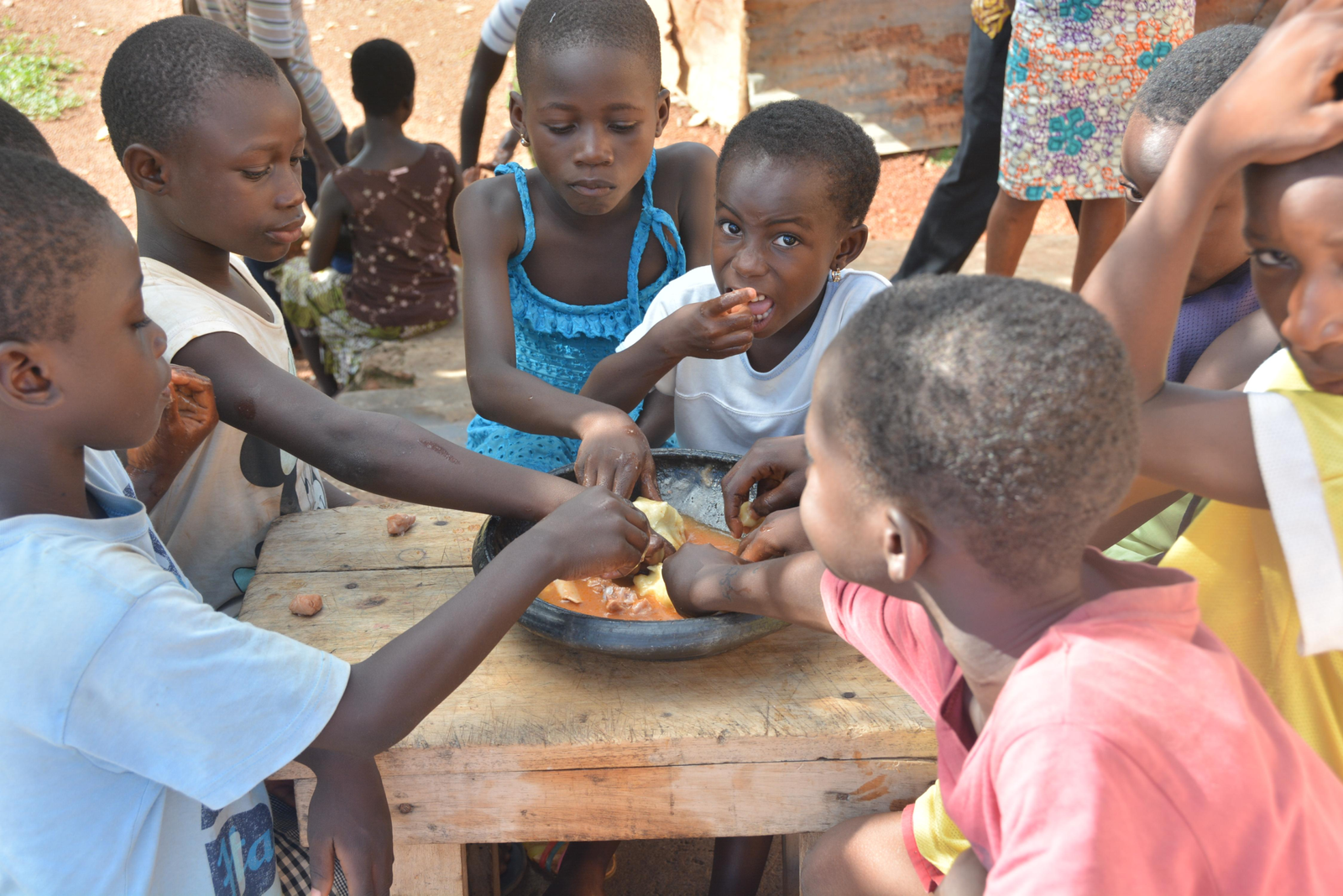
There was a time when life was simple, happiness was easy to find, and our biggest worries were finishing our homework, escaping household chores and making sure we got home before our parents started calling our names.
Childhood was a beautiful journey filled with laughter, friendships, adventures and unforgettable experiences. We did not need expensive phones, fashionable clothes or money to enjoy ourselves. Sometimes, all we needed was a group of friends, an open space and the freedom to play.

Growing up in Ghana came with special memories that many adults still cherish today. From playing outside until sunset to sharing food with friends and listening to stories from grandparents, those little moments made childhood exciting.
But as we grow older and become occupied with responsibilities, we sometimes wish we could return to those carefree days, even if it were just for a moment.

Remember those afternoons when we rushed home from school, removed our uniforms and hurried outside to play?
Nobody needed to organise a special event before children could have fun. The moment one child appeared outside, others would follow.
We played ampe, pilolo, chaskele, alikoto, football, hide-and-seek and countless other games.

Sometimes, we played until our clothes became dirty and our feet were covered in dust.
The most frightening moment was hearing our mothers calling our names from a distance. We knew that refusing to respond could mean trouble when we finally returned home.
Despite the occasional arguments and fights, we always found a way to settle our differences and continue playing the next day.

The Friends Who Made Childhood Special
Childhood friendships were different.
We did not need expensive outings or special occasions to spend time together. Sitting under a tree, sharing stories or walking home from school was enough.
We shared food, borrowed pencils, exchanged books and sometimes defended one another when trouble came.
There were friends who became like siblings because we spent almost every day together.

Some friendships lasted for years, while others ended when families relocated or children changed schools.
Today, we may struggle to remember some of their full names, but the memories of the moments we shared remain.
Have you ever remembered a childhood friend and wondered where that person is today?

When School Was More Than Just Learning
School was not only about reading, writing and examinations. It was also a place where some of our funniest and most unforgettable childhood experiences happened.
We looked forward to break time because it gave us the opportunity to play, buy snacks and interact with friends.
There were days when we forgot our homework and spent the entire morning worrying about what the teacher would say.

Sometimes, we secretly ate in class, passed notes to friends or struggled to control our laughter when something funny happened.
Who remembers the excitement of hearing the closing bell, especially on Fridays?
The journey home was another adventure. Some children walked in groups, bought snacks along the way and continued playing before finally reaching home.

The Joy of Eating Together
One beautiful part of childhood was sharing food.
Sometimes, one friend would bring food outside, and before you realised it, several children had gathered around.
A small amount of gari and sugar, roasted plantain, groundnuts or another simple snack could bring enormous happiness.

At home, family mealtimes created opportunities for conversations, laughter and storytelling.
There were also those moments when we rushed to finish our food because our friends were waiting outside.
And who remembers being warned not to play immediately after eating?

The Fear of Being Called by Your Full Name
Every child knew that there was a difference between being called by a nickname and hearing their full name shouted from the house.
The moment your mother called you by your full name, you immediately started thinking about what you might have done wrong.

Perhaps you had forgotten to wash the dishes, refused to sweep the compound or spent too much time playing.
Sometimes, you were innocent, but the seriousness of the call was enough to make you nervous.
Those moments that once frightened us have now become funny memories we laugh about as adults.

When Christmas Felt Like the Happiest Time of the Year
Christmas during childhood had a special feeling.
The excitement began long before December 25. We looked forward to new clothes, shoes, hairstyles, delicious meals and visits to relatives.
Some of us tried on our Christmas outfits several times before the big day.

On Christmas morning, we woke up early, dressed beautifully and walked around the neighbourhood with excitement.
Receiving even a small amount of money from an uncle, auntie or grandparent could make the entire day memorable.
We did not need much to feel happy because the celebration itself was enough.

The Beautiful Memories of Our Grandparents
For many people, grandparents played an unforgettable role in childhood.
They told us stories, offered advice, shared food and sometimes protected us when our parents were angry.
Evenings spent listening to folktales, especially stories about Ananse, created memories that remained with us for years.

Some grandparents had special names for their grandchildren, while others always had something small to give whenever we visited.
As we grow older, we begin to appreciate those moments more deeply, especially when the people who created them are no longer around.
Sometimes, the sound of an old song, the smell of a familiar meal or a visit to a family house is enough to bring back memories of them.
When We Could Not Wait to Grow Up
One of the most interesting things about childhood was how badly we wanted to become adults.
We imagined that growing up meant freedom, money and the ability to make our own decisions.
We wanted to finish school, get jobs, buy beautiful things and live without being told what to do.
Little did we know that adulthood would come with bills, responsibilities, difficult decisions and countless worries.
Now that we are older, some of us would gladly exchange one stressful day for a few hours of childhood freedom.
We miss the days when our parents provided everything, when our biggest disappointment was being told not to go outside, and when a simple game could make us forget every problem.
If Only We Could Be Children Again
Childhood is one stage of life that can never be repeated in exactly the same way.
We can revisit our old schools, walk through the neighbourhoods where we grew up and reconnect with childhood friends, but we cannot completely recreate those innocent years.
The houses may have changed, the streets may look different, and the friends we once played with may now be scattered across the world.
Yet the memories remain.
We remember the laughter, the games, the schooldays, the family gatherings and even the little punishments that once made us cry.
Perhaps that is why childhood memories are so precious. We did not realise how special those moments were while we were living them.

There was a time in Ghana when living in a neighbourhood meant knowing almost everyone around you. You knew the woman who sold food at the junction, the man who repaired bicycles, the family that had just welcomed a baby and even the elderly person who always sat outside in the evening.
Today, things appear to be changing. In some communities, people can live in the same compound, apartment building or neighbourhood for years without knowing one another’s names.
What happened to the Ghana where neighbours were almost like family?
Growing up in many Ghanaian communities came with a strong sense of belonging. Children played together, adults exchanged greetings, and families often looked out for one another.
If someone travelled, a trusted neighbour might help keep an eye on the house. If a family experienced a bereavement, people in the area would visit to offer condolences and assistance.
During naming ceremonies, weddings and other celebrations, neighbours sometimes contributed food, chairs, cooking utensils or their time to help make the occasion successful.
Community life was not always perfect, but people often felt connected to those living around them.
The Rise of Walls, Gates and Closed Doors
In many urban communities today, high walls, security gates and locked doors have become common features of residential properties.
These measures are often necessary for privacy and security. However, they can also reduce the spontaneous interactions that once brought neighbours together.
Some residents leave home early for work and return late in the evening. Others spend their weekends indoors, catching up on household responsibilities or using their phones.
As a result, opportunities to build meaningful relationships with people nearby can become limited.
It is now possible to know someone living thousands of kilometres away through social media while knowing very little about the person living next door.
When WhatsApp Groups Replace Physical Conversations
Technology has transformed how communities communicate.
Some neighbourhoods now have WhatsApp groups where residents discuss security concerns, electricity interruptions, sanitation problems and other issues affecting their surroundings.
These platforms can be useful, particularly when urgent information needs to reach many people.
However, belonging to the same WhatsApp group does not necessarily mean neighbours have developed personal relationships.
A person may recognise another resident’s profile picture without ever having a proper conversation with them.
Modern life comes with financial responsibilities, demanding jobs, traffic congestion and other pressures.
For many people, the little time available after work is reserved for resting or attending to family matters.
This has made social interaction less spontaneous.
In some households, even relatives living nearby may go several weeks without visiting one another.
Yet, building community relationships does not always require elaborate gatherings. A simple greeting, checking on an elderly neighbour or offering assistance during an emergency can make a meaningful difference.
Good relationships between neighbours can be valuable during difficult moments.
An elderly person living alone may benefit from having someone nearby who occasionally checks on their wellbeing.
Parents may feel more connected to their communities when they know other families in the area.
During emergencies, neighbours who recognise and communicate with one another may also be better positioned to offer immediate assistance while professional help is being sought.
However, healthy neighbourhood relationships should be built on mutual respect, privacy and personal boundaries. Being friendly does not mean interfering in other people’s affairs.
Can Ghana Bring Back the Spirit of Community?
Ghanaian communities have always evolved, and not every old practice needs to return.
Nevertheless, the values of kindness, respect, cooperation and concern for others remain relevant.
Residents can strengthen neighbourhood relationships through simple activities such as community clean-up exercises, residents’ meetings, cultural celebrations and informal gatherings.
Parents can also encourage children to greet familiar neighbours respectfully while teaching them appropriate safety boundaries.
Perhaps the real question is whether modern lifestyles have made people too busy to notice the individuals living closest to them.
Do you know the people living next door to you, or have we reached a point where strangers on social media know us better than our own neighbours?
Lifestyle
Borrowed but Never Returned: Why Do Some People Treat Other People’s Belongings as Their Own?

Imagine lending your favourite dress to a friend for just one occasion. Three months later, the dress has not been returned. You have reminded the person several times, but the response is always the same: “Oh, I will bring it tomorrow.”
Tomorrow comes, another tomorrow follows, and before you realise it, your dress has practically found a new owner.
From clothes and shoes to books, phone chargers, cooking utensils and even money, borrowing has become a normal part of everyday life. However, what begins as a simple act of kindness can sometimes turn into frustration when the borrower refuses to return what belongs to someone else.
The interesting question is: Why do some people find it so easy to borrow things but so difficult to return them?
Almost everyone has encountered someone who promises to return a borrowed item but never seems to remember.
The first reminder is usually met with an apology. The second comes with an excuse. By the third, the owner begins to feel uncomfortable asking for something that rightfully belongs to them.
Some borrowers even behave as though the owner is disturbing them unnecessarily.
Imagine lending someone your phone charger because their battery is low. A few days later, you need it, but the person tells you they have left it at home.
When you ask again, they promise to bring it the following day. Eventually, you may have to buy another charger while yours remains with someone else.
What makes the situation frustrating is not necessarily the value of the item but the attitude surrounding its return.
There is a difference between borrowing something temporarily and behaving as though it has been given to you permanently.
Some people borrow clothes and begin wearing them regularly. Others borrow books and keep them on their shelves for years.
In some homes, a neighbour may borrow a bowl, saucepan or serving tray for a family gathering, only for the owner to discover that the item has become part of the neighbour’s kitchen collection.
The situation becomes even more interesting when the owner visits and sees the borrowed item being used openly.
Should they ask for it immediately or pretend they have not noticed?
For people who dislike confrontation, such moments can be extremely uncomfortable.
One surprising aspect of borrowing is that the owner can sometimes feel more embarrassed than the borrower.
A person may lend a friend money and later struggle to ask for repayment because they do not want to appear selfish or insensitive.
Others fear that requesting their belongings could damage friendships or create unnecessary arguments.
This raises an important issue about how kindness is sometimes misunderstood.
Lending someone something does not mean surrendering ownership. A person should not have to feel guilty for requesting the return of an item they willingly shared.
Yet, in many relationships, people would rather remain silent than risk being described as difficult.
Borrowing can sometimes reveal attitudes that people never expected to see in their friends.
A friendship that has lasted for years may suddenly become strained over a pair of shoes, a small amount of money or an electronic device.
Imagine borrowing a friend’s expensive outfit for a wedding and accidentally damaging it.
Instead of explaining what happened, you return it without saying anything or delay returning it because you are afraid of the person’s reaction.
When the owner eventually discovers the damage, the disappointment may go beyond the outfit itself.
The real problem becomes the lack of honesty.
Many people can forgive mistakes, but discovering that someone deliberately concealed damage to their property can make rebuilding trust difficult.
Some people have stopped lending their belongings because of unpleasant experiences.
They may have lost money, had valuable items damaged or spent months trying to recover things they gave out in good faith.
However, refusing to lend something can also create tension.
A friend might say, “So you cannot even give me your dress for one day?”
A relative may interpret the refusal as pride, while a neighbour might conclude that the person is unfriendly.
But should generosity mean saying yes to every request?
People have different reasons for protecting their belongings. Some items are expensive, others have sentimental value, and some cannot easily be replaced.
Respecting someone’s decision not to lend something is just as important as appreciating their willingness to help.
Money introduces another dimension to the issue.
Unlike a dress or a charger, borrowed money may already have been spent by the time repayment becomes due.
Someone may request GH¢200 to solve an urgent problem and promise to repay it at the end of the week.
However, when the agreed date arrives, the borrower may stop answering calls or begin avoiding the lender.
Sometimes, the same person who has not repaid an old debt will return to request another loan.
This creates a difficult situation, especially when the individuals involved are close friends or family members.
The lender may want to help again but also fear losing more money.
A simple conversation about repayment, including an honest explanation when someone cannot meet the agreed date, can prevent many misunderstandings.
One of the simplest ways to appreciate someone’s generosity is to return what was borrowed at the agreed time.
If an item gets damaged, informing the owner immediately is better than hiding the problem.
If money cannot be repaid on schedule, communicating early shows that the agreement is being taken seriously.
Even small gestures, such as cleaning a borrowed outfit before returning it or ensuring that an electronic device is in good condition, demonstrate consideration.
Borrowing should not become a situation where someone must repeatedly beg for their own property.
After all, the person who helped you today should not regret doing so tomorrow.
Think about the items currently sitting in your wardrobe, kitchen, office or bedroom.
Is there something you borrowed from someone and have completely forgotten to return?
Perhaps it is a book from a former classmate, a shirt from a sibling or a cooking utensil from a neighbour.
And if you are the one waiting for your belongings, how many reminders have you already given?
Would you rather lose a friendship than keep asking someone to return what belongs to you, or would you demand your property back regardless of the relationship?


Producer Inflation Picks Up to 5.2%, Raising Cost Concerns

GSS: Ghanaian Workers Produce Nearly Three Times More, but Wages Lag

Ghana’s labour productivity rises 178% over 34 years, GSS report reveals

Unemployment remains a challenge for secondary-educated people in Ghana – GSS

BoG Warns Public Against 19 Unlicensed Loan Apps, Including Cedi Trust and SikaPadi

NADFFA 2027: Ghana to Host Pan-African Film and Food Festival in March

GTA Staff Demand Answers on World Cup Visa Slots, Staff Dismissals and Unpaid Allowances

Nicki Minaj Throws Her Support Behind Trump Ahead of US Midterm Elections

SAMMY GYAMFI’S “MINE WITHOUT LICENCE” REMARK SPARKS FRESH GALAMSEY DEBATE

FOKLEX MEDIA AWARDS COMMENDS PRINCE KWAW GYIMAH AND OWASS FM TEAM FOR PROFESSIONALISM DURING KWAME DZOKOTO INCIDENT

Illinois’ financial crisis could bring the state to a halt
The final 6 ‘Game of Thrones’ episodes might feel like a full season
New Season 8 Walking Dead trailer flashes forward in time
Mod turns ‘Counter-Strike’ into a ‘Tekken’ clone with fighting chickens
Meet Superman’s grandfather in new trailer for Krypton

-

 Politics22 hours ago
GovTech Deutschland Recognises Ghana’s Lead In Gov’t Digitalisation – Dr Bawumia
-

 Entertainment20 hours ago
Ghana’s Alex Apau Dadey Wins Entrepreneur of the Year at Prestigious All Africa Business Leaders Awards in South Africa
-

 Politics21 hours ago
Too Much Hypocrisy and Retaliation in Ghanaian Politics Are Hindering Progress – GCPP General Secretary
-
 Lifestyle19 hours ago
Childhood Memories: The Beautiful Days We Wish We Could Experience Again
-

 Entertainment19 hours ago
Daughters of Glorious Jesus Receive Lifetime Achievement Award at 2026 Ghana Women Awards
-

 Business8 hours ago
Ghana’s Mobile Money Transactions Approach GH¢5 Trillion in 10 Months
-

 General News14 hours ago
GES Code of Conduct Under Fire Over Dismissal Sanctions for Student Sexual Offences
-

 Entertainment21 hours ago
Stonebwoy Celebrates Black Challenge’s Historic World Cup Semi-Final Qualification