
Business
Producer Inflation Picks Up to 5.2%, Raising Cost Concerns


Ghana’s producer inflation rate rose to 5.2 per cent in October 2026, signalling an increase in the rate at which prices received by producers for goods and services are changing at the production level.
The rise in producer inflation could point to renewed pressure on businesses, depending on the sectors driving the increase and the underlying cost factors affecting production. Producer price movements are closely monitored because they can influence business pricing decisions, operating costs and, in some cases, prices faced by consumers.
The October increase highlights the importance of monitoring developments across manufacturing, mining, utilities and other productive sectors of the economy to determine whether the pressure is broad-based or concentrated in specific industries.
Producer inflation is an important economic indicator because it tracks price changes at the production stage, offering insight into potential cost pressures before they may be reflected in retail prices.
The latest figure will be of interest to policymakers, businesses and investors as they assess Ghana’s inflation outlook, production costs and the broader direction of economic activity.






Ghanaian workers have recorded a significant increase in productivity over the past 34 years, with output reportedly tripling over the period, but their earnings have not risen proportionately to reflect the growth, according to the Ghana Statistical Service (GSS).
The finding raises renewed questions about the relationship between productivity, wages, living standards and the distribution of economic gains among workers in Ghana.
The reported increase in productivity suggests that workers are contributing considerably more to economic output than they did decades ago. However, the disconnect between rising output and compensation points to concerns over how the benefits of economic growth are shared between employees, businesses and the broader economy.
The productivity-wage gap has long been a subject of debate among economists and labour advocates, particularly in developing economies where inflation, rising living costs and employment conditions continue to shape workers’ financial well-being.
When productivity improves without a corresponding increase in wages, workers may feel that the additional value they create is not adequately reflected in their take-home pay. This can affect household purchasing power, motivation and perceptions of fairness in the workplace.
The GSS finding could reignite discussions on wage policy, labour negotiations, economic competitiveness and whether Ghana’s wage-setting mechanisms adequately reflect long-term productivity growth.
It also raises broader questions about how economic gains can translate into better incomes, improved living conditions and greater financial security for workers.
As Ghana continues to pursue economic recovery and growth, the relationship between workers’ output and compensation is likely to remain a critical issue for government, employers, trade unions and policymakers.
Key figures from the report
-
178% increase in labour productivity between 1991 and 2025.
-
GH¢5,000 – approximate output per worker in 1991.
-
GH¢15,197 – output per worker in 2025.
-
GH¢9,388 – average earnings in 2025, reportedly still below the 2019 level.
-
The figures are contained in the GSS 2026 Productivity, Employment and Growth (PEG) Report.
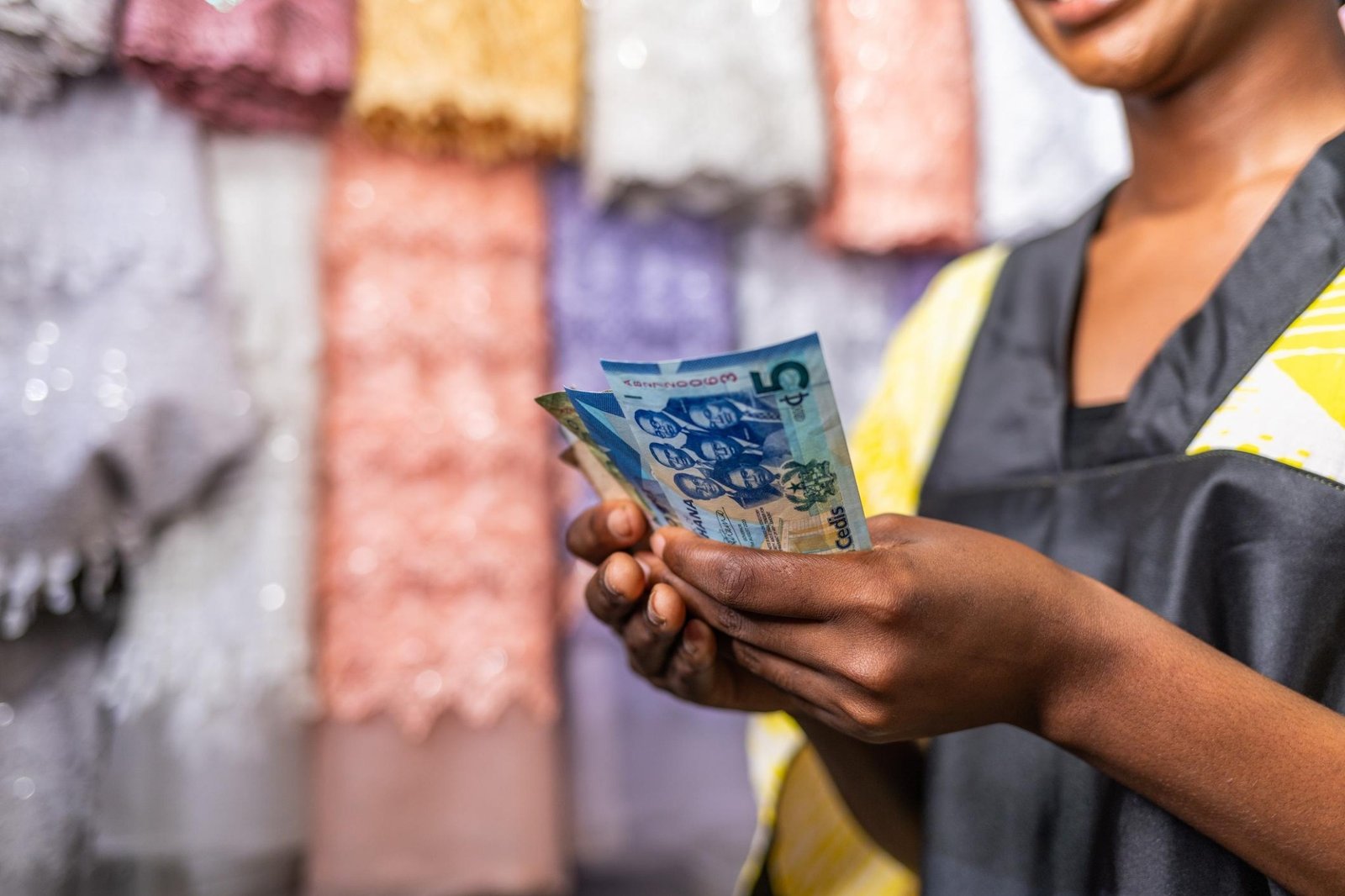
Ghana’s labour productivity has increased by 178 per cent between 1991 and 2025, with the average worker generating GH¢15,197 in economic output in 2025, according to the Ghana Statistical Service (GSS).
The findings are contained in the Service’s 2026 Productivity, Employment and Growth Report, which examines Ghana’s productivity, employment trends and economic growth over a 35-year period.
According to the report, output per worker increased from approximately GH¢5,000 in 1991 to GH¢15,197 in 2025, reflecting significant improvements in the country’s productive capacity over the period.
The report, however, highlights a gap between workers’ output and their earnings. Average annual earnings stood at GH¢9,388 in 2025, raising questions about how productivity gains are translating into income and living standards for workers.
The Government Statistician, Dr Alhassan Iddrisu, presented the findings during the launch of the report in Accra on Friday, November 20, 2026.
The assessment also shows that productivity growth has been driven largely by investment in capital. Capital per worker increased nearly fourfold between 1991 and 2025, rising from about GH¢9,000 to GH¢35,000.
The report noted that the drivers of productivity growth have shifted over the years, with efficiency gains contributing significantly in the 2000s, while capital investment became a major driver in the 2010s.
However, the pace of capital growth has slowed since 2020, increasing by approximately 1 per cent annually, a development the report associates with slower productivity growth.
Sectoral performance also varied significantly. Between 2013 and 2025, output per worker increased by 65.7 per cent in agriculture, 47.3 per cent in services and 28.7 per cent in industry.
The information and communication sector recorded particularly strong productivity growth, although it accounts for a relatively small proportion of Ghana’s workforce.
The report further highlights challenges within the labour market, including the dominance of informal employment and vulnerable jobs, underscoring the need for policies that ensure productivity improvements translate into better wages, stronger job security and improved living conditions.
The Ghana Statistical Service says the report is intended to provide evidence for policymakers, businesses and stakeholders to guide efforts towards improving productivity, employment quality and sustainable economic growth.

Ghana’s unemployment challenge remains a major concern, with people who have attained secondary-level education recording the highest unemployment rate of 36.2%, according to figures attributed to the Ghana Statistical Service (GSS).
The data highlights the difficulties many individuals face in securing jobs despite completing secondary education, raising renewed questions about the relationship between educational attainment, skills development and labour market opportunities in Ghana.

Young Ghanaians searching for job opportunities in an urban setting.
The reported 36.2% rate among people with secondary education underscores the pressure on the country’s labour market, where job seekers continue to compete for limited employment opportunities across various sectors of the economy.
The figures also draw attention to the transition from school to work, particularly for young people who complete secondary education but struggle to find stable employment. For many, the lack of job opportunities, limited practical experience and the mismatch between educational training and labour market demand can make the search for work challenging.

Job seekers gathered during a recruitment exercise.
The findings could reignite conversations about the need to strengthen technical and vocational education, expand apprenticeship opportunities, support entrepreneurship and improve private-sector job creation.
Labour market analysts and policymakers have repeatedly emphasised the importance of aligning education and skills training with the needs of employers, as Ghana continues to grapple with unemployment and underemployment.
The GSS figures provide another snapshot of the country’s employment situation and the challenges confronting job seekers, particularly those whose education has not yet translated into sustainable employment.
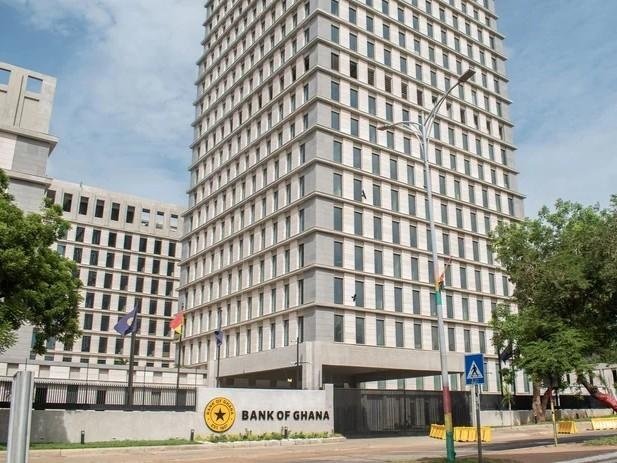
The Bank of Ghana (BoG) has blacklisted Cedi Trust, SikaPadi and 17 other loan applications over alleged privacy violations, in a move aimed at protecting consumers from abusive digital lending practices and safeguarding personal data.
The action highlights growing concerns about the operations of digital lending platforms, particularly those accused of misusing borrowers’ personal information, accessing private data without proper consent and engaging in practices that could compromise consumer privacy.
Digital lending applications have become increasingly popular in Ghana, offering quick access to loans through mobile phones. However, regulators have raised concerns over the conduct of some operators, especially where borrowers are subjected to intrusive data collection, harassment or the unauthorised use of personal information.
The Bank of Ghana’s blacklist is expected to serve as a warning to operators of digital lending services that consumer protection and data privacy standards must be respected. The move also reinforces the regulator’s efforts to promote responsible lending and ensure that digital financial services operate within the country’s regulatory framework.
Consumers are being encouraged to exercise caution when downloading loan applications, carefully review permissions requested by apps and avoid platforms that demand unnecessary access to personal contacts, photographs and other sensitive information.
The development comes amid broader efforts to strengthen oversight of Ghana’s rapidly expanding digital financial services sector and protect borrowers from potentially harmful lending practices.
The Bank has named the following 19 applications: Cedi Trust, CediCredit, Codo, Easy Moni, EasyRate Loan, Focus Loan, Gaga Credit, Hold Cash, Hope Funds, Mondi Money, Monifi, Pulse Cash, Quick Loan – Easy Cash Loan, Score Cash, Sika Bosea, Sika Prime, SikaPadi, SmoothCash and SoarCredit.
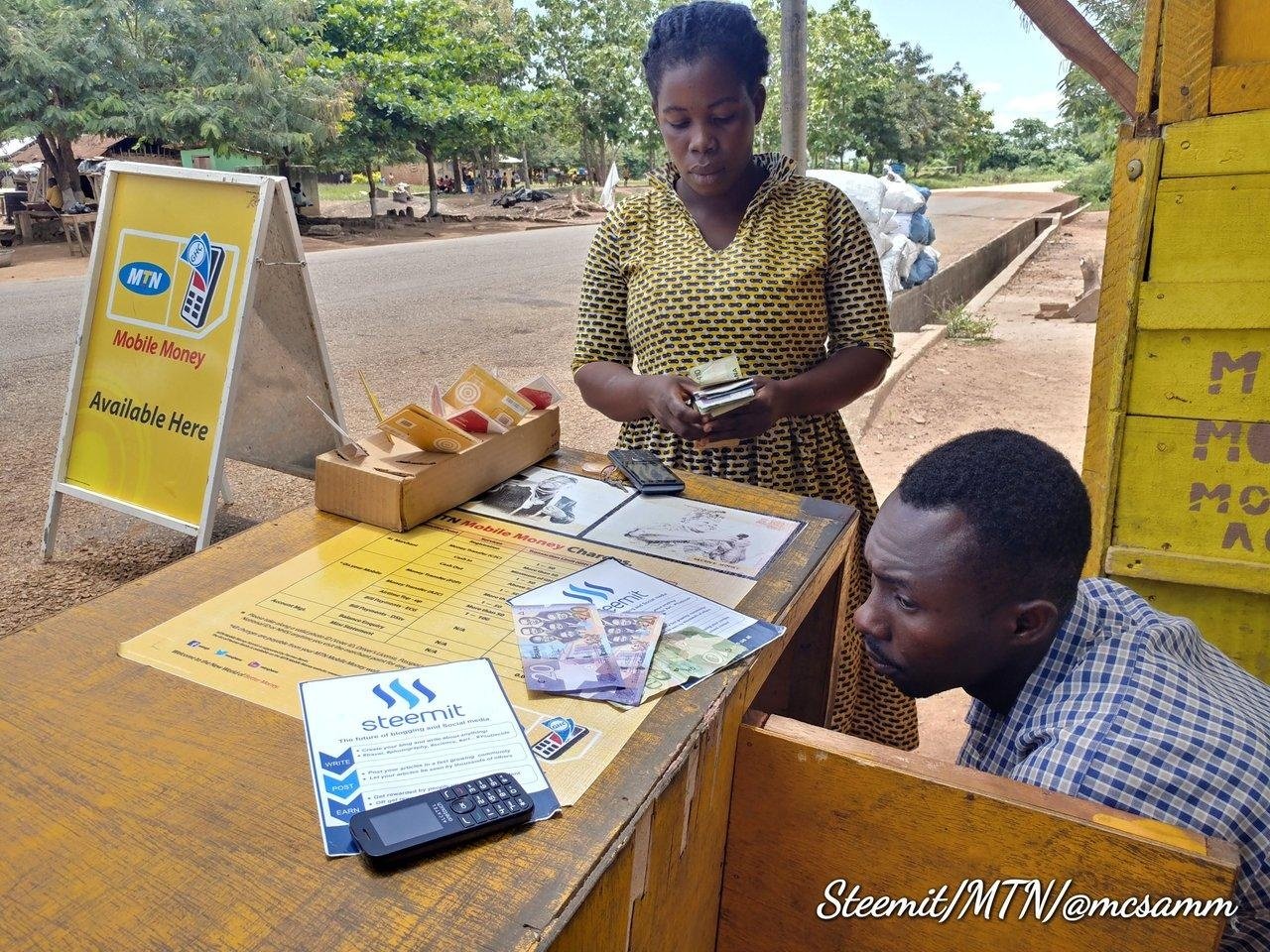
Ghana’s mobile money ecosystem has recorded nearly GH¢5 trillion in transactions between January and October 2026, reflecting the growing reliance on digital financial services across the country.

Mobile money agents serving customers at a busy roadside kiosk.
Data from the Bank of Ghana (BoG), contained in its latest Economic and Financial Data, show that mobile money transactions totalled approximately GH¢4.996 trillion during the first ten months of the year, reinforcing the role of mobile money in Ghana’s financial and commercial activities.

Agents facilitating deposits, withdrawals and transfers.
The figures highlight the increasing use of mobile money platforms by individuals, traders, businesses and service providers for money transfers, payments, settlements and other financial transactions.

Digital payments increasingly used by merchants and small businesses.
October alone recorded approximately GH¢552.1 billion in transaction value, compared with GH¢434.7 billion recorded in October 2025, representing an increase of about 27 per cent year-on-year.
The monthly transaction values remained consistently high throughout the year, with September recording approximately GH¢558.5 billion, the highest monthly figure recorded during the period under review, before slightly declining in October.

The Bank of Ghana, source of the latest payment system data.
The growing use of mobile money has also been reflected in the number of transactions processed through the platforms. Ghana recorded approximately 9.84 billion mobile money transactions between January and October 2026, with October alone accounting for about 1.09 billion transactions.
Meanwhile, the number of active mobile money accounts increased to 27.1 million in October, while registered mobile money agents surpassed one million nationwide, further highlighting the expanding reach of digital financial services.
The growth in mobile money transactions builds on the strong performance recorded in 2025, when transaction values reached GH¢4.54 trillion for the full year, according to the Bank of Ghana’s Payment Systems Oversight Annual Report.
The latest figures underscore mobile money’s growing importance in Ghana’s payment system, as digital platforms continue to provide alternative channels for financial transactions and access to financial services.


Producer Inflation Picks Up to 5.2%, Raising Cost Concerns

GSS: Ghanaian Workers Produce Nearly Three Times More, but Wages Lag

Ghana’s labour productivity rises 178% over 34 years, GSS report reveals

Unemployment remains a challenge for secondary-educated people in Ghana – GSS

BoG Warns Public Against 19 Unlicensed Loan Apps, Including Cedi Trust and SikaPadi

NADFFA 2027: Ghana to Host Pan-African Film and Food Festival in March

GTA Staff Demand Answers on World Cup Visa Slots, Staff Dismissals and Unpaid Allowances

SAMMY GYAMFI’S “MINE WITHOUT LICENCE” REMARK SPARKS FRESH GALAMSEY DEBATE

Nicki Minaj Throws Her Support Behind Trump Ahead of US Midterm Elections

FOKLEX MEDIA AWARDS COMMENDS PRINCE KWAW GYIMAH AND OWASS FM TEAM FOR PROFESSIONALISM DURING KWAME DZOKOTO INCIDENT

Illinois’ financial crisis could bring the state to a halt
The final 6 ‘Game of Thrones’ episodes might feel like a full season
New Season 8 Walking Dead trailer flashes forward in time
Mod turns ‘Counter-Strike’ into a ‘Tekken’ clone with fighting chickens
Meet Superman’s grandfather in new trailer for Krypton

-

 Politics20 hours ago
GovTech Deutschland Recognises Ghana’s Lead In Gov’t Digitalisation – Dr Bawumia
-

 Entertainment18 hours ago
Ghana’s Alex Apau Dadey Wins Entrepreneur of the Year at Prestigious All Africa Business Leaders Awards in South Africa
-

 Politics18 hours ago
Too Much Hypocrisy and Retaliation in Ghanaian Politics Are Hindering Progress – GCPP General Secretary
-

 Lifestyle17 hours ago
Childhood Memories: The Beautiful Days We Wish We Could Experience Again
-

 Entertainment16 hours ago
Daughters of Glorious Jesus Receive Lifetime Achievement Award at 2026 Ghana Women Awards
-

 General News11 hours ago
GES Code of Conduct Under Fire Over Dismissal Sanctions for Student Sexual Offences
-

 Entertainment18 hours ago
Stonebwoy Celebrates Black Challenge’s Historic World Cup Semi-Final Qualification
-

 Business5 hours ago
Ghana’s Mobile Money Transactions Approach GH¢5 Trillion in 10 Months