
General News
COP31: Countries Reach New Climate Agreement After Overnight Talks in Turkey

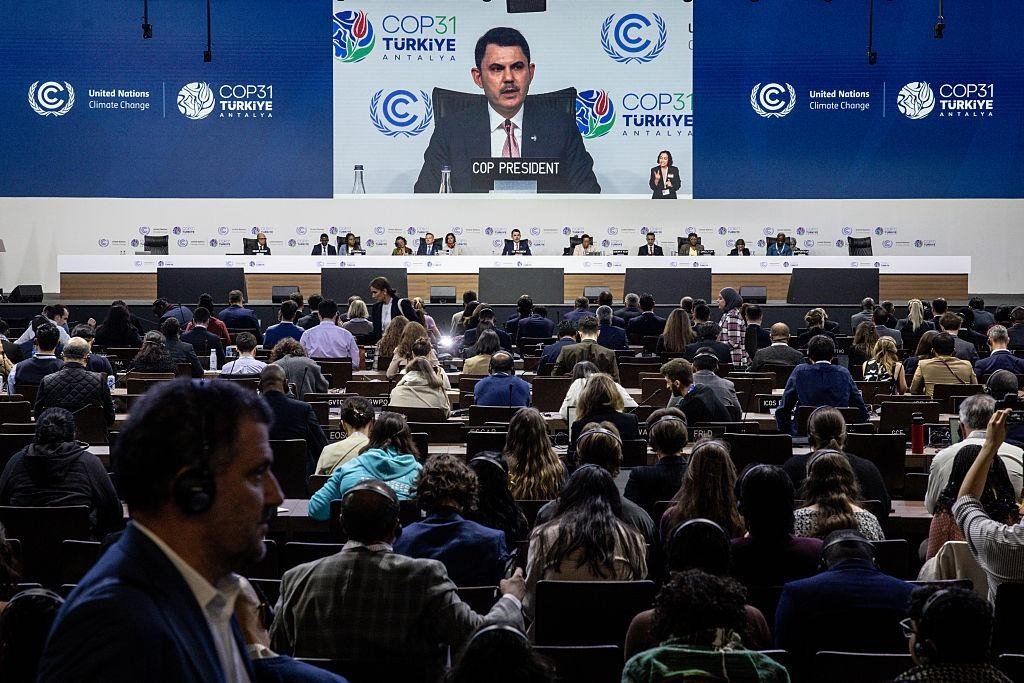
A new draft climate agreement has emerged after overnight negotiations at the COP31 climate summit in Antalya, Turkey, as delegates attempt to bridge deep divisions over fossil fuels, climate financing and the global response to rising temperatures.

Delegates gathered inside the conference hall during the final stages of climate negotiations.
The revised proposal was presented following intensive discussions between the summit’s co-presidents, Australia and Turkey, and representatives from nearly 200 delegations. Negotiators have been working beyond the conference’s scheduled closing date as disagreements threatened to derail efforts to reach a common position.

Negotiators working through the night to resolve disagreements over the climate agreement.
COP31 President and Turkish Environment Minister Murat Kurum expressed optimism about the revised text, telling delegates that the latest proposal could provide a basis for consensus. The conference was expected to reconvene for further discussions and consideration of the draft.
One of the most contentious issues remains the future of fossil fuels. Several countries, including members of the European Union, vulnerable island states and other climate-vulnerable nations, have pushed for stronger language on transitioning away from coal, oil and gas. However, oil-producing countries have resisted explicit commitments in the final document.

Climate campaigners demanding stronger commitments to transition away from fossil fuels.
The latest draft reportedly references the previous global commitment to transition away from fossil fuels but does not introduce a new, explicit phase-out commitment. The wording has raised concerns among climate advocates and some negotiating parties who believe the agreement should go further.
Climate finance has also remained a major point of disagreement, particularly demands from developing countries for stronger financial support to address climate impacts, strengthen resilience and adapt to increasingly severe weather events.

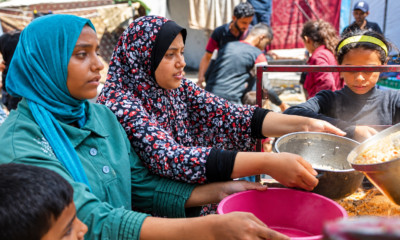
Communities affected by extreme weather highlighting the urgency of climate financing.
The negotiations have drawn international attention as countries seek to maintain momentum on climate action despite growing disagreements over economic priorities, energy security and responsibility for emissions.
While the emergence of a revised draft signals movement in the negotiations, the proposal remains subject to the approval process, and the final outcome will determine whether COP31 delivers a meaningful compromise on the world’s climate commitments.



General News
ECG Announces 3-Day Power Outage in Parts of Ashanti Region as GRIDCo Upgrades Major Transmission Line


Residents and businesses in several parts of the Ashanti Region are expected to experience three days of planned power outages as the Electricity Company of Ghana (ECG) announces a temporary interruption in electricity supply to facilitate major transmission infrastructure upgrades.
The planned outage, scheduled from Sunday, November 22, to Tuesday, November 24, 2026, will run daily from 7:30am to 5:00pm, affecting several communities, commercial areas and businesses across the region.
According to ECG, the interruption is necessary to allow the Ghana Grid Company Limited (GRIDCo) to continue upgrading the Anwomaso-to-Ridge Bulk Supply Point transmission line as part of ongoing efforts to improve electricity supply in the Ashanti Region.
The project involves replacing the existing 364MVA single-circuit transmission line with a modern double-circuit line rated at 2 × 488MVA, giving it a combined capacity of 976MVA.
The upgrade is expected to significantly increase the line’s transmission capacity, strengthen the electricity network and improve the ability to deliver power to communities and businesses within the affected areas.
ECG explained that the planned interruption forms part of broader development works aimed at improving power supply reliability and supporting growing electricity demand in the Ashanti Region.
Areas to be affected
The first list of affected areas includes Guinness Ghana Limited, Fan Milk, parts of Kaase, Bonplex, Abat, Georgia Hotel, Antonsu Kuran, Naachia, Sawuah, Aprabon, Adagya, Esereso, Feyiase, Zoomlion and surrounding communities.
Other areas expected to experience the scheduled outages include Ahenema Kokoben, Sokoban, Daban, Asaago, Amabame No. 1 and 2, Bekwame, Kotwi, Nkoransa, Paa, Kyeakyewere, Pakyi No. 1 and 2, Brofoyeduru, Sabin Akrofuom, Adum Afrancho, Anyinam, parts of Santase, Antonsu Kuwait, Naachia, Sawuah, Aprabon, Adagya, Esereso, Feyiase and Zoomlion, as well as surrounding communities.
The extended interruption is expected to affect households, shops, industrial facilities and other businesses that depend on a reliable electricity supply for their daily operations.
ECG has apologised to customers in the affected communities for the inconvenience, assuring the public that the interruption is necessary to facilitate the transmission line upgrade.
The company is urging affected residents and businesses to take precautionary measures ahead of the scheduled outages, particularly those operating businesses that rely heavily on electricity.
The project is expected to improve the capacity of the transmission infrastructure serving the Ashanti Region, although customers will have to endure temporary disruptions while the upgrade works are carried out.
General News
51% of Young Ghanaian Voters Satisfied with 24-Hour Economy Policy – Global InfoAnalytics Poll

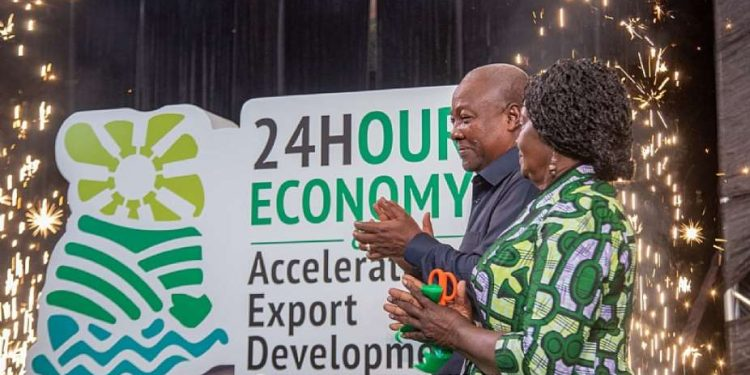
According to the poll, 51% of young voters expressed satisfaction with the policy, compared to 47% of respondents among the general voting population.
The findings further indicated that 32% of young voters were dissatisfied with the initiative, while dissatisfaction among the broader electorate stood at 34%.
Although the policy received majority support from young respondents, it placed fourth among the four government initiatives evaluated in the survey.
The other programmes assessed were the National Apprenticeship Programme and Adwumawura initiative, the No-Academic-Fee policy, and the Free Senior High School programme.
The results indicate that while the 24-hour economy policy has gained considerable acceptance among young Ghanaians, the three other initiatives attracted higher satisfaction levels within the same demographic.
The government’s 24-hour economy policy is one of its major economic interventions aimed at transforming Ghana’s economy by encouraging businesses and industries to operate beyond conventional working hours.
The initiative seeks to promote continuous production, introduce multiple work shifts and expand business activities across important sectors of the economy.
It is also expected to improve productivity, encourage investment and generate employment opportunities, particularly for young people seeking sustainable jobs.
The survey findings highlight differences in how young voters assess the government’s major programmes, with the 24-hour economy initiative receiving relatively favourable ratings despite trailing the other policies examined.
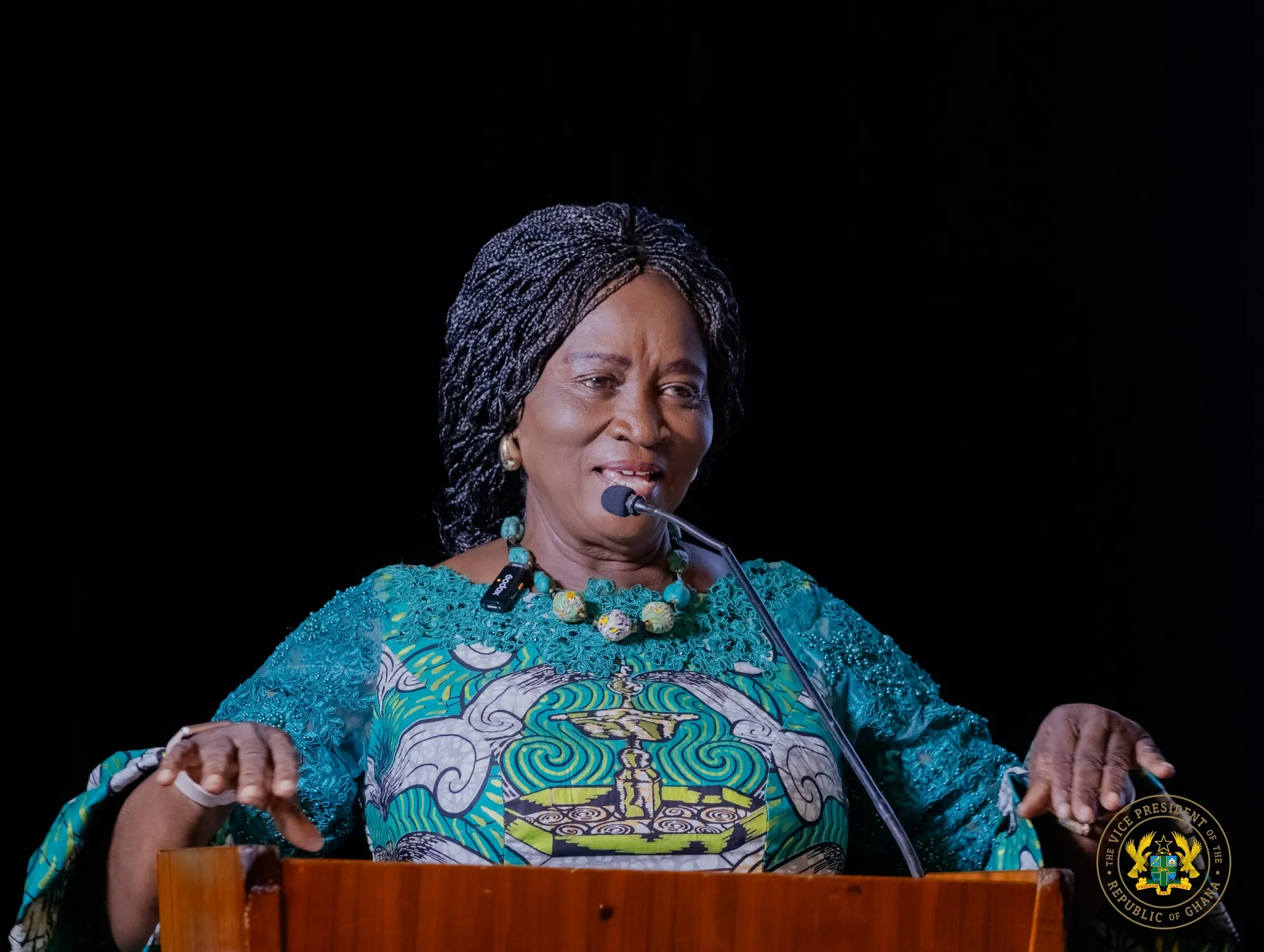
Vice-President Professor Naana Jane Opoku-Agyemang has expressed serious concern over the growing threats facing Ghana’s inland fisheries, warning that illegal mining, harmful fishing methods and climate change could endanger aquatic life and the livelihoods of thousands of people who depend on the sector.
According to her, the contamination of water bodies through illegal mining activities, the destruction of fish breeding habitats and improper waste disposal are gradually weakening aquatic ecosystems and threatening the quality of fish available for human consumption.
She made these remarks during the 2026 National Inland Fisheries Conference held in Sunyani, Bono Region, as part of activities commemorating World Fisheries Day.
The Vice-President highlighted the economic importance of the Volta Lake, describing it as a vital source of employment and income for numerous fishing communities across the country.
She explained that continued interference with fish breeding and nursery grounds, coupled with irresponsible fishing practices, could significantly reduce fish populations and affect the sustainability of inland fisheries.
Professor Opoku-Agyemang also raised concerns about the involvement of children in dangerous fishing activities, stressing that efforts to improve the industry must include measures to safeguard their welfare.
“Protecting children must remain an integral part of our fisheries development agenda,” she stated.
She emphasised that addressing the challenges confronting inland fisheries would require stronger enforcement of existing laws, sustainable fishing practices and greater financial and technical support for communities whose livelihoods depend on aquatic resources.
The Vice-President pointed to the Fisheries and Aquaculture Act, 2025, as an important legal framework designed to strengthen regulation, conservation and the effective management of Ghana’s fisheries resources.
She further underscored the importance of implementing the National Inland Fisheries Management Plan, which focuses on scientific approaches to fisheries management, the preservation of breeding habitats, improved surveillance and greater community involvement.
Professor Opoku-Agyemang therefore encouraged the Ministry of Fisheries and Aquaculture to deepen cooperation with the Fisheries Commission, traditional leaders, local authorities and other relevant institutions to ensure that discussions at the conference lead to meaningful improvements in the sector.
Touching on the government’s plans to improve the fishing industry, the Vice-President announced initiatives aimed at providing modern infrastructure to enhance fish handling, preservation, processing and distribution.
She revealed that selected jetties and wharves would be developed into integrated fishing villages featuring improved landing facilities, cold storage systems, fish processing centres and properly organised trading spaces.
As part of the proposed developments, a modern fish market is expected to be constructed in Dambai to provide better conditions for fish traders while improving hygiene, storage and overall market operations.
She also disclosed plans to establish a specialised fish market in Accra to accommodate traders who transport fish from the Volta Lake and other inland fishing communities to the capital.
According to Professor Opoku-Agyemang, the proposed infrastructure projects aim to reduce post-harvest losses, improve the quality of fish products, and create better economic opportunities for those working in the fisheries value chain.
She added that expanding access to financial assistance, practical training and modern processing facilities would enable fishing communities to diversify their income sources through aquaculture, fish processing and other fisheries-related enterprises.
Source:myjoyonline
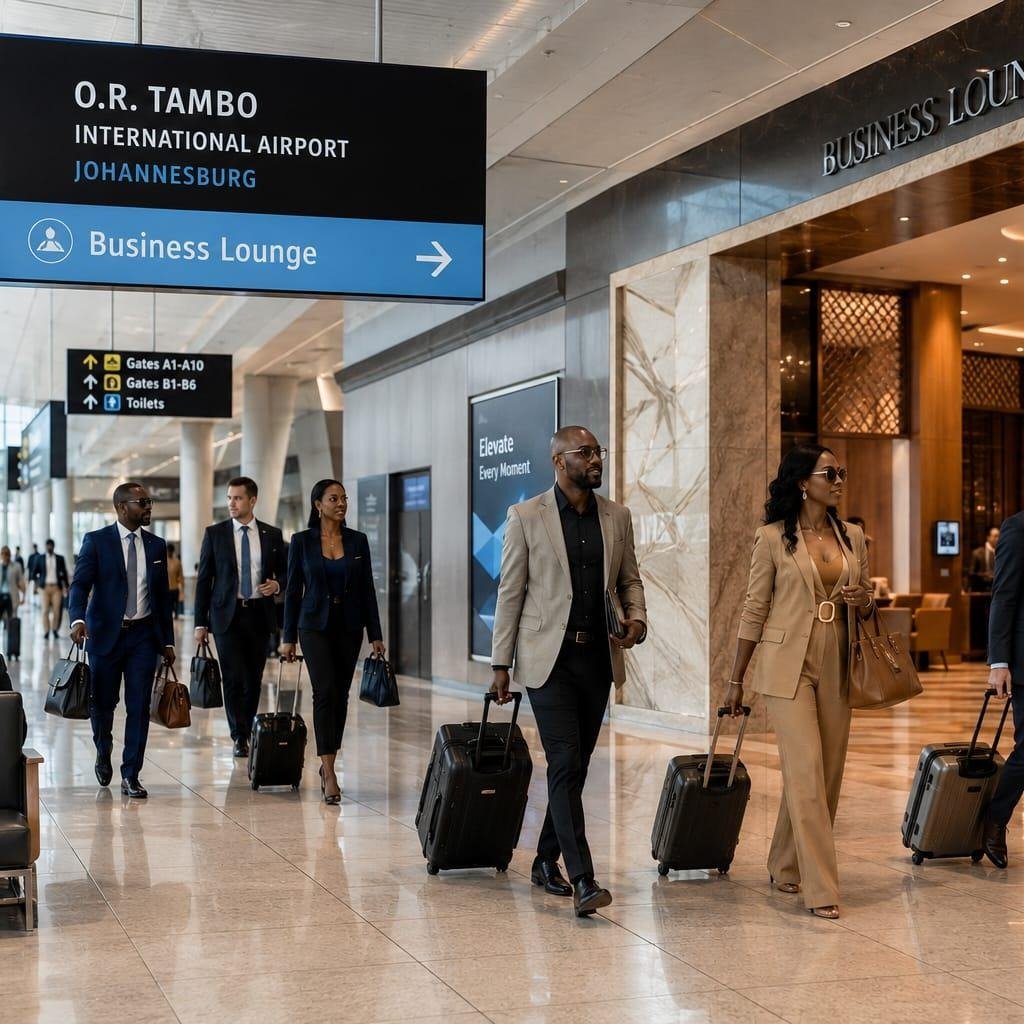
South Africa is renewing efforts to attract Ghanaian travellers, business professionals and corporate clients, as the country seeks to strengthen its position as a preferred destination for tourism, business engagements and international travel.
The renewed push places Ghana among markets of interest for South Africa’s tourism and business sectors, with a focus on encouraging leisure travellers, corporate executives, organisations and travel industry stakeholders to explore opportunities in the country.

Cape Town, Table Mountain and scenic tourism attractions.
South Africa has long attracted visitors from Ghana for a range of activities, including holidays, shopping, conferences, business meetings, investment engagements and cultural experiences. Its major cities, tourism attractions, hospitality facilities and business infrastructure continue to make it a destination of interest to African travellers.
The renewed engagement is expected to bring greater attention to the travel opportunities available to Ghanaian visitors, while encouraging stronger collaboration between travel agencies, tourism operators, hospitality businesses and corporate organisations.

Hotels, resorts and luxury hospitality experiences.
For business travellers, South Africa offers access to a range of commercial activities, industry events, networking opportunities and professional engagements across sectors. Cities such as Johannesburg, Cape Town and Durban remain important destinations for corporate meetings, conferences and business activities.
Tourism stakeholders are also looking to strengthen travel-related partnerships and improve engagement with Ghana’s travel market, as airlines, hotels, tour operators and travel service providers seek to tap into demand from West Africa.

Waterfront attractions, sightseeing and leisure tourism.
The renewed focus on Ghana reflects the broader importance of intra-African travel, business connectivity and tourism partnerships in supporting economic activity across the continent.
As South Africa seeks to reconnect with Ghanaian travellers and corporate clients, the campaign could create fresh opportunities for tourism businesses, travel professionals and companies seeking international partnerships.
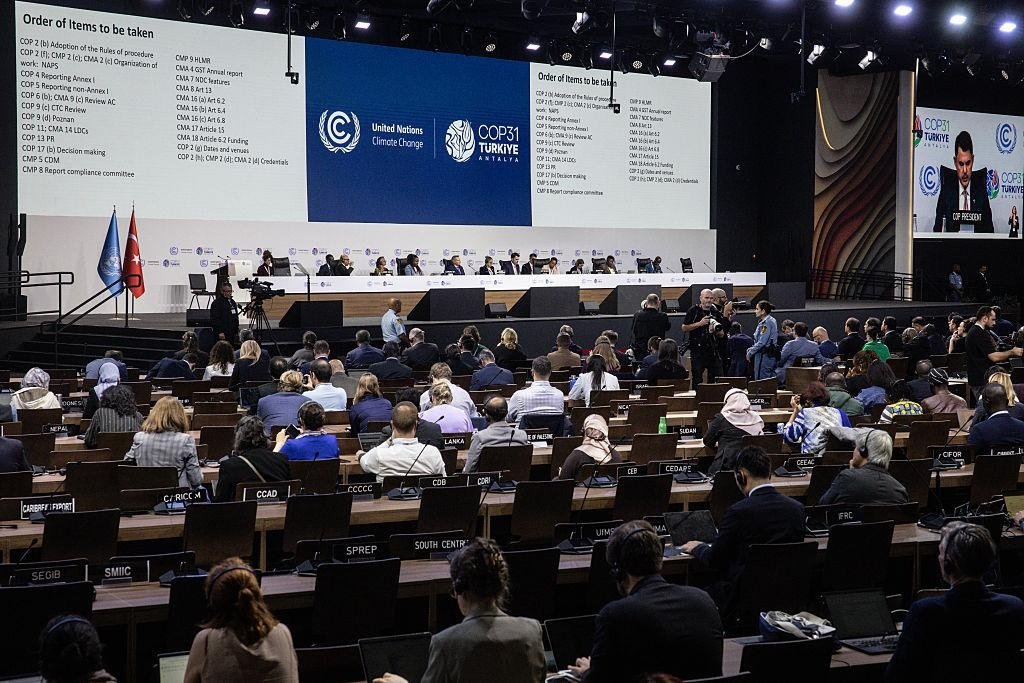
Negotiations at the COP31 United Nations climate summit in Turkey have descended into a deadlock, with delegates struggling to reach consensus on a global climate agreement amid deep divisions over the future of fossil fuels.
The talks, which have extended beyond their scheduled conclusion, have been dominated by disagreements over whether the final agreement should explicitly commit countries to reducing reliance on coal, oil and gas.

Climate activists demonstrating for an end to fossil fuel dependence.
A coalition of countries, including Panama, France, several European Union members and vulnerable island nations, is pushing for stronger language on transitioning away from fossil fuels. However, resistance from oil-producing nations has complicated efforts to secure a consensus, with earlier draft agreements reportedly removing explicit references to fossil fuel reduction.

Oil refineries and industrial smokestacks illustrating the fossil fuel debate.
The dispute has exposed wider divisions between countries seeking stronger climate commitments and those concerned about energy security, economic priorities and the pace of the global transition. The absence of clear fossil fuel commitments in the proposed text has drawn criticism from environmental campaigners and several negotiating delegations.

Dry, cracked land highlighting the effects of extreme heat and drought.
Climate finance remains another major sticking point. African nations and other developing countries are pressing wealthier countries for stronger financial commitments to support adaptation to the effects of climate change. Previous proposals to increase adaptation funding have reportedly been removed from draft documents, adding to the frustration among developing-country negotiators.

Climate negotiators engaged in discussions over the draft agreement.
With negotiations continuing beyond the original timetable, delegates face mounting pressure to reach an agreement before the summit concludes. The impasse has raised concerns about whether COP31 can deliver meaningful progress on climate action, fossil fuel transition and financial support for countries most vulnerable to global warming.


ECG Announces 3-Day Power Outage in Parts of Ashanti Region as GRIDCo Upgrades Major Transmission Line

‘Go to Court! I Will Not Apologise’ – Kusi-Poku Fires Back at Haruna Iddrisu, Makes Fresh GHS1.16m Allegations

‘Stop Using NPP Figures to Attack NDC Appointees’ – Haruna Iddrisu Accused of Proxy Political Attacks

51% of Young Ghanaian Voters Satisfied with 24-Hour Economy Policy – Global InfoAnalytics Poll

Kwame Dzokoto to Be Laid to Rest on February 20, 2027, in Sekondi

NADFFA 2027: Ghana to Host Pan-African Film and Food Festival in March

GTA Staff Demand Answers on World Cup Visa Slots, Staff Dismissals and Unpaid Allowances

Nicki Minaj Throws Her Support Behind Trump Ahead of US Midterm Elections

Ghana Faces Very Strong El Niño Threat as GMet Warns of Extreme Heat, Drought and Possible Flooding

GTA Targets Taxi Drivers in ‘Know Ghana’ Campaign to Boost Tourism

Illinois’ financial crisis could bring the state to a halt
The final 6 ‘Game of Thrones’ episodes might feel like a full season
New Season 8 Walking Dead trailer flashes forward in time
Mod turns ‘Counter-Strike’ into a ‘Tekken’ clone with fighting chickens
Meet Superman’s grandfather in new trailer for Krypton

-
 General News23 hours ago
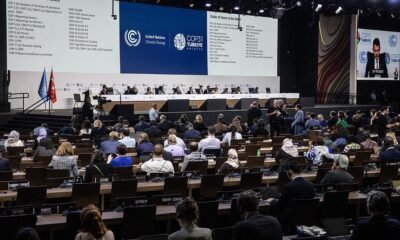
COP31 Talks Stall as Nations Clash Over the Future of Fossil Fuels
-
 General News15 hours ago
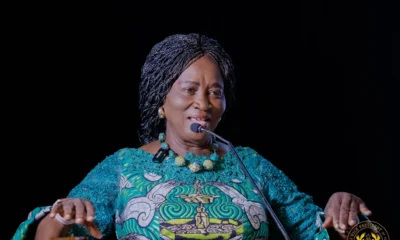
Vice-President Raises Alarm Over Illegal Mining Threat to Ghana’s Inland Fisheries
-
 Entertainment15 hours ago
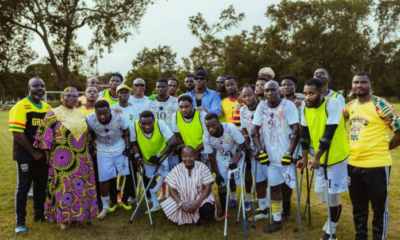
Stonebwoy Calls for Massive Hero’s Welcome for Black Challenge After Historic World Cup Performance
-
 Entertainment14 hours ago
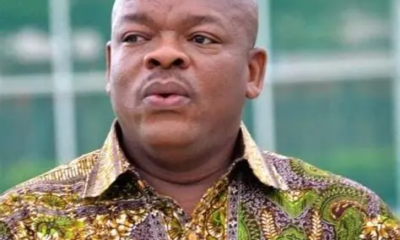
Kwame Dzokoto to Be Laid to Rest on February 20, 2027, in Sekondi
-

 General News22 hours ago
South Africa renews push to attract Ghanaian tourists and business travellers
-
 Politics1 hour ago
‘Go to Court! I Will Not Apologise’ – Kusi-Poku Fires Back at Haruna Iddrisu, Makes Fresh GHS1.16m Allegations
-

 Business22 hours ago
Buy Ghana Rice: Bawumia Calls for Government Intervention
-
 General News12 hours ago
51% of Young Ghanaian Voters Satisfied with 24-Hour Economy Policy – Global InfoAnalytics Poll