Entertainment
From Sleeping on the Streets to Building a Media Empire: The Kojo Preko Dankwa Story


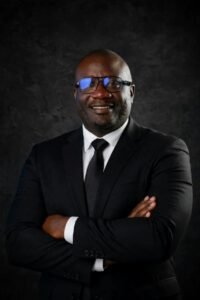
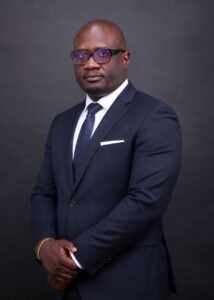
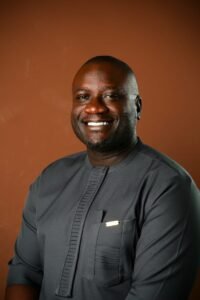
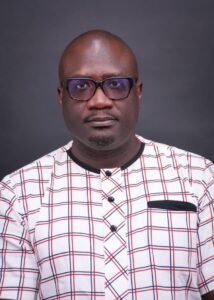
Behind every successful media organisation is a story of people who understand the industry, know what it takes to build programmes from nothing and have spent years learning the craft before eventually creating something of their own. For KPD News Online, that story is closely connected to veteran Ghanaian broadcaster, journalist, media executive and creative arts advocate Kojo Preko Dankwa.
His journey is not one of overnight success. It is a story that began in a difficult home, where finding food was sometimes a daily struggle, continued through years of walking long distances to school, sleeping in radio studios and on the streets of Kumasi, and eventually led him into some of Ghana’s biggest media organisations.


Today, Kojo Preko Dankwa is the man behind the vision of KPD News Online, an emerging digital media platform he hopes will contribute to the development of Ghana’s media landscape. He is also a senior media executive at Kessben Media Group, where he currently serves as Head of Kessben 92.9 FM, Programmes Manager of Kessben 92.9 FM and host of The Punch on Kessben Television. He also hosts the station’s popular morning programme, Kessben Maakye, alongside his other broadcasting and management responsibilities.
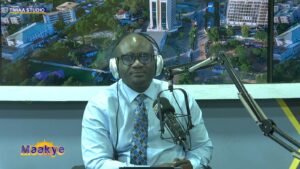

Having worked with established media organisations such as Peace FM, Asempa FM, Adom FM, Kasapa FM, Starr FM, Accra FM and Kessben Media, he has spent years behind the scenes developing programmes, managing production teams, nurturing broadcasting talents and working with some of the most recognised personalities in Ghana’s media industry.
He also serves as President of the Foundation of Concerned Arts Professionals (FOCAP), an organisation he co-founded to advocate for the welfare and development of professionals in Ghana’s creative arts industry.
Yet, to understand the man behind KPD News Online, it is important to look beyond his professional titles and achievements. His life story reveals a young man who had to fight for almost every opportunity, a professional who understood the value of learning from others and a media personality whose ambitions have continued to grow despite the milestones he has achieved
A Childhood Defined by Hardship, but Not Defeat
Born in Accra on December 17 to the late Kwame Kakari Dankwa and Madam Lydia Ofori, who was from Nsawam, Kojo Preko Dankwa’s childhood was far from the comfortable upbringing many children experience.
He describes his early life as one shaped by a broken home and financial difficulties. Growing up, he and his younger brother sometimes had to fend for themselves because the family struggled to provide even the necessities.
In recounting those years, he remembered how difficult it was to find something to eat.
There were mornings when he bought gob3 and added plenty of gari to the meal, hoping it would be enough to keep him from becoming hungry again during the day. On some occasions, he had to depend on friends’ families for food because there was nothing to eat at home.
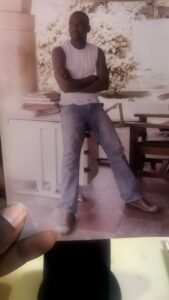

His father’s circumstances had also changed. His father, who worked as a shipping clerk, had lost his job, while his mother’s business had collapsed. She eventually had to work as a bar attendant at her sister’s drinking pub.
These circumstances placed considerable pressure on the family, particularly the children, who had to grow up understanding that life would not always provide what they needed.
Kojo has one brother from the same mother and other siblings from his father’s side. He explained that although his father did not particularly encourage them to develop close relationships with their paternal siblings, he is now making conscious efforts to build and strengthen those family connections.
Both his parents have since passed away.
Despite the difficulties of his childhood, Kojo had a clear picture of what he wanted to become. His dreams were to become a journalist, a lawyer and a showbiz personality.
Interestingly, his mother once considered enrolling him in the military, partly because his late uncle, Kwasi Akuffo, was a member of the institution. However, Kojo was already determined to follow a different path.
He wanted to work in journalism and entertainment, and he was prepared to endure the difficulties that came with pursuing those ambitions.
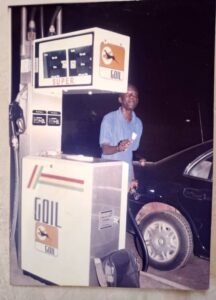

Education was one of the first major obstacles Kojo had to overcome.
Although he wanted to attend the Ghana Institute of Journalism (GIJ), financial difficulties prevented him from enrolling at the institution.
He therefore found an alternative by joining Manifold Tutorial College, a private journalism school, where he pursued his journalism training.
Even getting to school was a challenge.
He recalled walking from Banana, a suburb of Accra, to Kaneshie because he did not have money for transportation. While other students could afford to commute, he had to depend on his own strength and determination to get to class.
His education was also made possible through the kindness and support of his aunt’s husband, who took responsibility for paying his school fees until he completed journalism school.
Kojo has not forgotten that sacrifice. During vacation periods, he had to visit his aunt’s home and help with domestic responsibilities as a way of appreciating the support he received.
For a young man who had experienced financial difficulties at home, the assistance was significant. It gave him an opportunity to continue pursuing a dream that might otherwise have been interrupted by poverty.
His time at Manifold Tutorial College became the beginning of the professional journey that would eventually take him across different radio stations and media organisations.
Completing journalism school was only one part of Kojo’s journey. The next challenge was gaining practical newsroom experience.
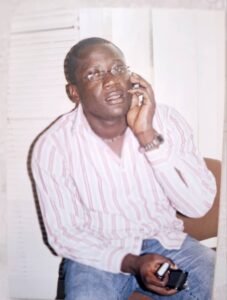

He understood that classroom knowledge alone would not make him a good journalist. He needed to work in a newsroom, understand how radio operated, learn how stories were developed and experience the demands of broadcasting.
That understanding influenced one of the most difficult decisions of his early career: leaving Accra to search for practical opportunities in the Ashanti Region.
He believed that remaining in Accra would make it difficult to gain the kind of hands-on experience he needed, given the competition for opportunities. He therefore decided to leave his comfort zone and start afresh elsewhere.
His first internship was at Asta Radio in Techiman, where he recalled sleeping in the station’s studio because he did not know anyone in the area who could accommodate him.
When the situation became difficult, he moved to Kumasi to continue looking for opportunities.
His experience in Kumasi was equally challenging. Before eventually securing an opportunity at GBC’s Garden City Radio, he had gone through the recruitment process at another station, Spirit FM.
According to him, he had completed the necessary processes and was expecting to be employed. However, the owners of Spirit FM eventually decided against taking him on.
That disappointment forced him to look for another opportunity, which eventually led him to GBC’s Garden City Radio.
He revealed that he slept on the streets of Kumasi before finding a place to stay and securing an opportunity to undertake his internship.
He later stayed with someone at Suame, where he continued to find his feet in the profession.
At GBC, he was not a formal staff member and had to survive on what journalists commonly refer to as soli.
It was a period of uncertainty, but one that strengthened his determination to learn the profession.
He credited his editor, George Grant Yankson, for helping him develop through hard work, consistency and practical newsroom experience.
Looking back, Kojo believes leaving Accra was necessary because he wanted to understand journalism beyond textbooks. He was willing to sacrifice comfort, accommodation and stability for the opportunity to learn.
After gaining experience in Kumasi, Kojo returned to Accra, where another important opportunity came through a good friend, Kwadwo Asante.
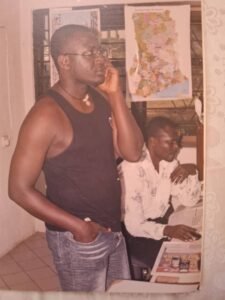

It was through Kwadwo Asante that he secured another internship opportunity at Peace FM.
He also acknowledged Fadda Dickson for helping facilitate the attachment, which gave him access to a more established radio environment and an opportunity to learn from experienced professionals.
During his time at Peace FM, Kojo worked under the leadership of several senior media personalities and newsroom managers.
Among them were Abu Issa Money, Irene Manison, head of news Edward Faakye and programmes manager Maa Afia.
These individuals contributed to his understanding of newsroom discipline, radio production, editorial responsibilities and the importance of working within a professional media environment.
In 2001, he joined Peace FM as a reporter and news producer.
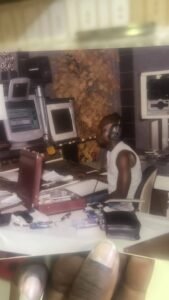

This marked the beginning of a career that would eventually see him take up production and managerial responsibilities at several major media organisations.
Peace FM: The Beginning of His Work Behind Major Radio Programmes
At Peace FM, Kojo began building the production experience that would later become one of his strongest professional assets.
He worked in the newsroom and gradually became involved in the production of the station’s popular morning programme, Kokrokoo.
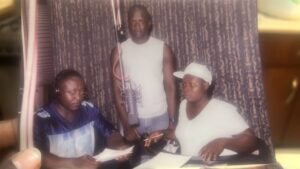

He worked alongside Kwesi Acquah and Jerry Mordy, with Kwame Sefa Kayi as the programme’s host.
The experience exposed him to the demands of morning radio, including content preparation, editorial planning, coordination and the ability to keep audiences engaged.
In 2006, when Peace FM introduced an entertainment programme, Kojo was assigned to produce Entertainment Review, which was hosted by Kwesi Aboagye.
The programme gave him further exposure to entertainment journalism and the production of discussions around developments in Ghana’s music and entertainment industry.
His experience at Peace FM became an important foundation for his next career move.
Multimedia Group: The Years That Shaped His Professional Identity
In 2007, Kojo joined the Multimedia Group, beginning what he describes as one of the most rewarding periods of his professional life.
He spent approximately 10 years with the organisation, gaining extensive experience in broadcasting, production, management, leadership and talent development.
He has repeatedly described his time at Multimedia as a period of significant professional growth, particularly because of the opportunity to work with experienced media professionals and learn how major radio programmes were built and managed.
One person he particularly credits is Kwasi Twum, the founder of Multimedia Group.
Kojo explained that he was given managerial responsibilities relatively early in his career, an opportunity that helped him understand the media business beyond the newsroom and production studio.
He described it as an honour to have Kwasi Twum coach him and provide the leadership that helped shape his professional development.
He also acknowledged Cox Tamakloe and Von Bucksteine for their guidance and support during his time at the organisation.
Asempa FM: Building Ekosii Sen From Scratch
At Asempa FM, Kojo started as Head of Production.
One of his most significant contributions during this period was his involvement in establishing Ekosii Sen, the political affairs programme that has since become one of Ghana’s prominent afternoon political shows.
He explained that the programme started from scratch and required commitment, planning and consistent work to develop into the influential platform it eventually became.
As Head of Production and producer of the programme, he worked closely with the management team to build its content and establish its identity.
He specifically credited Cox Tamakloe, who was then the programme’s head, and Von Bucksteine, the General Manager, for the leadership and support they provided.
Kojo believes the growth of Ekosii Sen was the result of teamwork, determination and the willingness to build something even when its future was uncertain.
Bobie Ansah eventually took over as the programme’s presenter and continued to develop its popularity and influence.
For Kojo, being part of the programme’s early development remains one of the important achievements of his Multimedia years.

Adom FM: Producing Dwaso Nsem and Developing Entertainment Programming
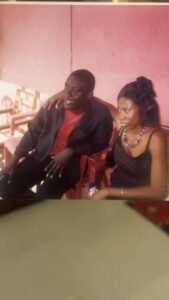
Kojo was later moved from Asempa FM to Adom FM, where he took up the responsibility of Executive Producer of Dwaso Nsem.
He explained that he did his best to strengthen the programme and make it effective in delivering its content to listeners.
At Adom FM, he worked with Ekourba Gyasi, who was later replaced by Adakabre Frimpong Manso.
The programme also featured contributions from several personalities, including Afia Pokua, popularly known as Vim Lady, Sekyere Popro, Kojo Addo, Yaa Serwah Ampofo Brakatu and Listowel Kwadwo Forjour.
He also worked with Daddy Bosco, who is now associated with the Musicians Union of Ghana (MUSIGA).
His responsibilities were not limited to the morning show. Kojo also worked on the station’s entertainment and drive-time programming.
He served as producer of Ofie Kwanso, a drive-time programme that featured presenters such as Dr Asanka, Dr Prekese and Eddie K.
He also continued his involvement in entertainment programming, having worked on Asempa Entertainment before moving to Adom Entertainment.
One of his notable contributions was helping to establish Adom Entertainment Hall, which later became known as Adom Billboard.
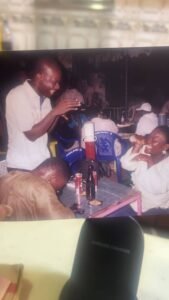

With the support of Programmes Director Cox Tamakloe, the programme was developed into a Saturday afternoon entertainment platform.
It initially had Eddie K as its presenter before Kofi De Aqua took over.
Following their departure, Kojo stepped in as the substantive host, taking responsibility for presenting and developing the programme.
When Adom FM relocated from Tema Community 2 to Fanofa Street at Kokomlemle in Accra, he served as Executive Producer of both the Adom Morning Show and Adom Billboard.
His Multimedia years gave him the opportunity to understand different aspects of radio, from news production and political discussions to entertainment programming, morning shows and talent management.
He considers those years a major part of the professional foundation on which his subsequent career has been built.
EIB Network: A New Chapter in Radio Management
In February 2015, Kojo joined the EIB Network as Programmes Manager at Kasapa 102.5 FM.
The appointment represented another important step in his development as a media executive.
At Kasapa FM, he also served as Executive Producer of Anopa Kasapa, the morning programme hosted by Fiifi Banson.
His responsibilities required him to combine programme management with production, ensuring that the station’s content met the expectations of its audience.
He also had an association with Starr FM, where he hosted the entertainment programme Morning Zoo whenever the need arose.


During this period, he worked closely with Emmanuel Ohemeng, with whom he had developed a long-standing professional relationship through their production work.
Kojo said the two had worked together for at least 10 years as part of a production team, making the relationship an important part of his professional experience.
He spent approximately four years with the EIB Network before moving on to another opportunity.
Class Media Group: Understanding the Business Behind Broadcasting
After leaving EIB Network, Kojo joined Class Media Group, where he became General Manager of Accra 100.5 FM.
The role exposed him to another side of the media industry: the business and organisational responsibilities that come with managing a media house.
He explained that working in management helped him understand that running a media organisation involves much more than what audiences see when presenters appear on radio or television.
There are operational responsibilities, business considerations, talent management, production structures and other important activities that determine how an organisation functions.
Having taken up managerial responsibilities early in his career through Multimedia, he said the experience had helped him become more mature in understanding both the business and creative sides of broadcasting.
He also served as Executive Producer of Accra FM’s morning show.
Beyond radio, he worked as an entertainment host on CTV’s The Showbiz, alongside Nana Kwame Gyan, discussing developments within Ghana’s entertainment industry.
His experience at Class Media Group further strengthened his understanding of how media organisations operate and the relationship between management, programming and talent.
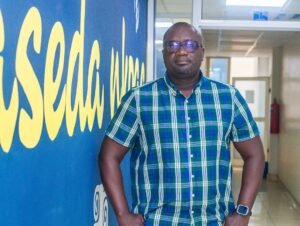

FOCAP: Turning Concern Into an Advocacy Movement
While building his career in broadcasting, Kojo was also developing an interest in the broader welfare and professional needs of Ghana’s creative arts industry.
That interest eventually led to the establishment of the Foundation of Concerned Arts Professionals (FOCAP) in 2019.
He founded the organisation alongside colleagues, including Enoch Agyepong of Speech Productions, events expert Mel Kwesi Davis and Edward, a journalist.
Kojo currently serves as President of FOCAP.
He explained that the idea behind the organisation was to create a formal platform through which professionals in the creative arts industry could raise concerns, advocate for their welfare and push for solutions to challenges affecting the sector.

However, establishing the organisation was not easy.
According to him, the creative arts sector had not previously experienced an advocacy group of that nature, and the idea was not initially welcomed by everyone.
There was a need to convince people about the importance of organised advocacy and demonstrate that the organisation could make a meaningful contribution.
The founding members remained committed to the vision and gradually worked to establish FOCAP as a recognised voice within the creative arts space.
Kojo believes the organisation has since developed influence and the ability to engage stakeholders, raise important industry concerns and seek practical solutions.


For him, the work of FOCAP is not simply about making statements or criticising institutions. It is about identifying problems, engaging the relevant stakeholders and helping to find solutions.
He believes the organisation’s achievements should inspire the establishment of more advocacy groups within the creative arts industry to champion the interests of professionals in different sectors.
He maintains that impact is the most important measure of success and that the work of advocacy organisations must produce meaningful results for the people they represent.
His involvement in FOCAP reflects another dimension of his professional life: a commitment to the development of the industry beyond his responsibilities as a broadcaster and media executive.

Kessben Media Group: A New Level of Leadership and Broadcasting
On January 2, 2022, Kojo joined Kessben Media Group, beginning another important chapter in his broadcasting and media management career.
Over the years, he has taken on several responsibilities within the organisation, combining production, events, content development and on-air broadcasting.
His current positions reflect a significant progression in his career. He now serves as Head of Kessben 92.9 FM and Programmes Manager of the station, responsibilities that place him at the centre of its programming direction, content development and overall broadcast operations.
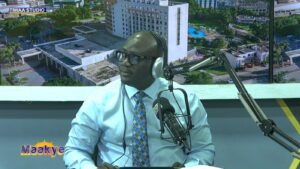
Beyond his management responsibilities, Kojo is also the host of The Punch on Kessben TV, where he brings his experience and understanding of current affairs and public discussions to television audiences.


He also hosts Kessben Maakye, the station’s morning show, while continuing his involvement in entertainment broadcasting through Kessben Entertainment.
His expanded responsibilities mark a notable development from his earlier roles at the organisation, where he was associated with production, events and content management.
For someone who spent much of his career producing morning programmes and helping presenters develop their content, becoming the host of a major morning show represents another milestone.
He believes his years behind the scenes have made him a stronger broadcaster because he understands how content is created, the angles that make discussions interesting and the preparation required to deliver an engaging programme.
His presenting style, he said, is not copied from any particular personality. Rather, it is a blend of the lessons and experiences he has gathered from working with different presenters, producers and media executives.
He believes his production background gives him a different understanding of radio because he knows what goes into developing content before it reaches the audience.
Some people have described his move into morning radio hosting as long overdue, while others believe it is simply the right time for him to take on the responsibility.
He also acknowledges that the leadership at Kessben Media continues to teach him important lessons, particularly about humility and the need to remain willing to learn regardless of one’s experience.
His current responsibilities at Kessben demonstrate how far he has travelled from his early days as a young journalist searching for an opportunity to gain practical newsroom experience.

The People Who Helped Shape His Career
Kojo’s professional journey has brought him into contact with several personalities who have contributed to the development of Ghana’s media industry.
He considers it a privilege to have worked with what he describes as the best and most experienced people in the media space.
Among the personalities he mentioned are Kwame Sefa Kayi, Fiifi Banson, Captain Smart, Adakabre Frimpong Manso, Ekourba Gyasi, KOD, Bola Ray, Cox Tamakloe, Daddy Bosco and Kwabena Bobie Ansah.
He also acknowledged the role of Kwasi Twum in his professional development, particularly for providing him with early managerial opportunities and mentorship.
These working relationships have helped shape his understanding of broadcasting, programme production, management and talent development.
He believes one of the most important responsibilities of experienced media professionals is to create opportunities for others.
Throughout his career, he says he has trained and developed people in production and on-air broadcasting, provided opportunities for emerging talents and helped individuals grow professionally.
He has also witnessed different phases of the media industry, including the rise of major organisations, the challenges that have led to the decline or collapse of some media businesses, and the changing fortunes of individual media personalities.
Those experiences, he believes, have taught him valuable lessons about the need for preparation, adaptability, good leadership and the importance of understanding the business behind the microphone.
Although he has received several awards and honours over the years, he jokingly admitted that he could not immediately remember all of them.
For him, however, the greatest achievement is not simply the recognition that comes with awards but the opportunity to build people, programmes and institutions.

KPD News Online: The Dream to Build Something of His Own
After spending years contributing to the development of other media organisations, Kojo is now working to establish a digital media platform of his own.
That vision is KPD News Online, accessible at kpdnewsonline.com.
The platform represents an important personal ambition for him because it gives him the opportunity to apply his years of experience in journalism, broadcasting, production and media management to a project he can build and develop.
He explained that the idea is driven by a dream, a clear focus and what he believes is a gap within Ghana’s digital media landscape.


He sees an opportunity to create a media space that can contribute to the country’s news and information ecosystem.
For Kojo, building KPD News Online is not simply about establishing another website. It is about developing a media platform with a clear identity, purpose and direction.
He acknowledges that the project is still young and that building a successful media organisation requires patience, investment, consistency and the right people.
Rather than rushing the process, he believes in starting gradually and developing the platform into something bigger.
“We start slow. We grow big. I believe in that,” he said.
His experience in different media organisations has given him an understanding of what it takes to build programmes, manage content, develop talent and sustain a media business.
He now hopes to apply those lessons to KPD News Online, transforming his years of experience into a platform that can grow and establish its own place in Ghana’s media industry.
The project also reflects his desire to remain actively involved in journalism and digital publishing at a time when audiences increasingly depend on online platforms for information.


Krunch Point Desk Consultancy: Extending His Experience Beyond Radio
Alongside KPD News Online, Kojo is also developing another business venture, Krunch Point Desk Consultancy.
The consultancy is intended to operate within the media and communications industry, offering services such as media consultancy, talent training, media buying and professional development.
The idea is to use his years of experience to help individuals, businesses and organisations improve their media presence, communication strategies and professional skills.


Through the consultancy, he hopes to contribute to talent development and provide services that can support the work of media professionals and organisations.
Although he describes the business as a young venture that still needs to grow, he sees significant opportunities within the consultancy space.
Both KPD News Online and Krunch Point Desk Consultancy reflect his ambition to move beyond working within established organisations and build ventures that carry his own vision.
The Academic Journey Is Not Over: His Dream of Studying Law
Despite his years of professional experience, Kojo has not stopped pursuing academic development.
He disclosed that he is currently studying Development Communication, an area that will further strengthen his understanding of communication and its role in society and development.
His educational background includes a Diploma in Communication Studies from Manifold Tutorial College in 2001.
In 2005, he obtained a Certificate in Radio/Television Writing and Production from the African Institute of Journalism and Communication.
He later completed a course at Speed of Change PD Grad School in Los Angeles, California, in 2010.
In 2019, he participated in a Master Class in Arts Administration at the African University College of Communication.


His decision to continue studying after years in the industry reflects his belief that professional development should never end.
Interestingly, law remains another dream he has not abandoned.
Although financial difficulties prevented him from pursuing some of his educational ambitions earlier in life, he remains confident that he will eventually study law.
When asked whether he would still read law, his response was emphatic: “Will I read the law? YES, I will one day.”
It is a reminder that even after building a career spanning several major media organisations, he still has personal ambitions he wants to fulfil.
Awards, Recognition and a Career of Service
Over the years, Kojo has received several awards and honours in recognition of his work in broadcasting and the entertainment industry.
Although he admitted that he could not immediately list all the awards he has received, his professional journey has brought him recognition as a broadcaster, entertainment personality, producer and media executive.
His achievements also extend beyond personal recognition.

He has contributed to the development of programmes, worked with prominent presenters, trained emerging talents, taken up managerial responsibilities and established an advocacy organisation for creative professionals.
He believes that the real value of experience lies in what one can do with it, particularly in creating opportunities for people who are coming into the industry.
His professional philosophy is built around service, humility, preparation and learning.
His Message to Young People: Serve, Learn and Prepare Yourself
Reflecting on his life, Kojo says there is one important lesson he has consistently followed: serve, serve and continue to serve.
He believes that people must be willing to learn from those who have gone ahead of them rather than rushing to occupy positions without first developing the necessary skills.
He encourages young professionals to prepare themselves, believe in their abilities and be careful about the friends and associations they keep.
According to him, preparation should not be seen as punishment. Instead, it is part of the process of building oneself for future opportunities.
He believes that people who are willing to serve, learn and remain consistent will eventually have their time.
His own life provides an example of the philosophy he promotes.

The young man who could not afford transportation to school, who depended on the kindness of relatives to pay his fees and who slept in radio studios and on the streets while looking for internship opportunities eventually became a media executive responsible for production, content and talent development.
He has also become an advocate for creative professionals and is now working to establish his own media and consultancy businesses.
Kojo describes himself as both a political and creative person, explaining that the combination of these interests has shaped his career and professional identity.
He believes his experience as a producer has made him a stronger presenter because he understands the importance of content, research, preparation and identifying the right angles for discussions.
His style, he insists, is his own, developed from the different personalities and programmes he has worked with throughout his career.


A Man Who Finds Purpose in Building From Scratch
One of the most revealing aspects of Kojo’s personality is his attraction to difficult assignments, particularly situations where something has to be built from nothing.
He explained that he is most comfortable when the future of a project appears uncertain, when the structures are not yet in place and when others may doubt that the vision can become a reality.
“When the future is bleak, when it has to be built from scratch, when no one believes it will happen, that is when I come in to fix,” he said.
That philosophy can be traced through different stages of his career.
He was part of the team that helped establish Ekosii Sen at Asempa FM, contributed to the development of entertainment programming at Adom FM, took up managerial responsibilities at different media organisations and helped establish FOCAP at a time when the idea of a formal creative arts advocacy organisation was unfamiliar to many in the industry.
Now, he is applying that same mindset to KPD News Online and Krunch Point Desk Consultancy.
His ambitions are not limited to maintaining his current position. He wants to build platforms, develop people and create opportunities that can continue to serve others.


The Great Man Behind KPD News Online: Beyond the Microphone
Away from the newsroom, production meetings, radio studios and advocacy engagements, Kojo Preko Dankwa is a husband and father of three children.
His family life is another important part of his identity, alongside the professional responsibilities and ambitions that continue to occupy his time.
His life has been shaped by experiences that taught him the importance of family, sacrifice, humility and perseverance.
He is a man who understands what it means to start with very little, to depend on the kindness of others, to face rejection and to continue working even when the next opportunity is uncertain.
His journey through Peace FM, Multimedia Group, EIB Network, Class Media Group and Kessben Media has given him a wealth of experience across different areas of broadcasting and media management.
Today, he occupies significant leadership and broadcasting positions at Kessben Media Group as Head of Kessben 92.9 FM and Programmes Manager, while also hosting Kessben Maakye and The Punch on Kessben TV.


His work with FOCAP has also allowed him to contribute to conversations about the welfare and development of Ghana’s creative arts industry.
As he develops KPD News Online and Krunch Point Desk Consultancy while continuing his responsibilities at Kessben Media Group, he is entering another important chapter of his life.
For someone who once walked from Banana to Kaneshie because he could not afford transportation, slept in a radio studio in Techiman and endured nights on the streets of Kumasi in pursuit of practical journalism experience, building a media platform of his own represents more than a business ambition.
It is the continuation of a dream that began long before he became a recognised name in broadcasting.
His story carries an important message for young journalists and aspiring media professionals: the journey may be difficult, opportunities may not come when expected, and recognition may take years, but the willingness to learn, serve and remain prepared can make a difference.


Kojo Preko Dankwa has spent much of his professional life helping to build programmes, develop talents and contribute to the growth of media organisations. With KPD News Online, he now has the opportunity to build something that carries his own vision.
And perhaps the words that best capture the journey, the struggles, the achievements and the ambitions still ahead are the philosophy he has chosen to live by:
“Life indeed serves us better when we serve life better.”