Culture
Beyond the Ordinary: Exploring Ghana’s Rich Tapestry of Traditional Foods and Flavours


Traditional Ghanaian food culture is one of the country’s richest expressions of identity, bringing together generations of culinary traditions, locally sourced ingredients and cooking methods that have stood the test of time. From meals prepared for special ceremonies to popular dishes sold at roadside food joints, Ghanaian cuisine tells stories of the country’s diverse ethnic groups, their history and the cultural values they continue to preserve.
Across the country, food is more than something people eat to satisfy hunger. It is a way of welcoming visitors, celebrating important occasions, strengthening family relationships and passing cultural knowledge from one generation to another.
Some dishes have become everyday favourites, while others carry deeper traditional and ceremonial meanings. Whether it is a plate of Red Red with fried plantain, a serving of Ghanaian Jollof, or a bowl of Tuo Zaafi accompanied by green vegetable soup, each meal offers a taste of Ghana’s rich culinary heritage.
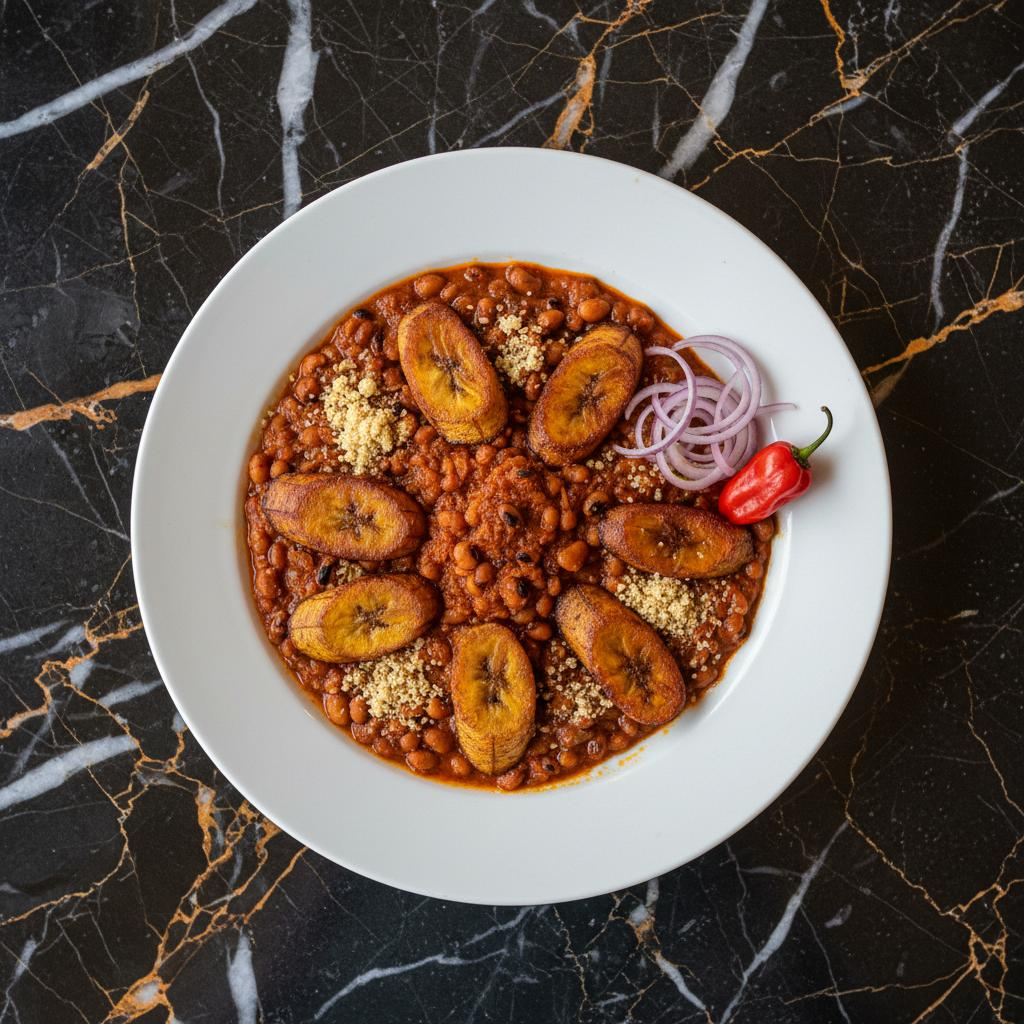
1. Red Red (Gob3): The comforting combination of beans and fried plantain.
Few Ghanaian meals combine simplicity, affordability and satisfying flavour quite like Red Red. Commonly known as Gob3 and sometimes called Yɔ kɛ Gari, the dish is a popular combination of beans stew, fried ripe plantain and gari.
The meal is traditionally associated with the Ga-Dangme culinary heritage and has become a familiar favourite across different parts of Ghana. Its name comes from the rich reddish appearance created by the use of palm oil and other ingredients in the stew.

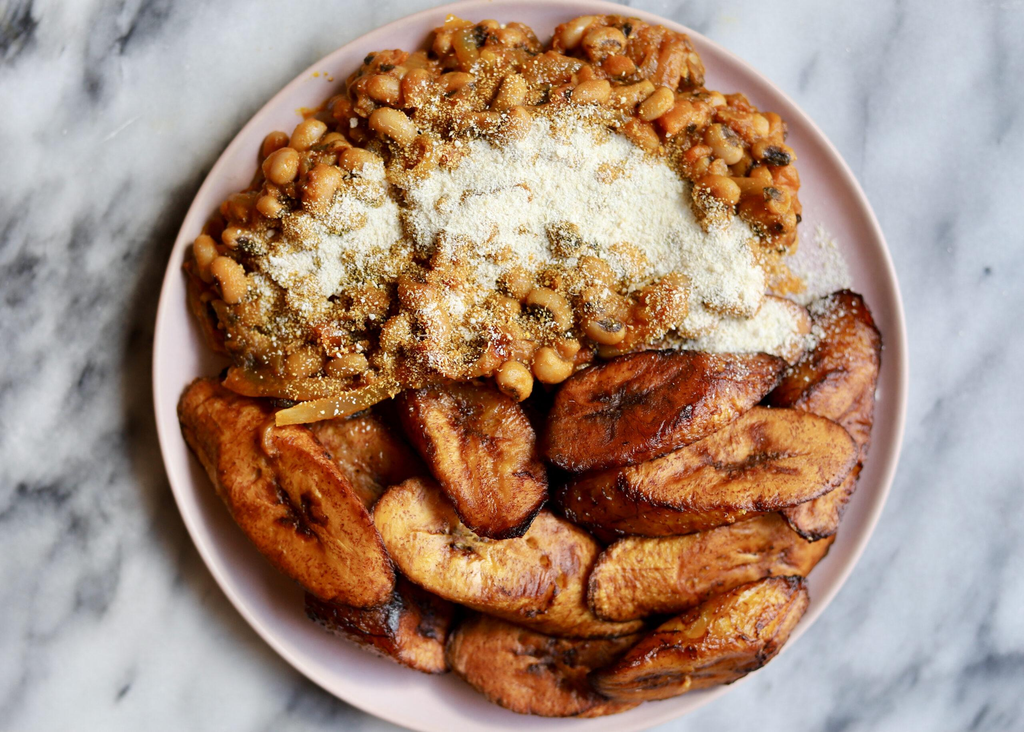
Black-eyed peas or cowpeas are usually the main ingredients. They are cooked until tender before being added to a sauce prepared with red palm oil, tomatoes, onions, pepper, ginger and garlic. Some cooks also include smoked fish, salted fish or powdered shrimp to give the stew an additional depth of flavour.
The fried plantain provides a pleasant contrast to the savoury beans. When ripe plantains are fried until golden brown, their natural sweetness balances the peppery and slightly rich taste of the stew. Gari is often sprinkled over the beans or served alongside the meal, adding a distinctive texture.

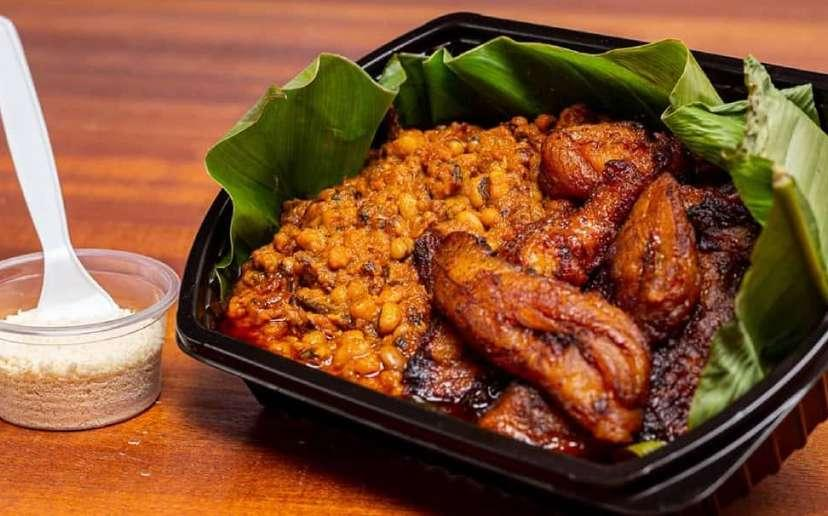
Red Red is particularly popular among students, workers and households because it is relatively inexpensive and filling. The beans provide plant-based protein and dietary fibre, while the plantain and gari contribute energy.
Its popularity extends beyond homes to roadside food vendors, school canteens, markets and restaurants. Some people enjoy it with boiled eggs or avocado, while others prefer adding fish to make the meal more substantial.
Although it is an everyday meal for many Ghanaians, Red Red represents something important about local food culture: the ability to transform simple agricultural ingredients into a delicious meal enjoyed by people from different backgrounds.

2. Ghana Jollof: The Dish Behind West Africa’s Famous Food Rivalry
Few Ghanaian meals generate as much excitement and friendly competition as Jollof rice. Known for its vibrant colour, aromatic seasoning and rich tomato flavour, Ghanaian Jollof has become one of the country’s most celebrated dishes.
The meal is prepared by cooking rice in a carefully seasoned tomato-based sauce made with fresh tomatoes, tomato paste, onions, pepper, garlic, ginger and a selection of spices.
Depending on individual preferences and family recipes, ingredients such as smoked fish, meat stock and other seasonings may be incorporated to give the rice additional depth.
Although Jollof is enjoyed throughout West Africa, its history is associated with the Senegambian region and the culinary traditions of the Wolof people. As the dish spread across the region, different communities adapted its preparation to suit their local ingredients and tastes.

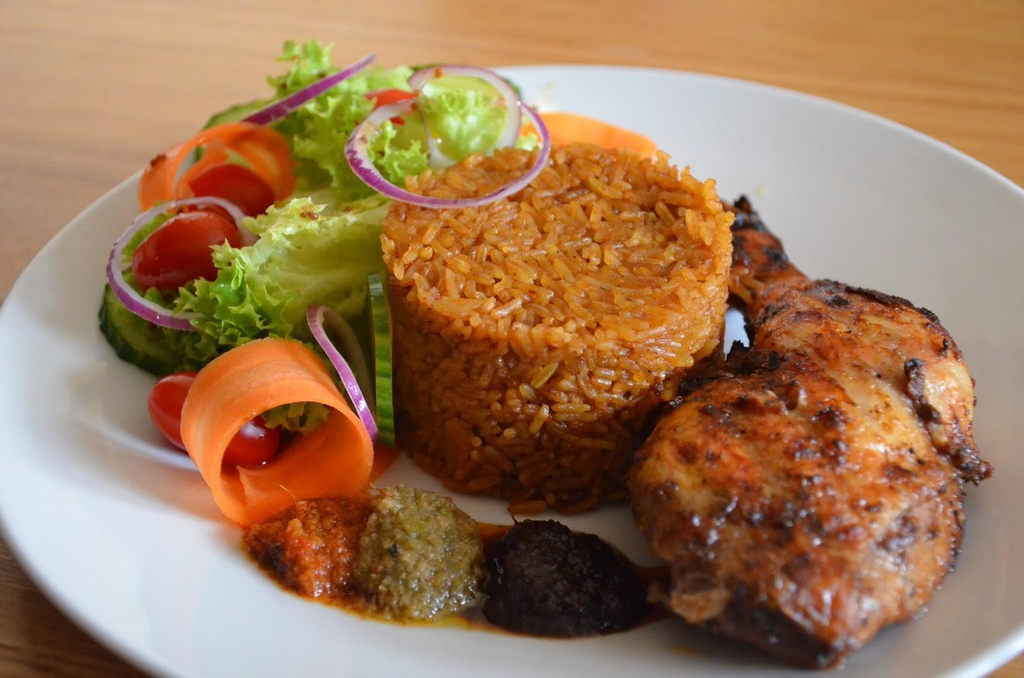
Ghanaian Jollof has developed a distinctive identity through its preparation techniques and seasoning combinations. It is commonly served with grilled or fried chicken, beef, fish, salad, shito and sometimes fried plantain.
The dish is particularly popular at weddings, birthday parties, funerals, festivals and other social gatherings. For many Ghanaians, an occasion is hardly complete without a well-prepared pot of Jollof.
Its popularity has also contributed to the famous Ghana-Nigeria Jollof rivalry, with supporters from both countries passionately defending their preferred versions.
Beyond the friendly arguments, Jollof represents the ability of food to bring people together. It is enjoyed at family gatherings, international food festivals and diaspora celebrations, making it an important ambassador of West African culinary culture.
3. Otor (Eto): The Traditional Dish with Deep Cultural Significance
Otor, also known as Oto, Otoor or Etor, is a traditional Ghanaian delicacy strongly associated with the Ga-Dangme people of the Greater Accra Region.
Unlike many everyday meals, Otor carries considerable cultural and ceremonial importance. It is traditionally prepared for special occasions, including naming ceremonies, birthdays, weddings and traditional rites.
One of its most significant associations is the Akwele Suma, also known as the Ga Twins’ Festival, during which twins are celebrated through customary practices and special meals.
The dish is traditionally prepared using boiled yam or ripe plantain, which is mashed into a smooth mixture and combined with palm oil. Depending on the recipe, onions, pepper and other ingredients may be added to enhance its flavour.
It is commonly served with hard-boiled eggs, which hold symbolic importance in several Ghanaian cultural traditions, particularly in relation to fertility and new beginnings.
The yam version is particularly popular, although plantain Otor is also prepared and enjoyed by many households.

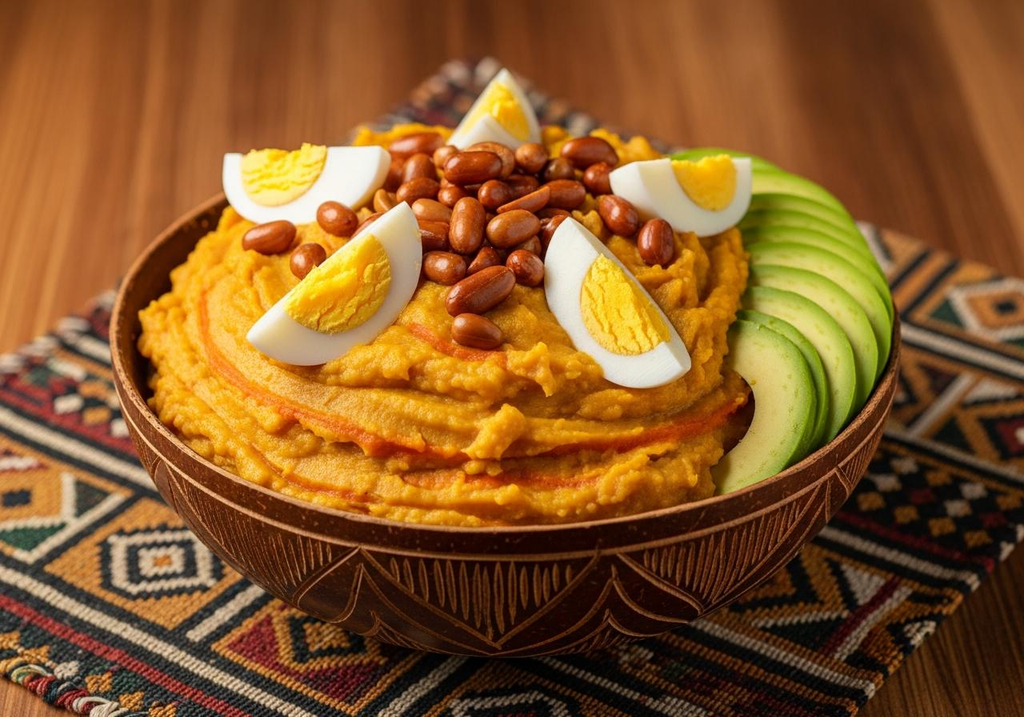
Traditionally, the yam or plantain is mashed using an asanka, a locally used earthenware bowl that is also employed in preparing several Ghanaian sauces and dishes.
During the Akwele Suma celebrations, Otor forms part of the special food prepared for twins. The occasion reflects the cultural importance attached to twins within Ga traditions and provides an opportunity for families and communities to come together.
Otor is also enjoyed beyond ceremonial occasions. Some households prepare it for breakfast or as a satisfying meal, sometimes serving it with roasted groundnuts, avocado or additional accompaniments.
Its continued popularity among different Ghanaian communities demonstrates how traditional foods can move beyond their original cultural settings while retaining their historical significance.
4. Tuo Zaafi (TZ): Northern Ghana’s Beloved Traditional Staple
Tuo Zaafi, popularly called TZ, is one of the most recognised traditional dishes from Northern Ghana. It is particularly associated with communities in the northern part of the country, where it has long been an important part of household meals.
The dish is a soft, smooth preparation made primarily from cereal flour, particularly maize flour, although other flour varieties and local preparations are also used.
Its name is commonly associated with the Hausa language, with Tuo referring to a stirred dough preparation and Zaafi meaning hot. The description reflects the cooking process, which involves continuously stirring the mixture over heat until it develops its characteristic smooth and stretchy consistency.
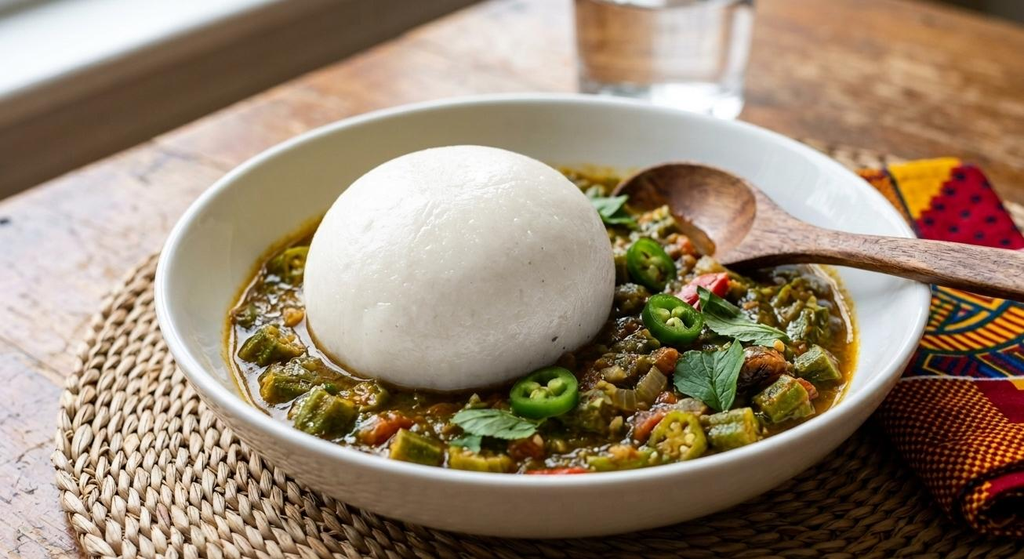
TZ is rarely enjoyed without its accompanying soup. One of the most popular combinations is Ayoyo soup, prepared using the leaves of the jute plant.
Other popular accompaniments include okra-based soups and vegetable preparations made with locally available ingredients.
The soups are often enriched with dawadawa, smoked fish, meat, pepper and traditional spices, producing a flavourful combination that complements the relatively mild taste of the TZ itself.
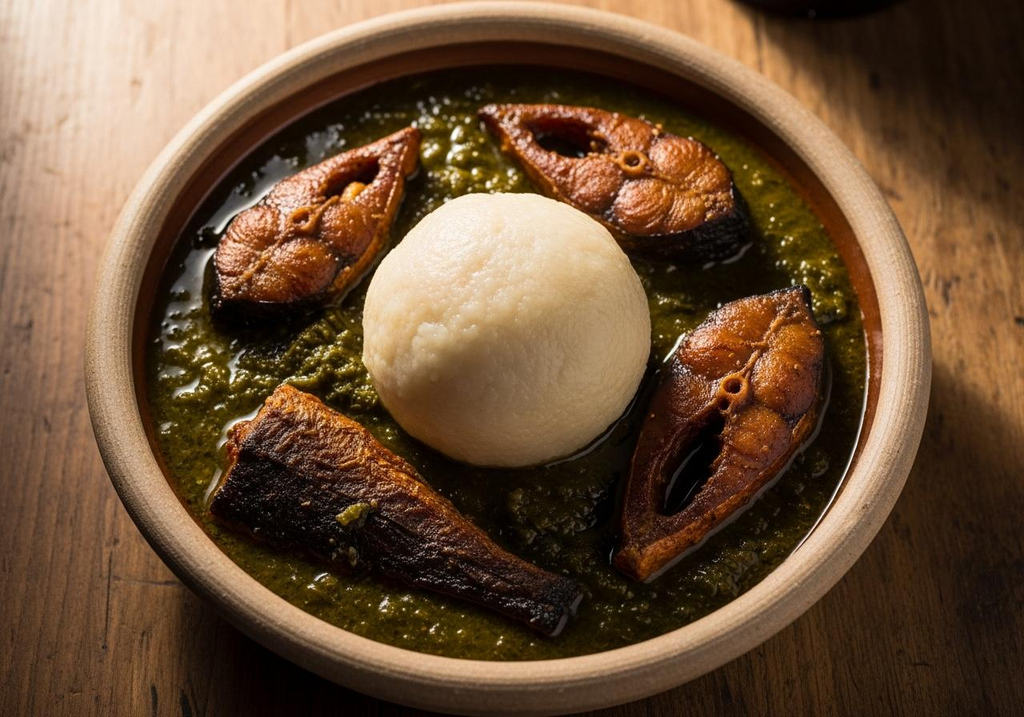
Some preparations also incorporate shea butter, which adds a distinctive flavour and is particularly associated with northern Ghanaian food traditions.
Although Tuo Zaafi originated as a regional staple, its popularity has spread considerably. It can now be found in restaurants, chop bars and food joints across Accra and other parts of the country.
Its growing presence on urban food menus has introduced the dish to people who may not have grown up eating it, while allowing Ghanaians from the northern regions to maintain a connection with familiar traditional meals.
The dish is also appreciated for its combination of carbohydrates, vegetables and protein-rich accompaniments, making it a substantial meal.
Today, Tuo Zaafi remains an important representation of northern Ghanaian culinary identity.
5. Banku and Akple: Two Traditional Staples with Distinctive Regional Identities
Banku and Akple are among Ghana’s most popular fermented dough-based staples. Although they share similarities in their ingredients and preparation, the two dishes have distinctive regional associations and are enjoyed in different ways.

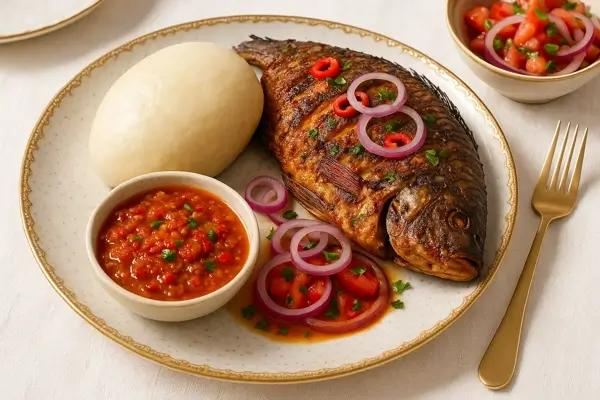
Banku is particularly popular among the Ga, Fante and other coastal communities, while Akple is strongly associated with the Ewe people of the Volta Region.
Both are traditionally prepared using fermented maize dough, although cassava dough is also incorporated into many banku recipes.
The preparation of banku involves combining the fermented dough with water and cooking it over heat while continuously stirring and kneading the mixture. This process produces a smooth, firm and slightly sour dough.
The consistency can vary depending on the proportion of maize and cassava dough used, as well as individual preparation preferences.
Banku is commonly served with grilled tilapia, fried fish, hot pepper sauce, okra stew or soup. The combination of the slightly sour dough and spicy accompaniments makes it a favourite among many Ghanaians.
Akple, on the other hand, is a traditional staple particularly enjoyed in the Volta Region. It is commonly prepared from fermented maize dough and water, although preparation methods and preferred consistency differ among households.

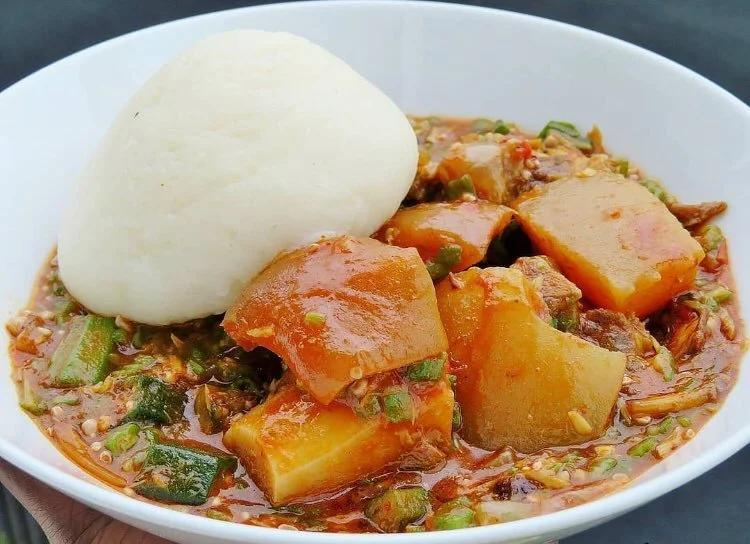
It is particularly associated with Fetri Detsi, the Ewe name for okra soup. The soup is often prepared with fresh or smoked fish, meat, pepper and other ingredients that give it a distinctive flavour.
The difference between the two dishes is not simply their names. Their textures, preparation methods and traditional accompaniments reflect the preferences of the communities that have preserved them over generations.
Both meals are commonly eaten using the hands, with portions taken from the dough and used to scoop the accompanying soup or sauce.
Their continued popularity in Ghanaian homes and restaurants reflects the importance of fermented maize foods in the country’s culinary traditions.

More Than Food: The Cultural Importance of Ghanaian Cuisine
Ghana’s food heritage is much broader than the dishes found on restaurant menus. Traditional meals are closely connected to farming, fishing, festivals, family relationships, religious practices and the history of different ethnic communities.
The country’s geographical diversity has also influenced its culinary traditions. Coastal communities have developed food cultures around fish, fermented maize and seafood, while northern communities make extensive use of millet, sorghum, maize, cowpeas and shea-based ingredients.
The forest and transition zones, on the other hand, are known for their use of yam, plantain, cocoyam, palm fruits and various vegetables.
According to the National Commission on Culture, Ghanaian food serves as a cultural archive, preserving knowledge about the country’s communities, agricultural practices, migration, trade and traditional ways of life.
This diversity is also evident in other popular dishes, including Waakye, Fufu, Kenkey, Ampesi, Mpotompoto, Kelewele and Tubaani.
However, preserving these meals requires more than continuing to prepare them at home. Their histories, indigenous names, preparation techniques and cultural meanings also need to be documented and passed on to younger generations.
As Ghanaian cuisine continues to attract attention internationally, traditional dishes provide opportunities for tourism promotion, food entrepreneurship and cultural exchange.
From a plate of Red Red bought at a roadside food joint to Otor prepared for a traditional celebration, every meal carries something that connects Ghanaians to their heritage.
Ultimately, the richness of Ghanaian cuisine lies not only in its ingredients and flavours but also in the people, stories and traditions that have kept these meals alive.
Which of these Ghanaian dishes is your favourite, and which traditional meal do you think deserves more international recognition?