
Entertainment
Ghana’s Forgotten Tourist Assets: Is the Tourism Ministry Doing Enough to Save Them?

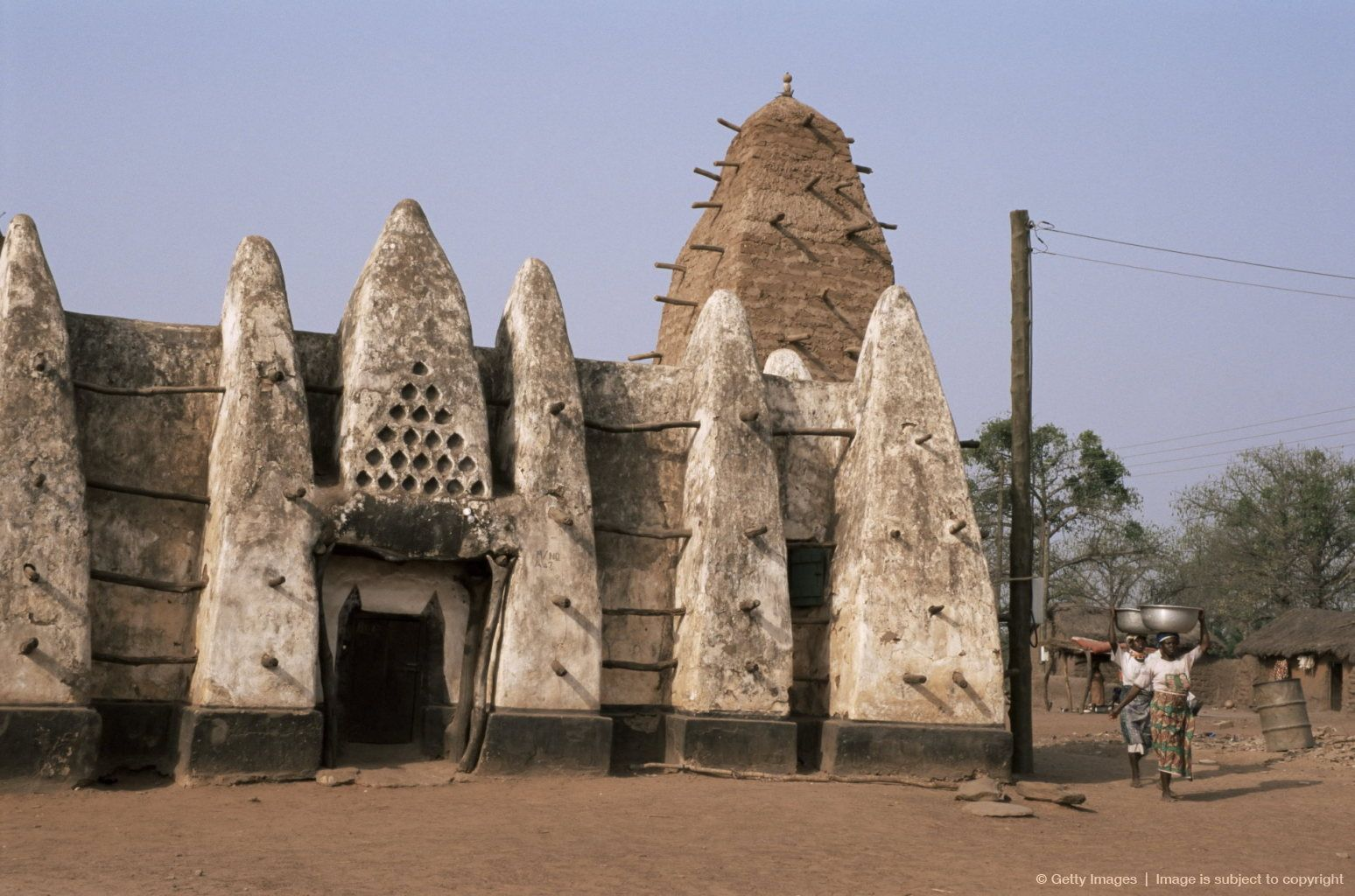
Ghana does not have a shortage of tourist attractions.
From castles and forts to waterfalls, forests, beaches, botanical gardens, traditional festivals and historic sites, the country has an extraordinary collection of places capable of attracting visitors.
The bigger question is what happens after the attraction has been discovered.
Who maintains it?
Who develops it?
Who makes it accessible?
Who tells its story?
Who ensures that a visitor who comes today will want to return tomorrow?
These questions have become increasingly important as concerns about the condition of some tourism and heritage sites continue to surface.
Ghana’s own medium-term development plan identifies several problems affecting tourism sites, including inadequate visitor facilities, poor roads, weak signage, limited interpretation, inadequate conservation funding and maintenance challenges. It also acknowledges that some heritage structures face deterioration.
For a country seeking to make tourism a major contributor to the economy, these challenges raise a difficult question:
Are Ghana’s tourism assets being managed well enough to match their potential?
The attractions are there, but the experience matters
Ghana’s tourism strength is obvious.
The country has internationally recognised heritage sites, national parks, beaches and cultural attractions.
In 2025, Ghana recorded 1,306,962 international tourist arrivals, generating about US$4.34 billion in revenue, according to figures presented by Tourism Minister Abla Dzifa Gomashie. Domestic tourism visits also increased from 1.68 million in 2024 to 1.79 million in 2025.
Those figures demonstrate that people are travelling to Ghana.
But tourism is not only about how many people arrive.
It is also about what visitors experience when they get here.
A tourist may be interested in visiting a historic site, but poor roads, inadequate facilities, inconsistent storytelling, weak maintenance or a lack of activities can affect whether that person recommends the destination or returns.
The ministry itself has acknowledged the problems
In October 2026, Tourism Minister Abla Dzifa Gomashie visited attractions including the Aburi Botanical Gardens, Aburi Craft Village and Papaye Recreation Village.
During the visit, she called for improved maintenance, continuous investment and more consistent historical interpretation at tourism sites.
She also acknowledged that tourism development requires cooperation between institutions because some attractions do not fall directly under the Ministry’s management.
The Minister further pointed to poor road access as one of the issues affecting tourist destinations and said roads requiring urgent attention had been submitted for consideration under government infrastructure plans.
That raises an important distinction.
The Tourism Ministry cannot personally repair every road, maintain every attraction or manage every historic site.
But it is responsible for policy direction, coordination, advocacy and oversight within the tourism sector.
That is where the question of performance becomes relevant.
Critics say the sector needs more than workshops
The strongest criticism of the Minister has come from within Ghana’s creative and tourism conversation.
Ghanaian broadcaster Austine Woode publicly criticised Abla Dzifa Gomashie’s performance during a Joy FM Showbiz Roundtable in August 2026.
He argued that the Ministry had not yet produced enough tangible interventions that would significantly affect people working in the industry.
Woode specifically raised concerns about the stalled Kumasi theatre project and questioned whether enough practical work was being done to move the sector forward.
He described the Minister as having “failed” in his assessment and argued that stakeholder engagements and workshops needed to translate into visible results.
Those are his views, not an established fact that the Minister has failed.
But they raise a legitimate public-interest question:
How should the performance of a Tourism Minister be measured?
Is tourism promotion enough?
Ghana has become increasingly skilled at promoting its attractions.
There are tourism campaigns, festivals, exhibitions, international engagements and destination-marketing initiatives.
The Ministry says it has adopted a domestic-first, global-next strategy aimed at encouraging Ghanaians to explore their own country while strengthening Ghana’s international tourism appeal.
The Ministry has also highlighted initiatives including the Ghana Tourism Marketplace, Ghana Tourism Investment Platform, Afro Gastro Festival and other programmes.
It has pointed to Ghana’s first Tourism Satellite Account, the UNESCO Culture|2030 Indicators Programme and Ghana’s successful bid to host the 70th Session of the UN Tourism Commission for Africa in 2027 as part of its work.
But promotion can only take tourism so far.
If a destination is promoted heavily but visitors arrive to poor roads, inadequate toilets, weak signage or deteriorating facilities, the marketing can create expectations that the destination struggles to meet.
The problem of heritage sites
Ghana’s castles and forts are among its most important tourism assets.
They are also sites of enormous historical importance.
Yet the government has acknowledged concerns surrounding encroachment and the condition of heritage areas.
In August 2026, Minister Gomashie called for illegal structures around forts and castles to be removed, warning that encroachment threatens the beauty, integrity and long-term preservation of the sites.
She also said stronger engagement with surrounding communities was necessary because residents needed to understand why protecting the sites mattered.
This highlights another challenge.
Heritage protection is not simply about putting a fence around a monument.
It requires communities, traditional authorities, local assemblies, tourism agencies and central government to work together.
Ghana cannot afford to let attractions become photographs of what they used to be
A tourist attraction should not only be famous because of its history.
It must be capable of functioning as a visitor destination today.
That means basic facilities.
Clean surroundings.
Safe access.
Clear information.
Professional guides.
Good customer service.
Interesting activities.
Reliable transportation.
Proper maintenance.
And a reason for visitors to stay longer or return.
The NDPC’s tourism development document identifies many of these weaknesses, including inadequate washrooms, restaurants and accommodation at some sites, poor access roads, gaps in signage and interpretation, insufficient conservation funding and weak maintenance and service standards.
These are not merely aesthetic concerns.
They can directly affect tourism revenue and local employment.
The Tourism Minister’s defence is that the problems are bigger than the Ministry
There is also a case to be made for the Ministry.
Tourism does not operate in isolation.
Roads belong to the broader infrastructure system.
Some attractions are managed by agencies outside the Ministry.
Private businesses operate hotels, restaurants and transport services.
Local assemblies have responsibilities.
Traditional authorities control or influence land and community matters.
The Minister has therefore argued that tourism development requires cooperation across institutions.
She has also said that road improvements to tourism sites have been raised with the government and that investment and infrastructure development remain priorities.
This means judging the Ministry’s performance requires separating what it directly controls from what depends on other agencies.
But accountability cannot stop at explanations
That is where the debate becomes important.
It is understandable that a Tourism Minister cannot personally fix every problem in Ghana’s tourism industry.
However, the public can reasonably ask what measurable improvements should occur during a minister’s tenure.
How many neglected sites have been restored?
How many attractions have received new facilities?
How many roads to major tourist destinations have actually improved?
How many heritage sites have been protected from encroachment?
How many jobs have been created?
How much more are local communities earning from tourism?
How many visitors are staying longer?
How many destinations outside the traditional tourism hotspots are attracting significant numbers?
These are the questions that can turn political promises into measurable accountability.
Ghana’s tourism numbers tell only part of the story
The 2025 tourism figures provide encouraging evidence of demand.
But visitor numbers alone cannot tell the entire story.
A country can attract more tourists while some attractions remain poorly maintained.
It can generate billions in tourism receipts while individual communities around tourist sites receive limited economic benefits.
It can promote dozens of destinations while visitors continue to concentrate around a small number of major attractions.
Indeed, the Tourism Minister reported that the 10 most visited attractions accounted for almost 77 per cent of domestic tourism site visits in 2025.
That concentration itself raises a question:
What is being done to turn Ghana’s lesser-known attractions into viable destinations?
The real test may be what happens outside Accra
Tourism has the potential to spread economic activity beyond the country’s major urban centres.
A well-developed attraction can create opportunities for tour guides, food vendors, hotels, transport operators, artisans, farmers and small businesses.
But that only happens when visitors actually come.
And visitors need a reason to come.
That requires investment in the entire tourism chain—not just the attraction itself.
A waterfall without proper access may remain a beautiful secret.
A historic site without interpretation may leave visitors informed only by what they already knew.
A cultural destination without accommodation may become a short stop rather than a multi-day experience.
So, has the Tourism Minister failed?
That conclusion should not be presented as an established fact.
There are documented achievements and measurable tourism growth, including increased international arrivals, higher tourism receipts, growth in domestic visits and new policy initiatives.
At the same time, there are documented structural problems involving infrastructure, maintenance, conservation, accessibility and visitor experience.
And there is public criticism from industry voices, including Austine Woode, who argues that the Ministry needs to deliver more tangible results.
The fairest question, therefore, may not be simply whether Abla Dzifa Gomashie has failed.
It is this:
Has the Ministry’s work so far been enough to close the gap between Ghana’s enormous tourism potential and the actual experience offered at many of its destinations?
That is a question the Minister, tourism agencies and stakeholders will ultimately have to answer through results.
Because Ghana does not lack attractions.
It does not lack history.
It does not lack culture.
It does not lack natural beauty.
What Ghana needs is the ability to turn those assets into well-maintained, accessible, properly managed and economically productive destinations.
Until that gap is closed, the country’s tourism story will continue to contain an uncomfortable contradiction:
Ghana has the attractions tourists want to see—but too many of them still need the investment, maintenance and management required to make the experience match the promise.










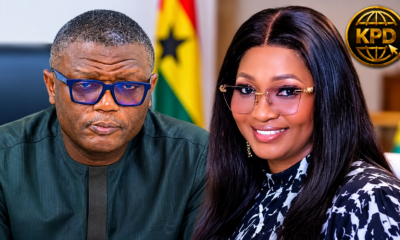



South Korea has pledged US$4.5 million in support over five years to help Ghana preserve its historic forts and castles, strengthen heritage tourism and protect coastal heritage sites from the effects of climate change, Tourism Minister Abla Dzifa Gomashie has disclosed.
The support, according to the minister, will include technical expertise and equipment to help restore and protect the country’s historic monuments, many of which face increasing threats from rising sea levels, tidal waves, coastal erosion and other environmental challenges.
Speaking on efforts to reposition Ghana’s heritage tourism sector posted on the Facebook page of Aidoo Elizabeth, Ms Gomashie said the government was working with the United Nations Educational, Scientific and Cultural Organisation (UNESCO) and the National Commission of UNESCO of Korea to develop measures to safeguard the country’s forts and castles.
She explained that the collaboration was aimed at reversing the deterioration of Ghana’s historic sites and making them more attractive to visitors, particularly those from the African diaspora seeking to reconnect with their ancestral history.
The minister acknowledged that although Ghana’s historic forts and castles remain important destinations for heritage tourism, there is a need to improve the visitor experience and introduce additional attractions to sustain public interest.
She cited the Kwame Nkrumah Memorial Park as a leading destination in terms of visitor arrivals, noting that the government was exploring ways to strengthen other heritage sites, including Cape Coast Castle.
According to her, repeated visits to some historic sites may become less appealing when there are limited new experiences for tourists, despite the profound historical significance of the locations.
“The Kwame Nkrumah Memorial Park now is the highest in terms of arrivals,” she said, explaining that the government was considering how to address possible visitor fatigue at Cape Coast Castle.
She noted that visits to the castle carry a deeper meaning for members of the African diaspora, many of whom travel to Ghana to reconnect with their heritage and learn more about the history of the transatlantic slave trade.
For such visitors, she explained, the experience is not necessarily about entertainment or elaborate activities but about reconnecting with their roots and understanding the historical experiences of their ancestors.
However, she maintained that more could be done to improve the presentation and preservation of the sites while maintaining their historical significance.
The government is therefore seeking to develop Ghana’s heritage tourism offerings in ways that preserve the authenticity of the monuments while providing visitors with more meaningful experiences.
Ms Gomashie said the government had been engaging UNESCO and the Korean National Commission for UNESCO, commonly referred to as KNCU, to explore ways of restoring and protecting the country’s forts and castles.
She explained that the initiative involves cooperation with Ghana’s National Commission for UNESCO, which she identified as being headed by Professor Damba, as well as UNESCO’s office in Ghana.
The minister said the partnerships were expected to contribute technical knowledge and other resources towards protecting Ghana’s historic properties.
She stressed that preserving the forts and castles was particularly important at a time when President John Dramani Mahama had placed emphasis on reparations and restitution.
According to her, Ghana must strengthen its heritage infrastructure to accommodate visitors interested in learning about slavery, the experiences of Africans during the transatlantic slave trade and the historical links between Ghana and the wider African diaspora.
The forts and castles are central to that effort because of their connection to the forced movement of Africans and the broader history of the transatlantic slave trade.
She argued that improving their condition and accessibility would help Ghana maintain its position as a destination for historical and cultural tourism.
The tourism minister identified climate change and global warming as major threats to Ghana’s coastline and the historic structures located along it.
She said the country’s coastal monuments were increasingly exposed to harsh weather conditions and environmental pressures, making restoration and long-term protection urgent.
Ms Gomashie, who is also the Member of Parliament for Ketu South, said her concerns extended beyond her constituency to the wider coastline and the national heritage resources situated along it.
She recalled the challenges faced by coastal communities affected by tidal waves, explaining that the same environmental pressures threatening communities also pose risks to historic sites and other valuable coastal assets.
She said South Korea’s proposed support would help provide the expertise and equipment needed to protect the forts and castles against these threats.
The minister emphasised that the preservation of the monuments was not only a tourism concern but also a national responsibility, given their historical, cultural and economic significance.
The five-year support programme is expected to contribute to efforts to safeguard these sites for future generations while strengthening their potential to attract international visitors.
Beyond the restoration of forts and castles, Ms Gomashie said Ghana was exploring opportunities to develop underwater heritage tourism along its coastline.
She explained that the country had ratified international conventions, including one concerning the protection of underwater cultural heritage.
According to her, the historical significance of Ghana’s coastline suggests that there may be submerged heritage resources, including shipwrecks, that could contribute to the country’s tourism offerings.
She said such resources should be identified, protected and managed responsibly to preserve their historical value.
The minister noted that underwater heritage could provide new opportunities for visitors interested in underwater sightseeing and the exploration of historical sites beneath the sea.
She clarified that the objective was not simply to excavate submerged resources but also to protect them and explore ways of making them accessible through appropriate tourism activities.
The development of underwater heritage tourism could therefore complement existing attractions along the coast and provide additional experiences for visitors interested in Ghana’s maritime history.
However, such efforts would require appropriate protection measures and technical expertise to ensure that underwater cultural resources are not damaged or exploited.
The proposed South Korean support forms part of broader efforts to preserve Ghana’s historical assets and improve the country’s appeal as a heritage tourism destination.
The forts and castles remain significant reminders of the transatlantic slave trade and the experiences of Africans who were held and transported through the coastal trading centres.
Their preservation is particularly relevant to Ghana’s engagement with members of the diaspora, including visitors seeking historical knowledge, ancestral connections and a deeper understanding of the country’s role in the slave trade.
By combining restoration, climate protection, international cooperation and the development of new tourism products, the government hopes to ensure that these sites continue to serve as important cultural and educational destinations.
The collaboration with South Korea and UNESCO is expected to support that objective over the five years, while efforts to explore underwater heritage tourism could broaden the range of experiences available to visitors.
For Ghana, the challenge will be to protect its historic monuments from environmental damage while ensuring that the sites remain relevant, accessible and attractive to future generations of tourists.
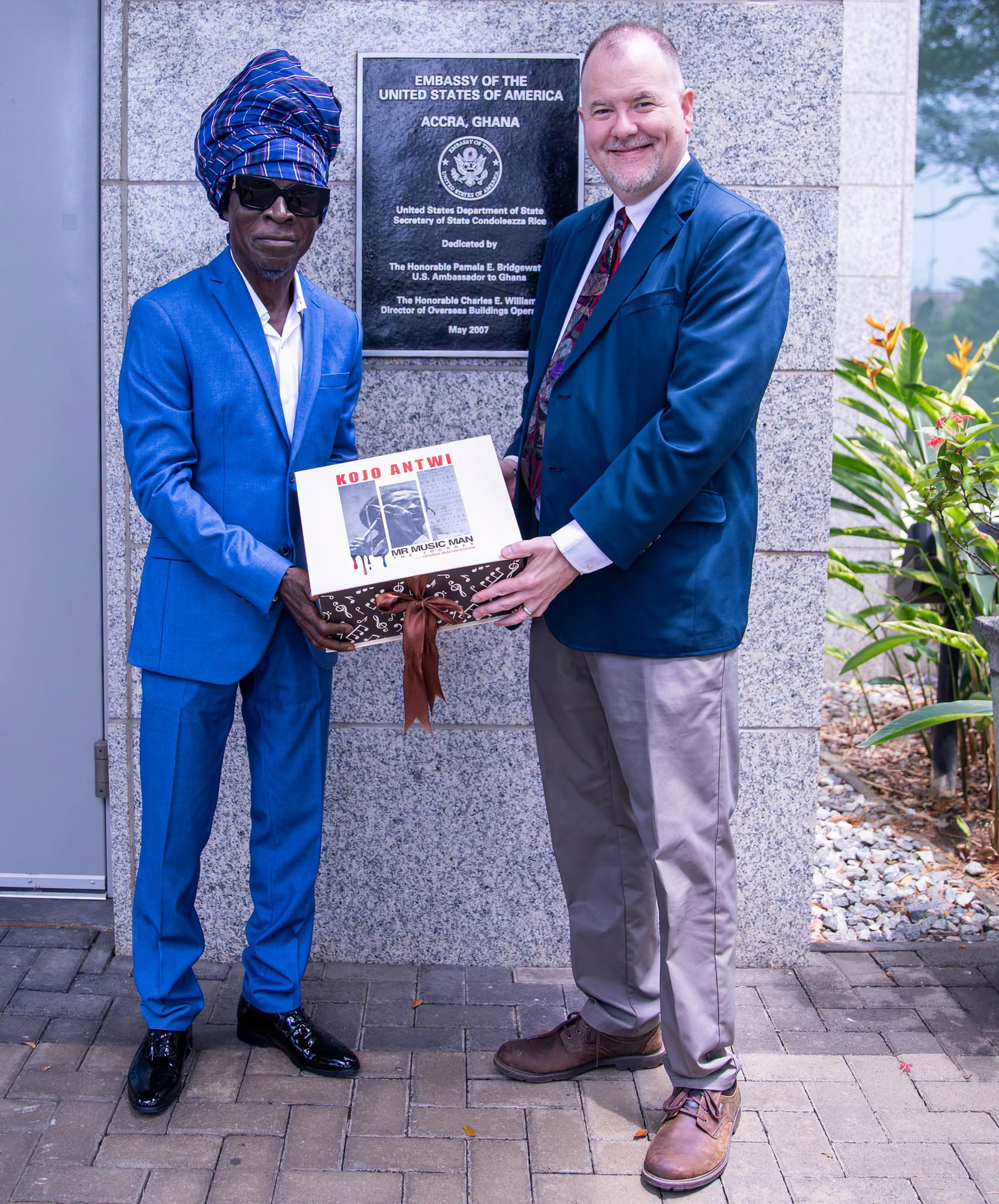
Ghanaian music legend Kojo Antwi has presented an autographed copy of his memoir, Mr Music Man: The Journey, to the United States Embassy in Accra following a meeting with the embassy’s Chargé d’Affaires, a.i., Rolf Olson.
The presentation took place during a visit by the celebrated musician to the embassy, where discussions centred on music, culture and the longstanding people-to-people relations between Ghana and the United States.
In a Facebook post on Wednesday, October 14, 2026, the US Embassy highlighted the engagement, noting the role of music and cultural exchange in strengthening connections between the two countries.
The meeting underscored the importance of the creative arts in promoting cultural understanding and fostering relationships beyond geographical boundaries.
Kojo Antwi, popularly known as Mr Music Man, is one of Ghana’s most celebrated musicians, with a career spanning several decades. He has earned a lasting place in the country’s music industry through his distinctive sound and contributions to highlife and contemporary African music.
His extensive catalogue of songs has established him as an influential figure in Ghanaian music, earning him recognition across generations of music lovers.
His memoir, Mr Music Man: The Journey, reflects on his life, career and experiences in the music industry, offering readers an opportunity to learn more about the journey behind his enduring musical legacy.
The presentation of the signed memoir to the US Embassy adds another dimension to the musician’s engagements beyond the stage, bringing his personal story and contribution to Ghanaian music into discussions about cultural diplomacy and international relations.
The engagement also highlights how Ghanaian musicians can contribute to strengthening international connections through their work, personal stories and cultural influence.
The Ghana Music Rights Organisation (GHAMRO) has named 16 radio and television stations it recognises as complying with music royalty payment obligations out of more than 700 broadcasters operating across the country.
The recognition highlights broadcasters GHAMRO says are meeting their copyright obligations by paying royalties for the use of music in their programmes.
In a post on X on Wednesday, October 14, 2026, the organisation commended the stations for respecting copyright laws and supporting Ghana’s creative industry.
“We celebrate and appreciate our Top Complying 2026 Broadcasting Channels for leading by example, respecting copyright laws, and directly championing the Ghanaian creative economy,” GHAMRO stated.
The stations recognised for complying with music royalty payment obligations are:
Joy FM
Hitz FM
Asempa FM
Adom TV
Adom FM
Luv FM
Nhyira FM
Joy Prime
Sporty FM
Pent Radio
Pent TV
Citi FM
Channel One TV
PCG TV
Hope FM
Lucky TV

The announcement comes amid GHAMRO’s efforts to improve royalty collection and encourage broadcasters and other commercial users of music to comply with copyright requirements.
Music royalties compensate musicians, composers, songwriters and other rights holders when their works are used for broadcasting and other commercial purposes.
By publicly recognising compliant stations, GHAMRO hopes to encourage more broadcasters to meet their obligations and support the sustainable growth of Ghana’s music and creative industries.
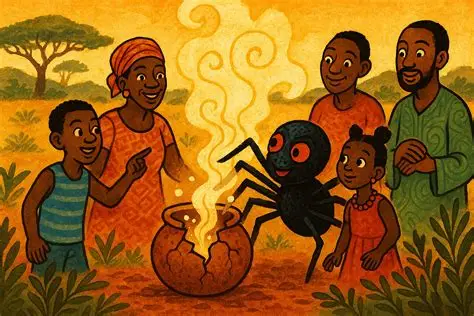
There was a time when bedtime did not always mean going straight to sleep. For some Ghanaian children, it meant gathering around a grandmother, grandfather or another older relative who had a story to tell.
The storyteller did not need a television, a projector or an internet connection. Sometimes, all that was needed was a quiet evening, a group of curious children and a story that had been passed down through generations.
There were tales about clever animals, foolish kings, wicked neighbours, brave children and people whose decisions changed their lives. Some stories entertained. Others warned against greed, dishonesty, disrespect and selfishness.
Children listened, laughed, interrupted with questions and begged for another story when the first one ended.
Today, that familiar scene is less visible in many households. Children have access to cartoons, films, online videos, games and social media. Older relatives may live far away, while busy family schedules leave little time for extended storytelling.
But as entertainment changes, an important question remains: Are Ghanaian communities losing the tradition of telling stories that once helped children understand their world?
In many Ghanaian communities, storytelling was an informal way of teaching children about life.
A story about a dishonest person could explain why trust mattered. A tale about an arrogant character might show how pride could lead to trouble. Stories involving animals could reveal human weaknesses without directly accusing anyone.
The storyteller could use humour to communicate a serious message, allowing children to learn while enjoying themselves.
Some stories also explained cultural beliefs, community practices and relationships between people. They helped children understand why certain behaviours were encouraged, and others discouraged.
The lessons were not always presented as direct instructions. Instead, children were expected to think about what the characters did and what happened as a result.
That process made storytelling a form of informal education.
Ananse: The trickster who taught through his mistakes
One of the most recognisable figures in Akan oral tradition is Ananse, the spider character known for cleverness, mischief and trickery.
In many stories, Ananse tries to outsmart others, gain something for himself or escape a difficult situation through cunning.
Sometimes his plans succeed. At other times, his greed or overconfidence creates problems.
The character is memorable because he is not a perfect hero. He can be intelligent and foolish, resourceful and selfish, entertaining and frustrating.
Through Ananse stories, listeners encounter questions about greed, wisdom, fairness, responsibility and the consequences of one’s actions.
Ananse stories have also travelled beyond Ghana and become part of wider African and Caribbean storytelling traditions.
Yet preserving these stories requires more than remembering the character’s name. The language, humour, performance style and different versions of the tales are also part of the heritage.
Every community had its own stories
Ghana’s storytelling traditions are not limited to Ananse.
Different communities have their own folktales, legends, historical narratives, praise traditions and stories associated with particular places or families.
Some stories explain the origin of a community. Others recount the actions of respected leaders, ancestors or extraordinary individuals.
There are stories about animals, rivers, forests, farming, marriage, friendship and conflict.
The details vary across cultures, and a story may have several versions depending on who tells it.
This diversity is important. Ghana’s oral heritage cannot be reduced to one character or one collection of tales.
When stories are documented, it is valuable to record the language in which they were told, the community they come from and the person sharing them.
Otherwise, a story may survive while the cultural context that gives it meaning is forgotten.
The decline of traditional storytelling cannot be blamed on one cause. Changes in family life, technology, language use and daily routines have all affected how stories are shared.
Television, smartphones and online platforms provide entertainment at any hour.
A child can watch a cartoon, listen to an audiobook or view a video without waiting for an older relative to become available.
Digital entertainment is not necessarily harmful. It can introduce children to literature, languages and different cultures.
The challenge is that traditional storytelling is interactive. The listener can ask questions, challenge a character’s behaviour or request that the storyteller repeat a favourite part.
A recorded video cannot always reproduce the personal connection created when an older relative tells a story from memory.
Work, school, commuting and other responsibilities can make it difficult for families to spend long periods together.
In some households, several generations no longer live under the same roof. Grandparents may reside in another town or village, making regular contact less frequent.
This does not mean families have stopped caring about their traditions. It means the opportunities to pass on certain practices may be fewer.
When storytelling is no longer part of an ordinary evening, it may be remembered mainly during festivals, cultural events or school activities.
Language can also influence whether traditional stories survive.
Some folktales rely on proverbs, wordplay, local expressions and cultural references that are difficult to translate fully into another language.
When a story is told in a language the listener does not understand well, its humour and deeper meaning may be lost.
Children who are not comfortable speaking the language of their parents or grandparents may struggle to follow long stories told in that language.
This does not mean stories should only be told in one language. They can be translated and explained. However, preserving the original language alongside translations helps retain expressions and meanings that might otherwise disappear.
Traditional storytellers carry knowledge that may never have been written down.
Some know several versions of a tale. Others remember the songs, sayings or responses that accompanied a performance.
If nobody records or learns from them, their knowledge may disappear when they are no longer able to tell the stories.
A written summary may preserve the plot but fail to capture the storyteller’s voice, gestures, timing and interaction with the audience.
That is why audio and video recordings, community archives and interviews with older people can be valuable.
What happens when the storyteller disappears?
When a traditional story is lost, the immediate effect may appear small. Children can still read books, watch films and learn from their teachers.
But the loss can be deeper than the disappearance of a single tale.
A story may contain expressions from a local language, references to a community’s history or lessons about relationships that have been discussed for generations.
It may also preserve an older way of understanding the environment, social responsibility or human behaviour.
When stories are no longer shared, children can lose an opportunity to learn about their cultural heritage directly from the people who know it.
The concern is not that every traditional story contains a lesson that must be followed today. Some stories reflect beliefs or social expectations that deserve critical examination.
Preservation does not mean accepting everything uncritically. It means keeping the stories available so that people can understand, discuss and interpret them.
Can schools bring storytelling back?
Schools could play an important role by giving oral storytelling a place alongside reading and writing.
Teachers could invite community elders, writers, linguists and storytellers to share stories with pupils.
Students could record folktales told by their parents or grandparents, write down different versions and discuss the lessons or questions raised by each story.
Cultural programmes could also include storytelling competitions in Ghanaian languages, encouraging young people to develop confidence in oral performance.
These activities could support language learning, listening skills, creativity and an appreciation of cultural diversity.
The goal should not be to turn every story into a rigid classroom lesson. Children should also have the freedom to enjoy the suspense, humour and imagination that make storytelling appealing.
Technology may have contributed to changes in storytelling, but it can also help preserve the tradition.
Content creators could produce short videos of Ghanaian folktales, with narrators telling stories in their original languages and providing subtitles.
Radio stations, podcasts and online publishers could develop storytelling programmes featuring older narrators and younger performers.
Libraries, cultural institutions and community organisations could build digital collections of stories, songs and oral histories.
Care is needed to ensure that the people and communities who share these stories are properly acknowledged. Where a story belongs to a particular cultural tradition, its origins should not be erased simply to make it more marketable.
With thoughtful documentation, a story once told to a handful of children could reach audiences far beyond the community where it originated.
One reason storytelling may be neglected is the belief that it requires someone who knows many traditional tales or has a special gift for narration.
But families can begin with simple steps.
Parents can ask grandparents to share stories from their childhood. They can tell children about how their community changed, how their parents grew up or how a family tradition began.
Children can also be encouraged to create their own stories inspired by what they hear.
The important thing is to create opportunities for conversation and imagination.
A story does not have to be perfect to be meaningful. Sometimes, the memory of sitting beside a grandparent and listening carefully becomes just as important as the story itself.
Not every old story should remain unchanged
As Ghanaian society changes, traditional stories may also need to be reconsidered.
Some tales contain stereotypes or reflect historical attitudes that modern audiences may question. Others may have different meanings in different communities.
These differences should be discussed rather than hidden.
Storytelling can be preserved while allowing new generations to ask questions, develop new versions and explore different interpretations.
That is how a living tradition remains relevant: it carries the past into the present without preventing people from thinking critically about it.
Ghana has made room for modern entertainment, digital learning and international culture. There is no need to reject those developments to preserve oral traditions.
But if children grow up knowing fictional characters from around the world while remaining unfamiliar with the stories their grandparents grew up hearing, it is worth asking what opportunities have been missed.
The answer is not to blame young people for preferring cartoons or accuse parents of abandoning their culture.
The more useful response is to create opportunities for stories to be heard again—in homes, schools, libraries, on radio and through digital platforms.
Older people should be encouraged to share their knowledge, while younger people should be given the tools to record and reinterpret it.
Because a story that is never told cannot be questioned, enjoyed or passed on.
And perhaps the greatest danger is not that Ghana’s traditional storytellers will stop speaking, but that the next generation will no longer gather to listen.


Netflix is planning to eliminate approximately 1,000 jobs worldwide in its largest workforce reduction since 2022, as the streaming company adjusts its operations amid intensifying competition for viewers and growing pressure to sustain business growth.
The planned cuts represent roughly 6% of Netflix’s global workforce. According to reports published on October 14, 2026, the reductions will primarily affect employees in the company’s product, technology, legal and human resources departments. The announcement was communicated to staff in an internal memo from co-chief executives Greg Peters and Ted Sarandos.
The executives said the company intended to direct its people and resources towards areas considered most important to improving its service and supporting future growth. They also maintained that Netflix’s business remained strong and that the company was on track to meet its full-year financial forecast.
Competition puts pressure on streaming businesses
The restructuring comes as Netflix competes with established entertainment companies and digital platforms such as YouTube for audiences’ time and attention. The growing availability of free online video and alternative entertainment services has increased the pressure on subscription-based platforms to keep viewers engaged.
Netflix has also been exploring additional revenue opportunities, including advertising-supported subscriptions, live programming and gaming, as it seeks to broaden its business beyond traditional on-demand streaming. However, investors remain concerned about the company’s growth prospects and its ability to turn new initiatives into sustainable sources of expansion.
Biggest cuts since 2022
The latest reductions mark a significant workforce change for a company that had approximately 16,000 full-time employees at the end of 2025. In 2022, Netflix cut around 450 jobs after reporting a subscriber decline that raised questions about its growth trajectory.
Despite the planned layoffs, Netflix says it will continue investing in areas it believes can improve the platform and support innovation. The changes illustrate the difficult decisions facing major streaming services as they balance staffing costs, content investments, competition and expectations from shareholders.
The long-term impact of the restructuring will depend on whether Netflix can maintain its financial performance while keeping viewers engaged and developing new sources of revenue.

South Korea Pledges US$4.5 Million to Preserve Ghana’s Forts and Castles

Kojo Antwi Presents Signed Memoir to US Embassy

Defender Eugene Appiah ready to represent Ghana at the international level

IRAWMA 2025: Shatta Wale Wins 3 Major Awards Including Best Music Video

AirtelTigo losing GH₵20m monthly; total debts exceed $200million – Sam George

Samini Secures Promotional Deal with Audiomack for Upcoming Album “THE ORIGIN8A”


-

 General News2 weeks ago
World Cup Visa Storm: Kojo’s GTA Questions Resurface as Minority Demands Action
-
 General News2 weeks ago
Political communicators must prepare before speaking on teachers’ strike – Seth Afum Dankwah
-
 Education2 weeks ago
Should Schools Teach Students How to Handle Failure?
-

 General News2 weeks ago
Police Investigate Death of Three Children at Kobilmahigu; IGP Deploys Special Team
-

 Politics2 weeks ago
George Krobea Asante Alleges Deliberate Delay in Voting Process
-
 General News2 weeks ago
US Defense Department Cuts Ties With Anthropic Over AI Restrictions
-
 General News2 weeks ago
Socrate Safo questions La Pleasure Beach demolition, warns of threat to judicial due process
-
 Uncategorized2 weeks ago
Assafuah Reveals GTA Directors’ Concerns Over World Cup Activation Programme