
Business
Ghc1.5bn for agric highly insufficient – Agric-Impact CEO


The Chief Executive Officer (CEO) of Agri-Impact Group, Daniel Acquaye, has stated that the budget allocation to agriculture is inadequate for driving national economic transformation.
He said with only GH¢1.5 billion (approximately $100 million) allocated to agriculture, out of the GH¢279 billion national budget, the sector received just 0.54 per cent of total government spending.
Speaking at the PwC post-budget digest in Accra yesterday, the CEO of the impact investor in the agriculture sector, said achieving rice self-sufficiency alone would require over $100 million in investment, effectively consuming the entire current agricultural budget.
Mr Acquaye said the underfunding contradicted the government’s stated goal of using agriculture as a foundation for economic transformation.
In 2014, African Union members signed up to commitments which have become known as the Malabo Declaration to accelerate agricultural growth and transform the sector for shared prosperity and improved livelihoods.
Under the Comprehensive African Agricultural Development Programme (CAADP), part of an Agenda 2063 continental initiative, the member countries agreed to allocate at least 10 per cent of national budgets to agriculture and rural development, and to achieve agricultural growth rates of at least six per cent per annum.
Underlying the investment commitments are targets for reducing poverty and malnutrition, increasing productivity and farm incomes, and improving the sustainability of agricultural production and use of natural resources.
Agric Fund
The Agri-Impact CEO also added his voice to calls to establish an Agricultural Fund, similar to the Ghana Education Trust Fund (GETFund).
Mr Acquaye argued that while the country successfully produced skilled labour through education, there was no corresponding investment in sectors such as agriculture that could employ those graduates.
He said properly funding agriculture would reduce youth unemployment, improve food security, and drive rural economic development, ultimately strengthening Ghana’s entire economy.
Mr Acquaye observed that while the mining and oil sectors were good as they boosted the country’s Gross Domestic Product (GDP), they did not provide transformational growth.
“We need mining, we need the oil sector. It makes our GDP growth look good. But if you generate $1 billion from mining or you generate one billion dollars from oil, it is not the same as generating $1 billion from agriculture,” Mr Acquaye, whose company is leading a number of youth-focused impact projects in the agricultural sector, stated.
This is because to generate $1 billion from agriculture, the multiplier impact will be higher,” Mr Acquaye said.
On how the Agriculture Fund should be funded, he said “we have developed means of funding education. There is a formula that puts money into GETFund. We can use similar formula to put money into agriculture.”
Big Push
The Senior Country Partner of PwC Ghana, Vish Ashiagbor, contributing to the discussion, said a look at the nominal amount dedicated to agriculture might look insufficient, but there were critical infrastructural development projects under the GH¢10 billion “Big Push” project and other projects that would benefit the sector.
“If you look at it then absolutely it is quite small, which looks strange, given that we’re trying to push agriculture as one of the pillars of growth for our economy.
“However, the other factors around infrastructure, around the drive towards creating agri-zones, all of those will enable agriculture.
So, government does not need to necessarily invest directly in agriculture itself, but to the extent that they create the environment that allows private sector to thrive in agri-zones,” he explained.
Good budget
Mr Ashiagbor described the 2025 budget as a good start and a nice statement of intent.
He expressed the confidence that a successful implementation of the proposed measures could create a more favourable environment for private sector growth, something he noted, had been recognised as the engine of growth, but had remained elusive due to persistent economic challenges.
Mr Ashiagbor highlighted implementation as the critical factor that would determine whether the budget’s business-friendly intentions translated into tangible economic benefits.
Growth, sustainability levy
Commenting on the increase in the Growth and Sustainability Levy to three per cent, the Senior Country Partner said mining companies typically made investment decisions based on long-term planning.
Mr Ashiagbor said making sudden tax increases and extended levy periods particularly disrupted their operations and anticipated returns.
He, however, acknowledged the government’s challenging fiscal position, noting the pressing need to balance revenue collection with expenditure demands.
That difficult balancing act, he stated, required ongoing dialogue between the government and industry to foster mutual understanding and potentially identify win-win solutions that satisfied both revenue requirements and business stability needs.
The PwC Senior Country Partner referenced the minister’s characterisation of recent mining sector profits as “a windfall” due to the record high commodity prices, though he acknowledged that the minister stopped short of using the term “windfall tax.”
That framing, Mr Ashiagbor said, had made the sector a target for increased taxation during profitable periods.
Source: Graphic Online



Accra, Ghana — October 14, 2026
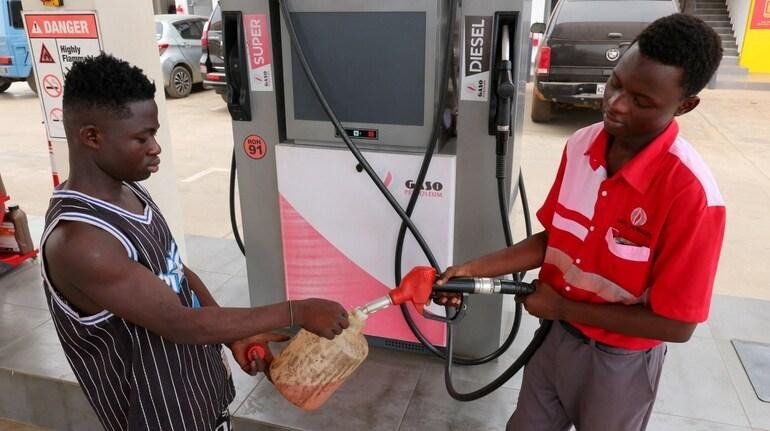
Petrol and diesel prices at fuel stations across Ghana are expected to decline from Friday, October 16, offering modest relief to motorists and businesses, while liquefied petroleum gas (LPG) is projected to record a sharp increase of 18.5% per kilogramme.

Petrol Prices Expected to Decline
The anticipated changes are contained in the latest pricing outlook from the Chamber of Oil Marketing Companies (COMAC) for the second petroleum pricing window of October.
Under the projections, petrol is expected to sell at approximately GH¢17.67 per litre, representing a decline of about 1.67%. Diesel prices are projected to fall by 3.32% to GH¢19.30 per litre.
LPG, however, is expected to move in the opposite direction, rising by 18.5% to approximately GH¢20.60 per kilogramme. The increase could put additional pressure on households, food vendors, restaurants and other businesses that rely on cooking gas.

LPG Prices Face an 18.5% Increase
Motorists May Receive Some Relief
The projected reductions in petrol and diesel prices could ease operating costs for commercial drivers, transport companies and businesses that depend on road transportation.
Lower fuel prices may also help moderate some transport-related expenses for households and traders. However, the actual effect on transport fares and the prices of goods will depend on how individual operators respond to the changes.
The extent of the relief will also depend on the prices charged by individual Oil Marketing Companies (OMCs), as retail prices can vary across filling stations.

Drivers Await Fuel Price Relief
LPG Consumers Face Higher Costs
While motorists could benefit from lower petrol and diesel prices, the expected increase in LPG prices presents a challenge for households and businesses that use gas for cooking.
A rise to GH¢20.60 per kilogramme could increase the cost of refilling gas cylinders and operating commercial kitchens, potentially placing further pressure on already stretched household budgets.
For small food vendors and restaurants, higher LPG costs could add to daily operating expenses. Whether these businesses absorb the additional cost or pass some of it on to customers remains to be seen.

New Fuel Pricing Window Begins October 16
International Markets and the Cedi Remain Key Factors
COMAC’s projections come amid mixed movements in international petroleum product prices and pressure on the local currency.
According to the Chamber’s outlook, average crude oil prices rose by 2.03% to US$126.73 per barrel during the review period. However, refined products recorded different price movements: international LPG prices increased, while petrol and diesel prices declined.
The Ghana cedi also depreciated by 1.61% against the US dollar over the period reviewed, trading at an average bank rate of GH¢11.8222 to the dollar between September 26 and October 11, 2026.
These developments illustrate how local fuel prices can respond differently to international product costs and foreign-exchange movements.
NPA Revises Minimum Price Floors
Separately, the National Petroleum Authority (NPA) has revised the minimum price floors for the second October pricing window.
The minimum price for petrol has been reduced from GH¢16.45 to GH¢16.09 per litre, while diesel’s minimum price has fallen from GH¢17.97 to GH¢17.09 per litre.
The minimum LPG price floor, however, has increased from GH¢11.10 to GH¢13.87 per kilogramme.
These price floors are not the same as the projected retail prices. Additional premiums and operating and marketing margins may affect the final amounts consumers pay at filling stations and LPG outlets.
Outlook
The expected price adjustments present a mixed picture for Ghanaian consumers. Motorists may receive some relief from lower petrol and diesel prices, but households and businesses dependent on LPG could face a substantial increase in cooking fuel expenses.
Consumers will need to monitor prices at individual outlets from October 16, when the new pricing window begins, to determine how the projections translate into actual pump and LPG refill prices.
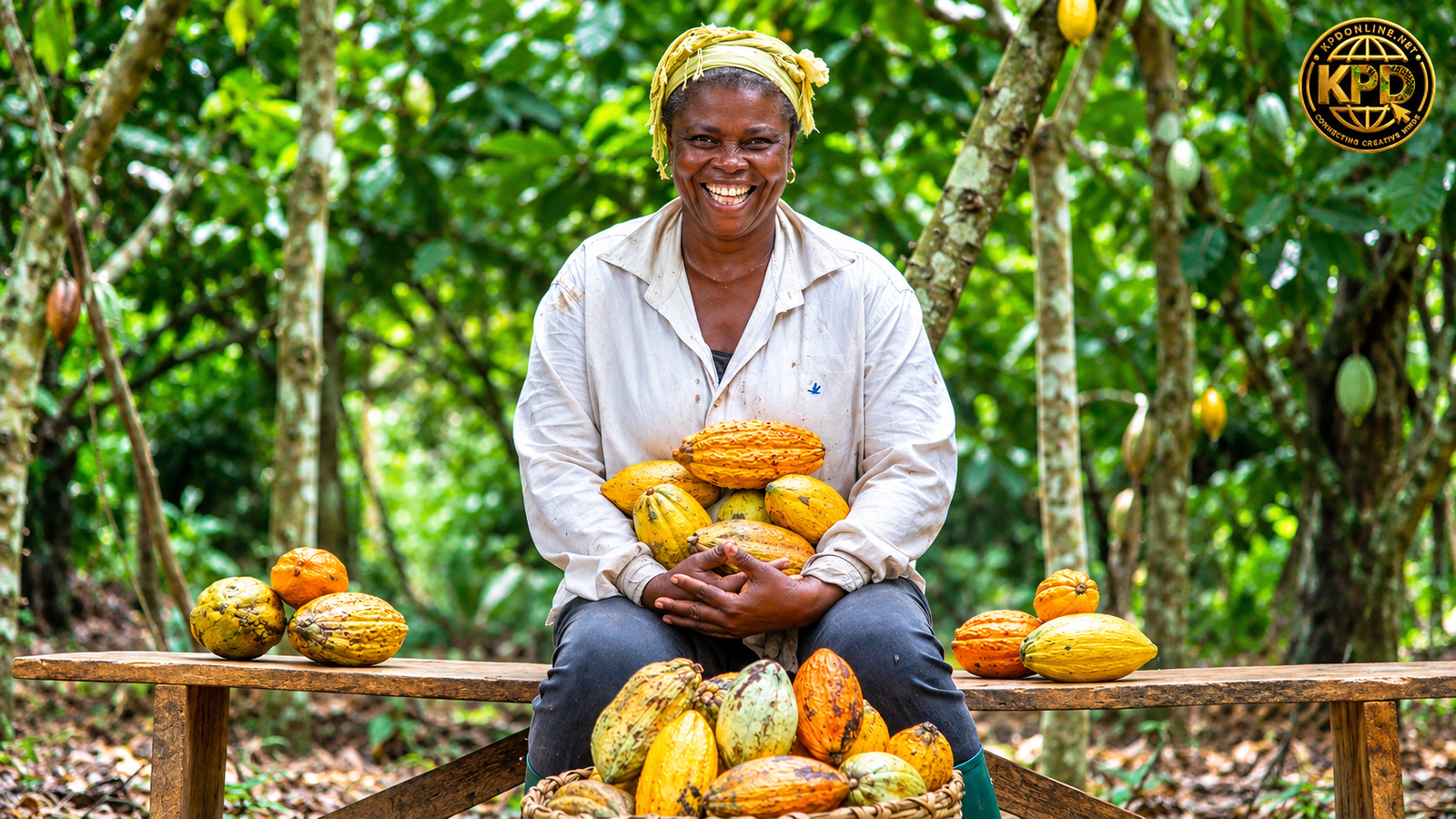
ACCRA, Ghana — The Ghana Cocoa Board (COCOBOD) has raised GH¢3.396 billion from domestic institutional investors through its inaugural commercial paper issuance, marking a significant step in its efforts to secure financing for cocoa purchases through Ghana’s local capital market.

Cocoa Farmers at the Centre of COCOBOD’s New Financing Plan
The fundraising was conducted through Cocoa Capital PLC, a wholly owned subsidiary established to mobilise funds for approved cocoa-sector financing and refinancing activities. Its inaugural commercial paper has been admitted to the Ghana Fixed Income Market (GFIM) of the Ghana Stock Exchange.
The transaction forms part of a broader GH¢16.3 billion Domestic Cocoa Notes Programme designed to diversify COCOBOD’s funding sources and strengthen the financial position of the cocoa sector.
According to details released at the listing ceremony on October 14, the first issuance attracted bids totalling approximately GH¢3.586 billion from 38 institutional investors. A total of 36 successful bids, amounting to GH¢3.396 billion, were accepted at a uniform clearing yield of 11 per cent.

COCOBOD Moves to Strengthen Cocoa Sector Financing
Funds to support cocoa purchases
The proceeds are expected to provide working capital for cocoa purchases during the 2026/27 crop season. The financing is intended to help ensure funds are available to purchase cocoa beans from farmers and support the movement of beans through the domestic supply chain.
The fundraising comes as COCOBOD seeks alternatives to its traditional dependence on external financing arrangements. Access to domestic investors is expected to give the institution another source of cedi-denominated funding for its seasonal operational needs.
However, the successful issuance alone does not establish whether all outstanding payment obligations to farmers and licensed buying companies have been settled. The impact will depend on how quickly the proceeds are deployed and how effectively the financing arrangements support purchases and payments.

Cocoa Capital PLC Makes Its Debut on Ghana’s Fixed Income Market
GH¢16.3bn financing programme
The wider Domestic Cocoa Notes Programme has a maximum target of GH¢16.3 billion. Of this amount, up to GH¢14 billion is earmarked for commercial paper to finance cocoa purchases, while a further GH¢2.3 billion is intended to be raised through bonds to refinance existing cocoa-sector debt.
Commercial paper provides short-term financing, while bonds are intended to address longer-term funding requirements. The two components are designed to support different financial needs within COCOBOD’s operations.
Cocoa Capital PLC serves as the dedicated financing vehicle for the programme, allowing COCOBOD to access the domestic debt market through a separate corporate structure.

GH¢3.4bn Fundraising Targets Cocoa Purchases for 2026/27 Season
How investors will be repaid
Repayment obligations are supported by receivables from selected executed cocoa forward-sales contracts assigned to Cocoa Capital PLC. Collections from these contracts are to be channelled through designated accounts and distributed according to an agreed payment structure.
COCOBOD has indicated that the arrangements are intended to improve cash-flow management and provide investors with greater visibility over repayment.
The commercial paper remains a senior unsecured obligation of Cocoa Capital PLC. The receivables and cash-management arrangements form part of the wider transaction structure and should not be interpreted as a blanket government guarantee.

Domestic Investment Could Help Sustain Ghana’s Cocoa Supply Chain
Implications for Ghana’s cocoa industry
The listing expands the range of fixed-income instruments available to investors on the Ghana Fixed Income Market and creates a route for domestic savings to support one of Ghana’s major export industries.
For COCOBOD, the longer-term objective is to diversify financing risks, reduce reliance on offshore borrowing and establish a more flexible funding model for seasonal cocoa purchases.
The programme’s performance will depend on continued investor participation, effective financial controls and the institution’s ability to meet its repayment obligations. Transparent reporting on how the proceeds are used will also be important in assessing whether the arrangement delivers the intended benefits.
While the first issuance has mobilised nearly GH¢3.4 billion, the wider programme is substantially larger. Further fundraising and effective management of the funds will therefore be central to determining its contribution to the cocoa sector.
The admission of Cocoa Capital PLC’s inaugural commercial paper to GFIM marks the beginning of the programme’s implementation, with its eventual success likely to be measured by the sustainability of the financing model and its practical impact on cocoa purchases, farmer payments and the sector’s financial stability.
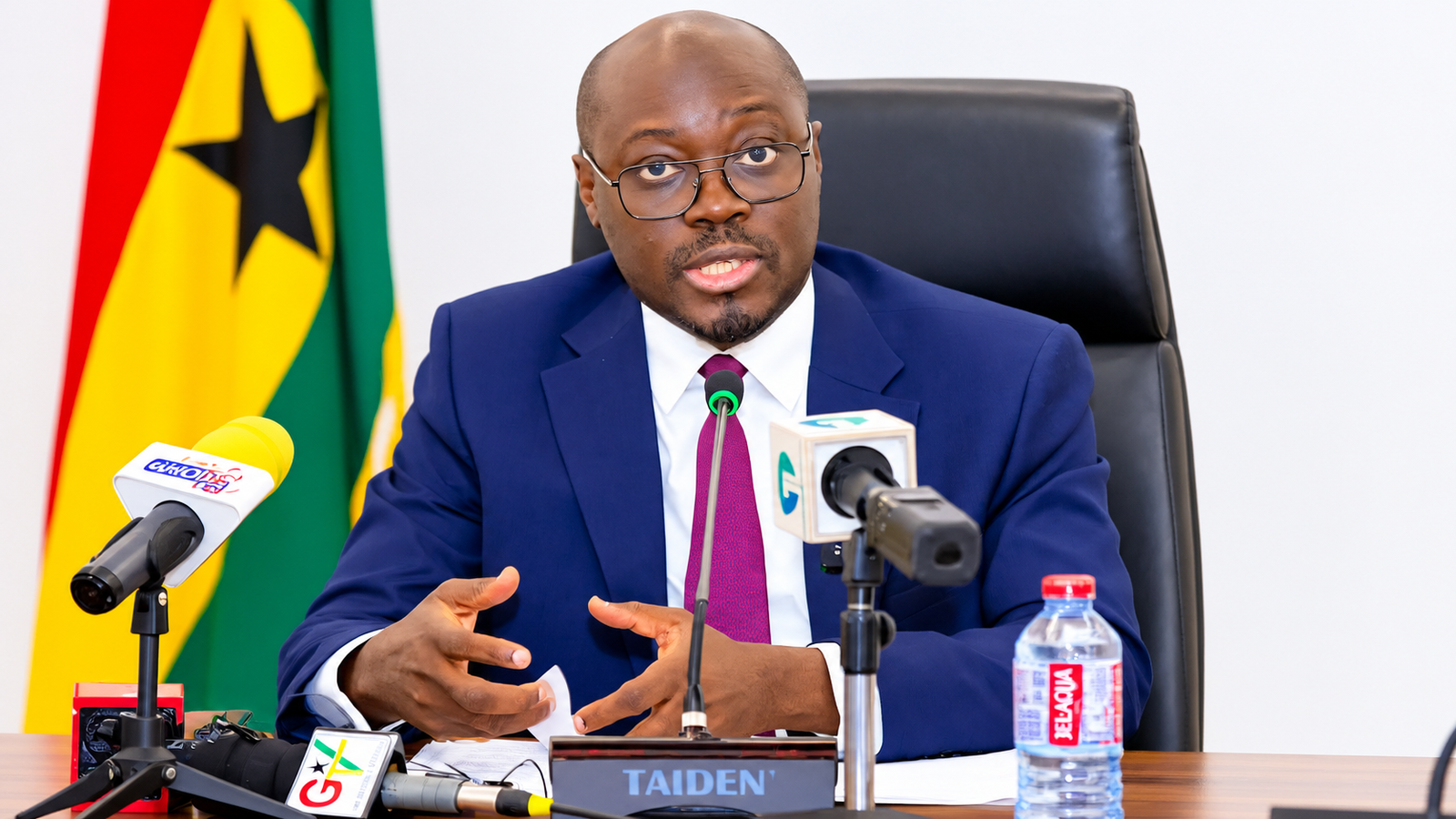
ACCRA, Ghana — Finance Minister Dr Cassiel Ato Forson has called on public officials to strengthen accountability in the management of state resources, insisting that public funds belong to the people of Ghana and not the officials entrusted with their administration.
Speaking at an engagement with regional ministers and metropolitan, municipal and district chief executives on the 2025 Auditor-General’s Report, Dr Forson urged public officeholders to account for every cedi placed in their care.
He stressed that public officials serve as custodians of national resources and have a responsibility to ensure that government funds are managed transparently, prudently and in the public interest.
According to the minister, effective public financial management must go beyond recovering money after irregularities have occurred. He called for stronger systems to prevent financial losses and ensure that public resources are used for their intended purposes.
Dr Forson also urged officials to pursue the recovery of all recoverable public funds and improve the processes through which government expenditure is monitored and accounted for.
The minister’s remarks place renewed emphasis on the responsibility of public institutions to protect taxpayers’ money and ensure that state resources deliver tangible benefits to citizens.
Public funds support essential services and infrastructure, including healthcare, education, sanitation, roads and local development projects. Weak financial controls, waste and the mismanagement of state resources can therefore affect the quality of services available to communities.
The engagement on the Auditor-General’s Report was aimed at strengthening financial accountability and encouraging public officials to address audit findings and improve compliance with public financial management requirements.
Dr Forson’s message was clear: accountability should be a routine responsibility of public administration rather than an exercise undertaken only when financial irregularities are identified.
The call also highlights the importance of ensuring that public expenditure translates into measurable improvements in the lives of Ghanaians.
Ultimately, the effectiveness of such commitments will depend on how consistently public institutions enforce financial controls, address audit findings, recover funds where necessary and prevent similar irregularities from recurring.
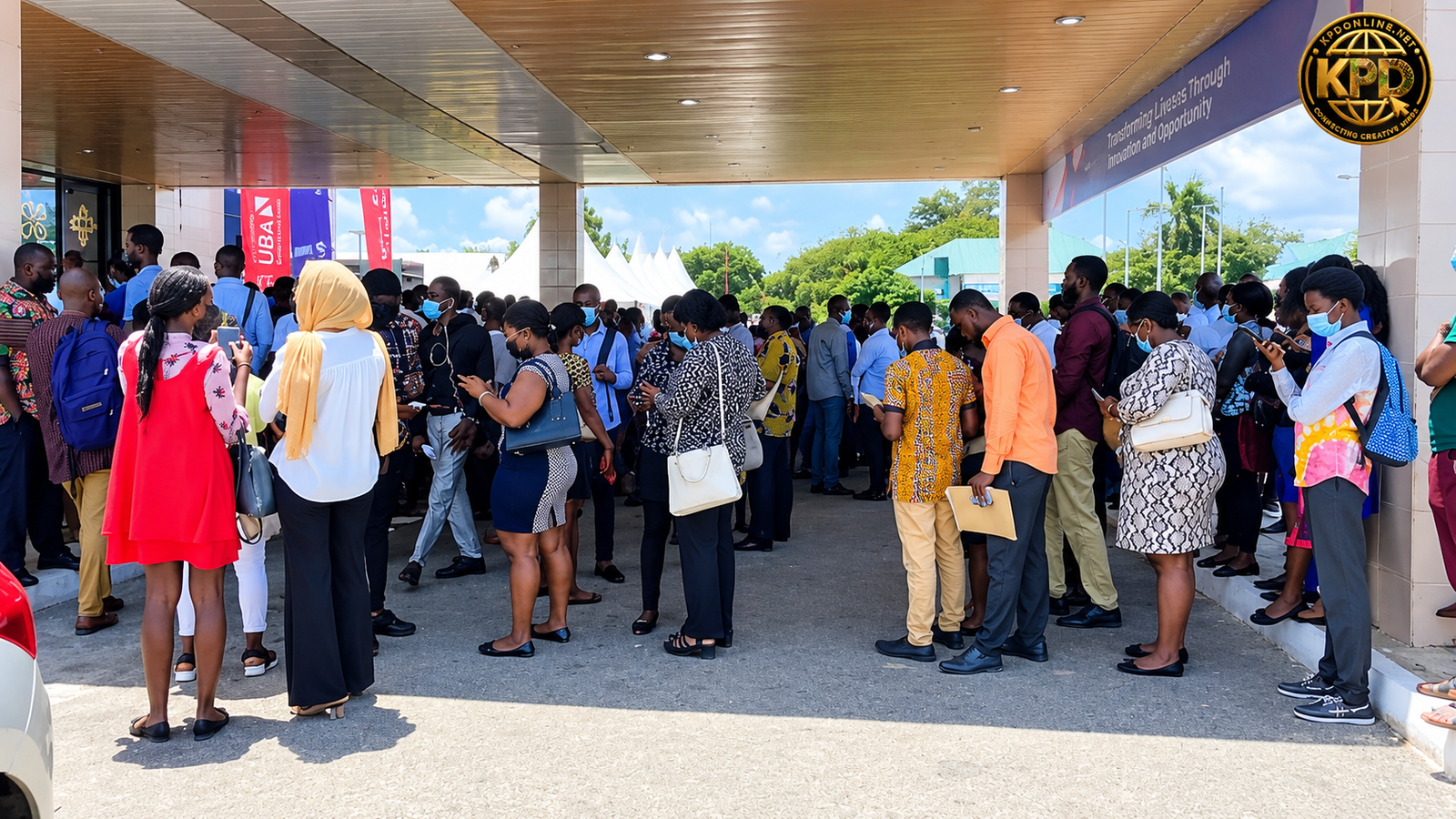
Ghana recorded a significant increase in advertised job vacancies in July 2026, with the number of job adverts rising by 32.4% year-on-year, according to figures cited in the September 2026 Monetary Policy Report.
The report recorded 3,578 job adverts in selected print and online media in July, compared with 2,703 during the same month in 2025. The figures offer an indication of labour demand across the economy, although they do not represent the total number of jobs created or people employed.
Despite the annual increase, advertised vacancies declined slightly on a month-on-month basis. The July figure was 1.4% lower than the 3,629 vacancies recorded in June 2026.
Cumulative job adverts increase by 8.2%
For the first seven months of 2026, the total number of advertised vacancies reached 23,052, representing an 8.2% increase over the 21,307 recorded during the corresponding period in 2025.
The cumulative figures suggest that advertised recruitment opportunities increased over the period, even as the monthly data showed a modest decline between June and July.
However, job advertisements are only one indicator of labour-market activity. They do not necessarily translate into completed recruitment, and the figures cover vacancies advertised in selected media rather than every recruitment channel in Ghana.
Private-sector contributors also increase
The report also indicated an improvement in private-sector employment conditions, as measured by contributors to the Social Security and National Insurance Trust (SSNIT).
The number of private-sector SSNIT contributors rose by 6.1% year-on-year to 1,178,451 in July 2026, up from 1,110,976 in July 2025.
On a monthly basis, the figure remained largely stable, compared with 1,176,723 contributors in June.
What the figures mean
The increase in job advertisements and private-sector pension contributors provides two indicators of activity in Ghana’s labour market. However, neither figure alone establishes the extent of unemployment, the quality of available jobs, or whether employment opportunities are keeping pace with the number of people seeking work.
Further information on actual recruitment, wages, job security and unemployment would be needed to assess the broader impact on workers and job seekers.
The figures were reported by Joy Business, citing the September 2026 Monetary Policy Report.
Important data clarification: The 3,578 figure refers to job adverts in July 2026, not the total for all seven months. The cumulative total for January–July was 23,052, up 8.2% year-on-year.
ACCRA, Ghana — October 14, 2026
Ghana’s economic activity recorded mixed results during the first seven months of 2026, with improvements in tax collections and vehicle registrations contrasting with weaker retail sales in July and a significant decline in cement sales, according to the Bank of Ghana’s September 2026 Monetary Policy Report.
The figures highlight differences in performance across key sectors, suggesting that gains in some areas of the economy have not translated into equally strong activity across the board.
Consumer Spending Shows Mixed Trends
Domestic Value Added Tax (VAT) collections rose by 11.5 per cent year-on-year to GH¢2.142 billion in July 2026, compared with GH¢1.922 billion in July 2025.
For the first seven months of the year, cumulative domestic VAT collections increased by 13.8 per cent to GH¢13.617 billion, up from GH¢11.965 billion over the corresponding period last year.
Retail sales, however, moved in the opposite direction in July. They fell by 1.5 per cent year-on-year to GH¢236.41 million, compared with GH¢239.89 million a year earlier.
Despite the July decline, cumulative retail sales for January to July rose by 2.2 per cent compared with the same period in 2025.
The figures suggest that consumer-related indicators remain uneven, with tax collections increasing even as retail sales weakened during the month under review.
Manufacturing Indicators Improve
Manufacturing-related indicators recorded growth during the period, supported by higher direct tax collections and increased pension contributions from private-sector workers.
Direct tax collections rose by 53.5 per cent year-on-year to GH¢8.085 billion in July 2026, compared with GH¢5.265 billion in July 2025.
Cumulatively, direct tax collections for the first seven months increased by 27.7 per cent to GH¢60.771 billion, from GH¢47.592 billion in the corresponding period of 2025.
Private-sector workers’ contributions to the Social Security and National Insurance Trust (SSNIT) Tier-1 pension scheme also increased by 11.2 per cent in July to GH¢570.59 million, up from GH¢513.34 million a year earlier.
For January to July, contributions rose by 10.7 per cent to GH¢3.856 billion, compared with GH¢3.482 billion in the same period last year.
These indicators point to improvements in selected measures associated with formal-sector economic activity. However, they do not, on their own, establish the overall performance of manufacturing output.
Cement Sales Decline by 10.3%
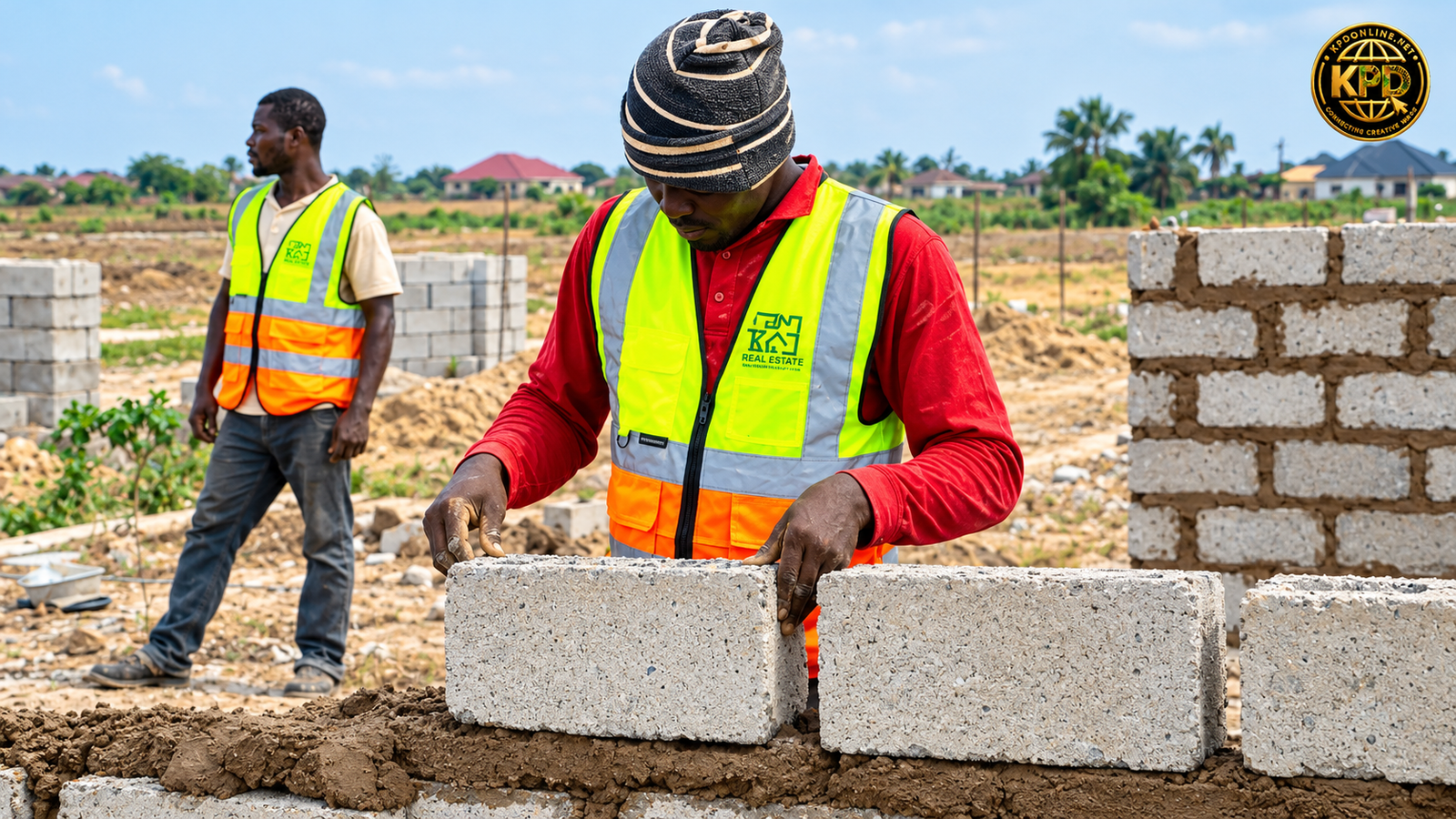
The construction sector recorded one of the clearest signs of weakness, as cement sales fell substantially during the first seven months of 2026.
Cement sales declined by 4.9 per cent year-on-year in July to approximately 202,218 tonnes, down from 212,735 tonnes in July 2025.
Sales also slipped by 0.6 per cent compared with June 2026, when approximately 203,435 tonnes were recorded.
For the January-to-July period, total cement sales fell by 10.3 per cent to approximately 1.475 million tonnes, compared with 1.644 million tonnes in the same period of 2025.
The Bank of Ghana attributed the year-on-year decline to a moderation in construction activity during the review period.
The reduction is significant because cement sales provide an indication of activity in construction, a sector linked to housing, infrastructure development, building-material suppliers and employment.
However, the figures alone do not establish whether the decline resulted from reduced public infrastructure spending, weaker private property development, changes in inventories or other market conditions.
Vehicle Registrations Record Strong Growth
In contrast to the construction sector, vehicle registrations increased considerably.
New vehicle registrations recorded by the Driver and Vehicle Licensing Authority (DVLA) rose by 51.7 per cent year-on-year to 31,909 in July 2026, compared with 21,038 in July 2025.
Cumulatively, registrations during the first seven months increased by 52.7 per cent to 228,261, up from 149,440 in the corresponding period last year.
The increase points to stronger activity in vehicle registration, although registration figures alone do not necessarily reflect an equivalent rise in vehicle sales or overall transport-sector output.
What the Figures Mean for Ghana’s Economy
The latest indicators present a varied picture of Ghana’s economy. Higher tax collections, increased private-sector pension contributions and stronger vehicle registrations contrast with weaker retail sales in July and declining cement sales over the first seven months.
For businesses, the trends underline the importance of monitoring conditions across individual sectors rather than relying on a single indicator to assess economic performance.
Construction companies, building-material suppliers and property developers may need to pay close attention to demand conditions, while manufacturers and service providers will be watching whether improvements in selected indicators continue.
The overall picture is one of uneven performance. Whether the stronger indicators translate into broader and more sustained economic activity will depend on developments in the months ahead.
Source: Bank of Ghana.

South Korea Pledges US$4.5 Million to Preserve Ghana’s Forts and Castles

Kojo Antwi Presents Signed Memoir to US Embassy

Defender Eugene Appiah ready to represent Ghana at the international level

IRAWMA 2025: Shatta Wale Wins 3 Major Awards Including Best Music Video

AirtelTigo losing GH₵20m monthly; total debts exceed $200million – Sam George

Samini Secures Promotional Deal with Audiomack for Upcoming Album “THE ORIGIN8A”


-

 General News1 week ago
World Cup Visa Storm: Kojo’s GTA Questions Resurface as Minority Demands Action
-

 General News2 weeks ago
SSNIT Unveils Big Plans to Transform Labadi, La Palm Beachfront into Tourism Hub
-

 General News1 week ago
Political communicators must prepare before speaking on teachers’ strike – Seth Afum Dankwah
-
 Education2 weeks ago
Should Schools Teach Students How to Handle Failure?
-

 General News2 weeks ago
Police Investigate Death of Three Children at Kobilmahigu; IGP Deploys Special Team
-

 General News1 week ago
US Defense Department Cuts Ties With Anthropic Over AI Restrictions
-

 Politics1 week ago
George Krobea Asante Alleges Deliberate Delay in Voting Process
-

 General News2 weeks ago
Socrate Safo questions La Pleasure Beach demolition, warns of threat to judicial due process