
Uncategorized
US lawmaker urges IMF to direct next Ghana disbursement towards settling debts owed to American firms

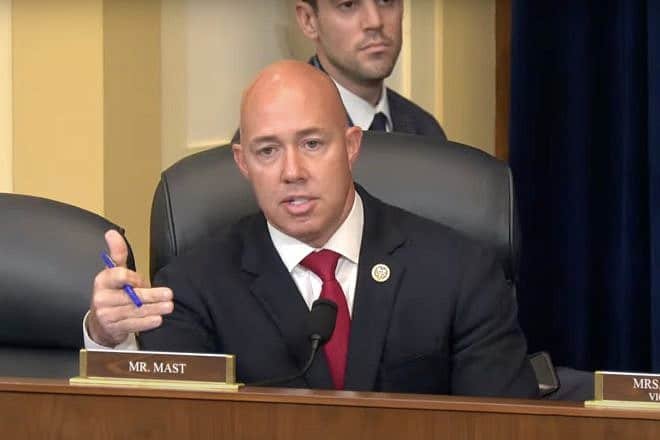
The Chairman of the United States House Foreign Affairs Committee, Brian Mast, has called for a portion of Ghana’s next International Monetary Fund (IMF) disbursement to be directly allocated to settling outstanding debts owed to Independent Power Producers (IPPs), including facilities partly owned by U.S. pension funds and taxpayers.
In a letter addressed to U.S. Treasury Secretary Scott Bessent, Chairman Mast expressed concern over what he described as Ghana’s continued failure to honour financial commitments under its ongoing IMF-supported programme.
“I now recommend that the United States Executive Director to the IMF, once appointed and confirmed, formally request that a specific portion of the next IMF disbursement to Ghana be explicitly directed towards settling outstanding payments owed to the IPPs,” he stated.
The recommendation follows growing disquiet over Ghana’s ballooning arrears to Independent Power Producers, including power generation facilities owned by US pension funds and US taxpayers, a situation many fear threatens the stability of the power sector and investor confidence.
According to Chairman Mast, although recent payments made by the Electricity Company of Ghana (ECG) to American-affiliated IPPs — Twin City Energy and Early Power Ltd. — marked some progress, they fell short of expectations. Each company reportedly received about $5.5 million, below the anticipated $7.5 million. These payments, made in Ghana Cedis, were nonetheless seen as a slight improvement from previous disbursement patterns.
The letter also referenced a recent economic briefing by former President John Mahama’s advisory team, which outlined key priorities for economic recovery.
These include rebuilding reserves, ring-fencing certain funds, and refinancing government obligations. However, Mast expressed scepticism about the government’s actual commitment to tackling the IPP debt burden.
“President Mahama does not appear to be listening to his advisors as proposed solutions – like ring-fencing – remain mere talking points,” Mast stated, adding that the government’s push to rebuild reserves might conflict with the urgent need to clear power sector arrears.
He further warned that continued failure to prioritise these obligations could discourage American investors and deepen the operational crisis faced by IPPs.
“I believe such a measure is essential to keeping American investors interested in Ghana, addressing the ongoing financial strain on IPPs and ensuring the stability of Ghana’s power sector,” he stressed.
The IMF’s next programme review mission to Ghana is expected in April, ahead of potential Board action in June. Chairman Mast’s intervention echoes calls made during the 118th U.S. Congress to condition previous IMF support on the resolution of IPP arrears.
Read the full letter below:
Dear Secretary Bessent,
This letter provides an update on concerning recent developments regarding payments owed to Independent Power Producers (IPPs) in Ghana and the Government of Ghana’s failure to uphold its commitments to IPPs under the terms of its most recent International Monetary Fund (IMF) program. Among these IPPs are two power generation facilities owned by U.S. pension funds and the U.S. taxpayer.
An American investor recently noted that the Electricity Company of Ghana (ECG) processed two payments each to Twin City (TCE) and Early Power Ltd. (EPL) in Ghana Cedis. While these payments, estimated at approximately $5.5 million each, are a significant improvement compared to previous periods they remain below the anticipated $7.5 million due to each entity.
On Wednesday January 29th, President John Mahama’s advisory team outlined his current administration’s economic priorities to investors. These include rebuilding the nation’s creditworthiness, building up reserves, potentially ring-fencing certain funds, and refinancing facilities to improve the government’s repayment profile. They expressed a strong focus on the power sector and highlighted efforts to rebuild the cash waterfall mechanism, taking credit for its original design. While they mentioned actively working to smooth out repayments and possibly moving certain debts to external facilities for greater confidence, they did not specifically commit to applying this approach to the power sector debt.
President Mahama does not appear to be listening to his advisors as proposed solutions – like ring-fencing – remain mere talking points. Additionally, the acknowledged scarcity of government funds suggests that the focus on rebuilding reserves might impede the simultaneous clearing of existing arrears owed to IPPs.
The IMF program, which was designed to stabilize Ghana’s economy and restore fiscal discipline, included explicit commitments to honoring financial obligations to these providers. I understand that the next IMF field report will be completed in April, following an expected in-country mission during the coming days and in preparation for potential IMF Board action in June.
Given this context and recalling House Foreign Affairs GOP engagement from the 118th Congress, which advocated for conditioning the December 2023 IMF tranche on the resolution of IPP arrears, I now recommend that the United States Executive Director to the IMF, once appointed and confirmed, formally request that a specific portion of the next IMF disbursement to Ghana be explicitly directed towards settling outstanding payments owed to the IPPs.
I believe such a measure is essential to keeping American investors interested in Ghana, addressing the ongoing financial strain on IPPs and ensuring the stability of Ghana’s power sector.
Source: Graphic online


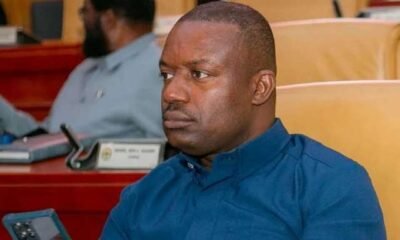











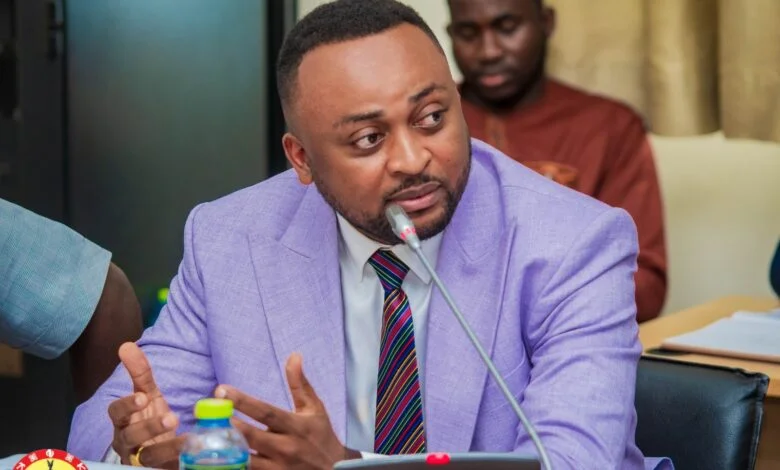
Old Tafo Member of Parliament and Ranking Member of Parliament’s Youth and Sports Committee, Vincent Ekow Assafuah, has disclosed that several directors of the Ghana Tourism Authority (GTA) petitioned the Authority’s Chief Executive Officer over aspects of Ghana’s preparations for the 2026 FIFA World Cup.
Speaking on Asempa FM, Mr Assafuah said the petition was related to the FIFA World Cup Destination Marketing Initiative and Activation Programme, particularly the collaboration between the GTA, TRIBE Culture Fest, the United States Embassy and the National Sports Authority (NSA).
According to the MP, the directors were concerned about how the programme was being handled and wanted the GTA leadership to provide clarity on certain decisions and allocations.
He said the directors believed they had been left out of parts of the process despite their positions within the Authority.
Mr Assafuah said the petition also sought information about certain slots reportedly allocated under the World Cup activation programme, including a reported allocation of 400 United States visas.
He explained that the directors wanted to know how the reported allocation was arrived at, who was responsible for the process and how the beneficiaries were selected.
Among the directors he identified as signatories to the petition were Angelo Yossi Dogbe, Director for the Northern Region; Spencer Doku Piedi, Director of ITBS at the GTA headquarters; Isaac Esiam, Director for Tema; Henry Yeludo, Director for the Western Region; and Moses Ndebugiri, also identified as a Western Region director.
Mr Assafuah said the petition was directed to the GTA leadership and sought answers concerning the Authority’s involvement in the World Cup Destination Marketing Initiative and Activation Programme.
He said the directors specifically wanted details about the collaboration with TRIBE, the US Embassy and the National Sports Authority, as well as the process through which various opportunities under the programme were allocated.
The Old Tafo MP said the concerns raised by the directors were significant because they suggested that there were internal questions within the GTA about the management of the World Cup-related programme.
He stressed the need for the relevant directors and officials to provide explanations so that the public could understand how the arrangements were made.
Mr Assafuah said the issue formed part of broader questions surrounding Ghana’s preparations for the 2026 FIFA World Cup and the role of state institutions in the related tourism and sports activation programmes.
He indicated that the Minority in Parliament would continue to examine the available documents and pursue accountability on matters concerning the World Cup arrangements.
The MP’s disclosure places further attention on the reported 400 US visa allocation and the internal petition by GTA directors, with questions remaining over the exact number of visas involved, the criteria for selecting beneficiaries and the respective responsibilities of the institutions participating in the programme.
The claims regarding the petition and visa allocation require confirmation from the Ghana Tourism Authority, National Sports Authority, Ministry of Sports and Recreation and other institutions involved.
The Electricity Company of Ghana (ECG) has announced planned maintenance works that will result in temporary power outages in parts of the Tema Region on Sunday, August 30, 2026.
According to ECG, the exercise is aimed at improving service delivery and ensuring a more reliable electricity supply.
First Maintenance Exercise
The first outage is scheduled for 10:00 a.m. to 4:00 p.m. on Sunday, August 30.
The affected areas include:
PFC Coldstore
ECG Depot
Wang Heng Cement
Goil Bitumen
Ghacem
Oyoko
Tema Newtown
Unilever
Ken Coldstore
Jon Moore
Tema Kokompe
Mankoadze Foundry
Socatrade
BBC Paints
Irani Brothers
Asempa Coldstore and Surrounding areas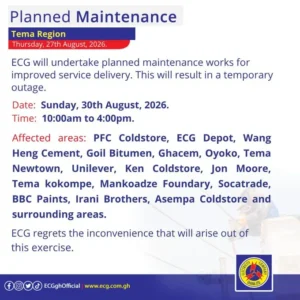
Second Maintenance Exercise
A separate maintenance exercise will take place from 9:00 a.m. to 4:00 p.m. on the same day.
Areas expected to be affected are:
Verna Oil
Nutri Foods
Platinum Gas
Surrounding areas
ECG said the planned interruptions are necessary to facilitate maintenance works and improve electricity service delivery within the Tema Region.
The company has apologised to customers and businesses in the affected areas for the inconvenience the temporary outages may cause.

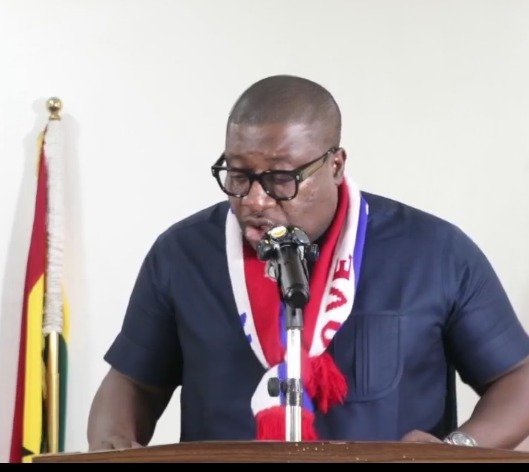
The New Patriotic Party (NPP) has accused the Ghana Gold Board (GoldBod) of contributing to the worsening illegal mining, popularly known as galamsey, crisis, alleging that the gold purchasing system has failed to adequately distinguish legally produced gold from gold extracted through illegal mining.
The NPP National Organiser made the allegation during a press engagement on Tuesday, August 25, 2026, arguing that GoldBod’s expanded role in the gold trade has created serious concerns about the source of gold entering the formal trading system.
He claimed that GoldBod currently has extensive powers as a major player in gold purchasing, selling and exporting, yet the country continues to face severe environmental destruction associated with illegal mining.
According to him, GoldBod cannot adequately demonstrate the difference between gold obtained from licensed sources and gold produced by illegal miners who destroy forests, farmlands and water bodies.
He cited comments attributed to GoldBod’s leadership suggesting that some licensed buyers could be involved in activities associated with illegal mining.
The NPP organiser said questions raised by industry stakeholders, including voices from the Chamber of Mines and members of the NPP Parliamentary Minority, had not received satisfactory answers.
He asked why, if GoldBod is not purchasing gold linked to illegal mining, the illegal gold trade remains so widespread.
He also criticised the government for highlighting Ghana’s position as the sixth-largest gold producer globally without adequately addressing the environmental cost of the country’s gold production.
He claimed that more than 60 per cent of Ghana’s water bodies have been polluted by illegal mining and warned that some rivers have become so heavily contaminated that water treatment plants have had to suspend operations.
He further cited projections that the cost of treating polluted water bodies could exceed GH¢17 billion by 2030.
The NPP official also linked galamsey to deaths and public health concerns, saying the country is paying a heavy price through contaminated food, polluted water and environmental degradation.
He accused the governing NDC of abandoning its previous opposition-era posture on illegal mining and said the galamsey situation had become worse under the current administration.
According to him, Ghana cannot celebrate increased gold production while ignoring the destruction of the natural resources that support communities and the national economy.
He therefore called for stronger accountability and greater traceability throughout the gold supply chain to ensure that illegally mined gold does not enter the formal market.
Uncategorized
Afenyo-Markin: GoldBod’s Response Confirms GH¢22bn Loss, Minority Insists on Accountability

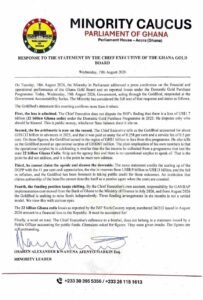
The Minority Caucus in Parliament has rejected the response by the Chief Executive Officer of the Ghana Gold Board (GoldBod), Sammy Gyamfi, to concerns over the institution’s financial and operational performance, insisting that the reported GH¢22 billion loss under the Domestic Gold Purchase Programme (DGPP) must be accounted for.
The Minority Leader, Alexander Kwamena Afenyo-Markin, made the position known in a statement issued on Wednesday, August 19, 2026, a day after the Minority held a press conference on GoldBod’s financial performance and reported losses under the DGPP.
The statement, titled “Response to the Statement by the Chief Executive of the Ghana Gold Board,” said the Minority had considered Mr Gyamfi’s response delivered through the Government Accountability Series and concluded that it raised rather than resolved questions about the programme.
According to Mr Afenyo-Markin, the GoldBod CEO did not dispute the International Monetary Fund’s reported finding that the Domestic Gold Purchase Programme recorded a loss of US$1.7 billion, equivalent to about GH¢22 billion, in 2025.
The Minority Leader argued that Mr Gyamfi’s disagreement centred on who should bear responsibility for the loss, rather than whether the financial loss occurred.
“The GoldBod’s statement this morning confirms more than it rebuts,” the statement said.
Mr Afenyo-Markin stressed that the money involved was public funds and therefore must be accounted for, regardless of which state institution’s balance sheet ultimately bears the loss.
The Minority also challenged GoldBod’s reported operational surplus, pointing to figures provided by Mr Gyamfi regarding the institution’s activities under the programme.
According to the statement, GoldBod accounted for approximately GH¢133 billion in advances in 2025 and was paid an assay fee of 0.258 per cent as well as a service fee of 0.5 per cent.
Based on those figures, the Minority estimated that GoldBod earned approximately GH¢1 billion in fees from the programme.
Mr Afenyo-Markin contrasted this with GoldBod’s reported operational surplus of GH¢907 million, arguing that the surplus was smaller than the fees collected from a programme that, according to the IMF finding cited by the Minority, resulted in a GH¢22 billion loss to the state.
He argued that once the agency fees are removed from the calculation, there would be little or no operational surplus to celebrate.
“Strip out the agency fees, and there is no operational surplus to speak of,” the Minority statement said.
The Minority further accused GoldBod of taking credit for positive economic developments associated with the Domestic Gold Purchase Programme while distancing itself from the programme’s reported losses.
Mr Afenyo-Markin pointed to the reported 41 per cent appreciation of the Ghana cedi against the US dollar, the increase in Ghana’s foreign exchange reserves from US$8.9 billion to US$13 billion, and the decline in inflation.
He said GoldBod had been at the forefront of taking public credit for those outcomes.
However, the Minority Leader argued that an institution that describes itself as a passive agent when costs are considered should not portray itself as an active driver when benefits are being attributed to the programme.
“The same statement credits the scaling up of the DGPP with the 41 per cent cedi appreciation, the rise in reserves from US$8.9 billion to US$13 billion, and the fall in inflation,” the statement noted.
Mr Afenyo-Markin also raised concerns about what he described as changing arrangements for funding the Ghana Accelerated National Reserve Accumulation Plan (GANRAP).
According to the Minority statement, Mr Gyamfi’s own account indicated that responsibility for the cost of implementing GANRAP moved from the Bank of Ghana to the Ministry of Finance in July 2026.
The statement further said that, from August 2026, GoldBod was seeking to raise funds independently.
The Minority Leader questioned the sustainability of what he described as three different funding arrangements within six months, arguing that such changes did not amount to a settled funding model.
The Minority reiterated that the reported GH¢22 billion loss identified in the IMF’s Sixth Country Report must be accounted for.
The statement referred to the IMF report as Sixth Country Report No. 26/213, issued in August 2026, and described the reported amount as a financial loss to the Republic.
“The 22 billion Ghana cedis losses, as reported by the IMF Sixth Country report, numbered 26/213, issued in August 2026, amount to a financial loss to the Republic. It must be accounted for!” the statement said.
The Minority’s position is consistent with its broader demand for GoldBod to account for the full financial implications of its gold-purchasing operations. Reports on the dispute indicate that Afenyo-Markin has questioned why GoldBod should claim credit for foreign-exchange gains associated with the programme while distancing itself from losses linked to the same transactions.
The Minority Leader also criticised the tone of Mr Gyamfi’s response, particularly his reported reference to a “brothel” while addressing the controversy.
Mr Afenyo-Markin said such language was inappropriate for a public official responding to questions concerning public funds.
He argued that Ghanaians had asked for financial figures and explanations and should not be met with insults or personal attacks.
“Ghanaians asked for figures. They were given insults. The figures are still outstanding,” the Minority said in its statement.
The latest exchange deepens the public dispute between the Minority in Parliament and GoldBod CEO Sammy Gyamfi over whether the US$1.7 billion loss reported in connection with the Domestic Gold Purchase Programme should be attributed to GoldBod, the Bank of Ghana, or another part of the state’s financial architecture.
Mr Gyamfi has maintained that the reported loss should not be attributed to GoldBod and has challenged the Minority to identify where the IMF report specifically accuses GoldBod of incurring the loss. He has also said he is prepared to appear before Parliament to answer questions on the matter.

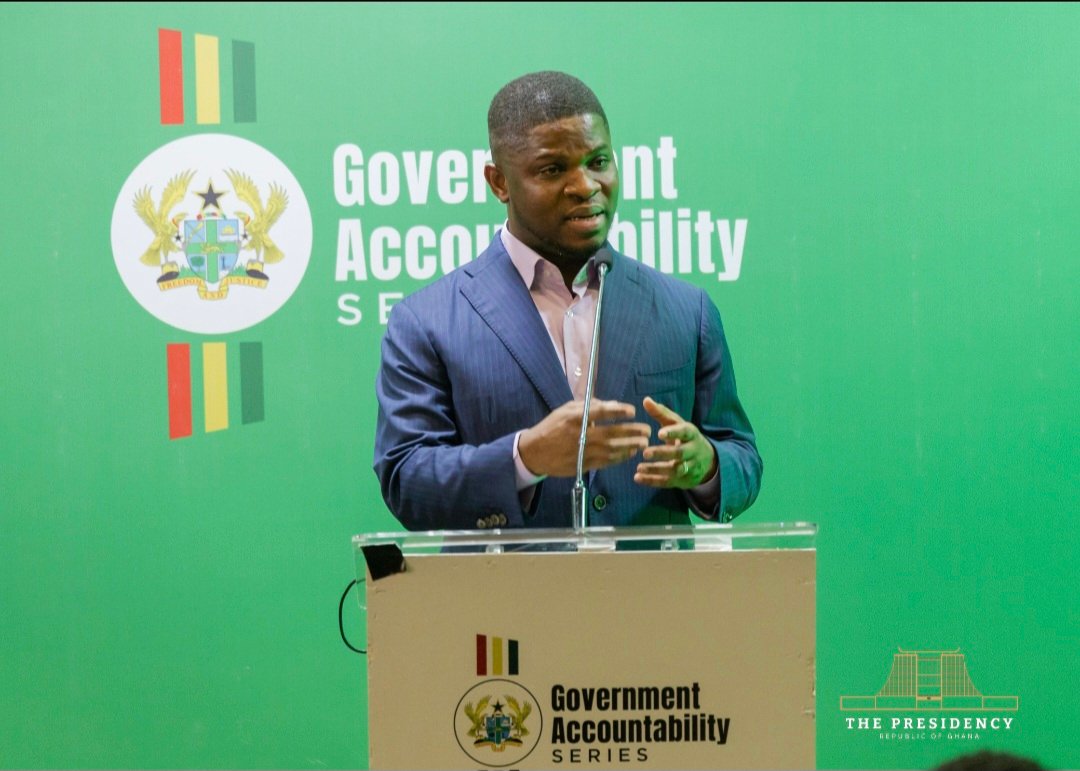
Chief Executive Officer of the Ghana Gold Board (GoldBod), Sammy Gyamfi, has dismissed what he describes as continuing attacks by Minority Leader Alexander Afenyo-Markin, saying they will not distract the institution from its mandate.
Mr Gyamfi characterised the allegations against GoldBod as part of a “desperate smear campaign” driven by what he described as political blackmail and the deliberate recycling of claims without sufficient evidence.
Speaking at Government Accountability Series, he said the Ghanaian public deserved serious discourse based on facts, evidence and truth rather than repeated allegations intended to create a false impression.
“The Ghanaian people deserve serious public discourse founded on facts, evidence, truth, and not endless recycling of fossils in the hope that repetition will lend credibility and turn fiction to facts,” he said.
Mr Gyamfi further accused his critics of using what he described as “sophistry and political blackmail” in pursuit of selfish interests.
He maintained that GoldBod would continue to account transparently for its activities and stewardship, insisting that the institution would remain focused on creating value for Ghanaians from the country’s gold resources.
“GoldBod will remain focused on its mandate. We will continue to account transparently for our stewardship, and we will not be distracted from the important work of creating value for the Ghanaian people from the exploitation of the gold resources of our beloved nation,” he stated.
His comments come amid an ongoing political and public debate over the management of Ghana’s gold resources and allegations surrounding the operations and financial performance of the GoldBod and the Bank of Ghana’s Domestic Gold Purchase Programme.

South Korea Pledges US$4.5 Million to Preserve Ghana’s Forts and Castles

Kojo Antwi Presents Signed Memoir to US Embassy

Defender Eugene Appiah ready to represent Ghana at the international level

IRAWMA 2025: Shatta Wale Wins 3 Major Awards Including Best Music Video

AirtelTigo losing GH₵20m monthly; total debts exceed $200million – Sam George

Samini Secures Promotional Deal with Audiomack for Upcoming Album “THE ORIGIN8A”


-
 Politics2 weeks ago
Asiedu Nketiah to Chair Launch of Six NDC Historiographies on Ghana’s Political Journey
-

 General News1 week ago
World Cup Visa Storm: Kojo’s GTA Questions Resurface as Minority Demands Action
-
 General News2 weeks ago
SSNIT Unveils Big Plans to Transform Labadi, La Palm Beachfront into Tourism Hub
-
 Sports2 weeks ago
“I Leave With Respect, Gratitude and Pride” – Carlos Queiroz Bids Farewell to Ghana
-

 General News2 weeks ago
Putin Warns Russia Could Use Full Arsenal if Kaliningrad Is Attacked
-

 Entertainment2 weeks ago
Rick Ross Arrested in Miami Beach on Domestic Violence-Related Charges
-

 Sports2 weeks ago
Real Madrid Send Major Dossier to UEFA Over Barcelona Payments Case
-
 General News1 week ago
Political communicators must prepare before speaking on teachers’ strike – Seth Afum Dankwah