
Business
Sam George: 3.1 Million Ghanaians in Crypto Market to Come Under Regulatory Framework

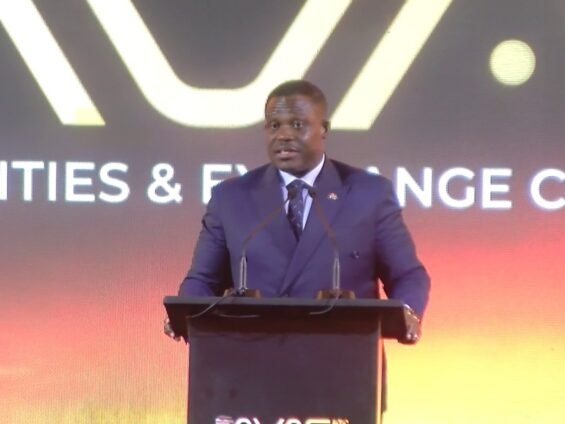
Ghana is preparing to strengthen oversight of the virtual asset sector, with more than 3.1 million citizens reportedly using digital assets expected to come under a formal regulatory framework.
Communications Minister Samuel Nartey George says the growing number of Ghanaians participating in virtual asset activities makes regulation necessary to protect consumers, improve transparency and address potential financial risks.

Communications Minister Sam George speaks about regulating Ghana’s growing virtual asset sector.
The development highlights the increasing popularity of digital financial activities, including cryptocurrency trading and other virtual asset transactions, among individuals and businesses in the country.
At the summit, Mr George pointed to Ghana’s position as the 29th-ranked country globally in cryptocurrency adoption, according to figures contained in the memorandum accompanying the Virtual Asset Service Providers Act, 2025 (Act 1154).

Cryptocurrency adoption continues to expand as Ghana strengthens oversight of digital assets.
The legislation, passed by Parliament in December 2025, establishes a legal framework for licensing and supervising companies that provide virtual asset services. It also introduces measures covering anti-money laundering and consumer protection.
The minister stressed that the government’s objective was not to ban cryptocurrency or discourage digital financial innovation, but to ensure that activities in the sector operate within the law.
He said the scale of adoption made it important for authorities to establish safeguards that would protect users while creating a more reliable environment for businesses operating in the digital asset industry.
Regulators to oversee growing digital asset market
The Bank of Ghana and the Securities and Exchange Commission are expected to play central roles in supervising the sector, including developing guidelines on cybersecurity, consumer protection, anti-money laundering requirements and prudential standards.
Mr George clarified that licensing virtual asset service providers does not fall under his ministry’s responsibility. Instead, that mandate rests with the Bank of Ghana and the SEC.

Regulators and industry stakeholders gather in Accra to discuss the future of virtual assets.
The Governor of the Bank of Ghana, Dr Johnson Asiama, also highlighted the potential of virtual assets to contribute to financial inclusion and help address challenges surrounding access to credit.
Meanwhile, SEC Deputy Director-General Mensah Thompson called on financial regulators to adopt innovative approaches as technological developments continue to reshape the virtual asset market.
Ghana’s challenge will be to balance the opportunities presented by digital finance with the need to protect consumers, prevent financial crime and maintain confidence in the country’s financial system.



















Ghana’s borrowing environment is showing further signs of easing following a decline in the Ghana Reference Rate (GRR) to 10.01%, a development that could offer additional relief to individuals and businesses seeking credit from commercial banks.

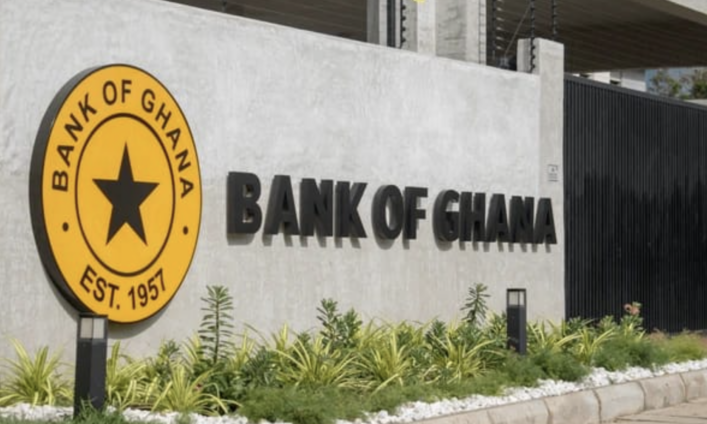
Bank of Ghana headquarters
The reduction signals continued improvement in benchmark lending conditions and raises expectations that commercial banks could gradually lower interest rates on selected loan facilities.

Customers at a commercial bank
The Ghana Reference Rate serves as an important benchmark for determining the interest rates charged by commercial banks on loans. It provides a common reference point for financial institutions when setting their lending rates.

Business owners and borrowing costs
A lower benchmark could benefit businesses seeking financing for expansion, working capital, equipment purchases and other investment activities. Households with loans linked to variable interest rates may also benefit if banks pass on the reduction.

Businesses anticipating cheaper credit
However, the decline does not automatically mean that every borrower will immediately enjoy cheaper credit. Banks consider additional factors, including customers’ creditworthiness, collateral, operating expenses and the cost of mobilising deposits, when determining their final lending rates.

Ghana’s government accepted approximately GH¢14.97 billion through Treasury bill auctions in October 2026, falling short of its overall borrowing target despite strong investor demand for short-term government securities.
Data from the October auction results indicate that investors submitted bids totalling approximately GH¢19.97 billion against a cumulative target of GH¢16.27 billion. However, the Treasury accepted only GH¢14.97 billion, leaving about GH¢5 billion in bids unaccepted.
The figures represent an oversubscription of approximately 22 per cent, suggesting that investor interest remained relatively strong throughout much of the month.
The government’s borrowing activities were conducted through three main Treasury bill instruments: the 91-day, 182-day and 364-day securities.
The 91-day Treasury bill attracted the largest share of investor interest, receiving bids worth approximately GH¢1.51 billion at the final October auction. The government accepted GH¢1.23 billion of those offers.
The 182-day instrument attracted GH¢423.74 million in bids, with GH¢395.74 million accepted, while the 364-day bill received GH¢613.83 million in bids, of which GH¢292.12 million was accepted.
Investor demand moderates towards month-end
Despite the strong cumulative demand recorded during October, investor appetite weakened at the final auction of the month.
Total bids declined by approximately 40 per cent week-on-week to GH¢2.55 billion, compared with the previous week’s figures.
Although bids exceeded the final auction target of GH¢2.45 billion by about four per cent, the Treasury accepted only GH¢1.92 billion, reflecting its selective approach to domestic borrowing.
Treasury bill yields continue to decline
Interest rates on all three Treasury bill maturities also recorded marginal declines during the final auction.
The 91-day bill yield dropped to 4.60 per cent, while the 182-day instrument declined to 6.26 per cent. The 364-day bill recorded a larger reduction, falling to 9.60 per cent.
The downward movement in yields suggests that the government was able to secure some domestic financing at lower interest rates, although future borrowing costs will depend on investor demand, market liquidity and broader economic conditions.
The October figures highlight the government’s continued reliance on the domestic debt market to meet its financing requirements, while its decision to reject a substantial portion of submitted bids reflects a cautious approach to managing borrowing costs.
Attention will now turn to subsequent Treasury bill auctions to determine whether investor demand and declining yields can be sustained.
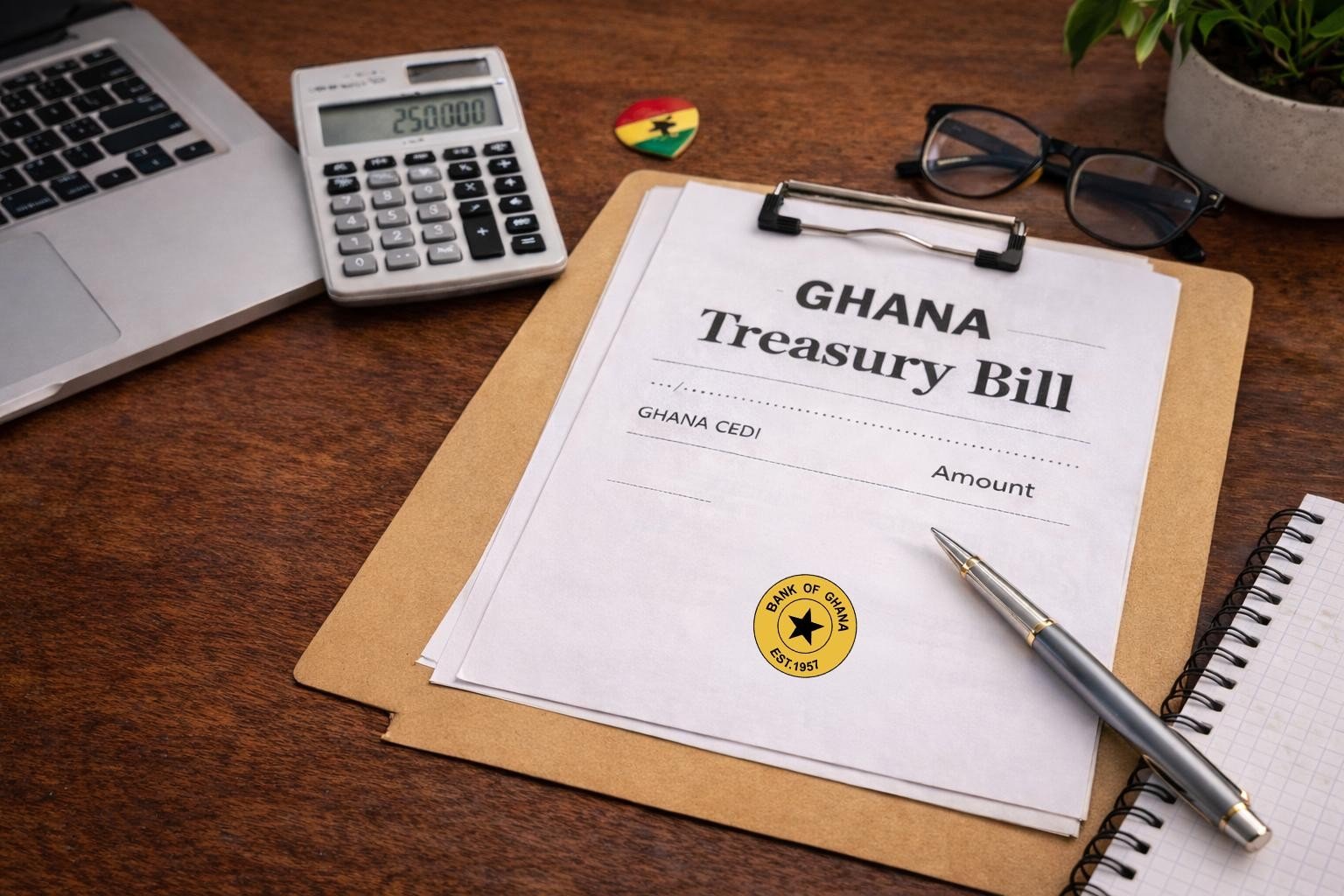
Ghana’s bond market has recorded a significant decline in trading activity, with turnover falling by 44 per cent to GH¢5.03 billion, reflecting a slowdown in transactions during the period under review.
The decline represents a considerable reduction in the volume of bonds traded compared with the previous reporting period, when market turnover stood at a substantially higher level.
Bond market turnover is an important indicator of activity within the fixed-income market, providing an indication of how actively investors are buying and selling government and other debt securities.
The latest figures suggest that investors engaged in fewer trading transactions during the period, although the decline in turnover alone does not necessarily indicate reduced investor confidence.
Market activity can be influenced by several factors, including prevailing interest rates, inflation expectations, government borrowing requirements, liquidity conditions and investor appetite for fixed-income securities.
For Ghana, the bond market remains an important component of the domestic financial system, providing the government with a platform to raise funds while offering institutional and individual investors opportunities to invest in debt instruments.
The reduction in turnover to GH¢5.03 billion highlights the changing dynamics of the country’s fixed-income market and raises questions about investor positioning and liquidity conditions.
Market participants will be watching subsequent trading figures to determine whether the decline represents a temporary slowdown or the beginning of a more sustained reduction in bond market activity.
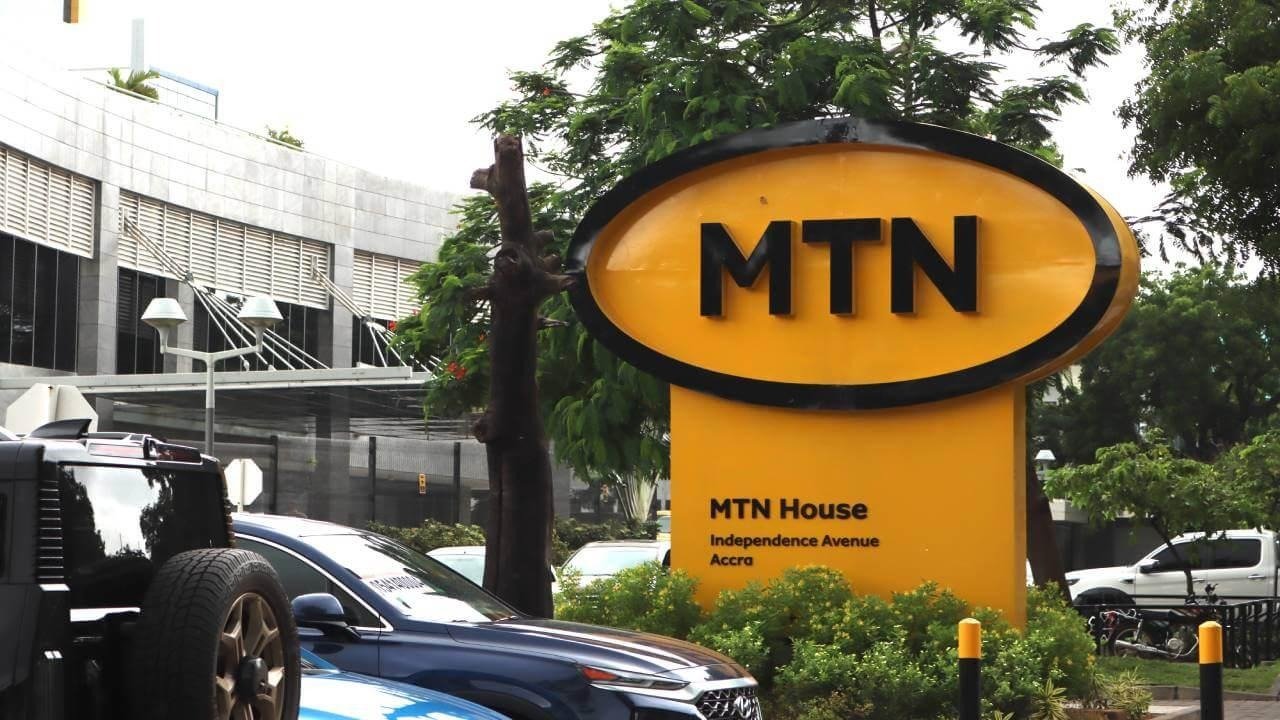
MTN Ghana has reported a significant financial performance for the first nine months of 2026, recording a profit of GH¢7.8 billion while contributing approximately GH¢9 billion to the state through various statutory payments and other government-related obligations.
The figures highlight the telecommunications company’s strong financial position and its growing contribution to Ghana’s public revenue at a time when government continues to pursue measures to strengthen domestic revenue mobilisation.
The GH¢9 billion contribution represents a substantial financial inflow to the state, underscoring the important role played by major private-sector companies in supporting national development through taxes, levies and other statutory payments.
MTN Ghana’s reported GH¢7.8 billion profit also reflects the scale of its business operations during the January-to-September period, supported by demand for telecommunications services, mobile connectivity and digital financial solutions.
The company’s performance comes amid the increasing importance of the telecommunications industry to Ghana’s economy, particularly as businesses and individuals rely more heavily on mobile technology, internet services and digital transactions.
Ghana’s telecommunications sector remains a major contributor to economic activity, providing employment, supporting businesses and facilitating financial inclusion through mobile money services.
The figures also raise questions about the broader economic impact of the company’s operations, particularly the relationship between corporate profitability, government revenue and investment in the country’s digital infrastructure.
As one of Ghana’s leading telecommunications operators, MTN Ghana’s financial results are closely watched by investors, policymakers and industry stakeholders.
The company’s ability to maintain strong earnings while making substantial payments to the state could further reinforce its position as a major player in Ghana’s corporate and telecommunications landscape.
However, the breakdown of the GH¢9 billion payment, including the respective contributions from taxes, levies and other statutory obligations, will be important in assessing the full impact of the company’s payments on government revenue.
MTN Ghana’s nine-month performance therefore provides a significant indication of the company’s financial strength and its contribution to Ghana’s economy.
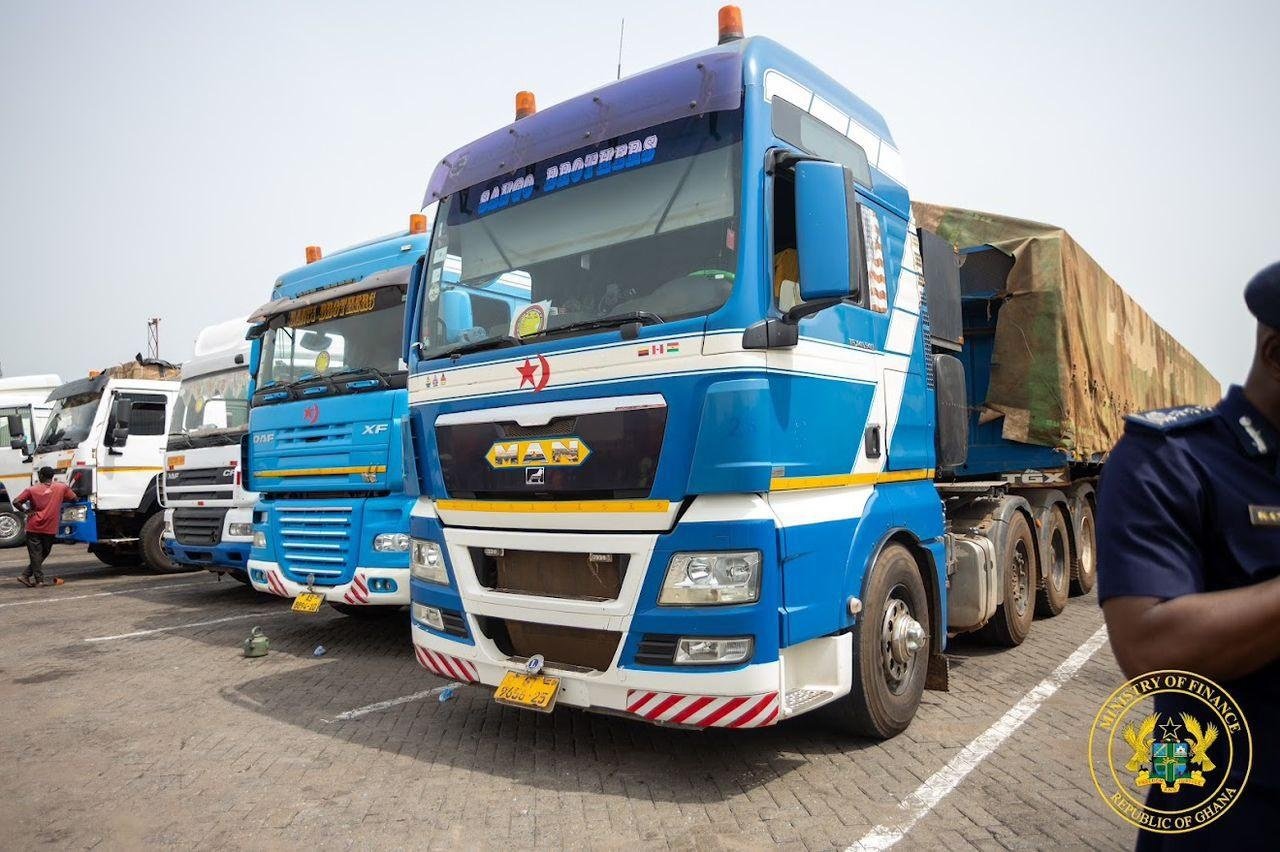
The Consumer Unity and Trust Society (CUTS) has raised concerns over serious safety, enforcement and national security lapses following reports that a loaded transit truck was left unattended for several weeks.
The organisation says the incident exposes significant weaknesses in Ghana’s transit cargo monitoring systems and raises questions about the effectiveness of security checks and regulatory enforcement along the country’s transport corridors.
According to CUTS, the prolonged presence of a loaded truck without adequate monitoring highlights potential gaps in the supervision of transit goods and the responsibilities of agencies mandated to safeguard the country’s borders and transport infrastructure.
The development has renewed concerns about the vulnerability of transit cargo to theft, diversion, tampering and other activities that could undermine national security.
CUTS is urging the relevant authorities to investigate the circumstances surrounding the incident and establish why the truck was allowed to remain unattended for such an extended period.
The organisation also wants stronger coordination among security agencies, customs officials and transport regulators to ensure that transit cargo is properly tracked from its point of entry to its intended destination.
The incident, it argues, should serve as a warning about the need to strengthen enforcement mechanisms and close loopholes that could be exploited by individuals involved in illicit activities.
Beyond investigating the specific case, CUTS is calling for more effective monitoring systems, accountability and improved security protocols to prevent similar occurrences.
The organisation maintains that protecting transit cargo is not only a matter of trade facilitation but also an important national security responsibility.

Kuami Eugene Reveals Challenges That Pushed Him Away from Gospel Music

Davido Says Wizkid Collaboration Could Command $500,000 Per Show

Empress Gifty Defends Florence Obinim Over BBL Criticism

IRAWMA 2025: Shatta Wale Wins 3 Major Awards Including Best Music Video

Samini Secures Promotional Deal with Audiomack for Upcoming Album “THE ORIGIN8A”

AirtelTigo losing GH₵20m monthly; total debts exceed $200million – Sam George


-

 General News1 week ago
GTA Staff Demand Answers on World Cup Visa Slots, Staff Dismissals and Unpaid Allowances
-

 Entertainment2 weeks ago
Shatta Wale Cake Tells Story of Growth, Identity and African Dancehall Influence
-

 General News2 weeks ago
FOKLEX MEDIA AWARDS COMMENDS PRINCE KWAW GYIMAH AND OWASS FM TEAM FOR PROFESSIONALISM DURING KWAME DZOKOTO INCIDENT
-

 General News1 week ago
SAMMY GYAMFI’S “MINE WITHOUT LICENCE” REMARK SPARKS FRESH GALAMSEY DEBATE
-

 General News1 week ago
Nicki Minaj Throws Her Support Behind Trump Ahead of US Midterm Elections
-

 Entertainment2 weeks ago
Ghana Unveils December in GH 2026 Calendar With Over 150 Events Nationwide
-

 Entertainment1 week ago
GTA Targets Taxi Drivers in ‘Know Ghana’ Campaign to Boost Tourism
-
 General News2 weeks ago
PROFOUND GRATITUDE FOR YOUR DECISIVE INTERVENTION IN FAST-TRACKING THE COMPLETION OF THE MUMFORD FISHING HARBOUR