
Culture
Asafotufiam Festival: The Ada Celebration of Warrior Heritage, Courage and Ancestral Traditions

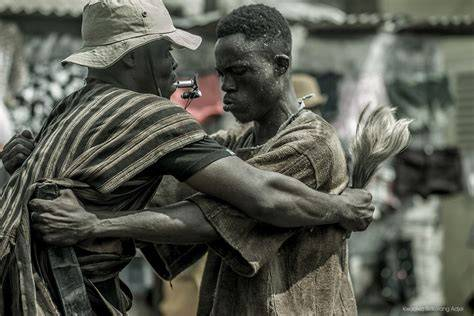
Every year, the people of Ada in the Greater Accra Region come together to celebrate a festival that brings their history of warfare, bravery and migration to life. Known as the Asafotufiam Festival, the celebration is marked by colourful traditional displays, war dances, musket firing, processions and ceremonies honouring the ancestors who shaped the identity of the Ada people.
Unlike festivals centred mainly on harvests or fishing seasons, Asafotufiam has a strong connection to the military history of the Ada people. It commemorates the courage and achievements of warriors who defended their communities and protected their territory in earlier times.
The festival also provides an opportunity for families to reunite, traditional authorities to reaffirm their leadership and younger generations to learn about the history and customs of the Ada traditional area.
What is the Asafotufiam Festival?
Asafotufiam is an annual traditional festival celebrated by the people of Ada in the Greater Accra Region, particularly in the Ada traditional area along the coast and around the Volta River estuary.
The name is commonly interpreted as referring to the firing of muskets by groups of warriors. The festival’s central theme is the remembrance of the bravery, military organisation and sacrifices of ancestors who fought to protect their communities.
The celebration is associated with the traditional Asafo companies, which historically served as organised military groups. Their participation remains one of the most recognisable features of the festival.
Through war dances, musket displays, traditional songs and public ceremonies, Asafotufiam preserves memories of the community’s warrior past while celebrating the unity and identity of the Ada people.
The origins of Asafotufiam are connected to the history of warfare and defence among the Ada people. In earlier times, communities organised warriors to protect their settlements, defend their territory and respond to threats from rival groups.
These warriors operated through organised companies, commonly known as Asafo groups. They had responsibilities connected to military defence, community organisation and the protection of traditional institutions.
The festival developed as a way of remembering their bravery and honouring those who lost their lives in battles.
The celebration also preserves stories of migration, settlement and the struggles through which the Ada people established their communities. These historical memories are passed down through oral accounts, traditional performances and ceremonial practices.
The two Asafo companies: Akomfode and Asorkor
A major feature of Asafotufiam is the participation of the two traditional Asafo companies of Ada: Akomfode and Asorkor.
These groups represent the historical military organisation of the Ada people. Traditionally, membership is determined through maternal lineage, meaning children of the same father may belong to different companies if they have different mothers.
Each company has its own leadership, war drums, songs and ceremonial identity. During the festival, the groups assemble, march through designated routes and demonstrate their traditional military formations.
Their participation is not simply for entertainment. It preserves the structure through which earlier generations organised themselves for warfare and community defence.
How the festival is celebrated
Asafotufiam traditionally takes place during the first week of August and unfolds over several days. The celebrations involve family ceremonies, traditional processions, musket firing, cultural performances and a grand durbar.
Thursday: Homecoming and family purification
The celebrations begin with the arrival of sons and daughters of Ada from different parts of Ghana and abroad.
Families return to their ancestral homes to participate in the festivities and reconnect with relatives. Thursday is traditionally set aside for cleaning family houses, performing customary purification rites and pouring libations at family shrines.
Some families also hold vigils as part of the traditional observances. These activities prepare the community for the main celebrations and provide an opportunity to honour ancestors.
Friday: War dances and musket firing
Friday is one of the most exciting days of Asafotufiam.
At dawn, the war drums summon members of the Akomfode and Asorkor companies. The groups assemble and begin their traditional processions, accompanied by war songs, drumming, dancing and ceremonial displays.
They proceed towards Luhuese, an area outside Big Ada associated with the historical military activities of the community.
One of the notable traditional practices involves introducing young men who have reached the appropriate stage of maturity to their respective Asafo companies. They are taught about the handling of muskets and the military traditions associated with their groups.
The activities also include demonstrations of traditional battle formations and mock warfare, recreating aspects of the military organisation of earlier generations.
Participants dress in traditional battle attire, with some adorning themselves with leaves and palm branches. The sound of muskets, war cries and drums creates an atmosphere that reflects the festival’s historical connection to warfare.
The Kpomkpo-Panya river ceremony
Another important part of the celebration takes place at Kpomkpo-Panya, a riverside location historically associated with the departure of warriors for battle and their return home.
The Asafo companies proceed to the area, where customary ceremonies are performed.
Traditionally, the groups fire three consecutive volleys into the river. Participants then dip their feet into the water and wash their hands.
The act symbolises the washing away of evil, misfortune and negative experiences from the previous year, while expressing hope for peace, protection and prosperity in the period ahead.
The ceremony is particularly significant because it connects the festival’s military history with its spiritual meaning. It recalls the traditional welcome given to warriors returning from battle while offering a symbolic fresh beginning for the community.
The grand durbar is another major highlight of Asafotufiam.
Traditional rulers, queen mothers, elders, Asafo leaders, residents and invited dignitaries gather to celebrate the history and achievements of the Ada people.
The chiefs appear in traditional regalia, sometimes carried in palanquins as part of the ceremonial procession. Their appearance reflects the authority and continuity of traditional leadership.
Speeches are delivered, traditional music and dancing take place, and community leaders use the gathering to address matters affecting the development of Ada.
The durbar also provides an opportunity to recognise individuals and groups who have contributed to the community. Issues such as education, sanitation, infrastructure, youth development and local economic opportunities may feature in discussions.
Beyond the formal proceedings, it is a moment for the people to demonstrate their pride in their heritage and reaffirm their commitment to the progress of the Ada traditional area.
Sunday: Church services and continued celebrations
Religious activities also form part of the festival programme. Sunday is traditionally associated with church services, allowing residents to offer prayers and thanksgiving.
Other social activities may continue throughout the festival period, including sporting events, beach gatherings, boat races and river excursions.
These activities attract families, young people and visitors, adding a recreational dimension to the historical and ceremonial celebrations.
The significance of the musket firing
The firing of muskets is the most recognisable feature of Asafotufiam and explains the festival’s association with warfare.
Historically, the sound of gunfire was used to announce the arrival of warriors returning from battle. It was also connected to the military organisation through which the Ada people defended their territory.
Today, the ceremonial firing serves as a remembrance of those traditions and the sacrifices made by earlier generations.
The practice also gives the festival its distinctive atmosphere. However, musket firing involves real gunpowder and requires strict adherence to safety instructions and directions from organisers.
Traditional clothing and the display of bravery
Traditional battle attire is an important part of the festival’s identity.
Members of the Asafo companies dress in outfits that reflect the appearance and spirit of historical warriors. Leaves, palm branches and other traditional accessories are used in some displays to symbolise victory and military achievement.
Chiefs and elders also appear in traditional garments and regalia, while other participants wear clothing that reflects the cultural identity of the Ada people.
These displays provide a visual connection to the past, allowing visitors and younger generations to appreciate the customs associated with the festival.
Asafotufiam is also a major homecoming occasion.
People who have relocated to Accra, other parts of Ghana or overseas return to Ada to celebrate with relatives and friends. The festival provides an opportunity to renew family relationships, visit ancestral homes and reconnect with the community.
Food and hospitality form part of the experience. Families prepare meals for relatives and visitors, while local food vendors and businesses benefit from the increased number of people in town.
The celebrations also encourage younger family members to learn about their ancestry and understand the traditions that connect them to Ada.
Asafotufiam has become an important cultural attraction in the Greater Accra Region.
Its colourful processions, traditional war dances, musket displays and grand durbar offer visitors an opportunity to experience the heritage of the Ada people.
The festival can also support local businesses, including hotels, guesthouses, restaurants, transport operators, food vendors and traders.
Ada’s coastal location and its connection to the Volta River provide additional attractions for visitors. The festival period can therefore encourage people to explore the area’s beaches, waterways and other tourism opportunities.
For the community, the event is also an opportunity to promote investment, highlight local development needs and attract attention to the potential of the Ada traditional area.
Why Asafotufiam remains important to the Ada people
Asafotufiam is more than a festival of musket firing and colourful celebrations. It is a reminder of the struggles, sacrifices and achievements through which the Ada people established and defended their traditional territory.
It preserves the memory of warriors and chiefs, strengthens family relationships and provides an opportunity for cultural knowledge to be transferred to younger generations.
The festival also demonstrates how traditional practices can evolve. Ceremonies that were once connected to welcoming soldiers home from battle have become an annual celebration of heritage, unity and communal progress.
For the people of Ada, Asafotufiam remains a powerful expression of courage, resilience and belonging. Every year, the sound of the drums and ceremonial muskets brings the community together to honour its past while looking towards a future built on shared identity and development.
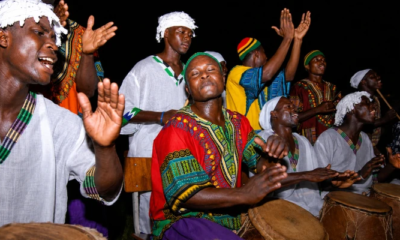



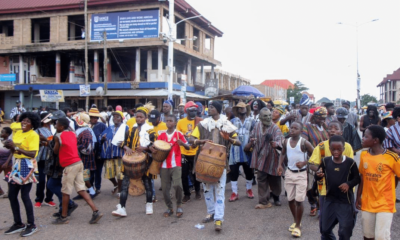



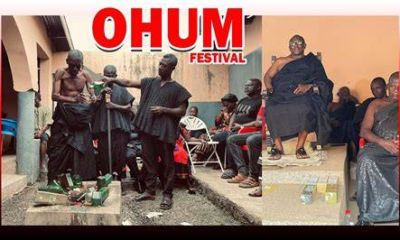


The Apoo Festival is one of Ghana’s distinctive traditional celebrations, giving the people of Techiman and other Bono communities an opportunity to confront social wrongdoing, express grievances, and preserve their cultural heritage through music, dance and customary rites.
Unlike festivals that focus mainly on harvests or fishing seasons, Apoo is widely associated with social criticism and spiritual cleansing. During the celebration, people use songs, chants and public performances to speak about misconduct, challenge hypocrisy and encourage leaders and community members to reflect on their actions.
Celebrated in communities including Techiman, Wenchi, Nkoranza, Nsawkaw and Nwoase, the festival brings together traditional authorities, families, residents and visitors to reaffirm their shared identity and customs. The exact dates and duration vary by location, with celebrations commonly held between March and April.
What the Apoo Festival means
The name Apoo is associated with the Akan word po, meaning “to reject.” In the context of the festival, this refers to rejecting social evils, misfortune, curses and negative influences believed to threaten the wellbeing of individuals and the wider community.
The festival therefore serves several purposes. It provides an opportunity for spiritual and communal cleansing, encourages people to address grievances and promotes unity among residents.
It also seeks blessings for peace, prosperity and a successful year. Through its customs, Apoo reminds participants that a healthy community requires honesty, accountability, mutual respect and a willingness to correct wrongdoing.
The history behind the Apoo Festival
Oral tradition traces the origins of the festival in Techiman to the reign of Nana Kwakye Ameyaw, remembered in some accounts as an authoritarian ruler under whom people found it difficult to express their opinions freely.
According to the traditional account, community members consulted their local gods over their inability to speak openly about their concerns. The response, as preserved in the oral history, was to set aside a period during which people could express their thoughts and grievances, including criticisms of leadership, without fear of punishment.
This tradition gave the festival its distinctive role as an occasion for public expression and social correction.
One expression associated with the festival is Mereko po me haw, which is commonly translated as “I am going to say what is on my chest.” The phrase captures the idea of releasing concerns that have been kept inside and speaking openly about matters affecting the community.
Although oral accounts may differ in their details, this story remains an important part of the festival’s traditional explanation and its association with speaking truth to power.
One of the most distinctive aspects of Apoo is the opportunity it creates for people to criticise behaviour they consider harmful to society.
Through songs, chants and satirical performances, participants may highlight dishonesty, arrogance, abuse of authority, disrespect and other social problems. The messages can be humorous, sharp or serious, depending on the subject being addressed.
This tradition gives the festival a role beyond entertainment. It allows the community to examine its conduct, discuss grievances and encourage people to take responsibility for their actions.
The practice also highlights the relationship between traditional culture and accountability. Even in societies where respect for chiefs and elders is highly valued, the festival preserves a customary space for concerns to be voiced.
Its wider purpose is not simply to embarrass individuals but to encourage reflection, correction and peaceful relationships.
Spiritual cleansing and traditional rites
Spiritual cleansing forms another important part of Apoo. Its customary observances are associated with rejecting negative influences, seeking protection and restoring harmony within the community.
Traditional authorities and designated participants help maintain the rites connected with the celebration. Prayers and customary practices reflect the community’s hopes for peace, prosperity and protection from misfortune.
These observances are closely connected to the festival’s social purpose. By confronting wrongdoing and seeking a fresh beginning, the community symbolically clears away problems that could weaken relationships and collective wellbeing.
Some rites are governed by local customs and may be reserved for particular participants.
Music and dance help bring the Apoo Festival to life. Traditional drumming provides rhythms for gatherings, while songs and chants communicate messages about behaviour, leadership and community life.
The performances combine cultural expression with social commentary, allowing important messages to be delivered in ways that attract attention and encourage discussion.
Traditional clothing, public gatherings and the participation of different generations also make the festival an opportunity to celebrate Bono identity.
For younger people, these activities provide a way to learn traditional songs, performance styles and community values from older generations, helping preserve the festival’s cultural significance.
Chiefs and elders play an important role in maintaining Apoo’s customs and connecting the celebration to the history of their traditional areas.
Their involvement reinforces the importance of traditional institutions in community life. It also places the festival’s emphasis on accountability within a broader discussion about leadership, public conduct and responsibility.
The festival offers an opportunity for traditional authorities and residents to reflect on issues affecting their communities and encourage peaceful ways of resolving disputes.
Its tradition of open expression remains particularly distinctive because it recognises the importance of addressing grievances rather than allowing resentment to grow unchecked.
Beyond the formal ceremonies, Apoo is a time for families and friends to reconnect.
People living outside their hometowns may return to participate in the celebrations, visit relatives and renew relationships. These gatherings strengthen social bonds and provide opportunities for younger generations to learn about their ancestry and cultural background.
The festival’s emphasis on clearing grievances also reflects the importance of reconciliation. Communities are better able to maintain harmony when disputes are addressed, and people are encouraged to treat one another with respect.
The values associated with Apoo remain relevant in contemporary Ghana. Dishonesty, abuse of authority, selfishness and the refusal to accept responsibility can affect families, workplaces and public institutions.
The festival demonstrates how traditional culture can provide a platform for discussing such problems. Through satire, songs and public expression, communities can draw attention to wrongdoing and encourage people to reconsider their behaviour.
However, criticism must still be exercised responsibly, without spreading false allegations or causing unnecessary harm. The broader lesson is that accountability should lead to correction and improved relationships rather than deepen divisions.
Tourism and the preservation of Bono heritage
Apoo also offers opportunities for cultural tourism by attracting visitors interested in the traditions of Techiman and the wider Bono cultural area.
The festival showcases traditional music, dance, customary practices and a distinctive history of social commentary. Local traders, food vendors, transport operators and other businesses may benefit from increased activity during the celebrations.
Preserving the festival requires continued participation from younger generations, support for traditional cultural institutions and efforts to document the oral histories and practices associated with it.
Ultimately, the Apoo Festival stands out among Ghana’s traditional celebrations because it combines cultural pride with a message about social responsibility. Through cleansing rites, music, dance and the freedom to express grievances, it reminds communities that preserving heritage also means confronting wrongdoing, promoting accountability and working towards peace.
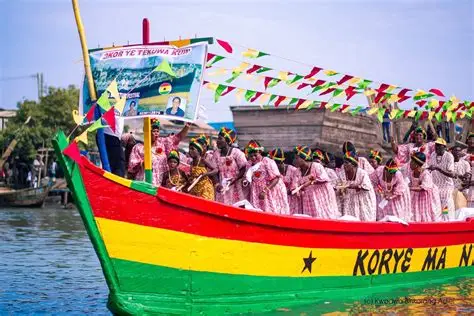
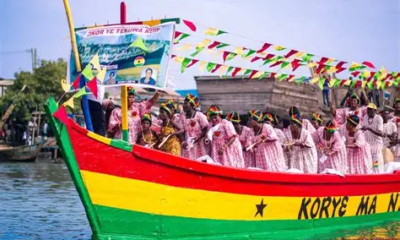
Every year, the historic coastal town of Elmina in Ghana’s Central Region comes alive with traditional drumming, colourful processions, fishing activities and royal ceremonies as the people celebrate the Bakatue Festival, an important cultural event that connects their livelihoods to the sea, the lagoon and the traditions of their ancestors.
The festival, whose name is commonly interpreted as the opening of the lagoon, celebrates the traditional opening of the Benya Lagoon for fishing. It marks an important moment in the life of a community whose history, culture and economic survival have long been connected to fishing.
Celebrated by the people of Elmina, particularly the Edina traditional area, Bakatue is more than a festival. It is a reminder of the relationship between the community and its natural environment, the importance of traditional leadership and the need to preserve the customs that have sustained generations of fishing families.
The celebration attracts residents, chiefs, visitors and people from other parts of Ghana who gather to witness the ceremonies and experience one of the country’s notable traditional festivals.
The history and meaning of Bakatue
Bakatue is deeply rooted in the history of Elmina, one of Ghana’s oldest coastal settlements. The town developed around fishing, trading and its strategic position along the Atlantic coast.
The Benya Lagoon has historically served as an important source of livelihood for fishing families. Its waters and the nearby sea have provided food, employment and opportunities for trade, making fishing central to the community’s identity.
The Bakatue Festival developed around the traditional practice of opening the lagoon for fishing at a designated time. The observance is associated with thanksgiving, prayers for a successful fishing season and requests for protection against accidents and other dangers.
The name “Bakatue” reflects this central practice of opening the lagoon. Although the festival has evolved over the years, its connection to fishing and the community’s dependence on water remains one of its defining features.
For the people of Elmina, the festival is also a time to remember their ancestors, honour traditional authorities and reaffirm their shared cultural identity.
The opening of the Benya Lagoon
The symbolic opening of the Benya Lagoon is the central feature of Bakatue.
Before fishing activities are permitted under the traditional observance, ceremonies are held to seek blessings for the community and the coming fishing season. Traditional authorities and other designated participants oversee the customary rites associated with the occasion.
The opening is significant because it represents the transition into a period of fishing activity. It also reflects the community’s traditional understanding that natural resources must be approached with respect for customary rules and collective responsibility.
The ceremony is not simply about allowing fishermen to return to the water. It expresses hope for a good catch, the protection of fishing families and the continued availability of resources for future generations.
The lagoon is therefore at the heart of the festival, serving as both a source of livelihood and a symbol of the community’s relationship with its environment.
Traditional rites form an important part of the Bakatue celebration. They are performed in accordance with the customs of the Edina traditional area and reflect the community’s beliefs about the relationship between people, their ancestors and the natural world.
Prayers and customary observances seek blessings for the community, a fruitful fishing season and protection for those who venture onto the sea.
Fishing is a demanding occupation that exposes workers to changing weather, rough waters, equipment failures and other dangers. The festival provides an opportunity for the community to express its hopes for safety and prosperity.
The rites also demonstrate the authority of traditional institutions in preserving cultural practices and maintaining rules associated with the lagoon.
Details of individual ceremonies may vary, and some customary practices are reserved for authorised participants rather than the general public.
Traditional leadership is central to Bakatue. The Omanhene of Edina, together with chiefs, elders and other traditional authorities, plays an important role in the festival’s ceremonial activities.
The appearance of the traditional ruler and his elders reflects the historical importance of chieftaincy in maintaining customs and representing the community.
During the celebration, traditional leaders preside over ceremonies, receive homage and participate in activities that reaffirm the identity of the Edina traditional area.
The festival also provides an opportunity for chiefs to address matters affecting the community, including development, sanitation, fishing practices and the welfare of residents.
Their participation reinforces the connection between cultural heritage and the responsibilities of traditional leadership.
Fishing, canoes and the livelihoods of Elmina residents
Fishing is not merely an economic activity in Elmina; it is an important part of the community’s way of life.
The town’s fishing industry supports fishermen, fishmongers, processors, traders, transport operators and numerous small businesses. Families depend on the income generated from catches sold in local markets and distributed to other communities.
The Bakatue Festival highlights these connections by placing fishing at the centre of its ceremonies.
Canoes, fishing equipment and the activities surrounding the lagoon remind participants of the work that sustains the community. The festival also provides a moment to reflect on the challenges facing the fishing industry, including declining catches, rising operating costs, environmental pollution and pressure on marine resources.
For younger generations, the occasion can serve as a reminder of the skills, knowledge and traditions associated with fishing, while encouraging conversations about how the industry can remain sustainable.
Like many traditional festivals in Ghana, Bakatue features music, dancing and public displays of cultural identity.
Traditional drumming provides rhythm for ceremonial gatherings, while dancers and performers contribute to the lively atmosphere. Residents and visitors gather to witness the activities and participate in the wider celebration.
Traditional clothing, colourful displays and the presence of chiefs and community groups make the festival a significant cultural event in Elmina.
The performances also provide opportunities for cultural knowledge to be passed from older generations to younger people. Through music, dance and public participation, the history and identity of the community remain visible.
Beyond entertainment, these activities strengthen a sense of belonging among residents and those who have moved away from Elmina but return for the festival.
The relationship between the festival and the Benya Lagoon makes environmental protection an important issue for the community.
A healthy lagoon supports fishing livelihoods and contributes to the wider ecological system. Pollution, poor waste disposal, encroachment and other environmental pressures can affect water quality and the resources on which residents depend.
Bakatue provides an opportunity to draw attention to these concerns and encourage collective responsibility for the lagoon.
The festival’s emphasis on the traditional opening of the water also highlights the importance of rules governing access to natural resources. Such customs can contribute to community discussions about conservation, although their effectiveness depends on how they are maintained alongside modern environmental and fisheries regulations.
Protecting the lagoon is essential not only for cultural reasons but also for the economic future of fishing families.
Bakatue attracts people to Elmina and creates opportunities for businesses during the celebration.
Food vendors, traders, transport operators, accommodation providers, craftspeople and other local businesses can benefit from the increased movement of visitors.
The festival also draws attention to Elmina’s wider tourism attractions, including its historic buildings, coastal setting and Elmina Castle, which is associated with the history of European trade, slavery and colonialism on the Gold Coast.
Visitors attending Bakatue may explore these historical attractions while learning about the cultural traditions of the Edina people.
With effective planning, the festival can contribute to cultural tourism and support local livelihoods. This requires attention to sanitation, visitor safety, transport, accommodation and the protection of culturally significant sites.
While Bakatue is a time of celebration, it also offers an opportunity to reflect on the difficulties facing fishing communities.
Rising fuel prices, expensive fishing equipment, fluctuating catches and pressure on marine resources can affect the income of fishermen and their families.
Environmental pollution poses another concern, particularly where waste and other contaminants threaten the health of lagoons and coastal waters.
Illegal and unsustainable fishing practices can also undermine the long-term productivity of the industry. When fish stocks decline, the effects extend beyond fishermen to fishmongers, processors, traders and households that depend on the sector.
These challenges make the festival’s connection to the environment particularly significant. Preserving Bakatue’s cultural meaning requires attention to the conditions that sustain the community’s traditional livelihood.
Why Bakatue remains important to Ghana
Bakatue is an important expression of Ghana’s cultural diversity because it demonstrates how festivals can emerge from the everyday activities that sustain a community.
While some Ghanaian festivals are closely associated with harvests, migration histories or the remembrance of ancestors, Bakatue is particularly connected to fishing and the traditional opening of a lagoon.
It combines customary rites, traditional authority, communal celebration and the economic realities of a coastal settlement.
The festival also gives younger people a way to learn about Elmina’s history and understand why the Benya Lagoon remains important to their community.
For visitors, Bakatue offers an opportunity to experience coastal Ghanaian traditions and appreciate the relationship between cultural identity and natural resources.
Ultimately, the Bakatue Festival is a celebration of more than the opening of a lagoon. It represents the hopes of fishing families, the authority of traditional institutions and the determination of the people of Elmina to preserve their heritage while confronting the challenges affecting their livelihoods.
As the community gathers each year, the festival renews a longstanding connection between people, water and tradition, reminding participants that the future of their culture is closely tied to the wellbeing of the environment that sustains them.
Culture
Ohum Festival: The Ancient Akyem Celebration of Yam Harvest, Ancestral Heritage and Thanksgiving
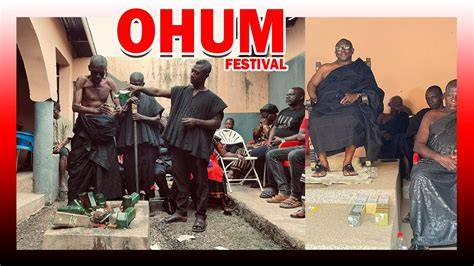
The Ohum Festival is one of the traditional celebrations that reflect the rich cultural heritage of the Akyem people of Ghana’s Eastern Region. The festival brings together agriculture, spirituality, chieftaincy and community life, providing an opportunity for the people to give thanks for a successful harvest, honour their ancestors and pray for prosperity in the coming year.
The celebration is particularly associated with the Akyem Abuakwa traditional area, also known as Okyeman, whose traditional capital is Kyebi. It reflects the relationship between the people, their land, their traditional rulers and the natural resources that have supported their communities over generations.
Ohum is closely connected to the first yam harvest and the traditional belief that agricultural abundance deserves thanksgiving. It is also an occasion for remembering ancestors who contributed to the survival and development of the community, renewing traditional customs and strengthening relationships among families and traditional authorities.
Beyond the colourful gatherings, drumming and dancing, the festival carries historical and spiritual significance. It provides an opportunity for the Akyem people to celebrate their identity and pass their customs to younger generations.
The History of the Ohum Festival
The history of Ohum is connected to the development and cultural identity of the Akyem people.
The Akyem are part of the wider Akan cultural group and have established distinctive traditional institutions, customary practices and systems of leadership over generations. Akyem Abuakwa developed into one of the important traditional states in Ghana, with Kyebi serving as its historic capital.
The kingdom’s history is closely connected to migration traditions, agriculture, trade, forest resources and the communities that developed around the Birim River area.
Traditional accounts of Ohum associate the festival with the history of the Akyem people, the experiences of their ancestors and the importance of preserving their traditional state.
The festival provides a setting in which these historical connections are remembered. Through customary observances and community gatherings, the people acknowledge the contributions of earlier generations and celebrate the continuity of their traditional institutions.
Like many Ghanaian festivals, some aspects of Ohum’s origins have been preserved through oral tradition. These accounts form an important part of the community’s cultural memory, although individual stories may differ in their details.
What Does Ohum Mean?
Ohum is a traditional festival associated with thanksgiving, the yam harvest, ancestral remembrance and the renewal of community life.
The celebration is particularly important among the Akyem people of the Eastern Region. It is also associated with communities among the wider Akan cultural group, including some Akuapem communities, whose customs and festival calendars may differ.
The festival’s meaning is expressed through its activities. The people give thanks for the food produced from their land, remember their ancestors, participate in traditional ceremonies and seek blessings for the future.
Ohum also reinforces the relationship between traditional rulers and their subjects. Chiefs, elders and community members gather to celebrate their heritage and reaffirm their connection to Okyeman.
The festival is therefore not simply a social event. It is an expression of the community’s historical identity, spiritual beliefs and agricultural traditions.
Ohumkan and Ohumkyire: The Two Observances
One distinctive feature of Ohum is its association with two observances known as Ohumkan and Ohumkyire.
Ohumkan refers to the first Ohum, while Ohumkyire refers to the later or second observance. Traditional accounts commonly associate Ohumkan with June and July and Ohumkyire with September and October, although exact dates and arrangements can vary according to the traditional calendar.
The two observances form part of the wider cycle through which the people celebrate their heritage, express gratitude for agricultural abundance and renew their hopes for prosperity.
Because the festival follows traditional customs rather than a fixed date in the Gregorian calendar, its timing should be confirmed with the relevant traditional authority for each year’s celebration.
The distinction between Ohumkan and Ohumkyire also demonstrates that Ohum is not necessarily a single event held on one date. Its observances form part of a broader cultural cycle that allows communities to maintain their customs throughout the year.
The Yam Harvest and Its Importance
One of the defining features of Ohum is its connection to the first yam harvest.
Yam has long held agricultural, nutritional and cultural importance in Ghana. Before modern food distribution systems became widespread, the success of the harvest was closely connected to household food security and the well-being of communities.
A good harvest provided families with food and helped them prepare for the next farming season. A poor harvest, on the other hand, could expose communities to hardship.
The Ohum Festival provides an opportunity to express gratitude for the crops harvested and pray for favourable conditions in the next farming season.
Yam also has a special place in traditional celebrations because it represents the results of farmers’ labour, the fertility of the land and the ability of a community to sustain itself.
During the festival, yam dishes may be prepared and shared among family members and community participants. These meals symbolise abundance, hospitality and the importance of sharing prosperity.
The celebration also draws attention to the contribution of farmers, whose work continues to support food production and rural livelihoods.
The Spiritual Significance of Ohum
Ohum is not solely an agricultural celebration. It also has a spiritual dimension rooted in traditional Akan beliefs.
The festival includes thanksgiving to God, remembrance of ancestors and traditional observances associated with the stools of Akyem. These practices reflect the importance of spiritual beliefs within the cultural life of Okyeman.
In traditional Akan society, stools are significant symbols of chieftaincy, lineage and customary authority. A stool represents more than a physical seat; it is associated with the history and continuity of the traditional office.
The cleansing of traditional stools during Ohum is understood as a ritual act connected to the preservation and spiritual wellbeing of the traditional institution.
Ancestral remembrance is equally important. Traditional beliefs recognise the place of earlier generations in shaping the community, establishing customs and maintaining its institutions.
Through prayers, offerings and other customary observances, the festival provides a setting for acknowledging these connections and seeking protection, peace and prosperity.
The specific rites performed may differ between communities and traditional authorities. Some ceremonies are conducted privately according to established customs and may not be open to public observation.
The Birim River is an important geographical feature in the history and environment of the Akyem area.
The river flows through the Eastern Region and is associated with the landscape in which many Akyem communities developed. The area’s forests, waterways and fertile land have historically supported farming and other economic activities.
Traditional accounts of Ohum connect the festival to the blessings associated with the land and the Birim River. These connections highlight the relationship between the community’s history, its environment and its cultural practices.
For communities whose livelihoods depend on agriculture and natural resources, rivers and fertile land are more than geographical features. They influence settlement, farming, trade and the development of local traditions.
Ohum provides an opportunity to reflect on the value of these resources and the responsibility to preserve them for future generations.
The festival’s connection to the land also reinforces the importance of environmental protection, particularly in areas where farming and water resources remain essential to livelihoods.
Traditional Rituals and Preparations
Preparations for Ohum involve customary practices that establish the spiritual and ceremonial atmosphere of the celebration.
Traditional accounts describe restrictions on noise-making before certain observances. They also refer to rites and sacrifices associated with shrines and deities within the Akyem traditional area.
These practices are governed by customary authority, and their details may vary according to the community and the particular observance.
The period preceding the main celebration allows participants to prepare for the festival and demonstrates the importance attached to traditional protocols.
Traditional leaders, priests, priestesses and elders have responsibilities connected to the observance of customs and the preservation of the festival’s meaning.
The spiritual preparations distinguish the sacred elements of Ohum from the public activities that visitors may encounter during the celebration.
They also remind participants that the festival is not simply a time for entertainment but an occasion that carries responsibilities within the community’s traditional belief system.
The Role of the Okyenhene and Traditional Leaders
The Okyenhene, the paramount ruler of Akyem Abuakwa, occupies a central position in the traditional identity of Okyeman.
Ohum provides an occasion for the community to reaffirm its relationship with the traditional institution and acknowledge the role of chiefs and elders in preserving customs.
The festival brings together traditional authorities and community members, demonstrating the continuing importance of chieftaincy in cultural life.
Traditional leadership in Akyem Abuakwa is connected to customary law, community identity, dispute resolution and the preservation of heritage.
The gathering of chiefs and elders during Ohum also creates opportunities for discussions about issues affecting their communities, including education, farming, peace, infrastructure and the welfare of residents.
The participation of traditional rulers makes the festival an important expression of the relationship between cultural heritage and community organisation.
Music, dancing and the gathering of traditional leaders are among the visible features of Ohum.
The festival provides an opportunity for communities to display their cultural identity through traditional performances, ceremonial clothing and public gatherings.
Traditional drummers, dancers and singers contribute to the atmosphere, while the gathering of chiefs and elders highlights the importance of customary leadership.
The clothing worn during the celebration adds to its cultural significance. Chiefs and other participants may appear in traditional fabrics, ornaments and ceremonial accessories that communicate cultural belonging and respect for the occasion.
The durbar brings people together and provides a public setting for celebrating the history and achievements of the community.
It can also serve as an opportunity for traditional authorities to address residents, discuss community priorities and encourage unity.
For younger participants, these activities provide a practical way of learning about traditional customs beyond what they may encounter in classrooms or written accounts.
Hooting at Hunger: A Symbol of Abundance
One of the distinctive practices mentioned in traditional accounts of Ohum is the symbolic rejection of hunger.
The practice is associated with the celebration of an abundant harvest and the hope that the community will not experience food shortages.
The symbolism reflects the importance of food security in traditional communities. A successful harvest represents more than the availability of food; it signifies the survival of families, the success of farmers and the ability of the community to prepare for the next agricultural season.
By celebrating abundance, Ohum encourages gratitude for the land and the labour required to produce food.
The practice also expresses hope that hunger and hardship will give way to prosperity and that future harvests will sustain the community.
This aspect of Ohum shares similarities with Homowo, the festival of the Ga people, which is strongly associated with overcoming hunger. However, the two festivals have distinct histories, customs and cultural meanings.
Their similarities demonstrate how food and harvest celebrations across Ghana preserve collective memories of hardship, survival and thanksgiving.
Food is an important part of the social life surrounding Ohum.
Yam dishes and other meals prepared during the festival provide an opportunity for families and community members to share the results of the harvest.
The celebration can also bring together people who live outside their traditional communities but return to participate in important cultural occasions.
Such reunions help maintain family relationships and allow younger generations to connect with their ancestral homes.
Community gatherings create opportunities for hospitality, conversation and the exchange of ideas. They also strengthen relationships between families, traditional leaders and residents.
The preparation and sharing of food demonstrate that cultural traditions survive not only through formal ceremonies but also through the relationships and memories built around them.
Ohum and the Historical Identity of Okyeman
The festival provides an opportunity for the Akyem people to reflect on their history and the development of their traditional state.
Akyem Abuakwa is one of the traditional states associated with the wider history of the Akan peoples. Its political and cultural institutions developed over centuries through migration, settlement, trade, agriculture and interactions with neighbouring states.
Kyebi remains an important centre of the traditional kingdom.
The history of Okyeman is not limited to the activities of its rulers. It also includes the contributions of farmers, traders, craftspeople, women, elders and ordinary community members who sustained social and economic life.
Ohum offers a cultural setting in which these connections can be remembered and passed on to future generations.
The festival reinforces the idea that a traditional kingdom is sustained by shared history, customary authority and the participation of its people.
Preserving Ohum for future generations requires the participation of young people.
The festival can help younger members of the community learn about traditional leadership, agricultural practices, family histories and the importance of ancestral remembrance.
Participation in drumming, dancing, storytelling and other cultural activities provides practical opportunities to learn customs that might otherwise become less familiar as lifestyles change.
Documentation is also important. Oral histories, photographs, recordings and interviews with elders can help preserve details of the festival for future generations.
Schools, cultural organisations and traditional authorities can support these efforts by encouraging young people to learn about the origins and significance of the celebration.
Such initiatives can help ensure that Ohum remains meaningful rather than becoming only a public spectacle.
Ohum as a Cultural Tourism Attraction
Ohum has the potential to contribute to cultural tourism in Ghana’s Eastern Region.
Visitors can learn about Akyem history, traditional authority, agricultural customs, music and the cultural significance of the yam harvest.
The festival can also create opportunities for local businesses, including food vendors, craftspeople, transport operators, accommodation providers and tour guides.
To attract wider tourism interest, organisers and tourism authorities can provide reliable information about festival dates, locations, programme schedules and the cultural meaning of major activities.
Promotion should be balanced with respect for traditional protocols. Sacred ceremonies should not be treated simply as entertainment, and communities should retain control over how their heritage is presented.
With appropriate planning, Ohum can help promote the history of Okyeman while creating opportunities for cultural exchange and local economic activity.
Ohum shares some features with other Ghanaian festivals, particularly those that celebrate the harvest and express gratitude for food.
Homowo, celebrated by the Ga people, is associated with overcoming hunger. Kundum, celebrated by the Ahanta and Nzema peoples, has strong connections to harvest traditions, thanksgiving and community renewal. Odwira, celebrated by several Akuapem communities, also includes harvest-related and ancestral elements.
However, each festival has its own history, customary calendar and ritual practices.
Ohum is particularly associated with the Akyem tradition, the first yam harvest, the history of Okyeman and observances connected to its traditional stools and ancestral heritage.
These similarities and differences demonstrate the diversity of Ghanaian culture. Although communities may share themes of thanksgiving, food and remembrance, their celebrations preserve distinct historical experiences and cultural identities.
Why the Ohum Festival Remains Important
Ohum continues to represent the relationship between the Akyem people, their traditional institutions, their ancestors and the land that has supported their communities.
Its connection to the yam harvest makes it an expression of gratitude for food and agricultural labour. Its spiritual observances preserve traditional beliefs, while the gathering of chiefs and community members reinforces cultural identity.
The festival also provides an opportunity to reflect on the history of Okyeman and the importance of passing cultural knowledge to younger generations.
As Ghana continues to promote its cultural heritage, Ohum offers a reminder that traditional festivals are valuable not only for their colourful ceremonies but also for the histories, beliefs and social relationships they preserve.
For the Akyem people, the celebration remains an expression of thanksgiving, continuity and hope for prosperity in the years ahead.

Long before Ghana became a country of offices, shopping malls, factories and technology-driven businesses, communities depended on people with specialised skills.
There were blacksmiths who worked with metal, basket weavers who turned local materials into useful household items, traditional potters who produced cooking and storage vessels, sandal makers who worked with leather and craftsmen who could repair almost anything.
These occupations were not simply ways of earning money, but they were skills passed from one generation to another.
A child could grow up watching a parent or grandparent work and eventually learn the same craft.
But as Ghanaian society changes, some of these occupations are becoming increasingly difficult to find.
In some communities, the people who still possess these skills are getting older, while fewer young people are willing to take over from them.
When a job was also a family inheritance
In the past, an occupation could be closely connected to a family’s identity.
A child could inherit a craft from a parent and spend years learning the techniques.
There was no formal classroom.
Learning happened through observation, practice and correction.
A young apprentice watched how an experienced craftsman selected materials, handled tools, solved problems and interacted with customers.
The process could take years.
Today, the same young person has many other career options.
University education, professional qualifications, technology and the attraction of formal employment have changed how many families think about work.
Traditional craftsmanship can therefore struggle to compete with careers that appear to offer clearer financial and professional pathways.
The blacksmith’s disappearing workshop
Blacksmithing is one of the traditional skills that has played an important role in many Ghanaian communities.
Blacksmiths produced and repaired tools used for farming, household work and other activities.
Their workshops were places where practical knowledge was developed.
But industrially manufactured tools and imported products have changed the market.
A customer can often buy a mass-produced product more cheaply or conveniently than commissioning an artisan to make one.
The result is that the traditional blacksmith has lost some of the everyday market that once sustained the occupation.
The potter who made more than pots
Traditional pottery also tells an important story about Ghanaian life.
Clay was transformed into cooking pots, storage vessels and other household items.
The work required knowledge of the clay, shaping, drying and firing.
For communities that depended on such products, the potter was an important part of everyday life.
Today, plastic, aluminium, stainless steel and other modern materials dominate many Ghanaian homes.
The traditional pot is still used in some homes and restaurants, and pottery remains an important craft, but the role it once played in everyday household life has changed.
Basket weaving is fighting a different battle
Basket weaving remains visible in parts of Ghana and has even developed into an important craft for some communities.
But the traditional use of baskets has changed.
Plastic containers, synthetic bags and imported household products have replaced many traditional items.
At the same time, some artisans have adapted by producing baskets for tourists and international markets.
This shows that traditional occupations do not necessarily have to disappear.
They can survive when artisans find new markets.
The challenge is whether the knowledge can continue to be transferred to younger generations.
The traditional shoemaker and leather worker
Before mass-produced footwear dominated the market, local shoemakers and leather workers served communities by making and repairing shoes, sandals, bags and other leather products.
Today, Ghanaian leather artisans still operate, but they face competition from inexpensive imported footwear and factory-produced products.
For a young person considering a career, spending years mastering a traditional craft may appear less attractive than finding a salaried job.
That perception is one of the biggest challenges facing traditional occupations.
What happens when the master dies?
This may be the most worrying part.
Imagine an elderly craftsman who has spent 50 years learning a particular technique.
If he dies without training an apprentice, his knowledge may disappear with him.
There may be no textbook explaining exactly how he worked.
There may be no video showing the process.
There may be no written record of the names of the tools or the traditional methods used.
The occupation can therefore disappear quietly.
Not because the skill was useless, but because nobody learned it well enough to continue it.
Young people are not necessarily rejecting hard work
It would be unfair to simply blame young Ghanaians for abandoning traditional occupations.
Young people are responding to the economic realities around them.
They want stable incomes.
They want education opportunities.
They want jobs that can support families.
They want access to modern lifestyles.
If traditional craftsmanship is poorly paid, physically demanding and lacks reliable markets, it is understandable that some young people will look elsewhere.
The question is therefore bigger than simply asking young people to preserve tradition.
There must also be an economic reason for them to do so.
Can technology save traditional occupations?
Ironically, technology that threatens some traditional occupations may also help preserve them.
A Ghanaian artisan can now advertise products on social media.
A basket weaver can sell internationally.
A traditional textile producer can build a brand online.
A craftsman can record tutorials.
A young apprentice can learn through digital documentation while still receiving practical training.
This means preservation does not have to mean keeping artisans in the past.
Traditional skills can be combined with modern business methods.
Tourism could provide another lifeline
Tourism can also create demand for traditional craftsmanship.
Visitors often want products that tell them something about the country they are visiting.
Handmade baskets, pottery, traditional textiles, wood carvings, leather products and other crafts can become part of the tourism experience.
But artisans need more than tourists passing through.
They need reliable markets, training, financing, quality standards, branding and access to customers.
Without those things, a craft can remain culturally important but economically unsustainable.
What Ghana risks losing
When a traditional occupation disappears, Ghana loses more than a source of income.
It loses a piece of practical knowledge, loses techniques developed over generations.
It loses words associated with the craft, loses stories, loses the names of tools.
It loses a connection between younger people and the work their ancestors once did.
That is why traditional occupations deserve to be documented before the people who still practise them become too few.
The goal should not be to force every young Ghanaian into an old occupation.
It should be to make sure that the knowledge does not disappear simply because nobody thought it was worth recording.
Because one day, Ghana may wake up with modern factories, advanced technology and thousands of new professions—and discover that some skills that once defined its communities are gone forever.
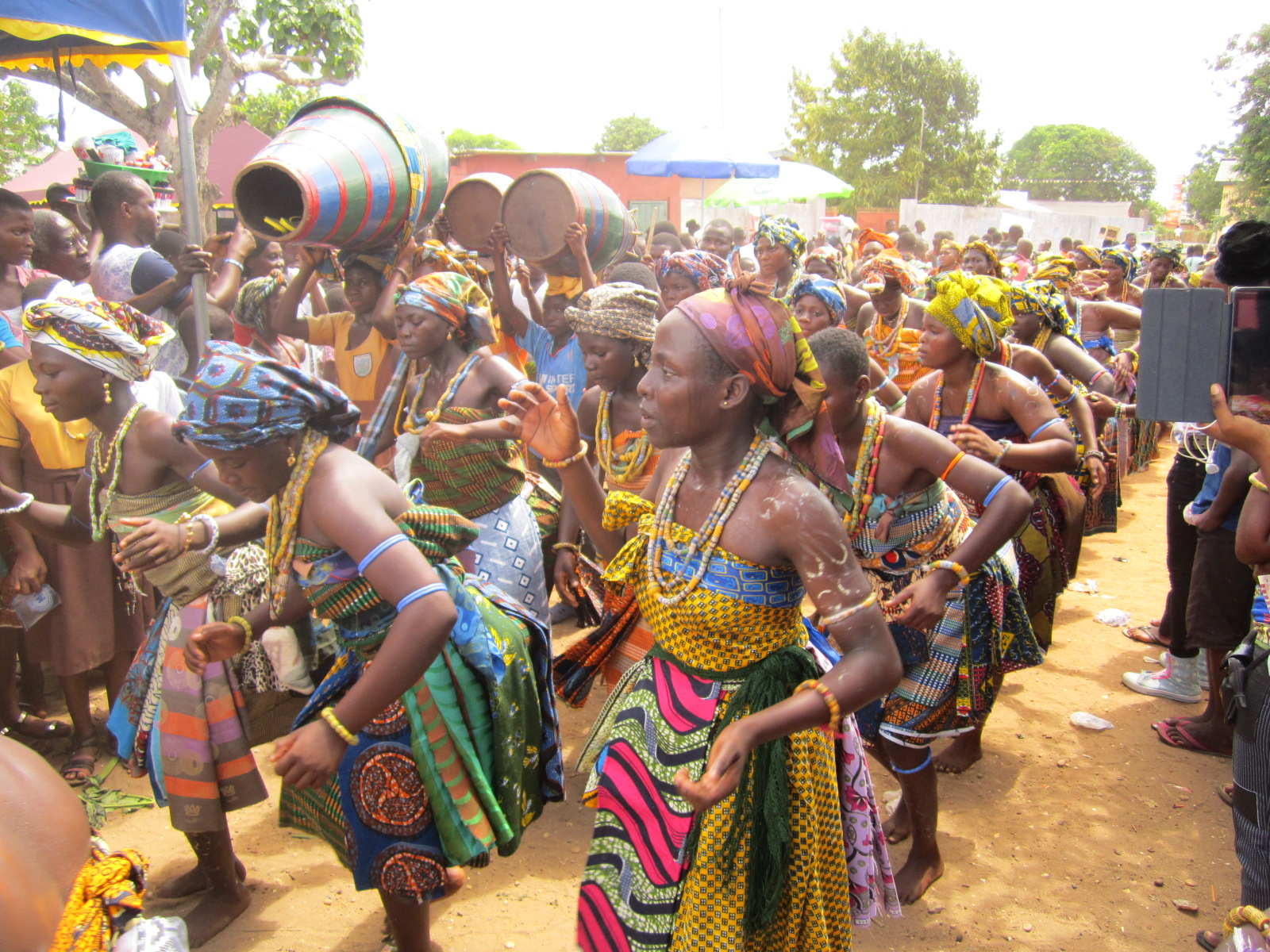
Every year, communities across Ghana’s Western Region come alive with drumming, dancing, traditional processions, feasting and colourful displays of chieftaincy during the Kundum Festival.
Celebrated principally by the Ahanta and Nzema people, Kundum is one of Ghana’s major traditional festivals and combines the celebration of harvest with thanksgiving, spirituality, ancestral remembrance, community purification and social renewal.
The festival is particularly associated with communities in the western coastal belt, including Axim and parts of the Ahanta traditional area.
Kundum is not held on one fixed date throughout the entire region. Its timing traditionally follows the agricultural and local traditional calendar, meaning celebrations move from one community to another as the harvest season progresses. Wikipedia notes that individual towns within the Ahanta and Nzema traditional areas determine their own starting dates.
The festival’s importance goes beyond entertainment. It is a living expression of the history, religion, agriculture, music, social organisation and identity of the people who celebrate it.
Who celebrates Kundum?
Kundum is primarily associated with the Ahanta and Nzema people of Ghana’s Western Region.
The Nzema are an Akan-speaking people whose traditional homeland extends across southwestern Ghana and into neighbouring Côte d’Ivoire. The Ahanta are also an Akan people living principally in the western part of Ghana.
Although the two groups have their own distinct histories and traditions, Kundum became an important cultural institution shared across several communities.
The National Commission on Culture identifies Kundum as a major festival of the Ahanta and Nzema and says it is associated with the celebration of a bumper harvest and strengthening bonds among communities and indigenes.
What is Kundum?
Kundum is both a harvest festival and a religious-cultural celebration.
At its simplest level, it is a time to give thanks for food produced during the farming season.
But the festival also serves other purposes.
It is a period for:
Giving thanks for the harvest
Remembering ancestors
Performing traditional rites
Purifying communities
Driving away evil and negative spiritual forces
Strengthening family and community relationships
Celebrating traditional leadership
Eating and sharing food
Preserving traditional music and dance
Discussing community development
Visit Ghana describes Kundum as a celebration of gratitude for abundant food during the harvest period.
The different stories about the origin of Kundum
One of the most interesting aspects of Kundum is that there is more than one traditional explanation for its origin.
This is important because much of the history of Ghana’s traditional festivals was transmitted orally.
One widely circulated oral tradition says the festival began with a hunter called Akpoley.
According to this account, Akpoley was on a hunting expedition when he encountered dwarfs dancing in a circle to unusual music.
He watched their movements for a period before returning to his community.
After returning, he introduced the dance to his people.
The dance eventually became associated with Kundum and acquired a religious purpose connected with driving evil spirits away from communities.
Wikipedia records this Akpoley story as one of the traditional explanations for the origin of the festival.
The palm-fruit story
Another tradition connects the beginning of Kundum to a particular palm tree.
According to this account, a palm tree at Aboade, an Ahanta community, produced ripe fruit at a particular period each year.
The people began using the ripening of the fruit as a natural signal for the beginning of the festival.
Over time, the annual cycle of the fruit became incorporated into the traditional calendar.
Visit Ghana presents this as another legend surrounding the origin of Kundum.
This story helps explain why the festival’s timing has historically been linked to agricultural and seasonal cycles.
A third traditional explanation
The National Commission on Culture provides another version of Kundum’s history.
Its account traces the festival’s origin to Ahanta Aboadze, near Agona Ahanta, and says the name Kundum is connected with a deity called Kofi Kundum, regarded as an ancestral god of harvest.
The same account says Brempon Yaw later gave prominence and recognition to the festival and introduced another traditional spiritual figure known as Asafua, who was believed to be the first to taste produce from the annual harvest before the food could be distributed or taken to market.
These different accounts demonstrate the importance of oral tradition in understanding Ghanaian festivals.
Rather than one single written origin story, Kundum has been preserved through different narratives transmitted by communities and generations.
Kundum is not a recent cultural invention.
Wikipedia records that one of the earliest written accounts of the festival came from Willem Bosman, a Dutch explorer who travelled along the Gold Coast in the 17th century.
His observations provide historical evidence that a form of the festival was already being celebrated centuries ago.
This is significant because it shows that Kundum existed during the period when European merchants and travellers were establishing relationships with coastal communities along the Gold Coast.
Kundum as a harvest festival
Agriculture is at the heart of Kundum.
Historically, farming communities depended heavily on the success of the agricultural season.
A good harvest meant food for families, supplies for communities and products that could be exchanged or sold.
Kundum therefore became a time to celebrate the availability of food and express gratitude.
The Western Region Coordinating Council similarly describes Kundum as a festival associated with thanksgiving for abundant food at harvest time.
The festival does not happen everywhere at once
One distinctive feature of Kundum is its movement from community to community.
Unlike a festival that has one fixed national celebration date, Kundum is celebrated at different times by different traditional communities.
Visit Ghana describes the festival as one that moves from town to town, giving visitors opportunities to experience celebrations in different locations.
The timing traditionally follows the harvest season.
Wikipedia also notes that each town within the Ahanta and Nzema traditional areas can independently determine when its local celebration begins.
This creates a long festival season across the western part of Ghana.
The traditional four-week celebration
Traditional descriptions of Kundum identify a celebration lasting approximately four weeks.
The first three weeks are particularly associated with preparations, drumming and dancing.
According to the traditional account recorded by Wikipedia, much of this activity takes place at night and on the outskirts of towns at locations known as Siedu or Sienu.
These weeks provide time for the community to prepare spiritually and socially for the major final-week celebrations.
The five shrines
One of the traditional activities involves musicians taking drums to five shrines situated around the outskirts of the town.
At these shrines, requests are made for the welfare of the community.
Libation is also poured as part of the traditional rites.
These activities demonstrate that Kundum is not simply a public festival or entertainment programme.
It has a spiritual foundation involving traditional beliefs and practices.
The Kundum fire
The Kundum fire is another important element of the traditional celebration.
According to the traditional programme documented by Wikipedia, the fire is lit at the chief’s palace during the final week and remains burning throughout the festivities.
It serves both a ceremonial and practical purpose.
Traditionally, it becomes a central point around which activities take place and is also used as the source of heat for preparing the main festival meals.
The sacred stool room
The final week includes rituals connected with the stool room.
The stool room is a sacred area within the traditional palace where the stools of deceased chiefs and elders are kept.
According to the traditional account, sacrifices such as fowl or sheep are made privately in this sacred space by designated people.
A public sacrifice may subsequently take place in the palace courtyard.
These rites connect the living community with its traditional leadership and ancestors.
Tuesday and Wednesday rituals
The traditional four-week programme contains different activities on particular days.
Tuesday is associated with sacrifices and the beginning of more visible public singing.
By Wednesday, the chief joins the celebration.
The chief’s arrival is traditionally marked by a procession involving a palanquin, drumming and singing.
This transition from private ritual activities to public celebration demonstrates how Kundum combines spiritual observance with communal festivities.
The Kundum dance
Perhaps the most recognisable feature of Kundum is its distinctive dance.
The dance is performed to traditional drums and is associated with the festival’s spiritual purpose.
According to the oral tradition recorded by Wikipedia, the ritual dancing is intended to drive evil spirits and negative forces away from towns and villages.
The National Commission on Culture identifies the Abesa Dance, also known as the Kundum Dance, as one of the festival’s unique features.
The meaning behind the dance
The Kundum dance is therefore more than a performance for an audience.
Traditionally, it represents purification and protection.
Through the dance, drumming and accompanying rituals, the community symbolically clears away evil and prepares for another successful year.
This gives the celebration a spiritual meaning that can easily be missed when the festival is viewed only as a cultural spectacle.
Drumming
Drumming is central to Kundum.
The drums accompany traditional dances, processions and ceremonial activities.
During the preparation period, drummers traditionally gather at designated locations outside the community.
The rhythm of the drums becomes a familiar sound during the festival season.
For communities that have preserved the tradition over generations, the drums are also part of an oral cultural system through which identity and communal history are expressed.
Food and the great feast
Food is another major part of Kundum.
Because the festival is connected to harvest, eating and sharing food have important symbolic meaning.
Traditional accounts describe large communal meals during the festival, with the final Sunday culminating in a major feast.
The food is traditionally prepared collectively by women, with elder women directing the preparations.
The Kundum fire provides the traditional cooking source.
The feast therefore transforms the agricultural harvest into a communal experience.
The role of women
Women play an important role in the preparation of food for the festival.
The traditional account describes women working collectively under the direction of older women.
This is significant because festivals are also mechanisms for transferring knowledge.
Older women can teach younger generations how food is prepared, how traditional practices are observed and how communal responsibilities are organised.
Dancing by men and women
Kundum dancing involves both men and women.
Some traditional dances are performed specifically by men, some by women, while others are not restricted according to gender.
The performances contribute to the communal nature of the festival and allow different groups within the society to participate.
Traditional clothing and masks
Kundum also has its own visual identity.
Participants may wear distinctive clothing and footwear, and traditional performances can include masks.
These elements contribute to the ceremonial atmosphere and help distinguish the festival from ordinary community gatherings.
The Asafo companies
Traditional Asafo companies also feature in Kundum celebrations.
The National Commission on Culture specifically identifies Asafo Company performances as one of the unique features of the festival.
Asafo institutions historically had military, social and political functions within many Akan societies.
Their presence during Kundum therefore connects the festival to older systems of community organisation.
The role of the chief
The chief is one of the central figures in the public celebration.
When the paramount chief sits in state, subjects and visitors pay homage.
The occasion can also become a platform for discussing the future of the traditional area.
Visit Ghana notes that development projects can be planned and funds raised around the festival, showing how traditional institutions have adapted Kundum to contemporary community needs.
Remembering the dead
Kundum is also a period for remembering ancestors and deceased members of the community.
Traditional rites connect the living with those who came before them.
Visit Ghana describes the festival as a time when communities remember their ancestors and seek their help and protection.
This gives the celebration a strong element of continuity.
The living community is not seen as separate from its history; instead, the past remains part of the identity of the present.
Purification and cleansing
Another important purpose of Kundum is community purification.
The traditional rites and dancing are associated with removing evil and cleansing the community.
Visit Ghana describes Kundum as a period for cleansing the state, while traditional accounts connect the ritual dance with driving evil spirits away.
The idea of cleansing also gives the festival a symbolic fresh start.
A time to set new goals
Kundum does not only look backwards.
The festival can also be a period for setting goals for the future.
The Secondi Kundum, for example, has been described by Visit Ghana as a harvest celebration as well as a period for remembering the dead, cleansing the community and setting new goals for the coming year.
This combination of remembrance and future planning gives the festival continuing relevance.
Kundum and community development
Modern Kundum has become an important platform for community development.
Traditional authorities can use the gathering of large numbers of people to discuss development challenges and mobilise support.
Issues such as:
Education
Roads
Healthcare
Sanitation
Youth development
Employment
Community infrastructure
Tourism
can become part of the broader conversation surrounding the festival.
This demonstrates how traditional institutions can adapt historic celebrations to modern needs.
Kundum and tourism
Kundum has considerable cultural tourism value.
Visitors are attracted by its distinctive combination of traditional dancing, drumming, chiefs, palanquins, food, rituals and colourful public celebrations.
The festival can also encourage visitors to explore the wider cultural and historical attractions of the Western Region.
The region contains important heritage sites, including forts and museums associated with Ghana’s coastal history.
The Ghana Museums and Monuments Board lists Fort Apollonia Museum of Nzema Culture and History and Fort San Antonio Museum in Axim among Ghana’s museums.
Kundum and the heritage of the Western Region
The festival forms part of a much larger cultural heritage landscape.
Ghana’s Museums and Monuments Board identifies festivals, traditional dances, ethnic music, clothing, musical instruments, stools and other cultural objects as important components of the country’s heritage.
Kundum brings many of these elements together in one annual celebration.
It therefore provides a living example of how intangible cultural practices remain connected to tangible heritage such as palaces, stools, musical instruments and historic settlements.
Kundum in Sekondi
Kundum has also been adopted and celebrated in Sekondi.
The National Commission on Culture explains that Sekondi adopted the festival because of its historical allegiance to the Ahanta traditional authority of Busua.
A special Kundum Square, locally known as Komfo Ase, is used for performances and serves as a gathering point for dance groups at the close of the annual celebration.
This illustrates how the festival has travelled beyond its original communities while retaining its connection with Ahanta culture.
The changing face of Kundum
Kundum has changed over time. Modern transportation, urbanisation, formal education, Christianity, Islam, economic development, media and entertainment have all influenced how traditional festivals are celebrated.
Yet the core elements have remained recognisable.
The festival continues to bring together traditional leadership, families, music, dance, food, history and spirituality.
Visit Ghana notes that foreign contact and modern economic development have reshaped aspects of the festival while traditional practices remain important.
Why Kundum matters to young people
For younger generations, Kundum can function as an informal cultural classroom.
A young person attending the festival can encounter:
Traditional drumming
Ancestral stories
Chieftaincy
Traditional dance
Local food
Community history
Traditional clothing
Oral storytelling
Spiritual practices
Family traditions
This makes the festival important for cultural transmission.
Without such occasions, some traditional knowledge could gradually disappear as older generations pass away.
Kundum as a living history book
Perhaps the best way to understand Kundum is to see it as a living history book.
Its history is not contained only in written documents.
It survives through movement, music, food, rituals, oral accounts, traditional authority and annual repetition.
The story of Akpoley, the palm-fruit tradition, the accounts linking Kundum with harvest deities and the historical observations recorded by European travellers all form part of the complex history surrounding the festival.
More than a harvest festival
Kundum may be described as a harvest festival, but that description alone does not capture its full significance.
It is simultaneously:
A harvest celebration because communities give thanks for food.
A religious festival because traditional rites and spiritual practices form part of its observance.
A purification ceremony because the community seeks to drive away evil and cleanse itself.
An ancestral celebration because the dead and ancestors are remembered.
A cultural festival because music, dance, clothing and oral traditions are preserved.
A community event because families and communities gather together.
A development platform because traditional leaders can use the occasion to discuss projects and future priorities.
A tourism attraction because visitors are drawn to its unique cultural practices.
The enduring legacy of Kundum
For centuries, Kundum has remained part of the cultural life of communities in western Ghana.
Its survival demonstrates the strength of oral tradition and the ability of communities to adapt ancient practices to changing circumstances.
From the mysterious story of Akpoley encountering dancing dwarfs to the harvest traditions associated with the palm tree, from the ritual fire at the chief’s palace to the final communal feast, Kundum contains layers of history that cannot be reduced to one simple explanation.
It is a festival about food, faith, ancestors, identity, purification, celebration and renewal.
Most importantly, it gives the Ahanta and Nzema people an opportunity every year to return to their cultural roots, honour their traditions and pass their heritage to another generation.
As Ghana continues to promote cultural tourism and preserve its traditional heritage, festivals such as Kundum remain important reminders that the country’s history is not found only in museums and monuments.
It is also alive in the drums, dances, rituals, food, stories and communities that continue to practise them.

NADFFA 2027 launched in Accra to celebrate African cinema, cuisine and culture

Ned Nwoko warns bloggers over false death reports about Regina Daniels, threatens legal action

Abla Dzifa Gomashie commissions 12-room guest lodge at GTEC

IRAWMA 2025: Shatta Wale Wins 3 Major Awards Including Best Music Video

Samini Secures Promotional Deal with Audiomack for Upcoming Album “THE ORIGIN8A”

AirtelTigo losing GH₵20m monthly; total debts exceed $200million – Sam George


-

 General News1 week ago
GTA Staff Demand Answers on World Cup Visa Slots, Staff Dismissals and Unpaid Allowances
-

 General News2 weeks ago
FOKLEX MEDIA AWARDS COMMENDS PRINCE KWAW GYIMAH AND OWASS FM TEAM FOR PROFESSIONALISM DURING KWAME DZOKOTO INCIDENT
-

 General News2 weeks ago
SAMMY GYAMFI’S “MINE WITHOUT LICENCE” REMARK SPARKS FRESH GALAMSEY DEBATE
-

 General News1 week ago
Nicki Minaj Throws Her Support Behind Trump Ahead of US Midterm Elections
-

 Entertainment1 week ago
GTA Targets Taxi Drivers in ‘Know Ghana’ Campaign to Boost Tourism
-

 Education1 week ago
Can Students Solve Disagreements Without Fighting? Why Schools Should Teach Conflict Resolution
-

 Lifestyle1 week ago
One More Video Until 2 AM: Why We Keep Stealing Sleep from Ourselves
-

 Lifestyle1 week ago
In Ghana, Everyone Wants to Be Called Boss — But Who Is Doing the Actual Work?