
Entertainment
Shatta Wale Apologises to CID Boss Lydia Donkor but Stands Firm on Controversial Fraud Remarks

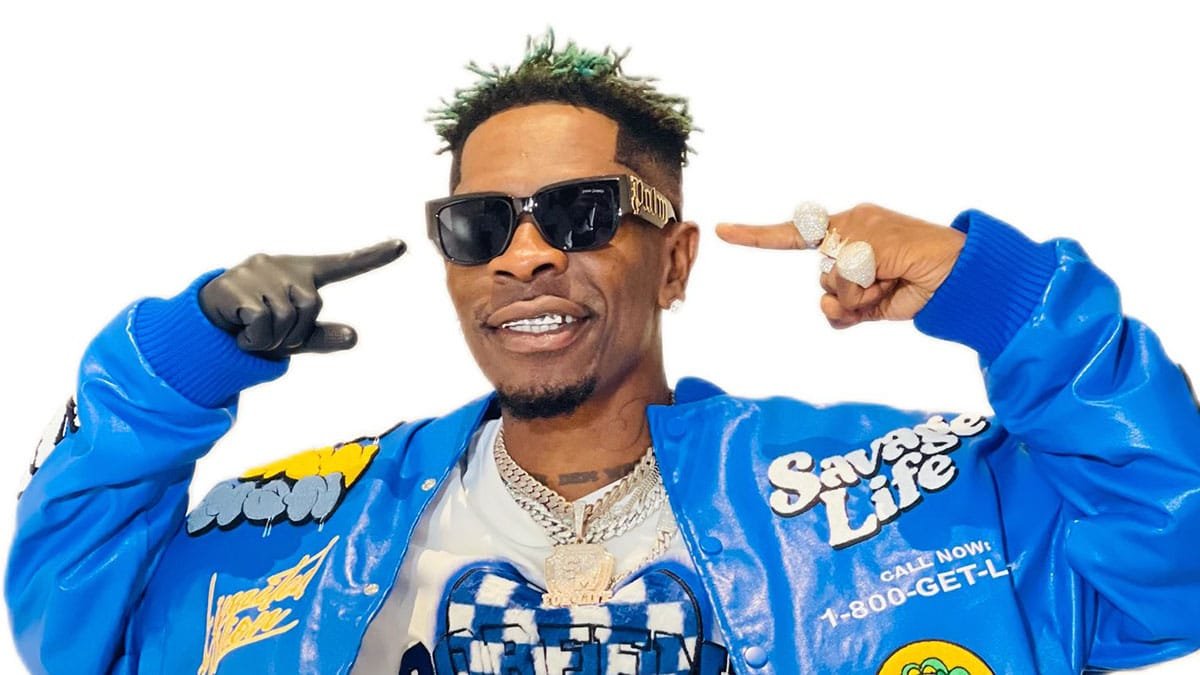
The musician, however, has refused to retract his comments about the economic difficulties facing young Ghanaians, maintaining that his statements were meant to draw attention to unemployment and the struggles many young people endure to survive.
Speaking in an interview on Hitz FM, Shatta Wale expressed disappointment over the criticism directed at COP Lydia Donkor, explaining that the senior police officer had already left the concert grounds before he made the statements that generated controversy.
According to him, COP Donkor attended ShattaFest to support the event and ensure that the necessary security measures were in place.
He disclosed that the CID boss departed shortly after his first performance because she had another engagement the following day.
Before leaving, Shatta Wale said the senior police officer assured him that security arrangements at the venue were satisfactory.
The dancehall artiste expressed concern that some members of the public had dragged COP Donkor into the controversy, with suggestions that her presence at the concert meant she had tolerated his statements.
He explained that the police officer has maintained a close relationship with him and fellow musician Stonebwoy, describing her as a mother figure who has consistently demonstrated love and concern for their well-being.
Shatta Wale indicated that he felt uncomfortable seeing someone he deeply respects subjected to public attacks over comments she was not present to hear.
“I just want to say I’m sorry to her again because I feel people are attacking her too much, that at least she’s allowed me to be disrespectful,” he said.
The musician emphasised that COP Donkor should not be blamed for his actions or statements simply because she attended the concert.
Meanwhile, Shatta Wale has defended his controversial remarks about fraudulent activities, arguing that the growing unemployment situation in Ghana deserves serious national attention.
He explained that many young people are facing difficult economic conditions, with some struggling to secure jobs or establish legitimate businesses to support themselves and their families.
According to him, the frustrations associated with unemployment and financial hardship have created circumstances in which some young people resort to desperate measures to make ends meet.
Shatta Wale argued that the government must prioritise job creation and introduce opportunities that will enable young Ghanaians to earn sustainable incomes.
During the interview, the musician described certain activities as a form of “survival feeling” rather than fraud, a statement that has raised questions about his position on illegal means of making money.
His choice of words has generated mixed reactions, with some interpreting the comments as an attempt to defend fraudulent activities, while others believe he was highlighting the economic pressures confronting the youth.
Shatta Wale maintained that his concerns were centred on the difficulties young people face in finding employment and the need for authorities to address the underlying economic challenges.
He further explained that his apology to COP Lydia Donkor was specifically intended to address the misunderstanding surrounding her attendance at ShattaFest and the subsequent criticism directed at her.













Entertainment
FULL LIST: Pat Thomas, DopeNation, Burna Boy, Asake and Other Global Stars Featured in GTA VI
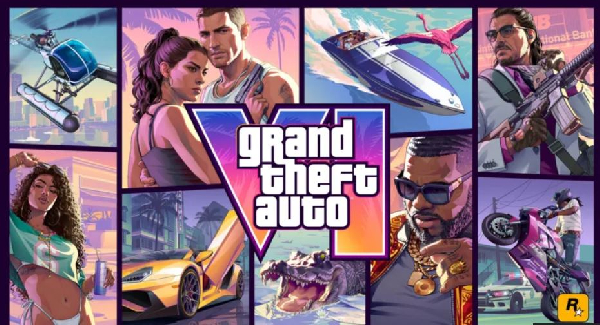
The musicians are among several international artistes whose songs have been selected for the game’s soundtrack, offering millions of gaming enthusiasts an opportunity to experience African music alongside popular global hits.
According to information reported by PUNCH Online and attributed to the official music page of Rockstar Games, the developers of the Grand Theft Auto franchise, the African songs will be played on AfroBank FM, an in-game radio station dedicated to African music.
The station features a mixture of Afrobeats, amapiano, African classics and 3-step music, highlighting the diversity of sounds emerging from the continent.
Nigerian Afrobeats superstar Burna Boy serves as one of the station’s radio hosts alongside British DJ and music producer Palms Trax, who appears in the game under the name Palmsy.
Among the confirmed songs is Asake’s popular track Joha, taken from his 2022 debut album, Mr Money With The Vibe.
Ghanaian music is also represented through the timeless highlife classic Gye Wani, performed by legendary musicians Pat Thomas and Ebo Taylor.
The inclusion of the song introduces Ghana’s rich highlife heritage to a new generation of international listeners through one of the world’s most recognised gaming franchises.
Ghanaian music duo DopeNation have also secured a place on the station’s playlist with their popular song Kakalika, adding contemporary Ghanaian music to the African selection.
South African musicians DJ Lag, Robot Boii and Kamo Mphela are equally represented with their collaboration Shay’sana, further expanding the range of African sounds featured in the game.
Meanwhile, reports circulating online suggest that Burna Boy’s collaboration with fellow Nigerian musician Seyi Vibez, titled Giza, from his 2023 album I Told Them…, may also appear in the game.
However, PUNCH Online indicated that the inclusion of Giza had not been independently confirmed, although Rockstar Games reportedly stated that additional songs would be announced.
Beyond his role as a radio presenter, Burna Boy has contributed an original song titled Bigger to the official soundtrack album, Grand Theft Auto VI: The Album.
The album, released in partnership with Atlantic Records, features 34 tracks from musicians across different genres and countries.
The collection includes songs by international stars such as Travis Scott, Dua Lipa, Playboi Carti, Cardi B, Lana Del Rey, Camila Cabello, Don Toliver and several others.
According to the report, Grand Theft Auto VI is scheduled for release on November 19, 2026, for PlayStation 5 and Xbox Series X|S, with the official soundtrack album arriving on the same day.
African Artistes and Songs Featured in GTA VI
| Artiste | Song |
|---|---|
| Burna Boy | AfroBank FM co-host, appearing as Burna |
| Palms Trax | AfroBank FM co-host, appearing as Palmsy |
| Asake | Joha |
| Pat Thomas feat. Ebo Taylor | Gye Wani |
| DopeNation | Kakalika |
| DJ Lag & Robot Boii feat. Kamo Mphela | Shay’sana |
| Burna Boy & Seyi Vibez | Giza (reported but unconfirmed) |
| Burna Boy | Bigger (official soundtrack album) |
Full Tracklist: Grand Theft Auto VI – The Album
The 34-track soundtrack brings together musicians from different parts of the world, including established international stars and emerging performers.
| No. | Song title | Artiste |
|---|---|---|
| 1 | Starting From Zero | Justice feat. Michael McDonald |
| 2 | That’s It | Yung Lean feat. Future & Metro Boomin |
| 3 | Ahh Yea | Playboi Carti |
| 4 | RHYNO | Travis Scott |
| 5 | Sexy Magic | CA7RIEL & Paco Amoroso, PinkPantheress, Fred again.. & Étienne de Crécy |
| 6 | Flower in a Hurricane | Justice feat. Tame Impala, SZA & King Gizzard & the Lizard Wizard |
| 7 | Go Easy | Dua Lipa |
| 8 | Last Thing You Need | Morgan Wallen |
| 9 | X | Jhayco |
| 10 | Suzuki | Fuerza Regida |
| 11 | Macacoa 2000 | Rauw Alejandro |
| 12 | Dance With Me | A Boogie Wit Da Hoodie feat. Elkan |
| 13 | Bigger | Burna Boy |
| 14 | Count Up | Gunna |
| 15 | IKYFL | Tee Grizzley |
| 16 | TF? | Don Toliver |
| 17 | Don’t Chart | Cardi B |
| 18 | GMA | JT |
| 19 | Power Trip | JENNIE |
| 20 | Blood in Your Eyes | Tove Lo |
| 21 | Fast Emotion | Zara Larsson |
| 22 | Sweet Like Candy | Camila Cabello |
| 23 | Only One | Fcukers |
| 24 | Sandiunguea | Arca |
| 25 | TRDWFE | Rina Sawayama |
| 26 | All Again | Rose Gray |
| 27 | Crazy for You | Lana Del Rey |
| 28 | Largate | Kali Uchis & Helado Negro |
| 29 | No Me Busques | Omar Apollo |
| 30 | Bright Lights, Big City | Keith Richards |
| 31 | Stone Kold Krazy Luuv | Jesse Johnson & Dâm-Funk |
| 32 | Overtown Lights | Stanley Clarke, Yussef Dayes & Robert Glasper |
Source: punchng.com

Speaking in an interview with Andy Dosty on Hitz FM, shared on X on November 19, 2026, the singer disclosed that she is currently enjoying one of the happiest periods of her life, attributing her fulfilment to the freedom she has gained since becoming an independent artiste.
According to MzVee, leaving Lynx Entertainment has allowed her to take full control of her music career, make personal decisions and pursue opportunities without being restricted by contractual obligations.
The award-winning singer explained that although record labels play important roles in developing artistes, the demands associated with recording contracts can sometimes prevent musicians from exploring their creative interests.
She emphasised that her decision to remain independent should not be interpreted as a sign of disagreement or an unhealthy relationship with her former record label.
MzVee revealed that she continues to maintain a cordial relationship with Lynx Entertainment Chief Executive Officer Richie Mensah, adding that the two recently had a conversation.
She indicated that Richie Mensah understands the challenges associated with managing artistes and has himself acknowledged the pressure involved in operating a record label.
According to her, managing a record label can be stressful for both executives and musicians because of the expectations, responsibilities and contractual commitments involved.
Touching on the difficulties artistes sometimes face under recording contracts, MzVee explained that signing a long-term agreement could limit a musician’s ability to make decisions as their career progresses.
She cited a five-year recording contract as an example, explaining that an artiste’s ambitions and understanding of success could change during that period, while the obligations of the contract remain in place.
The singer noted that such situations could leave musicians pursuing objectives that no longer reflect their personal interests or creative direction.
MzVee further explained that her experiences in the music industry have changed her understanding of success, stressing that she now places greater importance on personal happiness than on meeting expectations set by others.
For her, achieving success is not necessarily about belonging to a major record label but about finding fulfilment in what she does.
The singer also disclosed that several record labels have expressed interest in signing her since her departure from Lynx Entertainment.
She revealed that some of the offers have come from music companies based in the United States, Nigeria and other countries.
Despite receiving these opportunities, MzVee maintained that she is not interested in entering another recording agreement.
She explained that the independence she currently enjoys allows her to determine the direction of her career, choose the projects she wants to undertake and work according to her own plans.
MzVee insisted that even if a record label approached her with an attractive deal, she would decline the offer because she is unwilling to sacrifice the freedom she has gained as an independent musician.
Entertainment
Dope Nation’s ‘Kakalika’ Makes Waves Internationally After Landing on GTA 6 Soundtrack
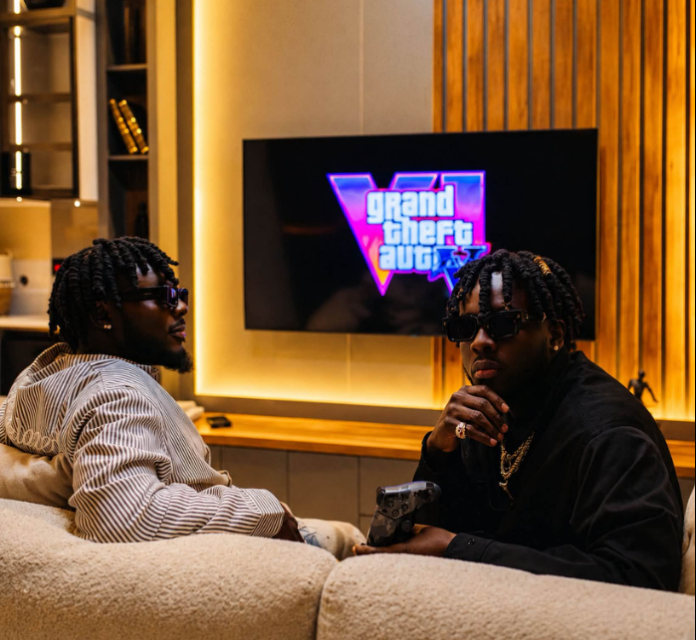
The song is featured on AfroBank FM, one of the game’s radio stations, allowing players to listen to the Ghanaian duo’s music while exploring the virtual world.
DopeNation shares the spotlight with legendary Ghanaian highlife musicians Pat Thomas and Ebo Taylor, whose classic collaboration, Gye Wani, has also been included in the station’s music selection.
AfroBank FM is dedicated to promoting African music, featuring a mixture of contemporary African sounds, amapiano, 3-step and timeless classics from across the continent.

The station is co-hosted by Nigerian Afrobeats sensation Burna Boy and British DJ Palms Trax, bringing together influential personalities from the African and international music scenes.
Excited about the recognition, DopeNation shared the news on their official Facebook page, expressing pride in having their music featured on such a major global entertainment platform.
“Proud to Represent GHANA in GTA 6. This is definitely an honour. Rockstar Games!!” the duo wrote.
The announcement has sparked excitement among music lovers and social media users, with many celebrating the growing international exposure of Ghanaian music.
Popular American streamer IShowSpeed has also drawn attention to Kakalika after he was reportedly captured enthusiastically dancing and enjoying the song while playing the video game.
The moment quickly attracted reactions online, with fans sharing clips of the streamer’s excitement and praising DopeNation for gaining recognition beyond Ghana.
The exposure has introduced the duo’s music to a broader audience, particularly gaming enthusiasts and international listeners who may be discovering their sound for the first time.
The inclusion of Kakalika alongside Pat Thomas and Ebo Taylor’s Gye Wani brings together different generations of Ghanaian music on the same platform, showcasing both modern musical creativity and the country’s longstanding highlife tradition.
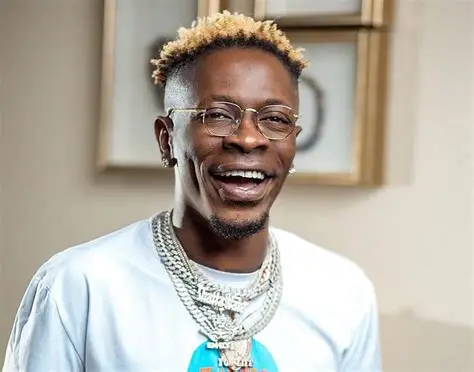
Ghanaian dancehall artiste Shatta Wale has dismissed allegations by his former partner, Michy, that he has not seen their son, Majesty, since 2023.
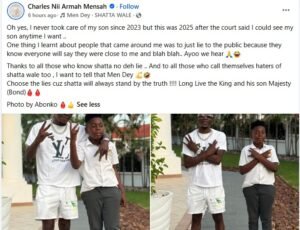
The musician has shared photographs of himself spending time with Majesty at his mansion, claiming the pictures were taken in 2025 after a court ruling granted him access to his son.
His reaction comes after Michy challenged statements he made during a recent interview on Hitz FM, where he alleged that he was being restricted from seeing Majesty.
Responding to the interview, Michy accused Shatta Wale of creating a misleading impression about his involvement in their son’s upbringing.
She maintained that the musician had made no serious efforts to establish a co-parenting arrangement and claimed he had not physically seen Majesty since 2023.
According to Michy, Shatta Wale’s comments during the interview were intended to attract public sympathy and portray him as a responsible father who was being unfairly denied access to his child.
To support her position, she released screenshots of conversations dating back to 2023, in which the dancehall musician allegedly declared that he would no longer involve himself in Majesty’s life.
The messages reportedly followed a disagreement during which Shatta Wale became upset over certain actions involving Michy and their son.
However, Shatta Wale has challenged her account, insisting that the claims do not reflect what actually happened.
Taking to social media, the musician posted photographs showing him and Majesty together at his residence, explaining that the images were captured in 2025.
He further claimed that the photographs were taken after a court decision allowed him to see his son whenever he wished.
Reacting sarcastically to Michy’s allegations, Shatta Wale wrote:
“Oh yes, I never took care of my son since 2023, but this was 2025 after the court said I could see my son anytime I want.”
Beyond addressing the disagreement over Majesty, Shatta Wale also criticised individuals he believes have taken advantage of their previous relationships with him to spread false information.
The musician explained that his experiences with certain people had taught him that individuals who were once close to someone could later present misleading accounts of their relationship.
He suggested that such people sometimes rely on their former closeness to him to make their claims appear credible to the public.
According to Shatta Wale, some individuals deliberately spread falsehoods because they believe people will readily accept their statements without questioning their accuracy.
He also expressed appreciation to those who continue to support him and reject what he considers fabricated stories about his personal life.
“Thanks to all those who know shatta no deh lie… And to all those who call themselves haters of shatta wale too, I want to tell that Men Dey. Choose the lies cuz shatta will always stand by the truth !!!!” he wrote.
The dancehall musician ended his social media post by celebrating his relationship with Majesty, writing, “Long Live the King and his son Majesty (Bond).”
Entertainment
From Highlife to Afrobeats: The Evolution of Ghanaian Music and the Genres That Shaped Its Cultural Identity

Music has always been an important part of Ghanaian culture, serving as a powerful means of storytelling, entertainment, communication and cultural preservation. From the traditional sounds of drums and flutes to the energetic rhythms of highlife, hiplife, gospel, reggae, dancehall and Afrobeats, Ghana’s musical journey reflects the country’s history, creativity and changing social identity.

Over the years, Ghanaian music has moved beyond entertainment to become a reflection of everyday life, addressing issues such as love, politics, religion, migration, economic hardship and national pride.
Among the many genres that have shaped Ghana’s musical landscape, highlife remains one of the most influential. However, the emergence of other musical styles has expanded the country’s creative industry, giving different generations opportunities to express themselves through unique sounds.
Highlife Music: The Foundation of Ghana’s Modern Music Industry
Highlife music is widely regarded as one of Ghana’s most important contributions to African music. Its origins can be traced to the coastal communities of the Gold Coast during the late 19th and early 20th centuries, when African musical traditions began interacting with European instruments and styles.

The genre developed through exchanges involving local musicians, traders, sailors, colonial military bands and communities along the West African coast.
Early highlife drew inspiration from palm-wine music, a style commonly performed with acoustic guitars, percussion and other portable instruments at social gatherings.
Another major influence was adaha, a brass-band tradition that combined European military instrumentation with African rhythmic patterns.

As these influences developed, musicians introduced guitars, trumpets, saxophones, drums and keyboards, creating the distinctive melodies and danceable rhythms associated with highlife.
One of the genre’s most celebrated pioneers was E.T. Mensah, popularly recognised as the King of Highlife. His band, The Tempos, helped popularise highlife across Ghana and other West African countries during the 1950s and 1960s.

Other influential Ghanaian highlife musicians include Ebo Taylor, Nana Ampadu, Amakye Dede, Daddy Lumba, Kojo Antwi and Pat Thomas.
Beyond Ghana, Nigerian musicians such as Cardinal Rex Lawson and Sir Victor Uwaifo contributed to highlife’s growth across West Africa.

Highlife songs frequently explore relationships, marriage, family responsibilities, morality, politics and social behaviour. Their lyrics often contain proverbs and life lessons, making the genre an important source of cultural education.
Despite the rise of contemporary musical styles, highlife remains popular at weddings, funerals, festivals and family celebrations.

Traditional Ghanaian Music: The Roots of Cultural Expression
Long before the development of highlife and other contemporary genres, traditional music played a central role in Ghanaian communities.
Different ethnic groups developed distinct musical traditions that reflected their languages, histories, spiritual beliefs and social structures.

Among the Akan, traditional drumming and music are closely connected to festivals, royal ceremonies, funerals and community gatherings. Instruments such as the fontomfrom drums are associated with chieftaincy and important ceremonial occasions.
The Ewe communities are particularly recognised for their complex drumming traditions, including agbadza, which combines rhythmic drumming, singing and coordinated dancing.

In northern Ghana, instruments such as the gyil, a traditional wooden xylophone, and various talking drums remain important elements of musical expression.
Traditional music also plays a role in storytelling, with songs used to preserve historical events, praise community leaders and pass cultural knowledge from older generations to younger ones.
Although modern instruments have become more common, traditional Ghanaian music continues to influence highlife, gospel, hiplife and Afrobeats.

Hiplife: The Genre That Connected Ghanaian Youth to Hip-Hop
The emergence of hiplife during the 1990s marked a major turning point in Ghana’s music industry.
The genre combines elements of American hip-hop with Ghanaian highlife rhythms, local languages and indigenous storytelling.

Reggie Rockstone is widely credited with pioneering and popularising hiplife in Ghana, particularly through his use of Twi and other Ghanaian expressions in rap music.
At a time when hip-hop was becoming increasingly popular among young people, hiplife created a musical identity that connected international influences with Ghanaian culture.
Musicians such as Obour, Lord Kenya, Tic, Mzbel, VIP and Buk Bak helped establish hiplife as a dominant force in Ghanaian entertainment.

Later, artistes including Sarkodie and M.anifest contributed to the development of Ghanaian rap, although their music extends beyond traditional hiplife.
Hiplife provided young musicians with a platform to discuss unemployment, relationships, ambition, poverty, social inequality and everyday experiences.

The genre also transformed Ghana’s entertainment industry by encouraging music videos, youth-oriented radio programming, rap competitions and commercial collaborations.
Gospel Music: Faith, Worship and Ghanaian Musical Identity
Gospel music is one of Ghana’s most widely embraced musical genres, reflecting the significant role Christianity plays in many communities.
Its development has been influenced by church hymns, traditional African rhythms, choral arrangements and contemporary international worship music.

Earlier Ghanaian gospel performers helped establish a distinctive local sound by combining Christian messages with highlife melodies and indigenous languages.
Musicians such as Yaw Sarpong, Daughters of Glorious Jesus, Tagoe Sisters, Cindy Thompson and Esther Smith played important roles in popularising gospel music.

Contemporary performers including Diana Hamilton, Joe Mettle, MOGmusic, Celestine Odonkor and Empress Gifty have continued to expand its audience.
Gospel music in Ghana is not limited to churches. It is performed at concerts, weddings, funerals, national events and private celebrations.

The genre has also developed several musical expressions, including traditional gospel, contemporary worship, gospel highlife, gospel reggae and urban gospel.
For many Ghanaians living abroad, gospel music provides a connection to their religious beliefs, language and cultural identity.

Reggae and Dancehall: The Caribbean Influence on Ghanaian Music
Reggae and dancehall originated in Jamaica but have become important parts of Ghana’s contemporary musical landscape.
Reggae is often associated with messages of peace, justice, spirituality, resistance and social consciousness.

Dancehall, meanwhile, is generally characterised by energetic rhythms, rhythmic vocal delivery and a strong connection to street culture and youth expression.
Ghanaian musicians began embracing reggae influences decades ago, with artistes such as Rocky Dawuni helping to promote Ghanaian reggae internationally.
The rise of Samini, Shatta Wale and Stonebwoy further strengthened the popularity of reggae and dancehall among Ghanaian audiences.

These musicians have blended Caribbean sounds with Ghanaian languages, local rhythms and contemporary African musical influences.
Reggae and dancehall have also influenced Ghanaian fashion, stage performances, youth culture and entertainment discussions.
Through international collaborations and performances, Ghanaian reggae and dancehall musicians have helped introduce local audiences and cultural expressions to listeners outside Africa.

Afrobeats: Taking Ghanaian Sounds to the International Stage
Afrobeats has become one of the most commercially influential contemporary African music styles.
Unlike Afrobeat, the genre associated with Nigerian musician Fela Kuti, Afrobeats is a broad contemporary musical movement that incorporates influences from highlife, hip-hop, R&B, dancehall, electronic music and various African rhythms.

Ghana has played an important role in shaping this modern sound through musicians, producers and international collaborations.
Artistes such as King Promise, KiDi, Kuami Eugene, Wendy Shay and Gyakie have contributed to the popularity of Ghanaian Afrobeats and related contemporary styles.

Afrobeats songs frequently explore love, relationships, enjoyment, ambition, heartbreak and personal success.
The rise of digital streaming platforms and social media has significantly expanded the genre’s reach.
Music videos, dance challenges and collaborations with international performers have enabled Ghanaian musicians to connect with audiences across Africa, Europe, North America and other regions.
Afrobeats has also created opportunities for music producers, dancers, fashion designers, content creators and event organisers.

Burger Highlife: How Ghanaian Migrants Created a New Sound Abroad
Burger Highlife emerged largely through Ghanaian musicians living in Germany during the late 1970s and 1980s.
The term Burger became associated with Ghanaians who had lived in Germany, particularly Hamburg, and returned home with new fashions, lifestyles and musical influences.
Ghanaian musicians in Europe began combining traditional highlife with electronic keyboards, synthesisers, drum machines, disco, funk and other Western popular music styles.
This experimentation produced a modern and danceable sound that appealed to both Ghanaian migrants and audiences back home.
George Darko became one of the genre’s most influential figures, particularly through his popular song Akoo Te Brofo.

Other musicians associated with burger highlife include Charles Sarpong and Lee Dodou.
Burger Highlife became particularly popular during the 1980s and 1990s, influencing Ghanaian popular music production and the wider use of electronic instruments.
The genre also demonstrates how migration can influence cultural creativity, allowing musicians to preserve elements of their heritage while adapting to new environments.

Afro-Rock and Afro-Funk: Ghana’s Experimental Musical Traditions
Ghanaian music has also contributed to the development of Afro-rock and Afro-funk, genres that combine African rhythms with Western rock, jazz, soul and funk.
One of the most internationally recognised groups associated with this movement is Osibisa, a band formed in London in 1969 by musicians with Ghanaian and Caribbean backgrounds.

The group became known for its energetic performances, elaborate percussion arrangements and fusion of African and Western musical influences.
Its success demonstrated that African musical traditions could appeal to international audiences without losing their cultural character.

Ghanaian musician Ebo Taylor also played an important role in developing music that combined highlife with jazz, funk and Afrobeat influences.
These experimental sounds helped broaden the possibilities of African popular music and continue to influence contemporary musicians and producers.

Asakaa and Ghanaian Drill: A New Voice for the Streets
The emergence of Asakaa, often described as Ghanaian drill, introduced another important chapter in the country’s musical development.
The movement gained significant attention around 2020, particularly through young musicians based in Kumasi.

Influenced by international drill music, Asakaa combines heavy basslines, distinctive rhythmic patterns and rap delivered in Twi, English and Ghanaian street expressions.
Musicians associated with the movement include Yaw Tog, O’Kenneth, Jay Bahd and Kweku Flick.
The genre became especially popular among young listeners because of its energetic delivery and references to street experiences, ambition, friendship and economic struggles.

Social media played an important role in its expansion, with performances and music videos reaching audiences beyond Ghana.
Asakaa has also helped draw attention to Kumasi as an important centre of contemporary Ghanaian music.

Jama and Kpanlogo: The Sounds of Community Celebration
Jama and Kpanlogo represent two important forms of Ghanaian communal musical expression, although they have different origins and cultural functions.
Jama is widely associated with rhythmic chanting, drumming, singing and coordinated group participation.

It is particularly popular in Ghanaian schools, sporting competitions, festivals and social gatherings.
During inter-school competitions and sporting events, jama performances create excitement and strengthen unity among participants.
Kpanlogo, on the other hand, is a recreational music and dance tradition associated with the Ga people of Greater Accra.

It became particularly popular during the mid-20th century and is recognised for its lively percussion, distinctive dance movements and communal participation.
Both traditions demonstrate how Ghanaian music extends beyond commercial recording studios into everyday social life.
Their rhythmic patterns and performance styles have also influenced contemporary Ghanaian musicians.

Contemporary R&B, Soul and Alternative Music
Beyond the more established genres, Ghana’s music industry has witnessed growing interest in R&B, soul, alternative pop and experimental sounds.
These genres offer musicians opportunities to explore softer melodies, unconventional production styles and deeply personal storytelling.

Efya has become one of Ghana’s notable voices in soul and R&B, recognised for her vocal performances and emotionally expressive music.
Amaarae has also gained international recognition through her experimental approach to music, blending alternative pop, R&B, Afrobeats and other influences.
Other performers, including Darkovibes and Worlasi, have contributed to the development of Ghana’s contemporary alternative music scene.
These artistes demonstrate that Ghanaian music is increasingly diverse, with musicians exploring sounds that do not always fit into traditional genre classifications.

Their work also reflects changing audience preferences, particularly among younger listeners who consume music from different cultures through digital platforms.
Music has become an important contributor to Ghana’s tourism and creative economy.
Festivals, concerts, cultural exhibitions and entertainment events attract local and international audiences, creating opportunities for musicians, hotels, transport operators, food vendors and other businesses.
Events such as AfroFuture, BHIM Festival and other major musical gatherings have helped position Ghana as a destination for entertainment and cultural experiences.

Traditional music performances at tourist attractions and cultural festivals also introduce visitors to the country’s history and heritage.
Highlife, in particular, remains closely connected to Ghana’s national identity, while contemporary genres such as Afrobeats, hiplife and dancehall attract younger international audiences.
Music also serves as a bridge between Ghana and its diaspora.
For Ghanaians living abroad, familiar songs can evoke memories of childhood, family gatherings, festivals and important cultural experiences.
Through music, younger generations born outside Ghana can develop connections to their ancestral languages, traditions and cultural heritage.
Despite its cultural importance and international potential, Ghana’s music industry continues to face several challenges.
One major concern is the preservation of older musical genres, particularly highlife and traditional music.
As younger audiences increasingly embrace contemporary international sounds, some industry stakeholders worry that important aspects of Ghana’s musical heritage could gradually receive less attention.
Other challenges include inadequate investment, limited performance infrastructure, copyright infringement, royalty distribution concerns and difficulties accessing international markets.
The growing dominance of digital streaming has also changed how musicians earn income, making it important for artistes to understand music publishing, intellectual property rights and digital distribution.
Music education and archival preservation remain equally important.
Without proper documentation, recordings and historical research, the contributions of pioneering musicians risk being overlooked by future generations.
There is also a need for stronger collaboration among musicians, producers, cultural institutions, policymakers and educational establishments to support the development of the industry.
Ghana’s musical identity continues to evolve as younger artistes experiment with new sounds and production techniques.
The growing relationship between traditional rhythms and contemporary genres creates opportunities for innovation without abandoning the country’s cultural foundations.
Highlife melodies can be heard in modern Afrobeats productions, traditional percussion continues to influence gospel music, and indigenous languages remain important in hiplife, rap and Asakaa.
Emerging technologies, including digital recording software, streaming services and artificial intelligence, are also transforming music production and distribution.
However, preserving Ghana’s musical history remains essential to ensuring that future generations understand the contributions of the musicians who helped establish the country’s creative identity.
From the pioneering sounds of E.T. Mensah and the timeless compositions of Nana Ampadu to the international achievements of contemporary performers, Ghanaian music continues to tell stories of identity, resilience, creativity and cultural transformation.

When Did We Stop Knowing Our Neighbours? The Changing Face of Community Life in Ghana

Borrowed but Never Returned: Why Do Some People Treat Other People’s Belongings as Their Own?

Why Do We Give Advice Nobody Asked For? The Habit of Interfering in Other People’s Lives

FULL LIST: Pat Thomas, DopeNation, Burna Boy, Asake and Other Global Stars Featured in GTA VI

Why Do We Judge People by the Way They Speak English? The Hidden Pressure to Sound Educated

NADFFA 2027: Ghana to Host Pan-African Film and Food Festival in March

GTA Staff Demand Answers on World Cup Visa Slots, Staff Dismissals and Unpaid Allowances

SAMMY GYAMFI’S “MINE WITHOUT LICENCE” REMARK SPARKS FRESH GALAMSEY DEBATE

Nicki Minaj Throws Her Support Behind Trump Ahead of US Midterm Elections

FOKLEX MEDIA AWARDS COMMENDS PRINCE KWAW GYIMAH AND OWASS FM TEAM FOR PROFESSIONALISM DURING KWAME DZOKOTO INCIDENT

Illinois’ financial crisis could bring the state to a halt
The final 6 ‘Game of Thrones’ episodes might feel like a full season
New Season 8 Walking Dead trailer flashes forward in time
Mod turns ‘Counter-Strike’ into a ‘Tekken’ clone with fighting chickens
Meet Superman’s grandfather in new trailer for Krypton
-

 Entertainment20 hours ago
Moesha Boduong Makes Emotional Visit to Diaspora Affairs Office Amid Recovery Journey
-

 Politics21 hours ago
NDC Mourns Death of Greater Accra Deputy Regional Youth Organiser Eric Atsu Afeme
-

 General News22 hours ago
From Promises to Actual Implementation’: COP31 Theme Highlights Urgency of Climate Action – Jospong Sustainability Officer
-
 Entertainment18 hours ago
“My Body Is No Longer Firewood, It Is Now Metal” – Adwoa Smart Opens Up About Love Life
-

 General News20 hours ago
New GHAFTRAM President Nana Kwadwo Obiri Pushes for Traditional Medicine Inclusion in NHIS
-

 Politics19 hours ago
NPP Is Talking About $60.68M Presidential Jet, But What About Ken Ofori-Atta’s $4.25BN ? — Former MP Fires
-

 Entertainment14 hours ago
Dope Nation’s ‘Kakalika’ Makes Waves Internationally After Landing on GTA 6 Soundtrack
-

 Entertainment12 hours ago
I Have Never Been Happier – MzVee Opens Up About Life After Lynx Entertainment