
Business
Dangote Challenges Ghana to Become West Africa’s Manufacturing Hub

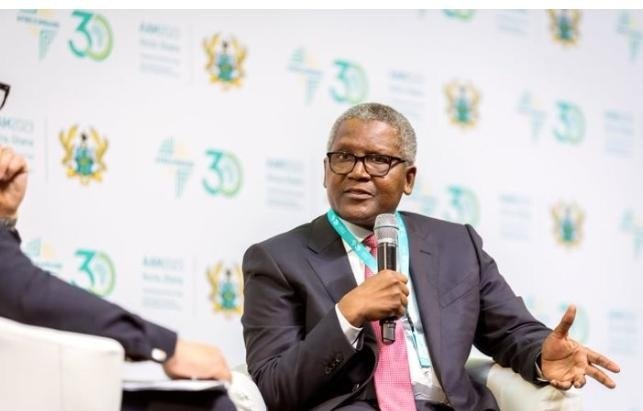
Nigerian business magnate and industrialist Aliko Dangote has challenged Ghana to look beyond its domestic market and take advantage of the vast commercial opportunities across West Africa, estimated at approximately 450 million people.
He believes Ghana can strengthen its economic position by expanding local manufacturing, attracting investment into productive industries and leveraging regional trade agreements to reach consumers across the subregion.
Mr Dangote made the call on Monday, November 16, 2026, while addressing participants at the maiden Invest in Ghana Summit, where he urged Ghanaian entrepreneurs and investors to adopt a broader approach to business expansion.
According to him, Ghana’s economic opportunities should not be limited to its domestic population when businesses can potentially access markets across the Economic Community of West African States (ECOWAS).
“When you are talking about Ghana’s market, it’s not only the population of Ghana. Ghana’s market, I was telling you, is 450 million people’s market,” he said.
He explained that regional economic integration could provide Ghanaian manufacturers with opportunities to increase production and distribute locally manufactured goods to neighbouring countries.
Dangote proposes major West African road project
The industrialist also identified inadequate transportation infrastructure as one of the major obstacles limiting trade and economic cooperation across West Africa.
To address the challenge, he proposed the construction of a 1,000-kilometre road connecting Ghana, Nigeria and Côte d’Ivoire.
He argued that improved road connectivity would facilitate the movement of goods, reduce transportation difficulties and strengthen commercial relationships among the three countries.
Mr Dangote indicated his intention to engage President John Dramani Mahama and other regional leaders to push for the proposed project to receive priority attention.
The proposal, if pursued, could improve access to markets and support businesses seeking to expand their operations across the subregion.
Calls for Ghana to reduce dependence on imports
Beyond regional trade, Mr Dangote urged Ghana and other African countries to prioritise domestic production rather than depend heavily on imported finished goods.
He maintained that countries that concentrate on consumption without developing their productive industries risk exporting employment opportunities and economic benefits to foreign manufacturing economies.
“If you are a consumer, you are not a producer; you will never, ever create jobs. You will never, ever create prosperity,” he stated.
Using Ghana’s rice industry as an example, he encouraged policymakers and consumers to support locally produced rice, even when domestic products are slightly more expensive than imported alternatives.
He argued that purchasing locally manufactured goods would keep more money circulating within the Ghanaian economy, benefiting farmers, processors, distributors and other businesses along the production chain.
Dangote considers major investments in Ghana
The Nigerian billionaire also signalled interest in expanding his business group’s investments in Ghana, particularly in agriculture and manufacturing.
He identified sugar production, cocoa processing and rice milling as potential areas for investment.
He disclosed that discussions were ongoing with the government regarding a proposed sugar production project that could generate nearly 50,000 jobs.
Additionally, he expressed readiness to explore the establishment of an additional 500,000 metric tonnes of rice-processing capacity in Ghana, subject to an agreement with the government.
The proposed investments could create opportunities for local farmers, strengthen agricultural value chains and increase Ghana’s capacity to process commodities locally.
However, the projects remain subject to further discussions and agreements.
Ghana’s opportunity in regional trade
Mr Dangote’s remarks highlight the importance of strengthening Ghana’s manufacturing sector and improving its ability to compete in regional markets.
With the African Continental Free Trade Area (AfCFTA) Secretariat headquartered in Accra, Ghana has an additional opportunity to position itself as an important centre for regional commerce.
His message was that Ghana must build a stronger production base, attract long-term investment and improve infrastructure if it intends to benefit from the wider West African market.

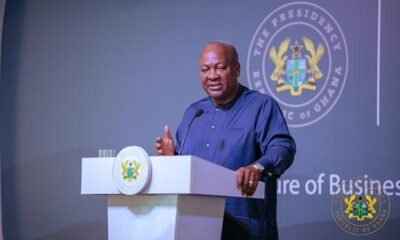







President John Dramani Mahama has called on local and international investors to take advantage of Ghana’s US$10 billion New Economy Programme, describing private-sector investment as essential to the country’s industrial transformation, job creation and economic growth.
The President made the appeal on Monday, November 16, 2026, at the maiden Invest Ghana Summit in Accra, where government officials, business executives and investors gathered to explore opportunities in Ghana’s emerging economic sectors.
The four-year programme, covering 2027 to 2030, is designed to expand domestic production, strengthen local industries, increase exports and create employment opportunities.
The initiative will focus on eight priority areas: commercial agriculture, energy infrastructure, critical minerals value addition, tourism and creative arts, textiles and garments, pharmaceuticals and biomanufacturing, the technology economy, as well as macroeconomic stability and affordable financing.
Mahama’s appeal comes as the government seeks to move the economy beyond stabilisation towards increased production and industrial development, with the private sector expected to play a central role in financing and implementing key projects.
At the summit, the President highlighted several investment opportunities under the government’s broader 24-hour economy agenda.
These include the Volta Economic Corridor, the Legon Pharmaceutical Innovation Bank, the Kumasi Machinery and Technology Bank, the Akosombo-Juapong Textiles and Garments Enclave, and the Tamale Air Cargo Hub.
He encouraged investors to examine the projects, identify areas where their businesses could participate and move towards practical engagements, including feasibility studies, partnerships and project implementation.
The government has also indicated that investment opportunities have been identified across all 16 regions, covering agriculture, agro-processing, mineral processing, energy, tourism, healthcare, logistics and digital services.
Meanwhile, Minister for Trade, Agribusiness and Industry Elizabeth Ofosu-Adjare outlined government commitments aimed at improving the business environment and accelerating industrial development.
She identified opportunities in garment manufacturing, pharmaceutical production, automotive components, sugar production and oil palm processing.
The garment manufacturing sector is expected to be a major source of employment, with four proposed factories projected to generate approximately 36,000 direct jobs when operating at full capacity.
The Founder and Chief Executive Officer of the Dangote Group, Aliko Dangote, also used the summit to encourage African countries to strengthen domestic investment and develop industries capable of processing their own raw materials rather than exporting them in largely unprocessed forms.
The New Economy Programme represents a significant component of Ghana’s economic transformation strategy. Government plans to commit US$10 billion over four years, equivalent to an average of US$2.5 billion annually, to support productive sectors and attract additional private capital.
The programme’s success will depend on the government’s ability to translate investment commitments into operational projects, improve the business environment and ensure that local companies and workers benefit from the opportunities created.
For investors, the initiative presents potential opportunities in manufacturing, agriculture, infrastructure, technology and value-added production as Ghana seeks to strengthen its position as an industrial and investment destination in West Africa.
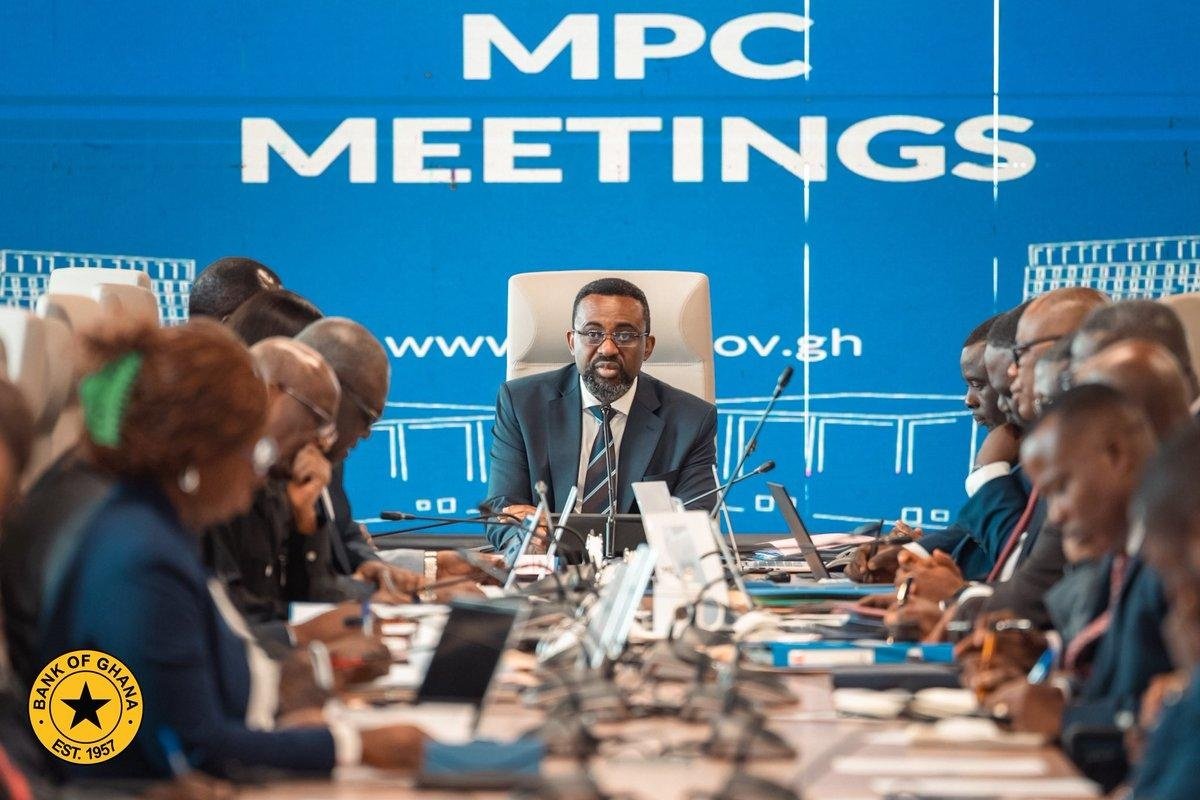
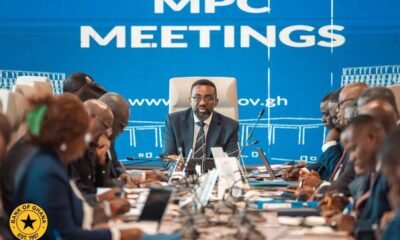
The Bank of Ghana (BoG) is considering possible changes to its monetary policy framework as part of efforts to strengthen the transmission of monetary policy decisions to the banking sector and improve access to credit for businesses and households.
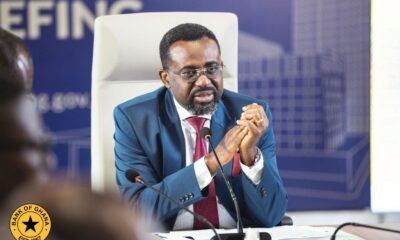
Governor of the Bank of Ghana, Dr Johnson Pandit Asiama, announced the planned review during the opening of the 133rd Monetary Policy Committee (MPC) meeting in Accra on Monday, November 16, 2026.
He said the Committee would undertake a comprehensive assessment of the central bank’s operational framework to determine how effectively its policy decisions influence money market conditions, banks’ funding costs, lending rates and credit availability in the private sector.
The review is expected to help identify operational challenges that may prevent changes in the central bank’s policy rate from translating effectively into lower borrowing costs and improved access to financing.
According to Dr Asiama, the Committee will also assess whether the existing framework provides a sufficiently clear policy signal to financial institutions while supporting efficient liquidity management across the banking system.
The Governor indicated that technical staff would present detailed assessments of prevailing monetary conditions, liquidity developments and the impact of previous monetary policy decisions.
The exercise comes amid growing attention to the relationship between monetary policy adjustments and borrowing costs faced by businesses and households.
Although changes to the policy rate influence the broader financial system, their impact on commercial lending rates is not always immediate or proportional. Banks’ funding costs, liquidity conditions and credit risk assessments can influence how quickly policy adjustments reach borrowers.
The central bank’s review therefore seeks to strengthen the connection between its monetary policy decisions and actual financing conditions in the economy.
A more effective transmission mechanism could help ensure that improvements in macroeconomic stability translate into more affordable credit for businesses, particularly those seeking financing to expand operations, invest in productive activities and create employment.
The assessment will also inform the MPC’s consideration of whether the existing monetary policy framework remains appropriate as Ghana prepares for 2027.
Dr Asiama reiterated that the Bank of Ghana remains committed to preserving the gains made in restoring price stability and confidence in the foreign exchange market while supporting sustainable economic activity.
No specific changes to the operational framework have been announced yet. The proposed review is expected to guide the Committee in determining whether adjustments to existing monetary policy arrangements are necessary.
Source: Bank of Ghana Governor’s remarks at the 133rd Monetary Policy Committee meeting
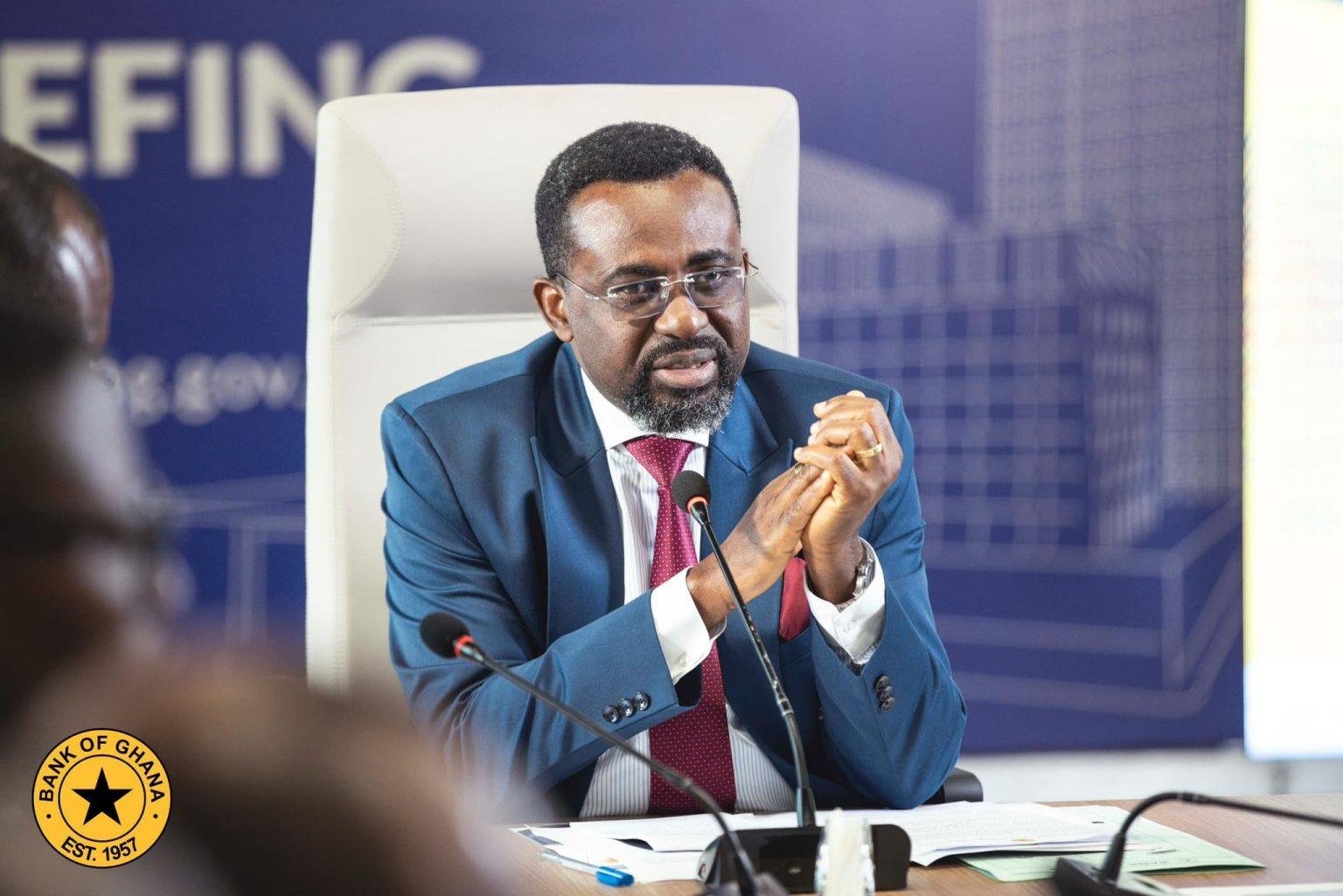
The Bank of Ghana (BoG) has indicated that it will closely scrutinise the government’s 2027 Budget, focusing on its financing arrangements and expenditure plans to determine their potential impact on inflation, liquidity and exchange rate stability.
Governor of the central bank, Dr Johnson Pandit Asiama, disclosed this on Monday, November 16, 2026, during the opening of the Bank’s 133rd Monetary Policy Committee (MPC) meeting.
He said the committee would examine how government spending and domestic financing requirements interact with monetary policy, particularly at a time when Ghana is working to consolidate its economic recovery.
According to Dr Asiama, the 2027 Budget comes at an important stage in the country’s economic recovery, with government placing increased emphasis on productive investment and economic growth.
He explained that the MPC would assess the size and composition of the projected fiscal surplus, the financing arrangements supporting government operations and their possible implications for aggregate demand.
The Governor noted that these developments could influence liquidity conditions in the financial system, inflationary pressures and the performance of the local currency.
“The committee will need to carefully assess the size and composition of the fiscal surplus, its financing arrangements, and the likely implications for aggregate demand, for liquidity, for inflation, and for the exchange rate,” he said.
Dr Asiama further stressed that the timing and distribution of government expenditure would be important in determining liquidity conditions across the financial system.
The committee will also examine the government’s domestic financing requirements and assess whether they could affect monetary conditions or weaken the progress made in stabilising the economy.
His comments highlight the importance of ensuring that government borrowing and expenditure decisions complement the Bank’s efforts to maintain price stability.
The Governor emphasised that effective coordination between fiscal and monetary authorities would be necessary to protect Ghana’s recent macroeconomic gains.
“The objective is to ensure that the fiscal and monetary policy frameworks remain coherent and mutually reinforcing in preserving macroeconomic stability,” he added.
The assessment forms part of the central bank’s broader review of economic developments in 2026 and the risks that could influence monetary policy decisions in 2027.
The 2027 Budget projects a cash-based fiscal deficit of GH¢65.8 billion, equivalent to 3.6 per cent of Gross Domestic Product (GDP). Government plans to finance the deficit through domestic and foreign sources, with domestic financing projected at GH¢85 billion.
Ministry of Finance Ghana+1
The MPC’s assessment will therefore be important in determining how fiscal policy developments could affect inflation, liquidity management and exchange rate stability as Ghana enters 2027.
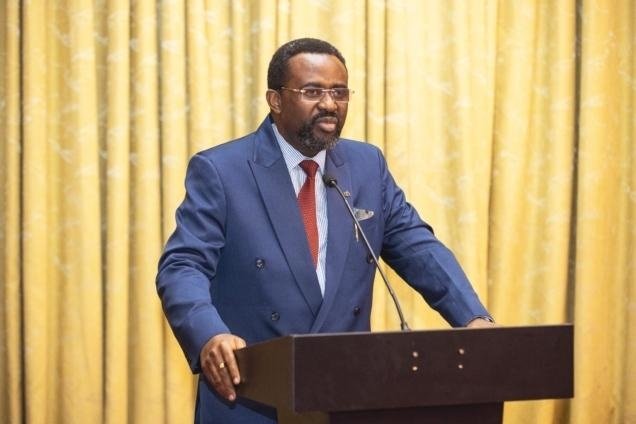
The Bank of Ghana (BoG) has raised concerns over emerging inflationary pressures following an increase in the country’s headline inflation rate to 5.5 per cent in October 2026, up from 5.2 per cent in September.
Governor of the Bank of Ghana, Dr Johnson Asiama, says the latest increase requires closer monitoring to determine whether it represents temporary price adjustments or signals a more sustained rise in inflationary pressures.

The Bank of Ghana is assessing renewed inflationary pressures ahead of its final policy decision for 2026.
Speaking at the opening of the 133rd Monetary Policy Committee (MPC) meeting on Monday, November 16, Dr Asiama cautioned that the central bank would not become complacent despite inflation remaining within single digits and below its medium-term target band.
He said the committee would undertake a detailed assessment of the factors contributing to the latest inflation increase, including food, non-food and services inflation, as well as developments in inflation expectations.
The assessment will also examine the possible effects of movements in fuel prices, transport fares and administered prices on the country’s inflation outlook.
According to the Governor, understanding the sources of the latest increase will be critical in determining whether the recent movement is temporary or reflects a more persistent change in underlying price trends.

Consumers and traders continue to monitor price movements across Ghanaian markets.
The latest inflation figures indicate that Ghana’s disinflation progress has experienced some reversal, with October marking the third consecutive monthly increase since July, when inflation stood at 4.6 per cent.
Data from the Ghana Statistical Service show that non-food inflation increased to 7.9 per cent in October from 6.2 per cent in September, while food inflation declined from 4 per cent to 2.8 per cent.
Services inflation also recorded a significant increase, rising to 11.5 per cent from 8.3 per cent over the same period, highlighting growing price pressures outside the food sector.

Fuel price movements remain among the factors the central bank is monitoring.
Despite the latest increase, inflation remains considerably lower than the 8 per cent recorded in October 2025.
Dr Asiama said the MPC meeting would also provide an opportunity to review macroeconomic developments throughout 2026 and assess the effectiveness of monetary policy measures introduced by the central bank.
The committee is expected to determine whether adjustments to its policy instruments are necessary to protect the gains made in restoring price stability.
The 133rd MPC meeting is the Bank of Ghana’s final monetary policy meeting for 2026, with its outcome expected to provide direction for monetary policy as the country heads into 2027.
The decision will be closely watched by businesses, investors, financial institutions and households amid concerns about the sustainability of Ghana’s recent inflation gains.
Sources: Bank of Ghana, Ghana Statistical Service and Ghana News Agency.
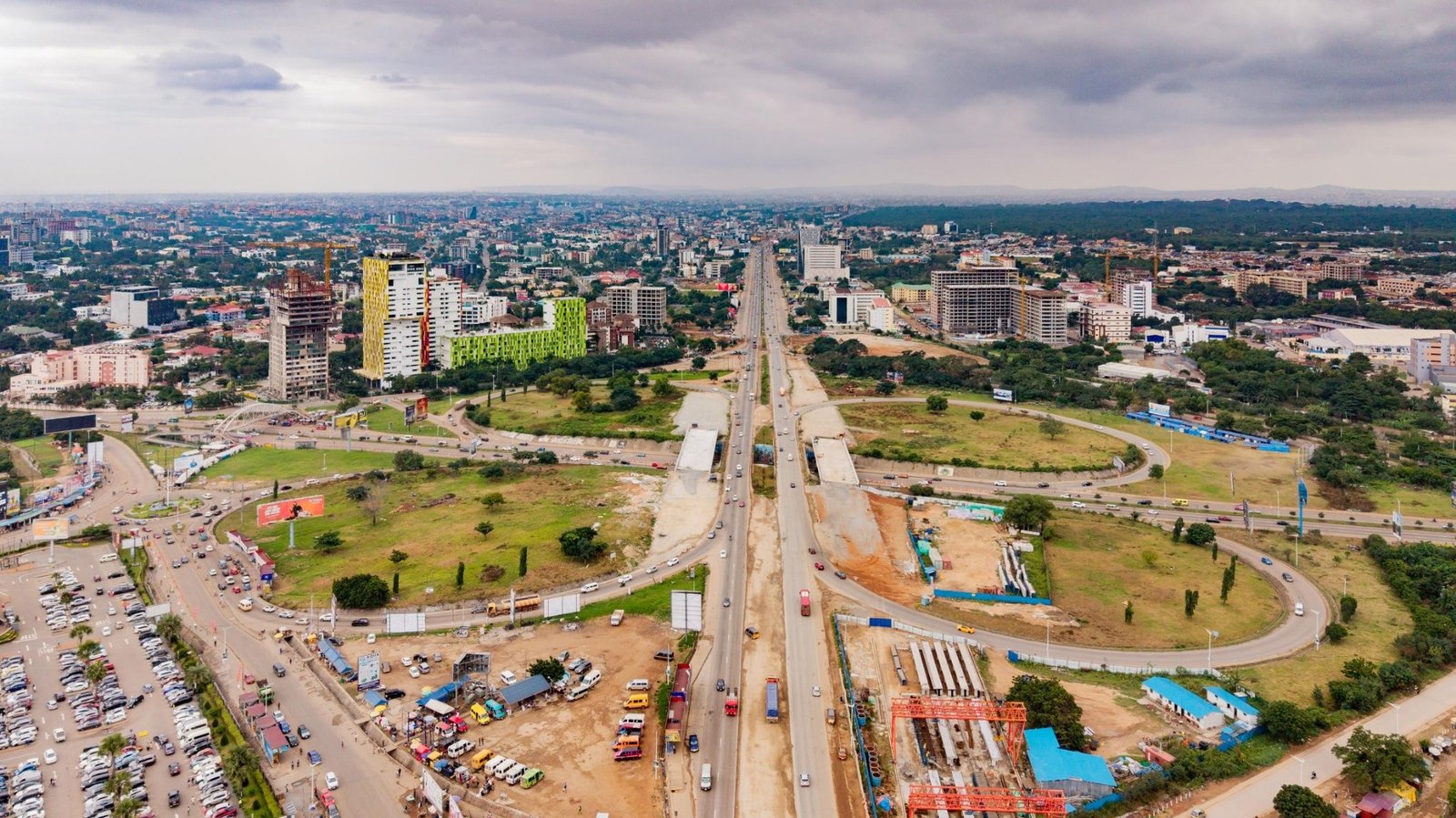
Ghana’s Ministries of Energy and Works and Housing are partnering with event organiser Synergice Events to host a major building, power and energy exhibition aimed at strengthening investment, business partnerships and industrial development.
The two-day event, scheduled to begin on December 1, 2026, will bring together businesses, manufacturers, contractors, suppliers and industry professionals from Ghana and other parts of the world.
Organisers expect more than 100 exhibitors from countries including China, Ghana, Nigeria, South Korea, India, Portugal, Spain, France, the United Arab Emirates and Qatar.
More than 4,000 businesses and professionals from Ghana, Nigeria and other West African countries are also expected to participate.
The exhibition will feature a broad range of products, technologies and services covering electrical systems, power generation, solar energy, battery technologies, transmission infrastructure, wires and cables.
Other areas of focus will include construction equipment, building materials, chemicals, ceramic tiles, sanitary ware, granite, flooring, plumbing and hospitality.
Several industry associations are supporting the initiative, including the Ghana Electrical Contractors Association, Association of Building and Civil Engineering Contractors, Ghana Electrical Dealers Association, Ghana Union of Traders Associations, Energy Chamber of Ghana and Ghana Chamber of Construction Industries.
International partners such as CCI France Ghana and KOTRA are also supporting the event.
According to the organisers, the exhibition will provide a platform for business-to-business engagements, allowing manufacturers, exporters, distributors, importers, wholesalers, contractors, retailers and consultants to explore commercial opportunities.
Participating companies are expected to use the platform to establish business connections, negotiate distribution arrangements, explore joint ventures and identify potential investment opportunities.
The expo is also expected to provide an opportunity for stakeholders to discuss Ghana’s growing construction requirements and increasing demand for reliable power and energy supplies.
The building, construction and energy industries remain important to Ghana’s economic development, supporting infrastructure expansion, industrial activity, employment and national revenue generation.
The initiative aligns with the government’s broader objective of developing stronger industrial support infrastructure, promoting exports and creating employment opportunities.
By bringing local and international industry players together, the organisers hope to encourage technology transfer, strengthen private-sector participation and expand commercial cooperation across Ghana and the wider West African market.
The exhibition will take place at The Palms Convention Centre in Accra from December 1 to 2, 2026.

Ayew redeems penalty miss as Ghana defeat Somalia again

Klopp Calls for Infantino’s Removal, Says FIFA Has Worsened Under His Leadership

Sabalenka apologises over viral outburst, insists comments were not aimed at Svitolina

Zverev celebrates first victory as world number one after beating Jodar at ATP Finals

Dangote Challenges Ghana to Become West Africa’s Manufacturing Hub

NADFFA 2027: Ghana to Host Pan-African Film and Food Festival in March

GTA Staff Demand Answers on World Cup Visa Slots, Staff Dismissals and Unpaid Allowances

SAMMY GYAMFI’S “MINE WITHOUT LICENCE” REMARK SPARKS FRESH GALAMSEY DEBATE

Nicki Minaj Throws Her Support Behind Trump Ahead of US Midterm Elections

Shatta Wale Cake Tells Story of Growth, Identity and African Dancehall Influence

Illinois’ financial crisis could bring the state to a halt
The final 6 ‘Game of Thrones’ episodes might feel like a full season
New Season 8 Walking Dead trailer flashes forward in time
Mod turns ‘Counter-Strike’ into a ‘Tekken’ clone with fighting chickens
Meet Superman’s grandfather in new trailer for Krypton
-

 Entertainment13 hours ago
Expertise or Popularity? Who Gets to Speak in Ghana’s Media Landscape?
-
 Sports3 hours ago
Ayew redeems penalty miss as Ghana defeat Somalia again
-

 Lifestyle16 hours ago
Why Do We Keep Things We Never Use? The Strange Habit of Turning Our Homes Into Storage Rooms
-

 Entertainment17 hours ago
Mzbel Calls Childbirth a ‘Scam’, Says She Would Not Have Had Children If She Knew Better
-
 General News15 hours ago
Zanetor Demands Clear Funding Plan for $120bn Annual Climate Finance by 2035
-
 General News9 hours ago
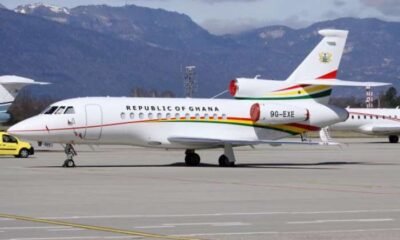
Video: Ghana Welcomes New $60.68m Presidential Jet as Falcon 6X Arrives
-
 Sports3 hours ago
Zverev celebrates first victory as world number one after beating Jodar at ATP Finals
-

 Shorts17 hours ago
Fire razes Accra Tourist and information center