
Lifestyle
Why Do We Keep Checking Our Phones Even When Nobody Has Called? The Habit We Hardly Notice


Have you ever picked up your phone to check something, only to realise that there was nothing new to see? Or unlocked your screen several times within a few minutes, even though you had not received a call, message or notification?
Perhaps you were expecting a WhatsApp message, checking whether someone had viewed your status or simply scrolling through social media without knowing exactly what you were looking for.
For many people, checking their phones has become such an automatic habit that they sometimes do it without thinking.
Whether they are sitting in a car, waiting for food at a restaurant, watching television or having a conversation with someone, the phone is never too far away.
But why do we feel the need to keep checking our screens, even when there is nothing important waiting for us?
One reason people constantly check their phones is the feeling that something important might happen while they are offline.
A WhatsApp message may arrive, a friend may call, an interesting video may be shared or an important update may appear on social media.
Even when there is no particular message expected, some people repeatedly unlock their phones just to make sure they have not missed anything.
This behaviour can make it difficult to remain focused on other activities because attention is constantly shifting towards the screen.
The WhatsApp status checking habit
For many Ghanaians, WhatsApp is more than a messaging application. It is also a place where people share daily activities, follow conversations and keep up with what friends, relatives, and acquaintances are doing.
Some people regularly check who has posted a new status, while others are particularly interested in knowing who has viewed their own updates.
There are also people who post something and return several times to check the views, reactions and responses.
A simple picture, quotation or video can become an excuse to keep opening the application throughout the day.
Sometimes, people are not even looking for a particular conversation. They simply want to see what is happening.
When waiting for a message becomes an obsession
Another interesting part of phone checking is the expectation of receiving a message from a particular person.
Someone may send a message and then keep checking their phone to see whether the recipient has replied.
Others may repeatedly open a conversation to check whether the message has been read, especially when the response is taking longer than expected.
In some situations, people begin interpreting response times. They may wonder why someone is online but has not replied, or why a person who usually responds quickly has suddenly gone quiet.
This can turn an ordinary messaging experience into an unnecessary source of worry and frustration.
The habit of reaching for the phone during conversations
Have you ever been talking to someone only for them to suddenly pick up their phone and start scrolling?
Sometimes, the person may not even be responding to an important message. They simply seem uncomfortable sitting without checking their screen.
This behaviour can affect face-to-face communication.
A conversation that should have been enjoyable may become interrupted by notifications, videos and random social media updates.
It can also leave the other person feeling ignored, especially when they are making an effort to have a meaningful discussion.
Interestingly, some people become so accustomed to checking their phones that they barely notice how often they interrupt conversations.
Social media keeps giving us reasons to return
Social media platforms are designed around constantly changing content.
There is always another video to watch, another photograph to see, another discussion to follow or another trending topic to explore.
Even after spending a considerable amount of time online, people may feel that there is still something they have not seen.
This can encourage repeated checking throughout the day.
Someone may open TikTok to watch one video and end up spending much longer than planned. Another person may check Instagram briefly and move from one post to another without realising how much time has passed.
The interesting thing is that people sometimes check their phones out of habit rather than because they have a specific reason.
For some people, being without their phones, even briefly, can feel uncomfortable.
They may repeatedly touch their pockets to confirm that the device is still there or become uneasy when they leave it in another room.
Others find it difficult to enjoy certain activities without taking pictures, recording videos or checking what is happening online.
A short period without internet access may even feel unusually long because they are accustomed to being constantly connected.
While phones have become essential tools for communication, work, entertainment and information, the habit of checking them unnecessarily can take attention away from the people and activities around us.
There is nothing wrong with using a phone regularly. For many people, it is an important part of their daily responsibilities.
However, it is worth considering whether every screen check is necessary.
Sometimes, putting the phone aside during meals, conversations, or family time can help people become more present.
Turning off unnecessary notifications and creating periods without social media can also make it easier to focus on other activities.
The goal is not to stop using technology but to develop a healthier relationship with it.
Perhaps the real question is not how many hours we spend on our phones, but how often we reach for them without even knowing why.
So, how many times do you check your phone in a day even when you are not expecting a call or message? And can you comfortably spend an entire afternoon without checking it?
















Lifestyle
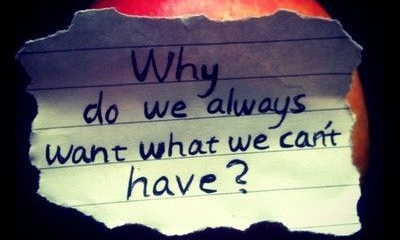
Why Do We Always Want What Other People Have? The Habit of Comparing Our Lives With Others

Have you ever been perfectly happy with something you own until you saw someone else with a newer, bigger or more expensive version? Perhaps you were comfortable with your phone until a friend bought the latest model, or satisfied with your apartment until you visited someone whose home looked more luxurious.
Suddenly, what you already had no longer seemed good enough.
This experience is familiar to many people. From clothing and cars to houses, careers, relationships and personal achievements, it is easy to become dissatisfied with our own lives when we constantly observe what others are doing.
Sometimes, we do not even want something because we genuinely need it. We want it simply because someone else has it.
But why is it so difficult to appreciate what we have without comparing ourselves to others?
One of the biggest influences on people’s choices is their immediate social circle.
When friends begin buying cars, travelling abroad, building houses or starting businesses, others may begin questioning their own progress.
A person who was previously comfortable with their financial situation may suddenly feel left behind because everyone around them appears to be moving forward.
This pressure can influence spending decisions, career choices and even major life commitments.
Some people take loans to purchase expensive items, organise celebrations beyond their budgets or make financial decisions simply to maintain a particular image among friends.
Instead of asking whether something is necessary or affordable, the question becomes whether they can keep up with what others are doing.
Social media has made it possible to observe other people’s lifestyles almost every day.
A quick scroll through Instagram, TikTok or Facebook may reveal someone’s new car, beautiful apartment, expensive holiday, wedding celebration or professional achievement.
While these posts may represent genuine moments of happiness, they do not necessarily show the full picture of someone’s life.
People rarely share every financial difficulty, personal disappointment or challenge they experience.
As a result, viewers may compare their everyday struggles with carefully selected highlights from other people’s lives.
Someone working hard to pay their bills may begin feeling unsuccessful after watching a series of luxury lifestyle videos.
The danger is that people sometimes forget that social media does not provide a complete picture of anyone’s reality.
Interestingly, comparison does not always involve material possessions.
Sometimes, another person’s achievement can make us question our own abilities.
A former classmate may secure an impressive job, a friend may receive a scholarship, or someone younger may establish a successful business.
Instead of celebrating the achievement, some people begin asking themselves why they have not reached the same level.
They may feel pressured to achieve something quickly, even when their circumstances are completely different.
In some cases, another person’s progress can inspire positive action. However, when comparison becomes excessive, it can turn into jealousy, resentment and unnecessary competition.
In some social circles, appearing successful has become almost as important as actually being financially comfortable.
People may feel pressured to wear expensive clothes, own fashionable accessories, drive certain cars or live in particular neighbourhoods.
Even ordinary outings can become opportunities to demonstrate a certain lifestyle.
Someone may spend money they should have saved simply to avoid looking less successful than their friends.
Others may hide financial difficulties because they fear being judged by people who believe they are doing well.
This can create a situation where individuals spend more time maintaining appearances than building the financial stability they actually need.
One important thing people sometimes forget is that everyone has a different starting point.
Two people who attended the same school may have completely different family responsibilities, financial opportunities and personal circumstances.
One may receive financial support from relatives, while another is responsible for supporting an entire household.
Someone may secure a job shortly after graduation, while another may spend years searching for an opportunity.
Comparing their achievements without considering these differences can create unrealistic expectations.
Progress does not always happen at the same speed, and reaching certain milestones at a particular age does not determine someone’s entire future.
Constant comparison can make people lose satisfaction with things they previously appreciated.
A person may buy a beautiful phone but become unhappy after seeing someone with a newer model. Another may celebrate a career achievement but quickly lose excitement after hearing about a friend’s promotion.
Even relationships can suffer when people compare their partners, weddings, homes, or family experiences with those of others.
The more attention people give to what others possess, the easier it becomes to overlook their own achievements.
Sometimes, the problem is not that we have too little. It is that we have become too focused on what someone else has.
Learning to appreciate your own progress
Appreciating your life does not mean abandoning ambition or refusing to improve your circumstances.
There is nothing wrong with wanting a better job, a bigger home, financial independence or a more comfortable lifestyle.
The important thing is to pursue these goals because they matter to you, rather than because you feel pressured to match another person’s achievements.
It is also helpful to recognise personal progress, celebrate small achievements and make financial decisions based on actual needs and resources.
Another person’s success does not reduce your chances of succeeding, and their achievements should not become a reason to look down on your own journey.
Perhaps one of the most important lessons in life is learning that you can admire what someone else has without feeling that your own life is incomplete.
So, why do we constantly compare our lives with others, even when we know that everyone has a different journey? Are we genuinely inspired by other people’s success, or have we become too concerned about keeping up with them?
Lifestyle
Why Do We Keep Things We Never Use? The Strange Habit of Turning Our Homes Into Storage Rooms

Have you ever opened your wardrobe and found clothes you have not worn in years? Or checked your kitchen cupboard and discovered plates, cups and appliances you cannot even remember the last time you used?
Perhaps you have an old phone hidden somewhere in your bedroom, plastic bags carefully stored inside another plastic bag, empty containers waiting for an unknown purpose or shoes you have refused to throw away despite no longer wearing them.
For many people, keeping unnecessary items has become an ordinary part of life. We hold on to things. They might become useful someday, because they were expensive to buy or simply because throwing them away feels wasteful.
But while our homes continue to fill up with these belongings, how many of them do we actually need?
One of the most common reasons people keep unused belongings is the belief that they may need them in the future.
An old bucket may be kept because it could be useful during cleaning. An empty biscuit tin may become a container for sewing materials. A worn-out T-shirt may be reserved for washing the car or cleaning the house.
Even items that have not served any purpose for several years are sometimes considered too valuable to discard.
The problem is that the day we eventually need these things may never come.
Before we realise it, cupboards, wardrobes, drawers and storerooms become filled with items that are rarely touched.
The Ghanaian habit of keeping containers
In many Ghanaian homes, throwing away a good plastic container can feel like committing a crime.
Margarine containers, ice cream bowls, takeaway packs and old food jars often receive a second life as storage items.
An ice cream container may be opened with the expectation of finding ice cream, only for someone to discover leftover stew or groundnuts inside.
Similarly, takeaway containers are sometimes kept for future food storage, even when the kitchen already has more containers than anyone needs.
There is nothing wrong with reusing items, especially when it saves money and reduces waste. However, the habit can become excessive when every container is kept without considering whether there is space or a genuine need for it.
Expensive things are harder to throw away
Another reason people struggle to let go of unused belongings is the money they spent buying them.
Someone may have purchased an expensive dress that no longer fits but still refuses to give it away. Another person may keep a pair of shoes that causes discomfort simply because it cost a lot of money.
There are also people who hold on to electronic devices even after upgrading to newer models.
The thought of throwing away something expensive can create a feeling that the money will have been wasted.
However, keeping an item you no longer use does not bring back the money spent on it. Sometimes, it only takes up valuable space.
Memories attached to old belongings
Not everything people keep is necessarily useful. Some items carry emotional value.
An old school uniform may remind someone of their childhood. A handbag may have been a gift from a loved one, while an old phone may contain pictures and messages from an important period in someone’s life.
These belongings can become reminders of people, experiences and milestones.
For this reason, getting rid of certain items can feel like giving away a piece of one’s history.
There is nothing wrong with keeping meaningful possessions. The challenge is learning to distinguish between things that hold genuine memories and items we simply refuse to release.
Interestingly, some people continue buying new things while struggling to make room for the ones they already own.
A wardrobe may be full of clothes, yet another outfit is purchased because it is trending. Someone may own several kitchen appliances but still buy another one after seeing an attractive promotion.
The same applies to shoes, bags, household decorations and electronic accessories.
Instead of reviewing what they already have, people sometimes focus on what they would like to add.
Over time, the cycle of buying and keeping can make homes increasingly crowded.
Getting rid of unnecessary belongings sounds simple until it is time to actually do it.
People may begin sorting their wardrobes with the intention of donating unused clothes, only to find themselves changing their minds about almost every item.
One shirt is kept because it might be useful for an outing. Another is reserved for a special occasion. A third is considered too good to give away.
The same thing happens when sorting cupboards, storerooms and drawers.
What begins as an effort to create space can end with everything being returned to its original position.
However, regularly checking what we own can help us identify items we genuinely need, things that can be donated and belongings that have outlived their usefulness.
Do we really need everything we keep?
Keeping belongings is not necessarily a bad habit. Reusing containers, preserving meaningful gifts and storing useful household items can save money and reduce waste.
But there is a difference between keeping things because they serve a purpose and keeping them simply because we cannot bring ourselves to let them go.
Sometimes, a more organised home begins with accepting that not everything we once bought, received or inherited needs to remain with us forever.
Perhaps it is time to look through those wardrobes, cupboards and storerooms and ask ourselves an honest question: Do we really need all these things, or have we simply become too attached to throwing anything away?
So, what is that one item you have kept in your house for years because you believe you might need it someday?
Lifestyle
Why Do We Hide Our Problems Behind “I’m Fine”? The Culture of Pretending Everything Is Okay

Have you ever been going through a difficult time but still smiled when someone asked how you were doing? Perhaps you were worried about money, struggling with work, dealing with family issues, or simply having a bad day, but when someone asked, “How are you?” your automatic response was, “I’m fine.”
You may have wanted to talk about what was bothering you, but something stopped you. Maybe you did not want to appear weak, burden anyone with your problems or invite questions you were not ready to answer.
For many people, saying “I’m fine” has become a convenient way of hiding what is really happening in their lives.
From social gatherings and workplace conversations to interactions with friends and family, people sometimes become experts at appearing happy even when they are dealing with personal struggles.
But why do we find it so difficult to admit when things are not going well?
The pressure to appear strong
In many social settings, people are expected to remain strong regardless of what they are experiencing.
Someone facing financial difficulties may continue dressing well and attending social events because they do not want others to suspect that they are struggling.
Another person dealing with relationship problems may maintain a cheerful attitude around friends while privately trying to cope with the situation.
There is often an unspoken expectation that adults should know how to handle their problems without showing too much emotion.
As a result, people sometimes confuse being strong with pretending that nothing is wrong.
However, acknowledging that life is difficult does not mean someone has failed or become weak.
The fear of becoming a topic for discussion
Another reason people keep their problems private is the fear that their personal experiences may become public conversations.
In some families, friendships and communities, sharing a problem with one person does not always guarantee that it will remain private.
Someone may open up about a financial challenge, relationship disagreement or family issue, only to discover later that other people know about it.
This experience can make people more cautious about discussing their struggles.
Rather than risk becoming the subject of gossip or unwanted opinions, they choose to keep everything to themselves.
Sometimes, the people who appear to have everything under control are simply the ones who have learnt not to discuss their difficulties with others.
Social media makes pretending easier
Social media has also created an environment where people can carefully present the version of their lives they want others to see.
A person may post pictures from a birthday celebration, share beautiful photographs from an outing or upload videos showing moments of laughter while dealing with serious challenges privately.
The pictures may show happiness, but they rarely tell the full story.
People often share their achievements, holidays, new purchases and exciting experiences without discussing the difficulties that came before them.
This can create the impression that everyone else is doing well, making those facing personal challenges feel even more uncomfortable about sharing their own experiences.
Sometimes, people become so focused on maintaining a positive image that they forget they are allowed to have difficult days too.
When people are afraid of being judged
Not everyone who asks, “Are you okay?” is necessarily prepared to hear an honest answer.
Some people respond with criticism, comparisons or unsolicited advice instead of listening.
For instance, someone who admits that they are struggling financially may be told they are not managing their money properly. A person discussing relationship difficulties may immediately receive blame rather than understanding.
These reactions can discourage people from opening up again.
Instead of explaining what they are going through, they learn to give short answers and move on to another topic.
The fear of being misunderstood can sometimes become stronger than the desire to receive support.
The people who always say they are fine
There are people who have become so accustomed to hiding their problems that even close friends struggle to know when something is wrong.
They attend gatherings, make jokes, encourage others and remain available whenever someone needs help.
Yet, when they are the ones facing difficulties, they rarely ask anyone for support.
Some may believe that everyone has their own problems and that sharing theirs would only add to another person’s burden.
Others simply do not know how to begin the conversation.
This can make it difficult for friends and relatives to recognise when someone needs encouragement, a listening ear or practical assistance.
Is keeping everything to yourself really helpful?
There is nothing wrong with choosing privacy. Not every personal matter needs to be discussed publicly, and everyone has the right to decide whom they trust with sensitive information.
However, constantly suppressing emotions or pretending that everything is fine can make difficult experiences harder to manage.
Having someone trustworthy to talk to can provide comfort, help people organise their thoughts and make them feel less alone.
Sometimes, people do not even need someone to solve their problems. They simply need someone willing to listen without judging them.
Learning to express how you genuinely feel, even in small ways, can make a difference.
Perhaps we should ask twice
The next time someone tells you they are fine, remember that the answer may not always tell the whole story.
A genuine conversation, a little patience, and a willingness to listen can sometimes mean more than offering quick advice.
At the same time, we should create relationships and environments where people feel comfortable admitting that they are struggling without fearing embarrassment or ridicule.
Nobody has to be happy every day, and nobody should feel pressured to pretend that life is perfect.
Sometimes, the strongest thing a person can do is admit that they are not okay and allow someone they trust to be there for them.
So, why do people find it difficult to tell others when they are going through a difficult time? Is it fear of judgement, lack of trust or the pressure to always appear strong?

Ghanaian weddings have always been more than a celebration of love between two people. They are also an expression of family, culture, tradition and community. From the knocking ceremony to the presentation of drinks, traditional marriage lists and family blessings, every stage carries a meaning that connects couples to their roots.
However, as modern lifestyles and changing expectations influence how people celebrate marriage, some of these customs are gradually taking different forms.
In the past, traditional marriage ceremonies were largely family affairs. Parents, uncles, aunties and elders played important roles in discussions leading to the marriage. The ceremony itself was an opportunity for families to meet, exchange gifts, honour their traditions and formally welcome the couple into their respective families.
Today, while many couples continue to observe these customs, the way they are organised has changed. Some ceremonies are now combined with elaborate receptions, professional photography, wedding planners, matching outfits and carefully designed decorations.
Social media has also introduced a new dimension to weddings. Couples increasingly share their celebrations online, with attention sometimes placed on expensive venues, designer outfits, grand entrances and impressive decorations. For some, the pressure to organise a wedding that looks beautiful in photographs and videos can become as important as the ceremony itself.
Another noticeable change is the growing influence of personal preferences. Some couples choose to simplify traditional marriage requirements, while others adapt certain customs to suit their beliefs, finances and lifestyles. These decisions have sparked conversations about whether modern couples are preserving Ghanaian traditions or gradually moving away from them.
Yet, traditional marriage customs are not simply old-fashioned practices. They often represent respect for families, responsibility, unity and the recognition that marriage connects more than two individuals.
The challenge may not be that weddings are changing, but whether the meanings behind important traditions are being understood and preserved as celebrations become more modern.
As Ghanaian society continues to evolve, couples and families have an opportunity to find a balance between embracing modern wedding trends and keeping the cultural practices that give traditional marriages their identity.
Do you think modern Ghanaian weddings are preserving our culture, or are we gradually losing the traditions that once made them special?

Have you ever agreed to do something simply because you did not want to disappoint someone? Perhaps a friend asked you for a favour when you were already tired, a colleague requested help when you had your own work to complete, or a relative invited you somewhere you had no interest in going.
You wanted to say no, but somehow the word refused to come out.
Instead, you smiled, agreed and later found yourself wondering why you had accepted something you never really wanted to do.
For many people, saying no is not as easy as it sounds. Even when they have genuine reasons to decline a request, they worry about how the other person will react.
In everyday life, this habit can affect friendships, family relationships, workplaces and even personal finances. But why do we sometimes find it easier to inconvenience ourselves than to tell someone we cannot help?
The fear of disappointing people
One of the biggest reasons people struggle to say no is the fear of disappointing others.
Nobody wants to be seen as selfish, difficult or unhelpful. When someone makes a request, especially a close friend or family member, refusing can create feelings of guilt.
For instance, someone may receive an invitation to attend an event despite having other important plans. Rather than explain that they cannot make it, they agree because they do not want the person inviting them to feel rejected.
Others accept responsibilities they cannot comfortably handle because they fear being judged for refusing.
The problem is that constantly trying to make everyone happy can leave very little room for personal needs.
In Ghanaian society, relationships and social connections are important. People are often expected to support relatives, assist friends and show up when others need them.
While helping one another is valuable, there are times when these expectations become difficult to manage.
A person may be asked to contribute money towards an event, attend several gatherings in one weekend or help with a responsibility they did not plan for.
Even when their finances, time or energy are limited, they may struggle to decline because they do not want to be labelled as someone who has changed or become proud.
Sometimes, the fear is not just about saying no. It is about what people might say afterwards.
When saying yes becomes expensive
Agreeing to every request can also affect personal finances.
Someone may lend money they cannot afford to lose, contribute to several social activities or purchase something simply because another person expects them to.
There are people who struggle to refuse financial requests even when they have bills to pay, school fees to settle or personal goals they are trying to achieve.
In some situations, they end up borrowing money or sacrificing their own needs to fulfil promises they should have declined.
Helping others should not mean putting yourself in financial difficulty every time someone asks for assistance.
The workplace challenge
The difficulty of saying no is not limited to personal relationships. It also happens in professional environments.
An employee may accept additional assignments despite having an already full schedule because they do not want to appear uncommitted.
Some workers agree to stay beyond working hours, take on responsibilities outside their roles or handle tasks that should be shared among colleagues.
While being helpful and cooperative can create positive working relationships, constantly accepting more work can lead to exhaustion and frustration.
There is a difference between being a dedicated employee and feeling obligated to accept every request.
Why do we feel guilty after saying no?
Interestingly, even when people finally manage to decline a request, they may spend hours thinking about it.
They wonder whether they sounded rude, whether the other person is upset or whether they should have agreed after all.
Some even send long explanations to justify why they cannot help, although a simple and respectful response would have been enough.
This guilt often comes from the belief that refusing someone automatically means you do not care about them.
But that is not necessarily true. You can care about someone and still be unable to meet every request they make.
Learning to set boundaries
Saying no does not have to involve arguments, disrespect or unnecessary explanations.
It can simply mean being honest about what you can and cannot do.
For example, instead of agreeing to attend an event when you have other commitments, you can politely explain that you will not be available. If someone asks for financial assistance you cannot provide, you can be honest rather than make promises you may struggle to fulfil.
Setting boundaries also means understanding that other people’s disappointment does not automatically make your decision wrong.
Of course, there will be situations where helping someone requires sacrifice. The important thing is to make that decision willingly rather than feeling pressured into it every time.
You cannot please everybody.
Perhaps one of the most difficult lessons to accept is that not everyone will be happy with your decisions.
Some people may misunderstand your refusal, while others may become upset because they were expecting you to agree.
However, constantly saying yes to avoid temporary disappointment can create long-term frustration.
Your time, energy and resources matter too. Being a good friend, relative, colleague, or partner should not require you to abandon your own needs.
Learning to say no when necessary can help create healthier relationships because people begin to understand what you can realistically offer.
At the end of the day, being available to everyone at every moment is not a requirement for being a good person.
So, why do we find it so difficult to say no even when we genuinely do not want to do something? Is it because we fear disappointing people, or have we become too concerned about what others will think of us?

Ayew redeems penalty miss as Ghana defeat Somalia again

Klopp Calls for Infantino’s Removal, Says FIFA Has Worsened Under His Leadership

Sabalenka apologises over viral outburst, insists comments were not aimed at Svitolina

Zverev celebrates first victory as world number one after beating Jodar at ATP Finals

Dangote Challenges Ghana to Become West Africa’s Manufacturing Hub

NADFFA 2027: Ghana to Host Pan-African Film and Food Festival in March

GTA Staff Demand Answers on World Cup Visa Slots, Staff Dismissals and Unpaid Allowances

SAMMY GYAMFI’S “MINE WITHOUT LICENCE” REMARK SPARKS FRESH GALAMSEY DEBATE

Nicki Minaj Throws Her Support Behind Trump Ahead of US Midterm Elections

Shatta Wale Cake Tells Story of Growth, Identity and African Dancehall Influence

Illinois’ financial crisis could bring the state to a halt
The final 6 ‘Game of Thrones’ episodes might feel like a full season
New Season 8 Walking Dead trailer flashes forward in time
Mod turns ‘Counter-Strike’ into a ‘Tekken’ clone with fighting chickens
Meet Superman’s grandfather in new trailer for Krypton
-

 Entertainment14 hours ago
Expertise or Popularity? Who Gets to Speak in Ghana’s Media Landscape?
-
 Sports3 hours ago
Ayew redeems penalty miss as Ghana defeat Somalia again
-

 Lifestyle17 hours ago
Why Do We Keep Things We Never Use? The Strange Habit of Turning Our Homes Into Storage Rooms
-

 Entertainment17 hours ago
Mzbel Calls Childbirth a ‘Scam’, Says She Would Not Have Had Children If She Knew Better
-

 General News16 hours ago
Zanetor Demands Clear Funding Plan for $120bn Annual Climate Finance by 2035
-

 General News10 hours ago
Video: Ghana Welcomes New $60.68m Presidential Jet as Falcon 6X Arrives
-
 Sports4 hours ago
Zverev celebrates first victory as world number one after beating Jodar at ATP Finals
-

 Shorts18 hours ago
Fire razes Accra Tourist and information center