
Lifestyle
Why Has Saying “I Don’t Know” Become So Difficult? The Pressure to Always Appear Intelligent


Have you ever pretended to understand something simply because you didn’t want to appear uninformed? Or agreed with someone during a conversation even though you had no idea what they were talking about?
In a world where everyone seems to have an opinion about almost everything, admitting that we do not know something can feel surprisingly uncomfortable.
Whether it is a discussion about politics, money, relationships, technology, education or current affairs, many people feel the need to contribute something, even when they are not certain about the subject.
Sometimes, instead of simply saying, “I don’t know,” we give explanations, make assumptions or repeat something we heard from another person. Others may quickly search online for an answer so they can continue the conversation without revealing that they were unfamiliar with the topic.
But why has admitting a lack of knowledge become such a difficult thing to do?
One major reason people struggle to say “I don’t know” is the fear of being judged.
In social settings, nobody wants to appear less intelligent, inexperienced or out of touch. When a conversation becomes technical or involves a subject that others seem to understand, some people may feel pressured to contribute.
For instance, imagine a group of friends discussing investments, business opportunities or developments in technology. Even if someone has little knowledge of the subject, they may still offer an opinion to avoid feeling left out.
The same thing happens at workplaces, family gatherings and even casual conversations. People sometimes confuse having an answer with being knowledgeable.
However, knowing when you do not have enough information is also an important part of being informed.
Social media has made information more accessible than ever before. With a few clicks, people can read about almost any subject, watch explanatory videos and join discussions happening across the world.
While this has many advantages, it has also created an environment where opinions are shared quickly, sometimes before the facts are properly understood.
A person may watch a short video about a health issue, business strategy or legal matter and immediately begin advising others as though they have studied the subject extensively.
In some cases, people share information because it sounds convincing without taking the time to establish whether it is accurate.
The desire to appear knowledgeable can therefore become more important than the responsibility to be correct.
Not every subject requires an immediate opinion, but public conversations can sometimes make people feel otherwise.
When a controversial issue trends online, people may be expected to choose a side, explain their position and defend it.
Even when someone has not followed the issue closely, there can be pressure to join the discussion. Remaining silent may be interpreted as ignorance, indifference or an inability to contribute.
This is particularly noticeable in online discussions, where people are often quick to challenge, criticise or mock opinions they disagree with.
As a result, some people would rather say something they are not entirely sure about than admit they need more information.
Yet, there is nothing wrong with taking time to understand an issue before forming an opinion.
Another interesting part of this behaviour is how uncomfortable some people feel about asking questions.
At school, some students avoid raising their hands because they fear their classmates might laugh at them. At work, an employee may hesitate to ask for clarification because they do not want their colleagues or supervisor to think they lack the necessary skills.
Even among friends, someone may pretend to understand a conversation rather than ask what a particular word, reference, or idea means.
This can create unnecessary confusion.
Instead of learning something new, people sometimes leave conversations with unanswered questions simply because they are afraid of appearing uninformed.
Asking questions, however, is one of the simplest ways to improve understanding. Nobody begins life knowing everything, and even highly experienced people continue learning.
There is a difference between being confident and pretending to know everything.
Confidence allows someone to express an opinion while remaining open to correction. Pretending, on the other hand, often involves defending information even when there is little evidence to support it.
A confident person can say, “I have not read about that yet,” or “I am not sure, but I would like to understand it.”
Someone who feels the need to appear knowledgeable at all times may struggle to accept corrections, admit mistakes or listen to another perspective.
This can affect friendships, relationships and professional environments because meaningful conversations require honesty and a willingness to learn.
Admitting that you do not know something is not a sign of weakness. It can actually prevent misunderstandings, misinformation and poor decisions.
In professional settings, asking for clarification can help employees complete tasks correctly. In personal relationships, acknowledging that you do not understand someone’s feelings or perspective can create room for better communication.
It also encourages people to learn rather than simply defend what they already believe.
The ability to say “I don’t know” can be particularly important when discussing serious matters such as health, finances, legal issues and other subjects where inaccurate information can have real consequences.
Nobody has all the answers, and there is no shame in recognising that.
Perhaps the real problem is not that people lack knowledge, but that some have become too uncomfortable with the idea of being seen as learners.
In a society where everyone is eager to speak, perhaps knowing when to listen, ask questions and admit uncertainty is just as valuable as having something to say.
So, why do people find it so difficult to say “I don’t know” when they genuinely have no idea about a subject? Is it fear of embarrassment, pressure to impress others or the desire always to appear intelligent?




















How many times have you promised yourself that you would start exercising tomorrow, save money next month, read a book over the weekend or finally learn a new skill when you have more time?
You decide with every intention of following through. You may even feel motivated enough to plan exactly how you will do it. But when tomorrow arrives, something changes. You become busy, tired or distracted, and the task is pushed to another day.
Before you realise it, days turn into weeks, weeks become months, and the things you once promised yourself remain unfinished.
This is a familiar experience for many people. From personal goals and career plans to household responsibilities and important decisions, postponing things has become part of everyday life for some.
But why do we keep delaying the very things we know could improve our lives?
One reason people postpone tasks is that tomorrow always feels like a better opportunity.
When we are tired today, we convince ourselves that we will have more energy the following morning. When we spend too much money this week, we promise to start saving next week. When we fail to exercise today, we assure ourselves that Monday will be different.
The word tomorrow gives us temporary relief because it allows us to avoid doing something we may not feel ready for.
Unfortunately, tomorrow can easily become another excuse when there is no clear plan to take action.
Some people delay their plans because they are waiting for everything to be perfect.
Someone may want to start a business but believes they need more money before taking the first step. Another person wants to return to school but keeps waiting for the right financial conditions.
Others want to start creating content, apply for a new job, learn a trade or pursue a personal project but feel they must first have all the necessary resources.
While preparation is important, waiting for the perfect conditions can prevent people from making progress.
Sometimes, the best way to begin is with what is already available and improve along the way.
Another challenge is the amount of time people spend on their phones.
Someone may plan to spend an hour learning a new skill, reading or completing an important task. However, a quick visit to social media can turn into several hours of scrolling.
One video leads to another, a trending topic captures attention, and before long, the time meant for something productive has disappeared.
The problem is not necessarily a lack of ambition. In some cases, it is the difficulty of managing distractions and staying focused on what matters.
Many people know what they want to achieve but struggle to give those goals the attention they require.
Not every delay comes from laziness. Sometimes, people postpone important decisions because they are afraid of what might happen if they try and fail.
A person who wants to start a business may worry about losing money. Someone considering a career change may fear making the wrong decision. Another person may have a great idea but hesitate because they are unsure whether people will support it.
Instead of taking a risk, they continue preparing, researching and waiting for a moment when they feel completely confident.
However, confidence does not always come before action. Sometimes, it develops through experience.
The longer people wait because they fear failure, the more opportunities they may miss.
There are people who are excellent at planning but struggle with execution.
They create detailed lists, write down their goals, watch motivational videos and discuss their ambitions with friends. They may even purchase items they believe will help them get started.
But after all the planning, very little happens.
For instance, someone may buy exercise equipment but rarely use it. Another person may purchase books for personal development but never finish reading them.
Planning is useful, but it cannot replace action. A simple plan that is followed consistently can be more valuable than an ambitious plan that remains on paper.
Constantly delaying important tasks can have consequences beyond unfinished personal goals.
It can affect finances when people postpone budgeting, saving or paying bills. It can affect careers when applications, training opportunities and professional development are repeatedly delayed.
It can also affect relationships when difficult conversations are avoided, or important responsibilities are ignored.
Over time, unfinished tasks may create frustration and make people feel as though they are not making progress.
The difficult part is that people often become aware of the problem only when a deadline approaches or an opportunity has already passed.
Changing this habit does not necessarily require a dramatic transformation.
One useful approach is to stop waiting for the perfect moment and begin with small, manageable actions.
Someone who wants to exercise can start with a short walk. A person who wants to save money can begin by setting aside a small amount regularly. Someone hoping to learn a new skill can dedicate a few minutes each day to studying.
It is also helpful to set realistic deadlines, reduce distractions and focus on completing one task before moving to another.
Most importantly, people must learn that motivation is not always guaranteed. There will be days when they do not feel like doing anything, but discipline and consistency can help them keep moving.
Tomorrow may always look convenient, but the truth is that some of the opportunities we keep waiting for are available today.
Perhaps the question is not whether we have enough time to pursue our goals, but whether we are making enough effort to use the time we already have.
After all, how many things would have changed in our lives if we had acted when we first promised ourselves we would?
So, what is that one thing you have been promising yourself you will start tomorrow but have still not done?
Lifestyle
Before Smartphones Took Over, Ghanaian Families Gathered Around the Radio – A Tradition Worth Remembering
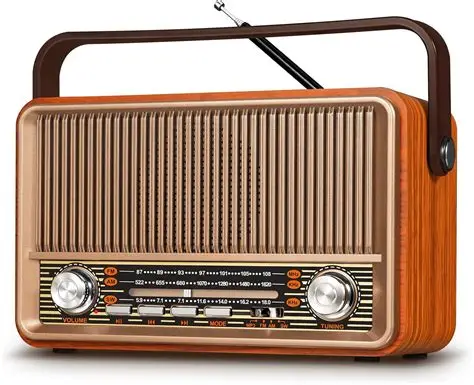
There was a time when a radio set was one of the most important items in many Ghanaian homes.
It could be found on a table in the living room, in the kitchen, on a veranda or somewhere in the compound where everyone could hear what was being broadcast.
In the morning, the radio provided news and information. During the day, it entertained people with music, discussions and interesting programmes. In the evening, families and neighbours could gather around it to listen to their favourite presenters, follow stories and discuss what they had heard.
For many Ghanaians, radio was not simply a device used to pass the time. It was a companion, a source of information and, in some households, the centre of family entertainment.
Today, the way people consume audio and entertainment has changed considerably. Smartphones, podcasts, online music platforms and television have given audiences more control over what they listen to.
Radio remains an important part of Ghanaian life, but the experience of gathering around one radio set as a household is becoming less common.
And for those who grew up during that period, the memories are difficult to forget.
Before smartphones became common, one radio set could serve an entire family.
Parents listened to news and current affairs programmes, while children enjoyed music, entertainment and educational broadcasts.
In some homes, the radio was switched on almost immediately after people woke up. The morning began with news bulletins, discussions about national issues and updates on what was happening around the country.
As the day progressed, different programmes attracted different audiences.
Some people preferred political discussions, others enjoyed sports commentary, while music lovers waited for programmes that played their favourite Ghanaian songs.
The radio was often left playing in the background even when nobody was paying particular attention.
It created a familiar atmosphere in the home, and the sound of a presenter speaking or a popular song playing became part of everyday life.
One of the special things about radio in the past was that listening was often a shared experience.
Unlike today, when everyone can use a personal device and choose different content, one radio set meant that household members sometimes had to agree on what to listen to.
There were occasions when parents wanted the news, while younger family members preferred music.
Sometimes, the adults won the argument, and the children had no choice but to wait until the programme ended.
Other times, a popular entertainment show brought everyone together.
A presenter could introduce a song that made people stop what they were doing. A discussion could generate arguments around the dining table, while an interesting announcement might become the main topic of conversation for the rest of the day.
Radio created shared moments because people were listening to the same things at the same time.
Even after a programme ended, its content could continue to influence discussions within the household.
For music lovers, listening to the radio was sometimes more than waiting for a favourite song.
Some people used cassette recorders to record songs directly from radio broadcasts.
When a presenter announced a song they liked, they could quickly prepare their cassette player and wait for the music to begin.
The challenge was getting the recording right.
Some recordings included the presenter’s voice at the beginning or end because the listener had not pressed the record button at the right time. Others were interrupted by advertisements or announcements.
Yet these recordings were treasured.
People could replay their favourite songs whenever they wanted, even when they did not own the original cassette or album.
Some also created personal mixtapes by recording different songs from the radio and arranging them in a particular order.
It was a simple but exciting way of building a personal music collection before digital downloads and streaming services became widespread.
Another reason radio was special was the relationship listeners developed with presenters.
People became familiar with certain voices and styles of presentation. Some presenters were known for their humour, others for their serious approach to news, and some for the way they introduced songs or engaged callers.
For regular listeners, hearing a favourite presenter could feel like reconnecting with someone they knew.
Some people even organised their daily routines around particular programmes.
They knew when their favourite show started, which presenter was on air and what type of discussions to expect.
Radio personalities also influenced public conversations. Their interviews, commentary and discussions introduced issues that listeners continued debating at home, in offices, at markets and in social gatherings.
In many ways, radio presenters became important voices in the daily lives of their audiences.
Radio also played an educational role in many Ghanaian households.
Children could learn new words, improve their language skills and gain knowledge about issues outside their immediate surroundings.
Educational programmes, discussions and storytelling broadcasts introduced listeners to subjects they might not encounter in their classrooms.
Some broadcasts helped children become familiar with current affairs, history, science and social issues.
Listening to presenters also exposed young people to different ways of speaking and communicating.
For children growing up in homes where local languages were spoken, radio programmes in Akan, Ewe, Ga, Dagbani and other Ghanaian languages provided opportunities to hear those languages used in different contexts.
Radio therefore served as an informal learning resource, especially in households where access to books, computers and other educational materials was limited.
Radio brought people closer to national events
There were moments when radio became particularly important because it connected people to events happening across Ghana and beyond.
During major political developments, election periods, sporting competitions and national emergencies, people turned to radio for updates.
For households without television, radio was sometimes the main source of information.
Football commentary was especially memorable for many listeners. People could follow matches through the voices of commentators, reacting to goals, missed chances and controversial decisions.
Some listeners gathered around radios in drinking spots, homes and community centres to follow important matches.
Even without seeing the action, the excitement in the commentator’s voice helped listeners imagine what was happening on the field.
Radio also gave people access to interviews and public discussions that allowed them to hear different perspectives on national issues.
What has changed in the way Ghanaians listen?
The biggest difference today is personal choice.
A person can listen to music through a phone, follow a podcast, watch an interview on YouTube or stream a radio programme online.
There is no longer a need for an entire household to depend on one radio set.
Many radio stations have also expanded their presence through websites, social media pages and digital streaming platforms.
Listeners can access programmes while travelling, working or staying at home.
These developments have helped radio reach new audiences and remain relevant in a changing media environment.
However, they have also made listening a more individual activity.
Family members can now sit in the same room while each person listens to something different through earphones.
The shared experience of listening to one programme and discussing it afterwards is not as common in some households.
Has the radio lost its place in Ghanaian homes?
Not entirely.
Radio continues to play a significant role in Ghana, particularly through news, political discussions, sports, entertainment, religious programmes and public education.
Many people still listen while driving, working, cooking or carrying out other daily activities.
For some communities, local radio remains an important source of information, especially where internet access is limited or expensive.
Radio stations also continue to provide platforms for public participation, allowing listeners to call in, share concerns and contribute to discussions.
The difference is that the way people access radio has changed.
Some listen through traditional radio sets, while others use mobile phones, computers and online platforms.
The old radio culture may be changing, but the medium itself has not disappeared.
What the younger generation may never experience
Children growing up today may find it difficult to understand why an entire household once waited for a particular radio programme.
They may not appreciate the excitement of hearing a favourite song unexpectedly, recording it onto a cassette or waiting for a presenter to announce the next track.
They may also never experience the feeling of sitting with family members and listening to a major announcement together.
These experiences were part of a particular period in Ghana’s social and media history.
They remind us that entertainment was not always about personal screens and individual choices. Sometimes, enjoyment came from sharing the same experience with the people around us.
A tradition that deserves to be remembered
The rise of smartphones and digital platforms has brought many benefits. People can now access information faster, discover new music and listen to their favourite programmes from almost anywhere.
There is no reason to reject these developments.
However, there is still something special about the old experience of gathering around a radio, listening together and discussing what was being broadcast.
Families can still recreate some of these moments by listening to a radio programme together, sharing interesting podcasts or discussing news and interviews.
The technology may have changed, but the value of shared experiences remains.
For those who grew up with one radio set in the house, the memories are a reminder of a time when a single device could entertain an entire family.
Sometimes, the most beautiful memories are not about the technology itself, but about the people who gathered around it.
Do you remember when one radio set entertained the whole household, and what was your favourite programme to listen to?
Lifestyle
Why Do We Take So Long to Leave the House? The Ghanaian Habit of Saying “I’m Coming” When We’re Not Ready

Why Do We Take So Long to Leave the House? Have you ever told someone you were on your way when you had not even finished getting dressed? Or received a call asking where you were, only to reply, “I’m almost there,” while still sitting comfortably at home?
For many Ghanaians, getting ready to attend an event can take much longer than expected. A simple invitation to meet friends, attend a birthday party, visit someone or go to a family gathering can turn into a lengthy preparation process.
It often begins with the familiar words, “I’ll be there soon.” But soon can mean anything from 15 minutes to two hours, depending on the person.
Interestingly, some people are not even bothered by the delay. They seem convinced that everything will somehow fall into place, even when the event is about to begin.
The struggle of getting ready
Sometimes, the delay is not intentional. Choosing what to wear, deciding on the right shoes, fixing one’s hair and making sure everything looks presentable can take more time than expected.
Even after selecting an outfit, there may be another round of changes. One dress looks too simple, another does not match the shoes, and the final choice may be the one initially rejected.
For some people, getting ready also involves taking pictures, checking their appearance in the mirror and making last-minute adjustments before finally stepping out.
There are also those who believe they cannot leave home without looking completely prepared. They may spend extra time choosing accessories, applying perfume, arranging their hair or making sure their clothes are properly fitted.
What was supposed to be a quick preparation can easily become an entire afternoon activity.
The “I’m on my way” statement
One interesting part of this habit is how confidently some people announce that they are coming even when they have not left home.
A friend may call three times and receive the same response: I’m coming. Meanwhile, the person is still deciding whether to take a taxi, wait for a ride or change their outfit.
Sometimes, the person may even add, “I’m just around the corner,” when they are nowhere near the meeting point.
This can be frustrating for people who arrive early and are left waiting. It can also affect group plans, especially when everyone is expected to arrive at a particular time.
Imagine a group of friends who agree to meet at 4 p.m. One person arrives at the agreed time, another arrives at 4:30 p.m., while the last person is still sending messages promising to arrive in a few minutes.
By the time everyone is together, the original plan may already be delayed.
Social media and the pressure to look good
Social media may also contribute to the time people spend preparing for outings. With pictures and videos becoming part of almost every social gathering, some people want to look their best before leaving home.
An ordinary outing can become an opportunity to create content, take beautiful pictures and share moments online.
As a result, choosing an outfit is no longer just about being comfortable. For some, it is also about how the final look will appear in photographs.
People may spend extra time finding the perfect outfit, selecting accessories and making sure their appearance is picture-ready. Some even take several pictures before deciding that they are finally satisfied with their look.
While there is nothing wrong with wanting to look good, the preparation can sometimes become one of the biggest reasons people arrive late.
Last-minute distractions make everything worse
Another reason people take longer to leave home is the number of unexpected distractions that appear just when they are about to step out.
Someone may remember that they have not eaten, decide to charge their phone, start looking for their keys or suddenly realise that an important item is missing.
Others may sit down for just a minute and become distracted by television, social media or a conversation with someone at home.
There are also people who are almost ready but decide to do one more thing before leaving. That one small task can turn into another 20 minutes.
Sometimes, the problem is simply that people do not prepare ahead of time. They know about an event several days earlier but wait until the last minute to decide what to wear, arrange transportation or get everything ready.
While being late may seem like a harmless personal habit, it can affect other people, especially when it happens repeatedly.
Friends who arrive early may become frustrated, particularly when they have made an effort to respect the agreed time. People organising events may also struggle when guests arrive much later than expected.
For someone who has arranged transportation, booked a table or planned several activities, waiting for a person who keeps saying “I’m almost there” can disrupt the entire schedule.
It can also create misunderstandings. The person waiting may feel disrespected, while the person who is late may believe that a little delay should not be a problem.
Over time, this can become a source of tension among friends, couples and family members.
Is it poor time management or simply a habit?
While some people genuinely underestimate how long they need to get ready, others have become so comfortable with arriving late that it has become part of their routine.
The habit can be difficult to change when people constantly assume that others will wait for them. However, making a little effort to prepare earlier, communicate honestly about delays and respect agreed times can make social outings more enjoyable.
Perhaps the next time you tell someone you are on your way, it might be better to check whether you have actually left the house.
After all, saying I’m coming and actually coming are two very different things.
So, why do some people always say “I’m coming” when they are not even ready to leave home, and should lateness be considered a bad habit or something people simply need to work on?

Why do we keep buying things we don’t need, even when we know we should be saving money? From impulse buys and online shopping to buying items just because they are trending, many people end up spending money on things they barely use.
Have you ever bought a new pair of shoes even though your wardrobe already has several? Or bought another handbag, phone accessory, or kitchen appliance simply because you liked how it looked?
You are certainly not alone.
For many people, shopping is more than a way of meeting basic needs. It can be an exciting activity, a form of entertainment and sometimes a way of rewarding themselves after a stressful week.
However, an interesting habit has become increasingly noticeable in everyday consumer culture: buying things that are not necessarily needed simply because something new has caught our attention.
In Ghana, where shopping opportunities range from busy markets and shopping malls to online stores and social media vendors, the temptation to purchase something new is never far away.
But why do people continue buying items they already own, even when they know the money could be used for something more important?
The excitement of owning something new
There is a particular excitement that comes with purchasing a new item.
A new dress, pair of sneakers, smartphone or household appliance can create a sense of satisfaction, especially when someone has been thinking about buying it for a long time.
For some shoppers, the excitement begins before the purchase. They spend time comparing prices, checking different colours, watching product reviews and imagining how the item will look once they own it.
The feeling may be even stronger when they finally receive Why do we keep buying things we don’t need, even when we know we should be saving money? From impulse purchases and online shopping to buying items simply because they are trending, many people find themselves spending money on things they barely use, order or carry their purchase home.
However, that excitement does not always last.
An item that initially seemed special can quickly become part of an ordinary collection of belongings, creating room for another purchase.
This can lead to a cycle in which people repeatedly seek the satisfaction of buying something new, even when their existing possessions are still in good condition.
Social media has changed the way people discover and purchase products.
On platforms such as TikTok, Instagram and Facebook, shoppers are constantly exposed to fashion trends, beauty products, gadgets, home decorations and lifestyle recommendations.
A person may open an application to watch entertainment videos and end up spending an hour looking at products they had no intention of purchasing.
Influencers and content creators also introduce audiences to new products through reviews, demonstrations and promotional partnerships.
Sometimes, seeing someone wear a particular outfit or use a new gadget can make an otherwise ordinary item suddenly appear desirable.
There is also the fear of missing out when people see friends or online personalities enjoying products that appear fashionable or popular.
The challenge is knowing whether a purchase is genuinely necessary or whether the desire was created by repeatedly seeing the item online.
Sales promotions can be attractive, particularly when retailers advertise limited-time discounts.
A shopper who sees a handbag reduced from GH¢300 to GH¢180 may feel they are saving GH¢120.
But if the handbag was not needed in the first place, the shopper has still spent GH¢180.
This is one of the interesting contradictions of shopping: people sometimes spend money they did not intend to spend simply because they believe they are getting a good deal.
Online shopping can make this even easier. With product photographs, promotional messages and convenient payment methods, purchasing an item may require only a few taps.
Before long, several supposedly affordable purchases can become a significant expense.
A useful question to ask before taking advantage of a discount is whether the item would still be worth buying at its original price and whether it fits within the shopping budget.
Do we buy things because we need them or because we want to impress others?
Another interesting aspect of modern shopping is the connection between personal possessions and social status.
For some people, owning the latest smartphone, wearing fashionable clothes or carrying expensive accessories can create a sense of confidence and belonging.
In certain social circles, people may feel pressure to maintain a particular appearance because they do not want to seem outdated or financially unsuccessful.
This can become particularly challenging when individuals compare their possessions with those of friends, colleagues or people they follow online.
Someone may purchase a new phone not because their current one is damaged but because a newer model has been released.
Another person may buy several outfits for social occasions despite having clothes they have barely worn.
There is nothing wrong with enjoying fashion, technology or beautiful things. The concern is when the desire to maintain appearances begins to influence financial decisions.
A person’s value should not depend on how many new items they own or how frequently they update their wardrobe.
The forgotten items sitting in our homes
One way to understand unnecessary shopping is to take a look around the home.
There may be clothes purchased months ago that have never been worn, shoes still sitting in their original boxes, unused kitchen equipment or gadgets that have been replaced despite working perfectly.
Some people may even forget that they own certain items until they begin rearranging their rooms or cupboards.
This raises an important question about how much money is tied up in possessions that are rarely used.
Instead of immediately purchasing something new, shoppers can take time to assess what they already have.
For example, someone who wants another pair of shoes may discover that several existing pairs are still in excellent condition.
A person planning to buy new kitchen equipment may realise that an older appliance only needs a simple repair.
Being aware of existing possessions can help reduce unnecessary spending while making better use of what has already been purchased.
Shopping does not have to become a financial problem. People can enjoy buying things while still making thoughtful decisions about their money.
One useful approach is to create a shopping list before visiting a market, supermarket or online store. This helps distinguish planned purchases from items that simply attract attention.
It is also helpful to introduce a waiting period before buying expensive non-essential items. Giving yourself a day or two to think about a purchase can reveal whether the desire is temporary.
Another approach is to set aside a specific amount for personal shopping each month. This allows people to enjoy their interests without interfering with essential expenses and savings.
Comparing prices, checking product quality and avoiding unnecessary credit purchases can also make shopping more responsible.
Most importantly, people should learn to appreciate what they already own rather than constantly feeling that something newer is needed.
Is shopping becoming a habit we struggle to control?
There is nothing wrong with wanting to look good, own quality products or enjoy the occasional shopping experience.
Purchasing something new can be rewarding, and people should be able to spend their hard-earned money on things that make them happy.
However, when buying becomes automatic, it may be worth examining the reasons behind the habit.
Are people shopping because they genuinely need something, because they enjoy the experience, because they are influenced by online trends or because they want to keep up with others?
Understanding the difference can help individuals make better financial decisions without giving up the pleasure of shopping.
After all, having more possessions does not necessarily mean having a better quality of life.
So, be honest: have you ever bought something you already had simply because you liked it, or do you believe people should be free to shop as often as they want as long as they can afford it?
Lifestyle
Remember When Ghanaian Families Sat Outside in the Evening? The Simple Tradition We Are Losing
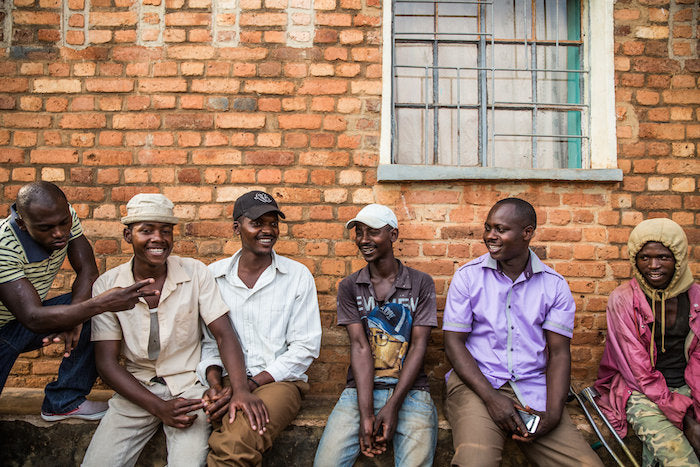
There was a time when the evening hours in many Ghanaian neighbourhoods came with a familiar scene. After a long day of work, school and household responsibilities, people would bring out their chairs, sit in front of their homes and enjoy the cool evening breeze.
Some sat on wooden benches, others used plastic chairs, while children played nearby. Conversations flowed from one topic to another, laughter filled the air, and neighbours who had not seen one another throughout the day finally had time to catch up.
For many families, sitting outside in the evening was part of everyday life. It was not an organised event, and nobody needed a special invitation. People simply came outside, greeted one another and found something to talk about.
Today, that familiar scene is becoming less common in some neighbourhoods. More people spend their evenings indoors, watching television, scrolling through their phones or attending to personal activities.
Although some communities still maintain the tradition, changing lifestyles and modern housing arrangements have affected how people spend their evenings.
It may appear to be a small change, but the simple habit of sitting outside helped create a sense of community that many people remember fondly.
When the compound and frontage became a meeting place
In many Ghanaian communities, the space in front of a house or within a compound served as an informal meeting place.
As the sun began to set, residents could bring out their chairs and settle down outside. Some came to rest after work, while others wanted to escape the heat inside their rooms.
The conversations were often spontaneous. A neighbour could walk past, stop to greet everyone and end up sitting for an hour. Someone returning from the market might share news about food prices, while another person could introduce a discussion about a football match, a family celebration or something happening in the community.
These gatherings did not require refreshments, expensive entertainment or elaborate arrangements. Sometimes, all people needed was a chair and a little time.
For children, it was also an opportunity to play within the view of adults while listening to conversations taking place around them.
The frontage of a house was therefore more than an outdoor space. It was an extension of the home and, in many cases, a meeting point for the neighbourhood.
One thing that made these evenings memorable was the variety of conversations.
Older people shared experiences from their younger days, discussed how the community had changed and sometimes offered advice to younger residents.
Parents talked about their children’s education, work opportunities and family responsibilities. Friends discussed relationships, football, entertainment and everyday challenges.
Sometimes, the conversations were serious. At other times, they were filled with jokes, teasing and laughter.
There were also moments when someone would begin telling a story that attracted everyone’s attention. A simple discussion could turn into a long exchange of memories, with different people adding their own experiences.
For children who were present, these conversations offered an informal way of learning about people, relationships and the world around them.
They heard stories about places they had never visited, people they had never met and experiences that happened long before they were born.
Not every conversation was important, but that was part of the beauty of it. People did not always need a reason to sit together.
The tradition also played a role in how children interacted with adults and other members of their communities.
Children who spent time outside their homes often became familiar with neighbours and older residents. They learnt how to greet adults, respond politely and behave in shared spaces.
They could also hear discussions about school, work, marriage, family responsibilities and community life.
Some children were sent on small errands, asked to bring water or encouraged to help arrange chairs. These everyday activities helped them become comfortable interacting with people outside their immediate families.
The presence of adults also created opportunities for informal supervision, although parents and guardians still had responsibility for keeping children safe.
Today, children have different ways of spending their free time. Many enjoy television, mobile games, social media and indoor entertainment.
These activities are not necessarily harmful, but when outdoor interaction becomes limited, children may have fewer opportunities to develop relationships with people in their immediate communities.
Why more people now spend their evenings indoors
There are several reasons why the culture of sitting outside has changed.
One major factor is the growth of urban living. In some residential areas, houses are built closer together, outdoor spaces are limited, and residents have fewer comfortable places to gather.
Apartment buildings and gated communities may also have rules governing the use of shared spaces. While some provide recreational areas, others offer little room for informal gatherings.
Security concerns have also influenced people’s decisions. Some residents prefer to remain indoors because of concerns about theft, robbery, traffic or disturbances in their neighbourhoods.
Modern entertainment has played a role as well. Television, smartphones and internet services provide endless ways to spend the evening without leaving the house.
Work schedules have also become demanding. Some people return home late, exhausted from traffic and other responsibilities, leaving little energy for social interaction.
For others, privacy is important. They may prefer to spend their free time with immediate family members rather than participate in neighbourhood conversations.
These changes are understandable. However, they have also reduced some of the everyday opportunities people once had to connect with those living around them.
The influence of smartphones and social media
Perhaps one of the biggest differences between the past and present is how people use their free time.
In the past, someone sitting outside could easily become part of a conversation simply because they were physically present.
Today, people may sit together but remain occupied with their phones. One person is watching videos, another is responding to messages, while someone else is scrolling through social media.
Technology has made it easier to stay connected with people across the world, but it can sometimes reduce attention given to those sitting nearby.
A person may know what a friend in another country is doing through social media but have little idea how the neighbour next door is coping.
This does not mean smartphones should be abandoned. They have become important tools for communication, work and entertainment.
The challenge is finding a balance between digital interaction and real-life relationships.
Sometimes, putting the phone aside for a few minutes and joining a conversation can make an ordinary evening more meaningful.
Have modern lifestyles made people less sociable?
It would be unfair to suggest that Ghanaians have stopped socialising altogether.
People still visit friends, attend family gatherings, meet at drinking spots, go to restaurants and participate in religious and community activities.
However, there is a difference between making special arrangements to meet people and having everyday opportunities to interact with those living nearby.
The old evening sitting culture made social interaction part of ordinary life. People did not always need to travel somewhere or spend money to enjoy one another’s company.
It was available right outside the house.
As that habit becomes less common in some areas, people may have to make more deliberate efforts to maintain relationships.
The concern is not simply that fewer chairs are being brought outside. It is that some of the casual conversations and familiar encounters that helped build neighbourhood relationships may also be disappearing.
The disappearance of this simple tradition could affect more than how people spend their evenings.
First, communities may lose opportunities for residents to become familiar with one another. Knowing the people around you can encourage cooperation and make it easier to identify when someone needs assistance.
Second, younger generations may have fewer chances to hear stories and experiences directly from older people.
Third, the informal support systems that grow through regular interaction may become weaker. A person who regularly sees and talks to neighbours may find it easier to ask for help during an emergency than someone who barely knows anyone around them.
There is also the emotional value of having people to talk to after a difficult day. Sometimes, a simple conversation, a shared joke or the presence of familiar faces can make someone feel less isolated.
These benefits may appear ordinary, but they contribute to the quality of community life.
Can the tradition return in modern Ghana?
Bringing back the culture of evening gatherings does not mean people must abandon their televisions, smartphones or personal routines.
Families can start by creating small opportunities to spend time outside when it is safe and comfortable to do so.
Neighbours can organise occasional informal gatherings, particularly in communities where residents already know one another.
Residential associations can also consider creating welcoming shared spaces where people can sit, relax and interact.
Parents can encourage children to spend some time outdoors under appropriate supervision, while older family members can use these moments to share stories and experiences.
Even a few chairs placed outside a home can create an opportunity for conversation.
The most important thing is not the number of people who gather or how long they stay. It is the willingness to make time for human interaction.
Looking back, those evening gatherings were not always comfortable or perfect. There were disagreements, gossip, arguments about football and moments when conversations lasted longer than expected.
But they offered something that money could not easily buy: time spent with people.
People learnt about one another, shared experiences and created memories without needing a special occasion.
As Ghana continues to develop and lifestyles change, it is worth asking whether some of these simple traditions deserve a place in modern society.
A house can have a beautiful living room, a large television and a fast internet connection, but there is something special about sitting outside, feeling the evening breeze and laughing with people who live nearby.
Perhaps the next time the evening comes, instead of spending the entire night indoors, someone could bring out a chair, greet a neighbour and start a conversation.
It may be a small gesture, but it could bring back a little of the warmth that made those ordinary Ghanaian evenings so memorable.
Do you remember evenings when people brought their chairs outside to chat with neighbours and enjoy the cool breeze? Do you think Ghanaians should bring back this simple tradition?

KiDi Hails Fameye’s Unique Songwriting Gift, Says He Carries a Special Spirit

‘I Am an Eagle; I Don’t Play with Birds’ – Empress Gifty Fires Fresh Jab at Critics

NFA Film Development Fund Attracts Nearly GH¢100m in Funding Requests as 56 Filmmakers Pitch Projects

IRAWMA 2025: Shatta Wale Wins 3 Major Awards Including Best Music Video

AirtelTigo losing GH₵20m monthly; total debts exceed $200million – Sam George

Samini Secures Promotional Deal with Audiomack for Upcoming Album “THE ORIGIN8A”


-

 General News12 hours ago
Mahama Meets New ECOWAS Commission President Birame Diop, Discusses Regional Security and Development
-

 Entertainment7 hours ago
From Sleeping on the Streets to Building a Media Empire: The Kojo Preko Dankwa Story
-

 Entertainment14 hours ago
Where Has the GH¢40m Gone? – FOCAP Challenges Government Ahead of 2027 Budget
-

 Entertainment12 hours ago
ArchXenus Marks 15 Years with Foundation Launch, Raises Alarm Over Ghana’s Housing Crisis
-

 Health & Fitness14 hours ago
US-Based Omega Psi Phi Fraternity Chapters Partner PNHF to Offer Free Prostate Cancer Screening for 100 Men in Accra
-

 Entertainment13 hours ago
Wiyaala Appeals to Mahama, GES Over Poor Conditions at Funsi SHS
-

 Politics7 hours ago
NPP Demands Sacking of NACOC and Airport Chiefs Following Repeated Cocaine Seizures
-
 Entertainment4 hours ago
NFA Film Development Fund Attracts Nearly GH¢100m in Funding Requests as 56 Filmmakers Pitch Projects