
Culture
Easter in Ghana: A Celebration of Faith, Culture, Adventure and Togetherness

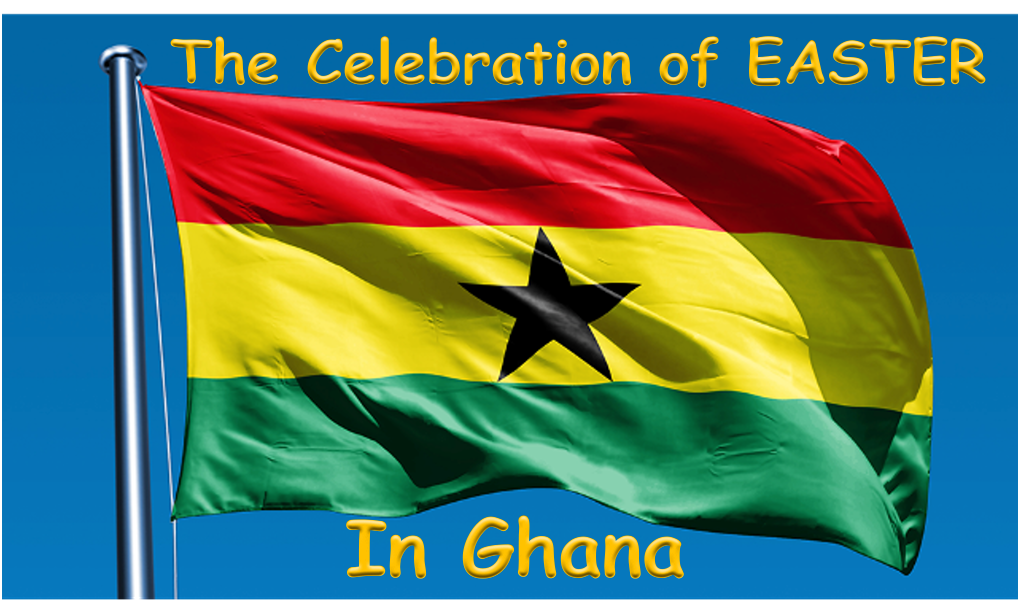
Easter in Ghana is more than a religious celebration; it is a special season that brings together faith, culture, family, tourism and entertainment. While Christians across the country commemorate the death and resurrection of Jesus Christ, the period also provides an opportunity for people to travel, reconnect with loved ones, explore tourist attractions and participate in exciting outdoor activities.
Unlike many religious occasions that are observed mainly within churches, Easter in Ghana comes with a unique blend of spiritual reflection and social celebrations. From the solemn observance of Good Friday to the excitement of Easter Sunday and the outdoor activities of Easter Monday, the season creates memorable experiences for people of different ages and backgrounds.
One of the most recognised destinations during the Easter season is Kwahu in the Eastern Region, where thousands of visitors gather annually for the famous Kwahu Easter festivities.
Good Friday: A Day of Reflection and Remembrance
Good Friday marks one of the most significant days in the Christian calendar. It commemorates the crucifixion and death of Jesus Christ, reminding Christians of His sacrifice and the foundation of their faith.
Across Ghana, churches organise special services, prayer meetings, Bible readings and sermons focusing on the suffering and death of Jesus Christ. Many Christians use the day for fasting, repentance, meditation and personal reflection.
Some churches organise processions, dramatic presentations of the crucifixion and special prayer sessions to help worshippers reflect on the events leading to Christ’s death.
For many families, Good Friday is also a quiet day spent at home, with some avoiding entertainment, parties and other activities as a sign of respect for the solemn occasion.
Holy Saturday: Preparing for the Resurrection Celebration
Holy Saturday, which falls between Good Friday and Easter Sunday, is another important day in the Easter celebration.
It commemorates the period Jesus Christ lay in the tomb before His resurrection. Although the day is generally quieter than Easter Sunday, churches use the occasion to prepare for the celebration of Christ’s victory over death.
Some congregations organise prayer vigils, overnight services and Easter conventions, while others prepare their churches and communities for the major celebration ahead.
For families and travellers, Holy Saturday is also a time to make final preparations for Easter Sunday gatherings, picnics and trips to popular tourist destinations.
Easter Sunday: Celebrating the Resurrection of Jesus Christ
Easter Sunday is the high point of the Christian celebration, marking the resurrection of Jesus Christ from the dead.
Churches across Ghana come alive with joyful worship, thanksgiving, singing, dancing and special sermons celebrating the resurrection. Congregations often dress in beautiful outfits, with white clothing particularly popular as a symbol of purity, victory and new life.
Some churches organise sunrise services, dawn prayers, Easter conventions and special musical performances to mark the occasion.
Unlike Good Friday, which is characterised by solemn reflection, Easter Sunday is filled with excitement and thanksgiving. Christians exchange greetings, embrace one another and celebrate the message of hope, forgiveness and new beginnings.
Following church services, families and friends gather to enjoy special meals and spend quality time together. Popular Ghanaian dishes such as jollof rice, fried rice, fufu, banku, grilled chicken, yam, plantain and assorted soups often feature on Easter menus.
For many households, the day is also an opportunity to visit relatives, welcome guests and strengthen family relationships.
Easter Monday: A Day for Picnics, Tourism and Outdoor Fun
Easter Monday is widely associated with outdoor celebrations, family picnics and recreational activities in Ghana.
After the religious activities of the preceding days, many people use the holiday to relax, travel and enjoy the company of friends and relatives.
Popular destinations include the Legon Botanical Gardens, Aburi Botanical Gardens, beaches, parks, resorts and other recreational centres.
Families organise picnics, prepare food, play games, take photographs and participate in activities such as swimming, boating and sightseeing.
For children and young people, Easter Monday offers an opportunity to enjoy games, music, dancing and other recreational activities outside the usual home and school environment.
The day also provides an important boost for businesses in the hospitality, transportation, food and tourism industries, as many establishments welcome increased numbers of visitors.
Kwahu Easter: Ghana’s Biggest Easter Tourism Attraction
No discussion of Easter in Ghana is complete without mentioning Kwahu.
Located in the Eastern Region, Kwahu has become one of the country’s most popular destinations during the Easter season. Its beautiful mountainous landscape, rich cultural heritage and lively entertainment activities attract thousands of visitors from different parts of Ghana and abroad.
The annual Kwahu Easter celebration has grown beyond a religious gathering into a major tourism and entertainment event, bringing together families, tourists, celebrities, businesspeople, traditional leaders and entertainment lovers.
The festivities are spread across several communities, including Obomeng, Mpraeso, Abetifi, Nkawkaw, Atibie and other towns in the Kwahu area.
Here are some of the exciting activities that make Kwahu Easter special:
Paragliding at Odweanoma Mountain
One of the biggest attractions of Kwahu Easter is paragliding at the Odweanoma Mountain in Atibie.
The activity attracts adventure lovers who want to experience the excitement of flying above the beautiful Kwahu landscape.
Participants, under the supervision of trained pilots, take off from the mountain and enjoy breathtaking aerial views of the surrounding communities, hills and valleys.
Paragliding has become one of the signature attractions associated with Kwahu Easter, helping to position the area as an important adventure tourism destination.
Mountain Hiking and Sightseeing
Kwahu’s mountainous environment provides opportunities for hiking, sightseeing and nature exploration.
Visitors can explore scenic locations, enjoy fresh air and take photographs of the beautiful landscape.
For people who enjoy outdoor adventures, hiking offers an opportunity to experience the natural beauty of the area while discovering some of its remarkable geographical features.
Street Carnivals and Entertainment
During Easter, parts of Kwahu transform into lively entertainment centres.
Music, dancing, street parties, live performances and social gatherings create an exciting atmosphere, particularly in the evenings.
Popular musicians, DJs and entertainment personalities often feature in events organised by individuals, businesses and entertainment promoters.
These activities attract young people and music lovers who travel to Kwahu to enjoy the festive atmosphere.
Cultural Displays and Traditional Celebrations
Beyond the entertainment, Kwahu Easter offers visitors an opportunity to appreciate the area’s cultural identity and traditions.
Traditional drumming, dancing, local customs and community gatherings form part of the wider celebrations.
Visitors can also explore the history and heritage of Kwahu through interactions with residents and traditional communities.
Exploring Local Food and Delicacies
Food is another important part of the Kwahu Easter experience.
Visitors have the opportunity to enjoy a variety of Ghanaian meals, including fufu, banku, kenkey, grilled fish, roasted plantain, yam and traditional soups.
Local food vendors and restaurants often experience increased patronage during the season, providing visitors with an opportunity to enjoy authentic Ghanaian cuisine.
Sports and Recreational Activities
Sports also contribute to the excitement of the Easter season.
Football matches, basketball games and other recreational competitions provide entertainment for both participants and spectators.
Some communities and event organisers use the occasion to organise sporting activities that encourage interaction, teamwork and healthy competition.
Visiting Tourist Attractions Around Kwahu
Easter provides an excellent opportunity to explore some of the tourist attractions in and around the Kwahu area.
Visitors can discover scenic viewpoints, waterfalls, historical locations and natural attractions while learning more about the region’s history and culture.
For those who want something beyond parties and nightlife, exploring these locations offers a different but equally memorable Easter experience.
Another important aspect of Easter in Ghana is the spirit of giving and helping others.
Many churches, religious organisations, individuals and corporate institutions use the season to support vulnerable members of society.
Activities often include donations of food, clothing and essential supplies to orphanages, hospitals, prisons and communities in need.
Some churches organise visits to hospitals and care facilities, offering prayers, encouragement and material assistance to patients and other vulnerable people.
These acts of kindness reflect the Christian message of love, compassion, sacrifice and service to humanity.
Easter and Its Impact on Ghana’s Tourism Industry
Easter has become an important period for Ghana’s tourism and hospitality sectors.
The movement of people from cities to tourist destinations creates business opportunities for hotels, guesthouses, restaurants, transport operators, event organisers, tour guides and local vendors.
Kwahu, in particular, experiences increased commercial activity as visitors arrive to participate in the festivities.
The season also provides an opportunity to promote Ghana’s tourist attractions to international visitors and encourage domestic tourism.
Beyond the economic benefits, Easter helps showcase Ghana’s hospitality, cultural diversity and ability to combine religious traditions with modern entertainment.
Easter in Ghana represents different things to different people. For Christians, it is a celebration of the death and resurrection of Jesus Christ and the hope that comes with His victory over death.
For families, it is a time to reconnect, share meals and create memories. For young people and adventure lovers, it offers opportunities to travel, attend concerts, explore tourist attractions and participate in outdoor activities.
For businesses and tourism operators, it is one of the periods when domestic travel and entertainment activities generate significant economic opportunities.
Whether spending the season in church, enjoying a family picnic, exploring tourist attractions or joining the lively celebrations in Kwahu, Easter remains one of Ghana’s most distinctive festive periods.
It is a celebration that brings together faith, culture, adventure, hospitality and community spirit, making Easter in Ghana an experience worth looking forward to every year.













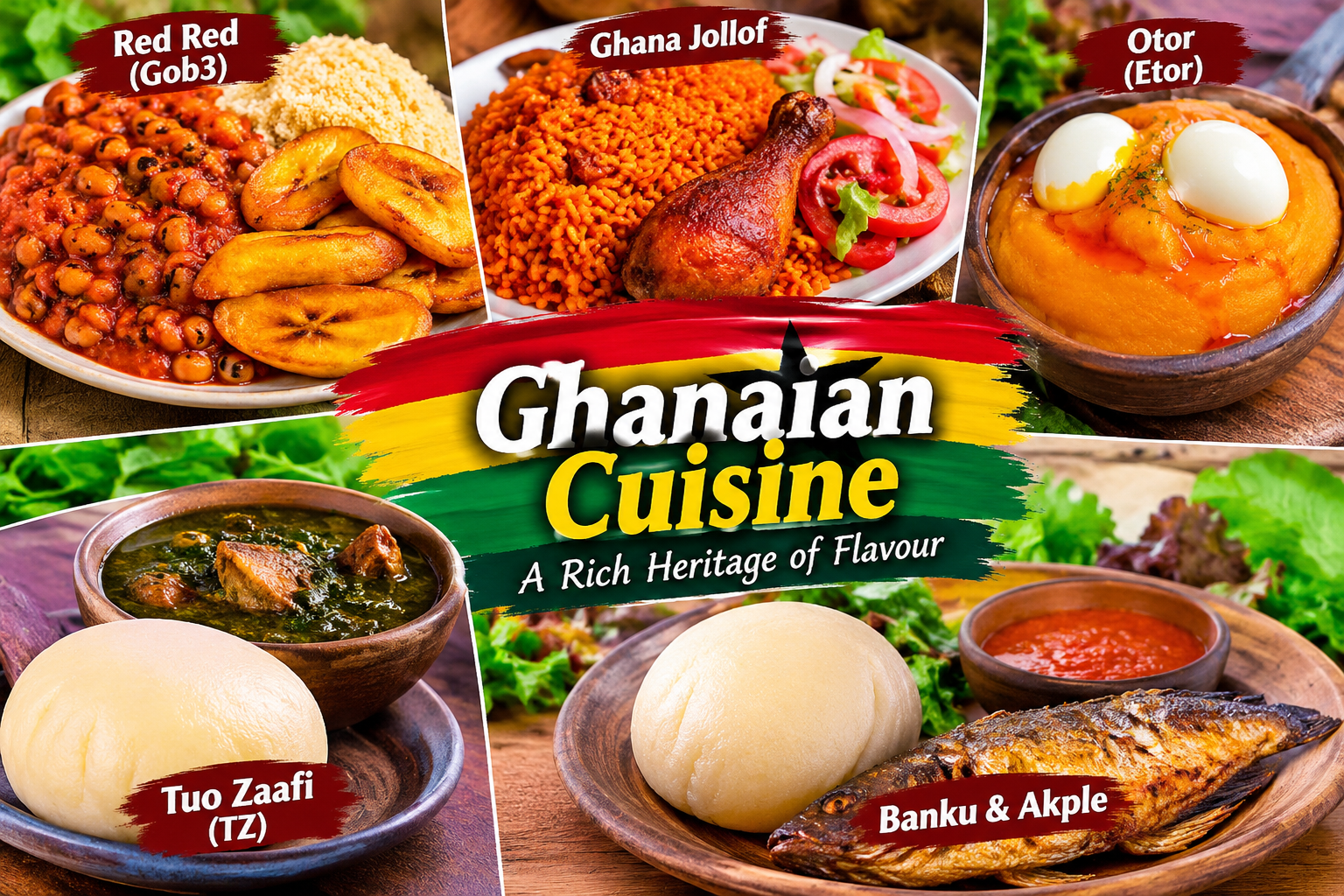
Traditional Ghanaian food culture is one of the country’s richest expressions of identity, bringing together generations of culinary traditions, locally sourced ingredients and cooking methods that have stood the test of time. From meals prepared for special ceremonies to popular dishes sold at roadside food joints, Ghanaian cuisine tells stories of the country’s diverse ethnic groups, their history and the cultural values they continue to preserve.
Across the country, food is more than something people eat to satisfy hunger. It is a way of welcoming visitors, celebrating important occasions, strengthening family relationships and passing cultural knowledge from one generation to another.
Some dishes have become everyday favourites, while others carry deeper traditional and ceremonial meanings. Whether it is a plate of Red Red with fried plantain, a serving of Ghanaian Jollof, or a bowl of Tuo Zaafi accompanied by green vegetable soup, each meal offers a taste of Ghana’s rich culinary heritage.
1. Red Red (Gob3): The comforting combination of beans and fried plantain.
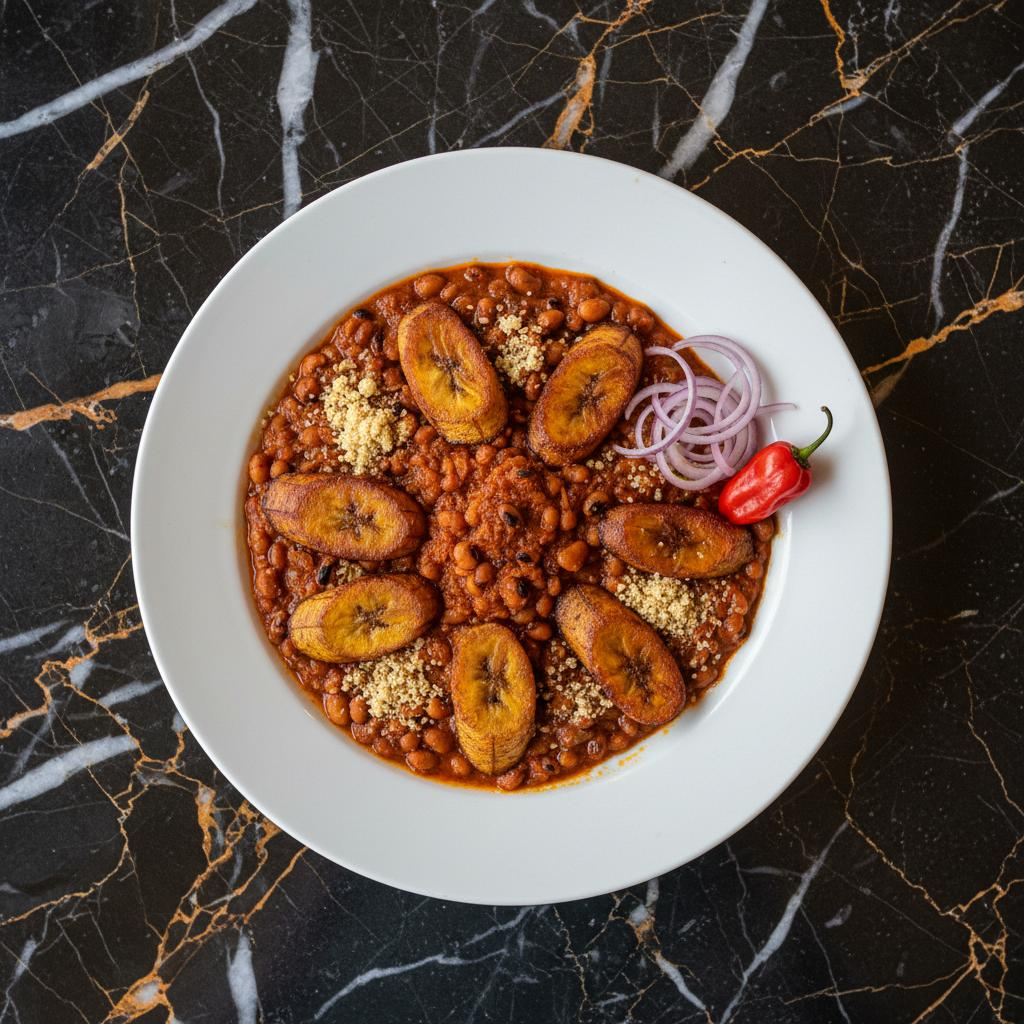
Few Ghanaian meals combine simplicity, affordability and satisfying flavour quite like Red Red. Commonly known as Gob3 and sometimes called Yɔ kɛ Gari, the dish is a popular combination of beans stew, fried ripe plantain and gari.
The meal is traditionally associated with the Ga-Dangme culinary heritage and has become a familiar favourite across different parts of Ghana. Its name comes from the rich reddish appearance created by the use of palm oil and other ingredients in the stew.
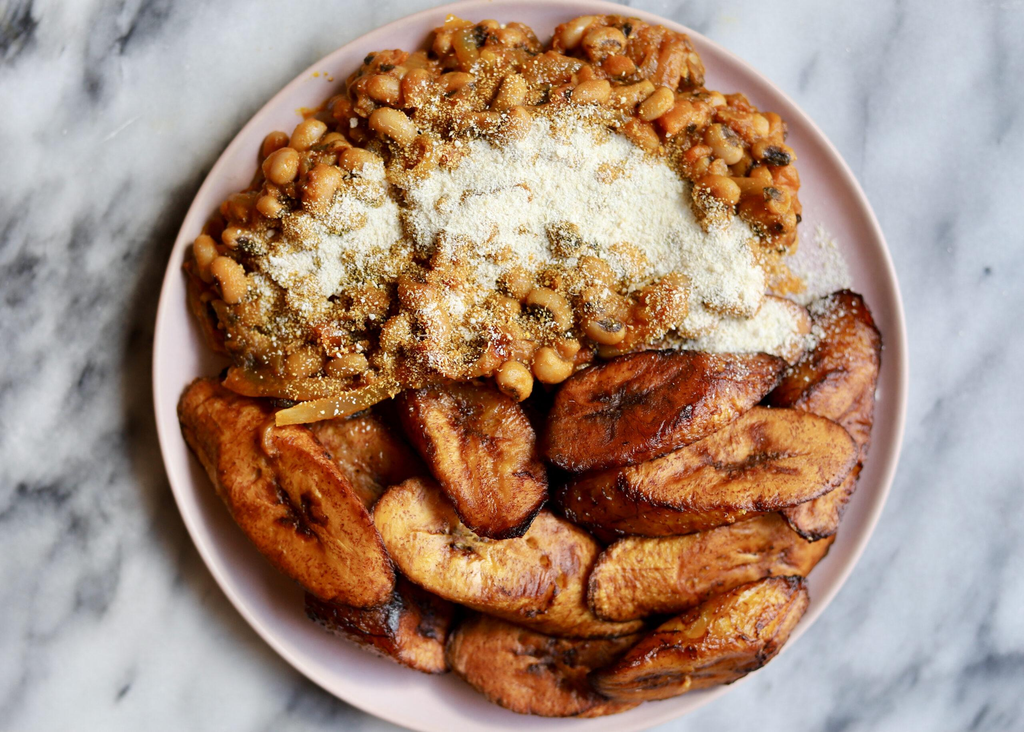
Black-eyed peas or cowpeas are usually the main ingredients. They are cooked until tender before being added to a sauce prepared with red palm oil, tomatoes, onions, pepper, ginger and garlic. Some cooks also include smoked fish, salted fish or powdered shrimp to give the stew an additional depth of flavour.
The fried plantain provides a pleasant contrast to the savoury beans. When ripe plantains are fried until golden brown, their natural sweetness balances the peppery and slightly rich taste of the stew. Gari is often sprinkled over the beans or served alongside the meal, adding a distinctive texture.
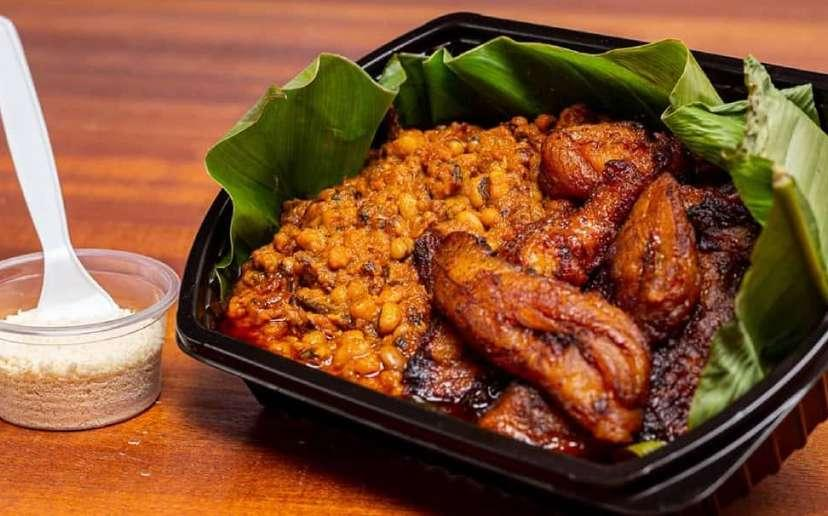
Red Red is particularly popular among students, workers and households because it is relatively inexpensive and filling. The beans provide plant-based protein and dietary fibre, while the plantain and gari contribute energy.
Its popularity extends beyond homes to roadside food vendors, school canteens, markets and restaurants. Some people enjoy it with boiled eggs or avocado, while others prefer adding fish to make the meal more substantial.
Although it is an everyday meal for many Ghanaians, Red Red represents something important about local food culture: the ability to transform simple agricultural ingredients into a delicious meal enjoyed by people from different backgrounds.
2. Ghana Jollof: The Dish Behind West Africa’s Famous Food Rivalry
Few Ghanaian meals generate as much excitement and friendly competition as Jollof rice. Known for its vibrant colour, aromatic seasoning and rich tomato flavour, Ghanaian Jollof has become one of the country’s most celebrated dishes.
The meal is prepared by cooking rice in a carefully seasoned tomato-based sauce made with fresh tomatoes, tomato paste, onions, pepper, garlic, ginger and a selection of spices.
Depending on individual preferences and family recipes, ingredients such as smoked fish, meat stock and other seasonings may be incorporated to give the rice additional depth.
Although Jollof is enjoyed throughout West Africa, its history is associated with the Senegambian region and the culinary traditions of the Wolof people. As the dish spread across the region, different communities adapted its preparation to suit their local ingredients and tastes.
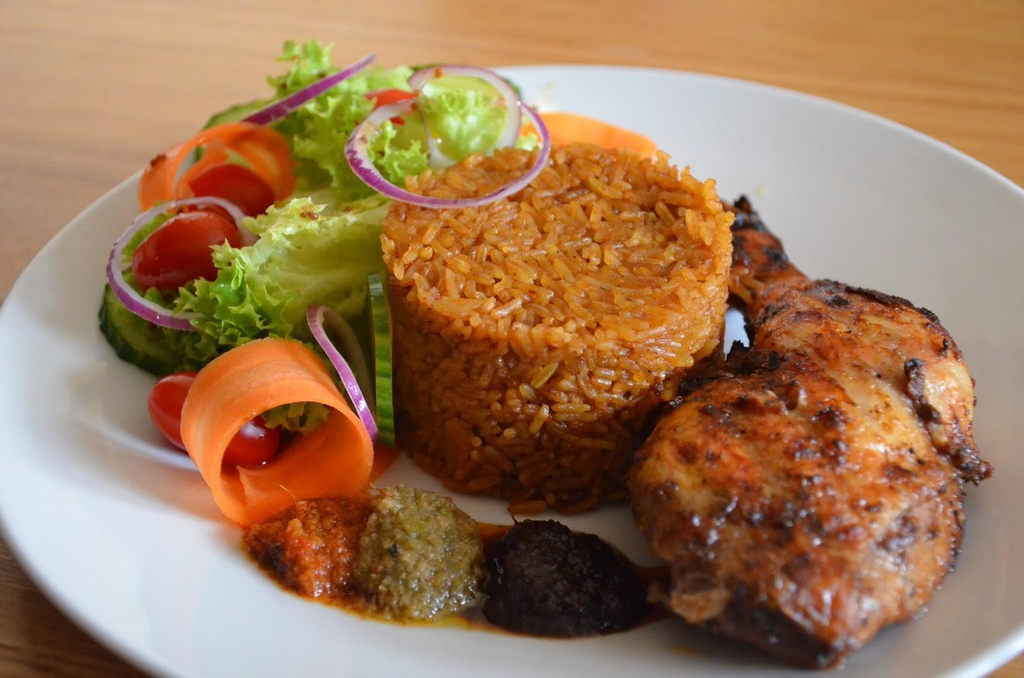
Ghanaian Jollof has developed a distinctive identity through its preparation techniques and seasoning combinations. It is commonly served with grilled or fried chicken, beef, fish, salad, shito and sometimes fried plantain.
The dish is particularly popular at weddings, birthday parties, funerals, festivals and other social gatherings. For many Ghanaians, an occasion is hardly complete without a well-prepared pot of Jollof.
Its popularity has also contributed to the famous Ghana-Nigeria Jollof rivalry, with supporters from both countries passionately defending their preferred versions.
Beyond the friendly arguments, Jollof represents the ability of food to bring people together. It is enjoyed at family gatherings, international food festivals and diaspora celebrations, making it an important ambassador of West African culinary culture.
3. Otor (Eto): The Traditional Dish with Deep Cultural Significance
Otor, also known as Oto, Otoor or Etor, is a traditional Ghanaian delicacy strongly associated with the Ga-Dangme people of the Greater Accra Region.
Unlike many everyday meals, Otor carries considerable cultural and ceremonial importance. It is traditionally prepared for special occasions, including naming ceremonies, birthdays, weddings and traditional rites.
One of its most significant associations is the Akwele Suma, also known as the Ga Twins’ Festival, during which twins are celebrated through customary practices and special meals.
The dish is traditionally prepared using boiled yam or ripe plantain, which is mashed into a smooth mixture and combined with palm oil. Depending on the recipe, onions, pepper and other ingredients may be added to enhance its flavour.
It is commonly served with hard-boiled eggs, which hold symbolic importance in several Ghanaian cultural traditions, particularly in relation to fertility and new beginnings.
The yam version is particularly popular, although plantain Otor is also prepared and enjoyed by many households.
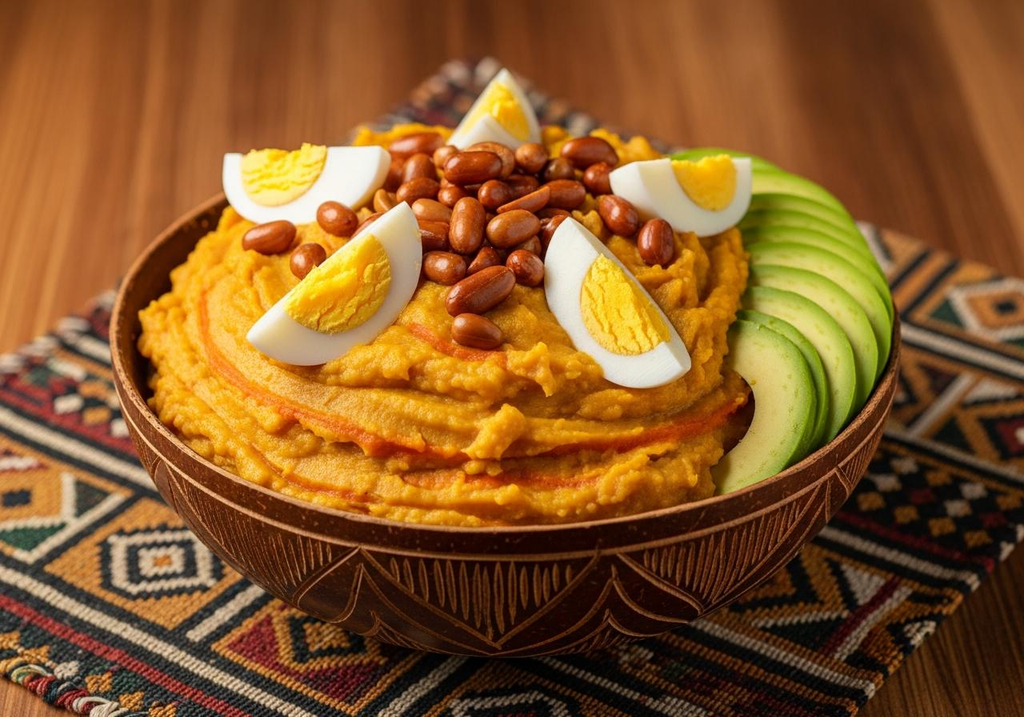
Traditionally, the yam or plantain is mashed using an asanka, a locally used earthenware bowl that is also employed in preparing several Ghanaian sauces and dishes.
During the Akwele Suma celebrations, Otor forms part of the special food prepared for twins. The occasion reflects the cultural importance attached to twins within Ga traditions and provides an opportunity for families and communities to come together.
Otor is also enjoyed beyond ceremonial occasions. Some households prepare it for breakfast or as a satisfying meal, sometimes serving it with roasted groundnuts, avocado or additional accompaniments.
Its continued popularity among different Ghanaian communities demonstrates how traditional foods can move beyond their original cultural settings while retaining their historical significance.
4. Tuo Zaafi (TZ): Northern Ghana’s Beloved Traditional Staple
Tuo Zaafi, popularly called TZ, is one of the most recognised traditional dishes from Northern Ghana. It is particularly associated with communities in the northern part of the country, where it has long been an important part of household meals.
The dish is a soft, smooth preparation made primarily from cereal flour, particularly maize flour, although other flour varieties and local preparations are also used.
Its name is commonly associated with the Hausa language, with Tuo referring to a stirred dough preparation and Zaafi meaning hot. The description reflects the cooking process, which involves continuously stirring the mixture over heat until it develops its characteristic smooth and stretchy consistency.
TZ is rarely enjoyed without its accompanying soup. One of the most popular combinations is Ayoyo soup, prepared using the leaves of the jute plant.
Other popular accompaniments include okra-based soups and vegetable preparations made with locally available ingredients.
The soups are often enriched with dawadawa, smoked fish, meat, pepper and traditional spices, producing a flavourful combination that complements the relatively mild taste of the TZ itself.
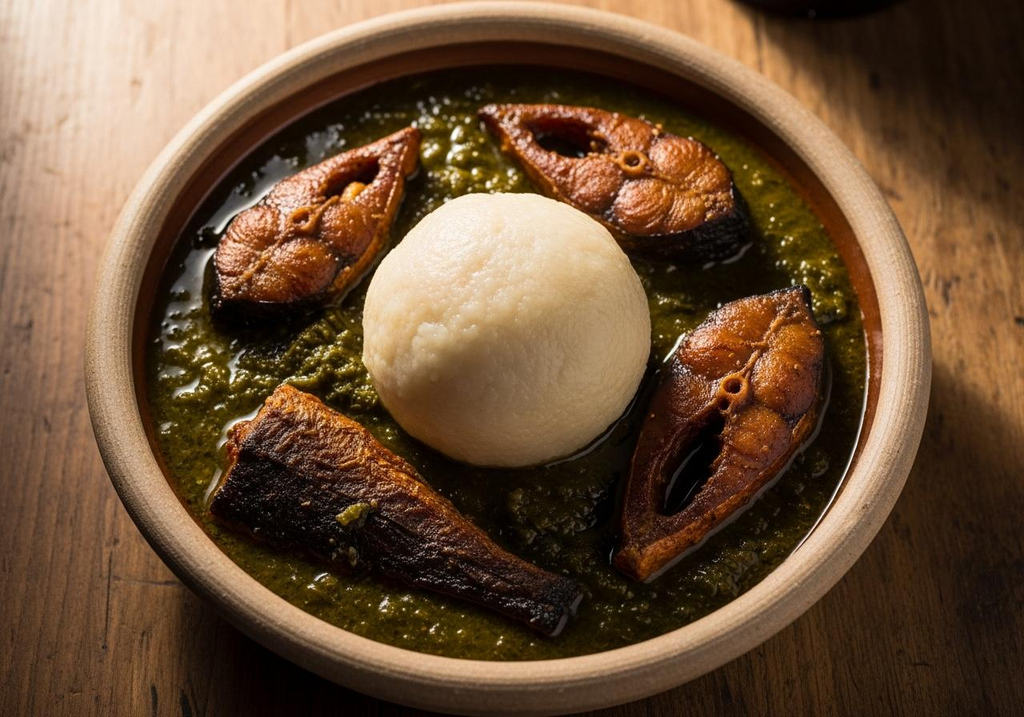
Some preparations also incorporate shea butter, which adds a distinctive flavour and is particularly associated with northern Ghanaian food traditions.
Although Tuo Zaafi originated as a regional staple, its popularity has spread considerably. It can now be found in restaurants, chop bars and food joints across Accra and other parts of the country.
Its growing presence on urban food menus has introduced the dish to people who may not have grown up eating it, while allowing Ghanaians from the northern regions to maintain a connection with familiar traditional meals.
The dish is also appreciated for its combination of carbohydrates, vegetables and protein-rich accompaniments, making it a substantial meal.
Today, Tuo Zaafi remains an important representation of northern Ghanaian culinary identity.
5. Banku and Akple: Two Traditional Staples with Distinctive Regional Identities
Banku and Akple are among Ghana’s most popular fermented dough-based staples. Although they share similarities in their ingredients and preparation, the two dishes have distinctive regional associations and are enjoyed in different ways.
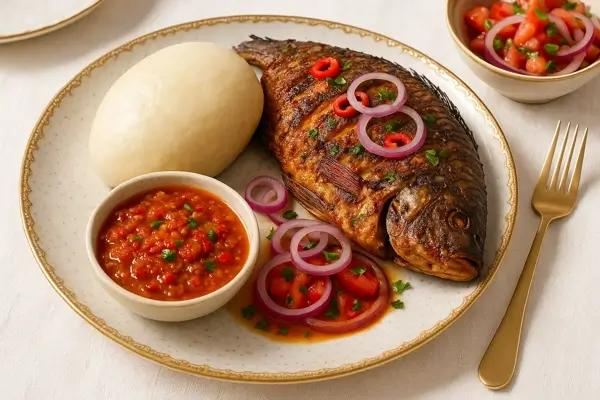
Banku is particularly popular among the Ga, Fante and other coastal communities, while Akple is strongly associated with the Ewe people of the Volta Region.
Both are traditionally prepared using fermented maize dough, although cassava dough is also incorporated into many banku recipes.
The preparation of banku involves combining the fermented dough with water and cooking it over heat while continuously stirring and kneading the mixture. This process produces a smooth, firm and slightly sour dough.
The consistency can vary depending on the proportion of maize and cassava dough used, as well as individual preparation preferences.
Banku is commonly served with grilled tilapia, fried fish, hot pepper sauce, okra stew or soup. The combination of the slightly sour dough and spicy accompaniments makes it a favourite among many Ghanaians.
Akple, on the other hand, is a traditional staple particularly enjoyed in the Volta Region. It is commonly prepared from fermented maize dough and water, although preparation methods and preferred consistency differ among households.
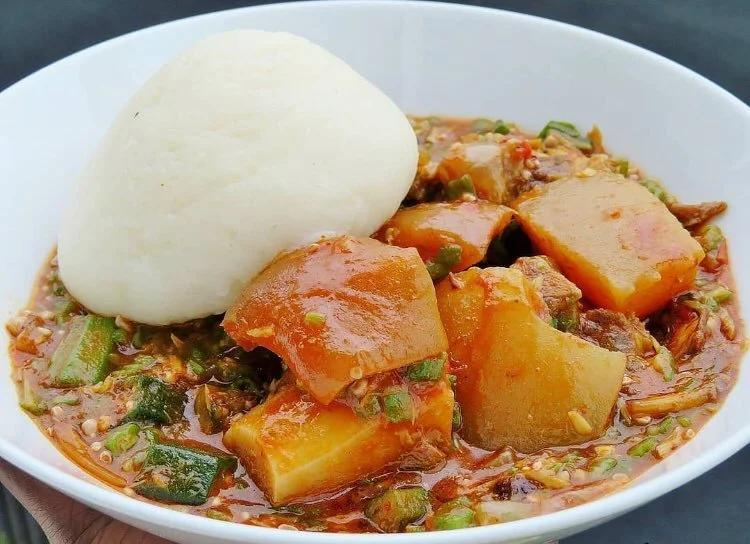
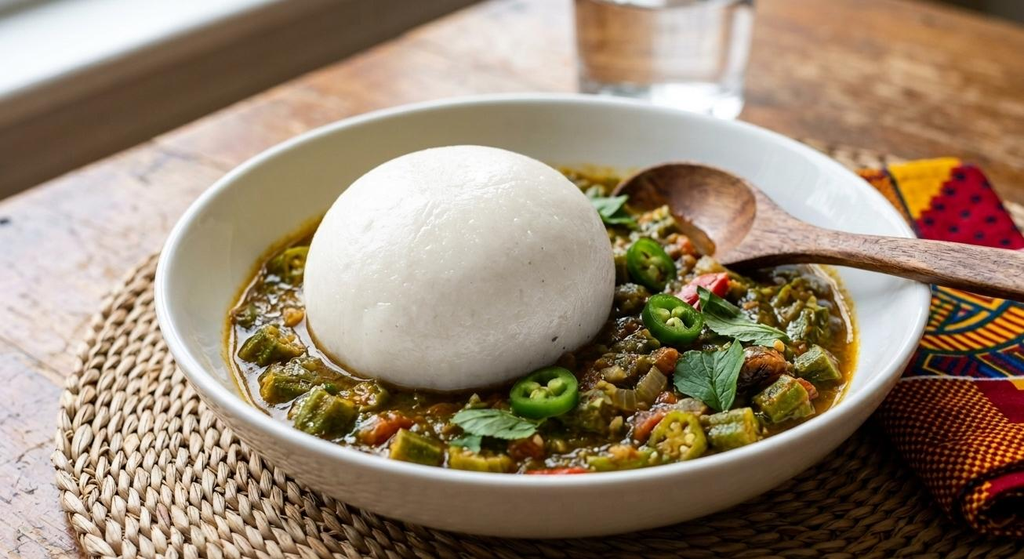
It is particularly associated with Fetri Detsi, the Ewe name for okra soup. The soup is often prepared with fresh or smoked fish, meat, pepper and other ingredients that give it a distinctive flavour.
The difference between the two dishes is not simply their names. Their textures, preparation methods and traditional accompaniments reflect the preferences of the communities that have preserved them over generations.
Both meals are commonly eaten using the hands, with portions taken from the dough and used to scoop the accompanying soup or sauce.
Their continued popularity in Ghanaian homes and restaurants reflects the importance of fermented maize foods in the country’s culinary traditions.
More Than Food: The Cultural Importance of Ghanaian Cuisine
Ghana’s food heritage is much broader than the dishes found on restaurant menus. Traditional meals are closely connected to farming, fishing, festivals, family relationships, religious practices and the history of different ethnic communities.
The country’s geographical diversity has also influenced its culinary traditions. Coastal communities have developed food cultures around fish, fermented maize and seafood, while northern communities make extensive use of millet, sorghum, maize, cowpeas and shea-based ingredients.
The forest and transition zones, on the other hand, are known for their use of yam, plantain, cocoyam, palm fruits and various vegetables.
According to the National Commission on Culture, Ghanaian food serves as a cultural archive, preserving knowledge about the country’s communities, agricultural practices, migration, trade and traditional ways of life.
This diversity is also evident in other popular dishes, including Waakye, Fufu, Kenkey, Ampesi, Mpotompoto, Kelewele and Tubaani.
However, preserving these meals requires more than continuing to prepare them at home. Their histories, indigenous names, preparation techniques and cultural meanings also need to be documented and passed on to younger generations.
As Ghanaian cuisine continues to attract attention internationally, traditional dishes provide opportunities for tourism promotion, food entrepreneurship and cultural exchange.
From a plate of Red Red bought at a roadside food joint to Otor prepared for a traditional celebration, every meal carries something that connects Ghanaians to their heritage.
Ultimately, the richness of Ghanaian cuisine lies not only in its ingredients and flavours but also in the people, stories and traditions that have kept these meals alive.
Which of these Ghanaian dishes is your favourite, and which traditional meal do you think deserves more international recognition?
Culture
Asafotufiam Festival: The Ada Celebration of Warrior Heritage, Courage and Ancestral Traditions
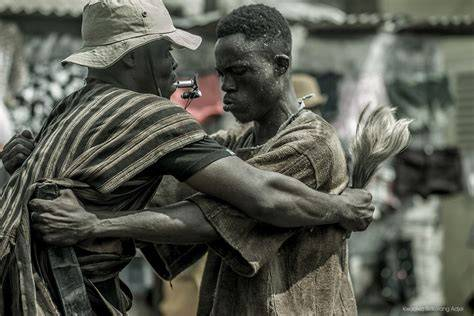
Every year, the people of Ada in the Greater Accra Region come together to celebrate a festival that brings their history of warfare, bravery and migration to life. Known as the Asafotufiam Festival, the celebration is marked by colourful traditional displays, war dances, musket firing, processions and ceremonies honouring the ancestors who shaped the identity of the Ada people.
Unlike festivals centred mainly on harvests or fishing seasons, Asafotufiam has a strong connection to the military history of the Ada people. It commemorates the courage and achievements of warriors who defended their communities and protected their territory in earlier times.
The festival also provides an opportunity for families to reunite, traditional authorities to reaffirm their leadership and younger generations to learn about the history and customs of the Ada traditional area.
What is the Asafotufiam Festival?
Asafotufiam is an annual traditional festival celebrated by the people of Ada in the Greater Accra Region, particularly in the Ada traditional area along the coast and around the Volta River estuary.
The name is commonly interpreted as referring to the firing of muskets by groups of warriors. The festival’s central theme is the remembrance of the bravery, military organisation and sacrifices of ancestors who fought to protect their communities.
The celebration is associated with the traditional Asafo companies, which historically served as organised military groups. Their participation remains one of the most recognisable features of the festival.
Through war dances, musket displays, traditional songs and public ceremonies, Asafotufiam preserves memories of the community’s warrior past while celebrating the unity and identity of the Ada people.
The origins of Asafotufiam are connected to the history of warfare and defence among the Ada people. In earlier times, communities organised warriors to protect their settlements, defend their territory and respond to threats from rival groups.
These warriors operated through organised companies, commonly known as Asafo groups. They had responsibilities connected to military defence, community organisation and the protection of traditional institutions.
The festival developed as a way of remembering their bravery and honouring those who lost their lives in battles.
The celebration also preserves stories of migration, settlement and the struggles through which the Ada people established their communities. These historical memories are passed down through oral accounts, traditional performances and ceremonial practices.
The two Asafo companies: Akomfode and Asorkor
A major feature of Asafotufiam is the participation of the two traditional Asafo companies of Ada: Akomfode and Asorkor.
These groups represent the historical military organisation of the Ada people. Traditionally, membership is determined through maternal lineage, meaning children of the same father may belong to different companies if they have different mothers.
Each company has its own leadership, war drums, songs and ceremonial identity. During the festival, the groups assemble, march through designated routes and demonstrate their traditional military formations.
Their participation is not simply for entertainment. It preserves the structure through which earlier generations organised themselves for warfare and community defence.
How the festival is celebrated
Asafotufiam traditionally takes place during the first week of August and unfolds over several days. The celebrations involve family ceremonies, traditional processions, musket firing, cultural performances and a grand durbar.
Thursday: Homecoming and family purification
The celebrations begin with the arrival of sons and daughters of Ada from different parts of Ghana and abroad.
Families return to their ancestral homes to participate in the festivities and reconnect with relatives. Thursday is traditionally set aside for cleaning family houses, performing customary purification rites and pouring libations at family shrines.
Some families also hold vigils as part of the traditional observances. These activities prepare the community for the main celebrations and provide an opportunity to honour ancestors.
Friday: War dances and musket firing
Friday is one of the most exciting days of Asafotufiam.
At dawn, the war drums summon members of the Akomfode and Asorkor companies. The groups assemble and begin their traditional processions, accompanied by war songs, drumming, dancing and ceremonial displays.
They proceed towards Luhuese, an area outside Big Ada associated with the historical military activities of the community.
One of the notable traditional practices involves introducing young men who have reached the appropriate stage of maturity to their respective Asafo companies. They are taught about the handling of muskets and the military traditions associated with their groups.
The activities also include demonstrations of traditional battle formations and mock warfare, recreating aspects of the military organisation of earlier generations.
Participants dress in traditional battle attire, with some adorning themselves with leaves and palm branches. The sound of muskets, war cries and drums creates an atmosphere that reflects the festival’s historical connection to warfare.
The Kpomkpo-Panya river ceremony
Another important part of the celebration takes place at Kpomkpo-Panya, a riverside location historically associated with the departure of warriors for battle and their return home.
The Asafo companies proceed to the area, where customary ceremonies are performed.
Traditionally, the groups fire three consecutive volleys into the river. Participants then dip their feet into the water and wash their hands.
The act symbolises the washing away of evil, misfortune and negative experiences from the previous year, while expressing hope for peace, protection and prosperity in the period ahead.
The ceremony is particularly significant because it connects the festival’s military history with its spiritual meaning. It recalls the traditional welcome given to warriors returning from battle while offering a symbolic fresh beginning for the community.
The grand durbar is another major highlight of Asafotufiam.
Traditional rulers, queen mothers, elders, Asafo leaders, residents and invited dignitaries gather to celebrate the history and achievements of the Ada people.
The chiefs appear in traditional regalia, sometimes carried in palanquins as part of the ceremonial procession. Their appearance reflects the authority and continuity of traditional leadership.
Speeches are delivered, traditional music and dancing take place, and community leaders use the gathering to address matters affecting the development of Ada.
The durbar also provides an opportunity to recognise individuals and groups who have contributed to the community. Issues such as education, sanitation, infrastructure, youth development and local economic opportunities may feature in discussions.
Beyond the formal proceedings, it is a moment for the people to demonstrate their pride in their heritage and reaffirm their commitment to the progress of the Ada traditional area.
Sunday: Church services and continued celebrations
Religious activities also form part of the festival programme. Sunday is traditionally associated with church services, allowing residents to offer prayers and thanksgiving.
Other social activities may continue throughout the festival period, including sporting events, beach gatherings, boat races and river excursions.
These activities attract families, young people and visitors, adding a recreational dimension to the historical and ceremonial celebrations.
The significance of the musket firing
The firing of muskets is the most recognisable feature of Asafotufiam and explains the festival’s association with warfare.
Historically, the sound of gunfire was used to announce the arrival of warriors returning from battle. It was also connected to the military organisation through which the Ada people defended their territory.
Today, the ceremonial firing serves as a remembrance of those traditions and the sacrifices made by earlier generations.
The practice also gives the festival its distinctive atmosphere. However, musket firing involves real gunpowder and requires strict adherence to safety instructions and directions from organisers.
Traditional clothing and the display of bravery
Traditional battle attire is an important part of the festival’s identity.
Members of the Asafo companies dress in outfits that reflect the appearance and spirit of historical warriors. Leaves, palm branches and other traditional accessories are used in some displays to symbolise victory and military achievement.
Chiefs and elders also appear in traditional garments and regalia, while other participants wear clothing that reflects the cultural identity of the Ada people.
These displays provide a visual connection to the past, allowing visitors and younger generations to appreciate the customs associated with the festival.
Asafotufiam is also a major homecoming occasion.
People who have relocated to Accra, other parts of Ghana or overseas return to Ada to celebrate with relatives and friends. The festival provides an opportunity to renew family relationships, visit ancestral homes and reconnect with the community.
Food and hospitality form part of the experience. Families prepare meals for relatives and visitors, while local food vendors and businesses benefit from the increased number of people in town.
The celebrations also encourage younger family members to learn about their ancestry and understand the traditions that connect them to Ada.
Asafotufiam has become an important cultural attraction in the Greater Accra Region.
Its colourful processions, traditional war dances, musket displays and grand durbar offer visitors an opportunity to experience the heritage of the Ada people.
The festival can also support local businesses, including hotels, guesthouses, restaurants, transport operators, food vendors and traders.
Ada’s coastal location and its connection to the Volta River provide additional attractions for visitors. The festival period can therefore encourage people to explore the area’s beaches, waterways and other tourism opportunities.
For the community, the event is also an opportunity to promote investment, highlight local development needs and attract attention to the potential of the Ada traditional area.
Why Asafotufiam remains important to the Ada people
Asafotufiam is more than a festival of musket firing and colourful celebrations. It is a reminder of the struggles, sacrifices and achievements through which the Ada people established and defended their traditional territory.
It preserves the memory of warriors and chiefs, strengthens family relationships and provides an opportunity for cultural knowledge to be transferred to younger generations.
The festival also demonstrates how traditional practices can evolve. Ceremonies that were once connected to welcoming soldiers home from battle have become an annual celebration of heritage, unity and communal progress.
For the people of Ada, Asafotufiam remains a powerful expression of courage, resilience and belonging. Every year, the sound of the drums and ceremonial muskets brings the community together to honour its past while looking towards a future built on shared identity and development.

The Apoo Festival is one of Ghana’s distinctive traditional celebrations, giving the people of Techiman and other Bono communities an opportunity to confront social wrongdoing, express grievances, and preserve their cultural heritage through music, dance and customary rites.
Unlike festivals that focus mainly on harvests or fishing seasons, Apoo is widely associated with social criticism and spiritual cleansing. During the celebration, people use songs, chants and public performances to speak about misconduct, challenge hypocrisy and encourage leaders and community members to reflect on their actions.
Celebrated in communities including Techiman, Wenchi, Nkoranza, Nsawkaw and Nwoase, the festival brings together traditional authorities, families, residents and visitors to reaffirm their shared identity and customs. The exact dates and duration vary by location, with celebrations commonly held between March and April.
What the Apoo Festival means
The name Apoo is associated with the Akan word po, meaning “to reject.” In the context of the festival, this refers to rejecting social evils, misfortune, curses and negative influences believed to threaten the wellbeing of individuals and the wider community.
The festival therefore serves several purposes. It provides an opportunity for spiritual and communal cleansing, encourages people to address grievances and promotes unity among residents.
It also seeks blessings for peace, prosperity and a successful year. Through its customs, Apoo reminds participants that a healthy community requires honesty, accountability, mutual respect and a willingness to correct wrongdoing.
The history behind the Apoo Festival
Oral tradition traces the origins of the festival in Techiman to the reign of Nana Kwakye Ameyaw, remembered in some accounts as an authoritarian ruler under whom people found it difficult to express their opinions freely.
According to the traditional account, community members consulted their local gods over their inability to speak openly about their concerns. The response, as preserved in the oral history, was to set aside a period during which people could express their thoughts and grievances, including criticisms of leadership, without fear of punishment.
This tradition gave the festival its distinctive role as an occasion for public expression and social correction.
One expression associated with the festival is Mereko po me haw, which is commonly translated as “I am going to say what is on my chest.” The phrase captures the idea of releasing concerns that have been kept inside and speaking openly about matters affecting the community.
Although oral accounts may differ in their details, this story remains an important part of the festival’s traditional explanation and its association with speaking truth to power.
One of the most distinctive aspects of Apoo is the opportunity it creates for people to criticise behaviour they consider harmful to society.
Through songs, chants and satirical performances, participants may highlight dishonesty, arrogance, abuse of authority, disrespect and other social problems. The messages can be humorous, sharp or serious, depending on the subject being addressed.
This tradition gives the festival a role beyond entertainment. It allows the community to examine its conduct, discuss grievances and encourage people to take responsibility for their actions.
The practice also highlights the relationship between traditional culture and accountability. Even in societies where respect for chiefs and elders is highly valued, the festival preserves a customary space for concerns to be voiced.
Its wider purpose is not simply to embarrass individuals but to encourage reflection, correction and peaceful relationships.
Spiritual cleansing and traditional rites
Spiritual cleansing forms another important part of Apoo. Its customary observances are associated with rejecting negative influences, seeking protection and restoring harmony within the community.
Traditional authorities and designated participants help maintain the rites connected with the celebration. Prayers and customary practices reflect the community’s hopes for peace, prosperity and protection from misfortune.
These observances are closely connected to the festival’s social purpose. By confronting wrongdoing and seeking a fresh beginning, the community symbolically clears away problems that could weaken relationships and collective wellbeing.
Some rites are governed by local customs and may be reserved for particular participants.
Music and dance help bring the Apoo Festival to life. Traditional drumming provides rhythms for gatherings, while songs and chants communicate messages about behaviour, leadership and community life.
The performances combine cultural expression with social commentary, allowing important messages to be delivered in ways that attract attention and encourage discussion.
Traditional clothing, public gatherings and the participation of different generations also make the festival an opportunity to celebrate Bono identity.
For younger people, these activities provide a way to learn traditional songs, performance styles and community values from older generations, helping preserve the festival’s cultural significance.
Chiefs and elders play an important role in maintaining Apoo’s customs and connecting the celebration to the history of their traditional areas.
Their involvement reinforces the importance of traditional institutions in community life. It also places the festival’s emphasis on accountability within a broader discussion about leadership, public conduct and responsibility.
The festival offers an opportunity for traditional authorities and residents to reflect on issues affecting their communities and encourage peaceful ways of resolving disputes.
Its tradition of open expression remains particularly distinctive because it recognises the importance of addressing grievances rather than allowing resentment to grow unchecked.
Beyond the formal ceremonies, Apoo is a time for families and friends to reconnect.
People living outside their hometowns may return to participate in the celebrations, visit relatives and renew relationships. These gatherings strengthen social bonds and provide opportunities for younger generations to learn about their ancestry and cultural background.
The festival’s emphasis on clearing grievances also reflects the importance of reconciliation. Communities are better able to maintain harmony when disputes are addressed, and people are encouraged to treat one another with respect.
The values associated with Apoo remain relevant in contemporary Ghana. Dishonesty, abuse of authority, selfishness and the refusal to accept responsibility can affect families, workplaces and public institutions.
The festival demonstrates how traditional culture can provide a platform for discussing such problems. Through satire, songs and public expression, communities can draw attention to wrongdoing and encourage people to reconsider their behaviour.
However, criticism must still be exercised responsibly, without spreading false allegations or causing unnecessary harm. The broader lesson is that accountability should lead to correction and improved relationships rather than deepen divisions.
Tourism and the preservation of Bono heritage
Apoo also offers opportunities for cultural tourism by attracting visitors interested in the traditions of Techiman and the wider Bono cultural area.
The festival showcases traditional music, dance, customary practices and a distinctive history of social commentary. Local traders, food vendors, transport operators and other businesses may benefit from increased activity during the celebrations.
Preserving the festival requires continued participation from younger generations, support for traditional cultural institutions and efforts to document the oral histories and practices associated with it.
Ultimately, the Apoo Festival stands out among Ghana’s traditional celebrations because it combines cultural pride with a message about social responsibility. Through cleansing rites, music, dance and the freedom to express grievances, it reminds communities that preserving heritage also means confronting wrongdoing, promoting accountability and working towards peace.
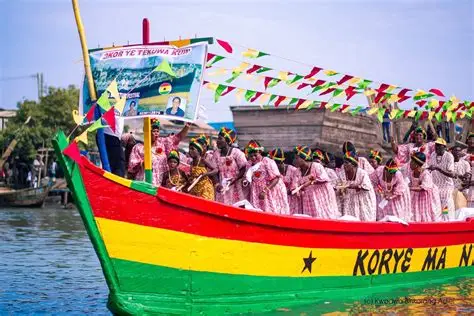
Every year, the historic coastal town of Elmina in Ghana’s Central Region comes alive with traditional drumming, colourful processions, fishing activities and royal ceremonies as the people celebrate the Bakatue Festival, an important cultural event that connects their livelihoods to the sea, the lagoon and the traditions of their ancestors.
The festival, whose name is commonly interpreted as the opening of the lagoon, celebrates the traditional opening of the Benya Lagoon for fishing. It marks an important moment in the life of a community whose history, culture and economic survival have long been connected to fishing.
Celebrated by the people of Elmina, particularly the Edina traditional area, Bakatue is more than a festival. It is a reminder of the relationship between the community and its natural environment, the importance of traditional leadership and the need to preserve the customs that have sustained generations of fishing families.
The celebration attracts residents, chiefs, visitors and people from other parts of Ghana who gather to witness the ceremonies and experience one of the country’s notable traditional festivals.
The history and meaning of Bakatue
Bakatue is deeply rooted in the history of Elmina, one of Ghana’s oldest coastal settlements. The town developed around fishing, trading and its strategic position along the Atlantic coast.
The Benya Lagoon has historically served as an important source of livelihood for fishing families. Its waters and the nearby sea have provided food, employment and opportunities for trade, making fishing central to the community’s identity.
The Bakatue Festival developed around the traditional practice of opening the lagoon for fishing at a designated time. The observance is associated with thanksgiving, prayers for a successful fishing season and requests for protection against accidents and other dangers.
The name “Bakatue” reflects this central practice of opening the lagoon. Although the festival has evolved over the years, its connection to fishing and the community’s dependence on water remains one of its defining features.
For the people of Elmina, the festival is also a time to remember their ancestors, honour traditional authorities and reaffirm their shared cultural identity.
The opening of the Benya Lagoon
The symbolic opening of the Benya Lagoon is the central feature of Bakatue.
Before fishing activities are permitted under the traditional observance, ceremonies are held to seek blessings for the community and the coming fishing season. Traditional authorities and other designated participants oversee the customary rites associated with the occasion.
The opening is significant because it represents the transition into a period of fishing activity. It also reflects the community’s traditional understanding that natural resources must be approached with respect for customary rules and collective responsibility.
The ceremony is not simply about allowing fishermen to return to the water. It expresses hope for a good catch, the protection of fishing families and the continued availability of resources for future generations.
The lagoon is therefore at the heart of the festival, serving as both a source of livelihood and a symbol of the community’s relationship with its environment.
Traditional rites form an important part of the Bakatue celebration. They are performed in accordance with the customs of the Edina traditional area and reflect the community’s beliefs about the relationship between people, their ancestors and the natural world.
Prayers and customary observances seek blessings for the community, a fruitful fishing season and protection for those who venture onto the sea.
Fishing is a demanding occupation that exposes workers to changing weather, rough waters, equipment failures and other dangers. The festival provides an opportunity for the community to express its hopes for safety and prosperity.
The rites also demonstrate the authority of traditional institutions in preserving cultural practices and maintaining rules associated with the lagoon.
Details of individual ceremonies may vary, and some customary practices are reserved for authorised participants rather than the general public.
Traditional leadership is central to Bakatue. The Omanhene of Edina, together with chiefs, elders and other traditional authorities, plays an important role in the festival’s ceremonial activities.
The appearance of the traditional ruler and his elders reflects the historical importance of chieftaincy in maintaining customs and representing the community.
During the celebration, traditional leaders preside over ceremonies, receive homage and participate in activities that reaffirm the identity of the Edina traditional area.
The festival also provides an opportunity for chiefs to address matters affecting the community, including development, sanitation, fishing practices and the welfare of residents.
Their participation reinforces the connection between cultural heritage and the responsibilities of traditional leadership.
Fishing, canoes and the livelihoods of Elmina residents
Fishing is not merely an economic activity in Elmina; it is an important part of the community’s way of life.
The town’s fishing industry supports fishermen, fishmongers, processors, traders, transport operators and numerous small businesses. Families depend on the income generated from catches sold in local markets and distributed to other communities.
The Bakatue Festival highlights these connections by placing fishing at the centre of its ceremonies.
Canoes, fishing equipment and the activities surrounding the lagoon remind participants of the work that sustains the community. The festival also provides a moment to reflect on the challenges facing the fishing industry, including declining catches, rising operating costs, environmental pollution and pressure on marine resources.
For younger generations, the occasion can serve as a reminder of the skills, knowledge and traditions associated with fishing, while encouraging conversations about how the industry can remain sustainable.
Like many traditional festivals in Ghana, Bakatue features music, dancing and public displays of cultural identity.
Traditional drumming provides rhythm for ceremonial gatherings, while dancers and performers contribute to the lively atmosphere. Residents and visitors gather to witness the activities and participate in the wider celebration.
Traditional clothing, colourful displays and the presence of chiefs and community groups make the festival a significant cultural event in Elmina.
The performances also provide opportunities for cultural knowledge to be passed from older generations to younger people. Through music, dance and public participation, the history and identity of the community remain visible.
Beyond entertainment, these activities strengthen a sense of belonging among residents and those who have moved away from Elmina but return for the festival.
The relationship between the festival and the Benya Lagoon makes environmental protection an important issue for the community.
A healthy lagoon supports fishing livelihoods and contributes to the wider ecological system. Pollution, poor waste disposal, encroachment and other environmental pressures can affect water quality and the resources on which residents depend.
Bakatue provides an opportunity to draw attention to these concerns and encourage collective responsibility for the lagoon.
The festival’s emphasis on the traditional opening of the water also highlights the importance of rules governing access to natural resources. Such customs can contribute to community discussions about conservation, although their effectiveness depends on how they are maintained alongside modern environmental and fisheries regulations.
Protecting the lagoon is essential not only for cultural reasons but also for the economic future of fishing families.
Bakatue attracts people to Elmina and creates opportunities for businesses during the celebration.
Food vendors, traders, transport operators, accommodation providers, craftspeople and other local businesses can benefit from the increased movement of visitors.
The festival also draws attention to Elmina’s wider tourism attractions, including its historic buildings, coastal setting and Elmina Castle, which is associated with the history of European trade, slavery and colonialism on the Gold Coast.
Visitors attending Bakatue may explore these historical attractions while learning about the cultural traditions of the Edina people.
With effective planning, the festival can contribute to cultural tourism and support local livelihoods. This requires attention to sanitation, visitor safety, transport, accommodation and the protection of culturally significant sites.
While Bakatue is a time of celebration, it also offers an opportunity to reflect on the difficulties facing fishing communities.
Rising fuel prices, expensive fishing equipment, fluctuating catches and pressure on marine resources can affect the income of fishermen and their families.
Environmental pollution poses another concern, particularly where waste and other contaminants threaten the health of lagoons and coastal waters.
Illegal and unsustainable fishing practices can also undermine the long-term productivity of the industry. When fish stocks decline, the effects extend beyond fishermen to fishmongers, processors, traders and households that depend on the sector.
These challenges make the festival’s connection to the environment particularly significant. Preserving Bakatue’s cultural meaning requires attention to the conditions that sustain the community’s traditional livelihood.
Why Bakatue remains important to Ghana
Bakatue is an important expression of Ghana’s cultural diversity because it demonstrates how festivals can emerge from the everyday activities that sustain a community.
While some Ghanaian festivals are closely associated with harvests, migration histories or the remembrance of ancestors, Bakatue is particularly connected to fishing and the traditional opening of a lagoon.
It combines customary rites, traditional authority, communal celebration and the economic realities of a coastal settlement.
The festival also gives younger people a way to learn about Elmina’s history and understand why the Benya Lagoon remains important to their community.
For visitors, Bakatue offers an opportunity to experience coastal Ghanaian traditions and appreciate the relationship between cultural identity and natural resources.
Ultimately, the Bakatue Festival is a celebration of more than the opening of a lagoon. It represents the hopes of fishing families, the authority of traditional institutions and the determination of the people of Elmina to preserve their heritage while confronting the challenges affecting their livelihoods.
As the community gathers each year, the festival renews a longstanding connection between people, water and tradition, reminding participants that the future of their culture is closely tied to the wellbeing of the environment that sustains them.
Culture
Ohum Festival: The Ancient Akyem Celebration of Yam Harvest, Ancestral Heritage and Thanksgiving
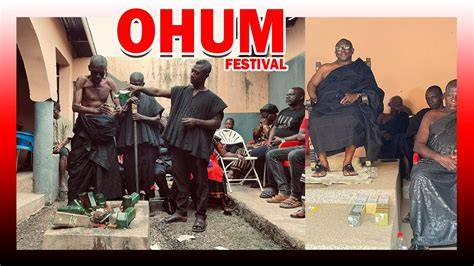
The Ohum Festival is one of the traditional celebrations that reflect the rich cultural heritage of the Akyem people of Ghana’s Eastern Region. The festival brings together agriculture, spirituality, chieftaincy and community life, providing an opportunity for the people to give thanks for a successful harvest, honour their ancestors and pray for prosperity in the coming year.
The celebration is particularly associated with the Akyem Abuakwa traditional area, also known as Okyeman, whose traditional capital is Kyebi. It reflects the relationship between the people, their land, their traditional rulers and the natural resources that have supported their communities over generations.
Ohum is closely connected to the first yam harvest and the traditional belief that agricultural abundance deserves thanksgiving. It is also an occasion for remembering ancestors who contributed to the survival and development of the community, renewing traditional customs and strengthening relationships among families and traditional authorities.
Beyond the colourful gatherings, drumming and dancing, the festival carries historical and spiritual significance. It provides an opportunity for the Akyem people to celebrate their identity and pass their customs to younger generations.
The History of the Ohum Festival
The history of Ohum is connected to the development and cultural identity of the Akyem people.
The Akyem are part of the wider Akan cultural group and have established distinctive traditional institutions, customary practices and systems of leadership over generations. Akyem Abuakwa developed into one of the important traditional states in Ghana, with Kyebi serving as its historic capital.
The kingdom’s history is closely connected to migration traditions, agriculture, trade, forest resources and the communities that developed around the Birim River area.
Traditional accounts of Ohum associate the festival with the history of the Akyem people, the experiences of their ancestors and the importance of preserving their traditional state.
The festival provides a setting in which these historical connections are remembered. Through customary observances and community gatherings, the people acknowledge the contributions of earlier generations and celebrate the continuity of their traditional institutions.
Like many Ghanaian festivals, some aspects of Ohum’s origins have been preserved through oral tradition. These accounts form an important part of the community’s cultural memory, although individual stories may differ in their details.
What Does Ohum Mean?
Ohum is a traditional festival associated with thanksgiving, the yam harvest, ancestral remembrance and the renewal of community life.
The celebration is particularly important among the Akyem people of the Eastern Region. It is also associated with communities among the wider Akan cultural group, including some Akuapem communities, whose customs and festival calendars may differ.
The festival’s meaning is expressed through its activities. The people give thanks for the food produced from their land, remember their ancestors, participate in traditional ceremonies and seek blessings for the future.
Ohum also reinforces the relationship between traditional rulers and their subjects. Chiefs, elders and community members gather to celebrate their heritage and reaffirm their connection to Okyeman.
The festival is therefore not simply a social event. It is an expression of the community’s historical identity, spiritual beliefs and agricultural traditions.
Ohumkan and Ohumkyire: The Two Observances
One distinctive feature of Ohum is its association with two observances known as Ohumkan and Ohumkyire.
Ohumkan refers to the first Ohum, while Ohumkyire refers to the later or second observance. Traditional accounts commonly associate Ohumkan with June and July and Ohumkyire with September and October, although exact dates and arrangements can vary according to the traditional calendar.
The two observances form part of the wider cycle through which the people celebrate their heritage, express gratitude for agricultural abundance and renew their hopes for prosperity.
Because the festival follows traditional customs rather than a fixed date in the Gregorian calendar, its timing should be confirmed with the relevant traditional authority for each year’s celebration.
The distinction between Ohumkan and Ohumkyire also demonstrates that Ohum is not necessarily a single event held on one date. Its observances form part of a broader cultural cycle that allows communities to maintain their customs throughout the year.
The Yam Harvest and Its Importance
One of the defining features of Ohum is its connection to the first yam harvest.
Yam has long held agricultural, nutritional and cultural importance in Ghana. Before modern food distribution systems became widespread, the success of the harvest was closely connected to household food security and the well-being of communities.
A good harvest provided families with food and helped them prepare for the next farming season. A poor harvest, on the other hand, could expose communities to hardship.
The Ohum Festival provides an opportunity to express gratitude for the crops harvested and pray for favourable conditions in the next farming season.
Yam also has a special place in traditional celebrations because it represents the results of farmers’ labour, the fertility of the land and the ability of a community to sustain itself.
During the festival, yam dishes may be prepared and shared among family members and community participants. These meals symbolise abundance, hospitality and the importance of sharing prosperity.
The celebration also draws attention to the contribution of farmers, whose work continues to support food production and rural livelihoods.
The Spiritual Significance of Ohum
Ohum is not solely an agricultural celebration. It also has a spiritual dimension rooted in traditional Akan beliefs.
The festival includes thanksgiving to God, remembrance of ancestors and traditional observances associated with the stools of Akyem. These practices reflect the importance of spiritual beliefs within the cultural life of Okyeman.
In traditional Akan society, stools are significant symbols of chieftaincy, lineage and customary authority. A stool represents more than a physical seat; it is associated with the history and continuity of the traditional office.
The cleansing of traditional stools during Ohum is understood as a ritual act connected to the preservation and spiritual wellbeing of the traditional institution.
Ancestral remembrance is equally important. Traditional beliefs recognise the place of earlier generations in shaping the community, establishing customs and maintaining its institutions.
Through prayers, offerings and other customary observances, the festival provides a setting for acknowledging these connections and seeking protection, peace and prosperity.
The specific rites performed may differ between communities and traditional authorities. Some ceremonies are conducted privately according to established customs and may not be open to public observation.
The Birim River is an important geographical feature in the history and environment of the Akyem area.
The river flows through the Eastern Region and is associated with the landscape in which many Akyem communities developed. The area’s forests, waterways and fertile land have historically supported farming and other economic activities.
Traditional accounts of Ohum connect the festival to the blessings associated with the land and the Birim River. These connections highlight the relationship between the community’s history, its environment and its cultural practices.
For communities whose livelihoods depend on agriculture and natural resources, rivers and fertile land are more than geographical features. They influence settlement, farming, trade and the development of local traditions.
Ohum provides an opportunity to reflect on the value of these resources and the responsibility to preserve them for future generations.
The festival’s connection to the land also reinforces the importance of environmental protection, particularly in areas where farming and water resources remain essential to livelihoods.
Traditional Rituals and Preparations
Preparations for Ohum involve customary practices that establish the spiritual and ceremonial atmosphere of the celebration.
Traditional accounts describe restrictions on noise-making before certain observances. They also refer to rites and sacrifices associated with shrines and deities within the Akyem traditional area.
These practices are governed by customary authority, and their details may vary according to the community and the particular observance.
The period preceding the main celebration allows participants to prepare for the festival and demonstrates the importance attached to traditional protocols.
Traditional leaders, priests, priestesses and elders have responsibilities connected to the observance of customs and the preservation of the festival’s meaning.
The spiritual preparations distinguish the sacred elements of Ohum from the public activities that visitors may encounter during the celebration.
They also remind participants that the festival is not simply a time for entertainment but an occasion that carries responsibilities within the community’s traditional belief system.
The Role of the Okyenhene and Traditional Leaders
The Okyenhene, the paramount ruler of Akyem Abuakwa, occupies a central position in the traditional identity of Okyeman.
Ohum provides an occasion for the community to reaffirm its relationship with the traditional institution and acknowledge the role of chiefs and elders in preserving customs.
The festival brings together traditional authorities and community members, demonstrating the continuing importance of chieftaincy in cultural life.
Traditional leadership in Akyem Abuakwa is connected to customary law, community identity, dispute resolution and the preservation of heritage.
The gathering of chiefs and elders during Ohum also creates opportunities for discussions about issues affecting their communities, including education, farming, peace, infrastructure and the welfare of residents.
The participation of traditional rulers makes the festival an important expression of the relationship between cultural heritage and community organisation.
Music, dancing and the gathering of traditional leaders are among the visible features of Ohum.
The festival provides an opportunity for communities to display their cultural identity through traditional performances, ceremonial clothing and public gatherings.
Traditional drummers, dancers and singers contribute to the atmosphere, while the gathering of chiefs and elders highlights the importance of customary leadership.
The clothing worn during the celebration adds to its cultural significance. Chiefs and other participants may appear in traditional fabrics, ornaments and ceremonial accessories that communicate cultural belonging and respect for the occasion.
The durbar brings people together and provides a public setting for celebrating the history and achievements of the community.
It can also serve as an opportunity for traditional authorities to address residents, discuss community priorities and encourage unity.
For younger participants, these activities provide a practical way of learning about traditional customs beyond what they may encounter in classrooms or written accounts.
Hooting at Hunger: A Symbol of Abundance
One of the distinctive practices mentioned in traditional accounts of Ohum is the symbolic rejection of hunger.
The practice is associated with the celebration of an abundant harvest and the hope that the community will not experience food shortages.
The symbolism reflects the importance of food security in traditional communities. A successful harvest represents more than the availability of food; it signifies the survival of families, the success of farmers and the ability of the community to prepare for the next agricultural season.
By celebrating abundance, Ohum encourages gratitude for the land and the labour required to produce food.
The practice also expresses hope that hunger and hardship will give way to prosperity and that future harvests will sustain the community.
This aspect of Ohum shares similarities with Homowo, the festival of the Ga people, which is strongly associated with overcoming hunger. However, the two festivals have distinct histories, customs and cultural meanings.
Their similarities demonstrate how food and harvest celebrations across Ghana preserve collective memories of hardship, survival and thanksgiving.
Food is an important part of the social life surrounding Ohum.
Yam dishes and other meals prepared during the festival provide an opportunity for families and community members to share the results of the harvest.
The celebration can also bring together people who live outside their traditional communities but return to participate in important cultural occasions.
Such reunions help maintain family relationships and allow younger generations to connect with their ancestral homes.
Community gatherings create opportunities for hospitality, conversation and the exchange of ideas. They also strengthen relationships between families, traditional leaders and residents.
The preparation and sharing of food demonstrate that cultural traditions survive not only through formal ceremonies but also through the relationships and memories built around them.
Ohum and the Historical Identity of Okyeman
The festival provides an opportunity for the Akyem people to reflect on their history and the development of their traditional state.
Akyem Abuakwa is one of the traditional states associated with the wider history of the Akan peoples. Its political and cultural institutions developed over centuries through migration, settlement, trade, agriculture and interactions with neighbouring states.
Kyebi remains an important centre of the traditional kingdom.
The history of Okyeman is not limited to the activities of its rulers. It also includes the contributions of farmers, traders, craftspeople, women, elders and ordinary community members who sustained social and economic life.
Ohum offers a cultural setting in which these connections can be remembered and passed on to future generations.
The festival reinforces the idea that a traditional kingdom is sustained by shared history, customary authority and the participation of its people.
Preserving Ohum for future generations requires the participation of young people.
The festival can help younger members of the community learn about traditional leadership, agricultural practices, family histories and the importance of ancestral remembrance.
Participation in drumming, dancing, storytelling and other cultural activities provides practical opportunities to learn customs that might otherwise become less familiar as lifestyles change.
Documentation is also important. Oral histories, photographs, recordings and interviews with elders can help preserve details of the festival for future generations.
Schools, cultural organisations and traditional authorities can support these efforts by encouraging young people to learn about the origins and significance of the celebration.
Such initiatives can help ensure that Ohum remains meaningful rather than becoming only a public spectacle.
Ohum as a Cultural Tourism Attraction
Ohum has the potential to contribute to cultural tourism in Ghana’s Eastern Region.
Visitors can learn about Akyem history, traditional authority, agricultural customs, music and the cultural significance of the yam harvest.
The festival can also create opportunities for local businesses, including food vendors, craftspeople, transport operators, accommodation providers and tour guides.
To attract wider tourism interest, organisers and tourism authorities can provide reliable information about festival dates, locations, programme schedules and the cultural meaning of major activities.
Promotion should be balanced with respect for traditional protocols. Sacred ceremonies should not be treated simply as entertainment, and communities should retain control over how their heritage is presented.
With appropriate planning, Ohum can help promote the history of Okyeman while creating opportunities for cultural exchange and local economic activity.
Ohum shares some features with other Ghanaian festivals, particularly those that celebrate the harvest and express gratitude for food.
Homowo, celebrated by the Ga people, is associated with overcoming hunger. Kundum, celebrated by the Ahanta and Nzema peoples, has strong connections to harvest traditions, thanksgiving and community renewal. Odwira, celebrated by several Akuapem communities, also includes harvest-related and ancestral elements.
However, each festival has its own history, customary calendar and ritual practices.
Ohum is particularly associated with the Akyem tradition, the first yam harvest, the history of Okyeman and observances connected to its traditional stools and ancestral heritage.
These similarities and differences demonstrate the diversity of Ghanaian culture. Although communities may share themes of thanksgiving, food and remembrance, their celebrations preserve distinct historical experiences and cultural identities.
Why the Ohum Festival Remains Important
Ohum continues to represent the relationship between the Akyem people, their traditional institutions, their ancestors and the land that has supported their communities.
Its connection to the yam harvest makes it an expression of gratitude for food and agricultural labour. Its spiritual observances preserve traditional beliefs, while the gathering of chiefs and community members reinforces cultural identity.
The festival also provides an opportunity to reflect on the history of Okyeman and the importance of passing cultural knowledge to younger generations.
As Ghana continues to promote its cultural heritage, Ohum offers a reminder that traditional festivals are valuable not only for their colourful ceremonies but also for the histories, beliefs and social relationships they preserve.
For the Akyem people, the celebration remains an expression of thanksgiving, continuity and hope for prosperity in the years ahead.

Lil Win Releases Soundtrack for Upcoming International Film ‘A Journey to Africa (Nzulezu)’

Funke Akindele Reveals ‘Everybody Loves Jenifa’ Is Her Most Expensive Film

Black Star Fashion Week honours seven Ghanaian fashion pioneers for contributions to industry

IRAWMA 2025: Shatta Wale Wins 3 Major Awards Including Best Music Video

AirtelTigo losing GH₵20m monthly; total debts exceed $200million – Sam George

Samini Secures Promotional Deal with Audiomack for Upcoming Album “THE ORIGIN8A”


-

 General News7 hours ago
GTA Leadership Dispute: Emmanuel Frimpong Calls for Governance Reforms and Clear Tourism Direction
-

 Politics20 hours ago
Adnan M. Kofi Adams files nomination to contest NDC National Executive Committee position
-

 Business9 hours ago
Government Exceeds Treasury Bills Target by 41%, Raises GH¢5.01bn.
-

 General News8 hours ago
24-Hour Economy Will Create Jobs, Boost Local Production and Drive Exports – Abdul Nasser Soglu
-

 General News20 hours ago
COALITION OF UNEMPLOYED GRADUATES WITH DISABILITIES
-

 General News2 hours ago
OSP Probes GH¢49.7m South Africa Evacuation Spending Over Alleged Financial Irregularities
-
Videos17 hours ago
News In 60 Seconds – 5 Nov
-

 Lifestyle9 hours ago
Why Do We Keep Buying Things We Don’t Need? The Shopping Habit Draining Our Pockets