
General News
OSP Probes GH¢49.7m South Africa Evacuation Spending Over Alleged Financial Irregularities

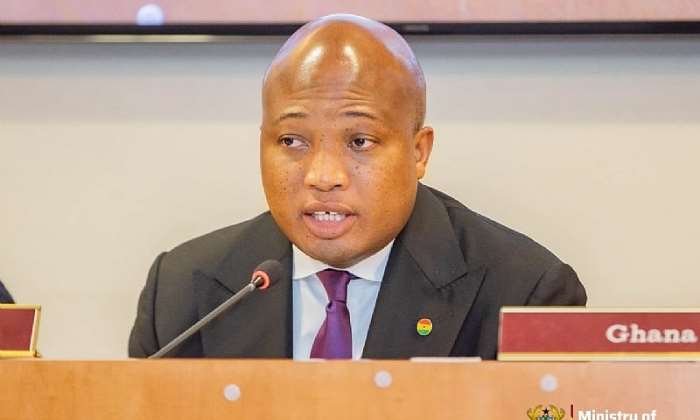
Ghana’s Office of the Special Prosecutor (OSP) has commenced investigations into alleged financial irregularities surrounding the expenditure of GH¢49.7 million on the evacuation of Ghanaian nationals from South Africa.
The investigation is expected to examine how the funds were approved, disbursed and utilised, as well as whether the expenditure complied with the relevant financial and procurement regulations.
The GH¢49.7 million expenditure has raised questions about the management and accountability of public funds, particularly regarding the circumstances surrounding the evacuation exercise.
The OSP disclosed in a statement issued on Monday, November 9, 2026, that its examination is focused on alleged discrepancies between the expenditure reported by the Ministry of Foreign Affairs and the actual payment records for the evacuation exercise.
MyJoyOnline+1
1,964 Ghanaians evacuated from South Africa
The evacuation exercise took place between May 27 and September 4, 2026, following xenophobic attacks and threats against foreign nationals in South Africa.
A total of 1,964 Ghanaian nationals were brought back to Ghana during the operation.
The Ministry of Foreign Affairs reported spending GH¢49,721,786 on the exercise, covering chartered flights, commercial airline tickets, ground transportation, accommodation, feeding, medical services and reintegration allowances.
The government previously disclosed that GH¢33,721,786 came from direct government funding, while Engineers and Planners contributed GH¢16 million towards the exercise.
Ghana News Agency+1
Duplicate payments and missing documentation under scrutiny
According to the OSP, some of the issues being examined include alleged duplicate entries in payment records, inadequate supporting documentation and payments recorded against beneficiaries who claim they did not receive the amounts indicated.
The Office is seeking to establish whether the public funds were properly accounted for and disbursed, identify the actual recipients of the payments and determine whether any public officer or private individual improperly benefited from the expenditure.
The development follows concerns raised by the Minority Caucus in Parliament, which had called for an independent audit of the evacuation expenditure over alleged discrepancies in the financial records.
The Minority had questioned aspects of the payment registers, flight manifests and supporting documents submitted by the Foreign Affairs Ministry.
Ghana News Agency+1
OSP clarifies focus of examination
The Special Prosecutor’s Office has stressed that its examination concerns the management and accountability of public funds and should not be interpreted as questioning the government’s humanitarian decision to evacuate Ghanaians from South Africa.
It further indicated that additional information would be made public where appropriate.
The OSP also reminded the public that all persons concerned are presumed innocent unless proven guilty.
The examination is expected to provide further clarity on the reported GH¢49.7 million expenditure and establish whether any financial misconduct occurred during the evacuation exercise.











Concerns have been raised over the welfare of day students under Ghana’s Free Senior High School (Free SHS) and Free Technical and Vocational Education and Training (Free TVET) programmes, with calls for the government to review the support provided to students who live in hostels away from their families.
Seth Afum A. Dankwah of J. G. Knol Technical Institute in Adukrom, Akuapem, Eastern Region, argues that many students classified as day students are facing challenges similar to those of boarding students but do not receive the same level of government support.
In an article dated Friday, November 6, 2026, he said the current arrangement has created an unfair situation in which some day students struggle to meet their basic needs despite attending the same schools and receiving the same education as their boarding counterparts.
He explained that while boarding students receive free tuition, accommodation and three meals a day, day students generally receive tuition support and one meal, usually lunch, during school days.
According to him, the policy was initially based on the assumption that day students lived with their parents and could therefore depend on their families for breakfast and supper.
However, he believes that assumption no longer reflects the circumstances of many students across the country.
He noted that some students are admitted to schools located far from their hometowns and farming communities, leaving them with little choice but to rent rooms or stay in private hostels near their schools.
These students, he said, often live without their parents, guardians or close relatives, yet are still classified as day students and consequently miss out on the additional feeding and accommodation support provided to boarders.
Dankwah described the situation as particularly difficult for students whose parents struggle financially to pay for accommodation, food, water, electricity, cooking fuel and other necessities.
He painted a picture of the difference between the daily experiences of boarding students and day students living in hostels.
While boarding students wake up to breakfast provided by the state, attend classes, receive lunch and supper, and return to supervised dormitories, some day students reportedly begin their mornings without food because they have no money to purchase breakfast.
After receiving the one meal provided at school, they must find their own means of securing food and other necessities for the rest of the day.
He further observed that some of these students live in private hostels that are not under the direct supervision of school authorities, leaving them without the same level of security and monitoring available to boarding students.
The situation, he argued, places additional financial pressure on parents who may end up spending more on their children than parents whose wards have secured boarding places.
He questioned why government support should depend largely on whether a student is fortunate enough to obtain a boarding placement when both categories of students have passed the same Basic Education Certificate Examination (BECE) and are pursuing the same educational goals.
Three major challenges facing day students
Dankwah identified welfare, discipline and safety, as well as attendance, as three major areas affected by the situation.
Hunger and students’ welfare
He warned that hunger can negatively affect students’ ability to concentrate, participate in lessons and perform academically.
According to him, some students living in hostels report to school without breakfast and may struggle to secure food after receiving their school-provided lunch.
He added that some students are sometimes forced to seek financial assistance from teachers and their colleagues to meet their basic needs.
He stressed that expecting such students to perform academically at the same level as their peers without addressing their welfare challenges could undermine the objectives of Free SHS and Free TVET.
Discipline and safety concerns
He also raised concerns about the safety of students living in private hostels outside school premises.
Unlike boarding students, whose movements and activities are monitored by housemasters and housemistresses, day students in private accommodation may not receive the same level of supervision.
He explained that some students could be exposed to negative influences, miss evening preparation sessions or engage in activities that may affect their academic performance and discipline.
He further argued that school authorities sometimes face criticism when incidents involving students occur in private hostels, even though those facilities are not under their direct control.
Irregular attendance and possible dropouts
The financial difficulties associated with private accommodation could also affect school attendance, according to Dankwah.
He explained that when parents are unable to pay hostel rent or provide money for food and other necessities, some students may be forced to return to their hometowns or stay away from school.
Others may become irregular in attendance or be seen roaming around town during school hours.
He maintained that such situations should not automatically be interpreted as laziness or a lack of interest in education, arguing that financial hardship may be the actual reason behind their absence.
Three proposals to address the inequality
While acknowledging the importance of Free SHS and Free TVET, Dankwah emphasised that his concerns are not intended to undermine the programmes but to encourage government to make them more inclusive.
He proposed three measures that could improve the welfare of day students, particularly those living in hostels away from their families.
Increase feeding support for day students
He called on the government to consider increasing the number of meals provided to day students from one to two per day.
He also suggested extending feeding support to weekends, particularly for students who can demonstrate that they live in hostels far from their homes and do not have family members to depend on for food.
He believes an additional meal could help reduce hunger and prevent some students from abandoning their education because of financial difficulties.
Introduce hostel or transport allowances
Dankwah further proposed the introduction of modest hostel allowances or transport support for day students who live far away from their families.
He argued that even a small but consistent financial allowance could help parents meet some of the costs associated with their children’s accommodation and daily movement.
He said such assistance could also improve school attendance and provide students with a more stable learning environment.
Expand boarding infrastructure and equip technical workshops
He identified investment in school infrastructure as another important solution.
According to him, many schools lack sufficient dormitory facilities to accommodate students who would otherwise prefer boarding arrangements.
He therefore called for the construction of additional dormitories to reduce the number of students forced to seek accommodation in private hostels.
He also urged the government to invest in technical workshops and provide the necessary equipment to ensure that students in TVET institutions acquire practical skills that can prepare them for employment and entrepreneurship.
He stressed that properly equipped workshops would enable students to develop skills in building, repairing, creating and providing services that could contribute to national development.
Dankwah appealed to government, Members of Parliament, District Assemblies, the Ghana Education Trust Fund (GETFund), religious organisations, alumni groups, non-governmental organisations and philanthropists to pay greater attention to the challenges facing day students.
He urged stakeholders to consider the circumstances of students who leave their hometowns to pursue secondary and technical education but struggle to meet their basic needs because they do not have access to boarding facilities.
He maintained that although government may face financial constraints in providing identical support to every student, fairness should not necessarily mean giving everyone the same amount of money.
Rather, he argued that the focus should be on ensuring that every student receives the basic care and support needed to remain in school and complete their education.
He concluded that the success of Free SHS and Free TVET should not be measured only by the number of students admitted into second-cycle institutions but also by whether those students can access the necessary welfare support to complete their education.
His central message is that students should not be disadvantaged because of their admission status or the availability of boarding facilities.
Day students, he insists, are Ghanaians too and deserve attention, protection and support under the country’s free secondary and technical education programmes.

General News
GTA Leadership Dispute: Emmanuel Frimpong Calls for Governance Reforms and Clear Tourism Direction


Tourism analyst and researcher Emmanuel Frimpong has called for a comprehensive review of the leadership and governance structures of the Ghana Tourism Authority (GTA), warning that ongoing leadership concerns could affect the development and future of Ghana’s tourism industry.
In an article titled “Ghana Tourism Authority: Beyond the Leadership Dispute, the Real Challenge Is the Future of Ghanaian Tourism,” Mr Frimpong said the recent disagreement between the Authority’s Chief Executive Officer, Maame Efua Houadjeto, and Deputy Chief Executive Officer responsible for Marketing and Special Duties, Gilbert Abeiku Aggrey, popularly known as Abeiku Santana, should be treated as an opportunity to address broader institutional challenges.
He argued that the situation goes beyond a disagreement between two senior officials and raises important questions about leadership, communication, accountability and the strategic direction of Ghana’s tourism sector.
The concerns follow an exchange of correspondence between the two executives over access to the Chief Executive Officer and the coordination of operational responsibilities.
In a letter dated October 22, 2026, Mr Aggrey reportedly raised concerns about difficulties in securing timely access to the CEO for consultations on operational matters.
According to the correspondence, the situation was affecting the execution of responsibilities relating to domestic tourism, marketing, special events and stakeholder engagements.
However, in her response dated October 24, 2026, Mrs Houadjeto disputed the account and maintained that she operated an open-door policy.
She nevertheless acknowledged the importance of effective communication and proposed measures to improve executive coordination, including scheduled meetings, clearer escalation procedures and better delegation of responsibilities.
The Minister for Tourism, Culture and Creative Arts, Abla Dzifa Gomashie, subsequently confirmed on November 4, 2026, that the matter had been referred to the Presidency for intervention.
Reacting to the development, Mr Frimpong cautioned against rushing to conclusions or treating the correspondence as proof of misconduct by either official.
He, however, noted that the escalation of the disagreement to the ministerial and presidential levels raises legitimate concerns about the effectiveness of the Authority’s internal governance arrangements.
Mr Frimpong maintained that the GTA is a critical institution whose performance has direct implications for hotels, tour operators, travel agents, restaurants, event organisers, tourism professionals, local communities and investors.
He explained that difficulties in communication and coordination among senior management could affect staff morale, delay decision-making, weaken stakeholder confidence and create uncertainty surrounding the implementation of tourism programmes.
According to him, the situation should prompt a broader examination of the Authority’s leadership structures rather than being reduced to a personality clash.
He stressed that leadership in the tourism sector must go beyond occupying positions, issuing directives, attending programmes and organising promotional events.
Instead, he said effective leadership requires a clear vision, defined priorities, resource mobilisation, institutional capacity development and measurable results.
He questioned whether Ghana has a consistent strategy for positioning itself as a cultural and heritage destination, strengthening domestic tourism and investing in areas such as ecotourism, business events, medical tourism, marine tourism and community-based tourism.
He also called for deliberate efforts to develop tourism products beyond Accra, Cape Coast, Kumasi and other established destinations.
Mr Frimpong said the Ministry of Tourism, Culture and Creative Arts must provide the overall policy direction, while the GTA translates government policies into practical programmes.
He added that the Authority’s Board must provide strategic oversight, with management responsible for effective implementation.
The tourism analyst further called on the Ministry to take a more active role in providing strategic direction and ensuring coordination among agencies under its supervision.
He argued that the Ministry should not limit its involvement to intervening when disagreements emerge between agency executives.
Rather, it must establish a comprehensive tourism development agenda with clear priorities, timelines, institutional responsibilities and performance indicators.
He questioned what specific interventions would be required to position Ghana as a leading tourism destination in West Africa, including the infrastructure, investment, reforms and private sector participation needed to achieve that ambition.
Although he acknowledged the leadership and governance orientation programmes organised for agency heads and board chairpersons in 2026, he said such initiatives must translate into measurable improvements in institutional performance and collaboration.
He maintained that the sector needs more than orientation programmes, stressing the importance of leadership alignment and sustained accountability.
Mr Frimpong also raised concerns about the possibility of personal ambitions, individual interests and internal power struggles taking precedence over institutional responsibilities.
While clarifying that his observation was not an allegation against any particular official at the GTA, he stressed that public office should be treated as a responsibility rather than a platform for personal advancement.
He said the CEO and Deputy CEOs must operate as a coordinated executive team, with clearly defined responsibilities and mutual respect.
He further emphasised that differences in opinion should be resolved through established institutional processes without undermining the Authority’s operations.
He urged the Board to ensure that governance mechanisms are effective and that accountability is applied fairly and consistently.
Risks to Ghana’s tourism industry
According to Mr Frimpong, prolonged leadership uncertainty at the GTA could create several challenges for the wider tourism industry.
He identified staff morale, stakeholder confidence, programme implementation and Ghana’s destination image as areas that could be affected.
He explained that tourism businesses and industry associations depend on consistent engagement, timely decisions and reliable institutional support from the Authority.
He also noted that international partners and investors consider the strength and reliability of a country’s institutions when assessing its tourism investment opportunities.
He said the timing of the situation was particularly important because of the approaching December in GH tourism season, which presents an opportunity for Ghana to attract visitors, generate revenue and strengthen its international tourism profile.
He cautioned that internal leadership challenges must not distract the Authority from its responsibility to deliver on these objectives.
To restore confidence and strengthen the Authority’s operations, Mr Frimpong outlined seven measures he believes should be considered by the Ministry and the GTA.
First, he called for a governance and leadership review by the Ministry to examine communication systems, executive decision-making, delegation of authority, reporting relationships and the effectiveness of Board oversight.
He stressed that such a review should not be a witch-hunt or an exercise in assigning blame but should identify institutional weaknesses and provide lasting solutions.
Second, he called for clear definitions of the responsibilities of the CEO and Deputy CEOs, including a documented framework outlining decisions requiring the CEO’s approval, matters Deputy CEOs can handle independently and issues that must be referred to the Board.
He referenced the Tourism Act, 2011 (Act 817), which provides for the Chief Executive’s responsibility for the day-to-day administration of the Authority, including the delegation of functions.
Third, he proposed a performance-based leadership framework under which the Authority’s executives would be assessed against measurable indicators.
These should include growth in domestic and international tourism, tourism product development, regulatory compliance, stakeholder satisfaction, effective utilisation of Tourism Development Fund resources, investment growth and improvements in visitor experience and destination competitiveness.
Fourth, he urged the GTA Board to strengthen its oversight responsibilities by providing strategic direction, monitoring executive performance, addressing governance concerns and ensuring that management operates within its approved mandate.
He, however, cautioned that the Board must respect the distinction between strategic oversight and day-to-day administration.
Fifth, he called for a unified tourism sector development agenda that brings the GTA and other tourism-related institutions together under a common framework.
He said Ghana’s tourism development must connect destination marketing with infrastructure, investment, heritage preservation, skills development, domestic tourism, digital transformation and private sector participation.
He also proposed regular performance reviews and the publication of progress reports to promote transparency and accountability.
Sixth, he called for a stronger culture of professionalism and institutional discipline, urging senior officials to resolve operational disagreements through appropriate channels.
He added that while internal correspondence must be handled responsibly, legitimate concerns should not be suppressed simply because they are uncomfortable.
Finally, Mr Frimpong stressed that the tourism industry and the people whose livelihoods depend on it must remain at the centre of every decision.
He identified hotels, restaurants, tour operators, guides, transport providers, artisans, cultural practitioners, creative arts professionals, local communities and tourism investors as key stakeholders who need an effective and responsive Authority.
Mr Frimpong said Ghana has enormous tourism potential, supported by its cultural heritage, historical attractions, natural resources, hospitality, creative arts and connections with the diaspora.
However, he warned that these advantages alone would not guarantee success without deliberate leadership, strategic investment, strong institutions, policy consistency and effective collaboration between government and the private sector.
He urged the Ministry to provide strategic direction, and the GTA Board to ensure effective governance and management to demonstrate professionalism, unity of purpose and accountability.
He further called on all public officials entrusted with leadership responsibilities to place the interests of their institutions and the tourism sector above personal ambitions.
“The sector is bigger than any individual. Ghana’s tourism future must be bigger than today’s leadership challenges,” he stated.
Mr Emmanuel Frimpong is a tourism analyst, researcher and consultant, and the Founding President of the Africa Tourism Research Network (ATRN).
General News
24-Hour Economy Will Create Jobs, Boost Local Production and Drive Exports – Abdul Nasser Soglu

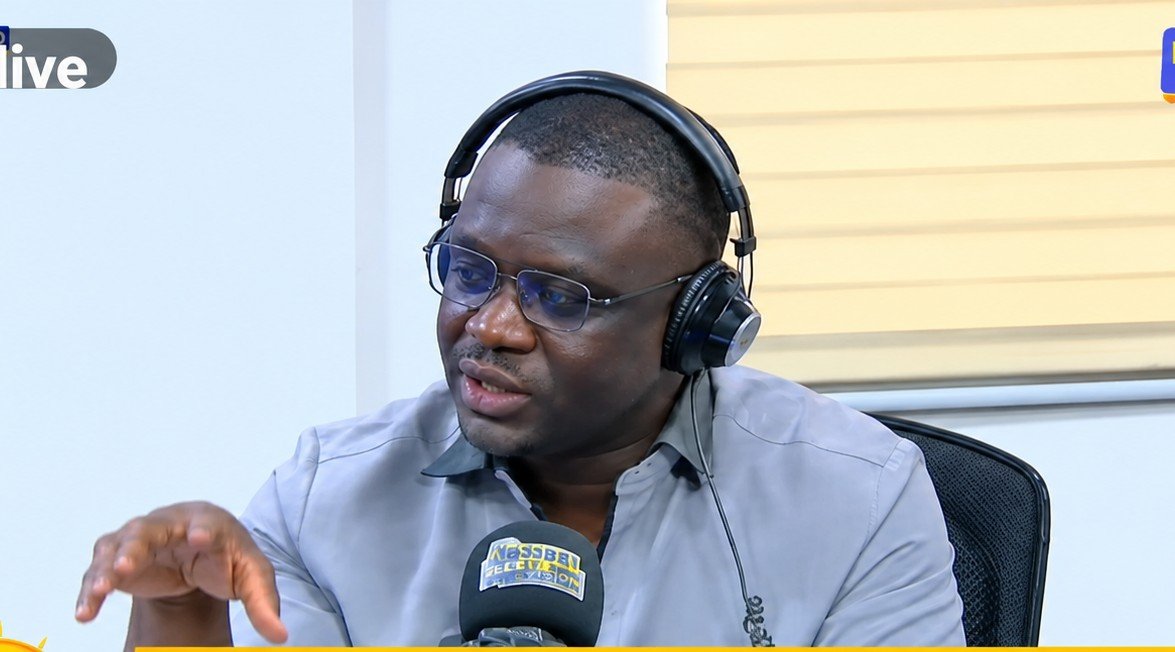
The Chief Programmes Officer of the 24-Hour Economy initiative, Abdul Nasser Soglu Alidu, has described the policy as a major pathway to job creation, industrialisation, increased local production and economic transformation in Ghana.
In an exclusive interview on Kessben Maakye show in Accra, he insisted, the initiative is designed to expand Ghana’s productive capacity, promote exports and generate foreign exchange while strengthening local manufacturing and processing industries.
He explained that the government’s vision goes beyond extending working hours, with a strong focus on building industrial value chains and creating sustainable employment opportunities for Ghanaians.
Highlighting key components of the initiative, including Grow 24, Make 24, Build and Construct 24, Connect 24, Aspire 24 and Show 24, he stressed that the programme seeks to mobilise Ghanaians across various sectors to achieve economic prosperity.
Soglu further explained that the Aspire 24 component focuses on changing the mindset of Ghanaians towards work, productivity and entrepreneurship.
He noted that with a significant proportion of Ghana’s workforce operating in the informal sector, the 24-Hour Economy presents an opportunity to unlock the sector’s potential and accelerate national development.
“The fundamental reason is to create jobs for our local manufacturing and processing sectors,” he stated.
He also emphasised the importance of producing quality and affordable goods locally to encourage domestic consumption, reduce dependence on imports and strengthen Ghanaian businesses.
Responding to concerns about job creation, Soglu maintained that the initiative provides opportunities for businesses to expand their operations, increase production and employ more people.
He further argued that easing inflationary pressures could improve business planning and investment decisions, allowing entrepreneurs to expand their enterprises with greater confidence.
He expressed optimism that the 24-Hour Economy initiative, if fully implemented, could become a major driver of Ghana’s industrial growth, employment creation and long-term economic prosperity.
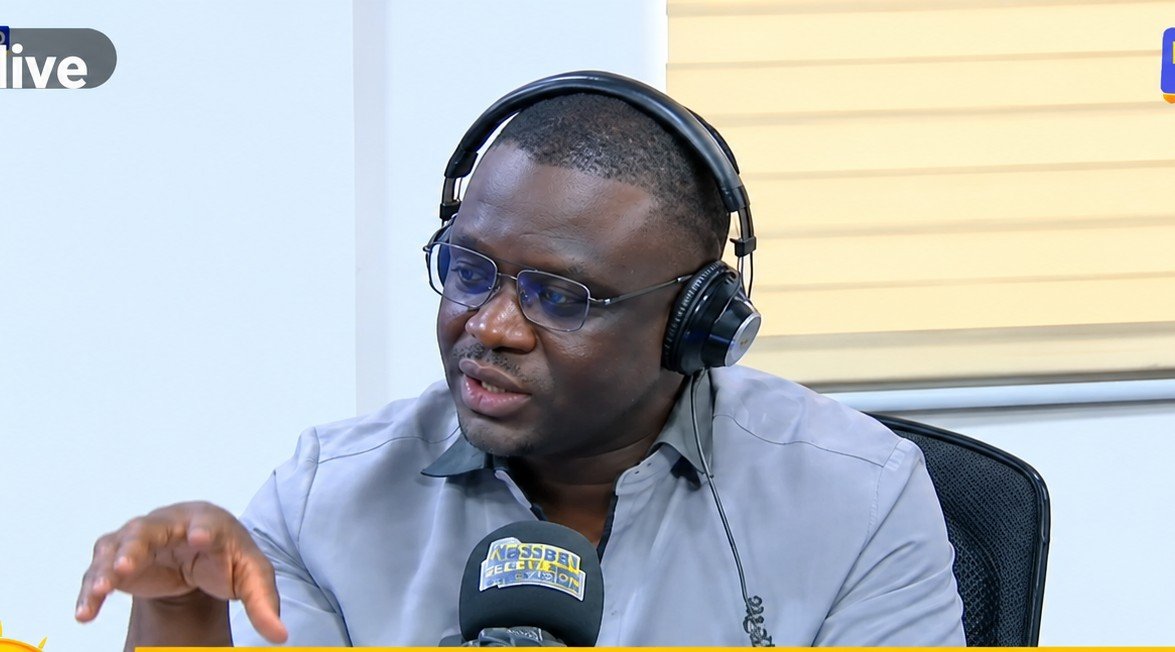
The Chief Programmes Officer of Ghana’s 24-Hour Economy initiative, Abdul Nasser Soglu Alidu, has urged Ghanaians to look beyond political rhetoric and focus on the long-term economic opportunities the policy is expected to create.
Speaking on the implementation of the initiative on Kessben Maakye show in Accra, he explained that the 24-Hour Economy policy is designed to generate sustainable employment, strengthen local industries and expand economic opportunities across the country.
According to him, Ghanaians must understand that economic transformation is a gradual process requiring commitment, investment and patience rather than political promises.
He stressed that the government must be held accountable through constructive questioning while citizens also appreciate the long-term benefits of the programme.
“The 24-hour economy is both a journey and a destination,” he quoted the President of the Republic, John Dramani Mahama.
Moreover, he referenced the President’s campaign message insisting that some selected public institutions would be made to kick start the policy and affirmed that eleven of such are currently operational, listing, Ghana Ports and Harbour Authority ( GPHA), Driver and Vehicle Licensing Authority (DVLA), Passport Office, Ghana Revenue Authority (GRA), Ghana Publishing Company, ADB, Immigration Services, Ghana Post, Ghana Airport Company, Ghana Investment Promotion Authority (GIPA), Ministry of Health (MoH).
Addressing concerns about job creation, Soglu explained that the initiative is focused on developing value chains capable of creating permanent and sustainable employment rather than relying solely on temporary jobs.
He noted that many university graduates continue to struggle to secure employment, making it necessary to expand both the formal and informal sectors to absorb the growing number of unemployed young people.
He further disclosed that 33 firms have so far enlisted in the 24-Hour Economy initiative, signalling growing private-sector interest in the programme.
On private-sector participation, he emphasised that the government’s responsibility is to create an enabling environment for businesses to invest, expand operations and generate employment.
He also referenced plans involving public institutions and the government’s proposed three-shift system, highlighting the broader ambition to increase productivity and economic activity.
Meanwhile, Soglu revealed that a power project has commenced at Buipe to support industrial operations with electricity at a lower cost.
He maintained that the success of the 24-Hour Economy initiative would depend on sustained investment, private-sector participation and a collective national commitment to economic development.
MONDAY November 9, 2026
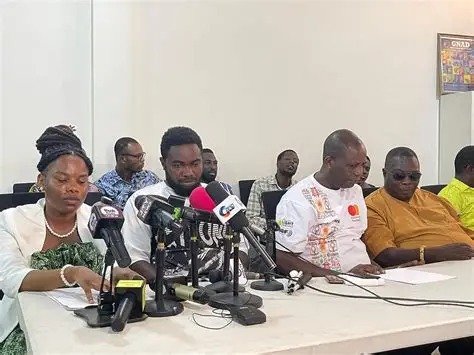
EIGHT MONTHS OF DECEIT AND EMPTY PROMISES: WE WILL NO LONGER BE SILENCED OR FOOLED BY THE GOVERNMENT OF GHANA.
The Coalition of Unemployed Graduates with Disabilities issues this press release to express our utmost indignation, outrage, and contempt for the continuous, systematic deceit meted out to our members by the Government of Ghana.
For eight grueling months, we have engaged this administration in good faith, only to be met with calculated lies, empty assurances, and utter disregard for our dignity and survival.
Our struggle is not a favor we are begging for.
It is a demand for constitutional justice and equal opportunity.
Following our initial demonstration in March 2026, government officials stood before the public and promised to absorb our qualified members into the public workforce.
Trusting their word, we suspended our actions. That promise proved to be an outright deception.
Refusing to let our plight be swept under the rug, we organized a second demonstration.
Once again, government officials intervened, instructing us to compile and submit a comprehensive list of qualified graduates with disabilities.
We complied swiftly, fulfilling every requirement requested of us. Recently, we were informed that this list had been escalated directly to the President of the Republic for action.
Yet, weeks have passed, and that assurance also appears to be a sham.
whenever we take to the streets to demand our rights, government representatives rush to the scene with soothing words and hollow pledges simply to dislodge our protests, only to abandon their commitments the moment the media cameras leave.
Every single pledge made to this coalition over the past eight months has proven to be totally futile.
We are declaring today that our patience is completely exhausted.
We will no longer tolerate being used for photo opportunities or pacified by meaningless political rhetoric while qualified citizens with disabilities languish in enforced poverty and unemployment.
We hereby issue a strict two-week ultimatum, effective immediately, to the Government of Ghana to complete the process of absorbing and employing all qualified graduates on the submitted list into public sector institutions or give us financial clearance in the upcoming budget to be read soon by the finance minister.
Failure to fulfill these demands within the two-week period will leave us with no choice but to deploy our ultimate constitutional right to protest again.
Upon the expiration of this deadline, the Coalition of Unemployed Graduates with Disabilities will converge at the Jubilee House for a three-day, non-stop, uninterrupted demonstration.
We will not vacate the seat of government, nor will we be pacified by emergency meetings or verbal pledges. We will remain at the gates of Jubilee House until every single graduate on our list receives verifiable employment letters.
For eight months, we have endured broken promises, outright deceit, and bureaucratic posturing regarding the employment of our qualified, educated members. We have reached a point where we can no longer remain silent while those in power treat our constitutional rights as optional favors.
We did not let our physical constraints stop us from pursuing higher education. We climbed staircases without ramps, sat through non-inclusive lecture halls, navigated unsupportive environments, and defied every societal expectation to earn our university degrees and diplomas.
We did not struggle through school so that we could end up on the streets, begging for hand-outs or feeding on the crumbs of society.
We are capable, trained and ready to contribute meaningfully to national development.
Yet, the government continues to marginalize and ignore our list of graduates, leaving us to feel like third-class citizens in our own homeland.
We refuse to accept a fate of perpetual dependency. We want to work, earn a dignified living, and take care of ourselves and our families.
It is for this reason that we make this urgent public call to action to the key opinion leaders, Civil Society Organizations and revered traditional leaders and institutions in the country:
We humbly call on His Royal Majesty, Otumfuo Osei Tutu II, Asantehene
His Royal Majesty, Osagyefo Amoatia Ofori Panin, Okyenhene
His Royal Majesty, Oseadeeyo Agyeman Badu II, Dormaahene, The Leadership and Members of the National House of Chiefs:
We wish to contend without any modicum of doubt that your Ancestral thrones have always stood for fairness, justice, and the protection of the vulnerable. We appeal to your royal thrones to speak truth to power and remind the government that the sons and daughters of your traditional areas who live with disabilities deserve dignified livelihoods.
To Our Eminent Religious Fathers and Leaders such as The National Chief Imam, Sheikh Osman Nuhu Sharubutu
The Christian Council of Ghana,
The Ghana Catholic Bishops’ Conference,
The National Peace Council,
You teach us daily about righteousness, human dignity, and justice.
True peace cannot exist in the absence of equity. We ask you to add your authoritative voices to our cause and demand that the administration fulfills its sworn promises.
We also call on H.E. Dr. Mahamudu Bawumia, Main Opposition Leader,
All Civil Society Organizations (CSOs),the council of State, Human Rights Advocates, and Governance Watchdogs to note that this issue transcends party politics.
It is a matter of basic human rights and social justice.
So we call on the opposition leadership and CSOs across the country to rally behind us and hold the state accountable.
We ask these revered leaders not to remain neutral in the face of this injustice.
We implore you to intervene directly and call on the President of the Republic to immediately direct the release and posting of our qualified graduates as submitted in our official roster.
If the moral leaders of our land remain silent, the government will continue to sweep our plight under the rug, forcing us to execute our planned three-day uninterrupted demonstration at the Jubilee House at the expiration of our two-week deadline.
We do not want sympathy or charity. We demand opportunity, fairness, and justice. Rally behind your brothers and sisters today so that tomorrow, persons with disabilities in Ghana can stand tall with dignity.
Enough of the empty talk. Act now, or prepare to meet us at Jubilee House.
Signed, GILBERT BOATENG AGYARE
THE GROUP CONVENER:
CONTACT 0244061940.
Felix Baah the president of the group
0544295020.
Emmanuel Asiedu secretary
0243837604.

Lil Win Releases Soundtrack for Upcoming International Film ‘A Journey to Africa (Nzulezu)’

Funke Akindele Reveals ‘Everybody Loves Jenifa’ Is Her Most Expensive Film

Black Star Fashion Week honours seven Ghanaian fashion pioneers for contributions to industry

IRAWMA 2025: Shatta Wale Wins 3 Major Awards Including Best Music Video

AirtelTigo losing GH₵20m monthly; total debts exceed $200million – Sam George

Samini Secures Promotional Deal with Audiomack for Upcoming Album “THE ORIGIN8A”


-

 General News7 hours ago
GTA Leadership Dispute: Emmanuel Frimpong Calls for Governance Reforms and Clear Tourism Direction
-

 Politics20 hours ago
Adnan M. Kofi Adams files nomination to contest NDC National Executive Committee position
-

 Business9 hours ago
Government Exceeds Treasury Bills Target by 41%, Raises GH¢5.01bn.
-

 General News8 hours ago
24-Hour Economy Will Create Jobs, Boost Local Production and Drive Exports – Abdul Nasser Soglu
-

 General News20 hours ago
COALITION OF UNEMPLOYED GRADUATES WITH DISABILITIES
-
Videos17 hours ago
News In 60 Seconds – 5 Nov
-

 Lifestyle9 hours ago
Why Do We Keep Buying Things We Don’t Need? The Shopping Habit Draining Our Pockets
-
 General News6 hours ago
Day Students Deserve Equal Support Under Free SHS and Free TVET – Seth Afum A. Dankwah