
Entertainment
ArchXenus Marks 15 Years with Foundation Launch, Raises Alarm Over Ghana’s Housing Crisis

The anniversary event provided an opportunity for the firm to reflect on its growth, achievements and contributions to Ghana’s architectural industry while drawing attention to challenges confronting the country’s built environment, including inadequate urban planning, limited affordable housing, poor documentation of local architectural projects and insufficient collaboration among industry professionals.
Speaking to Kessben Radio on the sidelines of the event, ArchXenus Group Chief Executive Officer and Principal Architect, Nana Akua Oppong-Birmeh, disclosed that the firm had completed at least 142 projects since its establishment 15 years ago.
However, she said the company’s most significant achievement went beyond the number of buildings and projects delivered, pointing instead to the opportunities it had created for people, particularly women, to establish themselves professionally and pursue their ambitions.
According to her, the firm had provided an environment where women could build confidence, develop their careers and balance their professional responsibilities with family life.
“Just by virtue of our existence, so many people have found their feet, especially women. They have found the confidence to pursue their passion, to proceed into family life, and not worry about so many things, just because we are modelling this and we are creating an opportunity for us to grow,” she said.
Explaining the motivation behind the establishment of the Xenus Impact Foundation, Mrs Oppong-Birmeh said the initiative was created to provide the firm with an avenue to pursue ideas and interventions beyond its regular commercial architectural operations.
She noted that the experience gained from running the business had exposed opportunities to use the company’s skills, resources and expertise to address broader societal challenges.
She said the foundation would provide the necessary space to develop, test and implement ideas capable of making meaningful contributions to communities.
“While doing the business, there’s always the opportunity to test ideas and also make an impact with the gifts we’ve been given. And so we thought it wise to start a foundation that gives us the room to explore the different ideas, a place for these ideas to grow,” she explained.
The foundation is also expected to support community-focused interventions, corporate social responsibility activities and other projects designed to create lasting social impact.
Another major highlight of the anniversary celebration was the launch of the GeneXus Book, a publication documenting 12 architectural projects undertaken by ArchXenus Group.
Mrs Oppong-Birmeh said the publication was intended to address the limited availability of locally produced architectural reference materials and provide students, professionals and other interested persons with Ghanaian projects they could study and draw inspiration from.
She observed that architectural professionals and students in Ghana often depend heavily on foreign publications and international examples when seeking inspiration, despite the availability of significant architectural works within the country.
She said the GeneXus Book was an opportunity to showcase projects designed and led by Ghanaians while encouraging greater appreciation of the country’s architectural achievements.
“We usually rely on foreign publications for inspiration. And this is one of the things that we feel like this is an opportunity for other people to gather inspiration right here, in our cities, in Ghana, designed and led by Ghanaians,” she said.
She added that the 12 projects featured in the book were situated in familiar locations, giving readers the opportunity to visit the buildings and experience the architectural designs firsthand rather than relying exclusively on foreign examples.
Addressing Ghana’s urban development challenges, Mrs Oppong-Birmeh stressed the need for a coordinated approach involving architects, policymakers, planners and other stakeholders in the built environment sector.
She explained that architects often work within clearly defined plots of land, limiting their ability to influence development beyond the specific properties assigned to them.
Although architects may have broader ideas about how surrounding areas should be developed, she said their professional responsibilities and authority are generally restricted to the individual projects they undertake.
“For an architect, you are usually given a defined plot of land to work with. For a lot of architects, you will think beyond it, but you can only work on that plot. You cannot go on the next plot,” she said.
She therefore called for a common vision to guide the development of Ghanaian cities, explaining that cities that have achieved significant progress often operate with clearly defined development goals that allow different stakeholders to work towards a shared objective.
“Most cities that have developed have a vision for what they want their cities to be. And then that makes it easier for everyone to plug into that vision and let us have the kind of city that we all dream of,” she added.
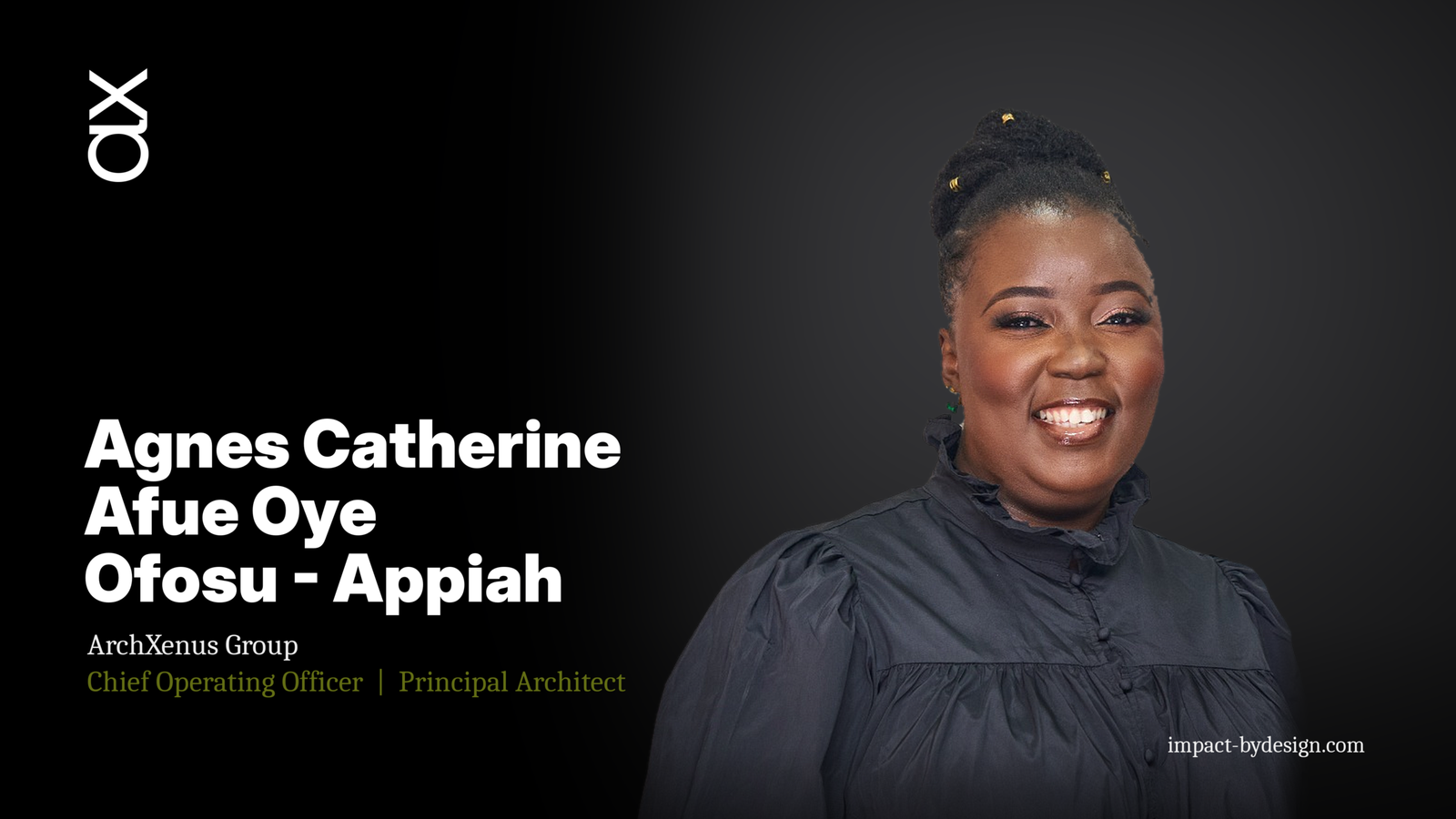
The Chief Operating Officer and Principal Architect of ArchXenus Group, Agnes Ofosu-Appiah, also reflected on the firm’s 15-year journey, highlighting the importance of partnership, teamwork and mutual support in sustaining the business.
She explained that working alongside Mrs Oppong-Birmeh had demonstrated the strength of collaboration, particularly as both women manage professional responsibilities alongside their family lives.
According to her, their partnership had allowed them to support one another during challenging periods while ensuring that the company’s operations continued.
“Being partners with Nana Akua and running the firm has taught us that there’s strength in numbers. Because we are both married women with children, we have life that is happening as well as work that is ongoing. And so, when one person is down, or one person is out, another person steps in,” she said.
Mrs Ofosu-Appiah said their experience had also challenged the perception that women may struggle to work together successfully, demonstrating instead that women can collaborate, build businesses and sustain professional partnerships.
On the Xenus Impact Foundation, she described it as a platform where ideas could be developed, tested and eventually transformed into practical solutions capable of influencing standards within the built environment industry.
She further identified inadequate documentation of Ghanaian architectural projects and limited collaboration among professionals as some of the gaps the foundation and its related initiatives hope to address.
She questioned why architecture students in Ghana continued to depend so heavily on foreign examples when the country had institutions training professionals in the field.
“Are we telling our students of architecture that we should build as other countries do, or do we have to develop our own curriculum, our own structures, our own inspirations, which would then become a bedrock for our students to build on?” she asked.
Mrs Ofosu-Appiah also highlighted the African Urban Futures Conclave, which is expected to be held in April as a platform for discussions, exhibitions and collaboration among professionals across Ghana and West Africa’s built environment sector.
The AUF Conclave is designed as a biennial gathering that will bring together architects, engineers, planners, developers, policymakers and other stakeholders to examine challenges confronting urban development and explore practical solutions.
She observed that conversations within the built environment industry were often fragmented, with professionals operating within their respective fields without sufficient opportunities to exchange ideas and develop joint approaches to common challenges.
She said the conclave would create an opportunity for stakeholders across the different sectors to interact, share knowledge, establish partnerships and agree on practical actions to improve urban development.
“The African Urban Futures Conclave will become a platform, not just for Ghana, but West Africa, where everyone across the ecosystem of the built industry from all the other countries can talk, think, put together plans, make deals and have actionable points that we will follow,” she said.
She explained that the event would go beyond discussions and presentations, with subsequent editions providing an opportunity to evaluate commitments made at previous gatherings and determine whether they had resulted in measurable progress.
Mrs Ofosu-Appiah also raised concerns about the direction of investment in Ghana’s housing sector, questioning the concentration of development in luxury properties while significant gaps remain in affordable, middle-income and social housing.
She acknowledged that private developers and financial institutions had the freedom to determine the categories of properties they wanted to invest in but argued that the country’s housing needs required a more balanced approach.
She pointed to Ghana’s persistent housing deficit, which is frequently estimated at 1.8 million units, and questioned why the visible construction boom in major cities was not adequately addressing the housing needs of middle-income earners.
According to her, although luxury developments and some affordable housing projects were receiving attention, the middle-income segment remained underserved.
“There’s a housing deficit in Ghana, and we keep on saying 1.8 million or something, year after year. But when you see a construction boom, it’s not for middle income. There’s a lot of luxury, and there’s a lot that is done as affordable housing. But somewhere in the middle, there’s a gap,” she said.
She also called attention to the housing difficulties confronting vulnerable populations, particularly people experiencing homelessness and kayayei who travel to major cities such as Accra in search of economic opportunities.
She questioned the absence of housing systems designed to accommodate such groups, stressing that urban development should take into consideration the living conditions of all categories of people rather than focus primarily on high-end residential properties.
“What kind of housing are we doing for the people who are sleeping on the streets? But the kayayei, and when they arrive in Accra or whichever big city that they go to, what buildings and what systems have we put in place for those?” she asked.
Mrs Ofosu-Appiah further argued that housing policies and investments should consider the relationship between residential locations and places of work.
She said sustainable housing solutions should make it possible for middle-income earners to access decent accommodation closer to their workplaces, reducing the difficulties associated with long-distance commuting and the cost of living in major cities.
Emphasising the role of architecture in addressing societal challenges, she said the industry must look beyond constructing buildings and focus on creating environments that improve people’s quality of life.
“How can we use architecture to solve the problems that our cities face and to make life better for the people that live in it?” she said.
The 15th anniversary celebration therefore marked not only a milestone in ArchXenus Group’s operations but also the introduction of initiatives intended to strengthen local architectural knowledge, encourage collaboration and contribute to conversations about more inclusive and sustainable African cities.


Entertainment
Thomas Partey Receives Support From Black Stars Teammates, Former Footballers at Father’s Funeral

Black Stars midfielder Thomas Partey has been joined by his national team colleagues, former footballers, football administrators and other notable personalities to pay their last respects to his late father, Jacob Teye Partey, whose funeral ceremonies began in Accra on Friday, November 13, 2026.
The three-day celebration of life is taking place at the Transitions Funeral Home in Haatso, Accra, where family members, friends, colleagues and sympathisers have gathered to honour the memory of the deceased.
The funeral activities are expected to continue in the family’s hometown of Odumase Krobo in the Eastern Region, where Jacob Teye Partey will be laid to rest, followed by the final funeral rites.
Thomas Partey arrived at the funeral grounds alongside members of the Black Stars squad and the team’s technical staff, who came together to show their support for the midfielder and his family during their period of bereavement.
Among the current Black Stars players who attended the ceremony were team captain Jordan Ayew, Mohammed Kudus, Jonas Adjetey, Felix Afena-Gyan and Caleb Yirenkyi.
Their presence highlighted the support and solidarity of the national team towards Partey as he goes through the loss of his father.
Former Black Stars captains André Ayew and Stephen Appiah also joined the gathering to honour the deceased and commiserate with the grieving family.
Other prominent figures from Ghana’s football fraternity were present, including former Ghana Football Association (GFA) President Kwesi Nyantakyi and former GFA Vice President George Afriyie, who also came to pay their respects.
Partey’s fiancée, Janine Mackson, was equally present at the funeral, joining other family members, relatives and loved ones to celebrate the life of Jacob Teye Partey.
The funeral ceremonies came shortly after Thomas Partey’s involvement in international duty with the Black Stars. The midfielder featured for Ghana in their match against Somalia on Thursday before joining his family and loved ones for the funeral.
Entertainment
Ghana to Revamp Slave Trade Heritage Sites, Museums and Cultural Attractions Under US$1bn Tourism Plan
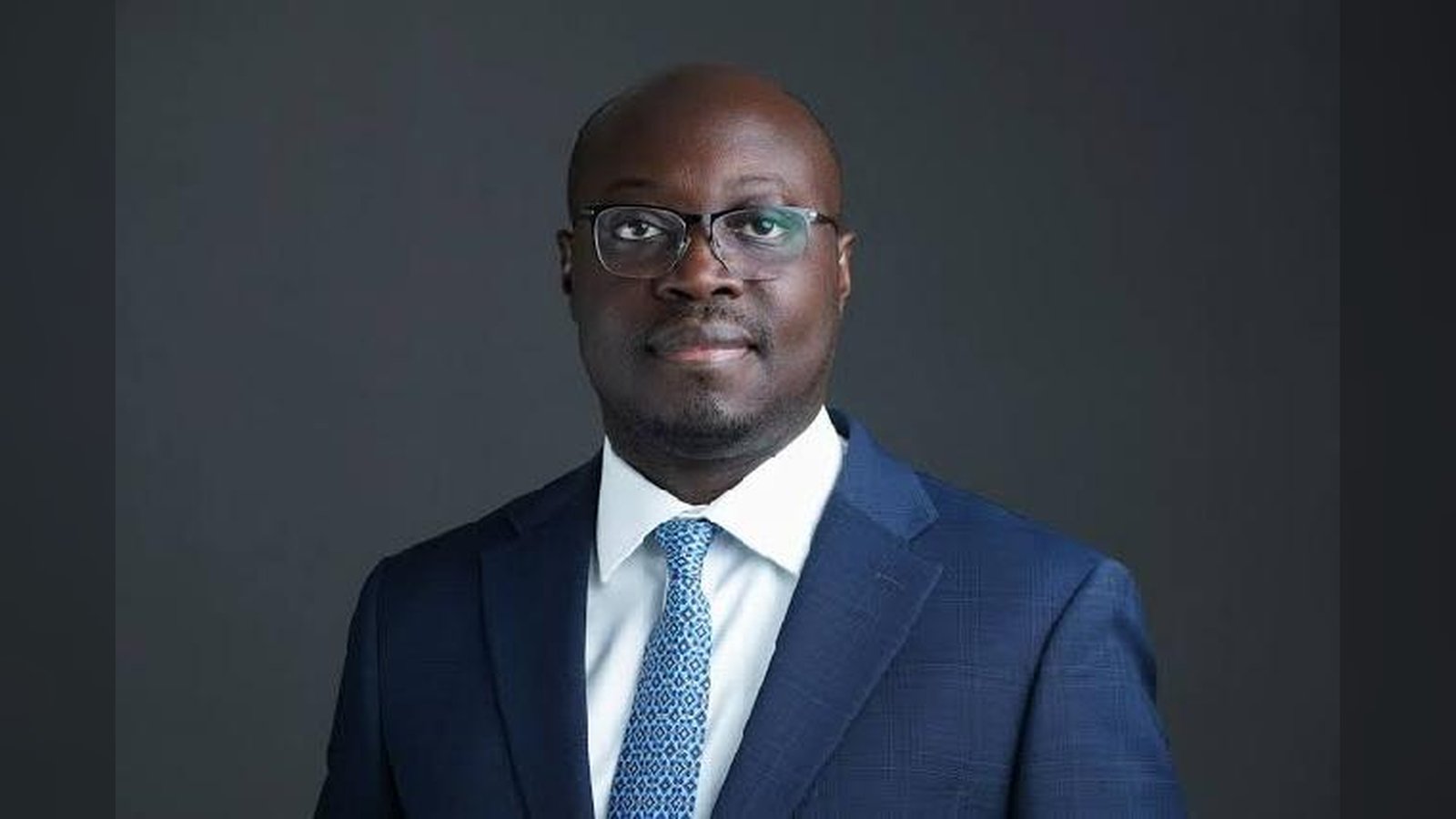
Finance Minister Dr Cassiel Ato Forson has outlined plans to transform Ghana’s heritage and cultural tourism sector through a proposed US$1 billion investment in tourism, culture and the creative arts.
The initiative, announced in the 2027 Budget Statement and Economic Policy presented to Parliament on Thursday, November 12, 2026, seeks to use Ghana’s historical sites, cultural identity and creative industries to attract visitors throughout the year, generate foreign exchange and create employment opportunities.
Under Pillar Five of the budget, the government intends to place particular emphasis on preserving forts, castles and other historical sites connected to the Trans-Atlantic Slave Trade.
Dr Forson stated that these sites must be treated with historical accuracy, dignity and care, recognising their significance to Ghana’s history and their importance to visitors seeking to understand the country’s past.
The proposed interventions will include the conservation of physical heritage assets, strengthening of museums and archives, improvement of multilingual interpretation and training for conservators and tour guides.
The government also plans to improve connections between historical sites and surrounding communities through better roads, public spaces, hotels, transport services, Ghanaian food businesses and other local enterprises.
According to the budget, conservation must guide construction and development around heritage attractions, while communities are expected to participate in telling their own histories.
The approach is intended to ensure that heritage tourism does not focus solely on preserving buildings but also creates economic opportunities for the people and businesses connected to those attractions.
Beyond historical sites, the government is also seeking to expand Ghana’s cultural and creative tourism offerings through the Black Star Experience, which is expected to operate throughout all 12 months of the year.
The programme will be supported by a national calendar of events and competitive destination-bidding arrangements designed to spread tourism activities across different seasons and regions.
The strategy is expected to turn cultural festivals, heritage experiences and other events into bookable tourism packages, giving international visitors more reasons to travel to Ghana outside the traditional December in Ghana period.
The government also plans to complete a new National Theatre in Kumasi, which is expected to provide space for cultural performances, conferences and other creative industry activities.
The facility is intended to strengthen Kumasi’s position as a destination for cultural and business events while creating opportunities for performers and other professionals in the creative arts sector.
The broader US$1 billion tourism investment also includes plans to develop accommodation and conference infrastructure in different parts of the country, including hotels in the Cape Coast and Elmina heritage corridor, the Volta Region and Northern Ghana.
The government believes that linking historical attractions with improved accommodation, transport and local businesses will encourage visitors to explore more destinations and spend more time in the country.
Dr Forson indicated that the overall ambition is to build a year-round visitor economy that generates foreign exchange, supports creative enterprises and creates better jobs across the country.
By 2030, the government expects the investment to deliver higher tourist arrivals, longer visitor stays, increased spending and stronger economic benefits for local communities.
The success of the plan will depend on how effectively Ghana preserves its historical assets, promotes its cultural identity and ensures that the communities whose heritage attracts visitors also benefit from the tourism opportunities created.
Entertainment
Ghana Targets Year-Round Tourism with US$1bn Investment in Hotels, Convention Centre and Medical Tourism
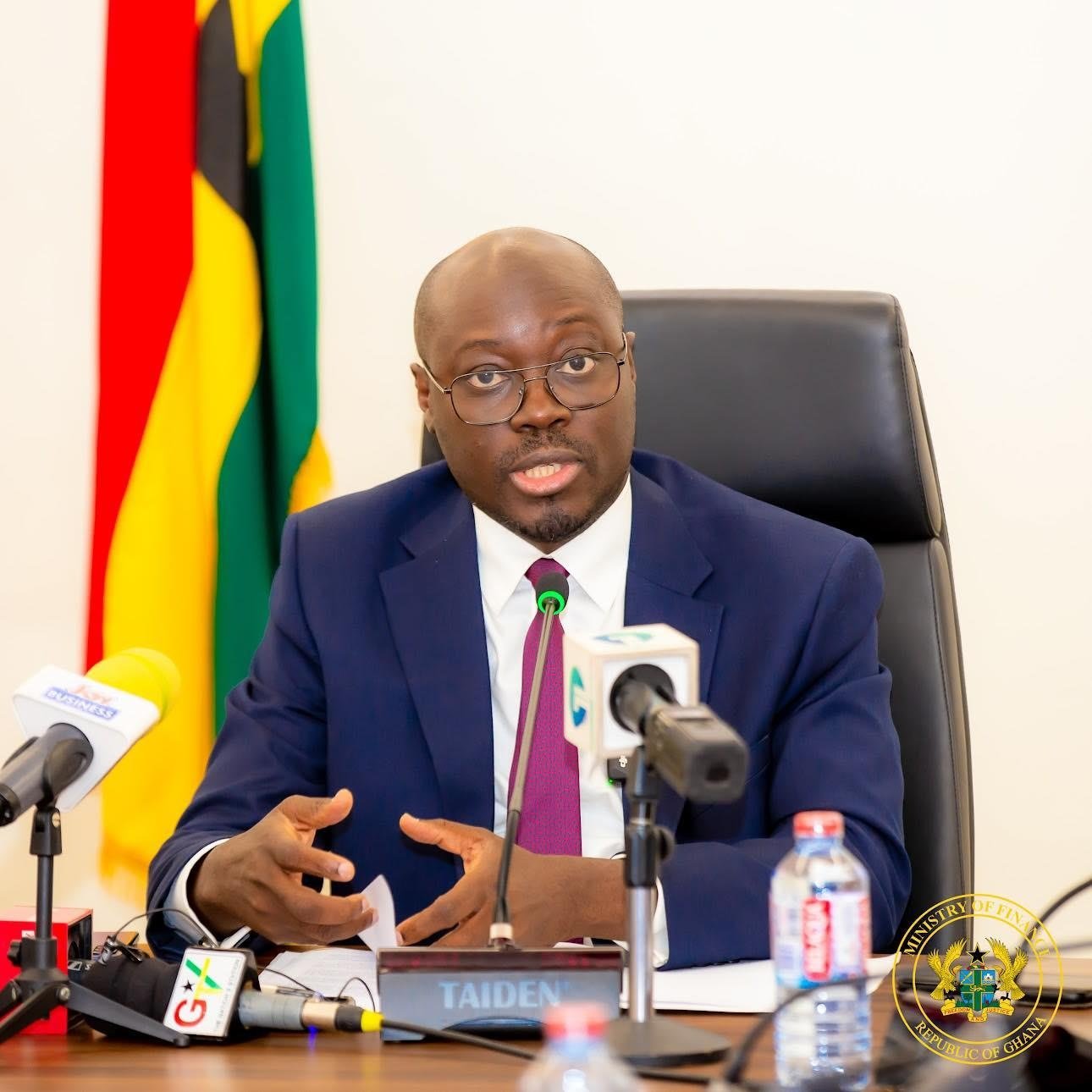
Finance Minister Dr Cassiel Ato Forson has announced plans to invest US$1 billion in Ghana’s tourism, culture and creative arts sector as part of efforts to position the country as a year-round destination for international visitors and strengthen its contribution to the national economy.
The proposal, outlined in the 2027 Budget Statement and Economic Policy presented to Parliament on Thursday, November 12, 2026, forms part of the government’s Pillar Five agenda, which seeks to use Ghana’s history, culture, peace and democratic stability to attract visitors, generate foreign exchange and create sustainable employment.
According to Dr Forson, the investment will focus on developing tourism infrastructure, expanding accommodation facilities, attracting international conferences and promoting medical tourism.
A major component of the plan is for the Social Security and National Insurance Trust (SSNIT) to build and operate an ultra-modern international convention centre at the La Trade Fair Centre.
The government intends to position Accra as Ghana’s principal international conference and business tourism hub, with Kumasi serving as a complementary destination for business, cultural and other major events.
To strengthen the country’s competitiveness in the international conference market, a professional convention bureau is expected to be established in 2027 to secure recurring African and global conferences.
The Finance Minister also disclosed plans for SSNIT to construct five hotels across the country by 2030, with the government expected to provide tax incentives to support the projects.
The proposed facilities include a five-star hotel in Accra and another in Kumasi, alongside modern and affordable four-star hotels in the Cape Coast and Elmina heritage corridor, the Volta Region and Northern Ghana.
The hotel developments are intended to address accommodation needs in key tourism destinations while supporting the government’s broader ambition of spreading tourism activities beyond the traditional peak season.
Another major component of the investment is the proposed establishment of a Ghana Medical Tourism Hub, which will connect specialist hospitals, diagnostic centres, rehabilitation facilities, hotels, laboratories and pharmacies.
The government plans to provide targeted tax incentives for the hub, as well as serviced land and trunk infrastructure, to encourage private-sector participation and attract international patients.
Dr Forson further announced plans to complete a new National Theatre in Kumasi, which is expected to serve as a centre for cultural performances, conferences and activities within the creative industry.
The budget also identifies the Black Star Experience as a key part of the strategy to make Ghana a year-round tourism destination. The programme is expected to operate throughout all 12 months, supported by a national events calendar and competitive destination-bidding arrangements to attract visitors across different seasons and regions.
The government expects the proposed investments to increase tourist arrivals, encourage visitors to stay longer, raise tourism spending and improve foreign exchange earnings by 2030.
It also expects the initiative to create opportunities for local businesses, including farmers, food suppliers, transport operators, craftspeople, artists, technology firms and event organisers.
The US$1 billion investment is therefore intended to move Ghana’s tourism industry beyond seasonal activities and establish it as a stronger contributor to economic growth, employment and foreign exchange generation.
Entertainment
Ghana’s US$1bn Tourism Investment: Who Really Benefits from the Government’s Big Ambition?

Ghana’s ambitious plan to invest US$1 billion in tourism, culture and the creative arts has sparked an important question about the country’s development priorities: who will ultimately benefit from the massive investment?
Under Pillar Five of the 2027 Budget Statement read by Finance Minister Dr Cassiel Ato Forson, the government outlined plans to transform Ghana into a year-round tourism destination through major infrastructure projects, hotel development, convention facilities, heritage preservation and medical tourism.
While the proposal promises to create jobs, attract international visitors and increase foreign exchange earnings, its scale and focus raise questions about how the benefits will be distributed among local communities, private investors, state institutions and ordinary Ghanaians.
One of the major proposals is for the Social Security and National Insurance Trust (SSNIT) to construct and operate five hotels across the country by 2030, with tax incentives from the government.
The planned facilities include a five-star hotel each in Accra and Kumasi, a modern affordable four-star hotel along the Cape Coast and Elmina heritage corridor, another in the Volta Region to support eco-tourism, and a fourth in Northern Ghana.
The proposal has raised questions about SSNIT’s expanding role in the tourism and hospitality industry, particularly regarding the use of pension-related institutional resources for major commercial investments.
Although the budget presents the hotels as a way to address accommodation gaps and strengthen tourism infrastructure, questions remain about the financial arrangements, expected returns and how the projects will protect the long-term interests of contributors.
Another major investment is the proposed ultra-modern international convention centre at the La Trade Fair Centre, which SSNIT is expected to build and operate.
The government hopes to position Accra as Ghana’s principal international business and conference destination, while Kumasi will serve as a complementary centre for cultural, business and other major events.
A professional convention bureau is also expected to be established in 2027 to attract recurring African and international conferences.
However, beyond the construction of impressive facilities, the success of the plan will depend on whether Ghana can compete with established conference destinations and attract enough events to justify the investments.
The government’s plan to establish a Ghana Medical Tourism Hub is another potentially controversial component of the investment.
The proposed hub will connect specialist hospitals, diagnostic centres, rehabilitation facilities, hotels, laboratories and pharmacies, with targeted tax incentives and serviced land supported by trunk infrastructure.
The initiative is expected to attract international patients and position Ghana as a destination for medical services.
However, it also raises questions about how the country will balance attracting foreign patients with improving access to quality healthcare for its own citizens.
Will the infrastructure developed under the medical tourism programme also improve healthcare delivery for ordinary Ghanaians, or will the main benefits be concentrated in facilities designed to serve international clients?
The budget also places significant emphasis on Ghana’s historical and cultural assets, particularly forts and castles associated with the Trans-Atlantic Slave Trade.
The government wants these sites preserved with historical accuracy, dignity and care, while improving museums, archives, multilingual interpretation and training for conservators and tour guides.
It also plans to connect heritage sites to roads, hotels, public spaces, transport services, Ghanaian food businesses and other local enterprises.
While these proposals could strengthen heritage tourism, an important question is whether communities whose histories are represented at these sites will receive meaningful economic benefits and participate in decisions about how their stories are told.
The government says communities must be involved in telling their histories, but the effectiveness of that commitment will depend on how much influence and economic opportunity they receive.
The government is positioning the Black Star Experience as a year-round tourism programme, moving beyond the traditional December in Ghana season.
A national events calendar and competitive destination-bidding system are expected to spread tourism activities across different seasons and regions, creating more opportunities for hotels, restaurants, transport operators, artists, craftspeople and event organisers.
The proposed completion of a new National Theatre in Kumasi is also expected to strengthen the creative arts industry and provide space for performances, conferences and cultural events.
By 2030, the government expects the investments to increase tourist arrivals, extend visitors’ stays, raise spending and improve foreign exchange earnings.
But as Ghana prepares to commit such a significant amount to the sector, the bigger issue may not simply be how many hotels, convention centres or tourism facilities will be built.
It is whether the investment will deliver sustainable returns, protect public resources, create decent jobs and ensure that the communities and businesses that make Ghana attractive to visitors are not left behind.
The US$1 billion tourism ambition may be bold, but Ghanaians will ultimately judge it by what it delivers beyond impressive buildings and ambitious announcements.
Entertainment
Empress Gifty Tells Married Female Gospel Singers: Don’t Build Your Brand Around Your Husbands’ Names
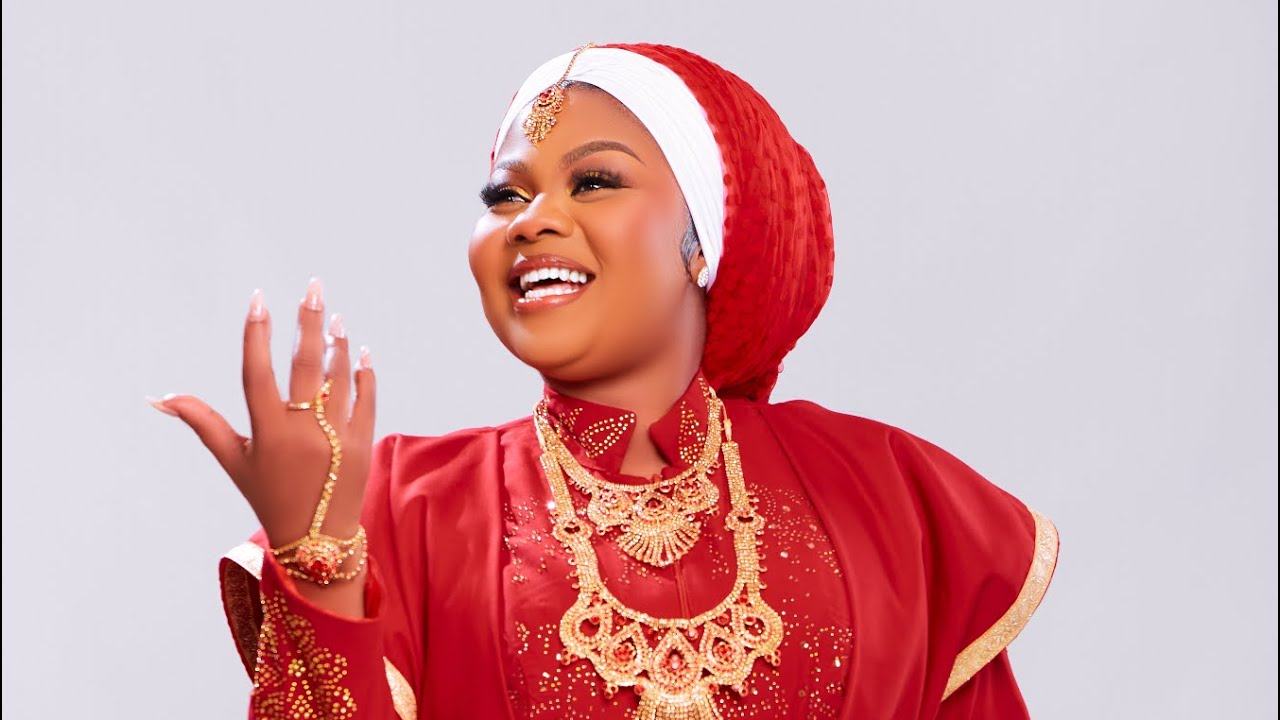
Ghanaian gospel musician Empress Gifty has urged married female gospel artistes to establish their own professional identities rather than include their husbands’ names in their stage names.
She shared this advice during an interview with Andy Dosty on Joy Prime, where she discussed some of the challenges and concerns surrounding the gospel music industry.
The award-winning singer disclosed that she is currently working on a book that will address several issues within the industry, including the importance of married female gospel musicians building independent brands that are not tied to their husbands’ identities.
According to Empress Gifty, one of the chapters in the upcoming book, particularly Chapter Eight, focuses on married women who intend to pursue careers in gospel music and the need for them to choose stage names that represent their individual identities.
She explained that female gospel ministers should create names for themselves and use them professionally instead of adopting their husbands’ names as part of their musical identities.
“I’m writing a book, and Chapter 8 of it contains a lot. If you’re a gospel minister and you’re coming into the industry, when you’re married, look for your stage name. Bring out a name for yourself and use it. Don’t use your husband’s name,” she said.
Empress Gifty further explained that using a husband’s name as part of a female musician’s stage identity could become problematic if the marriage eventually ends.
She noted that when a couple separates, the woman may find it difficult to maintain her established musical brand or make changes to it because of its strong association with her former husband.
The musician believes that having a distinct professional identity would help female gospel artistes avoid such complications and ensure that their careers remain stable, irrespective of changes in their marital circumstances.
“Some gospel artistes attach their husbands’ names to their stage names, and when they get separated, it becomes a challenge. But if you use your own name, no matter what happens, the brand is still there,” she added.
Her remarks have drawn attention to the relationship between marriage and professional identity in the gospel music industry, particularly the need for female musicians to build brands that can stand independently of their personal relationships.

Hamamat Shea Butter Museum: The Ghanaian Heritage Centre Putting African Beauty, Culture and Women’s Craftsmanship on the World Map

Thomas Partey Receives Support From Black Stars Teammates, Former Footballers at Father’s Funeral

Ghana to Revamp Slave Trade Heritage Sites, Museums and Cultural Attractions Under US$1bn Tourism Plan

IRAWMA 2025: Shatta Wale Wins 3 Major Awards Including Best Music Video

AirtelTigo losing GH₵20m monthly; total debts exceed $200million – Sam George

Samini Secures Promotional Deal with Audiomack for Upcoming Album “THE ORIGIN8A”

-
 General News13 hours ago
Ghana’s New Cedi Notes Reignite Founders’ Day Debate as Five Members of Big Six Disappear – Seth Afum A. Dankwah
-

 Entertainment6 hours ago
Ghana’s US$1bn Tourism Investment: Who Really Benefits from the Government’s Big Ambition?
-

 Entertainment13 hours ago
Joe Mettle Releases 13-Track Live Album ‘The River (Live) Vol. 1’ With Artists From Three African Countries
-
 Lifestyle12 hours ago
Ghanaian Weddings Are Changing: Are We Losing the Traditions That Once Made Them Special?
-

 Politics17 hours ago
Two Suspects Remanded Over Murder of 39-Year-Old Woman in Oti Region
-
 Entertainment5 hours ago
Ghana to Revamp Slave Trade Heritage Sites, Museums and Cultural Attractions Under US$1bn Tourism Plan
-

 Entertainment6 hours ago
Empress Gifty Tells Married Female Gospel Singers: Don’t Build Your Brand Around Your Husbands’ Names
-

 Entertainment7 hours ago
Peruzzi Reveals How He Found Alleged Charm Hidden in His Jacket at Davido’s House