
Entertainment
Ghana to Revamp Slave Trade Heritage Sites, Museums and Cultural Attractions Under US$1bn Tourism Plan

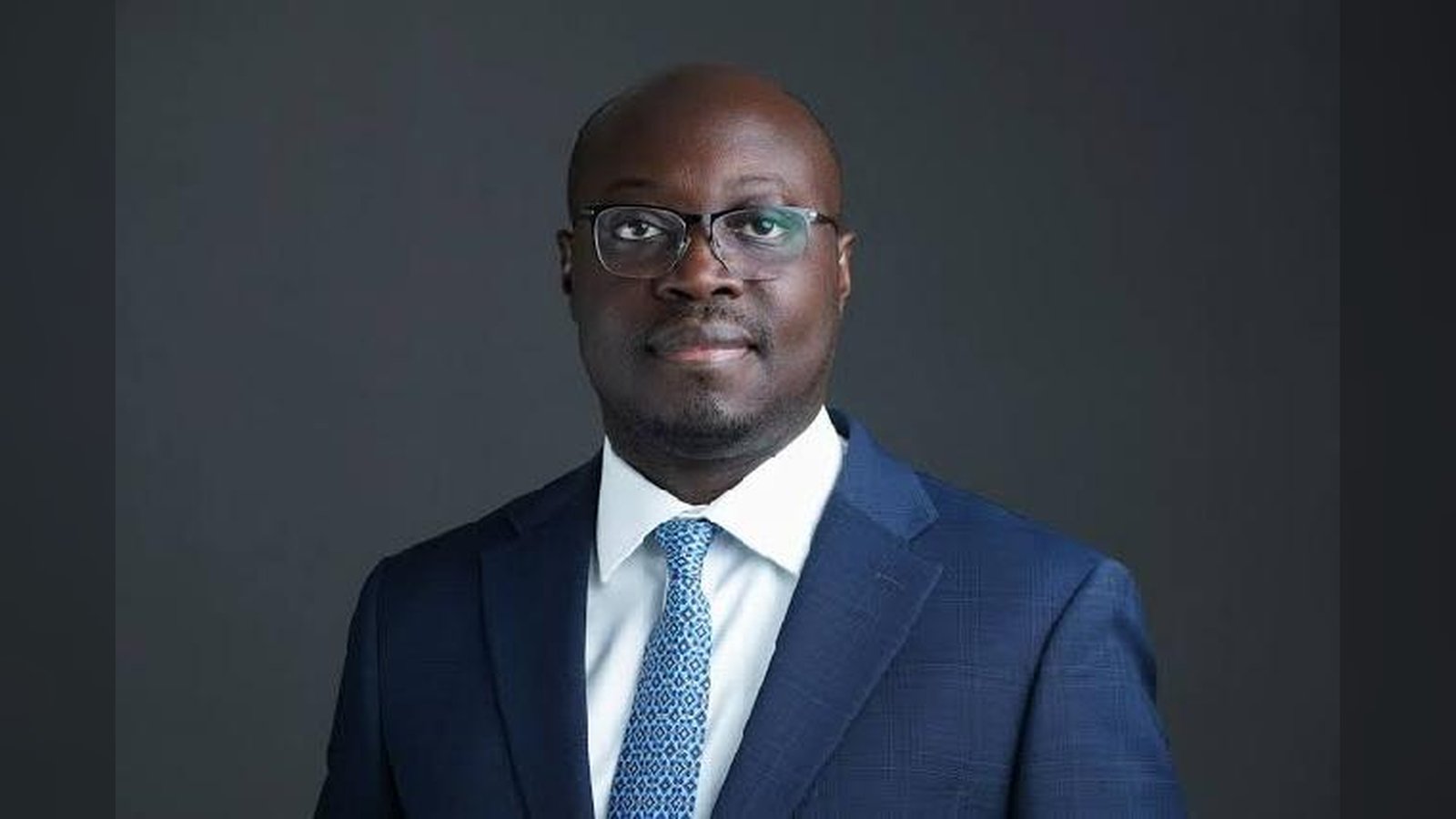
Finance Minister Dr Cassiel Ato Forson has outlined plans to transform Ghana’s heritage and cultural tourism sector through a proposed US$1 billion investment in tourism, culture and the creative arts.
The initiative, announced in the 2027 Budget Statement and Economic Policy presented to Parliament on Thursday, November 12, 2026, seeks to use Ghana’s historical sites, cultural identity and creative industries to attract visitors throughout the year, generate foreign exchange and create employment opportunities.
Under Pillar Five of the budget, the government intends to place particular emphasis on preserving forts, castles and other historical sites connected to the Trans-Atlantic Slave Trade.
Dr Forson stated that these sites must be treated with historical accuracy, dignity and care, recognising their significance to Ghana’s history and their importance to visitors seeking to understand the country’s past.
The proposed interventions will include the conservation of physical heritage assets, strengthening of museums and archives, improvement of multilingual interpretation and training for conservators and tour guides.
The government also plans to improve connections between historical sites and surrounding communities through better roads, public spaces, hotels, transport services, Ghanaian food businesses and other local enterprises.
According to the budget, conservation must guide construction and development around heritage attractions, while communities are expected to participate in telling their own histories.
The approach is intended to ensure that heritage tourism does not focus solely on preserving buildings but also creates economic opportunities for the people and businesses connected to those attractions.
Beyond historical sites, the government is also seeking to expand Ghana’s cultural and creative tourism offerings through the Black Star Experience, which is expected to operate throughout all 12 months of the year.
The programme will be supported by a national calendar of events and competitive destination-bidding arrangements designed to spread tourism activities across different seasons and regions.
The strategy is expected to turn cultural festivals, heritage experiences and other events into bookable tourism packages, giving international visitors more reasons to travel to Ghana outside the traditional December in Ghana period.
The government also plans to complete a new National Theatre in Kumasi, which is expected to provide space for cultural performances, conferences and other creative industry activities.
The facility is intended to strengthen Kumasi’s position as a destination for cultural and business events while creating opportunities for performers and other professionals in the creative arts sector.
The broader US$1 billion tourism investment also includes plans to develop accommodation and conference infrastructure in different parts of the country, including hotels in the Cape Coast and Elmina heritage corridor, the Volta Region and Northern Ghana.
The government believes that linking historical attractions with improved accommodation, transport and local businesses will encourage visitors to explore more destinations and spend more time in the country.
Dr Forson indicated that the overall ambition is to build a year-round visitor economy that generates foreign exchange, supports creative enterprises and creates better jobs across the country.
By 2030, the government expects the investment to deliver higher tourist arrivals, longer visitor stays, increased spending and stronger economic benefits for local communities.
The success of the plan will depend on how effectively Ghana preserves its historical assets, promotes its cultural identity and ensures that the communities whose heritage attracts visitors also benefit from the tourism opportunities created.












Entertainment
Thomas Partey Receives Support From Black Stars Teammates, Former Footballers at Father’s Funeral

Black Stars midfielder Thomas Partey has been joined by his national team colleagues, former footballers, football administrators and other notable personalities to pay their last respects to his late father, Jacob Teye Partey, whose funeral ceremonies began in Accra on Friday, November 13, 2026.
The three-day celebration of life is taking place at the Transitions Funeral Home in Haatso, Accra, where family members, friends, colleagues and sympathisers have gathered to honour the memory of the deceased.
The funeral activities are expected to continue in the family’s hometown of Odumase Krobo in the Eastern Region, where Jacob Teye Partey will be laid to rest, followed by the final funeral rites.
Thomas Partey arrived at the funeral grounds alongside members of the Black Stars squad and the team’s technical staff, who came together to show their support for the midfielder and his family during their period of bereavement.
Among the current Black Stars players who attended the ceremony were team captain Jordan Ayew, Mohammed Kudus, Jonas Adjetey, Felix Afena-Gyan and Caleb Yirenkyi.
Their presence highlighted the support and solidarity of the national team towards Partey as he goes through the loss of his father.
Former Black Stars captains André Ayew and Stephen Appiah also joined the gathering to honour the deceased and commiserate with the grieving family.
Other prominent figures from Ghana’s football fraternity were present, including former Ghana Football Association (GFA) President Kwesi Nyantakyi and former GFA Vice President George Afriyie, who also came to pay their respects.
Partey’s fiancée, Janine Mackson, was equally present at the funeral, joining other family members, relatives and loved ones to celebrate the life of Jacob Teye Partey.
The funeral ceremonies came shortly after Thomas Partey’s involvement in international duty with the Black Stars. The midfielder featured for Ghana in their match against Somalia on Thursday before joining his family and loved ones for the funeral.
Entertainment
Ghana Targets Year-Round Tourism with US$1bn Investment in Hotels, Convention Centre and Medical Tourism
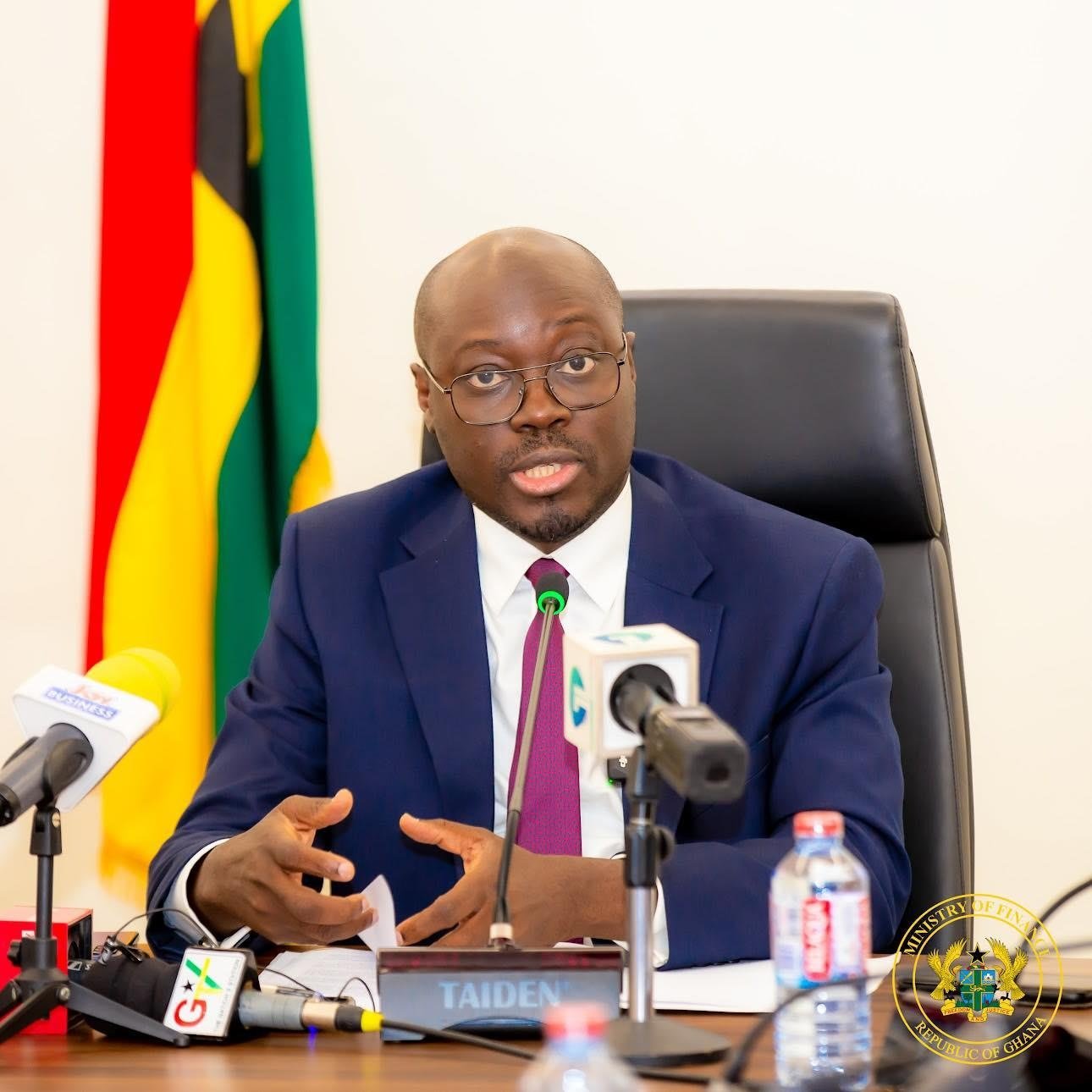
Finance Minister Dr Cassiel Ato Forson has announced plans to invest US$1 billion in Ghana’s tourism, culture and creative arts sector as part of efforts to position the country as a year-round destination for international visitors and strengthen its contribution to the national economy.
The proposal, outlined in the 2027 Budget Statement and Economic Policy presented to Parliament on Thursday, November 12, 2026, forms part of the government’s Pillar Five agenda, which seeks to use Ghana’s history, culture, peace and democratic stability to attract visitors, generate foreign exchange and create sustainable employment.
According to Dr Forson, the investment will focus on developing tourism infrastructure, expanding accommodation facilities, attracting international conferences and promoting medical tourism.
A major component of the plan is for the Social Security and National Insurance Trust (SSNIT) to build and operate an ultra-modern international convention centre at the La Trade Fair Centre.
The government intends to position Accra as Ghana’s principal international conference and business tourism hub, with Kumasi serving as a complementary destination for business, cultural and other major events.
To strengthen the country’s competitiveness in the international conference market, a professional convention bureau is expected to be established in 2027 to secure recurring African and global conferences.
The Finance Minister also disclosed plans for SSNIT to construct five hotels across the country by 2030, with the government expected to provide tax incentives to support the projects.
The proposed facilities include a five-star hotel in Accra and another in Kumasi, alongside modern and affordable four-star hotels in the Cape Coast and Elmina heritage corridor, the Volta Region and Northern Ghana.
The hotel developments are intended to address accommodation needs in key tourism destinations while supporting the government’s broader ambition of spreading tourism activities beyond the traditional peak season.
Another major component of the investment is the proposed establishment of a Ghana Medical Tourism Hub, which will connect specialist hospitals, diagnostic centres, rehabilitation facilities, hotels, laboratories and pharmacies.
The government plans to provide targeted tax incentives for the hub, as well as serviced land and trunk infrastructure, to encourage private-sector participation and attract international patients.
Dr Forson further announced plans to complete a new National Theatre in Kumasi, which is expected to serve as a centre for cultural performances, conferences and activities within the creative industry.
The budget also identifies the Black Star Experience as a key part of the strategy to make Ghana a year-round tourism destination. The programme is expected to operate throughout all 12 months, supported by a national events calendar and competitive destination-bidding arrangements to attract visitors across different seasons and regions.
The government expects the proposed investments to increase tourist arrivals, encourage visitors to stay longer, raise tourism spending and improve foreign exchange earnings by 2030.
It also expects the initiative to create opportunities for local businesses, including farmers, food suppliers, transport operators, craftspeople, artists, technology firms and event organisers.
The US$1 billion investment is therefore intended to move Ghana’s tourism industry beyond seasonal activities and establish it as a stronger contributor to economic growth, employment and foreign exchange generation.
Entertainment
Ghana’s US$1bn Tourism Investment: Who Really Benefits from the Government’s Big Ambition?

Ghana’s ambitious plan to invest US$1 billion in tourism, culture and the creative arts has sparked an important question about the country’s development priorities: who will ultimately benefit from the massive investment?
Under Pillar Five of the 2027 Budget Statement read by Finance Minister Dr Cassiel Ato Forson, the government outlined plans to transform Ghana into a year-round tourism destination through major infrastructure projects, hotel development, convention facilities, heritage preservation and medical tourism.
While the proposal promises to create jobs, attract international visitors and increase foreign exchange earnings, its scale and focus raise questions about how the benefits will be distributed among local communities, private investors, state institutions and ordinary Ghanaians.
One of the major proposals is for the Social Security and National Insurance Trust (SSNIT) to construct and operate five hotels across the country by 2030, with tax incentives from the government.
The planned facilities include a five-star hotel each in Accra and Kumasi, a modern affordable four-star hotel along the Cape Coast and Elmina heritage corridor, another in the Volta Region to support eco-tourism, and a fourth in Northern Ghana.
The proposal has raised questions about SSNIT’s expanding role in the tourism and hospitality industry, particularly regarding the use of pension-related institutional resources for major commercial investments.
Although the budget presents the hotels as a way to address accommodation gaps and strengthen tourism infrastructure, questions remain about the financial arrangements, expected returns and how the projects will protect the long-term interests of contributors.
Another major investment is the proposed ultra-modern international convention centre at the La Trade Fair Centre, which SSNIT is expected to build and operate.
The government hopes to position Accra as Ghana’s principal international business and conference destination, while Kumasi will serve as a complementary centre for cultural, business and other major events.
A professional convention bureau is also expected to be established in 2027 to attract recurring African and international conferences.
However, beyond the construction of impressive facilities, the success of the plan will depend on whether Ghana can compete with established conference destinations and attract enough events to justify the investments.
The government’s plan to establish a Ghana Medical Tourism Hub is another potentially controversial component of the investment.
The proposed hub will connect specialist hospitals, diagnostic centres, rehabilitation facilities, hotels, laboratories and pharmacies, with targeted tax incentives and serviced land supported by trunk infrastructure.
The initiative is expected to attract international patients and position Ghana as a destination for medical services.
However, it also raises questions about how the country will balance attracting foreign patients with improving access to quality healthcare for its own citizens.
Will the infrastructure developed under the medical tourism programme also improve healthcare delivery for ordinary Ghanaians, or will the main benefits be concentrated in facilities designed to serve international clients?
The budget also places significant emphasis on Ghana’s historical and cultural assets, particularly forts and castles associated with the Trans-Atlantic Slave Trade.
The government wants these sites preserved with historical accuracy, dignity and care, while improving museums, archives, multilingual interpretation and training for conservators and tour guides.
It also plans to connect heritage sites to roads, hotels, public spaces, transport services, Ghanaian food businesses and other local enterprises.
While these proposals could strengthen heritage tourism, an important question is whether communities whose histories are represented at these sites will receive meaningful economic benefits and participate in decisions about how their stories are told.
The government says communities must be involved in telling their histories, but the effectiveness of that commitment will depend on how much influence and economic opportunity they receive.
The government is positioning the Black Star Experience as a year-round tourism programme, moving beyond the traditional December in Ghana season.
A national events calendar and competitive destination-bidding system are expected to spread tourism activities across different seasons and regions, creating more opportunities for hotels, restaurants, transport operators, artists, craftspeople and event organisers.
The proposed completion of a new National Theatre in Kumasi is also expected to strengthen the creative arts industry and provide space for performances, conferences and cultural events.
By 2030, the government expects the investments to increase tourist arrivals, extend visitors’ stays, raise spending and improve foreign exchange earnings.
But as Ghana prepares to commit such a significant amount to the sector, the bigger issue may not simply be how many hotels, convention centres or tourism facilities will be built.
It is whether the investment will deliver sustainable returns, protect public resources, create decent jobs and ensure that the communities and businesses that make Ghana attractive to visitors are not left behind.
The US$1 billion tourism ambition may be bold, but Ghanaians will ultimately judge it by what it delivers beyond impressive buildings and ambitious announcements.
Entertainment
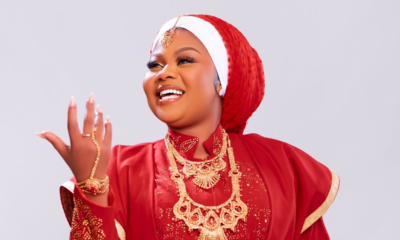
Empress Gifty Tells Married Female Gospel Singers: Don’t Build Your Brand Around Your Husbands’ Names
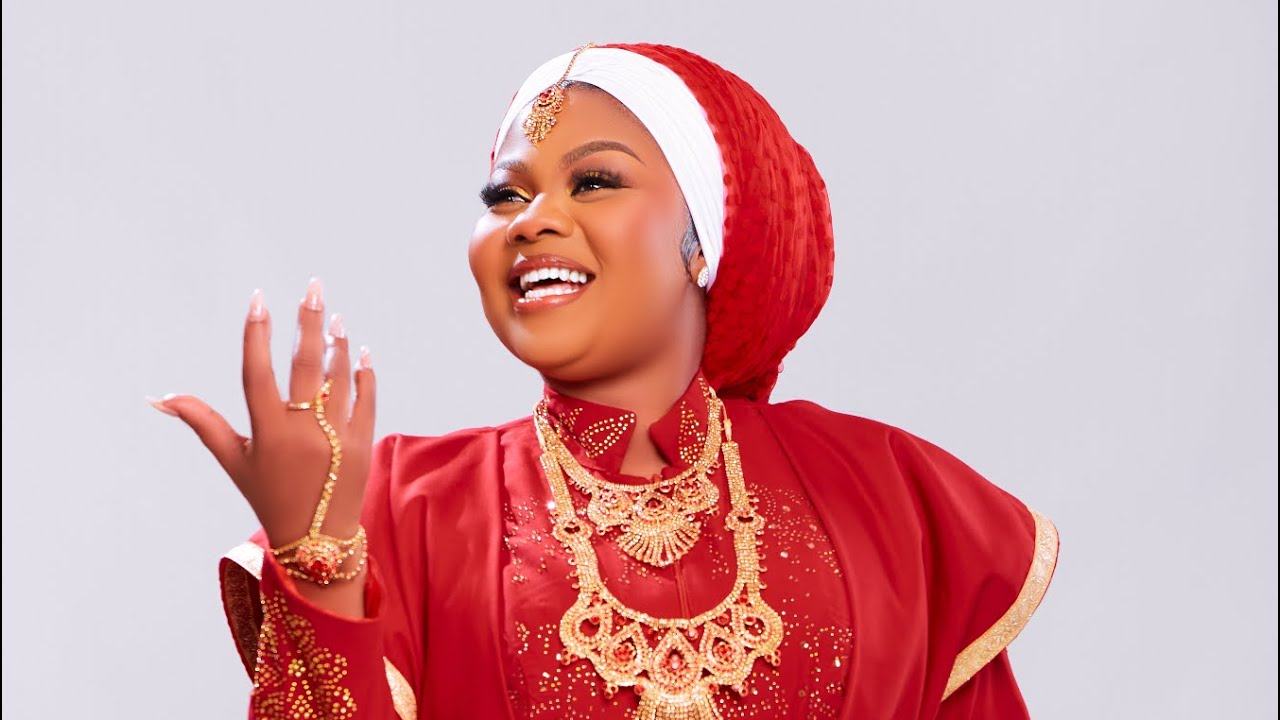
Ghanaian gospel musician Empress Gifty has urged married female gospel artistes to establish their own professional identities rather than include their husbands’ names in their stage names.
She shared this advice during an interview with Andy Dosty on Joy Prime, where she discussed some of the challenges and concerns surrounding the gospel music industry.
The award-winning singer disclosed that she is currently working on a book that will address several issues within the industry, including the importance of married female gospel musicians building independent brands that are not tied to their husbands’ identities.
According to Empress Gifty, one of the chapters in the upcoming book, particularly Chapter Eight, focuses on married women who intend to pursue careers in gospel music and the need for them to choose stage names that represent their individual identities.
She explained that female gospel ministers should create names for themselves and use them professionally instead of adopting their husbands’ names as part of their musical identities.
“I’m writing a book, and Chapter 8 of it contains a lot. If you’re a gospel minister and you’re coming into the industry, when you’re married, look for your stage name. Bring out a name for yourself and use it. Don’t use your husband’s name,” she said.
Empress Gifty further explained that using a husband’s name as part of a female musician’s stage identity could become problematic if the marriage eventually ends.
She noted that when a couple separates, the woman may find it difficult to maintain her established musical brand or make changes to it because of its strong association with her former husband.
The musician believes that having a distinct professional identity would help female gospel artistes avoid such complications and ensure that their careers remain stable, irrespective of changes in their marital circumstances.
“Some gospel artistes attach their husbands’ names to their stage names, and when they get separated, it becomes a challenge. But if you use your own name, no matter what happens, the brand is still there,” she added.
Her remarks have drawn attention to the relationship between marriage and professional identity in the gospel music industry, particularly the need for female musicians to build brands that can stand independently of their personal relationships.

Nigerian singer Peruzzi has shared a bizarre experience he allegedly encountered while staying at the residence of fellow musician Davido, claiming that he once found a charm hidden inside one of his jackets.
Peruzzi, who signed to Davido’s record label, Davido Music Worldwide (DMW), in 2017, disclosed the incident during a video interview that has since surfaced online.
He explained that the strange occurrence took place one evening after he had finished bathing and was getting ready to join other occupants of the house downstairs.
According to the singer, he headed to his wardrobe to select an outfit but suddenly felt drawn to a particular jacket, despite having no initial intention of wearing it.
He said the urge to put on the jacket became so strong that he eventually picked it up. However, as he handled it, an object fell from the clothing.
Upon examining the item, Peruzzi claimed he discovered what appeared to be a charm, leaving him shocked by what he had found.
The singer said what made the discovery even more surprising was that the jacket had recently been returned from the laundry.
Recounting the incident, he noted that he had repeatedly felt an unusual attraction towards the jacket, as though something was compelling him to wear it.
Peruzzi, however, did not disclose who he suspected might have placed the object in the jacket or explain the circumstances surrounding its discovery.
He was signed to Davido’s DMW label in 2017 and remained part of the record label until it was dissolved in April 2024.
Source: Daily Post

Hamamat Shea Butter Museum: The Ghanaian Heritage Centre Putting African Beauty, Culture and Women’s Craftsmanship on the World Map

Thomas Partey Receives Support From Black Stars Teammates, Former Footballers at Father’s Funeral

Ghana to Revamp Slave Trade Heritage Sites, Museums and Cultural Attractions Under US$1bn Tourism Plan

IRAWMA 2025: Shatta Wale Wins 3 Major Awards Including Best Music Video

AirtelTigo losing GH₵20m monthly; total debts exceed $200million – Sam George

Samini Secures Promotional Deal with Audiomack for Upcoming Album “THE ORIGIN8A”


-
 General News14 hours ago
Ghana’s New Cedi Notes Reignite Founders’ Day Debate as Five Members of Big Six Disappear – Seth Afum A. Dankwah
-

 Entertainment6 hours ago
Ghana’s US$1bn Tourism Investment: Who Really Benefits from the Government’s Big Ambition?
-

 Entertainment13 hours ago
Joe Mettle Releases 13-Track Live Album ‘The River (Live) Vol. 1’ With Artists From Three African Countries
-
 Lifestyle12 hours ago
Ghanaian Weddings Are Changing: Are We Losing the Traditions That Once Made Them Special?
-

 Politics17 hours ago
Two Suspects Remanded Over Murder of 39-Year-Old Woman in Oti Region
-
 Entertainment6 hours ago
Empress Gifty Tells Married Female Gospel Singers: Don’t Build Your Brand Around Your Husbands’ Names
-
 Culture5 hours ago
Hamamat Shea Butter Museum: The Ghanaian Heritage Centre Putting African Beauty, Culture and Women’s Craftsmanship on the World Map
-

 Lifestyle13 hours ago
Why Do We Find It Difficult to Say No? The Habit of Agreeing Even When We Don’t Want To