
General News
GES Code of Conduct Under Fire Over Dismissal Sanctions for Student Sexual Offences


Seth Afum A. Dankwah of J. G. Knol Technical Institute in Adukrom-Akuapem, Eastern Region, has raised serious concerns about Section 2.16 of the Code, arguing that it fails to distinguish between minor misconduct and serious sexual crimes when prescribing disciplinary sanctions.
In a detailed legal analysis titled “A Critical Analysis of the Non-Graduated Sanctions for Sexual Offences Under Section 2.16 (a–k),” Dankwah questioned the fairness of applying dismissal as the listed disciplinary sanction to offences ranging from students meeting in obscure places at odd hours to rape.
According to him, the existing provisions place school authorities and disciplinary committees in a difficult position, where strictly enforcing the Code could result in unfair punishment, while exercising discretion could mean departing from the prescribed guidelines.
“Follow the Code and be unjust, or be just and break the Code,” he stated.
The GES introduced the Harmonised Code of Conduct through a circular dated January 4, 2024, to guide discipline and promote consistent standards across pre-tertiary educational institutions.
However, Dankwah argues that Section 2.16, which contains eleven provisions covering sexual misconduct and related matters, lacks an appropriate system for determining punishment based on the seriousness of an offence.
The provisions address sexual relations between students, interactions in obscure places at odd times, sexual harassment, failure to report or prevent sexual offences, pregnancy and re-entry support, rape, sexual relations involving school staff, forced sexual contact, preventing students from returning home, and same-sex sexual conduct.
Under the sanctions outlined on page 19 of the Code, the disciplinary measures listed include reporting cases to the police depending on their gravity while disciplinary proceedings are instituted, and dismissal.
Dankwah maintains that this arrangement fails to provide sufficient flexibility for disciplinary committees to consider the circumstances surrounding individual cases.
He explained that other sections of the Code provide a range of disciplinary options, including caution, counselling, manual work, internal suspension, external suspension, bonds, withdrawal from boarding facilities and dismissal for repeated misconduct.
According to him, the absence of similar graduated sanctions under Section 2.16 creates an unfair disciplinary structure.
For instance, he questioned why a student found interacting with another student in an obscure location at an inappropriate time should face the same listed dismissal sanction as a student found guilty of rape.
He also cited Section 2.16(j), which concerns preventing another student from returning home during vacation or when the student wishes to leave, as another example of conduct requiring individual assessment.
Dankwah argued that school disciplinary measures must reflect the seriousness of the offence rather than treating all violations as equally severe.
A major part of Dankwah’s criticism focuses on Section 2.16(e), which provides for the application of the GES guideline on preventing pregnancy among schoolgirls and facilitating their re-entry into school after childbirth.
While acknowledging the importance of protecting pregnant students and ensuring their continued education, he argued that the provision does not offer equivalent support to other students involved in consensual sexual activity.
According to him, a girl who becomes pregnant after consensual sexual relations may benefit from the re-entry arrangement, while the boy involved in the same act may still face dismissal under Section 2.16(a).
He further questioned the treatment of a girl who engages in consensual sexual activity but does not become pregnant.
Dankwah argued that such a student may not qualify for the pregnancy-related protection despite engaging in the same conduct as a student who becomes pregnant.
He described the situation as unequal treatment arising from the consequences of sexual activity rather than the conduct itself.
“The act was joint, but the consequence is not,” he argued, stressing that disciplinary measures should not protect one student while exposing another to potentially severe punishment for the same consensual conduct.
He maintained that although pregnant students require additional medical, emotional and educational support, the wider disciplinary framework should provide counselling and appropriate safeguards for all students, irrespective of sex or pregnancy outcome.
Dankwah also questioned whether the provisions meet Ghana’s constitutional and child protection standards.
He cited Article 17 of the 1992 Constitution, which prohibits discrimination on specified grounds, including gender, and Article 23, which requires administrative bodies and officials to act fairly and reasonably.
He further referred to Article 28 of the Constitution, which addresses children’s rights and protection.
His analysis also drew on the Children’s Act, 1998 (Act 560), particularly the requirement that the best interests of the child must be paramount in matters affecting children.
Additionally, he referenced Ghana’s obligations under the United Nations Convention on the Rights of the Child and the African Charter on the Rights and Welfare of the Child.
Dankwah argued that disciplinary decisions affecting students should take account of their age, emotional development, circumstances and educational needs.
He acknowledged that the GES Code is an administrative instrument rather than an Act of Parliament but maintained that decisions made under it must still satisfy applicable standards of fairness and reasonableness.
His article contends that the absence of clearly defined disciplinary alternatives could expose school authorities to legal challenges where sanctions are considered excessive or arbitrary.
These are legal arguments advanced by Dankwah; the analysis does not establish that a court has declared Section 2.16 unconstitutional.
Dankwah stressed that his criticism should not be interpreted as opposition to disciplinary action against students who commit sexual offences.
He maintained that serious crimes, particularly rape, require firm institutional action, police involvement and appropriate protection for victims.
However, he argued that minor or non-violent misconduct should not automatically attract the most severe disciplinary sanction.
According to him, disciplinary committees should be permitted to consider factors such as the student’s age, intention, level of harm, previous misconduct, remorse and the circumstances surrounding the incident.
He suggested that dismissing students for relatively minor offences could undermine the educational and corrective purposes of school discipline.
He also warned that severe sanctions without appropriate alternatives could discourage victims and witnesses from reporting certain forms of misconduct.
For example, he argued that students might hesitate to report harassment if they believe the only possible disciplinary outcome would be the dismissal of a classmate.
He suggested that some school authorities could equally become reluctant to take action where the prescribed punishment appears excessive.
To address the concerns, Dankwah proposed a graduated disciplinary framework that would classify offences according to their seriousness.
His recommendations include:
| Proposed category | Relevant provisions | Recommended disciplinary measures |
|---|---|---|
| Tier 1: Minor or non-contact offences | 2.16(b), (d), (j) | Caution, counselling, parental involvement and bond |
| Tier 2: Harassment and consensual sexual relations | 2.16(a), (c) | Counselling, internal suspension of up to two weeks, bond and referral to the Guidance and Counselling Unit |
| Tier 3: Forcible contact, exploitation and same-sex conduct | 2.16(i), (h), (k) | External suspension pending investigation, disciplinary proceedings, victim support and dismissal for persistence or serious harm |
| Tier 4: Grave or criminal offences | 2.16(g), rape | Immediate suspension pending investigation, mandatory police and education authority referral, victim support and dismissal if proved |
Under his proposed arrangement, students found responsible for first-time offences within the first two categories would not face dismissal.
He argued that the approach would allow schools to maintain discipline while ensuring that punishment remains proportionate to the seriousness of the misconduct.
However, the proposed categories would require further legal and safeguarding review, particularly regarding staff-student sexual relations, non-consensual conduct, the treatment of same-sex conduct and circumstances requiring mandatory reporting to law enforcement.
Dankwah also proposed an amendment to Section 2.16(e) to expand the availability of counselling and support services.
He recommended that the provision should read:
“The GES Guideline for prevention of pregnancy and facilitation of Re-Entry, and counselling and support services, shall be applied to all students involved in sexual conduct, irrespective of sex or pregnancy outcome, with additional health and educational support for the pregnant girl.”
He explained that this would preserve the additional protection available to pregnant students while extending appropriate counselling and educational support to other affected students.
According to him, the objective should be to ensure that child protection measures do not create unnecessary differences in the treatment of students.
“Protection must generally follow the child, not just the pregnant,” he stated.
Beyond the classification of offences, Dankwah called for stronger procedural safeguards to ensure fairness in school disciplinary proceedings.
He proposed that disciplinary decisions should be documented in writing, with clear explanations of the circumstances considered before sanctions are imposed.
He also recommended that students should have access to an appeals process involving the District Director of Education, Regional Director and GES Council.
Furthermore, he called for mandatory victim protection measures, including counselling, protection against retaliation and relocation where necessary and appropriate.
He maintained that these measures would strengthen confidence in school disciplinary systems while protecting the rights and welfare of students.
Dankwah warned that maintaining a disciplinary system without clearly graduated sanctions could place school heads and disciplinary committees in a difficult position.
He argued that officials may either apply the listed sanctions strictly, even when they appear excessive, or introduce alternative disciplinary measures not expressly provided for under the relevant section.
According to him, such uncertainty could undermine the harmonisation objective of the Code and lead to inconsistent disciplinary decisions across schools.
He maintained that dismissal should be reserved for offences serious enough to justify ending a student’s enrolment at a particular institution, rather than being treated as the standard punishment for all sexual misconduct.
“GES harmonised the offences. It must now harmonise justice/sanctions,” he stated.
He further argued that disciplinary systems should not sacrifice students’ educational opportunities when less severe corrective measures could adequately address misconduct.
“No child — boy or girl, pregnant or not — should have his or her education ended by a table that cannot tell the difference between a conversation and a crime,” he concluded.
The analysis, authored by Seth Afum A. Dankwah of J. G. Knol Technical Institute, Adukrom-Akuapem, Eastern Region, calls for a comprehensive review of Section 2.16 to ensure that disciplinary sanctions are proportionate, legally sound and consistent with the best interests of children.












General News
New GHAFTRAM President Nana Kwadwo Obiri Pushes for Traditional Medicine Inclusion in NHIS
According to him, integrating traditional medicine into the national health insurance system would promote fairness, improve healthcare accessibility and strengthen the recognition of indigenous medical practices in Ghana.
Okogyeabibiduro Nana Kwadwo Obiri appealed in a statement issued on Thursday, November 19, 2026, following his election as President of GHAFTRAM.
He was elected during the Federation’s 6th National Election Year Congress, held on Tuesday, November 17, 2026, at the Global Prayer and Retreat Centre in New Weija, Accra.
The traditional medicine practitioner, who has been actively advocating for the advancement of indigenous African medicine, expressed appreciation to the leadership and membership of GHAFTRAM for entrusting him with the responsibility of leading the Federation.
He described his election as an opportunity to strengthen unity among practitioners, promote professional standards and improve the recognition of traditional medicine within Ghana’s healthcare system.
The newly elected President also acknowledged the contributions of his predecessor, Professor Samuel Ato Duncan, praising his dedication, sacrifices and efforts towards the development of GHAFTRAM and the traditional medicine industry.
He further extended his appreciation to the outgoing National Executive Board, Abusuapanin Nii Odum Sidibe, Nana Akomia Tutu Ampam I, Abibiduro Hene, Heads of Associations, Regional Chairmen and members of the Federation across Ghana’s 16 regions.
Okogyeabibiduro Nana Kwadwo Obiri also recognised the support of the Ministry of Health, government institutions, regulatory bodies, stakeholders in the herbal medicine industry, the media and the general public for their contributions towards the growth of traditional medicine.
GHAFTRAM President Calls for Unity Among Practitioners
Addressing traditional medicine practitioners across the country, Nana Kwadwo Obiri stressed the importance of unity, discipline and professionalism in building a stronger and more respected industry.
He urged members to put aside personal and organisational differences and work collectively towards improving the standards and credibility of traditional medicine in Ghana.
“I wish to appeal to all Traditional Medicine Practitioners across Ghana to embrace unity as a powerful instrument for the development of our noble profession. We must put aside our differences, strengthen our associations and work together with one common purpose to advance traditional medicine for the benefit of the Ghanaian people,” he stated.
He explained that the growth of the industry would depend largely on the willingness of practitioners to cooperate, respect professional regulations and maintain high ethical standards.
The GHAFTRAM President further encouraged practitioners to prioritise safety, quality and responsible medical practices to strengthen public confidence in traditional and herbal medicine.
According to him, government recognition alone would not guarantee the future of the profession unless practitioners demonstrated commitment to protecting its integrity and credibility.
Nana Kwadwo Obiri Appeals to Mahama Over NHIS
One of the major priorities highlighted by the newly elected President was the inclusion of traditional and herbal medicine services in the National Health Insurance Scheme.
He appealed directly to President John Dramani Mahama to take the necessary steps towards ensuring that recognised traditional medicine services become part of Ghana’s national health insurance arrangements.
Nana Kwadwo Obiri argued that traditional medicine remains an important part of Ghana’s healthcare heritage and continues to provide healthcare services to a significant section of the population.
“I respectfully appeal to His Excellency the President of the Republic to take the necessary steps towards the inclusion of recognised traditional medicine services in the National Health Insurance Scheme. This will demonstrate fairness, equity and inclusiveness within Ghana’s healthcare system and provide greater access to healthcare for our people,” he emphasised.
He maintained that the appropriate integration of traditional medicine into Ghana’s healthcare delivery system could create opportunities for research, innovation and the sustainable development of the herbal medicine industry.
The GHAFTRAM President also believes that greater recognition of indigenous medical knowledge would contribute to preserving Ghana’s traditional healthcare practices while creating opportunities for practitioners to participate more effectively in national healthcare delivery.
Beyond the call for NHIS inclusion, Nana Kwadwo Obiri raised concerns about the involvement of traditional medicine practitioners in decisions affecting their profession.
He appealed to political leaders, policymakers, technocrats and regulatory institutions to engage practitioners and their recognised associations before implementing new policies, regulations, fees or administrative measures affecting the industry.
According to him, traditional medicine practitioners are important stakeholders in Ghana’s healthcare delivery system and must be given opportunities to contribute to discussions and decisions that directly affect their operations.
“Traditional Medicine Practitioners must not be treated merely as recipients of decisions taken without their involvement. We are major stakeholders in Ghana’s healthcare delivery system, and our voices, experiences and professional contributions must be respected whenever decisions affecting our industry are being considered,” he declared.
He explained that meaningful consultation between government institutions and practitioners would help promote fairness, improve regulatory compliance and strengthen cooperation within the sector.
Nana Kwadwo Obiri also stressed that mutual respect and collaboration would help address challenges confronting the industry while ensuring that regulatory decisions reflect the experiences and concerns of practitioners.
Outlining his leadership vision, Okogyeabibiduro Nana Kwadwo Obiri pledged to pursue an inclusive, transparent and consultative administration that would prioritise the collective interests of traditional medicine practitioners across the country.
He indicated that his leadership would focus on bringing member associations together, promoting professional discipline and strengthening the Federation’s position within Ghana’s healthcare industry.
The newly elected President called on members of the National Executive Board, Regional Executives, Heads of Associations and practitioners nationwide to support his administration in achieving its objectives.
He emphasised that his election should not be viewed as a personal achievement but as an opportunity for every traditional medicine practitioner to contribute towards building a stronger Federation.
“My election is not a victory for one individual or one association. It is a victory for every Traditional Medicine Practitioner in Ghana. Together, through unity, discipline, professionalism and mutual respect, we can build a stronger GHAFTRAM and secure a brighter future for traditional medicine in our beloved country,” he stated.
The statement was issued by the GHAFTRAM National Secretariat in New Weija, Accra, on November 19, 2026.
General News
From Promises to Actual Implementation’: COP31 Theme Highlights Urgency of Climate Action – Jospong Sustainability Officer


Dr. Gloria Boamah, a Senior Sustainability Officer at Jospong Group, has highlighted the importance of practical climate action, pointing to waste management as a critical area in addressing greenhouse gas emissions and environmental challenges.
Speaking on issues surrounding the upcoming Conference of the Parties (COP31) via a zoom meeting on Kessben Maakye show in Accra, she referenced the conference’s theme, “Moving from Promises to Actual Implementation,” which underscores the need for concrete action on climate change commitments.
She noted that waste management contributes about 20 per cent of greenhouse gas emissions, making improved waste handling and disposal systems essential in the fight against climate change.
According to her, Jospong Group is demonstrating practical approaches to addressing the challenge through its waste management operations, including the use of machinery and composting technology.
She explained that segregating waste at source would improve the efficiency of integrated waste management systems, an approach being championed by Jospong Group to promote environmental sustainability and create more employment opportunities.
Dr. Boamah further observed that the effects of climate change, including floods, droughts and agricultural losses, are increasingly affecting countries, particularly across Africa and the Global South.
She said African countries must use platforms such as COP to highlight their challenges, advance their concerns and pursue the opportunities and support they deserve.
She also welcomed the development that Ghanaian environmental expert Nana Antwi Bosiako of the Environmental Protection Agency (EPA) is heading the African Negotiators Group (AGN).
She indicated that he had been instrumental in securing climate finance discussions on the programme despite opposition.
Dr. Boamah expressed optimism about the development, emphasising the importance of climate finance in supporting Africa’s response to climate change.

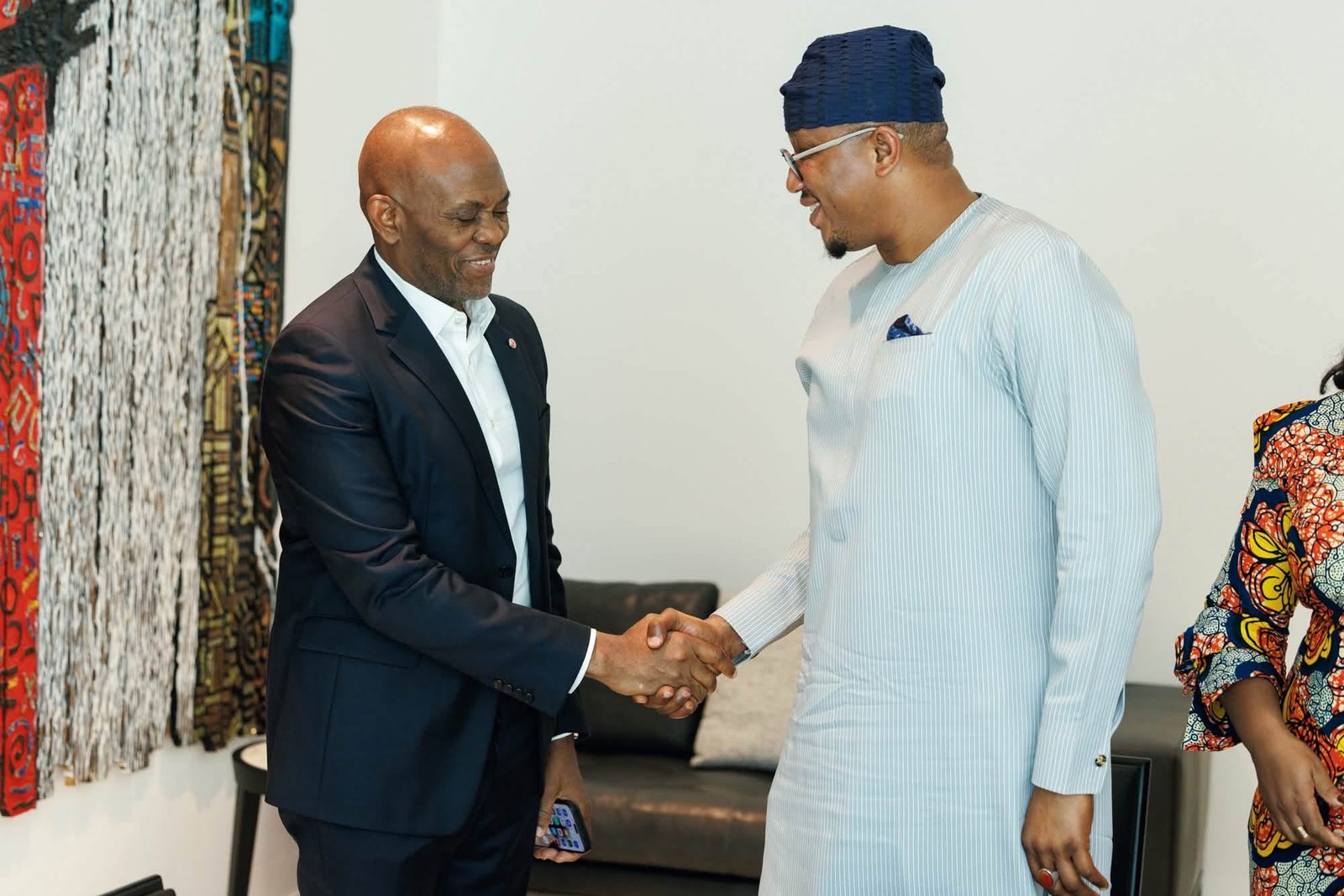
Ghana is stepping up efforts to deepen economic ties with Nigeria and attract more Nigerian investments, with discussions underway to reposition Nigeria as the country’s number one source of foreign direct investment (FDI).
The development follows a meeting between a Ghanaian official and Nigerian business mogul Tony Elumelu at his residence on Thursday, where discussions centred on expanding trade, investment and business opportunities between the two West African countries.
According to the official, Elumelu commended President John Dramani Mahama’s renewed energy, vision and direction, as well as the Ghana High Commission’s new approach to economic diplomacy.
The meeting reportedly focused on strengthening Ghana-Nigeria economic relations through the proposed Ghana-Nigeria Summit and the establishment of a Ghana-Nigeria Business Council, initiatives expected to deepen cooperation between businesses in both countries.
Ghana is hoping to move Nigeria from its current position as the country’s third-largest source of foreign direct investment to the number one spot, a target that would require stronger investor engagement, improved business partnerships and expanded economic collaboration.
The discussions also explored ways of helping Ghanaian businesses penetrate the Nigerian market, which remains one of Africa’s largest economies and a major commercial destination for companies seeking to expand beyond Ghana’s borders.
Beyond investment and trade, the meeting touched on opportunities to extend the reach of the Tony Elumelu Foundation’s financial support to more Ghanaian small and medium-sized enterprises (SMEs).
The foundation has been widely recognised for supporting African entrepreneurs through funding, business training and mentorship programmes, with the potential to provide Ghanaian startups and small businesses with additional opportunities to grow and create jobs.
The proposed Ghana-Nigeria Business Council and summit could provide a platform for businesses, investors and policymakers to address barriers to trade, explore partnerships and strengthen commercial ties.
The renewed engagement signals Ghana’s intention to pursue a more aggressive economic diplomacy strategy, leveraging Nigeria’s business ecosystem and private-sector investment to boost growth, expand opportunities for local businesses and strengthen the country’s position as an investment destination.




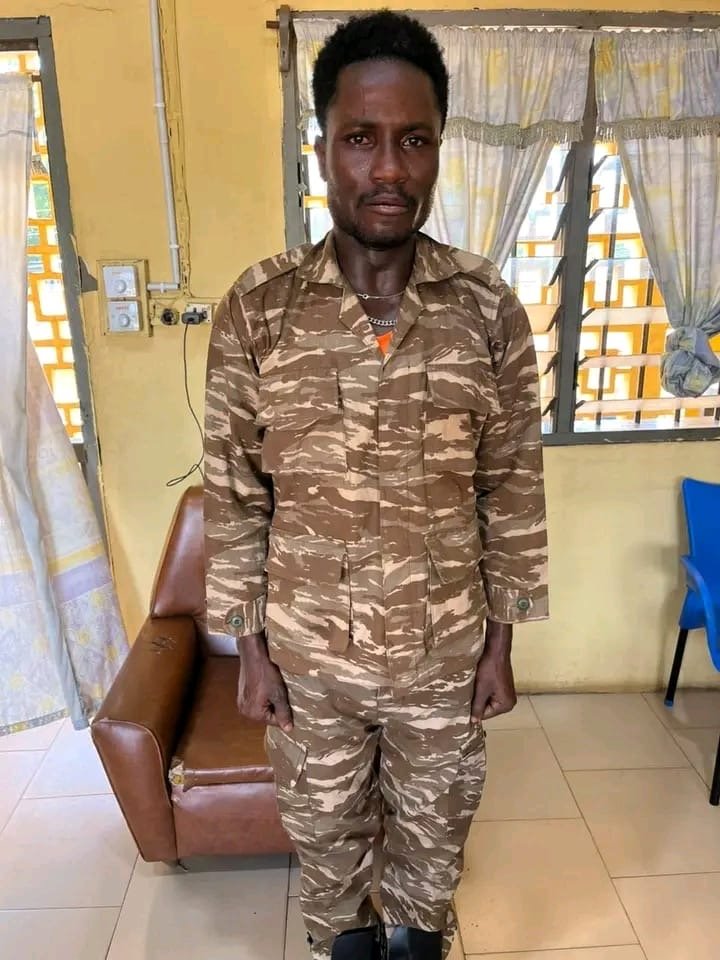
A 19-year-old man, Mohammed Yussif Zanjina, has been arrested at Gumbihini, a suburb of Tamale, on Tuesday, November 17, 2026, for allegedly impersonating a Prison Officer by wearing the Ghana Prisons Service No. 4 camouflage uniform without authorisation.
The arrest was carried out at about 9:50 a.m. by a Rapid Response Team led by Chief Officer Ahmed Mashood, following intelligence provided by L/Cpl Haruna Mohammed Sherif.
The suspect was subsequently presented to the Acting Second-in-Command of Tamale Central Prison, CSP Benedict Sanziri, who, after further interrogation, handed him over to the Regional Police Crime Officer for further investigations.
CSP Sanziri commended L/Cpl Haruna Mohammed Sherif for the timely intelligence and praised the Rapid Response Team for its swift response, which led to the arrest.



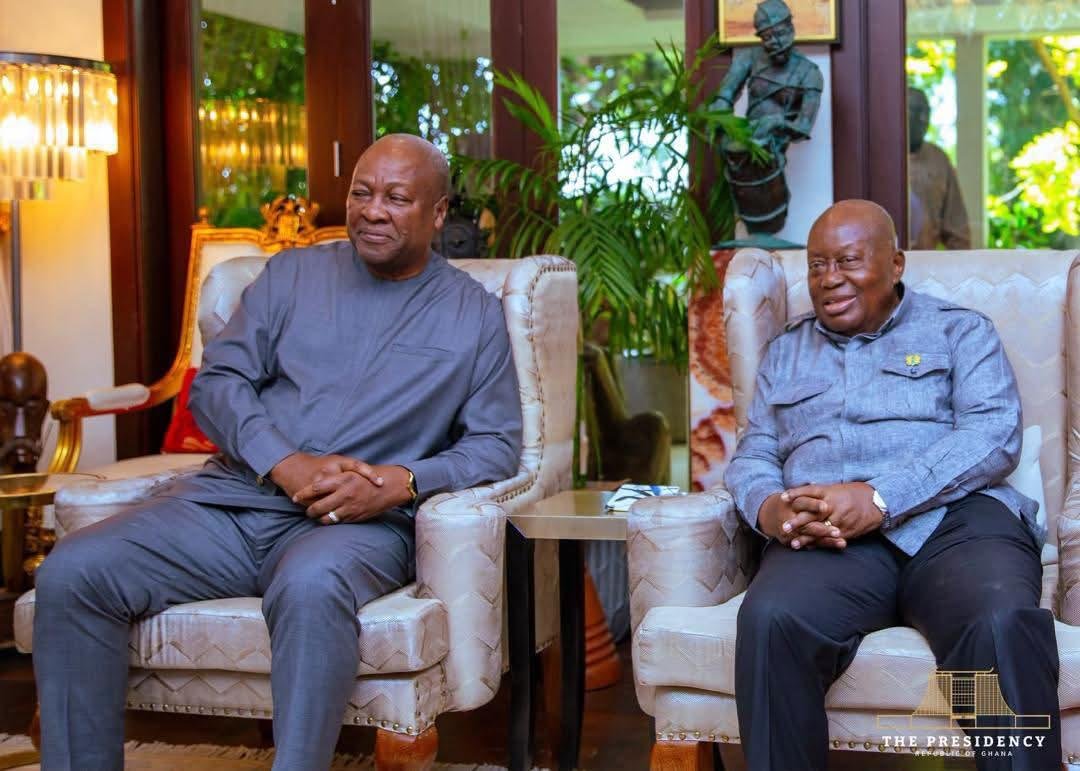
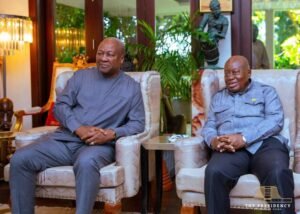
President John Dramani Mahama on Tuesday, November 17, 2026, paid a visit to former President Nana Addo Dankwa Akufo-Addo at his residence in Nima, Accra.
The visit, described as a warm and cordial engagement, was aimed at checking on the well-being of the former president and discussing matters of national and international concern.
It marked the first time President Mahama had visited his predecessor at his private residence since assuming office on January 7, 2025.
According to details of the meeting, the two leaders exchanged pleasantries and handshakes, creating a friendly atmosphere that reflected their willingness to engage despite their political differences.
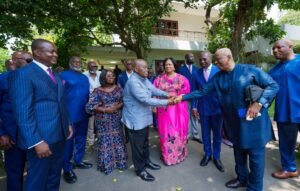
The engagement was also seen as a demonstration that there is more that unites Ghanaians than divides them, particularly when it comes to the country’s broader national interests.
During the meeting, both President Mahama and former President Akufo-Addo assured each other of their readiness to cooperate and consult whenever necessary.
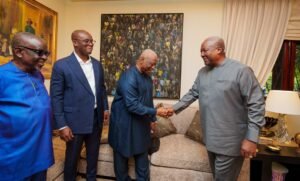
Their interaction highlighted the importance of maintaining cordial relationships among political leaders and putting the country’s common interests above partisan considerations.
Ambassador Alhaji Baba Kamara, ECOWAS Special Envoy on Counter Terrorism, was also present at the meeting.
Other personalities who attended included former First Lady Mrs Rebecca Akufo-Addo, former Chief of Staff Madam Frema Opare, former National Security Advisor Albert Kan Dapaah, and other close associates of the former president.


Producer Inflation Picks Up to 5.2%, Raising Cost Concerns

GSS: Ghanaian Workers Produce Nearly Three Times More, but Wages Lag

Ghana’s labour productivity rises 178% over 34 years, GSS report reveals

Unemployment remains a challenge for secondary-educated people in Ghana – GSS

BoG Warns Public Against 19 Unlicensed Loan Apps, Including Cedi Trust and SikaPadi

NADFFA 2027: Ghana to Host Pan-African Film and Food Festival in March

GTA Staff Demand Answers on World Cup Visa Slots, Staff Dismissals and Unpaid Allowances

SAMMY GYAMFI’S “MINE WITHOUT LICENCE” REMARK SPARKS FRESH GALAMSEY DEBATE

Nicki Minaj Throws Her Support Behind Trump Ahead of US Midterm Elections

FOKLEX MEDIA AWARDS COMMENDS PRINCE KWAW GYIMAH AND OWASS FM TEAM FOR PROFESSIONALISM DURING KWAME DZOKOTO INCIDENT

Illinois’ financial crisis could bring the state to a halt
The final 6 ‘Game of Thrones’ episodes might feel like a full season
New Season 8 Walking Dead trailer flashes forward in time
Mod turns ‘Counter-Strike’ into a ‘Tekken’ clone with fighting chickens
Meet Superman’s grandfather in new trailer for Krypton

-

 Politics20 hours ago
GovTech Deutschland Recognises Ghana’s Lead In Gov’t Digitalisation – Dr Bawumia
-
 Entertainment18 hours ago
Ghana’s Alex Apau Dadey Wins Entrepreneur of the Year at Prestigious All Africa Business Leaders Awards in South Africa
-

 Politics18 hours ago
Too Much Hypocrisy and Retaliation in Ghanaian Politics Are Hindering Progress – GCPP General Secretary
-
 Lifestyle17 hours ago
Childhood Memories: The Beautiful Days We Wish We Could Experience Again
-

 Entertainment16 hours ago
Daughters of Glorious Jesus Receive Lifetime Achievement Award at 2026 Ghana Women Awards
-
 Entertainment18 hours ago
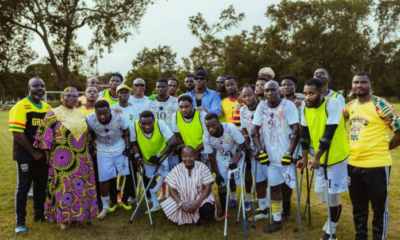
Stonebwoy Celebrates Black Challenge’s Historic World Cup Semi-Final Qualification
-

 Business5 hours ago
Ghana’s Mobile Money Transactions Approach GH¢5 Trillion in 10 Months
-

 Entertainment11 hours ago
I Didn’t Believe in Jesus Christ While Living in Germany – Wendy Shay Reveals