
Business
80% of Toyota Voxy Accidents Are Mechanical-Related — Bernard Oduro Takyi Claims


Bernard Oduro Takyi, popularly known as B.O.T., has raised serious concerns over the safety of Toyota Voxy vehicles on Ghanaian roads, claiming that 80% of accidents involving the vehicles are linked to mechanical problems.
According to him, the situation raises serious questions about the safety standards of vehicles converted from right-hand drive to left-hand drive in Ghana.
He expressed concern over the growing number of vehicle conversion centres across the country, questioning whether operators possess the required technical expertise, modern equipment and certification to undertake such modifications safely.
B.O.T. explained that Ghana changed its traffic system in August 4, 1974 under former President Ignatius Kutu Acheampong to align with neighbouring countries.
He further noted that reforms introduced under former President John Agyekum Kufuor in 2001 liberalised the economy and opened the door for increased vehicle imports, including right-hand-drive vehicles.
However, he questioned the effectiveness of regulations governing the conversion of such vehicles, particularly Toyota Voxy models, which are widely used for commercial transportation in Ghana.
“Why should vehicle manufacturers spend about six months producing a car, only for someone at Abossey Okai, Kumasi Magazine, Techiman, Kao-kudi or Kokompe to convert its steering system from right to left within just one week?” he questioned.
He disclosed that Ghana currently has over 50 vehicle conversion centres, raising concerns about the qualifications of their operators and the safety standards being applied.
B.O.T. also referenced legal concerns surrounding the importation of right-hand-drive vehicles and the need to ensure that converted vehicles meet approved safety requirements before being registered for use on Ghanaian roads.
He stressed that poorly executed steering conversions could compromise vehicle safety and potentially contribute to road accidents.
He is therefore calling on the government to introduce strict regulations, mandatory training, certification and regular inspections of vehicle conversion centres nationwide.
He further urged authorities to ensure that operators use modern, specialised equipment and work under the supervision of a dedicated regulatory body.
According to him, strengthening oversight of vehicle conversion activities is crucial to protecting passengers, drivers and other road users from preventable accidents.


New Patriotic Party (NPP) flagbearer and former Vice-President, Dr Mahamudu Bawumia, has called on the government to introduce stronger policies to protect Ghanaian rice farmers from competition posed by cheaper imported rice.
He argues that the growing availability of foreign rice, coupled with increasing production costs, is putting local farmers under severe financial pressure and threatening the future of Ghana’s domestic rice industry.
Dr Bawumia made the appeal during an engagement with rice farmers at Asutuare on November 13, 2026, where farmers highlighted the difficulties they face in finding buyers for their produce despite continuing to invest in cultivation.
According to him, the appreciation of the Ghanaian cedi has reduced the cost of imported rice by approximately 40 per cent, making foreign products more competitive against locally produced rice.
He warned that the situation was creating an imbalance in the market, leaving Ghanaian farmers struggling to sell their harvests while production expenses, including fertiliser, seeds and machinery services, continued to rise.
Bawumia points to Japan’s agricultural policy
To demonstrate how Ghana could strengthen its domestic rice industry, Dr Bawumia cited Japan as an example of a country that treats rice production as a national security priority.
He noted that Japan maintains domestic rice prices at significantly higher levels than international market prices while limiting the share of imported rice in its domestic consumption.
He contrasted this with Ghana’s dependence on foreign rice, arguing that the country imports more than half of the rice it consumes.
Dr Bawumia believes Ghana must adopt a more deliberate agricultural policy that gives local producers the necessary protection and support to compete effectively.
Government urged to buy Ghanaian rice
As part of his proposed solutions, the former Vice-President called on the government to increase purchases of locally produced rice for public institutions, particularly schools and prisons.
He also advocated strengthening the National Food Buffer Stock Company to purchase larger quantities of locally harvested rice and provide farmers with a dependable market.
He warned that failure to address the situation could result in job losses and further financial difficulties for farmers, millers and other businesses operating within the rice production value chain.
Additionally, he called for the completion of Phase Two of the Pwalugu Irrigation Project and the restoration of fertilizer subsidies to reduce production costs and improve agricultural output.
Farmers report mounting losses
The farmers who engaged Dr Bawumia expressed frustration over their inability to sell significant quantities of rice produced over the past two years.
Sika Bright, leader of the Shai-Osudoku Rice Farmers, who represents more than 3,500 farmers, disclosed that thousands of tonnes of rice remained in storage facilities, with some stocks reportedly being damaged by weevils.
He also revealed that he personally had more than 100 tonnes of unsold rice, despite having relied on bank loans to finance production.
The farmers appealed for urgent government intervention to create reliable markets, support irrigation infrastructure and prevent further losses.
The concerns have renewed attention on Ghana’s dependence on imported rice and the need to balance affordable food supplies with the sustainability of local agricultural production.
The debate now centres on how Ghana can strengthen domestic rice production, protect farmers’ livelihoods and gradually reduce its dependence on imported food.
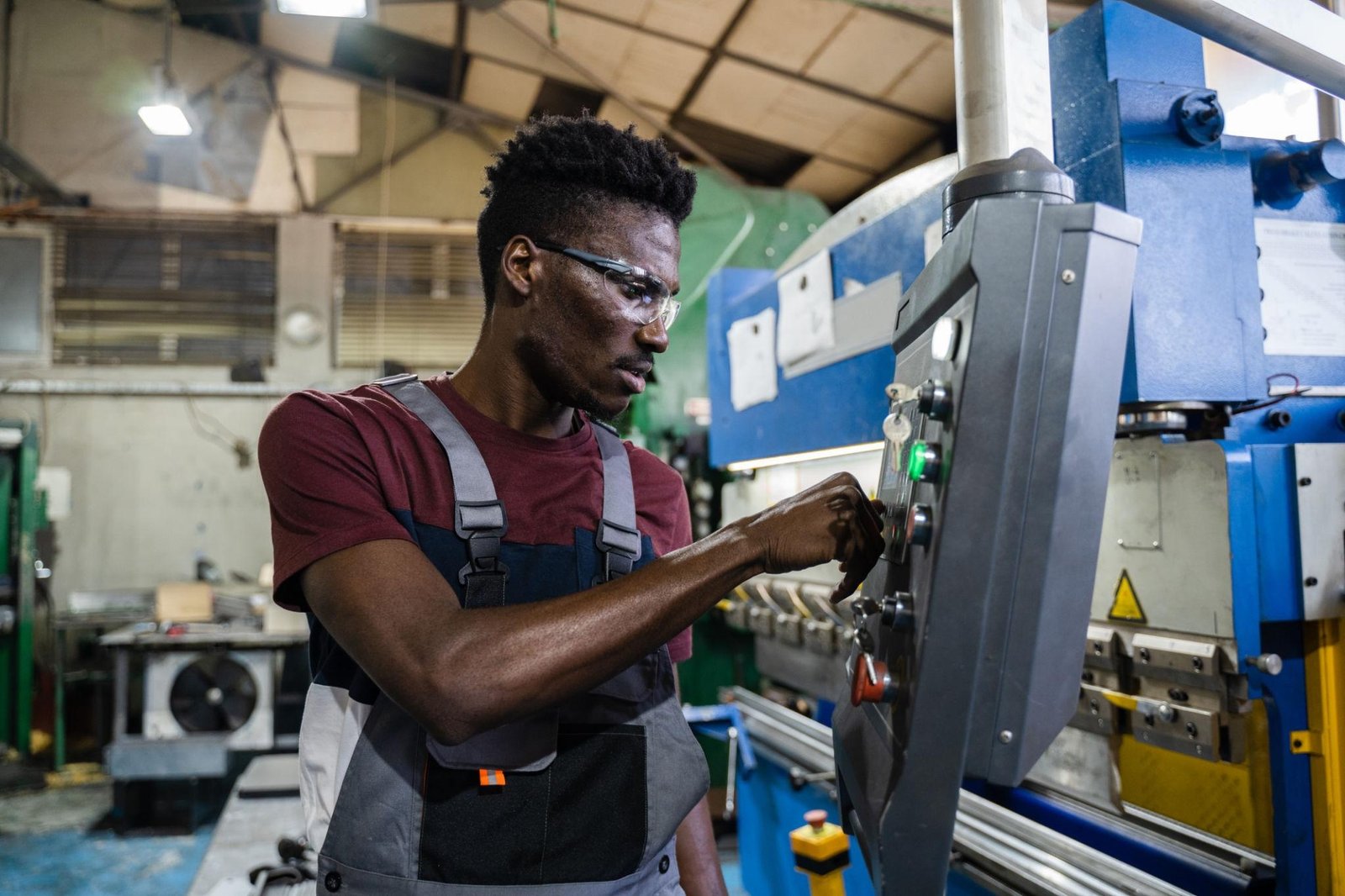
Ghana’s producer inflation rate rose to 5.2 per cent in October 2026, signalling an increase in the rate at which prices received by producers for goods and services are changing at the production level.
The rise in producer inflation could point to renewed pressure on businesses, depending on the sectors driving the increase and the underlying cost factors affecting production. Producer price movements are closely monitored because they can influence business pricing decisions, operating costs and, in some cases, prices faced by consumers.
The October increase highlights the importance of monitoring developments across manufacturing, mining, utilities and other productive sectors of the economy to determine whether the pressure is broad-based or concentrated in specific industries.
Producer inflation is an important economic indicator because it tracks price changes at the production stage, offering insight into potential cost pressures before they may be reflected in retail prices.
The latest figure will be of interest to policymakers, businesses and investors as they assess Ghana’s inflation outlook, production costs and the broader direction of economic activity.

Ghanaian workers have recorded a significant increase in productivity over the past 34 years, with output reportedly tripling over the period, but their earnings have not risen proportionately to reflect the growth, according to the Ghana Statistical Service (GSS).
The finding raises renewed questions about the relationship between productivity, wages, living standards and the distribution of economic gains among workers in Ghana.
The reported increase in productivity suggests that workers are contributing considerably more to economic output than they did decades ago. However, the disconnect between rising output and compensation points to concerns over how the benefits of economic growth are shared between employees, businesses and the broader economy.
The productivity-wage gap has long been a subject of debate among economists and labour advocates, particularly in developing economies where inflation, rising living costs and employment conditions continue to shape workers’ financial well-being.
When productivity improves without a corresponding increase in wages, workers may feel that the additional value they create is not adequately reflected in their take-home pay. This can affect household purchasing power, motivation and perceptions of fairness in the workplace.
The GSS finding could reignite discussions on wage policy, labour negotiations, economic competitiveness and whether Ghana’s wage-setting mechanisms adequately reflect long-term productivity growth.
It also raises broader questions about how economic gains can translate into better incomes, improved living conditions and greater financial security for workers.
As Ghana continues to pursue economic recovery and growth, the relationship between workers’ output and compensation is likely to remain a critical issue for government, employers, trade unions and policymakers.
Key figures from the report
-
178% increase in labour productivity between 1991 and 2025.
-
GH¢5,000 – approximate output per worker in 1991.
-
GH¢15,197 – output per worker in 2025.
-
GH¢9,388 – average earnings in 2025, reportedly still below the 2019 level.
-
The figures are contained in the GSS 2026 Productivity, Employment and Growth (PEG) Report.
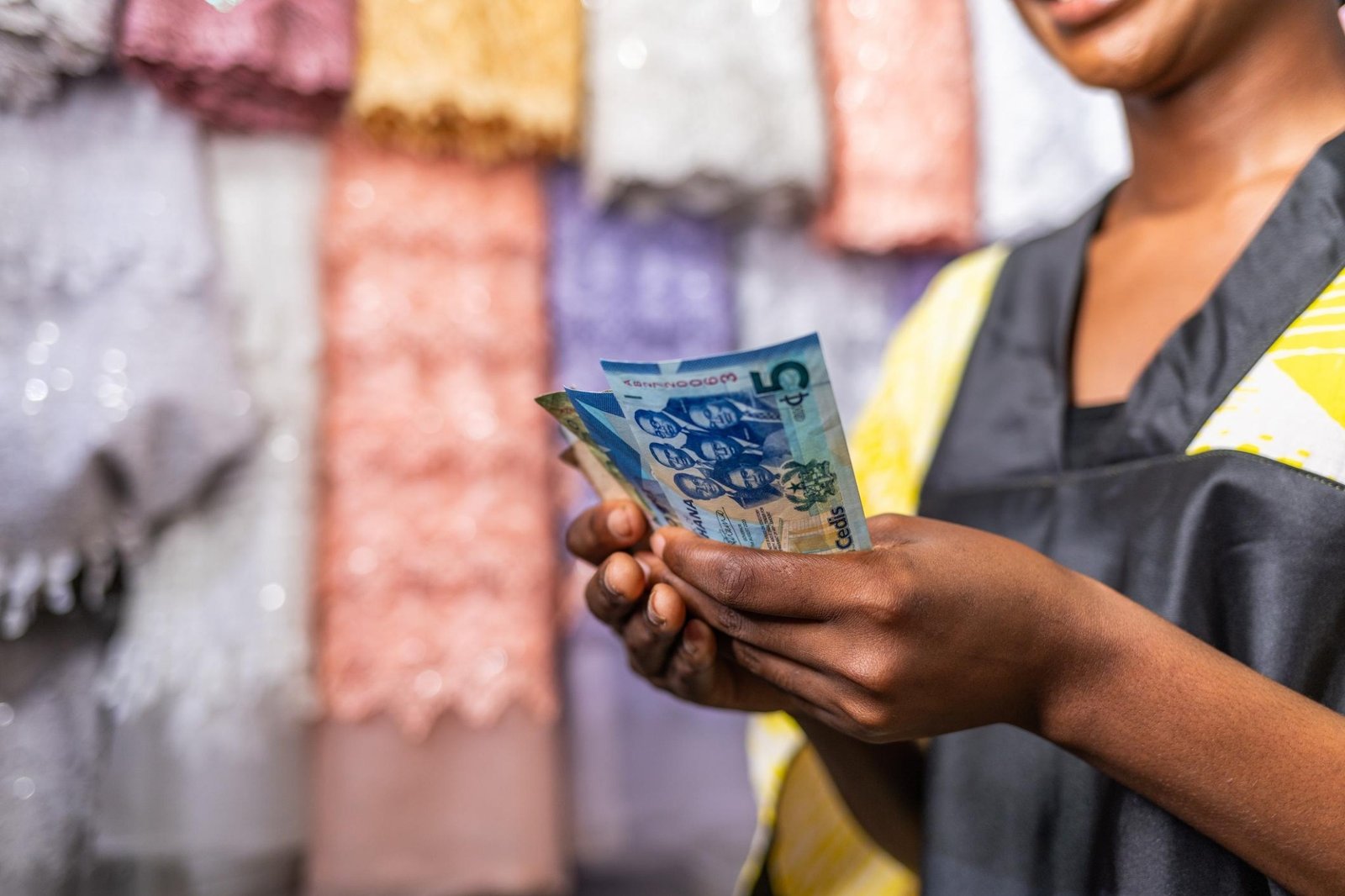
Ghana’s labour productivity has increased by 178 per cent between 1991 and 2025, with the average worker generating GH¢15,197 in economic output in 2025, according to the Ghana Statistical Service (GSS).
The findings are contained in the Service’s 2026 Productivity, Employment and Growth Report, which examines Ghana’s productivity, employment trends and economic growth over a 35-year period.
According to the report, output per worker increased from approximately GH¢5,000 in 1991 to GH¢15,197 in 2025, reflecting significant improvements in the country’s productive capacity over the period.
The report, however, highlights a gap between workers’ output and their earnings. Average annual earnings stood at GH¢9,388 in 2025, raising questions about how productivity gains are translating into income and living standards for workers.
The Government Statistician, Dr Alhassan Iddrisu, presented the findings during the launch of the report in Accra on Friday, November 20, 2026.
The assessment also shows that productivity growth has been driven largely by investment in capital. Capital per worker increased nearly fourfold between 1991 and 2025, rising from about GH¢9,000 to GH¢35,000.
The report noted that the drivers of productivity growth have shifted over the years, with efficiency gains contributing significantly in the 2000s, while capital investment became a major driver in the 2010s.
However, the pace of capital growth has slowed since 2020, increasing by approximately 1 per cent annually, a development the report associates with slower productivity growth.
Sectoral performance also varied significantly. Between 2013 and 2025, output per worker increased by 65.7 per cent in agriculture, 47.3 per cent in services and 28.7 per cent in industry.
The information and communication sector recorded particularly strong productivity growth, although it accounts for a relatively small proportion of Ghana’s workforce.
The report further highlights challenges within the labour market, including the dominance of informal employment and vulnerable jobs, underscoring the need for policies that ensure productivity improvements translate into better wages, stronger job security and improved living conditions.
The Ghana Statistical Service says the report is intended to provide evidence for policymakers, businesses and stakeholders to guide efforts towards improving productivity, employment quality and sustainable economic growth.

Ghana’s unemployment challenge remains a major concern, with people who have attained secondary-level education recording the highest unemployment rate of 36.2%, according to figures attributed to the Ghana Statistical Service (GSS).
The data highlights the difficulties many individuals face in securing jobs despite completing secondary education, raising renewed questions about the relationship between educational attainment, skills development and labour market opportunities in Ghana.

Young Ghanaians searching for job opportunities in an urban setting.
The reported 36.2% rate among people with secondary education underscores the pressure on the country’s labour market, where job seekers continue to compete for limited employment opportunities across various sectors of the economy.
The figures also draw attention to the transition from school to work, particularly for young people who complete secondary education but struggle to find stable employment. For many, the lack of job opportunities, limited practical experience and the mismatch between educational training and labour market demand can make the search for work challenging.

Job seekers gathered during a recruitment exercise.
The findings could reignite conversations about the need to strengthen technical and vocational education, expand apprenticeship opportunities, support entrepreneurship and improve private-sector job creation.
Labour market analysts and policymakers have repeatedly emphasised the importance of aligning education and skills training with the needs of employers, as Ghana continues to grapple with unemployment and underemployment.
The GSS figures provide another snapshot of the country’s employment situation and the challenges confronting job seekers, particularly those whose education has not yet translated into sustainable employment.


Pete Edochie Deserves a Star on Hollywood Walk of Fame – Gabby Otchere-Darko

Don’t Ban the Child, Fine the Parent – Seth Dankwah Challenges GES Two-Year Examination Ban

GES Orders Strict Enforcement of Two-Year Ban on Candidates Who Sit for BECE and WASSCE Prematurely

NPA Bill 2026: Emmanuel Duah Urges Parliament to Amend Clause 103 to Save BOST Energies

Agric Minister Fires Back at Minority Over Nkoko Nkitinkiti as NPP Chairman Is Arrested for Alleged Bird Theft

NADFFA 2027: Ghana to Host Pan-African Film and Food Festival in March

GTA Staff Demand Answers on World Cup Visa Slots, Staff Dismissals and Unpaid Allowances

Nicki Minaj Throws Her Support Behind Trump Ahead of US Midterm Elections
Ghana Faces Very Strong El Niño Threat as GMet Warns of Extreme Heat, Drought and Possible Flooding

GTA Targets Taxi Drivers in ‘Know Ghana’ Campaign to Boost Tourism

Illinois’ financial crisis could bring the state to a halt
The final 6 ‘Game of Thrones’ episodes might feel like a full season
New Season 8 Walking Dead trailer flashes forward in time
Mod turns ‘Counter-Strike’ into a ‘Tekken’ clone with fighting chickens
Meet Superman’s grandfather in new trailer for Krypton

-

 Entertainment18 hours ago
Reggie Rockstone apologises to AY Poyoo over Zen Gardens stage incident
-

 General News5 hours ago
Nollywood Legend Pete Edochie Dies at 79 After Battle With Prostate Cancer
-

 Entertainment24 hours ago
I Turned to Sarkodie When Online Trolling Became Too Much – King Promise
-

 Entertainment23 hours ago
‘If You Are Rich and Have a Pot Belly, You Are a Fool’ – BullGod
-

 Entertainment17 hours ago
Every Song I Release Is a Sermon – Perez Musik
-

 Entertainment24 hours ago
Hiplife Trinity Reunion: Why Ghana Must Celebrate Its Music Legends While They Are Alive
-

 Uncategorized23 hours ago
‘It was never intentional’ – Tic Tac apologies to AY Poyoo over stage embarrassment
-

 Education17 hours ago
Not Every Brilliant Child Comes First in Class: Are Schools Ignoring Hidden Talents?