
Business
Absa Expands Beyond Africa With First Gulf Office in Dubai

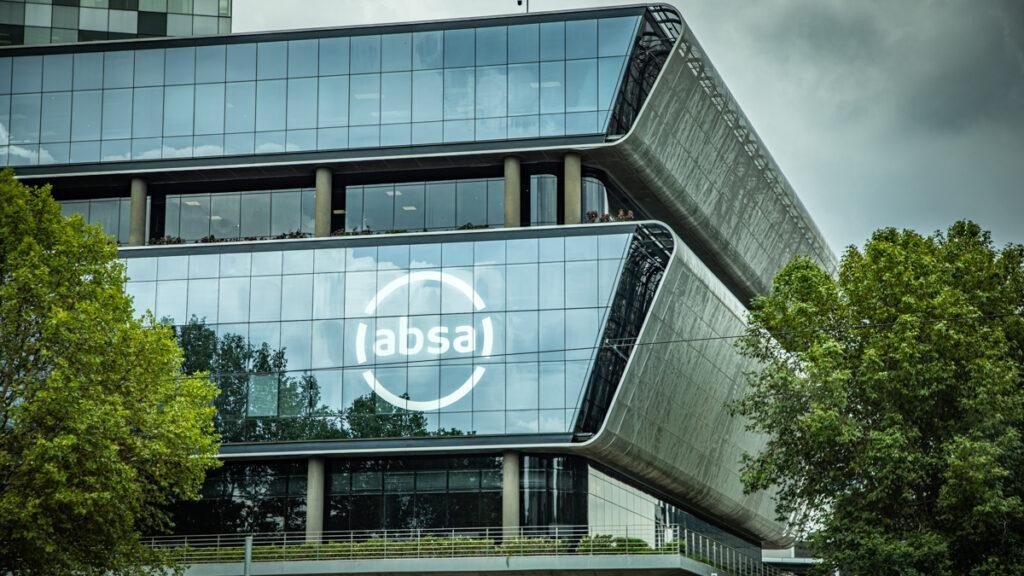
JOHANNESBURG, South Africa – South African financial services group Absa has opened its first office in the Gulf region, establishing a presence in Dubai as it seeks to strengthen business, trade and investment connections between Africa and the Middle East.
The new office is located in the Dubai International Financial Centre (DIFC), one of the region’s major financial hubs. The expansion is expected to bring Absa closer to businesses, institutional investors and financial organisations across the Gulf Cooperation Council (GCC), while creating additional opportunities for international investors interested in African markets.
Unlike a conventional banking branch, the Dubai office will not provide lending directly from its own balance sheet. Instead, it will serve as a strategic connection point, linking Gulf-based companies and investors with Absa’s banking operations across 16 African markets.
The office operates under a Category 4 licence issued by the Dubai Financial Services Authority, which became effective on 15 July 2026. The authorisation allows the branch to arrange investment transactions, provide financial product advice and arrange or advise on credit facilities for eligible clients.
Growing economic relationship between Africa and the Gulf
Absa’s expansion comes at a time when commercial relations between the United Arab Emirates and African economies are gaining momentum.
Non-oil trade between the UAE and Africa reached approximately $158 billion in 2025, compared with around $112 billion in 2024, according to UAE government figures cited in Reuters reporting.

Dubai continues to attract international financial institutions seeking access to global markets.
The growing relationship presents opportunities in several industries, including infrastructure, energy, logistics, agriculture and fast-moving consumer goods. These sectors are attracting interest from Gulf-based sovereign wealth funds, asset managers and other institutional investors looking to expand their investments across Africa.
Absa’s senior executive officer for its Dubai branch, Clinton Clarke, indicated that the office would help the bank engage more directly with investors and businesses interested in African opportunities.
The bank intends to use its understanding of African markets and its existing corporate banking relationships to help Gulf-based organisations navigate different commercial environments across the continent.
Absa joins other South African banks in Dubai
Absa’s arrival adds another major South African financial institution to Dubai’s growing international banking community.
It joins other South African banking groups, including Investec, Standard Bank and Nedbank, which have also established offices in the city.

The Dubai International Financial Centre will host Absa’s first Gulf office.
The move reflects the importance of Dubai as a financial gateway connecting businesses and investors across the Middle East, Africa and Asia.
However, the expansion also comes against a backdrop of geopolitical uncertainty in the Middle East. Absa representatives have acknowledged the risks but maintain that Dubai remains an attractive location for engaging regional clients and supporting cross-border business.
What the expansion means for Africa
Absa’s Dubai office could strengthen access to international capital for African businesses seeking investment partners, financing advice and opportunities to enter new markets.
For Gulf investors, the presence provides a closer connection to African business networks and sector expertise, potentially making it easier to assess commercial opportunities across different countries.
The longer-term success of the initiative will depend on the volume of business it attracts, the investment transactions it supports and the strength of relationships established between African and Gulf-based organisations.
For Absa, the opening represents a significant step in expanding its international reach while maintaining Africa as the centre of its banking operations.














Ghana is seeking to strengthen its economic and industrial relationship with Burkina Faso through a proposed bilateral trade and investment agreement aimed at expanding cross-border commerce, supporting local industries and creating new opportunities for businesses in both countries.
The proposal was announced by Ghana’s Minister for Trade, Agribusiness and Industry, Elizabeth Ofosu-Adjare, during the opening ceremony of the 18th International Arts and Crafts Fair of Ouagadougou (SIAO 2026) on Friday, October 30, in Burkina Faso.

Speaking as Ghana’s representative and Guest of Honour at the event, the minister highlighted several areas where the two neighbouring countries could deepen cooperation, including agro-processing, handicrafts, shea production, cotton, leather manufacturing and agricultural value chains.
She disclosed that formal trade between Ghana and Burkina Faso exceeded US$1 billion last year, describing the existing commercial relationship as an important foundation for further economic collaboration.
Ofosu-Adjare also stressed the importance of improving border management, harmonising product standards and simplifying procedures for transporting goods between the two countries. These measures, she indicated, could reduce trade barriers and make cross-border business more efficient.

Ghana’s proposed agreement is expected to provide a framework for stronger investment partnerships, industrial development and increased participation by businesses from both countries.
Beyond trade negotiations, Ghana is using its participation at SIAO 2026 to showcase its cultural heritage and locally manufactured products. Exhibitors from all 16 regions are presenting a wide range of Ghanaian products, including Kente fabrics, Adinkra-inspired items, traditional fugu clothing, Bolgatanga baskets, beads, pottery, leather products and contemporary fashion.
The fair, which runs from October 30 to November 8, 2026, is being held under the theme of African crafts and industrialisation, with a focus on improving the organisation, production and international marketing of locally made products.

The event also provides an opportunity for African countries to explore ways of transforming traditional craftsmanship into commercially competitive industries.
For Ghana and Burkina Faso, the discussions represent an opportunity to build on their existing trade relationship while encouraging local manufacturing, value addition and stronger regional economic integration.
As the exhibition continues, attention will be on whether the proposed bilateral agreement can translate into concrete business partnerships and improved trading opportunities for enterprises in both countries.
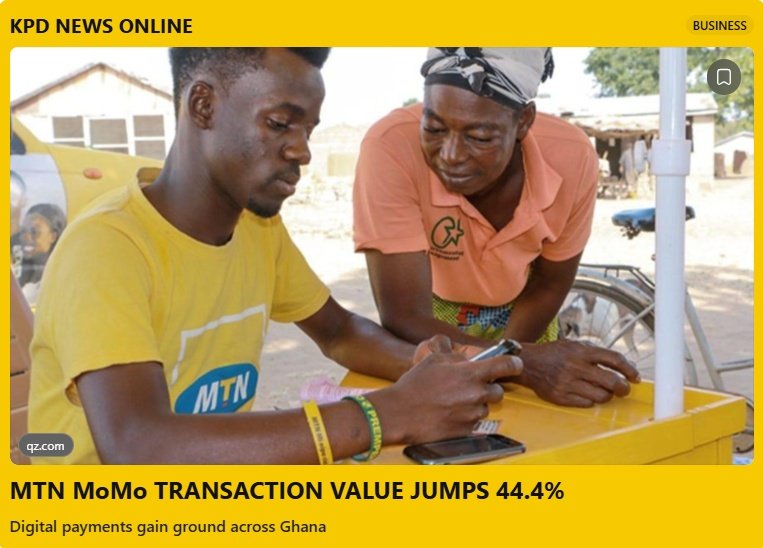
MTN Ghana has recorded a significant increase in the value of transactions processed through its Mobile Money (MoMo) platform, highlighting the growing adoption of digital financial services across the country.
The telecommunications company reported a 44.4 per cent year-on-year increase in MoMo transaction value during the first half of 2026, reflecting the platform’s expanding role in everyday financial activities.
The figures were disclosed by David Gyimah Boadi, General Manager for Southern Ghana at MTN Ghana, during a Regional Media and Stakeholder Engagement Programme held in Ho in the Volta Region.
Beyond the growth in transaction value, MTN Ghana recorded a 3.1 per cent increase in active MoMo users over the same period. Transaction volumes and MoMo revenue also increased by 23.3 per cent each.
The performance points to the increasing reliance on mobile-based financial services by individuals, traders and businesses seeking convenient ways to transfer money, make payments and conduct financial transactions.
MoMo expands beyond traditional money transfers
Speaking at the engagement, Mr Boadi explained that Mobile Money had evolved beyond its original function as a platform for sending and receiving money.
He described the service as an important gateway to financial inclusion and economic opportunities, particularly for individuals and businesses that depend on accessible digital payment solutions.
The growing use of MoMo also reflects broader changes in Ghana’s financial landscape, where mobile technology is increasingly supporting commercial activities and reducing dependence on cash-based transactions.
For small and medium-sized enterprises, digital payment platforms provide an additional channel for receiving payments and managing everyday business transactions.
MTN prioritises customer protection and cybersecurity
Despite the expansion of digital financial services, MTN Ghana has emphasised the importance of strengthening security and protecting customers against fraud.
Mr Boadi urged users to safeguard their personal identification numbers (PINs), passwords and other sensitive information to reduce their exposure to cybercrime.
He stressed that cybersecurity required shared responsibility between service providers and customers, particularly as more financial activities moved onto digital platforms.
MTN Ghana says it will continue investing in customer education and security measures while supporting the development of a safer digital financial ecosystem.
Focus on financial inclusion and digital opportunities
The company also reaffirmed its commitment to promoting financial inclusion, supporting small and medium-sized businesses and equipping young people with the skills required to participate in the digital economy.
The latest MoMo figures come amid MTN Ghana’s broader efforts to strengthen its telecommunications infrastructure and expand access to digital services nationwide.
As mobile technology continues to shape how Ghanaians conduct business and manage their finances, the sustained growth of Mobile Money is expected to remain an important part of the country’s digital transformation.
The challenge ahead will be to ensure that the increasing adoption of digital payments is matched by stronger consumer protection, improved accessibility and greater public awareness of online financial risks.
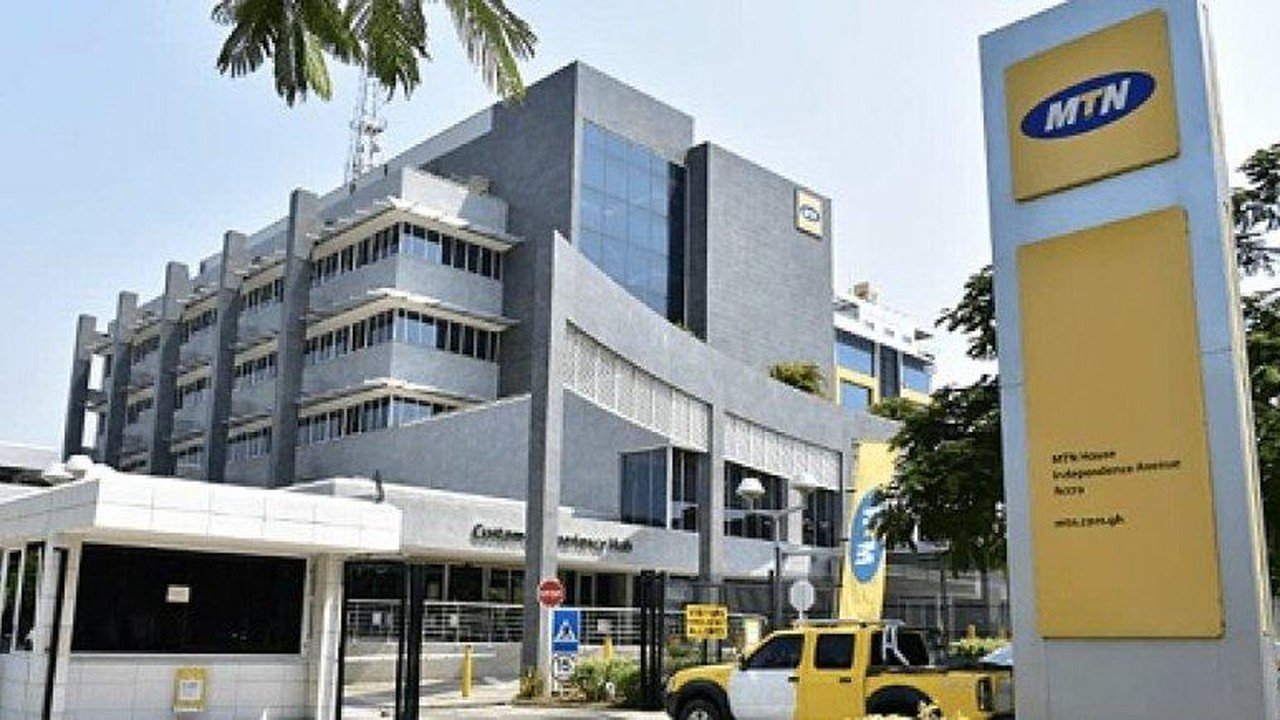
MTN Ghana has reported a significant increase in its earnings, recording GH¢11.3 billion in profit before tax for the nine months ending September 30, 2026.
The figure represents a 51.8 per cent increase compared with the GH¢7.7 billion recorded during the corresponding period in 2025, according to the company’s latest financial performance report released to investors on October 29, 2026.
The strong performance reflects growing demand for telecommunications services, increased data consumption and the expansion of the company’s digital financial services.
MTN Ghana’s total revenue reached GH¢23.2 billion during the nine-month period, representing a 35.7 per cent increase over the previous year’s performance. Service revenue also increased by 33.5 per cent to GH¢23.2 billion.
Data services and Mobile Money drive growth
The company’s data business remained a major contributor to its financial performance. Data revenue increased by 39.9 per cent year-on-year in the third quarter, reflecting sustained demand for internet connectivity and digital services.
MTN’s Mobile Money business also recorded considerable growth, with revenue increasing by 26.5 per cent to GH¢5.3 billion.
The growth was supported by a 6.9 per cent increase in active Mobile Money users, bringing the total number to approximately 18.9 million.
Revenue from basic Mobile Money services, including person-to-person transfers, increased by 22.2 per cent to GH¢3.5 billion. Advanced services, covering digital payments, lending and other financial solutions, grew by 28.7 per cent to GH¢1.9 billion.
Mobile Money accounted for 23.2 per cent of MTN’s service revenue during the period.
Network investment and business expansion
Alongside its earnings growth, MTN Ghana invested approximately GH¢3.2 billion in capital expenditure during the first nine months of 2026.
The investment forms part of the company’s continued efforts to strengthen its operations and support the expansion of its telecommunications and digital services.
Chief Executive Officer Stephen Blewett said the company’s growth remained diversified across its major revenue streams.
He also pointed to Ghana’s relatively stable operating environment, including moderating inflation, stronger external reserves and resilient economic activity.
MTN proposes interim dividend for shareholders
Following the reported performance, MTN Ghana’s board has proposed a gross interim dividend of GH¢0.03 per share for the third quarter ended September 30, 2026.
The proposed dividend remains subject to applicable taxes.
The company indicated that shareholders who qualify under the relevant dates would receive their payments electronically through their registered bank accounts or Mobile Money wallets on December 10, 2026.
Overall, MTN Ghana’s latest results highlight the growing importance of data connectivity and digital financial services to its business. However, the continued expansion of its earnings also places attention on how the company balances profitability with network quality, customer experience and affordable services.
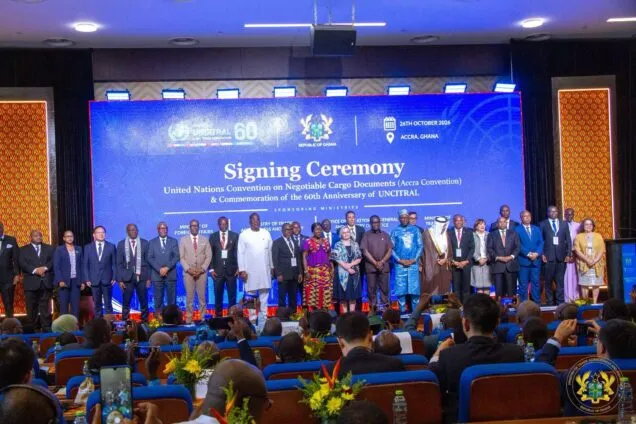
ACCRA, GHANA – Ghana has emerged at the forefront of a new international effort to modernise trade documentation and improve access to business financing after 26 countries signed the United Nations Convention on Negotiable Cargo Documents, popularly known as the Accra Convention.
The agreement was signed on October 26, 2026, at a ceremony in Accra, with Ghana becoming the first country to endorse the convention. The initiative is designed to establish common legal standards for cargo documents used in transporting goods by road, rail, air and sea.

Representatives from 26 countries gather in Accra for the signing of the UN trade convention.
The agreement is expected to address some of the longstanding challenges confronting international traders, particularly small and medium-sized enterprises (SMEs) that struggle to obtain financing because of limitations in the legal recognition of goods transported across borders.
Improving access to business financing
Under the existing international trade system, maritime cargo documents have traditionally played an important role in allowing businesses to transfer ownership of goods while they are still in transit and use those goods to secure financing from banks.
However, similar legal arrangements have not been consistently available for cargo transported by road, rail and air.
The Accra Convention seeks to address this gap by establishing a harmonised framework that allows negotiable cargo documents to serve as documents of title across different transportation systems.
This could provide businesses with additional opportunities to secure loans, manage commercial transactions and move goods across international markets with greater legal certainty.

Elizabeth Ofosu-Adjare speaks on Ghana’s commitment to improving international trade.
Africa’s trade financing challenges
The agreement comes at a time when African businesses continue to face significant difficulties accessing the financing required to support imports, exports and cross-border commerce.
Figures cited by Ghana’s Trade Minister, Elizabeth Ofosu-Adjare, indicate that Africa’s trade finance gap was estimated at between US$74 billion and US$92 billion in 2024.
She also noted that road transportation accounts for approximately 80 to 90 per cent of freight movement across the continent, while intra-African trade represented just 14.4 per cent of Africa’s total trade in 2024.
These challenges have increased calls for more efficient trade systems capable of reducing documentation barriers and improving access to financial services for businesses.

Cargo operations at Ghana’s ports highlight the importance of efficient international trade systems.
Digitalisation at the centre of the agreement
A major feature of the convention is its recognition of electronic negotiable cargo documents, giving them the same legal effect as their paper-based counterparts, subject to the convention’s requirements.
This provision is expected to reduce reliance on physical paperwork, improve information exchange between businesses and financial institutions, and support the wider adoption of digital systems in international trade.
The United Nations Commission on International Trade Law (UNCITRAL) Secretary, Anna Joubin-Bret, welcomed Ghana’s role in hosting the signing ceremony.
She indicated that the agreement could help reduce legal uncertainty, strengthen supply chains, improve trade financing and support the digital transformation of international commerce.

Road freight accounts for an estimated 80–90 per cent of Africa’s freight movement.
Ghana prepares for implementation
Beyond signing the agreement, Ghana has announced plans to pursue early ratification and review relevant domestic laws to support its implementation.
The Trade Minister also disclosed plans to pilot negotiable cargo documents in collaboration with the Ghana Shippers’ Authority, Ghana Ports and Harbours Authority, the Customs Division of the Ghana Revenue Authority and financial institutions.
The proposed pilot is expected to help prepare institutions and businesses for the practical application of the new framework.
However, the signing does not automatically mean the convention is already operational in all participating countries. It must receive the required domestic approvals, and it will enter into force after the deposit of the tenth instrument of ratification, acceptance, approval or accession.

The new framework seeks to expand financing opportunities for small and medium-sized enterprises.
Countries participating
The 26 signatories are Ghana, Sierra Leone, Burkina Faso, Cabo Verde, China, Comoros, Côte d’Ivoire, Cuba, the Democratic Republic of the Congo, Djibouti, Dominica, the Dominican Republic, Gabon, The Gambia, Guinea, Guinea-Bissau, Mauritania, Nicaragua, Nigeria, Pakistan, Rwanda, Saudi Arabia, South Sudan, Togo, Tanzania and Venezuela.

The signing represents an important step towards establishing more consistent international rules for cargo documentation.
For Ghana and other participating countries, the next major test will be translating the agreement into practical reforms that make trade easier, improve access to financing and strengthen commercial links across international markets.
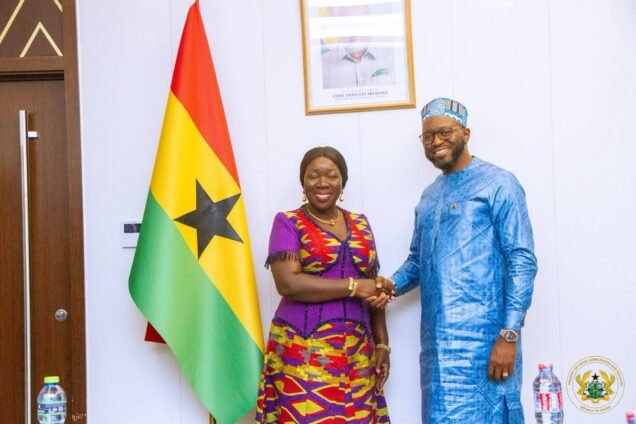
Ghana is seeking to strengthen its economic relationship with Guinea as the government steps up efforts to expand regional trade, encourage industrial development and create new opportunities for businesses across West Africa.
The Minister for Trade, Agribusiness and Industry, Elizabeth Ofosu-Adjare, made the call during a meeting with Guinea’s Minister for Trade, Industry and Enterprise, Aboubacar Kourocuma, in Accra on Monday, October 26, 2026.
The engagement took place on the sidelines of the signing ceremony of the Accra Convention and a symposium marking 60 years of the United Nations Commission on International Trade Law (UNCITRAL).
Discussions focused on improving bilateral commercial relations, strengthening industrial partnerships and identifying opportunities for cooperation in tourism and cultural heritage.
A major proposal from the Ghanaian minister was to establish closer cooperation between the Ghana Standards Authority and Guinea’s standards and metrology institution.
The proposed collaboration would help align product standards, improve certification processes and reduce technical barriers that often make cross-border trade difficult for businesses.
Such measures could make it easier for Ghanaian and Guinean manufacturers, exporters and traders to access each other’s markets while improving the competitiveness of locally produced goods.
The initiative also aligns with the broader objectives of the African Continental Free Trade Area (AfCFTA), which seeks to increase trade among African countries by reducing barriers and improving access to regional markets.
Another proposal involved Ghana and Guinea working together to renovate and preserve the former residence of Ghana’s first President, Dr Kwame Nkrumah, in Conakry.
The initiative is intended to protect an important part of African history while developing the property into a cultural and historical tourism attraction.
The proposal carries historical significance because Nkrumah lived in Guinea after his removal from office in 1966. Guinea’s first President, Ahmed Sékou Touré, welcomed him into the country, where he remained until his death in 1972.
Guinea’s minister welcomed the renewed commitment to cooperation, particularly the proposed alignment of standards and efforts to facilitate imports and exports between the two countries.
However, the proposals will need to be translated into practical arrangements, including institutional collaboration and clear implementation plans, before businesses can experience their full benefits.
For Ghana, stronger commercial relations with Guinea could create opportunities for exporters, manufacturers and investors seeking to expand into neighbouring West African markets.
The latest engagement highlights the importance of regional partnerships in building stronger African industries, improving trade competitiveness and advancing economic integration.

Ghana and Burkina Faso Target Expanded Cross-Border Trade and Industrial Growth

MTN Ghana’s Mobile Money Transaction Value Surges 44.4% as Digital Finance Expands

CAF Reverses AFCON Four-Year Plan, Restores Traditional Two-Year Format

IRAWMA 2025: Shatta Wale Wins 3 Major Awards Including Best Music Video

Samini Secures Promotional Deal with Audiomack for Upcoming Album “THE ORIGIN8A”

AirtelTigo losing GH₵20m monthly; total debts exceed $200million – Sam George


-

 General News5 days ago
GTA Staff Demand Answers on World Cup Visa Slots, Staff Dismissals and Unpaid Allowances
-

 Entertainment1 week ago
Shatta Wale Cake Tells Story of Growth, Identity and African Dancehall Influence
-

 General News1 week ago
FOKLEX MEDIA AWARDS COMMENDS PRINCE KWAW GYIMAH AND OWASS FM TEAM FOR PROFESSIONALISM DURING KWAME DZOKOTO INCIDENT
-
 Politics1 week ago
OB UASI HEADMASTER IN SEXUAL MISCONDUCT CONTROVERSY EYES NDC CONSTITUENCY CHAIRMANSHIP
-
 Entertainment1 week ago
Ghana Unveils December in GH 2026 Calendar With Over 150 Events Nationwide
-
 General News1 week ago
PROFOUND GRATITUDE FOR YOUR DECISIVE INTERVENTION IN FAST-TRACKING THE COMPLETION OF THE MUMFORD FISHING HARBOUR
-
 General News4 days ago
Nicki Minaj Throws Her Support Behind Trump Ahead of US Midterm Elections
-

 General News7 days ago
SAMMY GYAMFI’S “MINE WITHOUT LICENCE” REMARK SPARKS FRESH GALAMSEY DEBATE