
Education
Can Students Understand What They Sign? Why Schools Should Teach Contract Literacy


A person can complete secondary school, earn a university degree and still struggle to understand the terms of a simple agreement. From mobile phone subscriptions and rental arrangements to employment contracts, loan agreements and online services, young people regularly encounter documents that can affect their money, rights and future.
Yet, many students leave school without learning how to read these documents carefully, identify important conditions or recognise when they need professional advice.
This raises an important question: Should schools teach students how to understand contracts and agreements before they enter adulthood?
Education is often measured by academic performance, certificates and examination results. However, preparing young people for the real world also means helping them understand the decisions they will face outside the classroom.
What Is Contract Literacy?
Contract literacy is the ability to read, understand and ask informed questions about contracts, agreements and other documents that establish obligations between people or organisations.
It does not mean every student must become a lawyer. Instead, students should learn how to identify the main terms of an agreement, recognise their responsibilities, understand possible consequences and know when to seek help.
For example, a young person renting a room should understand the agreed rent, payment arrangements, duration of the tenancy and conditions for ending the agreement.
Similarly, someone accepting a job should know what the contract says about salary, working hours, duties, leave and termination.
Understanding these details can help people make better decisions before committing themselves.
Why Students Need This Knowledge
It can help young people avoid costly mistakes
Some agreements contain conditions that are easy to overlook, particularly when the document is lengthy or written in complicated language.
A student who signs an agreement without reading it carefully may later discover unexpected charges, penalties or responsibilities.
Teaching students to examine documents, ask questions and request clarification can help them avoid preventable misunderstandings.
It prepares students for employment
When students finish school and begin searching for jobs, they may encounter appointment letters, employment contracts, internship agreements and workplace policies.
They need to understand what they are agreeing to before accepting an offer.
Students should learn to check whether the stated salary, working hours, job responsibilities and other conditions match what they were told during recruitment.
They should also know that they can ask for clarification before signing rather than feeling pressured to accept every condition immediately.
It helps students make informed financial decisions
Young people may encounter loan agreements, hire-purchase arrangements, subscription services and other financial commitments.
These agreements can contain repayment deadlines, interest charges, additional fees and penalties for late payment.
Students who understand these terms are better equipped to assess the commitments involved and avoid agreeing to obligations they cannot reasonably meet.
Contract literacy should therefore complement financial literacy by helping learners understand not only the cost of a decision but also the conditions attached to it.
It encourages young people to protect their rights
Knowing what an agreement says can help individuals recognise when a situation differs from what was promised.
For instance, a student who accepts an internship with clearly stated conditions should know how to refer to those conditions if a disagreement arises.
However, understanding a contract does not automatically settle every dispute. Some agreements may be unlawful, unfair or subject to specific legal requirements. Students should learn when to seek guidance from a qualified professional or an appropriate institution.
Many agreements are no longer presented as printed documents. People frequently accept terms and conditions when creating accounts, downloading applications, purchasing services or subscribing to digital platforms.
Users may click I agree without considering what they have accepted.
Schools can teach students to look for information about automatic renewals, cancellation procedures, personal data, payments and restrictions on using a service.
This knowledge is particularly important in a digital environment where accepting an agreement can take only a few seconds.
What Should Schools Teach?
Contract literacy does not necessarily require a new subject. Schools could introduce the topic through civic education, business studies, financial literacy, social studies or practical life-skills lessons.
Students could learn to:
Identify the parties involved in an agreement.
Find the main obligations of each party.
Understand payment terms, deadlines and penalties.
Identify the duration of an agreement and how it can be terminated.
Recognise unclear or unfamiliar language and ask for explanations.
Understand the importance of keeping copies of signed documents.
Identify warning signs of possible scams or misleading offers.
Know when an agreement requires advice from a qualified professional.
Lessons should also explain that signing a document can have legal consequences, but the effect of an agreement depends on the relevant law and circumstances.
How Can Teachers Make the Lessons Practical?
Teachers do not have to rely entirely on textbooks. They can use simple, fictional examples that reflect situations students may encounter as they grow older.
For example, a class could examine a sample phone subscription agreement and identify its monthly charge, renewal date and cancellation rules.
Another exercise could involve a fictional employment offer. Students could compare the promises made during an interview with the terms stated in the written agreement.
Teachers could also present a sample rental agreement and ask students to identify the rent, payment deadline, responsibilities of the tenant and conditions for ending the arrangement.
These exercises would help students practise asking questions and identifying important details before making commitments.
Schools could invite legal professionals, consumer protection experts and financial educators to explain common agreements in language students can understand.
The objective should not be to turn students into legal experts but to make them more confident and careful decision-makers.
In Ghana, young people eventually have to navigate rental arrangements, employment opportunities, financial services, digital subscriptions and other agreements as they become independent.
Some may receive guidance from parents, guardians or older relatives. Others may have limited opportunities to learn about these matters before facing them for the first time.
Introducing contract literacy in schools could provide students with a foundation for understanding documents they may encounter after completing their education.
The lessons should also reflect the realities of Ghanaian communities, including the importance of written records, receipts, clear payment terms and proper documentation of agreements.
Students should understand that verbal promises and written terms can raise different questions, and that the legal effect of an agreement depends on the circumstances. When a serious disagreement arises, they should seek appropriate legal guidance rather than relying solely on classroom lessons.
What Challenges Could Schools Face?
One challenge is the pressure already placed on schools to complete existing curricula. Introducing another topic could create difficulties if it is treated as a completely separate subject.
A practical solution would be to integrate contract literacy into subjects already taught.
Another challenge is the use of complicated legal language. If teachers present contracts as difficult legal documents, students may lose interest or assume that the subject is beyond their understanding.
Lessons should therefore use age-appropriate examples, simple explanations and practical exercises.
Schools would also need suitable teaching materials and, where possible, support from professionals who understand contract law and consumer issues.
Parents have a role to play as well. They can encourage children to ask questions about documents, explain everyday agreements and demonstrate why important papers should be read carefully.
Should Contract Literacy Be Compulsory?
There is a strong argument for making basic contract literacy part of practical education. Every student will not become a lawyer, business owner or property investor, but many will eventually enter agreements that affect their finances, work and personal responsibilities.
The skill is not about teaching young people to distrust every agreement. It is about helping them understand what they are accepting and giving them the confidence to ask questions when something is unclear.
Schools could begin with basic lessons at the appropriate age and introduce more detailed examples as students approach adulthood.
Assessment could focus on practical tasks rather than memorising legal definitions. For example, students could be asked to review a sample agreement, identify its main terms and explain which questions they would ask before signing.
Conclusion
Academic education prepares students to acquire knowledge and pursue careers, but adulthood also requires them to understand documents that can shape their daily lives.
Contract literacy could help young people approach employment offers, rental agreements, financial commitments and online services with greater care and confidence.
Schools cannot prepare students for every legal situation they may encounter. However, they can teach them the importance of reading before signing, asking questions before agreeing and seeking professional advice when necessary.

















Education
Can Students Solve Disagreements Without Fighting? Why Schools Should Teach Conflict Resolution
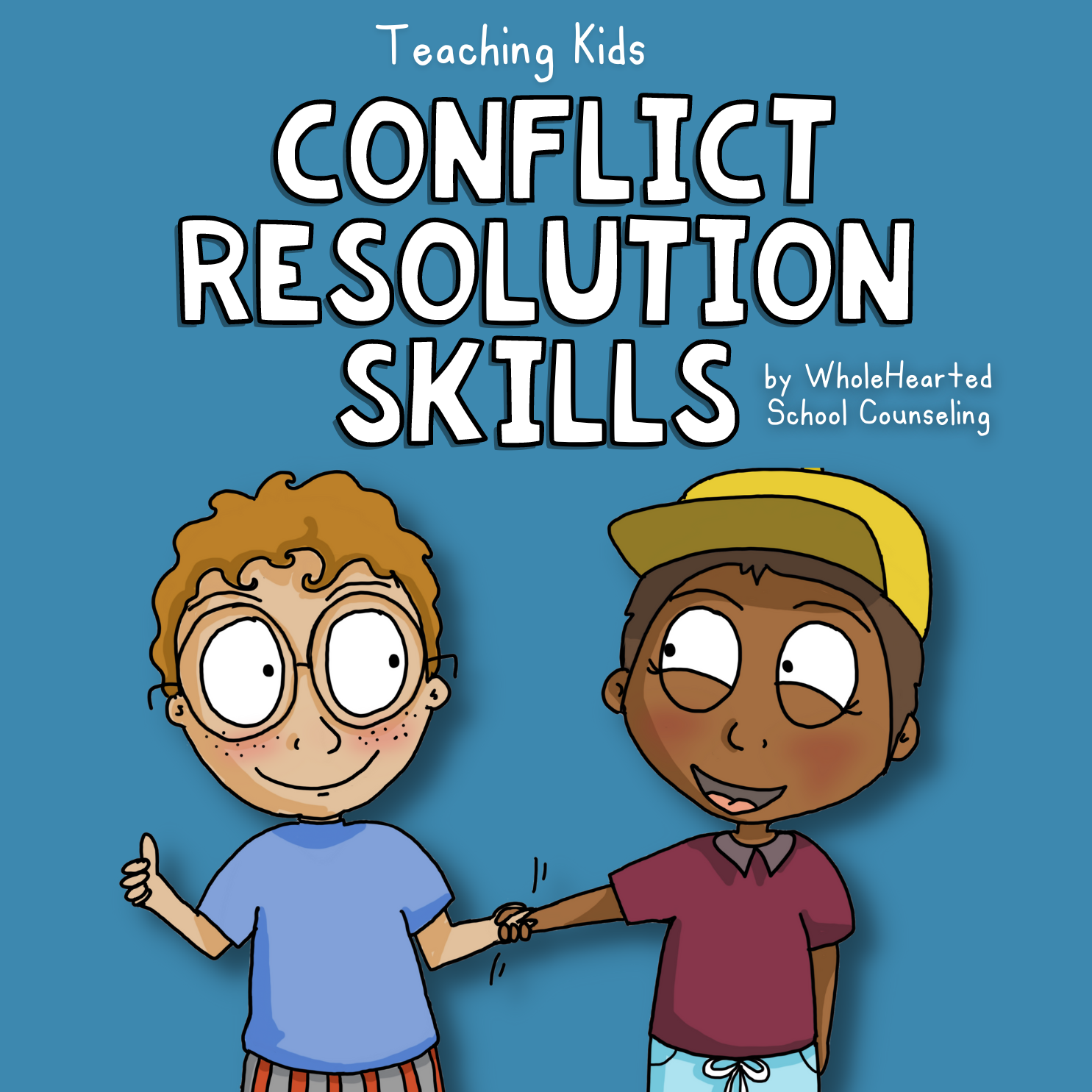
A disagreement between classmates can begin with a simple misunderstanding. One student feels disrespected, another responds angrily, and before long, an ordinary argument becomes a serious confrontation.
In some cases, the disagreement may lead to insults, damaged friendships, bullying or physical fights. What could have been resolved through a conversation may instead become a problem involving teachers, parents and school authorities.
Schools teach students how to solve mathematical problems, write essays and conduct scientific experiments. But are they doing enough to teach them how to solve disagreements with other people?
Should conflict resolution become an essential part of education so students can learn to handle disagreements without fighting?
What Is Conflict Resolution?
Conflict resolution is the process of addressing disagreements and finding ways to manage or settle them constructively.
Conflicts can arise when people have different opinions, misunderstand each other’s intentions, compete for resources or feel that they have been treated unfairly.
For students, disagreements may involve friendships, group assignments, sports, classroom activities, social media exchanges or misunderstandings between classmates.
Learning to resolve conflicts does not mean avoiding every disagreement or pretending that everyone must always agree. It means learning how to express concerns, listen to others and seek solutions without causing unnecessary harm.
Why Students Need Conflict Resolution Skills
It can help reduce unnecessary fights
Some disagreements escalate because students react before understanding what happened.
A student who feels insulted may respond with threats or physical aggression instead of asking for an explanation.
Conflict resolution lessons can teach learners to pause, manage their emotions, communicate their concerns and consider peaceful ways to address the problem.
Students should also understand that walking away from a heated argument can be a responsible decision rather than a sign of weakness.
It improves communication
Poor communication can turn small misunderstandings into larger disputes.
For example, a student may interpret a classmate’s silence as disrespect when the other person is simply distracted or upset about something unrelated.
Learning to ask questions, explain feelings clearly and listen without interrupting can help students understand situations more accurately.
These communication skills are useful in friendships, family relationships, school activities and future workplaces.
It helps students manage anger
Anger is a normal human emotion, but the way people respond to it can affect themselves and others.
Students should learn to recognise when they are becoming upset and use safe strategies to calm down before responding.
These may include taking a break, breathing slowly, seeking help from a trusted adult or returning to the discussion when everyone is calmer.
The goal is not to tell students that they must never feel angry. It is to help them understand that they can experience anger without threatening or hurting another person.
It can strengthen friendships
Friendships are not free from disagreements. Friends may misunderstand one another, compete for attention or disagree about decisions.
Without effective communication, these disagreements can lead to resentment or the end of a friendship.
Conflict resolution skills can help students explain what upset them, listen to the other person’s perspective and decide whether an apology or another solution is appropriate.
They also need to understand that not every relationship must continue. Sometimes, setting boundaries or ending an unhealthy friendship is the safest choice.
It prepares students for adult life
Disagreements occur in homes, communities, businesses and workplaces.
People may have different expectations, beliefs, responsibilities and approaches to solving problems.
Students who learn how to discuss disagreements respectfully may be better prepared to handle challenges in their future relationships and careers.
The ability to negotiate, listen and find practical solutions is valuable far beyond the classroom.
What Should Schools Teach?
Conflict resolution can be introduced through guidance and counselling, social studies, civic education and practical life-skills programmes.
Students should learn how to:
Identify common causes of disagreements.
Listen carefully before concluding.
Express concerns without insulting or threatening others.
Recognise emotions and manage anger safely.
Distinguish between a misunderstanding and repeated harmful behaviour.
Apologise sincerely when you have caused harm.
Negotiate fair solutions when both parties can participate safely.
Set personal boundaries and respect the boundaries of others.
Seek help from teachers, counsellors or trusted adults when necessary.
Recognise when a conflict involves bullying, abuse, threats or violence and requires adult intervention.
An important lesson is that resolving conflict does not always mean reaching a compromise. Where someone is being threatened, abused or bullied, the priority must be safety and appropriate intervention.
Teachers can use fictional classroom scenarios to help students practise responding to disagreements.
For example, two students may both want to lead a group assignment. Instead of arguing over who should be in charge, the class could explore ways to divide responsibilities fairly or agree on a decision-making process.
Another activity could involve a misunderstanding during a sporting event. Students could discuss how the people involved might explain their concerns and reach a solution without insults or fighting.
Teachers could also use role-play exercises in which learners practise listening, asking clarifying questions, making respectful requests and recognising when a disagreement needs adult support.
The exercises should encourage students to reflect on different perspectives without forcing anyone to disclose personal experiences or participate in a situation that makes them feel unsafe.
In Ghana, schools bring together students with different personalities, family backgrounds, opinions and experiences.
As learners interact in classrooms, dormitories, sports activities and social settings, disagreements can occur. The important issue is how these disagreements are handled.
Schools can establish clear procedures for reporting bullying, threats and physical aggression while teaching students how to manage ordinary disagreements peacefully.
Teachers, housemasters, housemistresses, counsellors and school administrators can reinforce these lessons by responding consistently and fairly when problems arise.
Parents also have a role to play. Children often learn how to handle disagreements by observing how adults communicate during family disputes.
When schools and families model respectful communication and appropriate boundaries, students receive more consistent messages about managing conflict.
One challenge is the belief that students should naturally know how to handle disagreements as they grow older. However, these skills often require explanation, practice and guidance.
Another challenge is that students may understand the lessons in theory but struggle to apply them when emotions are intense. Regular practice and consistent support are therefore important.
Teachers may also face difficulties when disagreements involve bullying, discrimination, repeated harassment or unequal power between students. Such situations should not be treated as ordinary arguments that both parties must resolve on their own.
Schools need clear reporting procedures, appropriate disciplinary measures and access to counselling or other support where possible.
Conflict resolution education should complement school rules and safeguarding measures, not replace them.
Should Conflict Resolution Be Compulsory?
There is a strong case for including conflict resolution in school education because disagreements are a normal part of human interaction.
Students do not need to agree on everything. They need to understand how to disagree without automatically turning differences into personal attacks or physical confrontations.
Schools could introduce age-appropriate lessons and assess students through practical activities, discussions and realistic scenarios.
Success should not be measured by whether students never argue. Instead, schools should help learners develop better ways to communicate, recognise harmful behaviour and seek help when a situation becomes unsafe.
Education prepares students to understand the world, but it should also help them understand how to live and work with other people.
Conflict resolution can teach young people to communicate clearly, manage anger, respect boundaries and approach disagreements more thoughtfully.
These skills cannot eliminate every school dispute, but they can give students more constructive ways to respond when problems arise.
If schools are expected to prepare students for life beyond the classroom, should learning how to resolve disagreements peacefully be as important as learning academic subjects?

For many Ghanaians who attended school decades ago, the memories of education extend beyond classrooms, textbooks and examinations. They include the sound of a cane, students standing outside classrooms for arriving late, pupils kneeling for breaking school rules and teachers demanding strict obedience.
In many schools, discipline was considered an essential part of education. Students were expected to respect teachers, complete their assignments, arrive on time and obey instructions. Failure to meet these expectations could attract punishment, sometimes in front of the entire class.
Parents often supported strict discipline, believing that teachers had an important responsibility to correct children and prepare them for adulthood. Some families even encouraged teachers to punish their children when they misbehaved.
Today, however, the approach to school discipline in Ghana has changed significantly. Education authorities have moved away from corporal punishment towards methods intended to correct behaviour while protecting students from physical harm and degrading treatment.
The transition has raised important questions about the role of teachers, parental responsibility, children’s rights and the effectiveness of modern disciplinary methods.
While some people believe schools have become too lenient, others argue that discipline should never depend on physical punishment.
The central question is whether Ghanaian schools can maintain order and respect for authority without relying on the methods that defined discipline for generations.
How Teachers Disciplined Students in the Past
In earlier generations, discipline in many Ghanaian schools was built around obedience, respect for authority and the immediate correction of misconduct.
Teachers were often regarded as figures whose instructions were not to be challenged. Students were expected to stand when a teacher entered the classroom, remain quiet during lessons, complete assignments, and follow school regulations.
Physical punishment was among the methods used to enforce these expectations.
Caning was commonly associated with offences such as lateness, truancy, fighting, incomplete homework, poor academic performance and disrespect towards teachers.
Other forms of punishment included standing outside the classroom, kneeling, performing physical exercises, cleaning school compounds and undertaking additional tasks.
The severity of punishment varied between schools and teachers. While some used relatively mild corrective measures, others imposed punishments that could cause physical pain, embarrassment or emotional distress.
In some classrooms, punishment was administered publicly. A student who failed to answer a question or broke a rule could be disciplined in front of classmates, creating an example for others.
Supporters of these methods often remember them as part of a system that demanded seriousness and responsibility.
Some former students say the fear of punishment encouraged punctuality, improved their attention during lessons and taught them to respect authority.
However, these experiences do not mean that physical punishment was harmless or that fear was the only reason students behaved appropriately. Many children followed rules because they understood their importance, respected their teachers or wanted to succeed academically.
It is also important to recognise that students who experienced excessive punishment may remember school very differently from those who did not.
Why Strict Discipline Became Associated With Good Education
For many years, strict discipline was closely associated with the image of a good school.
Schools were expected to produce students who were academically successful, respectful and well-behaved. Teachers were judged not only by their ability to teach but also by their capacity to maintain order in the classroom.
A quiet classroom was often seen as evidence that the teacher had control over the students.
This expectation placed considerable responsibility on teachers, particularly those handling large classes with limited teaching materials and support services.
In such circumstances, immediate punishment could appear to be the quickest way to stop disruption and restore order.
Parents also played a role in reinforcing this culture. Some believed that children who were not corrected firmly at school could become difficult to control at home.
For these parents, allowing teachers to discipline their children was an extension of the responsibility they had already accepted as guardians.
However, the assumption that strict punishment automatically produces good behaviour has increasingly been questioned.
A student may obey a rule to avoid being punished without understanding why the rule exists. Another may develop self-discipline because they understand how their actions affect classmates, teachers and the wider school community.
The difference matters because education is expected to prepare students to make responsible decisions even when there is no teacher watching them.
The Shift Away From Corporal Punishment
The debate over physical punishment in Ghanaian schools has become increasingly connected to child protection, students’ dignity and the responsibility of educational institutions to provide safe learning environments.
In March 2017, Ghana’s Ministry of Education publicly reaffirmed the prohibition of corporal punishment in schools and warned that staff who violated the directive could face disciplinary action.
The Ghana Education Service subsequently promoted positive discipline as an alternative approach to managing student behaviour.
The change reflected a broader understanding that teachers could maintain order through clear rules, appropriate consequences, counselling, communication and other non-violent methods.
Under this approach, discipline is not simply about punishing a child for breaking a rule. It should also help the student understand what went wrong, recognise the consequences of their actions and learn how to behave differently in the future.
For example, a student who repeatedly arrives late could be required to explain the reasons for the lateness, work with a teacher on a punctuality plan and face an appropriate sanction if the behaviour continues.
A student who damages school property could be required to participate in a suitable restorative process, where appropriate, rather than being subjected to physical punishment.
The objective is to correct misconduct while protecting the student’s dignity and maintaining the school’s authority.
However, changing a policy does not automatically change the attitudes and practices of everyone working within the education system.
Teachers, parents and students may have different ideas about what constitutes effective discipline. Some educators may also require more training and support to implement alternative approaches consistently.
What Is Positive Discipline?
Positive discipline is sometimes misunderstood as a system in which students are allowed to misbehave without consequences.
In reality, effective positive discipline combines firm expectations, clear boundaries, accountability and respect for students.
It does not mean that schools should tolerate bullying, violence, persistent disruption or deliberate refusal to follow reasonable rules.
Instead, it seeks to ensure that the consequences of misconduct are proportionate, consistent and designed to improve behaviour.
Schools can use verbal warnings, meetings with students, parental engagement, counselling, loss of relevant privileges and formal disciplinary procedures, depending on the nature and seriousness of the offence.
Where a student repeatedly disrupts lessons, the school may establish a behaviour plan and monitor progress.
Where a student assaults another learner, threatens a teacher or engages in serious misconduct, stronger formal measures may be necessary under the applicable school rules and procedures.
Positive discipline also encourages teachers to consider whether there are underlying problems contributing to a student’s behaviour.
A child who frequently misses lessons may be dealing with difficulties at home, bullying, learning challenges or other circumstances that affect their ability to participate in school.
Understanding those circumstances does not mean excusing wrongdoing. It helps the school determine the most appropriate response.
The goal is to make discipline educational rather than merely punitive.
Despite the shift towards non-violent discipline, some parents remain concerned about student behaviour in schools.
They point to incidents involving disrespect towards teachers, bullying, fighting, truancy and the deliberate violation of school rules.
Some argue that students who once feared punishment now believe that little will happen when they disobey instructions.
For these parents, the problem is not necessarily the prohibition of caning itself. It is the perception that alternative methods are not always being enforced effectively.
When students repeatedly break rules without facing meaningful consequences, disciplinary policies can lose credibility.
Parents who hold this view often argue that teachers need stronger support from school management and education authorities.
They believe schools should be able to suspend privileges, involve parents, impose appropriate sanctions and take formal action against serious misconduct without being accused of being too strict.
Others, however, warn against assuming that the return of physical punishment would solve the problem.
They argue that a school can be firm without being violent and that students should be held accountable through procedures that protect both their rights and the authority of teachers.
The distinction is important: removing corporal punishment should not mean removing consequences for misconduct.
The Challenges Teachers Face Today
Teachers have a responsibility to deliver lessons, assess students, maintain classroom order and protect learners from bullying and other forms of misconduct.
These responsibilities can become difficult when students repeatedly disrupt lessons or refuse to follow instructions.
Large class sizes can make classroom management particularly challenging. A teacher responsible for many students may have limited time to address individual behavioural problems while ensuring that the rest of the class continues learning.
Inadequate counselling services and limited access to specialist support can also make it difficult to address persistent misconduct.
Some teachers may lack sufficient practical training in de-escalation, conflict resolution and non-violent behaviour management.
There can also be disagreements between teachers and parents about the appropriate response to a student’s actions.
When a school reports misconduct but receives little cooperation from a student’s family, correcting the behaviour may become more difficult.
These challenges show why effective discipline requires more than instructing teachers not to use physical punishment.
Schools need clear procedures, supportive leadership, accessible counselling services and cooperation between teachers, parents and education authorities.
Teachers must also understand which sanctions they are authorised to impose and how to respond when misconduct becomes serious.
Has Student Indiscipline Increased?
Concerns about student misconduct have continued to feature in Ghana’s education debate.
Reports of fighting, bullying, examination misconduct, disrespect towards teachers and violations of school regulations have prompted calls for stronger disciplinary measures in some institutions.
In June 2026, the Ghana Education Service announced a committee to review its student Code of Conduct amid concerns about indiscipline in some senior high schools. The announcement followed reports of serious tensions involving students and teachers at Bawku Senior High School during the West African Senior School Certificate Examination period.
In July 2026, Education Minister Haruna Iddrisu also indicated that the government intended to review the disciplinary framework in senior high schools.
These developments demonstrate that school discipline remains a concern for education authorities.
However, individual incidents and public complaints cannot establish that indiscipline has increased across all Ghanaian schools.
To determine whether student misconduct is becoming more common, authorities would need reliable, comparable data over time. Such information could include reported cases of violence, bullying, truancy, examination offences and assaults involving students and staff.
It would also be necessary to distinguish between different categories of misconduct.
A student talking during a lesson presents a different problem from a student assaulting a teacher. Similarly, occasional lateness should not automatically be treated in the same way as persistent truancy or serious violence.
Schools need disciplinary systems that recognise these differences and respond appropriately.
The key issue is not simply whether students are more or less disciplined than previous generations. It is whether schools have effective methods for addressing the problems they face today.
The Role of Parents in Maintaining Discipline
School discipline cannot be the responsibility of teachers alone.
Parents and guardians play a major role in teaching children respect, honesty, punctuality, responsibility and consideration for others.
When a school reports misconduct, parents should be willing to listen to the teacher, establish the facts and work with the school to prevent a recurrence.
Problems arise when parents automatically dismiss complaints against their children or confront teachers without first understanding what happened.
Such responses can make it difficult for schools to correct behaviour and may encourage students to believe that their actions will not have consequences.
However, cooperation should not mean that parents must accept every disciplinary decision without question.
Teachers can make mistakes, and disciplinary procedures must be fair. Parents should be able to seek clarification, challenge inappropriate treatment and report alleged abuse through the proper channels.
A balanced approach requires schools to communicate clearly and parents to respond constructively.
Children should learn that their rights deserve protection, but that they also have responsibilities towards their classmates, teachers and school community.
Discipline Without Fear: Is It Possible?
One of the biggest questions in the debate is whether students can learn to behave appropriately without fearing physical punishment.
A student may obey a teacher because they are afraid of being caned. Another may follow the rules because they understand that disrupting a lesson prevents classmates from learning.
Both students may appear obedient in the classroom, but their motivations are different.
Discipline based primarily on fear can discourage children from asking questions, admitting mistakes or reporting problems. Excessive or humiliating punishment can also damage trust between teachers and students.
Physical punishment may cause injury and emotional distress, while repeated exposure to violence can communicate the wrong lesson about how disagreements should be handled.
However, a classroom without clear boundaries can also undermine learning.
Students need to understand that teachers have legitimate authority, that school rules must be followed and that serious misconduct attracts consequences.
The challenge is to establish authority without humiliation and accountability without violence.
A disciplined school should not be one where students are afraid to speak. It should be one where students understand when to speak, how to respect others and why their actions matter.
The discussion becomes especially difficult when a student engages in serious misconduct against a teacher.
Teachers are entitled to a safe working environment. They should not be expected to tolerate assault, threats or intimidation as an unavoidable part of their profession.
Where a student attacks a teacher, the school should document the incident, protect those affected, investigate the circumstances and apply the relevant disciplinary procedures.
Serious cases may require referral to the police or other appropriate authorities, depending on the nature of the incident and the applicable law.
The same principles apply when students assault or threaten one another.
A prohibition on corporal punishment does not prevent schools from responding firmly to violence. It requires them to respond through authorised procedures rather than physical retaliation.
Allowing teachers to use violence in response to student violence could escalate the situation instead of resolving it.
Schools must therefore protect teachers’ authority while ensuring that disciplinary action remains professional, proportionate and consistent with applicable rules.
What Ghanaian Schools Can Do to Improve Discipline
Improving discipline requires a coordinated approach involving schools, parents, teachers, students and education authorities.
Train teachers in classroom management.
Professional development should equip teachers with practical skills in conflict resolution, de-escalation, positive discipline and the management of persistent misconduct.
Establish clear rules and consequences.
Students and parents should understand the school’s expectations, the offences that attract sanctions and the procedures for handling disciplinary cases.
Enforce rules consistently.
School management should ensure that disciplinary procedures are followed fairly and that repeated or serious misconduct is not ignored.
Strengthen guidance and counselling.
Students experiencing behavioural difficulties may need support to address bullying, family challenges, emotional problems or learning difficulties. Counselling should complement appropriate disciplinary consequences where necessary.
Improve cooperation with parents.
Schools should communicate promptly about serious incidents and work with parents to develop practical plans for improving behaviour.
Protect both teachers and learners.
Schools need clear procedures for reporting abuse, threats, bullying and violence. Staff and students should know how complaints are handled and where to seek assistance.
Involve students in promoting responsible behaviour.
Student leadership, peer education and discussions about school rules can help learners understand their responsibilities and the importance of maintaining a safe learning environment.
Monitor the implementation of disciplinary policies.
Education authorities should assess whether schools are applying the rules correctly, whether teachers have adequate support and whether students are safe. Findings should inform future training and policy changes.
Ghana’s movement away from corporal punishment reflects a wider debate about children’s rights and the purpose of education.
The Children’s Act, 1998 (Act 560), provides important protections for children, while the Ministry of Education and GES have issued directives against corporal punishment in schools and promoted alternative methods of discipline.
These policy measures mean that teachers should not assume that methods used by previous generations remain acceptable simply because they were once common.
Schools must follow the applicable directives and disciplinary procedures, while ensuring that students are held accountable for misconduct.
The GES Code of Conduct for students in pre-tertiary education provides a framework for student behaviour and school discipline. The review announced in 2026 also highlights the need to assess whether existing rules are clear, effective and consistently implemented.
Any changes to the framework should be communicated to teachers, students, parents and school administrators so that everyone understands the rules and their responsibilities.
The aim should be a system that is firm enough to protect teaching and learning, fair enough to earn students’ respect and safe enough to protect children from abuse.
The Bigger Question: What Should Discipline Teach?
The debate over school punishment in Ghana is ultimately about what society expects education to achieve.
Schools are expected to prepare students academically, but they also help shape their attitudes, values and relationships with other people.
Traditional methods placed strong emphasis on obedience and punishment. Modern approaches place greater emphasis on accountability, understanding behaviour and protecting students’ dignity.
The debate should not be reduced to the belief that everything was better in the past or that every modern approach automatically works.
A school without clear rules and consistent consequences can struggle to maintain order. A school that relies on fear and physical punishment can also fail to teach students how to make responsible decisions.
Ghana needs a disciplinary system that allows teachers to teach without intimidation, enables students to learn without fear of abuse and ensures that misconduct attracts meaningful consequences.
The measure of effective discipline should not be how quickly a classroom becomes silent when a teacher enters.
It should also be whether students learn to respect others, take responsibility for their actions, resolve disagreements peacefully and make responsible choices even when no teacher is watching.
The real challenge is not simply deciding whether Ghanaian schools should be strict or lenient. It is finding a way to make discipline firm, fair, consistent and effective without returning to practices that place children’s safety and dignity at risk.


Eugene Appiah is an ambitious Ghanaian-American footballer determined to take his career to the next level, with one major dream driving his journey: representing the Ghana national team on the international stage.
The 18-year-old currently competes in NJCAA Division I soccer in the United States, where he continues to develop his skills and build his reputation as a versatile defender and defensive midfielder. Known for his pace, physical strength, work rate, creativity, goal-scoring ability, and defensive awareness, Appiah brings a well-rounded skill set to the pitch.
His talent and consistency were evident during his high school career, where he earned prestigious honors, including GHSA 6A All-Region First Team Defensive and GHSA 6A All-Region Defender of the Year. He also participated in the Nike TOMA program, emerging as an Atlanta Champion and helping his team reach the semifinals of the national finals. His impressive performances at the Nike TOMA National Finals also earned him a Nike deal, marking another important milestone in his football journey.
Born in the United States, Appiah remains deeply connected to his Ghanaian heritage. As he continues to grow and gain valuable experience in American college soccer, he is focused on improving his game, embracing new opportunities, and working toward his ultimate ambition of representing Ghana at the highest level.
For Appiah, the dream goes beyond personal achievement. One day wearing the Ghana national team jersey, making his family proud, and representing his heritage on the international stage remains the ultimate goal. With determination, hard work, and a clear vision for his future, the young footballer is committed to doing everything possible to turn that dream into reality.
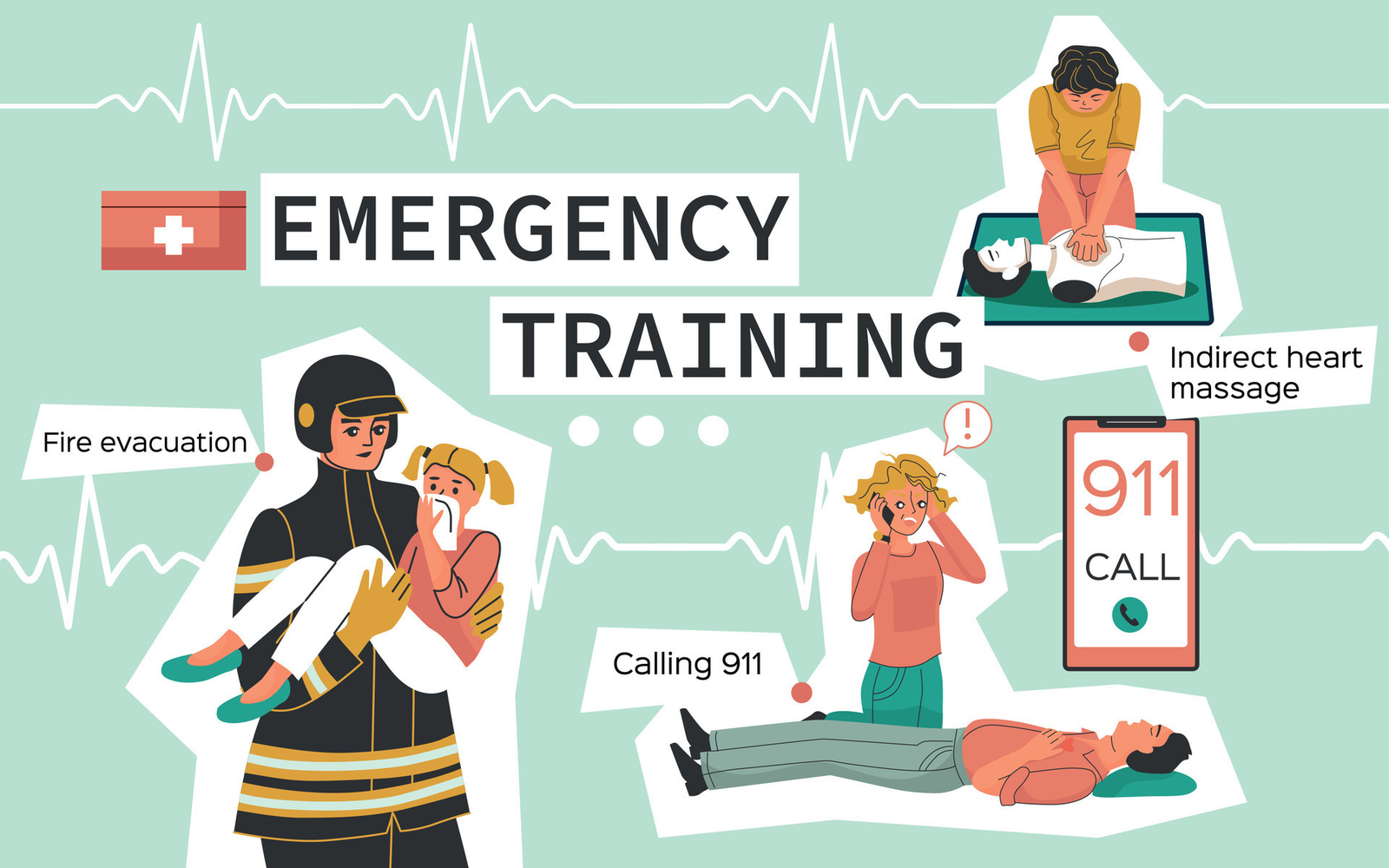
Emergency Training in schools is an important aspect of education that deserves more attention. Schools teach students mathematics, science, languages and other academic subjects, but how many students know what to do when an emergency occurs?
Imagine a student witnessing a classmate suddenly collapse, a fire breaking out in a nearby building or a serious accident occurring on the way to school. Would the student know how to respond, who to contact or what actions to avoid?
Emergencies can happen at school, at home, on the road or in public places. Although adults and trained professionals may take responsibility for handling serious situations, students can also benefit from knowing how to respond safely.
This raises an important question: Should schools teach emergency preparedness as part of their regular education programmes?
Why Emergency Training Matters
An emergency can occur without warning. In such situations, people may panic, make unsafe decisions or lose valuable time because they do not know what to do.
Teaching students basic emergency preparedness can help them recognise danger, seek assistance and follow safety instructions.
The goal is not to turn students into emergency responders. Instead, it is to equip them with the knowledge to protect themselves, alert responsible adults and avoid making a dangerous situation worse.
Should Every Student Learn Basic First Aid?
First aid is the immediate assistance provided to someone who is injured or suddenly becomes ill before professional medical care is available.
Students may witness situations such as minor injuries, fainting, burns or other medical emergencies.
Age-appropriate first-aid education can teach them how to seek help, keep themselves safe and provide simple assistance within their training.
Older students could receive practical instruction from qualified first-aid trainers. Any hands-on training should be supervised, and students should understand the limits of what they can safely do.
For example, a student who sees someone collapse should alert a teacher or another responsible adult and contact emergency services when appropriate. They should not attempt a procedure they have not been trained to perform.
What Should Students Do During a Fire?
Fire safety is another important area of emergency education.
Students should know how to recognise a fire alarm, follow evacuation instructions, use designated escape routes and move to a safe assembly point.
They should also understand why they must not return to a burning building to collect books, phones or other belongings.
Schools can organise supervised fire drills to help students practise evacuation procedures before a real emergency occurs.
These exercises should be explained properly so that students understand their purpose rather than treating them as ordinary school activities.
Teaching Students How to Respond to Accidents
Accidents can occur in classrooms, laboratories, workshops, playgrounds and during school activities.
Students should understand the importance of reporting injuries immediately and avoiding actions that could put themselves or others at risk.
For example, if an accident occurs in a science laboratory, students should alert the teacher and follow the laboratory’s safety procedures rather than attempting to handle an unknown chemical.
In road accidents, students should avoid entering dangerous traffic or approaching hazardous scenes. They should seek help from responsible adults and emergency services.
Should Students Learn How to Contact Emergency Services?
Knowing whom to contact during an emergency can make a difference.
Students should be taught how to explain what has happened, describe their location as accurately as possible and provide relevant information without exaggeration.
They should also understand that emergency numbers are for genuine emergencies and must not be used as a joke.
In Ghana, students can learn about the appropriate use of emergency services, including the national emergency number, 112. Schools should ensure that safety information remains current and that students know how to access help in their communities.
What About Emergencies at Home?
Emergency education should not end when students leave school.
At home, children may encounter situations involving electrical hazards, gas leaks, kitchen fires, injuries or other dangers.
They should learn when to move away from danger, when to alert an adult and when to seek professional assistance.
Younger children need simple instructions suited to their age, while older students can learn more detailed safety procedures.
The emphasis should be on recognising danger and getting appropriate help rather than expecting children to manage serious emergencies independently.
Should Schools Teach Water Safety?
Water safety is particularly important for students who live near rivers, lakes, beaches or other bodies of water.
Students should understand that entering dangerous water to rescue someone can put both people at risk.
They can be taught to raise the alarm, call for help and follow appropriate safety guidance rather than attempting an untrained rescue.
Schools may also work with qualified instructors to provide age-appropriate water-safety education where facilities and resources permit.
Emergency Preparedness and Mental Readiness
Emergencies can be frightening, and panic may affect people’s ability to make decisions.
Students can benefit from learning simple ways to respond calmly, listen to instructions and focus on reaching safety.
However, schools should not suggest that everyone will react perfectly during a crisis. Fear is a normal response to danger.
The aim is to provide students with enough preparation to recognise basic procedures and make safer decisions under pressure.
Should Emergency Training Be Compulsory?
One argument for compulsory emergency education is that every student deserves access to basic safety knowledge, regardless of their background or the school they attend.
If the training is optional, some students may miss information that could be useful in an emergency.
However, schools must consider available resources, instructor qualifications, teaching time and students’ ages.
A practical approach could involve compulsory basic safety lessons for all students, with more advanced training offered according to age, school facilities and professional guidance.
The Role of Teachers and School Authorities
Schools have a responsibility to establish clear safety procedures and ensure students know how to follow them.
Teachers and school authorities can:
Organise age-appropriate safety lessons.
Conduct supervised evacuation drills.
Explain emergency exits and assembly points.
Ensure first-aid supplies are appropriately maintained.
Identify staff responsible for emergency coordination.
Teach students how to report hazards.
Review procedures after drills or incidents.
Emergency preparedness should be part of a school’s broader safety plan, not simply a lesson delivered once and forgotten.
The Role of Parents and Guardians
Parents and guardians can reinforce safety lessons at home.
They can help children memorise important contact details, identify trusted adults and understand what to do if they become separated from their family.
Families can also discuss household hazards and agree on safe meeting points where appropriate.
When schools and families teach consistent safety practices, students may find it easier to remember what to do.
Some emergency-preparedness lessons require specialised equipment or qualified trainers, particularly for practical first aid and fire-safety instruction.
However, many foundational lessons can be taught through classroom discussions, demonstrations, safety posters, supervised drills and scenario-based exercises.
Schools could also invite firefighters, healthcare professionals, first-aid trainers and other qualified personnel to support their programmes.
Where resources are limited, schools can begin with basic emergency procedures and gradually expand their training.
How Often Should Students Practise?
A single lesson may not be enough for students to remember procedures when they need them.
Schools should revisit emergency instructions periodically and conduct appropriate drills according to safety guidance.
Teachers can also use short scenarios to help students practise identifying hazards, deciding whom to alert and choosing safe actions.
Exercises should be carefully planned so they do not expose students to unnecessary risks or cause avoidable distress.
In Ghana, students attend schools with different facilities, resources and surrounding environments.
Some schools may be close to busy roads, markets, workshops, rivers or other locations where particular safety risks need attention.
Schools should assess their own circumstances and teach students about relevant hazards without creating unnecessary fear.
Basic emergency education could help students understand school evacuation procedures, road safety, medical emergencies and the importance of seeking assistance from appropriate authorities.
The programme should also account for students with disabilities or other needs that may affect how they receive warnings or evacuate safely.
What Challenges Could Schools Face?
Introducing emergency-preparedness education may present several challenges.
Limited resources: Some schools may lack equipment or access to qualified trainers.
Teaching time: Schools must fit safety lessons into an already busy curriculum.
Training quality: Incorrect demonstrations or outdated advice could put students at risk.
Age differences: A procedure suitable for an older student may not be appropriate for a younger child.
Fear and anxiety: Poorly managed drills may frighten students instead of preparing them.
These challenges can be addressed through proper planning, qualified instruction, age-appropriate teaching and coordination with relevant safety professionals.
Emergency Training Is a Life Skill
Academic knowledge is important, but students also need practical skills that help them navigate everyday life.
Knowing how to recognise danger, follow instructions, report an emergency and seek appropriate assistance can be valuable long after a student leaves school.
Emergency education should not create the expectation that children must solve dangerous situations themselves. Rather, it should help them understand when to act, when to move away and when to call for help.
Conclusion
Emergency preparedness in schools should be considered an important part of student safety and practical education.
Students may never encounter some emergencies discussed in class, but knowing the correct procedures can help them respond more safely if a situation occurs.
Schools can teach basic first aid, fire evacuation, hazard awareness and emergency communication through age-appropriate lessons and supervised exercises.
The important question is whether emergency preparedness should remain an occasional school activity or become a regular part of what every student learns.

Information literacy for students is becoming increasingly important in a world where information is available through social media, websites, television, radio, messaging platforms and artificial intelligence tools.
Students can search for almost any topic and receive answers within seconds. They can watch educational videos, read online articles, use digital libraries and ask AI tools to explain difficult subjects.
However, not everything they read or watch is accurate.
A photograph may be presented with a false caption. A social media post may contain misleading information. A website may publish an unverified claim, while an AI-generated answer may sound convincing despite containing errors.
This creates an important question: Are students being taught how to determine whether the information they receive is reliable?
Schools traditionally teach students how to read, write, calculate and conduct research. But in today’s digital environment, students also need to understand how to assess information, verify claims and recognise the difference between facts, opinions and falsehoods.
What Is Information Literacy?
Information literacy is the ability to find, evaluate, understand and use information responsibly.
It goes beyond knowing how to search the internet. A student may know how to use Google, TikTok, YouTube or an AI chatbot but still struggle to determine whether the information provided is trustworthy.
An information-literate student knows to ask questions such as:
Who published this information?
Where did the information come from?
What evidence supports the claim?
When was it published?
Can the claim be confirmed by other reliable sources?
Is the content presenting facts or someone’s opinion?
Could the information be misleading or incomplete?
These questions can help students become more careful readers, researchers and digital citizens.
Why Is Information Literacy Important for Students?
Students regularly encounter information that influences what they learn, believe and share with others.
When they cannot assess the quality of that information, they may repeat false claims, misunderstand important issues or use unreliable material in their assignments.
For example, a student researching climate change, history, health, politics or science may find websites offering conflicting explanations.
Without the ability to assess sources, the student may assume that the first result displayed by a search engine is necessarily correct.
Information literacy teaches students that the popularity or visibility of a claim does not automatically make it true.
Learning to Identify Misinformation
Misinformation is false or inaccurate information shared regardless of whether the person spreading it intends to deceive others.
It can spread through edited photographs, misleading headlines, inaccurate statistics, fabricated stories and messages forwarded through group chats.
Students may encounter misinformation while following entertainment news, discussing current affairs, researching schoolwork or participating in online communities.
Schools can teach students to pause before accepting or sharing a claim.
They can learn to check the source, search for independent confirmation and examine whether the headline accurately represents the information in the report.
The objective is not to make students distrust everything they encounter. It is to help them develop the habit of checking important claims before accepting them as facts.
Facts, Opinions and Assumptions
Another important lesson is understanding the difference between a fact, an opinion and an assumption.
A fact is a claim that can be checked against evidence. An opinion expresses a person’s judgement, preference or belief. An assumption is something accepted as true without sufficient evidence.
For example, the statement that a school opened in a particular year can potentially be verified through school records or reliable historical documents.
The statement that the school is the best in a country is an opinion unless the meaning of “best” is clearly defined and supported by appropriate evidence.
Students who understand these distinctions can write stronger essays, participate in discussions more thoughtfully and avoid presenting personal opinions as facts.
How to Check Whether a Website Is Reliable
Not every website provides information with the same level of accuracy or accountability.
Students should learn to examine the organisation or person responsible for publishing content.
They can consider whether the website identifies its authors, provides evidence, links to original research and corrects errors when they are discovered.
Students should also examine the purpose of the publication. Is it trying to educate, sell a product, entertain, persuade or attract attention?
A website that sells a product, for example, may have a commercial interest in the claims it makes about that product.
However, a professional-looking website is not automatically trustworthy, and a small or unfamiliar website is not automatically unreliable. The evidence and quality of the information still matter.
The Importance of Checking Dates
Information can become outdated.
A student researching university admission requirements, scholarship opportunities, examination regulations or scientific discoveries may find an article that was accurate several years ago but no longer reflects current conditions.
Schools can teach students to check publication dates and look for updated information, particularly when researching issues that change frequently.
Students should also understand that an old article may remain useful for historical research even if it is not suitable for answering a question about current conditions.
Why One Source May Not Be Enough
Students sometimes accept a claim because they have seen it on one website or heard it from someone they trust.
However, important claims should often be checked against multiple credible sources.
For instance, a student investigating a public announcement could look for the original statement from the relevant institution and compare it with reporting from established news organisations.
They should be careful not to count several websites repeating the same unverified claim as independent confirmation.
The goal is to establish whether different sources provide meaningful evidence for the claim.
Teaching Students to Verify Photographs and Videos
Images and videos can be powerful, but they can also create misleading impressions.
A photograph may be genuine but taken in a different country or years before the event being discussed. A video may be edited to remove important context. An AI-generated image may depict an event that never happened.
Students should learn to ask where an image first appeared, when it was created and whether the caption accurately describes it.
They can look for the original upload, compare the image with reliable reports and examine whether credible sources have independently confirmed the event.
These skills are particularly useful when students encounter dramatic content that encourages immediate emotional reactions.
Information Literacy in the Age of Artificial Intelligence
Artificial intelligence tools can help students explain difficult concepts, generate ideas, summarise information and organise research.
However, AI systems can also produce inaccurate statements, invent references or present uncertain information with confidence.
Students should therefore learn that an AI-generated answer is not automatically a verified answer.
When using AI for schoolwork, they should check important claims against textbooks, academic sources, official documents and other reliable references.
They should also follow their school’s rules on AI use and acknowledge assistance where required.
The aim should be to help students use technology as a learning aid without surrendering their own judgement.
How Information Literacy Can Improve School Assignments
Research assignments require more than collecting paragraphs from different websites.
Students need to identify useful sources, understand the material, compare evidence and present information in their own words.
Information literacy can help students avoid plagiarism, unsupported claims and the use of irrelevant material.
For example, a student writing an assignment about environmental pollution should be able to distinguish between a scientific report, an opinion post and an advertisement.
They should also learn how to acknowledge sources so that readers can identify where the information came from.
These skills can prepare students for higher education, professional training and research-based careers.
The Connection Between Information Literacy and Critical Thinking
Critical thinking involves examining evidence, considering alternatives and reaching reasoned conclusions.
Information literacy supports this process by helping students determine whether the material they are using is accurate and relevant.
A student who reads two conflicting accounts of an event should not automatically accept the one that agrees with their existing beliefs.
Instead, they can examine the evidence supporting each account, identify missing information and consider whether further research is needed.
This approach encourages independent thinking rather than simply repeating what others say.
Should Information Literacy Be Taught as a Separate Subject?
One option is to introduce information literacy as a dedicated subject or structured programme.
Students could learn how to evaluate websites, verify claims, identify manipulated media, assess evidence and cite sources.
Another option is to integrate these skills into existing subjects.
English lessons could cover source evaluation and evidence-based writing. Science lessons could teach students to examine research claims. Social studies could explore historical evidence, public information and media reports.
Both approaches have potential benefits. The most important consideration is ensuring that students receive systematic instruction and opportunities to practise the skills.
The Role of Teachers
Teachers can demonstrate information literacy during ordinary lessons.
When presenting information, they can explain where it came from and why a particular source is reliable.
They can also give students exercises involving different sources and ask them to identify which claims are supported by evidence.
Rather than simply telling students to avoid unreliable websites, teachers can demonstrate how to assess reliability.
This practical approach helps students develop skills they can apply independently.
The Role of Parents and Guardians
Information literacy should not be limited to the classroom.
Parents and guardians can encourage children to ask questions about information they encounter online or hear in everyday conversations.
When a child shares a surprising claim, an adult can help them investigate its origin rather than immediately dismissing it.
Families can also discuss advertisements, rumours, online videos and forwarded messages.
These conversations can teach children that checking information is a normal habit rather than an activity reserved for examinations.
Practical Activities Schools Can Introduce
Schools do not necessarily need expensive equipment to teach information literacy.
They could organise activities such as:
Compare two reports: Students examine how different sources report the same event and identify differences in evidence and presentation.
Check a viral claim: Students investigate a claim and explain what evidence supports or contradicts it.
Identify fact and opinion: Students classify statements and explain their decisions.
Investigate an image: Students examine the source, date and context of a photograph.
Evaluate websites: Students compare sources using authorship, evidence, publication date and purpose.
Verify an AI answer: Students check selected statements from an AI-generated response against reliable references.
Present a research finding: Students explain what they discovered and show the sources they used.
These activities can turn information literacy from an abstract idea into a practical skill.
Challenges Schools May Face
Introducing information literacy may require teacher training, suitable learning materials and time within an already demanding curriculum.
Some schools may also have limited access to computers or reliable internet connections.
These challenges should be considered when designing programmes. Students can practise many of the underlying skills using printed articles, textbooks, newspapers and other offline resources.
The ability to question evidence and assess claims does not depend entirely on owning a smartphone or computer.
Information Literacy and Responsible Citizenship
The ability to assess information is useful beyond academic work.
People encounter claims about public health, elections, finances, safety, employment and community issues throughout their lives.
Students who learn to evaluate information can become more careful about the claims they accept and the content they share.
They may also become better equipped to participate in public discussions, recognise misleading advertising and make informed decisions.
Information literacy does not mean that students must agree with every official statement or established source. It means they should examine evidence carefully, question claims appropriately and remain willing to revise their views when stronger evidence emerges.
Conclusion
Information literacy is an essential skill in an environment where information can spread rapidly, whether it is accurate or not.
Schools already teach students how to find information, but finding it is only one part of the process. Students also need to evaluate sources, verify claims, recognise misleading content, and use evidence responsibly.
By incorporating these skills into classroom lessons and practical activities, schools can help students become more independent learners and responsible users of information.
The central question is whether information literacy should become a more deliberate part of education, ensuring that students are not only able to find answers but also understand how to judge whether those answers can be trusted.

Okyeame Kwame Hails Artistes Who Can Fill Stadiums

‘I May Not Be Wise, But I Am Very Intelligent’ – Ras Caleb Appiah-Levi

You Don’t Develop People, People Develop Themselves – Ras Caleb Appiah-Levi

IRAWMA 2025: Shatta Wale Wins 3 Major Awards Including Best Music Video

Samini Secures Promotional Deal with Audiomack for Upcoming Album “THE ORIGIN8A”

AirtelTigo losing GH₵20m monthly; total debts exceed $200million – Sam George


-

 Entertainment1 week ago
Shatta Wale Cake Tells Story of Growth, Identity and African Dancehall Influence
-

 General News4 days ago
GTA Staff Demand Answers on World Cup Visa Slots, Staff Dismissals and Unpaid Allowances
-

 General News7 days ago
FOKLEX MEDIA AWARDS COMMENDS PRINCE KWAW GYIMAH AND OWASS FM TEAM FOR PROFESSIONALISM DURING KWAME DZOKOTO INCIDENT
-

 Politics1 week ago
OB UASI HEADMASTER IN SEXUAL MISCONDUCT CONTROVERSY EYES NDC CONSTITUENCY CHAIRMANSHIP
-

 Entertainment1 week ago
Ghana Unveils December in GH 2026 Calendar With Over 150 Events Nationwide
-

 General News1 week ago
PROFOUND GRATITUDE FOR YOUR DECISIVE INTERVENTION IN FAST-TRACKING THE COMPLETION OF THE MUMFORD FISHING HARBOUR
-

 General News4 days ago
Nicki Minaj Throws Her Support Behind Trump Ahead of US Midterm Elections
-

 General News6 days ago
SAMMY GYAMFI’S “MINE WITHOUT LICENCE” REMARK SPARKS FRESH GALAMSEY DEBATE