
General News
UG Alumni Association Honours KGL Boss’ Father With Centre at Legon


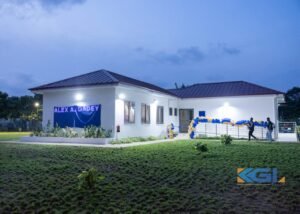
The University of Ghana Alumni Association (UGAA), in partnership with the University of Ghana, has commissioned the Alex A. Dadey Centre at the University of Ghana, Legon, in honour of Dr Alexander Apau Dadey Snr., a distinguished Ghanaian educationist and administrator whose career was dedicated to education, public service, mentorship and national development.
The centre was officially commissioned on Friday, October 23, 2026, in recognition of Dr Dadey Snr.’s contributions to Ghana’s education sector and his lasting influence on students, professionals and institutions.
The commissioning ceremony was attended by the Vice-Chancellor of the University of Ghana, Professor Nana Aba Appiah Amfo, members of the university’s management, leaders of the University of Ghana Alumni Association, Mr Alex Apau Dadey, son of the late educationist and Founder and Executive Chairman of KGL Group of Companies, as well as other dignitaries from academia and corporate Ghana.
Speaking at the ceremony, Professor Nana Aba Appiah Amfo highlighted Dr Dadey Snr.’s longstanding relationship with the University of Ghana, where he studied and later served as a member of the University Council from 1978 to 1985.
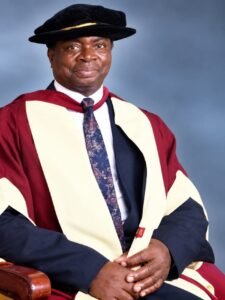
His seven-year service on the council cemented his place among its long-serving members, during which he contributed to the university’s governance and development.
Professor Amfo also recalled that Dr Dadey Snr. benefited from the mentorship of renowned academic Professor Alexander Kwapong during his time as a student at the university.
Beyond his association with the University of Ghana, Dr Dadey Snr. established himself as an influential figure in Ghana’s education sector, holding several leadership positions and helping shape educational administration and policy.
He served as National Chairman of the Ghana National Association of Teachers (GNAT) for five years and as President of the Conference of Heads of Assisted Secondary Schools (CHASS) for six years.
His career in school administration also included serving as headmaster of Achimota Senior High School and Okuapeman Senior High School, where he contributed to the management and development of the institutions.
Paying tribute to his father’s life and influence, Mr Alex Apau Dadey, Founder and Executive Chairman of KGL Group of Companies, described him as a man of exceptional discipline, integrity, credibility, humility and intellectual curiosity who remained committed to public service.
According to him, his father’s life was guided by the conviction that education was more than a pathway to personal success. Rather, it was a powerful instrument for transforming individuals, strengthening society and advancing national development in Ghana and across Africa.
Mr Dadey Jnr. said the values he learnt while growing up under his father’s guidance continued to shape his understanding of success, leadership and responsibility.
He explained that his father taught him that a person’s achievements should not be measured solely by the wealth accumulated but also by the lives positively influenced, the opportunities created for others and the institutions strengthened for the benefit of the country.
Dr Dadey Snr. also instilled in his children and mentees the importance of protecting one’s reputation, teaching them that a good name was worth more than material possessions.
His philosophy, according to his son, was that the greatest legacy was what a person left behind to benefit others long after departing this world.
Touching on the family’s philosophy of wealth creation and distribution, Mr Alex Apau Dadey said the family believed successful individuals and businesses had a moral responsibility to support the communities and institutions that contributed to their growth.
“As a family, we believe in a moral responsibility to give back to society and the institutions that nurtured us, shaped our character, and provided the foundations for our success,” he stated.
He explained that the establishment of the KGL Foundation was rooted in this conviction and in the values and family traditions passed down by his father.
Mr Dadey Jnr. said the foundation’s approach was based on the principle that wealth creation and wealth distribution were inseparable responsibilities.
“Wealth creation and wealth distribution are two sides of the same coin,” he emphasised.
He added that the family believed the accumulation of private wealth should go hand in hand with reinvestment in the communities and institutions that made business success possible.
According to him, a truly successful business must create wealth for shareholders, opportunities for employees and lasting prosperity for the communities in which it operates.
Through the KGL Foundation, the family seeks to institutionalise this commitment by transforming the proceeds of enterprise into sustainable social and economic benefits for Ghanaians.
As part of its commitment to education and national development, the KGL Foundation is scheduled to commission several legacy projects between October and November 2026.
Among the projects is an ultra-modern, fully equipped technology centre with a capacity of 250 people at Aburi Girls’ Senior High School.
The facility is expected to provide students with access to technology and support learning in an increasingly technology-driven educational environment.
Another major project is a multimillion-dollar, state-of-the-art sports complex for Mfantsipim Senior High School in Cape Coast. The facility forms part of the foundation’s efforts to support educational institutions and promote sports development.
In the health sector, the KGL Foundation is partnering with the Ghana Medical Trust Fund to construct a multimillion-dollar, ultra-modern diagnostic centre at the Greater Accra Regional Hospital, popularly known as Ridge Hospital.
The project is intended to strengthen diagnostic services and contribute to healthcare delivery at one of Ghana’s major referral hospitals.
The foundation has also partnered with the Eve Medical Foundation to establish the multimillion-dollar KGL Eve Medical Centre at the KNUST Medical Village in Kumasi.
The centre specialises in women’s wellness, mental health and general medical services, expanding the range of healthcare services available to patients.
These projects form part of the family’s broader commitment to translating its philosophy of giving back into tangible investments in education, healthcare and other areas of national development.
Beyond large-scale infrastructure projects, the KGL Foundation has provided financial support to Ghana’s national football teams, juvenile football and the Ghana Football Association (GFA).
Its contributions to football form part of its wider support for sports development and the growth of the country’s sporting sector.
The foundation has also provided scholarships to thousands of students through its various initiatives, helping beneficiaries pursue their education.
These interventions reflect the foundation’s stated commitment to supporting young people, strengthening institutions and creating opportunities for individuals and communities across the country.
To ensure the long-term sustainability and proper maintenance of the newly commissioned Alex A. Dadey Centre, the KGL Foundation will assume full responsibility for funding the facility for the next 20 years.
The commitment is intended to support the centre’s continued operation and preserve its value as a lasting tribute to Dr Alexander Apau Dadey Snr.

The commissioning of the centre adds to the recognition of Dr Dadey Snr.’s contributions to education and public service, while reflecting the family’s stated determination to preserve his values through investments that benefit future generations.
Through the centre and its wider philanthropic initiatives, the Dadey family seeks to sustain the legacy of an educationist who believed that learning, integrity, service and institutional development were essential to Ghana’s progress.












Ghana Police Service says the suspect was arrested with suspected narcotic substances packed in travel bags as investigations continue.
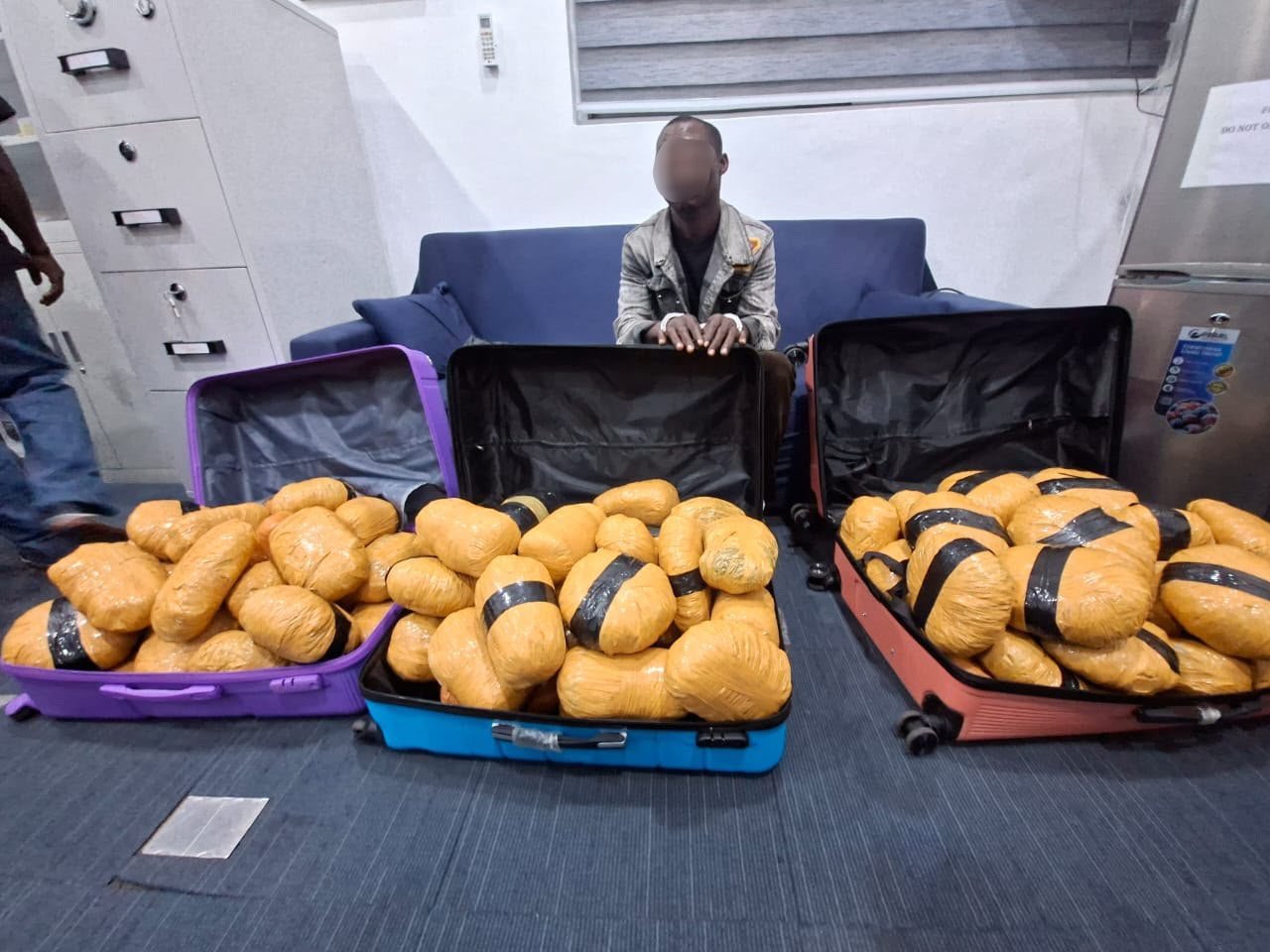
The Ghana Police Service has arrested a 40-year-old man after allegedly discovering 91 parcels of suspected Indian hemp in his possession at Circle in Accra.
The arrest was announced by the Police Service in a social media post on Friday, October 30, 2026, accompanied by photographs of the suspect and the parcels reportedly seized during the operation.
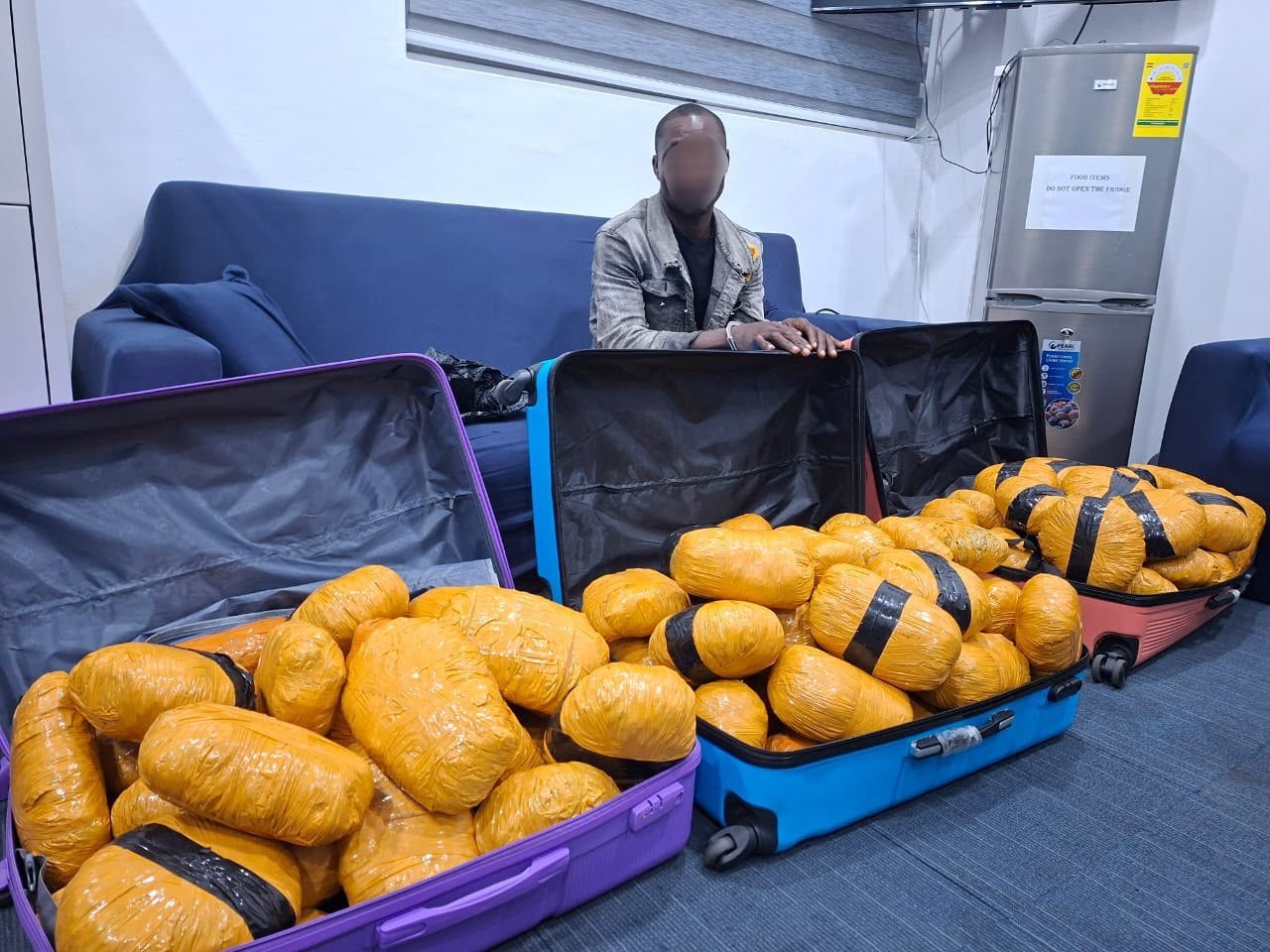
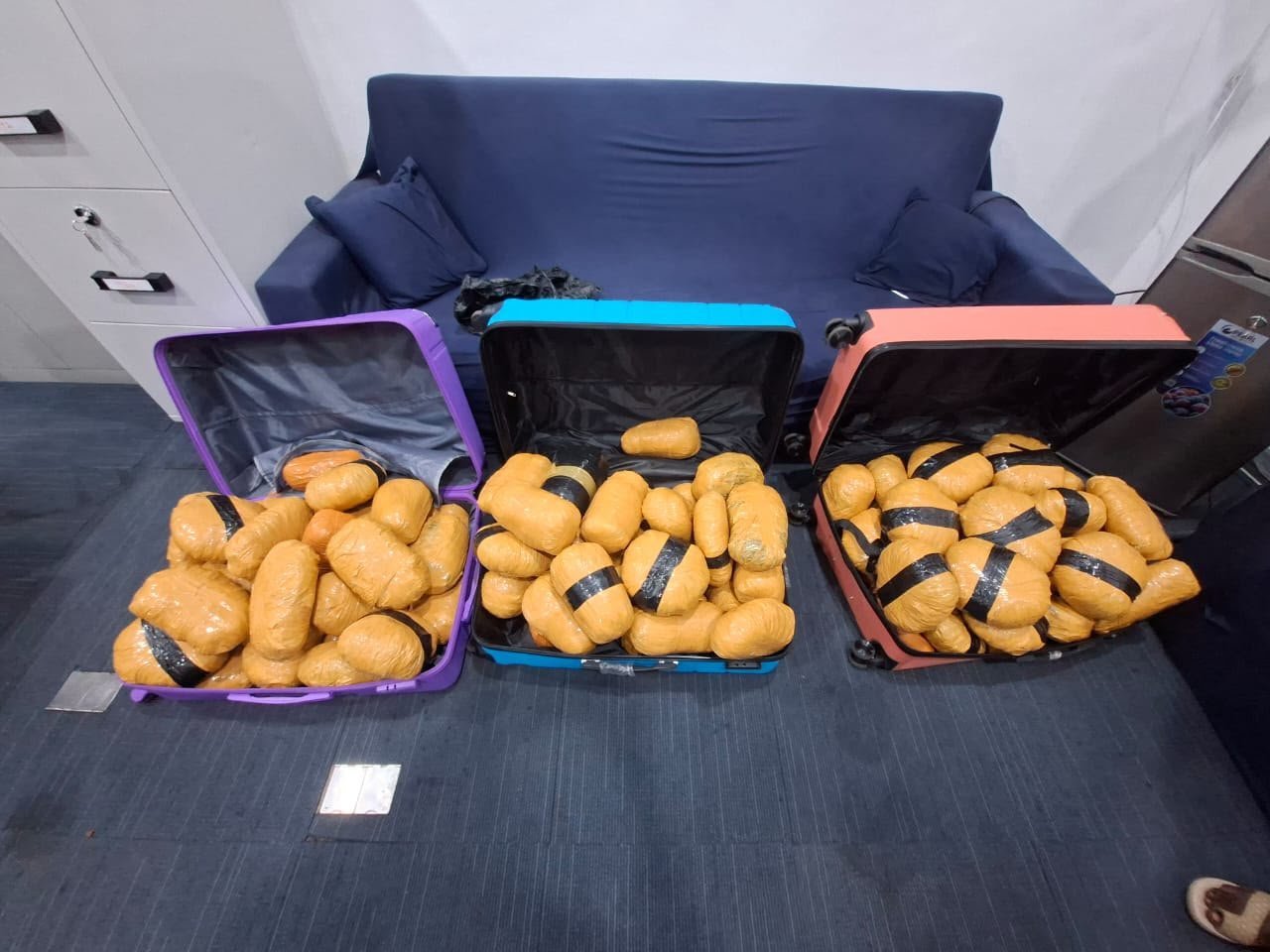
According to the police, the man was apprehended with 91 parcels of a substance suspected to be Indian hemp, commonly known as cannabis. The items were shown packed inside travel bags, including a purple suitcase and a blue bag.
The police post identified the location of the arrest as Circle, a busy transport and commercial area in Accra that serves as a major transit point for commuters and travellers.
The arrest forms part of police efforts to clamp down on suspected drug-related activities and the movement of prohibited substances.
Suspected narcotics seized
Photographs released alongside the announcement show numerous yellow-wrapped packages arranged inside open suitcases, as well as an image of the man in police custody.
However, the brief public announcement did not provide details about the suspect’s identity, the precise circumstances leading to his arrest, or whether the substance had been tested to confirm its composition.
The police also did not disclose the estimated weight or street value of the 91 parcels, nor did the post indicate where the suspected substance was allegedly obtained or its intended destination.
Further details about the operation, including whether other individuals are being investigated in connection with the seizure, were not included in the announcement.
Investigations expected to continue
The arrest is expected to be followed by further investigations to establish the circumstances surrounding the possession of the suspected narcotic substance and determine whether any additional offences may have been committed.
The seizure also highlights the importance of law enforcement operations targeting the possession and transportation of suspected illegal drugs in major urban centres.
The suspect’s arrest does not, by itself, establish guilt. Any criminal liability will depend on the evidence gathered by investigators and the outcome of the applicable legal process.
The Ghana Police Service had not provided further information on possible charges or the suspect’s court appearance in the post shown.
Authorities are expected to provide additional updates as investigations progress and more information becomes available.

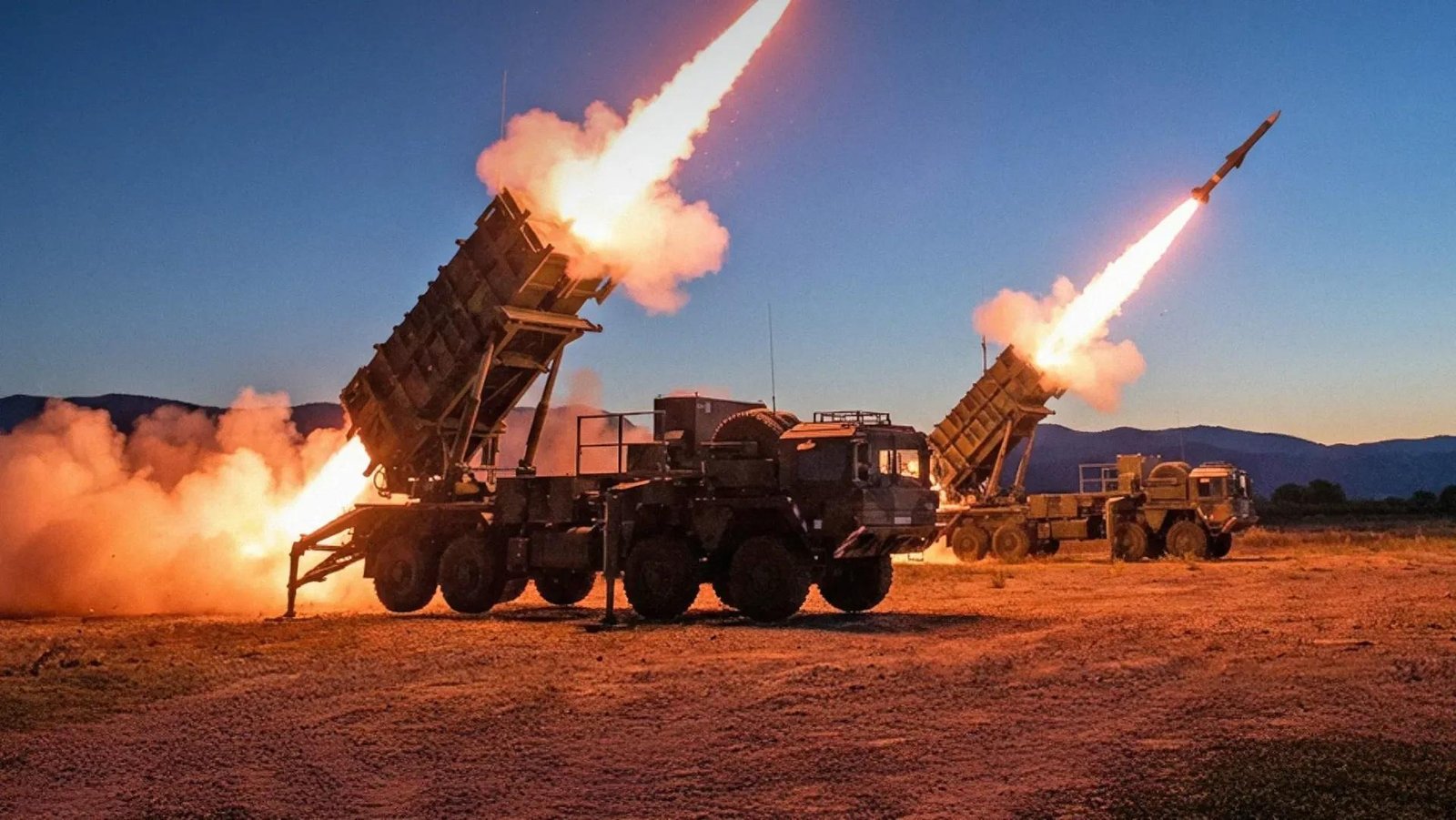
The United States has approved a proposed $2.1 billion sale of 500 Patriot air defence interceptor missiles to Ukraine, marking a significant development in Kyiv’s efforts to strengthen its defences against Russian aerial attacks.
The US State Department announced the approval on October 30, 2026, confirming that the proposed package includes Patriot Advanced Capability-3 Missile Segment Enhancement (PAC-3 MSE) interceptors, spare parts and related logistical support.

US Approves Major Patriot Missile Sale to Ukraine
The purchase is expected to be financed through contributions from Canada, Germany and Norway under a US-supported programme, alongside funding linked to the European Union’s Ukraine Support Loan. US officials said American government funds would not be used to finance the purchase.
Ukraine seeks to strengthen its air defences
The approval comes as Ukraine continues to face Russian missile and drone attacks targeting infrastructure and other locations across the country. Ukrainian President Volodymyr Zelenskyy has repeatedly called for increased supplies of air defence interceptors, warning that shortages could weaken the country’s ability to protect its population and critical facilities.

Zelenskyy Seeks Stronger Air Defences for Ukraine
Patriot systems are an important part of Ukraine’s air defence network, particularly in countering certain ballistic missile threats. However, the effectiveness of the planned purchase will depend on when the missiles become available and how quickly they can be delivered and integrated into existing operations.
Approval does not mean immediate delivery
Although Washington has approved the proposed sale, the announcement does not establish a confirmed delivery date for all 500 missiles. The package also involves further procurement arrangements, and the missiles remain part of a wider international effort to meet Ukraine’s defence requirements.
The approval follows public complaints from Zelenskyy that Ukraine had been waiting for weeks for authorisation concerning critical missile supplies. The development highlights the continuing importance of US decisions and European financial support to Ukraine’s military needs.

European Allies Back Ukraine’s $2.1 Billion Missile Purchase
European allies take on the financial burden
The arrangement reflects a continued role for European partners in financing US-made military equipment for Ukraine. Canada, Germany and Norway are expected to contribute through the JUMPSTART programme, with additional support linked to EU-backed financing.
Lockheed Martin has been identified as the principal contractor for the proposed sale. The transaction is intended to strengthen Ukraine’s integrated air and missile defence capabilities, although the timing of deliveries remains a key unanswered question.

Ukraine Seeks Greater Protection Against Russian Missile Attacks
What happens next?
Attention will now turn to the implementation of the approved sale, including contract arrangements, production capacity and delivery schedules. Ukraine’s immediate defence needs will continue to be shaped by the intensity of Russian attacks and the availability of interceptor missiles from its international partners.
The approval represents a major financial commitment to Ukraine’s air defence, but its practical impact will depend on how quickly the planned supplies can reach the country.

The Confederation of African Football (CAF) has reversed its earlier decision to stage the Africa Cup of Nations (AFCON) every four years, confirming that the continent’s flagship national team competition will return to its traditional two-year cycle.
The decision was unanimously approved by CAF’s Executive Committee on Thursday, October 29, 2026, marking a significant shift in the governing body’s long-term competition strategy.
CAF President Dr Patrice Motsepe confirmed the development in an official statement, explaining that the organisation had reconsidered its previous arrangement following concerns about the proposed Africa Nations League.
The four-year AFCON format was announced in December 2025 as part of a broader restructuring of African football competitions. Under that arrangement, the proposed Africa Nations League was expected to become the continent’s major biennial national team competition.
However, CAF has now acknowledged that the new competition would require several years before generating sufficient financial resources to support football development and strengthen the organisation’s competitions.
Motsepe said the reversal was intended to protect the interests of African football, the continent’s 54 member associations and African players representing clubs outside the continent.
Africa Nations League plans influence decision
The proposed Africa Nations League was initially designed to provide a major continental competition every two years while allowing AFCON to move to a four-year schedule.
CAF’s latest assessment, however, indicated that the proposed league would take considerable time to deliver the financial and developmental benefits originally anticipated.
The governing body therefore opted to restore AFCON’s biennial format rather than wait several years for the new competition to become financially sustainable.
The decision also reflects CAF’s intention to maintain the commercial and developmental importance of its flagship tournament.
AFCON 2027 remains on schedule
Despite the changes, the next Africa Cup of Nations will proceed in 2027, with Kenya, Tanzania and Uganda serving as joint hosts.
According to Motsepe, subsequent editions are scheduled for 2028, 2031 and 2033.
There will be no AFCON tournament in 2030 because of the FIFA World Cup scheduled for that year. CAF says its scheduling arrangement will avoid holding the final stages of its national team competitions during the World Cup year.
What the decision means for African football
The return to a two-year AFCON cycle means national teams, players, supporters, sponsors and football associations can continue to anticipate the continent’s biggest international football tournament at more frequent intervals.
For African football associations, the decision also preserves AFCON’s importance as a major source of competition exposure, commercial opportunities and international recognition.
Motsepe further described the tournament as an important platform for celebrating Africa’s diverse cultures and bringing together people from the continent, the African diaspora and beyond.
With the revised arrangement now confirmed, attention will turn to preparations for the 2027 tournament in East Africa and the implementation of CAF’s updated competition calendar.
The reversal brings an end to the proposed four-year AFCON arrangement, restoring the competition’s traditional biennial identity while CAF continues to assess its wider football development plans.
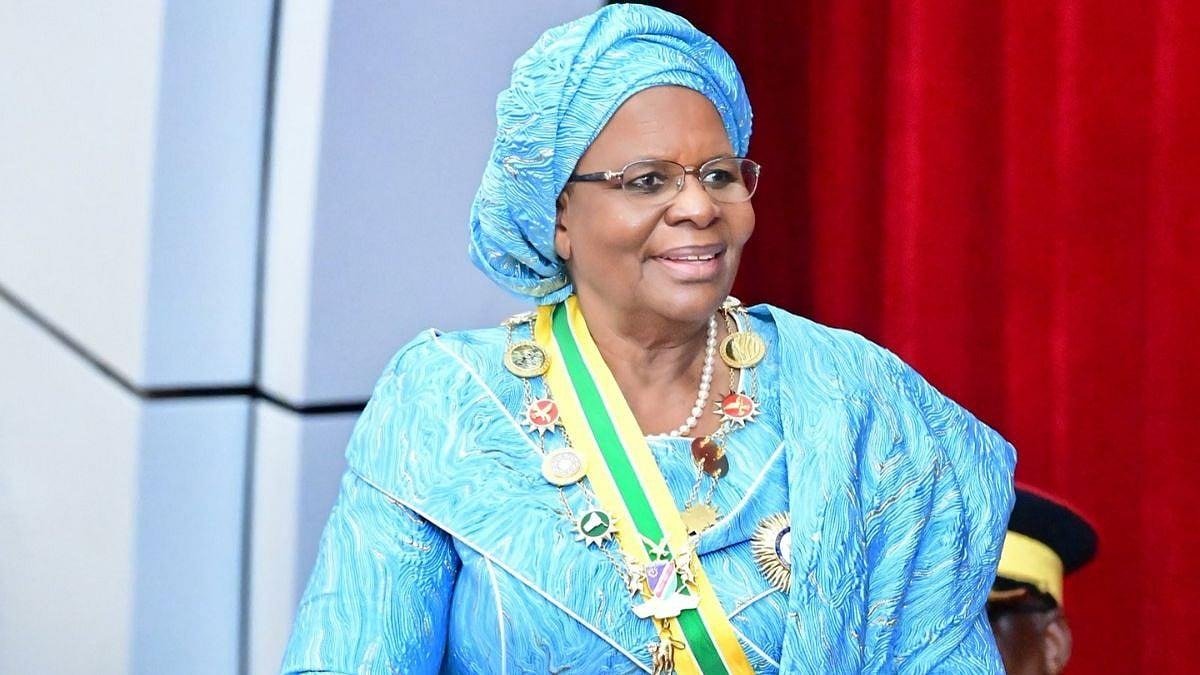
Namibia’s President has urged African countries to make better use of their natural resources and youthful population to strengthen the continent’s influence in global affairs.
The call highlights the importance of economic self-reliance, investment in human capital and stronger cooperation among African nations as the continent seeks a greater role in shaping the global economy.
Africa is home to significant deposits of minerals, oil, gas and other natural resources that are increasingly important to global industries, particularly in the energy transition, technology and manufacturing sectors.
However, the challenge for many African countries remains how to translate these resources into long-term economic benefits through local processing, industrial development, job creation and improved infrastructure.
The President’s remarks also draw attention to Africa’s youthful population, which represents an important source of innovation, entrepreneurship and economic growth.
With millions of young Africans entering the labour market, investment in education, technical training, digital skills and business opportunities will be essential to harnessing this demographic potential.
The call further reinforces discussions about Africa’s position in international negotiations, trade partnerships and global economic decision-making.
African countries have increasingly advocated for greater value addition to their natural resources rather than relying heavily on the export of unprocessed commodities.
The President’s message places emphasis on the need for African nations to work together, strengthen their economies and build the capacity to participate more meaningfully in global affairs.
Key Details of the President’s Remarks
The comments were made by Namibian President Netumbo Nandi-Ndaitwah during an interview on Diplomatic Affairs with Harriet Nartey on Joy Prime, aired on Ghanaian television.
She called for:
-
Stronger implementation of the African Continental Free Trade Area (AfCFTA).
-
Increased trade among African countries.
-
Greater African control over economic priorities and trade negotiations.
-
Better use of the continent’s natural resources and population as sources of economic strength.
- Trade policies that reflect Africa’s interests rather than depending entirely on externally developed frameworks.
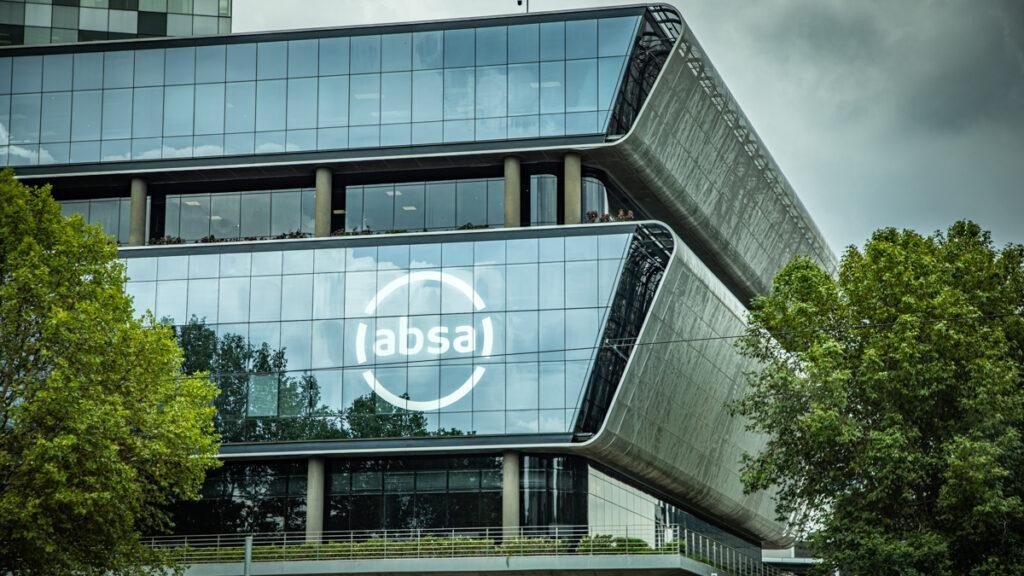
JOHANNESBURG, South Africa – South African financial services group Absa has opened its first office in the Gulf region, establishing a presence in Dubai as it seeks to strengthen business, trade and investment connections between Africa and the Middle East.
The new office is located in the Dubai International Financial Centre (DIFC), one of the region’s major financial hubs. The expansion is expected to bring Absa closer to businesses, institutional investors and financial organisations across the Gulf Cooperation Council (GCC), while creating additional opportunities for international investors interested in African markets.
Unlike a conventional banking branch, the Dubai office will not provide lending directly from its own balance sheet. Instead, it will serve as a strategic connection point, linking Gulf-based companies and investors with Absa’s banking operations across 16 African markets.
The office operates under a Category 4 licence issued by the Dubai Financial Services Authority, which became effective on 15 July 2026. The authorisation allows the branch to arrange investment transactions, provide financial product advice and arrange or advise on credit facilities for eligible clients.
Growing economic relationship between Africa and the Gulf
Absa’s expansion comes at a time when commercial relations between the United Arab Emirates and African economies are gaining momentum.
Non-oil trade between the UAE and Africa reached approximately $158 billion in 2025, compared with around $112 billion in 2024, according to UAE government figures cited in Reuters reporting.

Dubai continues to attract international financial institutions seeking access to global markets.
The growing relationship presents opportunities in several industries, including infrastructure, energy, logistics, agriculture and fast-moving consumer goods. These sectors are attracting interest from Gulf-based sovereign wealth funds, asset managers and other institutional investors looking to expand their investments across Africa.
Absa’s senior executive officer for its Dubai branch, Clinton Clarke, indicated that the office would help the bank engage more directly with investors and businesses interested in African opportunities.
The bank intends to use its understanding of African markets and its existing corporate banking relationships to help Gulf-based organisations navigate different commercial environments across the continent.
Absa joins other South African banks in Dubai
Absa’s arrival adds another major South African financial institution to Dubai’s growing international banking community.
It joins other South African banking groups, including Investec, Standard Bank and Nedbank, which have also established offices in the city.

The Dubai International Financial Centre will host Absa’s first Gulf office.
The move reflects the importance of Dubai as a financial gateway connecting businesses and investors across the Middle East, Africa and Asia.
However, the expansion also comes against a backdrop of geopolitical uncertainty in the Middle East. Absa representatives have acknowledged the risks but maintain that Dubai remains an attractive location for engaging regional clients and supporting cross-border business.
What the expansion means for Africa
Absa’s Dubai office could strengthen access to international capital for African businesses seeking investment partners, financing advice and opportunities to enter new markets.
For Gulf investors, the presence provides a closer connection to African business networks and sector expertise, potentially making it easier to assess commercial opportunities across different countries.
The longer-term success of the initiative will depend on the volume of business it attracts, the investment transactions it supports and the strength of relationships established between African and Gulf-based organisations.
For Absa, the opening represents a significant step in expanding its international reach while maintaining Africa as the centre of its banking operations.

Talensi Assembly explains GH¢181,170 cash payments for meeting refreshments

Make vote-buying costly in party elections — Bernard Mornah

La Dadekotopon NDC chairman pledges best-administered constituency

IRAWMA 2025: Shatta Wale Wins 3 Major Awards Including Best Music Video

Samini Secures Promotional Deal with Audiomack for Upcoming Album “THE ORIGIN8A”

AirtelTigo losing GH₵20m monthly; total debts exceed $200million – Sam George


-

 Entertainment1 week ago
Shatta Wale Cake Tells Story of Growth, Identity and African Dancehall Influence
-

 General News5 days ago
GTA Staff Demand Answers on World Cup Visa Slots, Staff Dismissals and Unpaid Allowances
-

 General News1 week ago
FOKLEX MEDIA AWARDS COMMENDS PRINCE KWAW GYIMAH AND OWASS FM TEAM FOR PROFESSIONALISM DURING KWAME DZOKOTO INCIDENT
-

 Politics1 week ago
OB UASI HEADMASTER IN SEXUAL MISCONDUCT CONTROVERSY EYES NDC CONSTITUENCY CHAIRMANSHIP
-
 Entertainment1 week ago
Ghana Unveils December in GH 2026 Calendar With Over 150 Events Nationwide
-
 General News1 week ago
PROFOUND GRATITUDE FOR YOUR DECISIVE INTERVENTION IN FAST-TRACKING THE COMPLETION OF THE MUMFORD FISHING HARBOUR
-

 General News5 days ago
Nicki Minaj Throws Her Support Behind Trump Ahead of US Midterm Elections
-

 General News1 week ago
SAMMY GYAMFI’S “MINE WITHOUT LICENCE” REMARK SPARKS FRESH GALAMSEY DEBATE