
Politics
‘We Don’t Hate Ablakwa; We Demand Accountability’ – NPP Youth Organiser Fires Back

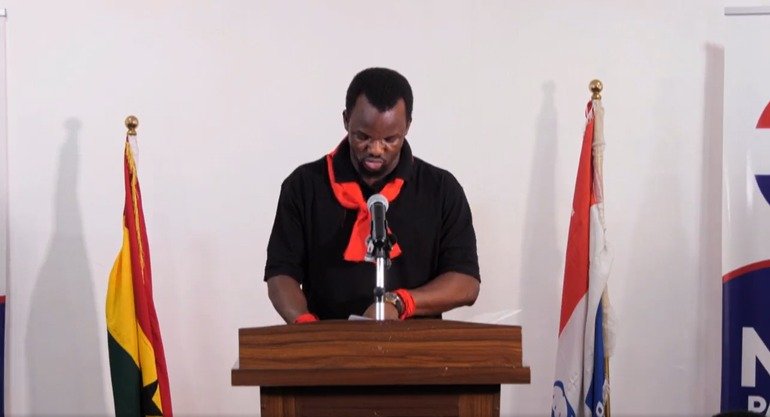
A New Patriotic Party (NPP) youth organiser has dismissed suggestions that the party’s criticism of Foreign Affairs Minister Samuel Okudzeto Ablakwa is driven by personal hatred, insisting that the concerns being raised are centred on accountability, transparency and responsible leadership.
The youth organiser maintained that the NPP’s position should not be misconstrued as a personal attack against Ablakwa, stressing that public officials must be prepared to answer questions about their actions and decisions while occupying positions of public trust.
According to the organiser, demanding explanations from a government appointee does not amount to hatred or political persecution but forms part of the democratic responsibility of opposition parties and citizens to hold those in authority accountable.
The organiser further argued that public office comes with enormous responsibilities and that no individual, regardless of political affiliation or position, should be shielded from scrutiny.
The comments come amid political exchanges between the NPP and the government over issues involving Ablakwa, with the opposition raising questions and demanding answers on matters it considers to be in the public interest.
The NPP youth organiser insisted that the party’s concerns should be addressed on their merits rather than dismissed as politically motivated attacks.
The organiser also underscored the importance of transparency in governance, arguing that public confidence in government institutions depends largely on the willingness of public officials to provide clear explanations when concerns are raised about their conduct.
The remarks reinforce the NPP’s position that accountability must remain a central pillar of democratic governance, regardless of which political party is in power.
“We don’t hate Ablakwa; we demand accountability” is the central message from the NPP youth organiser, as the political debate over the Foreign Affairs Minister continues.










Politics
NPP Fires Fresh Salvo at Mahama Over ECG Outages: ‘If There Is No Dumsor, Why the Constant Power Interruption Announcements?’
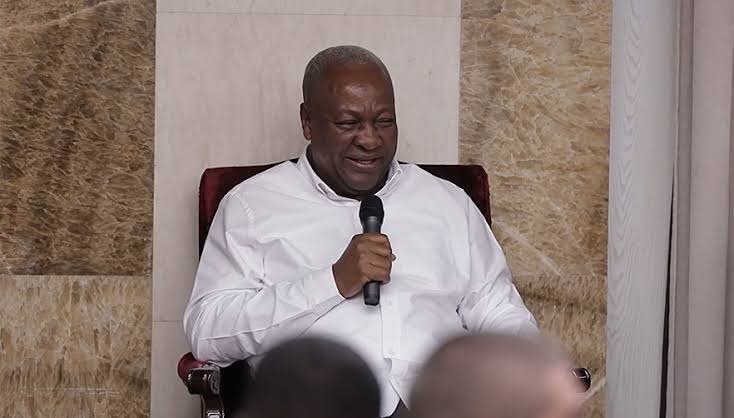
The New Patriotic Party (NPP) has challenged President John Dramani Mahama and his government to explain why the Electricity Company of Ghana (ECG) continues to announce scheduled power interruptions if the country is not experiencing a return of dumsor.
The party’s question has reignited the debate over Ghana’s electricity supply situation, with the opposition demanding clarity on the frequent power outage announcements and what they mean for households, businesses and industries.
The NPP argues that the repeated announcements by ECG for planned maintenance and other electricity-related interventions raise questions about the stability of power supply under the current administration.
The opposition has further questioned whether the distinction between scheduled maintenance and persistent power interruptions adequately addresses the concerns of consumers who continue to experience disruptions in electricity supply.
ECG’s frequent outage notices fuel public debate
ECG has, in recent weeks, published several notices announcing planned and emergency maintenance exercises across different parts of the country.
For instance, the company announced maintenance works across six regions between October 26 and 30, 2026, affecting selected communities in Greater Accra, Tema, Central, Volta and Ashanti regions. The interventions were intended to upgrade infrastructure, repair underground cables and improve electricity distribution.
The repeated announcements have become a major talking point amid public concerns about the reliability of electricity supply.
Mahama declares Ghana free from dumsor
The controversy follows President Mahama’s recent assertion that Ghana has sufficient electricity to meet national demand and is no longer experiencing the persistent power rationing commonly known as dumsor.
Speaking in Moscow, the President reportedly pointed to government’s efforts to address outstanding debts in the energy sector, including payments to independent power producers, as part of measures to stabilise electricity supply.
However, the NPP’s criticism suggests that the President’s assurance has not entirely settled public concerns about the frequency of power interruptions.
ECG maintains outages are linked to maintenance and network challenges
ECG has previously maintained that planned maintenance exercises should not be confused with a return of nationwide dumsor.
In February 2026, the company’s Director of Communications, William Boateng, explained that some interruptions were associated with localised faults, overloaded transformers and maintenance requirements. He said measures were being taken to strengthen the distribution network and improve reliability.
The distinction between nationwide power rationing, scheduled maintenance and unexpected network faults remains central to the ongoing debate.
Ghanaians demand answers
For households and businesses that depend on uninterrupted electricity, the central concern is not simply how the outages are described but how frequently they occur, how long they last and what is being done to prevent them.
Small businesses, including cold stores, hairdressing salons, welding shops and other electricity-dependent enterprises, are particularly vulnerable to prolonged interruptions.
The NPP is therefore demanding greater clarity from the Mahama administration on the country’s electricity situation.
As the political debate intensifies, many consumers will be looking to government and ECG for clear explanations, reliable supply and lasting solutions to the power challenges affecting their daily lives.
Ultimately, the question confronting the government is whether its assurance of adequate electricity generation is translating into the consistent and dependable power supply Ghanaians expect.
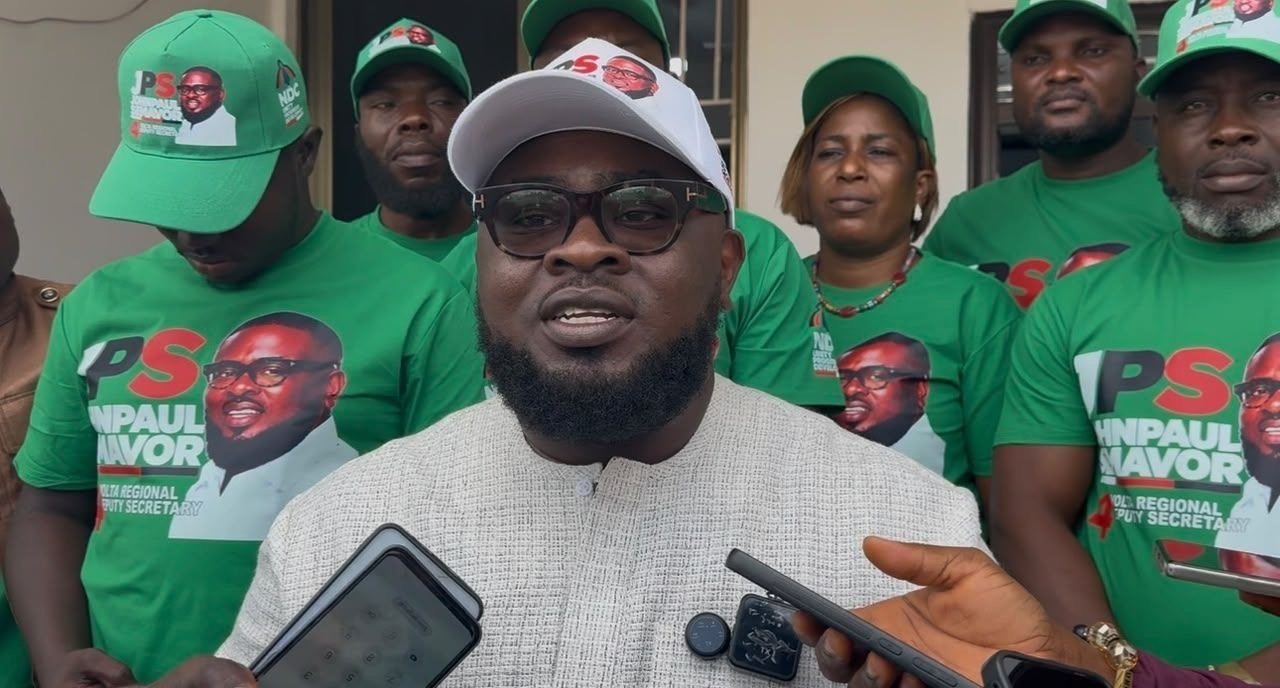
Volta NDC leadership faces renewed calls for stronger grassroots engagement as John Paul Semevor pledges to reconnect party leadership with the rank and file, strengthen internal communication and ensure that the concerns of ordinary members are heard.
John Paul Semevor has pledged to bridge what he describes as a leadership gap between the Volta Regional leadership of the National Democratic Congress (NDC) and its grassroots supporters, signalling his commitment to strengthening internal party structures and rebuilding closer relationships with members at the community level.
His pledge comes amid growing conversations about the need for stronger grassroots participation, effective communication and inclusive leadership within the party.
Semevor believes that the strength of the NDC must extend beyond its regional and constituency executives to include the ordinary party faithful whose dedication, mobilisation and commitment sustain the party at the grassroots.
According to him, effective party leadership must be accessible, responsive and connected to the concerns of members, rather than operating at a distance from the very people it is expected to serve.
BRIDGING THE DIVIDE BETWEEN LEADERSHIP AND THE GRASSROOTS
At the heart of Semevor’s commitment is the need to close the communication gap between party leadership and grassroots members.
He maintains that ordinary members must not be treated merely as political foot soldiers during election campaigns but as essential stakeholders whose contributions should inform party decisions.
The proposed approach places emphasis on regular engagement, stronger consultation and improved coordination between regional executives, constituency structures, electoral area coordinators and polling station executives.
For Semevor, building a united and functional party requires a leadership structure that listens as much as it directs.
GRASSROOTS MEMBERS MUST FEEL THE IMPACT OF LEADERSHIP
A major concern underpinning the pledge is the perception that the connection between party leadership and grassroots members can weaken when communication and engagement become inconsistent.
Semevor’s position highlights the importance of ensuring that party members at the community level feel recognised, included and adequately represented in the party’s decision-making processes.
He believes that strengthening the relationship between leadership and the grassroots is essential to maintaining internal cohesion and ensuring that party structures remain active beyond election periods.
UNITY, INCLUSION AND ACCOUNTABILITY
Beyond improving communication, the pledge also draws attention to the broader need for unity and accountability within the Volta NDC.
The region has historically played an important role in the NDC’s political fortunes, making effective internal organisation and grassroots participation significant issues for the party.
Semevor’s commitment therefore places renewed focus on how regional leadership can work more closely with constituency executives and ordinary members to address concerns, resolve internal misunderstandings and promote a shared sense of responsibility.
He is advocating a party environment in which members feel that their voices matter and that leadership remains accountable to the structures that sustain it.
A CALL FOR A MORE CONNECTED VOLTA NDC
As the NDC continues its political activities in the Volta Region, Semevor’s pledge has brought the question of grassroots engagement into focus.
Whether through improved consultation, regular interactions or stronger organisational coordination, the central message is that party leadership and grassroots members must operate as partners rather than separate entities.
Ultimately, his proposed commitment raises an important question for the Volta NDC: how can the party build a leadership structure that remains genuinely connected to its members at every level?
For Semevor, the answer begins with closing the gap, listening to the grassroots and ensuring that leadership is felt not only in regional offices but also in the communities where the party’s support is built.
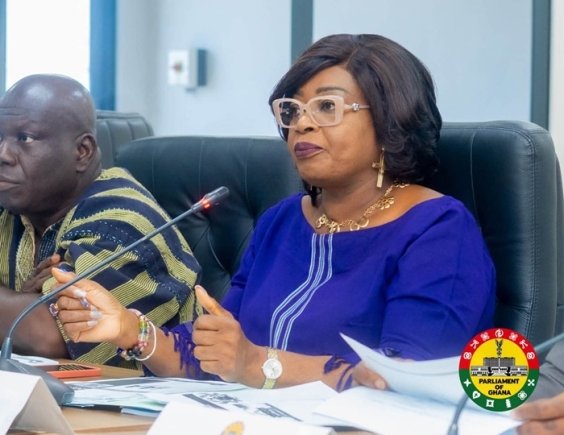
The Assembly says local suppliers rejected cheque payments because of processing delays, while auditors also flagged GH¢251,778.81 in expenditure lacking supporting documents.
The Talensi District Assembly has explained that cash payments totalling GH¢181,170, questioned by the Auditor-General in its 2024 audit report, were used to pay for refreshments and other food-related expenses for meetings and official activities.
An official representing the Assembly gave the explanation on Thursday, October 29, 2026, when the matter was discussed before Parliament’s Select Committee on Local Government and Rural Development.
According to the official, the Assembly resorted to cash transactions because some local suppliers were unwilling to accept cheques due to delays in processing payments.
The representative said the amount covered expenses incurred throughout 2024, particularly purchases of refreshments and other items required for meetings. The explanation was provided in response to the auditors’ concerns about the Assembly’s reliance on cash payments.
Suppliers’ refusal to accept cheques
The Assembly’s explanation centred on the difficulties it said it faced in paying local suppliers through the banking system.
The official indicated that delays in processing cheques had affected transactions with suppliers in the district, prompting the Assembly to make payments in cash to meet its operational needs.
The disclosure brought attention to the payment methods used by local government authorities and the importance of maintaining appropriate financial controls when public funds are spent.
The Assembly’s explanation, however, did not remove the need to address the audit concerns surrounding its transactions.
GH¢251,778.81 expenditure also flagged
Separately, the Auditor-General identified GH¢251,778.81 in expenditure from the District Assemblies Common Fund and other statutory funds allocated to the Talensi Assembly in 2024 for which the required supporting documents were unavailable.
The auditors recommended that the officials responsible for the expenditure refund the amount, according to reports on the parliamentary hearing.
The amount relates to a separate audit finding and should not be confused with the GH¢181,170 in cash payments for refreshments and other food expenses.
The lack of supporting documentation raises questions about the Assembly’s ability to adequately account for the use of public funds and demonstrate that expenditure complied with the applicable financial requirements.
Accountability in local government spending
The parliamentary committee’s examination of the findings forms part of broader scrutiny of the financial management of Metropolitan, Municipal and District Assemblies.
The Talensi case highlights the need for public institutions to maintain clear records, use transparent payment procedures and provide adequate documentation to support expenditure.
While the Assembly has attributed its cash payments to difficulties with cheque processing, the audit findings underline the importance of ensuring that operational challenges do not undermine accountability in the management of public resources.
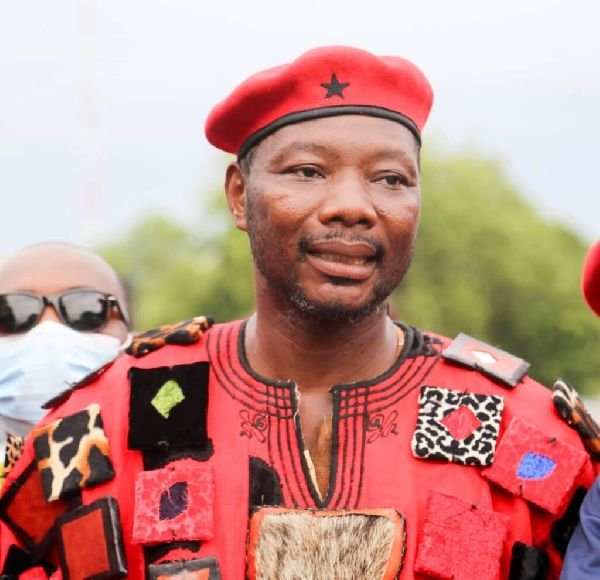
PNC leader proposes strict campaign spending limits, transparent financial disclosures and tough sanctions to protect the integrity of internal party elections.
The leader of the People’s National Convention (PNC), Bernard Anbataayela Mornah, has called on political parties in Ghana to introduce stronger measures to discourage vote-buying and make financial inducements in internal elections costly for offenders.
Mr Mornah said political parties must move beyond appeals to candidates’ conscience and adopt enforceable rules that promote transparency, accountability and merit in the selection of party leaders and parliamentary candidates.
In a statement reported by the Daily Graphic on Friday, October 30, 2026, he warned that when access to political leadership depends largely on financial strength, competence and commitment to public service risk being overshadowed by money.
Ban on financial inducements
Mr Mornah proposed that party rules explicitly prohibit candidates from offering cash, goods, mobile-money transfers or payments through intermediaries to influence delegates’ votes.
He argued that candidates should be held accountable for inducements they authorise or knowingly finance through agents, provided responsibility is established through credible evidence.
He also called for realistic campaign spending limits and mandatory declarations of donations, funding sources and expenditure, including contributions made in goods and services.
To strengthen accountability, he proposed independent checks of campaign finances and the publication of accessible summaries of candidates’ financial compliance after elections.
Regulate election-day support
The PNC leader further suggested that political parties organise transport and refreshments centrally on election days, with costs published and all candidates treated equally.
According to him, such arrangements would help prevent personal payments to delegates from being disguised as transport allowances or other legitimate support.
“Candidates should not give personal allowances to delegates,” he said.
Mr Mornah also advocated compulsory candidate forums where aspirants would explain their records, understanding of the positions they seek and practical plans for their respective parties.
He said equal access to party members through official communication platforms would help ensure that a candidate’s wealth did not determine whose message received the most attention.
Tougher sanctions and lower campaign costs
The PNC leader proposed an impartial complaints panel, confidential reporting channels, clear evidential standards and fixed deadlines for resolving allegations of electoral misconduct.
He said proven violations should attract proportionate sanctions, potentially including disqualification or annulment of results, subject to established rules and appeal procedures.
He also recommended moderate nomination fees, shorter campaign periods, shared campaign platforms and stronger political education to reduce the financial barriers facing capable members without wealthy sponsors.
PNC to adopt safeguards
Mr Mornah said the PNC should adopt clear safeguards before its next internal elections, appoint a credible enforcement committee and require every candidate to submit a campaign finance declaration.
He stressed that the proposals were recommendations for party reform, not a claim that every measure was already required by Ghanaian law.
“Our parties must reward service, integrity and ability,” he said.
His proposals come amid renewed calls for political-financing reforms as Ghana’s major parties reorganise ahead of the 2028 general elections.
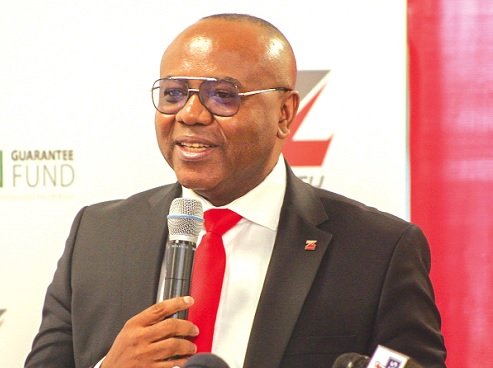
Samuel Sowah Oblejumah promises innovative leadership, sound financial management and grassroots development after securing 806 votes in the constituency executive elections.
The newly elected Chairman of the National Democratic Congress (NDC) in the La Dadekotopon Constituency, Samuel Sowah Oblejumah, has pledged to make the constituency one of the best-administered in the country through effective leadership, prudent financial management and stronger grassroots organisation.
Mr Oblejumah made the commitment after winning the constituency chairmanship in the party’s 2026 executive elections held on Saturday, October 24, 2026.
He secured 806 votes to defeat four other contenders in a keenly contested race, with his closest challenger, Prince Okoe Addo, polling 457 votes. Husna Ako Sowah received 362 votes, Stephen Okoe polled 217, while the incumbent chairman, Magnus Sowah Odoi, obtained 29 votes.
Speaking after his victory, Mr Oblejumah said his administration would adopt sound corporate governance principles to improve the party’s organisational capacity and financial performance.
“I will run the constituency to make it one of the best-administered constituencies in the country,” he stated.
Focus on resource mobilisation
The new chairman said his leadership would explore innovative approaches to mobilising funds and managing available resources to ensure that branches and wards received adequate support to carry out their activities.
He identified administrative efficiency and financial sustainability as key priorities for building a strong constituency structure capable of supporting the party’s political activities.
Mr Oblejumah’s vision centres on strengthening the party’s grassroots structures and improving coordination among constituency executives, branch officers and ward coordinators.
Call for unity after elections
Following his election, Mr Oblejumah thanked delegates for the confidence they had placed in him and called on members to unite behind the new leadership.
He also extended an olive branch to his defeated opponents, stressing that the contest was over and that the collective interest of the party should take precedence over individual ambitions.
He pledged to work with his former challengers and other stakeholders to strengthen the NDC’s structures and advance its interests in the constituency.
New constituency executives
Other elected officers include Edward Atsu Dela-Seshie as Vice-Chairman, Jeffrey Addokwei Tetteh as Secretary, and Mathias Nii Odartey Lamptey as Deputy Secretary.
Joseph Baba Yakubu was elected Organiser, with Beatrice Mawusi Ladzekpo as Deputy Organiser. The executive team also includes officers responsible for communications, finance, youth, women and the Zongo Caucus.
The new leadership is expected to coordinate party activities at the constituency level as the NDC continues its internal reorganisation ahead of the 2028 general election.

‘We Don’t Hate Ablakwa; We Demand Accountability’ – NPP Youth Organiser Fires Back

NPP Fires Fresh Salvo at Mahama Over ECG Outages: ‘If There Is No Dumsor, Why the Constant Power Interruption Announcements?’

NPP Throws Weight Behind Afenyo-Markin, Reaffirms Confidence in Minority Leadership

IRAWMA 2025: Shatta Wale Wins 3 Major Awards Including Best Music Video

Samini Secures Promotional Deal with Audiomack for Upcoming Album “THE ORIGIN8A”

AirtelTigo losing GH₵20m monthly; total debts exceed $200million – Sam George


-

 Entertainment1 week ago
Shatta Wale Cake Tells Story of Growth, Identity and African Dancehall Influence
-

 General News5 days ago
GTA Staff Demand Answers on World Cup Visa Slots, Staff Dismissals and Unpaid Allowances
-

 General News1 week ago
FOKLEX MEDIA AWARDS COMMENDS PRINCE KWAW GYIMAH AND OWASS FM TEAM FOR PROFESSIONALISM DURING KWAME DZOKOTO INCIDENT
-
 Entertainment1 week ago
Ghana Unveils December in GH 2026 Calendar With Over 150 Events Nationwide
-
 Politics1 week ago
OB UASI HEADMASTER IN SEXUAL MISCONDUCT CONTROVERSY EYES NDC CONSTITUENCY CHAIRMANSHIP
-
 General News1 week ago
PROFOUND GRATITUDE FOR YOUR DECISIVE INTERVENTION IN FAST-TRACKING THE COMPLETION OF THE MUMFORD FISHING HARBOUR
-
 General News5 days ago
Nicki Minaj Throws Her Support Behind Trump Ahead of US Midterm Elections
-

 General News1 week ago
SAMMY GYAMFI’S “MINE WITHOUT LICENCE” REMARK SPARKS FRESH GALAMSEY DEBATE