
General News
CEMSE warns petroleum prices could be lower by up to 60 pesewas per litre if Ghana builds alternative mooring facility

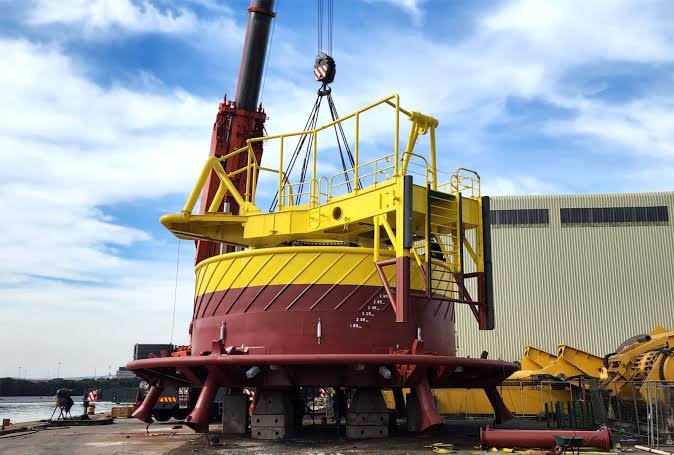
The energy policy think tank says delays in developing additional petroleum discharge infrastructure have contributed to costly demurrage charges, supply-chain risks and avoidable expenses for consumers.
The Centre for Environmental Management and Sustainable Energy (CEMSE) has warned that Ghanaian petroleum consumers could be paying less for fuel if the country develops an alternative mooring facility to ease pressure on existing petroleum discharge infrastructure.
In a press statement dated November 5, 2026, the organisation said the prolonged delay in establishing an alternative facility since 2016 had raised concerns about investment, regulatory policy, infrastructure diversification and national energy security.
CEMSE estimates that demurrage costs associated with inefficiencies in the petroleum import and discharge chain translate into an additional cost of between GH¢0.47 and GH¢0.60 per litre of petroleum products, equivalent to approximately 2.63 to 3.35 per cent of the retail pump price.
The organisation argues that improving discharge capacity and operational efficiency could help reduce these avoidable costs and ease the financial burden on consumers.
Demurrage costs reach US$46.73 million in 2026
According to CEMSE, the petroleum sector recorded approximately US$61.6 million in cumulative demurrage exposure in 2025, compared with a historical annual estimate of about US$35 million.
It further reported that demurrage costs for the first half of 2025 stood at approximately US$21.6 million, while average daily charges were estimated at US$45,000.
For 2026, the organisation said approximately US$46.73 million had already been incurred in demurrage costs year-to-date.
Rising petroleum imports, limited infrastructure
CEMSE noted that petroleum product inflows increased from 3.53 million metric tonnes in 2015 to 6.09 million metric tonnes in 2025, representing an increase of about 73 per cent.
Over the same period, the number of Bulk Oil Distribution and Export Companies rose from 37 to 53, while the organisation also reported a 40 per cent increase in transit petroleum products supplied from Ghana to neighbouring northern countries.
Despite this growth, CEMSE said mooring infrastructure had not expanded, leaving the country heavily dependent on Tema, where approximately 75 per cent of petroleum products are reportedly discharged.
Call for policy review
The organisation is urging government to review the existing exclusivity arrangement for a petroleum discharge facility, assess regulatory barriers and establish a clear framework to attract credible private-sector investment.
It also wants alternative discharge infrastructure incorporated into Ghana’s long-term petroleum and energy security plans, with defined investment priorities, timelines and regulatory oversight.
CEMSE says decisive action is needed to reduce avoidable costs, strengthen supply-chain resilience and improve efficiency in the downstream petroleum sector.










General News
NPP Women’s Wing Demonstrates in Obuasi, Demands Justice for 19 Students Allegedly Abused by Headmaster

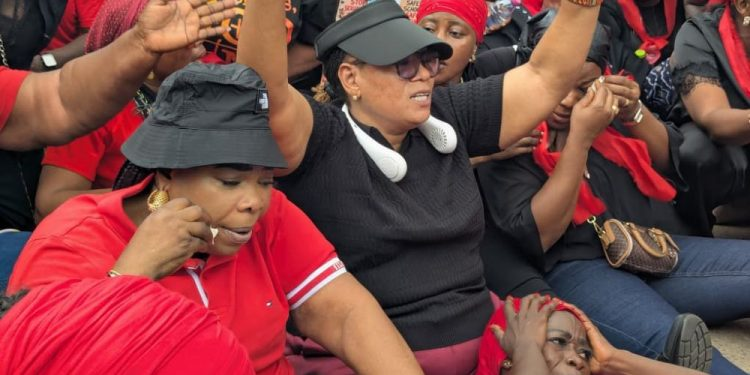
The New Patriotic Party (NPP) Women’s Wing has staged a demonstration in Obuasi in the Ashanti Region to demand justice for 19 female students of Obuasi Senior High Technical School (SHTS) who were allegedly sexually abused by the school’s headmaster, Zakaria Abdulai.
The demonstration, held under the theme Justice for Our Girls, seeks to demand accountability for the allegations and push for stronger measures to protect students against sexual abuse, harassment and other forms of misconduct in educational institutions.
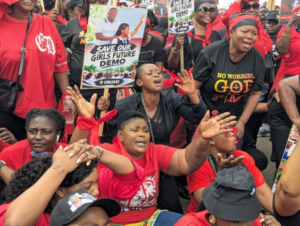
The protest was led by the NPP’s National Women’s Organiser, Mavis Hawa Koomson, who, together with other demonstrators, called on key government and security officials to intervene and ensure that justice is served.
The group specifically appealed to President John Dramani Mahama, Vice President Professor Jane Naana Opoku-Agyemang, Inspector-General of Police (IGP) Christian Tetteh Yohuno, and Minister for Gender, Children and Social Protection, Dr Agnes Naa Momo Lartey, to take decisive action on the matter.
Addressing the concerns surrounding the alleged abuse, Mavis Hawa Koomson stressed the need for the country and its leaders to protect the affected students and ensure that their future is not jeopardised.
“These girls will never forgive us as a country if we fail them. It is their future, and we need to protect them. They must have confidence in Ghanaians and their leaders,” she said.
The demonstration also attracted the NPP’s Second Vice Chairman, Nana Boakye, and General Secretary, Justin Frimpong Koduah, alongside other members of the party’s Women’s Wing, who joined the call for justice for the affected students.
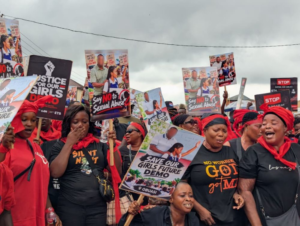
The allegations against the headmaster reportedly include rape, sexual harassment and sexual assault involving the 19 female students, raising widespread public concern and intensifying calls for accountability and improved safeguarding systems within Ghanaian schools.
The matter has attracted the attention of several state institutions, including the Ghana Education Service (GES), the Ministry of Gender, Children and Social Protection, and the Criminal Investigations Department (CID) of the Ghana Police Service, which have initiated steps to address the allegations.
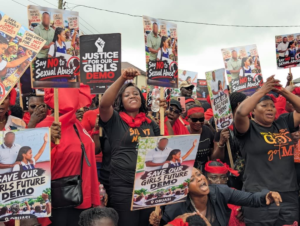
However, the NPP Women’s Wing insists that more decisive action is needed to ensure that the affected students receive justice and that appropriate measures are taken to prevent similar incidents from happening in other educational institutions.
The demonstration forms part of growing public calls for the protection of schoolchildren and stronger institutional accountability in cases involving alleged sexual misconduct against students.
Source: Citi Newsroom

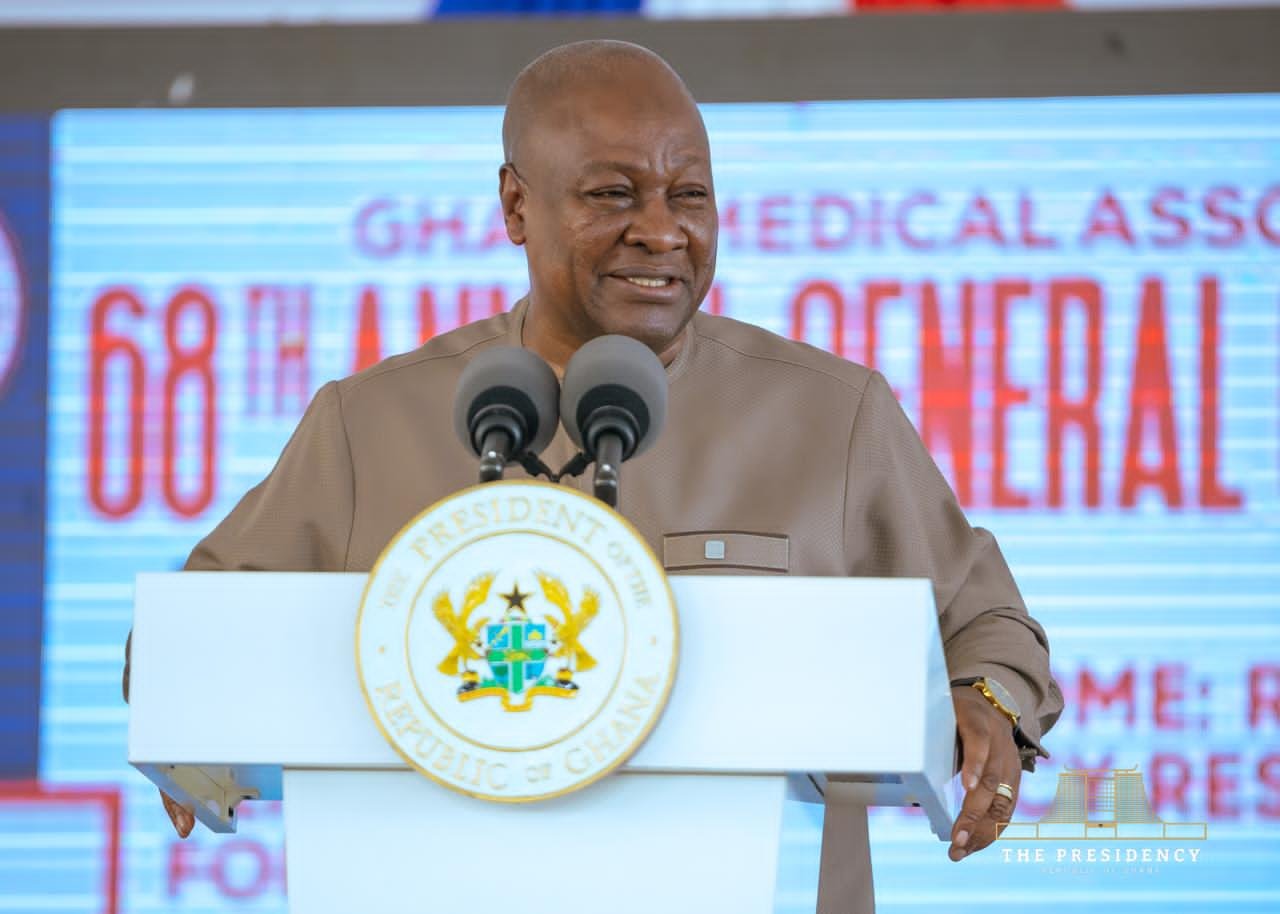
President John Dramani Mahama has announced the rollout of an Integrated Bed Management and Referral Coordination System (IBMRC) as part of efforts to tackle Ghana’s persistent ‘no-bed syndrome’ and improve emergency healthcare delivery.
The digital system, being piloted by the Ministry of Health, is expected to help hospitals and ambulance teams identify health facilities with available beds and the capacity to receive emergency patients, while facilitating faster referrals and transfers.
The pilot involves Korle Bu Teaching Hospital, Komfo Anokye Teaching Hospital, Tamale Teaching Hospital, Greater Accra Regional Hospital at Ridge, the 37 Military Hospital, the University of Ghana Medical Centre and the National Ambulance Service.
Addressing the 68th Annual General Conference of the Ghana Medical Association, President Mahama stressed that tackling the no-bed syndrome required more than simply increasing the number of hospital beds.
“Normally, people say there is no bed, but it is not just about the bed. A bed becomes a place of care when trained professionals, functioning equipment, oxygen and essential supplies are available to provide the treatment a patient needs,” he said.
He explained that the new system would help address challenges associated with emergency referrals by providing information on the actual clinical capacity of receiving facilities.
President Mahama, however, acknowledged that better referral coordination must be accompanied by an expansion of emergency care infrastructure to enable hospitals to accommodate more patients.
He cited Korle Bu Teaching Hospital as an example, noting that although the facility has a functional bed capacity of 1,500, its Accident and Emergency Department has only 65 beds.
To address the gap, government is targeting emergency bed capacity equivalent to at least 10 per cent of each facility’s functional bed capacity.
At Korle Bu, this would require increasing emergency beds from the current 65 to at least 150.
President Mahama said work would begin next year on the expansion of Accident and Emergency Centres at Korle Bu, Komfo Anokye, Tamale Teaching Hospital and the 37 Military Hospital.
He added that the expansion would be supported with the necessary healthcare professionals, medical equipment, oxygen and essential supplies to ensure the additional beds become fully operational.
The President further announced that the Ghana Armed Forces Critical Care and Emergency Hospital was opening to the public, with the facility expected to begin receiving patients immediately.
He emphasised that hospitals must not turn away critically ill patients simply because they lack available beds, insisting that every emergency patient must first be assessed and assisted.
“When a patient arrives in critical condition, we cannot simply say, ‘No bed, no bed, go somewhere else.’ At the very least, the patient must be assessed. If the facility can provide stabilisation, it must do so before arranging a transfer to another hospital that can provide the required treatment,” he stated.
He said the new digital referral system would also help ensure that families receive clear information and guidance rather than being left to navigate the referral process on their own.
President Mahama maintained that the government’s broader healthcare reforms were aimed at building an emergency response system capable of providing timely, coordinated and effective care to patients across the country.
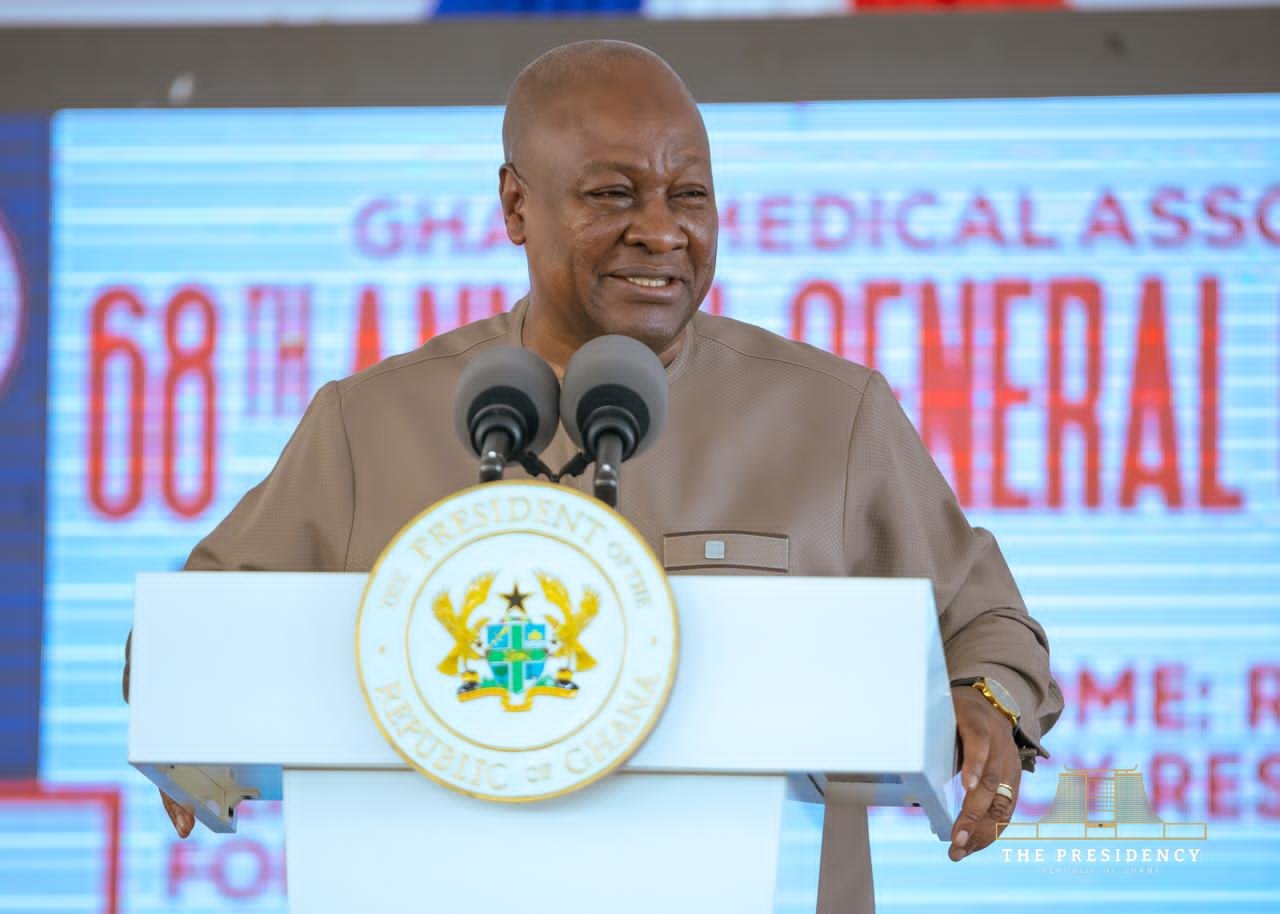
President John Dramani Mahama has warned health facilities against charging patients additional fees for services covered by the National Health Insurance Scheme (NHIS), insisting that institutions found engaging in the practice will face sanctions.
He said government would not tolerate situations where patients present their NHIS cards but are still required to make additional payments before receiving healthcare services.
Addressing the 68th Annual General Conference of the Ghana Medical Association, President Mahama disclosed that he had received complaints about some health facilities demanding extra payments from NHIS subscribers despite the services being covered by the scheme.
“I have received complaints that, despite patients presenting their NHIS cards, some facilities still demand money from them before providing services,” he stated.
He said the National Health Insurance Authority (NHIA) had begun monitoring exercises across health facilities to identify institutions engaging in the practice.
“The NHIA is conducting monitoring exercises from facility to facility. Any facility found charging patients additional fees outside the approved insurance arrangements will be dealt with,” President Mahama warned.
The President said the government was taking steps to strengthen the financial position of the NHIS to ensure that healthcare providers receive more predictable payments and can sustain services without placing additional financial burdens on patients.
He disclosed that the 2026 Budget allocated approximately GH¢11.3 billion in transfers to the National Health Insurance Fund, including GH¢2.26 billion for the Ghana Medical Trust Fund.
According to him, uncapping the NHIS Fund is helping to make financing more reliable, while the NHIA has introduced monthly payments for submitted and vetted claims by healthcare providers.
President Mahama also announced that service tariffs under the scheme had been increased by 50 per cent since August 2026, a move intended to improve the ability of health facilities to procure essential supplies and maintain quality healthcare delivery.
“These measures provide greater predictability for health facilities to procure supplies and sustain services to the public,” he said.
He stressed that protecting the improvements in healthcare financing would require continued vigilance against fraud, waste and abuse of the insurance system.
President Mahama further urged healthcare providers to ensure that resources allocated to the scheme are used responsibly and that patients receive the services to which they are entitled.
He said the government’s broader healthcare reforms, including Free Primary Healthcare, the uncapped NHIS and the Ghana Medical Trust Fund, were designed to establish a more reliable healthcare system that reduces the financial burden on Ghanaians and improves access to quality medical services.
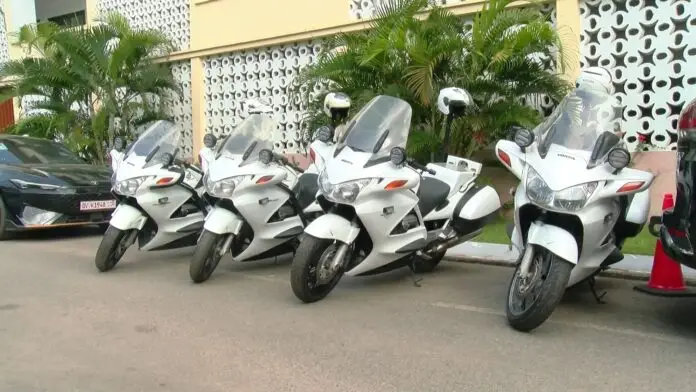
Government has acquired additional motorcycles for the Motor Traffic and Transport Department (MTTD) to support police escorts for Ayalolo buses operating on designated contra-flow routes in Accra, as authorities prepare for increased passenger movement during the Christmas season.
The Minister for Local Government, Chieftaincy and Religious Affairs, Mahama Ayariga, has handed over four dispatch motorcycles to the Ghana Police Service’s Motor Traffic and Transport Department to strengthen the operations of the Ayalolo Bus Service.
The motorcycles are expected to help address logistical challenges associated with providing escorts for buses using the contra-flow system, particularly during peak traffic periods.
Speaking at the presentation, Mr Ayariga explained that the number of Ayalolo trips would increase as Christmas approaches, requiring additional dispatch riders to lead the buses through traffic.
He said some routes operate three batches of bus movements, with each batch requiring a dedicated rider to provide escort and traffic support.
Government plans additional support vehicles
The Minister also disclosed that government was in the process of procuring marked pickup vehicles to support the exercise, following a directive from President John Dramani Mahama.
The additional vehicles are expected to improve coordination and operational efficiency as the contra-flow service expands to accommodate more commuters.
Mr Ayariga expressed confidence that the logistical support would help minimise disruptions and improve the movement of buses along the designated routes.
Police to support peak-hour operations
The MTTD has been assigned riders to operate the newly acquired motorcycles and work with the Ayalolo team.
The Commanding Officer of the Accra Central MTTD, DCOP Prince Cobbinah, assured the Minister of the department’s commitment to improving traffic flow and reducing travel time for commuters.
Motorists have been urged to exercise caution and cooperate with traffic officers, particularly during the morning peak period of 6 a.m. to 9 a.m. and the evening period of 4 p.m. to 8 p.m.
Contra-flow arrangement targets congestion
The Ayalolo contra-flow initiative allows authorised buses to use designated sections of lanes normally serving traffic in the opposite direction during specified peak hours.
The arrangement initially covers the Amasaman–Accra, Adenta–Accra and Kasoa–Accra corridors.
Government says the intervention is intended to reduce journey times, improve the reliability of public transport and ease congestion on major roads leading into central Accra.
The acquisition of the motorcycles forms part of broader efforts to strengthen the Ayalolo service and encourage more commuters to rely on mass public transportation.
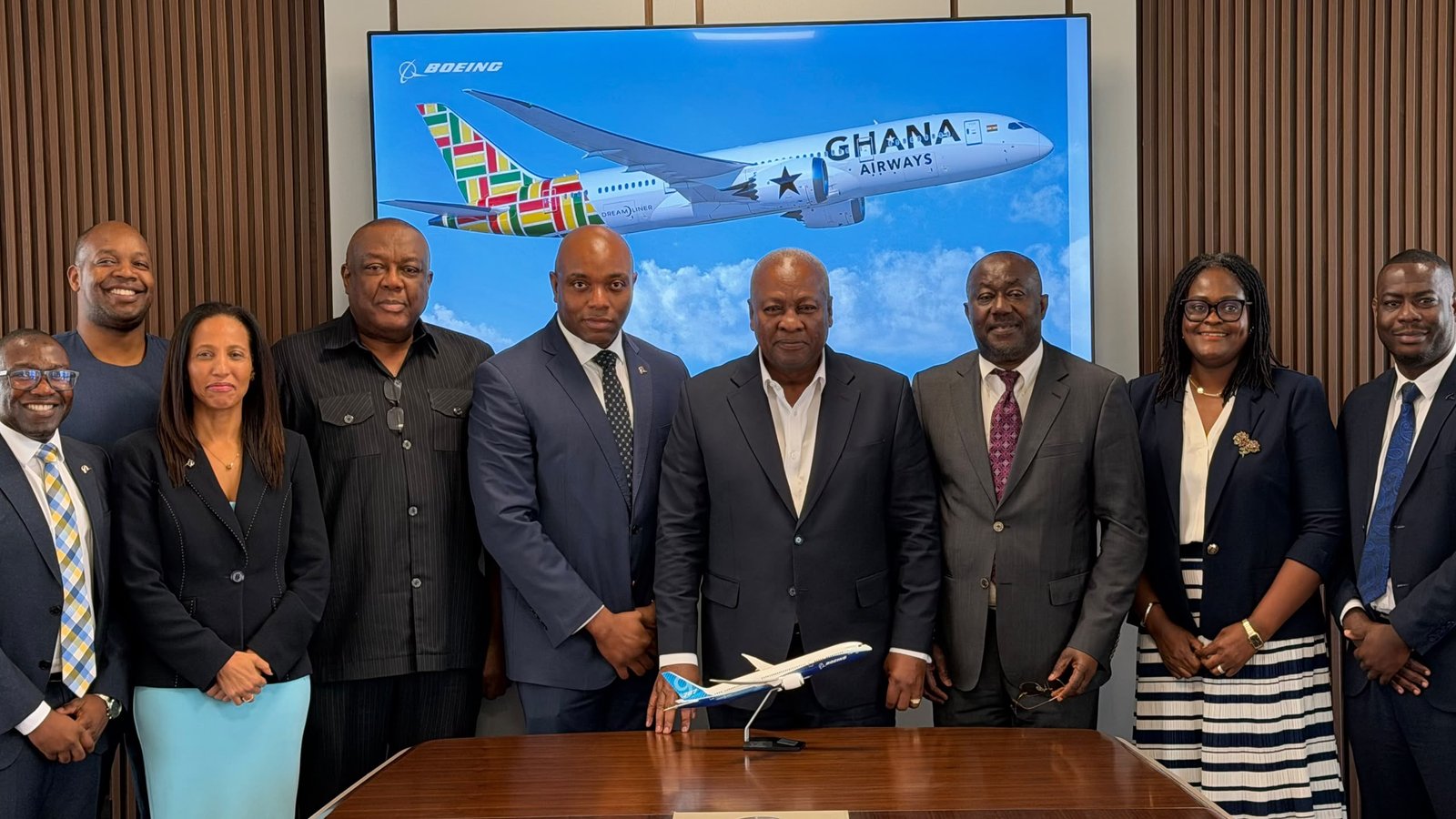
President John Dramani Mahama has held discussions with officials of the Boeing Group as Ghana intensifies efforts to re-establish a national airline, with preliminary studies confirming the viability of the proposed venture.
The meeting marks a significant step towards realising the government’s ambition to restore Ghana’s presence in the international aviation industry and position Accra as a leading aviation hub in West Africa.
Following the preliminary assessments, a roadmap for establishing the new national airline has been agreed upon. Key components include identifying a strategic airline partner and a technical partner, securing an Air Operator Certificate (AOC), selecting an appropriate fleet and determining sustainable financing arrangements.
The Boeing team has assured President Mahama of its continued technical and strategic support throughout the establishment and operational phases of the airline, signalling its commitment to helping Ghana navigate the process.
The proposed airline is expected to boost the utilisation of Ghana’s improved airport infrastructure, strengthen the country’s connectivity to international destinations and support President Mahama’s broader vision of transforming Accra into the premier aviation hub in West Africa.
Beyond its economic and strategic significance, the initiative is expected to generate thousands of employment opportunities across the aviation industry, including positions for pilots, cabin crew, aeronautical engineers and aviation management professionals.
The re-establishment of a national carrier is therefore expected to serve as a catalyst for economic growth, job creation and the expansion of Ghana’s aviation and tourism sectors.

NPP Women’s Wing Demonstrates in Obuasi, Demands Justice for 19 Students Allegedly Abused by Headmaster

I Want to Get to Shatta Wale’s Level – Kuami Eugene on His Music Career Goals

Government rolls out digital bed management system to tackle ‘no-bed syndrome’

IRAWMA 2025: Shatta Wale Wins 3 Major Awards Including Best Music Video

Samini Secures Promotional Deal with Audiomack for Upcoming Album “THE ORIGIN8A”

AirtelTigo losing GH₵20m monthly; total debts exceed $200million – Sam George


-

 General News2 weeks ago
GTA Staff Demand Answers on World Cup Visa Slots, Staff Dismissals and Unpaid Allowances
-

 General News2 weeks ago
SAMMY GYAMFI’S “MINE WITHOUT LICENCE” REMARK SPARKS FRESH GALAMSEY DEBATE
-

 Entertainment4 days ago
NADFFA 2027: Ghana to Host Pan-African Film and Food Festival in March
-

 General News2 weeks ago
Nicki Minaj Throws Her Support Behind Trump Ahead of US Midterm Elections
-

 Entertainment1 week ago
GTA Targets Taxi Drivers in ‘Know Ghana’ Campaign to Boost Tourism
-

 Education1 week ago
Can Students Solve Disagreements Without Fighting? Why Schools Should Teach Conflict Resolution
-
 Lifestyle1 week ago
In Ghana, Everyone Wants to Be Called Boss — But Who Is Doing the Actual Work?
-

 Lifestyle2 weeks ago
One More Video Until 2 AM: Why We Keep Stealing Sleep from Ourselves