
Entertainment
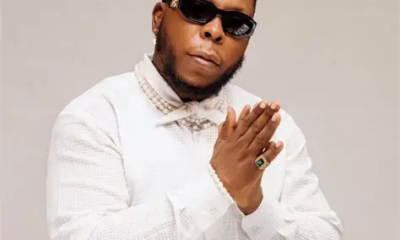
Mr Eazi Reveals MC Job Earned Him More Money Than Music Performances


Ghanaian-Nigerian musician Mr Eazi has disclosed that the highest amount of money he has earned from an entertainment engagement came from working as a Master of Ceremonies (MC), rather than performing his own songs.
In an interview with 3Music, the Leg Over hitmaker revealed that he received his biggest payment as an artiste while hosting an event in the South of France.
According to him, his experience as an MC has opened up lucrative opportunities, with earnings from hosting events sometimes exceeding what he makes from performing on stage as a musician.
Mr Eazi also recounted hosting a major event in Sweden, where he entertained an audience estimated at between 7,000 and 10,000 people without performing any of his songs.
He explained that his responsibility at the event was solely to engage the audience and keep them entertained throughout the programme.
“The most money I’ve ever been paid as an artiste, I didn’t get paid as Mr Eazi. I got paid as the MC in the South of France. You should see the shows,” he said.
The musician’s revelation highlights another side of his entertainment career, demonstrating how opportunities beyond music performances can also become financially rewarding for artistes.
Speaking about his album The Evil Genius, Mr Eazi explained that the project was a reflection of his personal thoughts and state of mind during the period he created it.
He described the album as a personal artistic expression, noting that the songs were influenced by what was happening in his mind at the time.














Entertainment
Maame Efua Houadjeto Highlights 25 Years of Experience in Tourism, Hospitality and Events Amid Questions Over Her Industry Credentials

Maame Efua Houadjeto has defended her professional background and longstanding involvement in Ghana’s tourism, hospitality and creative events industry, insisting that her experience spans more than 25 years and covers several key areas of the sector.
Her comments come amid discussions and criticism over her suitability to lead an organisation within the tourism and creative arts sector, with some questioning whether her professional background is sufficiently connected to the industry.
In a detailed account of her career, Maame Efua said she had spent more than two decades organising and managing corporate events, exhibitions, marketing activities, investment forums, business-to-business (B2B) engagements and other major industry programmes.
She also said she had published magazines focused on property and construction, adding to her experience in media, communications, and business development.
Among the major events she has been involved in was the historic effort to bring American singer Akon to Ghana for the first time. She said she helped make the event possible, highlighting her involvement in large-scale entertainment and event production.
Although she initially studied journalism, she later expanded her academic and professional knowledge through studies in project management, followed by a master’s degree in governance and leadership.
According to her, she discovered a natural passion for hospitality, which eventually influenced her decision to move from tour operations into hospitality and event management.
Her experience in tourism also included managing high-profile international visitors such as Nation of Islam leader Louis Farrakhan and Akbar Muhammad, who brought large groups of visitors to Ghana.
She further recounted working with several African-American associations whose members travelled to Ghana, many of them visiting the country for the first time.
Maame Efua also claimed that her company was the first to host a Princess Cruises ship in Ghana, describing it as another significant milestone in her contribution to the country’s tourism and hospitality industry.
She maintained that her involvement in the sector goes beyond organising events, arguing that her work has contributed to promoting Ghana as a destination and advancing professionalism within the hospitality industry.
Her professional experience also includes a period at Charterhouse, where she worked in client services, contributed to the organisation of the maiden edition of the Ghana Music Awards and managed several local and international accounts.
The experience, she suggested, further strengthened her understanding of the creative industry, particularly in event organisation, client relations, entertainment and stakeholder management.
Reacting to the criticism surrounding her leadership, Maame Efua expressed disappointment that questions about her professional suitability appeared to be influenced by her gender.
She lamented that, despite the years she had invested in the industry and the experience she had accumulated, some men still struggled with the idea of a woman leading an organisation.
“It’s disheartening to see that after all these years, some men still can’t stand having a woman lead an organisation. Unbelievable… SMH,” she stated.
Her response places renewed attention on the debate over professional experience, industry knowledge and the qualifications expected of individuals appointed to leadership positions in Ghana’s tourism and creative arts sector.
While questions about leadership appointments and sector-specific expertise remain important, Maame Efua’s account presents a career that cuts across tourism, hospitality, entertainment, corporate events, publishing and international visitor management.
Her position is that her more than 25 years of practical involvement in these areas should be considered when assessing her connection to the industry and her capacity to contribute to its growth.
Entertainment
From ShattaFest to Rapperholic: Ghanaian Artistes Turning Their Names into Major Annual Music Festivals

Ghana’s music industry is gradually becoming bigger than just releasing hit songs, performing at concerts and winning awards. Some of the country’s biggest musicians are building entertainment brands around their names by organising annual concerts and festivals that bring together thousands of music lovers.
Over the years, these events have become important fixtures on Ghana’s entertainment calendar, particularly during the December festive season. Beyond giving fans an opportunity to see their favourite musicians perform live, they also provide platforms for other artistes, promote local culture and create business opportunities.
From Shatta Wale’s ShattaFest to Sarkodie’s Rapperholic, several Ghanaian musicians are taking the initiative to create events that fans can look forward to every year.
Here are some Ghanaian artistes who have established major concert and festival brands.
1. Shatta Wale – ShattaFest

Dancehall musician Shatta Wale is among the artistes building a major entertainment brand through his annual birthday celebration, ShattaFest.
The event, which combines music and birthday celebrations, brings together members of his Shatta Movement fanbase and other music lovers for a night of performances.

Following the success of the 2025 edition at Black Star Square, Shatta Wale expressed his intention to make ShattaFest an annual event and eventually expand it to other regions and beyond Ghana.
The 2026 edition took place at the Accra Sports Stadium on October 18, attracting thousands of fans and featuring performances from artistes including Medikal, Fancy Gadam, Sista Afia, Edem and Patapaa.

2. Sarkodie – Rapperholic

Award-winning rapper Sarkodie has established one of Ghana’s most recognised annual music events through Rapperholic.
Launched in 2012, the concert has grown into a major gathering for hip-hop lovers, with Sarkodie bringing together some of Ghana’s biggest musicians to celebrate music and entertainment.
Rapperholic traditionally formed part of Accra’s December entertainment calendar but has expanded beyond the capital in recent years.

The 2025 and 2026 editions were held at the Baba Yara Sports Stadium in Kumasi, giving fans in the Ashanti Region the opportunity to experience the concert.
The 2026 edition, held on October 24, featured performances from several musicians, including King Promise, King Paluta, Wendy Shay, DopeNation, Mr Drew and Sista Afia.

Beyond the entertainment, Sarkodie has also highlighted the economic benefits of Rapperholic, particularly its potential to support tourism, hospitality, transportation, fashion and other businesses.

3. Stonebwoy – BHIM Festival

Reggae and dancehall musician Stonebwoy has also built a major entertainment brand through his annual BHIM Festival.
The festival celebrates Stonebwoy’s music, his BHIM Nation fanbase and Ghanaian culture while creating opportunities for local and international musicians to share the same stage.

Over the years, BHIM Festival has welcomed international performers such as Beenie Man, Morgan Heritage, Busy Signal, Davido, Tekno and Spice.
The 2025 edition celebrated a decade of BHIM Festival at the Accra Sports Stadium, attracting more than 40,000 people.

The festival has also expanded internationally, with its first international edition held at London’s OVO Arena Wembley in August 2026.
For the 2026 Ghana edition, Stonebwoy has announced December 24 at the University of Ghana Sports Stadium as the date and venue.

4. Kofi Kinaata – Made in Taadi

Western Region-born musician Kofi Kinaata has established Made in Taadi as one of the biggest annual entertainment events in the Western Region.
Launched in 2017, the concert was created to make the Christmas festivities in Takoradi more exciting while celebrating the culture, music and identity of the people of the Western Region.

The event attracts thousands of music lovers from different parts of Ghana and features performances from established and emerging musicians.
Artistes who have performed at previous editions include Sarkodie, Samini, Medikal, Kuami Eugene, Kwaw Kese, KiDi and DopeNation.

Made in Taadi has also grown beyond music, incorporating youth seminars, community initiatives and activities aimed at creating opportunities for young people.
Through the initiative, Kofi Kinaata continues to use his influence to promote Takoradi as a major entertainment destination during the Christmas season.

5. Samini – Saminifest and Samini Xperience

Veteran dancehall musician Samini is another artiste who has explored the idea of building an entertainment festival around his musical brand.
He introduced Saminifest in 2014 as a platform to celebrate his music and the works of other Ghanaian musicians.

The event featured several activities, including music seminars, food and cultural exhibitions, alongside performances from leading artistes.
Samini has continued developing the idea of community-centred entertainment through Samini Xperience.

The 2026 edition is scheduled for December 18 to 24 in Dansoman, with activities including a neighbourhood clean-up, health walk, food bazaar, basketball tournament, talent showcase, fashion event and street carnival, leading to a Christmas Eve concert.
The initiative demonstrates how musicians can use their influence to bring entertainment and community development together.

Why are these events important to Ghana’s music industry?
The growing number of artiste-owned concerts and festivals shows that musicians are beginning to think beyond the traditional ways of making money from music.
Rather than depending solely on album sales, streaming revenue, endorsements and invitations to perform at other people’s events, they are creating platforms they can develop and control.
These events also give upcoming musicians opportunities to perform before large audiences, connect with established artistes and introduce their music to new listeners.
For host communities, the benefits can extend to hotels, restaurants, transportation operators, vendors, event production companies, fashion businesses and other service providers.
There is also an important cultural dimension. Events such as Made in Taadi and BHIM Festival help promote the identities of their host communities and showcase Ghanaian music to international audiences.
However, maintaining such events every year requires proper planning, financial investment, corporate sponsorship and consistent public interest.
Ultimately, the success of these initiatives raises an interesting question about the future of Ghanaian entertainment: could more musicians build their own annual festivals and turn their musical brands into major events that attract audiences from across Africa and beyond?
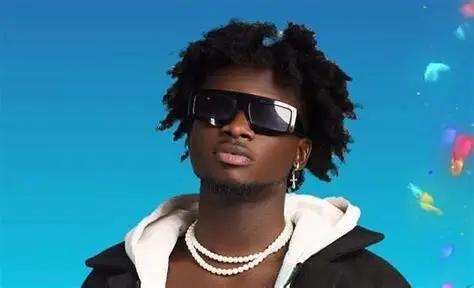
Ghanaian musician Kuami Eugene has disclosed that he hopes to reach a point in his career where he can remain influential and relevant in the music industry without having to release songs regularly, citing Shatta Wale as an example of the success he admires.
The award-winning singer shared this ambition during an interview on Pluzz FM on November 5, 2026, where he spoke about his evolving career strategy, financial growth and desire to build a lasting legacy in the music industry.
According to Kuami Eugene, his focus is gradually shifting from releasing songs frequently to establishing a strong brand and catalogue that will continue to attract attention and generate income even when he is not actively putting out new music.
He explained that he admires the level Shatta Wale has attained, where his influence, reputation and loyal fan base allow him to remain relevant without necessarily releasing music all the time.
“I’m praying that I’ll get to Shatta Wale’s level, where you don’t have to do much,” he said.
The ‘Angela’ hitmaker also revealed that he is experiencing considerable financial growth through music royalties, publishing income and investments, explaining that his motivation is no longer centred solely on the money he earns from releasing new songs.
“I’m growing mentally, and I’m taking in a lot right now. I’m at that stage where it’s no longer just about the money because, by the grace of God, I’m doing very well financially,” he stated.
He further disclosed that his royalties and publishing earnings come in every month, with the figures exceeding his expectations. He added that some of his investments are also beginning to generate returns, giving him greater financial stability.
“The royalties and publishing income come in every month, and the amounts are unbelievable. One or two investments are also paying off, so I’m doing well financially,” he added.
Kuami Eugene compared his music career to a university education, suggesting that he has progressed beyond the early stages and is gradually approaching what he considers graduation.
He explained that he is now more interested in consolidating his achievements, strengthening his position in the entertainment industry and creating a sustainable career that will continue to benefit him in the years ahead.
The musician also addressed his recent decision to reduce the frequency of his music releases, revealing that he wants to find out whether his fans will continue showing him the same level of love and support when he takes longer breaks between projects.
He noted that he has deliberately slowed down his release schedule and wants to give his latest single, ‘Stranger’, enough time to reach a wider audience before releasing another song.
“I think there has been an effect, so I’ve been trying to put out less music these days than I used to. I’m trying to test the waters to see if people will still have that Kuami Eugene love in them. I released ‘Stranger’, and I want to hold on for a while,” he explained.
The singer further identified TikTok as one of the major forces changing how music is consumed, arguing that the platform has created pressure for musicians to consistently release new material to keep audiences engaged.
According to him, the rapid consumption of music and trends on TikTok has made it increasingly challenging for artistes to sustain public interest in a single song for an extended period.
“I’ve realised that, with the way TikTok consumes music these days, it’s not that we can’t hold on to one song for a long time, but we have to feed people with so much music,” he said.
Despite his decision to slow down, Kuami Eugene maintained that he remains committed to making music but no longer feels the same pressure to release songs as frequently as he did earlier in his career.
He stressed that he now has the freedom to determine his release schedule, adding that he could decide to stay away from releasing new music until March 2027 and still expect his supporters to remain loyal.
“I’m still doing the Kuami Eugene thing, but now there’s no pressure like before. If I want, I can decide not to release any music until March next year, and by the grace of God, they will wait,” he added.
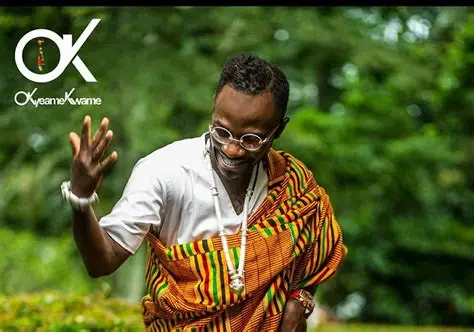
Ghanaian rapper and songwriter Okyame Kwame has revealed that fellow musician Samini played a major role in inspiring him to adopt a vegetarian lifestyle.
During an interview on UTV on Friday, November 6, 2026, Okyame shared the story behind his decision to stop eating meat and how his dietary habits have evolved over the years.
According to Okyame Kwame, he had developed an interest in reducing his meat consumption from childhood, although he could not make independent food choices while living with his parents.
However, his encounter with Samini during Ghana’s participation in the 2010 FIFA World Cup in South Africa introduced him to vegetarianism and helped him better understand the lifestyle.
He explained that Samini was already a vegetarian at the time and shared his experiences with him, encouraging him to be mindful of his nutrition to avoid becoming excessively lean.
Okyame Kwame recalled that although he had always intended to cut down on meat, his conversation with Samini gave him a clearer understanding of what it meant to eliminate meat from his diet.
“As a child, while living with my parents, I couldn’t choose what to eat. However, I knew that I would eventually cut down on my meat consumption. When Ghana went to the World Cup in South Africa in 2010, I met Samini. He is also a vegetarian, and he eats only eggs, which he consumes only once in a while,” he said.
The rapper also disclosed that several other Ghanaian entertainers follow vegetarian diets, although they do not frequently discuss their eating habits publicly.
He mentioned veteran musician Kojo Antwi, Kofi Kinaata and Blakk Rasta among personalities who have embraced vegetarianism.
Sharing how much his lifestyle has changed, Okyame Kwame said he has become so accustomed to avoiding meat that eating chicken has sometimes become difficult for him.
He explained that when he orders food served with chicken, he finds it easier to eat when the meat is chopped into smaller pieces and mixed with the food.
“Since then, when I buy food and they give me chicken, I wouldn’t be able to eat it unless they cut it into smaller pieces and mix it with the food,” he disclosed.
Beyond the influence of Samini, Okyame Kwame said personal health concerns eventually strengthened his decision to eliminate meat from his diet.
He revealed that after turning 40, he noticed that his blood pressure and cholesterol levels were increasing despite maintaining what he considered healthy habits, including exercising daily, monitoring his diet and getting enough sleep.
The development left him confused because he believed he was doing everything necessary to maintain good health. He even purchased a blood pressure monitor to regularly check his readings.
“Fast-forward to when I turned 40, my blood pressure and cholesterol levels were going up, and I even bought a blood pressure monitor. I didn’t understand why because I exercise every day, watch my diet and get enough sleep,” he recounted.
In response, the musician decided to experiment with eliminating meat from his meals to see whether it would make a difference to his health.
He disclosed that he went three years without eating meat, relying mainly on fish and eggs before eventually deciding to remove fish from his diet as well.
According to him, within eight weeks of stopping fish consumption, his cholesterol levels reportedly dropped and returned to normal, similar to the levels he recorded when he was younger.
The improvement further strengthened his commitment to vegetarianism, convincing him that the dietary change was beneficial to his personal health journey.
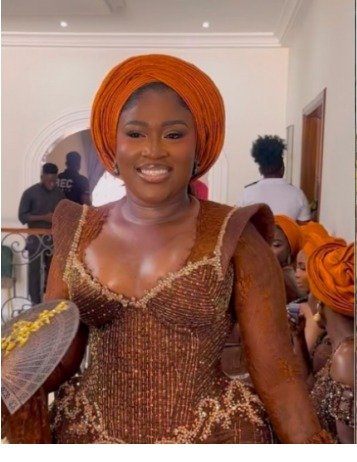
Efya’s traditional wedding was not only about her breathtaking bridal look; her bridesmaids also made a remarkable fashion statement that captured the attention of guests and social media users.
The bridal train made a grand entrance at the Accra ceremony, drawing attention with their beautifully coordinated outfits and elegant appearance. Among the popular personalities who stood by the singer on her special day were Fella Makafui, Hajia4Reall and Fantana.
The bridesmaids brought a touch of glamour and West African cultural elegance to the celebration, complementing the beautiful Ghanaian-Nigerian theme of the wedding.
While Afia stunned guests in her specially designed gown, which blended the beauty of traditional Kente and Aso-Oke fabrics, her bridal train also turned heads in luxurious, figure-hugging Kente dresses adorned with intricate beadwork.
Each bridesmaid added a personal touch to her outfit, with unique designs featuring dramatic ruffled sleeves, stylish necklines and carefully structured corset details.
The carefully selected fabrics, detailed craftsmanship and striking designs highlighted the creativity of local fashion designers while showcasing the beauty of African traditional fashion.
Made up of close friends and colleagues from the entertainment industry, the bridal train brought excitement, glamour and warmth to the ceremony as they accompanied Afia on one of the most memorable days of her life.

Okere Odwira Festival: Nifahene Marks 10 Years on Stool With Education Fund Appeal

Maame Efua Houadjeto Highlights 25 Years of Experience in Tourism, Hospitality and Events Amid Questions Over Her Industry Credentials

From ShattaFest to Rapperholic: Ghanaian Artistes Turning Their Names into Major Annual Music Festivals

IRAWMA 2025: Shatta Wale Wins 3 Major Awards Including Best Music Video

AirtelTigo losing GH₵20m monthly; total debts exceed $200million – Sam George

Samini Secures Promotional Deal with Audiomack for Upcoming Album “THE ORIGIN8A”


-
 General News2 weeks ago
GTA Staff Demand Answers on World Cup Visa Slots, Staff Dismissals and Unpaid Allowances
-

 Entertainment5 days ago
NADFFA 2027: Ghana to Host Pan-African Film and Food Festival in March
-
 General News2 weeks ago
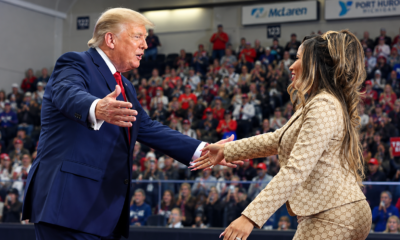
Nicki Minaj Throws Her Support Behind Trump Ahead of US Midterm Elections
-

 Entertainment2 weeks ago
GTA Targets Taxi Drivers in ‘Know Ghana’ Campaign to Boost Tourism
-

 Education2 weeks ago
Can Students Solve Disagreements Without Fighting? Why Schools Should Teach Conflict Resolution
-

 Lifestyle2 weeks ago
In Ghana, Everyone Wants to Be Called Boss — But Who Is Doing the Actual Work?
-

 Lifestyle2 weeks ago
One More Video Until 2 AM: Why We Keep Stealing Sleep from Ourselves
-

 General News2 weeks ago
South Africa to Allow Fund Managers 100% Foreign Assets Under New Framework