
Lifestyle
Why Do We Say “Call Me When You Get Home” but Never Check If the Person Arrived?


Have you ever said goodbye to a friend, relative or loved one and ended the conversation with the familiar words, “Call me when you get home,” only to forget about the person a few minutes later?
It is a statement many people use almost every day. Whether someone is leaving after a visit, returning from work, travelling to another town or heading home late at night, these words have become a common way of expressing concern.
But how many people actually remember to check whether the person arrived safely?
Sometimes, we say these words out of genuine care. Other times, they have become such a normal part of our conversations that we hardly think about what they mean.
Interestingly, the person travelling may also promise to call upon arrival but forget immediately after getting home.
This raises an important question: Have we turned expressions of care into ordinary words without paying attention to the responsibility behind them?
Imagine spending a wonderful afternoon with a close friend. You eat together, share stories, laugh about old memories and enjoy each other’s company.
As the evening approaches, your friend decides to leave.
You walk them to the roadside, help them find transportation and say goodbye.
“Take care of yourself. Call me when you get home.”
Your friend smiles and responds, “Okay, I will.”
You return home, continue watching television, scroll through social media or attend to other responsibilities.
Hours pass, and you suddenly remember that your friend never called.
Sometimes, you send a message asking whether they arrived safely. Other times, you assume everything is fine and forget about it completely.
The interesting part is that the same situation happens in many friendships, families and relationships.
We often express concern when someone is leaving, but the actual follow-up does not always happen.
The expression “Call me when you get home” is usually associated with affection, concern and emotional connection.
When someone says these words, they are communicating that the other person’s safety matters to them.
It can also be a way of showing that the time spent together was meaningful and that the relationship continues even after the visit has ended.
In Ghana, where family ties and social relationships are important parts of everyday life, checking on someone’s journey is a familiar expression of care.
Parents often ask their children to call when they arrive at school, work or another destination.
Friends may request updates after late-night outings, while romantic partners sometimes expect messages confirming that the other person has reached home.
These small gestures can provide reassurance, particularly when someone is travelling a long distance or returning home late.
However, the meaning behind the words becomes less clear when neither person remembers to follow up.
Sometimes, people repeat familiar expressions without giving much thought to their meaning.
Statements such as “Take care,” “Stay safe,” “I’ll check on you” and “Call me when you get home” are often used during conversations.
There is nothing wrong with these expressions. In fact, they can make people feel appreciated and valued.
The challenge arises when someone repeatedly promises to check on others but rarely follows through.
For example, a person may tell a friend, “I’ll call you tomorrow,” without having any real intention of making the call.
Another person may promise to visit a relative but continue postponing the visit for months.
Over time, such behaviour can make expressions of concern feel less meaningful.
Care is not always measured by how frequently someone speaks about it. Sometimes, it is reflected in the small actions that follow those words.
It is easy to blame the person who requested the call, but what about the person who promised to provide an update?
Imagine travelling home after a long and tiring day.
You finally arrive, take off your shoes, eat something and settle down to rest.
Before you realise it, you have completely forgotten the promise you made earlier.
In some cases, people assume that because they have arrived safely, there is no longer any reason to send a message.
Others may be distracted by household responsibilities, phone calls, children or other activities.
However, the person waiting for the update may not know that everything is fine.
A simple message saying, “I’m home safely, thank you,” can prevent unnecessary worry and provide reassurance.
It may take only a few seconds, but it can mean a great deal to someone who genuinely cares.
Years ago, keeping in touch during a journey was not as convenient as it is today.
Before mobile phones became widely accessible, families often had to wait until travellers reached their destinations before receiving updates.
In some communities, messages were delivered through relatives, neighbours or other travellers.
Today, communication is much easier.
With WhatsApp, ordinary phone calls, text messages and other digital platforms, people can update their loved ones almost instantly.
Some people even share their live locations when travelling, allowing trusted friends or relatives to follow their journeys.
Despite these technological improvements, forgetting to communicate remains common.
A person may spend several minutes watching videos online but forget to send a short message confirming that they arrived safely.
This shows that technology can make communication easier, but it does not automatically make people more thoughtful.
Checking on someone after a journey may appear to be a small gesture, but it can have emotional significance.
For parents, receiving a message from a child who has travelled can bring peace of mind.
For friends, a quick phone call can strengthen the feeling of being valued.
For couples, regular communication can help build trust and reduce unnecessary misunderstandings.
In some situations, checking on someone may also help identify when something has gone wrong.
For instance, if a person who normally communicates regularly fails to arrive or respond after a long journey, concerned relatives may decide to contact others or take appropriate steps to establish their whereabouts.
Of course, a delayed response does not automatically mean someone is in danger. Phones can run out of battery, network connections can fail, and people may simply become busy.
Nevertheless, thoughtful communication can make it easier for loved ones to know when someone has reached their destination.
Expectations around communication differ from person to person.
Some people appreciate receiving calls and messages after travelling, while others prefer not to feel obligated to provide constant updates.
In friendships and romantic relationships, these differences can sometimes lead to misunderstandings.
One person may interpret a failure to check in as a lack of concern, while the other may see it as an innocent oversight.
This is why communication about expectations is important.
Rather than assuming everyone attaches the same meaning to a particular expression, people can explain what makes them feel comfortable and appreciated.
For example, someone travelling late at night may appreciate knowing that a friend is expecting a message upon arrival.
On the other hand, a person who prefers more independence may simply agree to provide an update when necessary.
The important thing is to respect each other’s feelings without turning ordinary communication into unnecessary pressure.
In many Ghanaian homes, concern for the safety of relatives is expressed through everyday questions.
“Have you reached?”
“Where have you gotten to?”
“Did you get a car?”
“Are you home now?”
These questions are common, especially when someone is travelling between cities, returning from school or attending an event far from home.
Some parents continue to ask their adult children to call after arriving at their destinations, regardless of how old they become.
Grandparents may also expect updates from relatives who have travelled to visit them.
In romantic relationships, a simple message confirming safe arrival can be seen as a thoughtful gesture.
Among friends, checking on someone after a night out can strengthen bonds and demonstrate consideration.
Although these habits may seem ordinary, they reflect the importance many Ghanaian families place on maintaining close relationships.
Showing concern does not always require expensive gifts, elaborate surprises or long conversations.
Sometimes, the simplest gestures create the strongest impressions.
Remembering to ask whether someone arrived safely, sending a message after an important appointment or checking on an unwell friend can make a difference.
These actions communicate that the relationship matters beyond the moments spent together.
They can also encourage people to become more intentional about their promises.
If you ask someone to call when they get home, it may be worth remembering to follow up when you do not hear from them.
Likewise, if you promise to send an update, keeping that promise is a simple way of showing consideration.
Modern life comes with numerous responsibilities and distractions.
Between work, school, family obligations, social media and personal challenges, people sometimes struggle to maintain regular communication.
It is possible to genuinely care about someone and still forget to check on them occasionally.
However, when forgetting becomes a constant pattern, it may be worth reconsidering how much attention we give to the people around us.
After all, relationships are often strengthened through consistent small gestures rather than occasional grand displays of affection.
The next time you tell someone, “Call me when you get home,” remember that those words can carry a promise of concern.
And if someone asks you to call when you arrive, perhaps a simple message will be enough to let them know that you are safe.
When you tell someone, “Call me when you get home,” do you actually wait for their call, or do you forget about it?




















Imagine attending a beautiful wedding where the bride and groom are about to share their first dance. The music begins, the atmosphere becomes emotional, and almost everyone reaches for their mobile phones.
Instead of watching the couple directly, many guests experience the moment through their screens.
At restaurants, food sometimes has to wait until everyone has taken the perfect photograph. At concerts, people spend considerable time recording performances instead of dancing and singing along.
Even during family gatherings, some individuals become so concerned about capturing beautiful pictures that they barely participate in conversations.
Technology has given us wonderful opportunities to preserve memories, but has our desire to document everything started taking away the pleasure of experiencing life?
When Food Becomes a Photoshoot
Eating out used to be an opportunity to enjoy delicious meals, relax and spend quality time with friends and loved ones.
Today, for some people, the experience begins with photography.
The food arrives, but nobody is allowed to touch it until the pictures have been taken. The plates are rearranged, drinks are positioned carefully, and several photographs are captured from different angles.
Sometimes, by the time everyone is satisfied with the pictures, the food is already getting cold.
In Ghana, beautifully decorated restaurants and food presentation have become attractive features for customers who enjoy sharing their experiences online.
While there is nothing wrong with photographing a delicious meal, it becomes interesting when getting the perfect picture appears more important than enjoying the food itself.
Imagine saving money to purchase a ticket to watch your favourite musician perform.
You arrive at the venue, excited to hear the songs you have enjoyed for years. When the artiste finally appears on stage, you immediately begin recording.
For much of the performance, your attention is divided between watching the artiste, adjusting your camera and checking whether the recording is clear.
At the end of the concert, you have several videos saved on your phone, but how much of the experience did you genuinely enjoy?
Interestingly, some of these recordings may never be watched again.
They remain in the phone’s gallery until storage becomes full and the owner begins deleting old files.
Meanwhile, the opportunity to experience that particular performance without distractions has passed.
Ghana has beautiful beaches, waterfalls, mountains, historical attractions and recreational destinations that offer opportunities for relaxation and adventure.
However, visiting these places can sometimes become more about producing content than appreciating the surroundings.
Someone may travel to Aburi Botanical Gardens, Kakum National Park or a beach resort and spend much of the visit searching for the perfect background for photographs.
Different outfits may be prepared, several videos recorded, and considerable time spent editing pictures.
By the time the trip ends, there may be little opportunity to appreciate the natural environment, learn about the destination or simply enjoy the peaceful atmosphere.
Tourism photography can help promote destinations and encourage others to visit. However, travellers should also give themselves time to experience what makes those places special beyond their appearance on social media.
Do We Need Evidence That We Are Happy?
Social media has created opportunities for people to share exciting experiences with friends, relatives and followers.
However, it has also introduced an interesting form of social pressure.
Some people may feel that attending an expensive event, visiting a beautiful destination or receiving a lovely gift is incomplete unless it is shared online.
A birthday celebration may be considered unsuccessful if there are not enough attractive photographs.
A romantic dinner may appear less meaningful if nobody posts about it.
Even receiving flowers can quickly become an opportunity to demonstrate happiness to an online audience.
But does happiness become less valuable simply because nobody else sees it?
A beautiful experience does not necessarily need public recognition to remain meaningful.
The Childhood Memories We Never Recorded
Many adults have wonderful childhood memories that were never captured on mobile phones.
They remember playing games with friends, enjoying moonlight stories, participating in school activities, visiting grandparents during holidays and running outside to play football after school.
There may be no photographs or videos of these experiences, yet the memories remain precious.
People can still remember the laughter, excitement, friendships and little adventures that made those moments special.
This demonstrates that memories are not created exclusively through cameras.
Sometimes, the experiences we remember most clearly are those in which we were fully involved.
When Taking Pictures Interrupts Genuine Conversations
Consider a group of friends who have not seen one another for several months.
They finally arrange a meeting, hoping to catch up and enjoy each other’s company.
However, throughout the gathering, someone is constantly recording videos, another is editing photographs, and others are checking reactions to their social media posts.
The group may spend hours together without having a meaningful conversation.
Ironically, the photographs uploaded afterwards may suggest that everyone had an incredible time.
This highlights the difference between appearing connected and actually connecting with people.
Quality time involves listening, sharing experiences, laughing naturally and giving others our attention.
A photograph can preserve the appearance of togetherness, but it cannot replace genuine interaction.
Not Every Moment Belongs on the Internet
Another concern surrounding the habit of recording everything is personal privacy.
At weddings, parties and other public gatherings, people may appear in videos without knowing they are being recorded.
Sometimes, embarrassing moments involving strangers are captured and uploaded for entertainment.
A person experiencing a difficult situation may discover that instead of receiving assistance, someone has recorded their distress.
Children may also have significant portions of their lives documented online before they are old enough to understand or consent to such exposure.
Having access to a camera does not automatically mean every situation should be recorded or shared publicly.
There are moments when putting the phone away is an act of kindness and respect.
Photographs and videos remain important tools for preserving history, documenting achievements and celebrating meaningful experiences.
Families can revisit memories of loved ones, parents can preserve important stages of their children’s development, and journalists can document events for future generations.
Content creators also depend on photography and videography to earn a living, promote businesses and communicate with audiences.
The problem is not the camera itself but the inability to recognise when recording begins to interfere with an experience.
Taking a few beautiful photographs and then putting the phone away can allow people to preserve memories while remaining present.
Imagine spending an entire weekend doing things you genuinely love without posting a single photograph or video.
You visit a beautiful destination, eat your favourite meal, spend time with loved ones and enjoy wonderful conversations.
Nobody on social media knows where you went, what you wore or how much fun you had.
Would the experience feel any less special?
Something is refreshing about enjoying moments without worrying about camera angles, captions, likes or comments.
Some memories can remain personal, shared only with the people who were present.
Life offers experiences that cannot always be fully captured through a screen: the sound of genuine laughter, the warmth of an embrace, the excitement of a live performance and the peaceful feeling of watching the sunset.
Sometimes, the most beautiful thing we can do is put the phone down and allow ourselves to experience the moment.
Are we enjoying life for ourselves or simply creating memories to impress people on social media?

Today, financial institutions such as GCB Bank, Ecobank, Fidelity Bank, Absa Bank, Access Bank and savings and loans companies such as Sinapi Aba and Opportunity International provide various financial services. However, before formal banking services became widely accessible, susu served as an important financial support system for many Ghanaian households and businesses.
From market women and commercial drivers to farmers, seamstresses, fishermen and petty traders, susu provided an opportunity for people to gradually accumulate money without necessarily having a formal bank account.
For some households, money collected through susu helped pay school fees, establish businesses, build houses, purchase household items and prepare for important family occasions.
It was a financial tradition built largely on discipline, consistency, cooperation and trust.
When Susu Collectors Were the People’s Bankers
In many Ghanaian communities, susu collectors were familiar faces. They moved from shop to shop, market stall to market stall and sometimes from house to house, collecting agreed amounts of money from their customers.
At markets such as Makola, Kaneshie, Kejetia and Agbogbloshie, traders could put aside a portion of their daily earnings through susu.
Collectors often carried notebooks or issued susu cards on which customers’ daily contributions were recorded.
At the end of an agreed period, usually a month, customers received their accumulated savings, with some collectors retaining an agreed contribution as their service fee.
For example, a trader saving GH¢20 daily for 30 days would accumulate GH¢600 before any applicable service charges.
This system was particularly convenient for people who had limited access to formal banking services or preferred saving small amounts daily.
The Culture of Saving Together
Another popular form of susu involved groups of friends, relatives, colleagues or traders contributing an agreed amount regularly.
Each member would receive the accumulated contributions in turn until everyone had benefited.
For instance, if ten traders agreed to contribute GH¢100 each week, one member would receive GH¢1,000 every week until all ten members had received their share.
This arrangement helped participants raise money to expand their businesses, purchase equipment, pay rent, organise weddings and meet other financial obligations.
Beyond its financial benefits, group susu encouraged cooperation, accountability and commitment among participants.
Members understood that failing to contribute could affect someone else’s financial plans.
When Children Had Their Own Susu Boxes
The culture of saving was not limited to adults.
Many Ghanaian children grew up with wooden susu boxes, metal containers or improvised money boxes with small openings for coins and notes.
Some parents bought wooden susu boxes from local carpenters to encourage their children to develop good financial habits.
Children would save money received from parents, relatives or visitors, sometimes resisting the temptation to spend everything on biscuits, sweets and toys.
Some saved towards Christmas celebrations, new clothes, school supplies, bicycles and other items they wished to purchase.
Breaking open the wooden susu box after several months was often an exciting experience, especially when children discovered how much money they had accumulated.
The practice taught patience, financial discipline and the importance of working towards a goal.
The Emergence of Banks and Savings Agencies
As Ghana’s financial sector expanded, more people gained access to formal savings and banking services.
Commercial banks, rural and community banks, credit unions, microfinance institutions and savings and loans companies introduced different products to meet the financial needs of individuals and businesses.
Institutions such as GCB Bank, Agricultural Development Bank (ADB), Ecobank, Fidelity Bank, CalBank and Access Bank offer formal banking services.
Rural banks, including Nyakrom Rural Bank, which was established in 1976 as Ghana’s first rural bank, also helped extend banking services to communities outside major urban centres.
Savings and loans institutions such as Sinapi Aba Savings and Loans and Opportunity International Savings and Loans have also served individuals, traders and small businesses.
These institutions expanded access to savings accounts, business loans and other financial services.
Despite these developments, traditional susu continued to operate alongside formal financial institutions.
From Susu Collectors to Mobile Money
The introduction of mobile money brought another significant transformation to Ghana’s financial landscape.
Services such as MTN MoMo, Telecel Cash and AT Money have made it possible for people to send, receive and store money using their mobile phones.
Banking applications and digital savings platforms have also made financial transactions more convenient.
Unlike the traditional susu system, where customers often waited for collectors to visit their shops or homes, digital financial services allow users to conduct transactions remotely.
Some susu operators have also embraced technology, introducing electronic payment and record-keeping systems.
However, the convenience of digital transactions has also made spending easier, with people able to purchase goods and transfer money within seconds.
Despite the availability of modern financial institutions, susu remains attractive to some Ghanaians because of its flexibility and simplicity.
A market woman who earns money daily may find it convenient to contribute a small amount each day rather than wait until the end of the month.
Group susu also continues to exist among office workers, traders, friends, church members and other associations.
For many participants, it provides a structured way of saving towards specific financial goals.
The Risks Associated With Traditional Susu
Although susu has supported many individuals and businesses, it is not without risks.
There have been instances where dishonest collectors disappeared with customers’ contributions or group members failed to honour their financial commitments.
Unlike eligible deposits held at regulated financial institutions, informal susu contributions may not benefit from the same legal protections.
Individuals should therefore verify the credibility and regulatory status of susu operators, maintain proper records and understand the conditions governing their contributions.
Ghana’s traditional susu culture demonstrates that financial literacy and savings discipline existed within communities long before modern financial services became widely accessible.
Our parents and grandparents understood the importance of putting money aside for emergencies, education, business development and future responsibilities.
Although banks, savings agencies and mobile money platforms have transformed how people manage their finances, the principles behind susu remain relevant.
The financial wisdom of earlier generations reminds us that saving is not necessarily about how much money we earn, but how responsibly we manage what we have, whenever our circumstances allow.
Do you remember when susu collectors and wooden savings boxes were popular, and would you still prefer traditional susu to modern banking services?
Lifestyle
When Did We Start Throwing Everything Away? The Ghanaian Culture of Repairing Things Is Slowly Fading
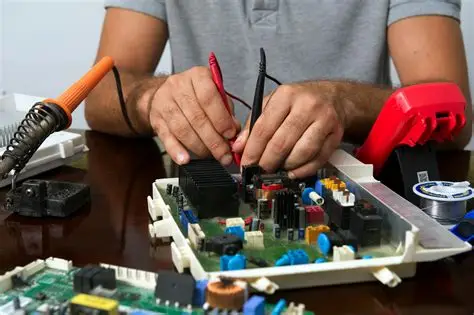
There was a time in Ghana when almost nothing in the household was considered useless simply because it had developed a fault. A broken chair could be repaired, a torn school uniform could be sewn, a damaged radio could be taken to a technician, and a worn-out pair of shoes could be given another chance at life.
Buying something new was not always the first option. Families believed that many household items could serve them for years if they were properly maintained and repaired.
Today, things appear to be changing. With the growing availability of imported goods, changing consumer habits and the influence of modern technology, some people find it easier to replace damaged items than to repair them.
But are Ghanaians gradually losing a culture that once taught people patience, creativity and the importance of making good use of what they already owned?
In many Ghanaian homes, repairing damaged items was a normal household practice.
A schoolbag with a broken zip could be taken to a tailor. A torn dress could be stitched, while a damaged table or chair could be repaired by a carpenter.
When television sets stopped working, families often contacted technicians rather than immediately purchasing replacements.
Even kitchen utensils were not easily discarded. Some aluminium pots were repaired when possible, while other household containers were reused for different purposes.
Children grew up watching adults find practical solutions to everyday problems.
These experiences taught them that an item did not necessarily lose its value because it was old or damaged.
Across Ghana, roadside repairers have long played important roles in community life.
Shoemakers, commonly called cobblers, repaired sandals, slippers and school shoes. Tailors adjusted clothes, replaced zips and stitched torn garments.
Radio and television technicians worked on faulty electronic devices, while bicycle repairers helped children and adults keep their bicycles functioning.
These artisans were not simply service providers. They were skilled workers whose knowledge helped families save money and reduced the need to purchase replacements.
Although many of these businesses still operate across Ghana, some face challenges as consumer preferences and technology continue to change.
One major reason people replace rather than repair certain items is convenience.
In some cases, repairing an item may cost almost as much as purchasing a new one. Spare parts can also be difficult to find, particularly for newer electronic devices.
Some products are designed in ways that make repairs complicated or expensive.
Changing fashion trends and the desire to own newer products can also influence purchasing decisions.
A person may replace a functioning phone simply because a newer model has been released, while another may discard furniture because it no longer matches the appearance of a renovated room.
Social media and advertising can further encourage the belief that newer possessions are always better.
The growing habit of replacing household items also raises environmental concerns.
Discarded electronic devices, plastic products, furniture and other materials contribute to waste generation.
Some electronic waste contains substances that can harm human health and the environment when handled or disposed of improperly.
Repairing suitable items, reusing materials and ensuring that waste is handled responsibly can help reduce unnecessary disposal.
However, not everything should be repaired or reused. Damaged electrical appliances, unsafe cooking equipment and other hazardous items should be assessed by qualified professionals or replaced when necessary.
The culture of repairing things also encouraged people to develop practical abilities.
Children sometimes learnt how to sew buttons, maintain bicycles, mend simple household items and take care of their belongings.
These skills promoted independence and helped people understand the effort involved in producing and maintaining everyday possessions.
Today, some young people may have fewer opportunities to acquire such skills, particularly when replacement is treated as the easiest solution.
Schools, families and vocational training institutions can help preserve these abilities by encouraging practical learning and appreciation for skilled craftsmanship.
For households managing limited incomes, repairing an item can sometimes be a sensible financial decision.
A well-maintained schoolbag may last longer than expected, while a small clothing alteration can make an old outfit useful again.
Proper maintenance of furniture, appliances and other possessions may also prevent minor faults from becoming expensive problems.
Before replacing an item, families can consider whether it is safe to repair, whether spare parts are available and whether the cost makes financial sense.
The aim should not be to keep everything forever, but to avoid unnecessary spending and waste.
Ghana continues to have many talented artisans who provide essential repair and maintenance services.
Supporting these workers, encouraging vocational skills and teaching children to care for their belongings can help keep the culture of repairing and reusing alive.
Modernisation does not have to mean abandoning every traditional habit.
Sometimes, the wisdom of earlier generations can offer practical lessons for dealing with today’s rising living costs and environmental challenges.
When something in your home gets damaged, do you prefer repairing it or buying a new one, and why?

Imagine sharing a personal problem with someone you trust, only to discover a few days later that people you have never spoken to know every detail of your situation.
You told one friend about a disagreement in your relationship. That friend told another person, who also shared it with someone else. Before you realise what has happened, your private matter has become a topic of discussion at work, in your neighbourhood or even in a family WhatsApp group.
The most surprising part is that the person who revealed your secret may still insist that they did nothing wrong.
“I only told one person,” they might say.
But since when did telling just one person mean that a secret was still safe?
In a world where conversations travel quickly through mobile phones, social media and everyday interactions, keeping personal information confidential seems increasingly difficult.
This raises an interesting question: Have we forgotten how to keep secrets, or have we simply become too interested in other people’s private lives?
There is a familiar experience in many social circles.
Someone approaches you quietly and says, “Please, don’t tell anybody what I’m about to tell you.”
You promise to keep the information confidential.
A few hours later, another person approaches you with the same story.
Before long, the secret has travelled through several conversations, with each person claiming they heard it from someone trustworthy.
This happens among friends, colleagues, relatives and neighbours.
Sometimes, the information changes as it moves from one person to another. A simple misunderstanding between two people can eventually become a dramatic story involving arguments, insults and events that never happened.
By the time the original person hears the story again, it may be almost unrecognisable.
Human beings are naturally curious about what happens around them.
People want to know who is getting married, who has changed jobs, who has bought a house and who is experiencing difficulties.
In Ghanaian communities, conversations about neighbours, relatives and public figures can become a regular part of social interaction.
However, curiosity becomes a problem when it crosses personal boundaries.
A person’s divorce, financial difficulties, medical situation or family disagreement may become entertainment for people who have no direct involvement in the matter.
Some individuals appear more interested in discovering what is happening in another person’s life than understanding whether that person needs support.
There is a difference between showing concern and searching for information simply to have something interesting to discuss.
Friendship is often built on trust.
People share personal experiences with friends because they believe those individuals will listen without exposing them to unnecessary embarrassment.
But what happens when a friend repeatedly reveals confidential information?
Imagine telling someone about your plans to change jobs before informing your employer.
The following day, a colleague congratulates you on your supposed new position.
You immediately realise that your plans are no longer private.
Such experiences can damage friendships because the problem is not only the information shared but also the broken promise.
Once trust is lost, even ordinary conversations can become uncomfortable.
You may begin questioning whether everything you say will eventually become public knowledge.
Family WhatsApp groups have made communication easier.
Relatives living in different towns and countries can exchange photographs, celebrate achievements and stay informed about important events.
However, these platforms can also become places where personal matters are shared without permission.
A relative may post information about someone’s relationship, pregnancy, financial challenges or family disagreement before the person involved is ready to discuss it.
Sometimes, photographs from private gatherings are forwarded to people who were never invited.
The person sharing the information may believe they are simply updating the family.
But being related to someone does not automatically permit you to reveal every detail of their life.
Even within families, people deserve privacy.
Consider a workplace where employees spend their lunch breaks discussing the personal affairs of colleagues.
One person has been seen speaking frequently with a particular coworker, and rumours about a relationship begin circulating.
Another employee arrives at work looking unhappy, and people immediately begin speculating about problems at home.
Instead of asking whether the person is okay, some colleagues become interested in finding out what has happened.
Gossip can sometimes appear harmless, especially when presented as casual conversation.
However, repeated speculation can damage reputations, create mistrust and make workplaces uncomfortable.
A story does not have to be true to cause embarrassment.
Sometimes, the rumour itself becomes more damaging than the event people are discussing.
In the past, a private disagreement might remain within a small group of people.
Today, one screenshot can expose an entire conversation to thousands of strangers.
Messages intended for a single person may be forwarded to group chats or published on social media.
Voice notes recorded during emotional moments can circulate widely, while private photographs may be shared without consent.
Some people even record disagreements instead of attempting to resolve them.
The desire to expose someone publicly can turn ordinary conflicts into lasting online controversies.
Once personal information spreads across multiple platforms, controlling where it goes becomes extremely difficult.
This is why trust and digital responsibility have become increasingly important.
Not everyone who reveals confidential information does so with the intention of causing harm.
Some people struggle to resist the temptation to share an interesting story.
Others may reveal information because they want to appear knowledgeable or important.
There are also individuals who believe that telling a spouse, sibling, or closest friend does not count as breaking confidentiality.
However, a secret does not automatically become less private because it is shared with someone close.
If a person has trusted you with information, the responsibility to protect it should not depend on how interesting the story is.
Of course, confidentiality has limits. When someone is at serious risk of harm, seeking appropriate help may be more important than keeping information secret.
But ordinary personal matters should not become public discussions without a legitimate reason.
One of the most difficult parts of having a secret exposed is discovering who revealed it.
Imagine confiding in a close friend during a difficult period.
You explain your fears, share your frustrations and speak openly because you believe the conversation is safe.
Later, you discover that the same friend has been discussing your situation with others.
The embarrassment may eventually fade, but the disappointment can remain.
Some people respond by ending the friendship.
Others forgive the person but stop sharing sensitive information.
A relationship may continue, yet the level of openness may never be the same.
This shows how easily a few careless words can affect years of trust.
After experiencing betrayal, some people decide to keep everything to themselves.
They avoid discussing their relationships, finances, plans and personal challenges.
While privacy can protect individuals from unnecessary interference, complete silence can also make it difficult to receive emotional support.
The answer may not be to stop trusting everyone but to become more thoughtful about whom we trust.
Not every friend needs to know every detail of our lives.
Similarly, someone who shares a personal experience with us should be able to expect discretion and respect.
A trustworthy person is not necessarily the one who knows the most secrets. It is the one who understands which conversations should remain private.
The next time someone tells you something personal, consider why they chose to share it with you.
Perhaps they needed encouragement, advice or simply someone who would listen.
They may have been struggling with an issue they were not ready to discuss publicly.
Before forwarding a screenshot, repeating a conversation or revealing someone’s situation to another person, consider how you would feel if the roles were reversed.
Would you be comfortable discovering that your private conversation had become a topic of entertainment?
Sometimes, protecting someone’s secret is not about hiding information. It is about respecting the trust they placed in you.
If your closest friend reveals a secret you trusted them with, would you forgive them and continue the friendship, or would you never trust them again?

Almost every Ghanaian home has something that is considered too special to be used on an ordinary day.
It could be an expensive perfume carefully kept inside a wardrobe, a beautiful dress waiting for the perfect occasion, a set of bedsheets reserved for important visitors or a pair of shoes that has remained untouched since it was purchased.
Sometimes, these items stay in the same place for months or even years.
The funny part is that the owners genuinely love them. They bought them because they were beautiful, expensive or meaningful. Yet, instead of enjoying them, they keep waiting for a special day.
But what happens when that special day never comes?
Imagine buying a beautiful outfit because you fell in love with it the moment you saw it.
You bring it home, try it on, admire yourself in the mirror and carefully hang it inside your wardrobe.
The following weekend, you consider wearing it to church but change your mind.
“This dress is too nice for an ordinary Sunday,” you tell yourself.
A few weeks later, a friend invites you to a birthday celebration. Once again, you decide the occasion is not important enough.
Months pass, and the dress remains untouched.
Eventually, when the perfect occasion finally arrives, you discover that the dress no longer fits.
Something you bought to make yourself happy has spent its entire life hanging inside a wardrobe.
Perfume lovers may understand this experience.
You buy an expensive fragrance, perhaps after saving money for several weeks.
The first time you use it, you feel wonderful. People compliment the scent, and you are excited about your purchase.
Then something changes.
You begin using it only for weddings, important meetings and major celebrations.
On ordinary days, you reach for a cheaper fragrance because you do not want the expensive one to finish.
Before long, the perfume becomes something you admire rather than enjoy.
Sometimes, it stays unused for so long that its fragrance changes or its quality deteriorates.
The desire to preserve something valuable can ironically prevent us from enjoying the very thing we worked hard to acquire.
For many people who grew up in Ghana, the habit of saving special belongings began during childhood.
Christmas and Easter were occasions when some children received new clothes and shoes.
Those items were not meant for everyday use.
A child who attempted to wear their Christmas shoes before December 25 could receive a serious warning from their parents.
The shoes were carefully kept inside their boxes, sometimes with the original wrapping still intact.
When Christmas finally arrived, wearing the new outfit became one of the most exciting moments of the celebration.
That experience taught many children that certain belongings should be reserved for important occasions.
As adults, some people continue the habit without even realising it.
The habit goes beyond clothes, shoes and perfumes.
Some people buy beautiful notebooks but refuse to write in them because they do not want to spoil the pages.
Others purchase expensive kitchen appliances and keep them in their boxes because they are waiting to move into a bigger house.
Someone may buy a lovely handbag but decide to use it only after securing a better job.
Another person may postpone visiting a beautiful destination because they are waiting for the perfect partner to accompany them.
There is nothing wrong with planning or saving something for a meaningful occasion.
The problem begins when the conditions for enjoyment become so demanding that satisfaction is repeatedly postponed.
Life does not always provide the perfect moment we imagine.
Think about how people prepare for major celebrations.
During weddings, birthdays and anniversaries, we wear our best clothes, prepare delicious meals, decorate our surroundings and take beautiful photographs.
But on ordinary days, some people feel there is no reason to make an effort.
A person may own several beautiful outfits but wear the same old clothes every weekend because there is no important event to attend.
Someone may enjoy eating from a beautiful dinner set but reserve it for Christmas, while using chipped plates throughout the year.
Why should the things that make us happy be enjoyed only when there is a celebration?
An ordinary Tuesday may not come with music, decorations or visitors, but it is still part of our lives.
Perhaps we sometimes underestimate the value of everyday experiences because we are constantly waiting for something bigger.
For some people, saving special belongings is connected to the fear of losing them.
An expensive handbag might get scratched. A beautiful dress could become stained. A favourite pair of shoes may wear out.
These concerns are understandable, especially when replacing an item would be financially difficult.
Someone who worked for months to afford a particular possession may naturally want it to last.
However, there is a difference between taking proper care of belongings and being too afraid to use them.
A pair of shoes will eventually wear out if worn regularly, but keeping it unused forever may also mean never experiencing the comfort or happiness it was purchased to provide.
The challenge is finding a balance between preservation and enjoyment.
In some homes, certain household items are brought out only when important visitors arrive.
A family may have beautiful curtains, special tablecloths and expensive drinking glasses that are rarely used by household members.
When guests arrive, the home suddenly takes on a different appearance.
The best cups are brought out, the special plates appear, and everything is carefully arranged.
Hospitality is an important part of Ghanaian culture, and making visitors feel welcome is a beautiful tradition.
However, it is worth asking whether the people who live in the house also deserve to enjoy its best belongings.
After all, family members spend more time in the home than occasional visitors.
One unfortunate aspect of saving belongings for too long is discovering that they are no longer useful.
Clothes may become too small or go out of style.
Shoes can deteriorate during prolonged storage, depending on their materials and conditions.
Electronic devices may become outdated, while certain beauty products can expire.
Sometimes, people even forget they own particular items until they begin cleaning or rearranging their rooms.
Finding something beautiful that has never been used can create mixed feelings.
There is excitement about rediscovering it, but also disappointment over the opportunities missed.
The item was available all along, yet the owner kept waiting for permission from an imaginary special occasion.
There is something beautiful about dressing nicely for an ordinary outing, using your favourite perfume on a regular workday or preparing a special meal simply because you feel like it.
Not every enjoyable experience needs to be attached to a birthday, wedding, promotion or holiday.
Sometimes, wearing your favourite outfit to visit a friend can make an ordinary afternoon memorable.
Using the beautiful notebook you have been preserving may inspire you to begin writing something meaningful.
Opening the expensive dinner set for a simple family meal may create a moment everyone remembers.
Of course, financial responsibility still matters. People should not feel pressured to waste expensive products or replace belongings unnecessarily.
But enjoying what we already own is different from spending recklessly.
Perhaps the special occasion we have been waiting for does not always need to appear on a calendar.
Sometimes, being alive, healthy and able to appreciate what we have is already a reason to enjoy the present.
What expensive or beautiful thing have you been keeping for a special occasion, and why haven’t you used it yet?


CAS Restores Senegal as African Champions, Morocco Rejects Verdict

France Applauds Ghana’s Economic Recovery and Growth Efforts

Nkrumah Memorial Park Initiative Gets Support from Kantanka Group

BoG Encourages Banks and Financial Institutions to Explore Carbon Markets

Recruitment Underway as Ghana’s Women’s Development Bank Prepares for Take-Off

NADFFA 2027: Ghana to Host Pan-African Film and Food Festival in March

Ghana Faces Very Strong El Niño Threat as GMet Warns of Extreme Heat, Drought and Possible Flooding

GTA Targets Taxi Drivers in ‘Know Ghana’ Campaign to Boost Tourism

South Africa to Allow Fund Managers 100% Foreign Assets Under New Framework

UG Alumni Association Honours KGL Boss’ Father With Centre at Legon

Illinois’ financial crisis could bring the state to a halt
The final 6 ‘Game of Thrones’ episodes might feel like a full season
New Season 8 Walking Dead trailer flashes forward in time
Mod turns ‘Counter-Strike’ into a ‘Tekken’ clone with fighting chickens
Meet Superman’s grandfather in new trailer for Krypton

-

 General News9 hours ago
Nollywood Legend Pete Edochie Dies at 79 After Battle With Prostate Cancer
-

 Entertainment21 hours ago
Reggie Rockstone apologises to AY Poyoo over Zen Gardens stage incident
-

 General News8 hours ago
Kade Rape and Robbery Suspect Linked to 7 Attacks, Murder Dies During Police Operation
-

 General News5 hours ago
GES Orders Strict Enforcement of Two-Year Ban on Candidates Who Sit for BECE and WASSCE Prematurely
-

 General News4 hours ago
Don’t Ban the Child, Fine the Parent – Seth Dankwah Challenges GES Two-Year Examination Ban
-

 Entertainment21 hours ago
Every Song I Release Is a Sermon – Perez Musik
-

 Education21 hours ago
Not Every Brilliant Child Comes First in Class: Are Schools Ignoring Hidden Talents?
-
 General News5 hours ago
NPA Bill 2026: Emmanuel Duah Urges Parliament to Amend Clause 103 to Save BOST Energies