
Business
South Africa Pushes for Stronger Trade and Industrial Partnership with Ghana

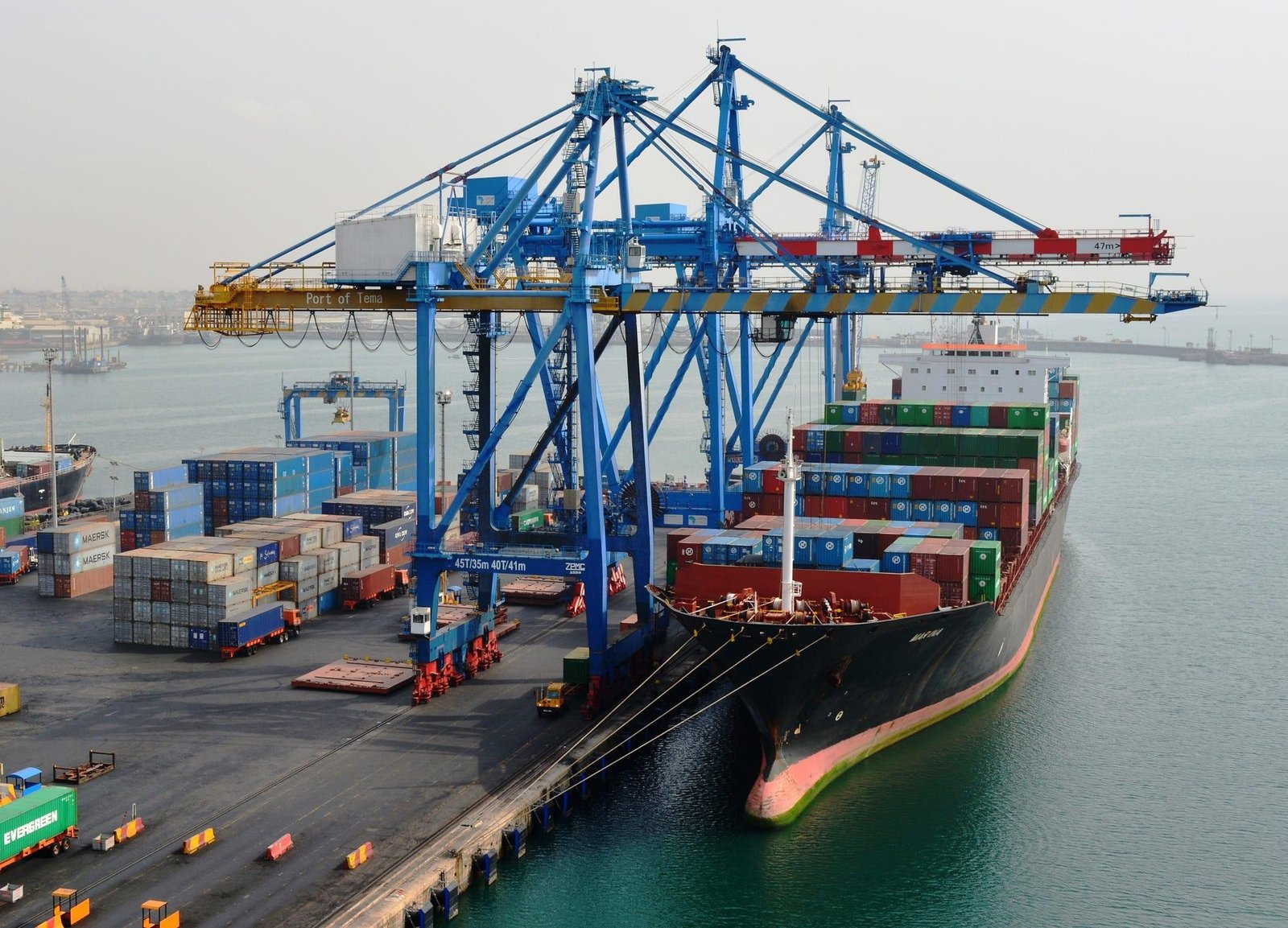
South Africa is calling for stronger trade, investment and industrial cooperation with Ghana, urging both countries to address regulatory barriers that continue to make cross-border business more difficult.
South Africa’s Deputy Minister of Trade, Industry and Competition, John Steenhuisen, made the appeal during the Sixth German-African Business Summit in Accra, where government officials, investors and business leaders are discussing opportunities for economic cooperation.
Mr Steenhuisen identified differences in tariffs, taxation and product certification requirements as some of the obstacles limiting trade between African countries. He advocated greater harmonisation of regulations and standards to reduce costs and simplify the movement of goods between Ghana and South Africa.
He argued that products already certified and approved in one country should not be required to undergo unnecessary duplicate certification processes when entering the other market, a move he believes could help businesses expand and become more competitive.

AfCFTA and trade policy coverage
The proposal is also aimed at advancing the objectives of the African Continental Free Trade Area (AfCFTA), which seeks to promote trade among African countries by improving market access and reducing barriers to commerce.
Beyond trade regulations, the South African Deputy Minister called for deeper industrial partnerships between the two countries, suggesting that Ghanaian manufacturers could supply products and components to South African industries.
He also highlighted opportunities for South African businesses to contribute to Ghana’s mining, mineral processing and manufacturing sectors through investment, technical expertise and industrial collaboration.
Mr Steenhuisen further stressed the importance of infrastructure development to Ghana’s industrialisation ambitions, pointing to ports and airports as essential facilities that require investment and modernisation to support manufacturing, trade and the movement of goods.
He said South African investment and expertise, particularly through development finance institutions, could help support infrastructure projects and strengthen Ghana’s productive capacity.
The push for stronger bilateral economic relations comes as both countries seek to expand commercial partnerships, attract investment and strengthen their participation in African and international value chains.
The Sixth German-African Business Summit, being held in Accra from November 23 to 25, 2026, provides a platform for businesses and governments to explore partnerships aimed at promoting economic growth, industrial development and job creation across the continent.









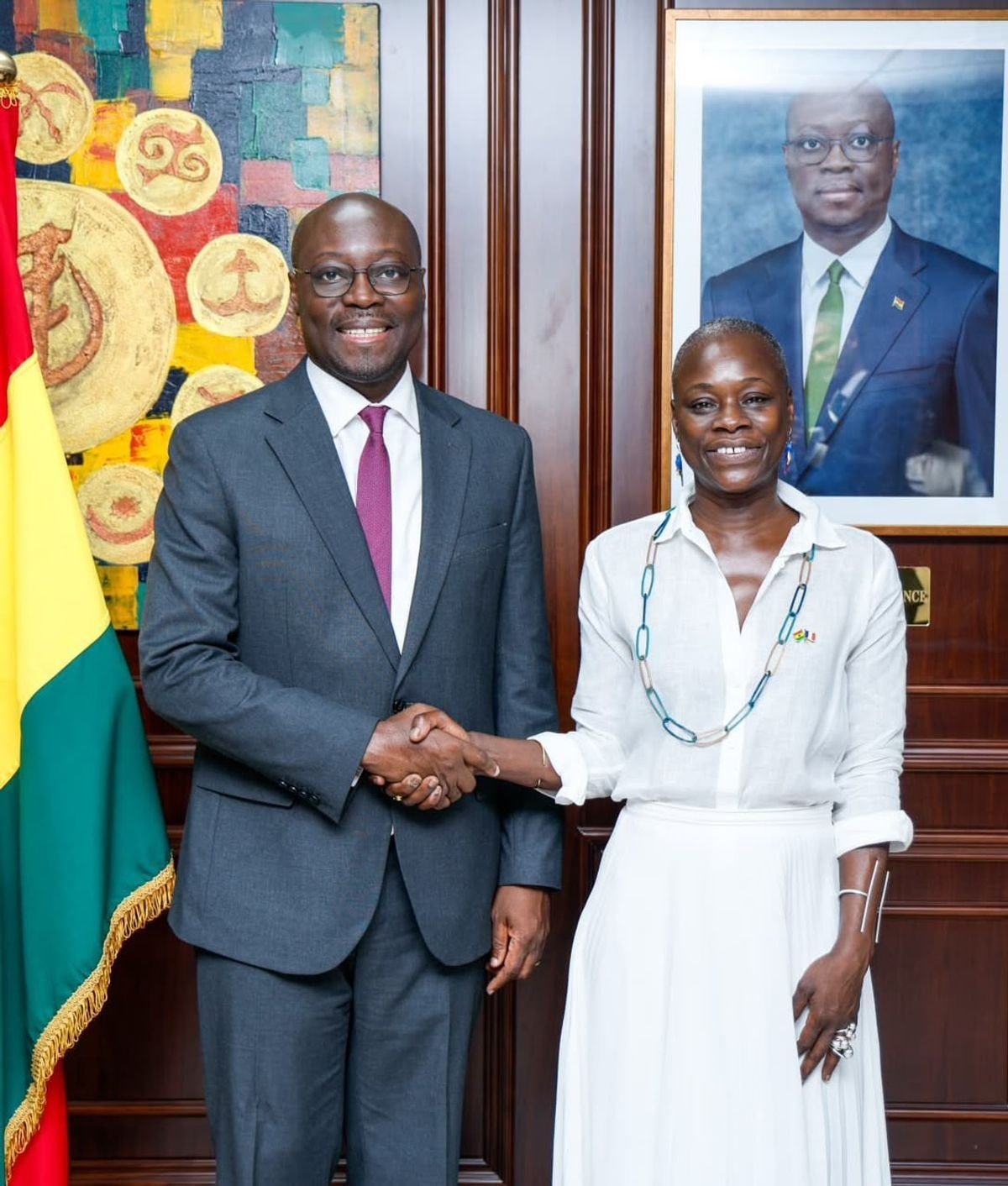
France’s Ambassador to Ghana, Diarra Dimé-Labille, has commended Ghana for its economic progress, expressing admiration for the country’s recent economic performance during a meeting with Finance Minister Dr Cassiel Ato Forson in Accra.
The Ambassador, who was accompanied by members of her delegation, congratulated the Finance Minister on the performance of the economy, describing the progress made as encouraging.
Speaking during the engagement, she said France had been impressed by Ghana’s economic direction and the efforts being made to improve the country’s economic outlook.
“I need to congratulate you because we are all quite impressed about how you are doing well when it comes to the economy,” she remarked.
Dr Cassiel Ato Forson welcomed the French delegation and expressed Ghana’s appreciation for France’s longstanding partnership and support for the country.
The Finance Minister also highlighted France’s contribution to efforts to retool the Ghana Armed Forces, explaining that the previous French Ambassador had facilitated connections that helped Ghana secure military equipment and aircraft.
He expressed gratitude to the French government for the assistance, noting the importance of the bilateral relationship and continued cooperation between the two countries.
The meeting underscored the longstanding diplomatic ties between Ghana and France, as both countries continue to explore opportunities for cooperation across economic, institutional and strategic areas.
The Ambassador’s commendation comes amid ongoing efforts by Ghana to strengthen macroeconomic stability, improve investor confidence and sustain its economic recovery.
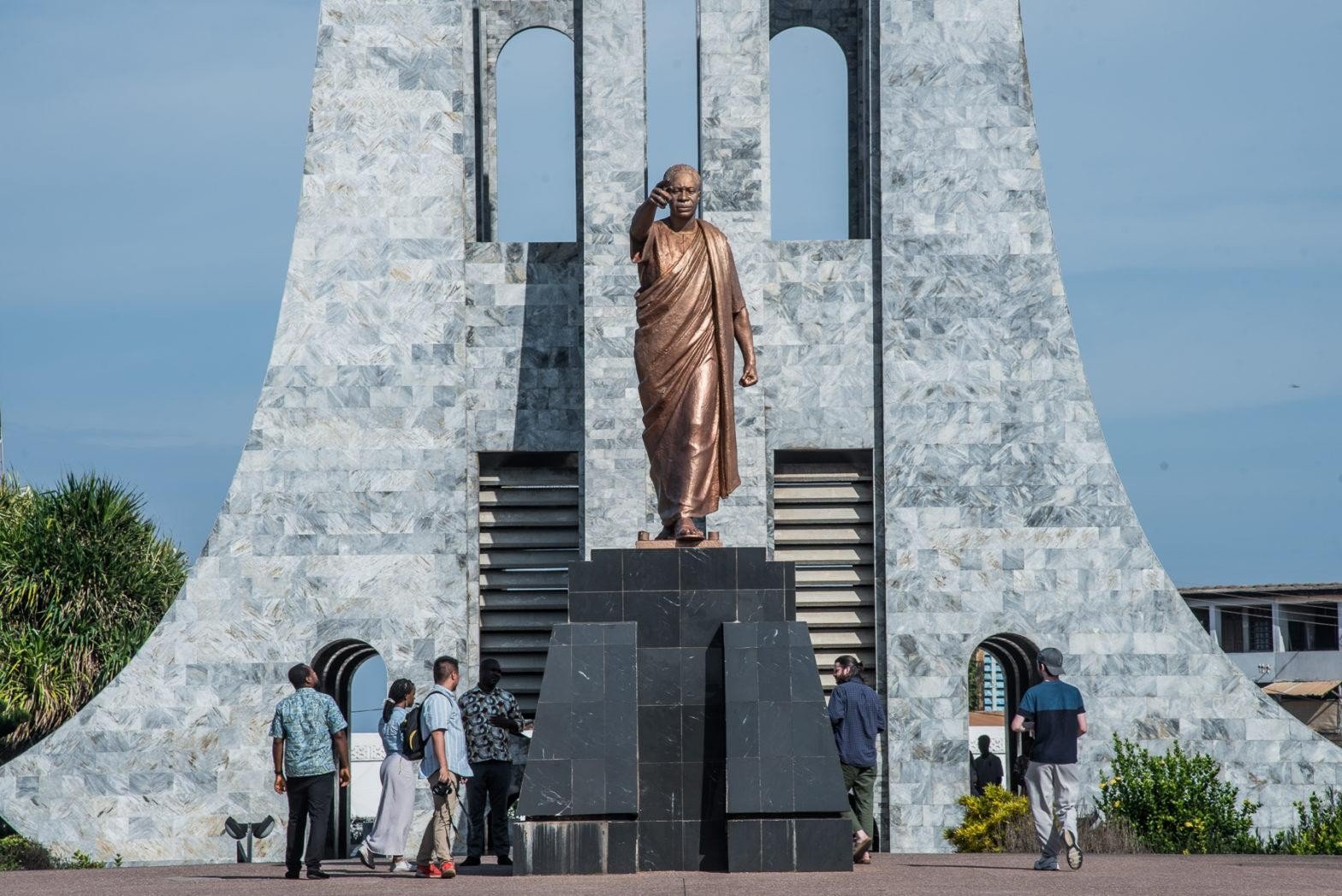
The Kantanka Group is exploring a partnership with the Kwame Nkrumah Memorial Park to promote Ghanaian-owned businesses and strengthen public awareness of indigenous industrialisation, innovation and economic self-reliance.
The proposed collaboration forms part of the Nkrumah Economic Independence Programme, an initiative aimed at identifying, documenting, recognising and showcasing Ghanaian enterprises and institutions contributing to the country’s economic development.
The Group’s Chief Executive Officer, Nana Kwadwo Safo Akofena, who also leads the Kristo Asafo Mission, visited the memorial park on Tuesday, November 24, 2026, as discussions on the initiative progressed. The visit followed an earlier meeting between the two institutions ahead of a possible formal rollout.
Executive Director of the Kwame Nkrumah Memorial Park, Dr Collins Rawlings Nunyonameh, said the initiative seeks to connect the economic philosophy of Ghana’s first president, Dr Kwame Nkrumah, with the activities of modern Ghanaian businesses.
He emphasised that economic independence must go beyond political freedom to include the development and control of productive capacity, manufacturing, innovation and capital formation.
Dr Nunyonameh said the programme could also contribute to national conversations on economic policy, particularly in relation to public procurement and the recognition of locally developed products, services and technologies.
Nana Kwadwo Safo Akofena expressed support for the proposed partnership, saying the principles associated with Dr Nkrumah’s vision of self-reliance had influenced the philosophy behind the Kantanka Group’s activities.
He noted that the belief in the ability of Africans to develop their own technologies, products and industries remained central to the group’s approach to business and innovation.
The proposed programme is expected to involve Ghanaian businesses from several sectors, including manufacturing, petroleum, mining, pharmaceuticals, infrastructure, logistics, financial services and technology.
Plans under consideration include the establishment of a Ghanaian Enterprise and Industrialisation Archive, exhibitions showcasing indigenous businesses, an annual Nkrumah Economic Independence Awards scheme, mentorship programmes for young people and students, and a lecture and policy dialogue series.
The memorial park also hopes to use its visitor platform to bring greater public attention to Ghanaian innovation and entrepreneurship, with a major exhibition being targeted for March 2027 as part of activities marking Ghana’s 70th anniversary of independence.
The proposed programme is awaiting approval in principle from the park’s governing board, with organisers hoping the collaboration will help strengthen the visibility of Ghanaian-owned enterprises and encourage a broader national commitment to economic self-reliance.
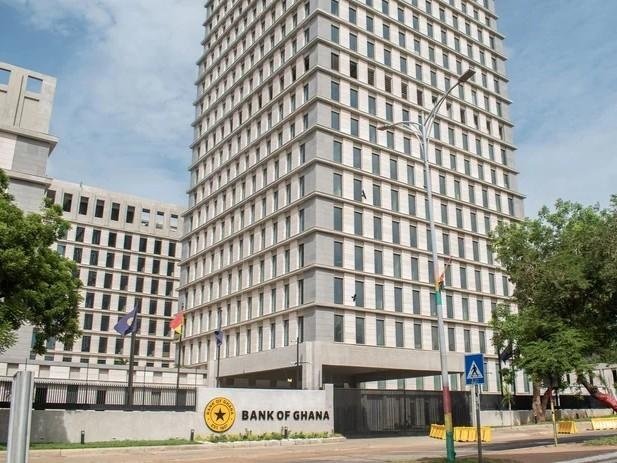
The Bank of Ghana (BoG) has urged banks, insurance companies, pension funds and other financial institutions to increase their participation in carbon markets, describing the sector as a potential source of new revenue, foreign investment and support for Ghana’s green economy.
The call was made during a carbon markets trading training programme organised by the central bank in collaboration with Financial Sector Deepening (FSD Africa), aimed at strengthening the capacity of financial institutions to finance carbon-related projects.
Assistant Director at the Bank of Ghana’s Banking Supervision Department, Allswell Abankwa, said growing international interest in Ghanaian carbon credits presents an opportunity for local financial institutions to support businesses and project developers in generating carbon credits for sale.
He noted that potential investment areas include clean energy, clean cooking solutions, electric vehicles and forestry, adding that buyers from Switzerland and Sweden have expressed interest in Ghanaian carbon credits, while Singapore has also indicated interest in the market.

Mr Abankwa said financial institutions needed to recognise the commercial potential of carbon markets and help mobilise the funding required to develop projects capable of producing verified carbon credits.
Carbon credits generally represent reductions or removals of greenhouse gas emissions and can be traded in regulated or voluntary markets. Projects involving renewable energy, reforestation, cleaner cooking technologies and other climate-friendly activities can generate credits, subject to applicable standards and verification requirements.
Carbon Markets Lead at FSD Africa, Reshma Shah, emphasised the role of banks, insurers, pension funds and asset managers in providing the financing and risk-management support needed to make carbon-related projects viable.
She explained that established projects could access commercial financing, while blended finance and risk-sharing arrangements could help reduce investment risks and encourage funding into projects that are still developing.
According to her, carbon markets could stimulate economic activity across several sectors, including forestry, clean cooking, transport, manufacturing and energy, while creating employment opportunities and strengthening green skills.
The Bank of Ghana’s initiative forms part of broader efforts to deepen sustainable finance in Ghana and encourage the financial sector to support environmentally responsible investments. Greater participation in carbon markets could help businesses access new sources of funding, strengthen Ghana’s position in international carbon trading and contribute to the country’s climate and economic development objectives.
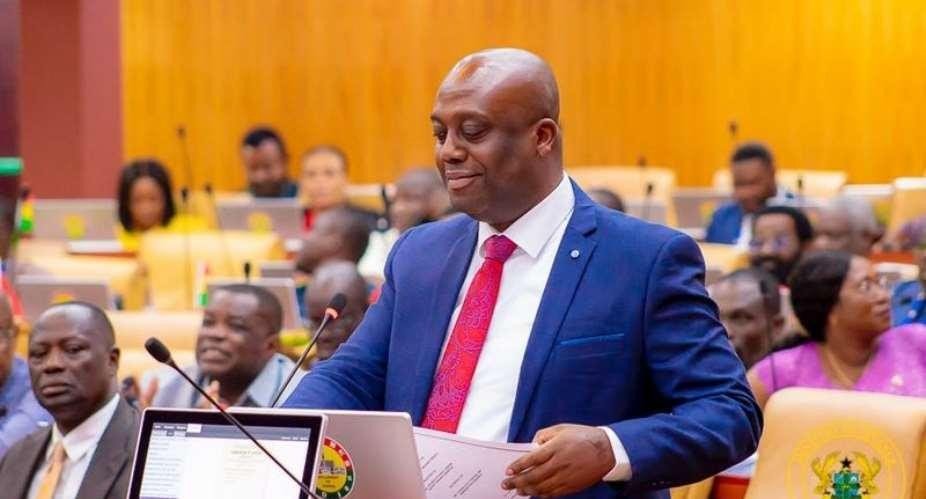
The government has begun recruiting management personnel and staff for the proposed Women’s Development Bank as preparations intensify towards the handover of its head office in December 2026.
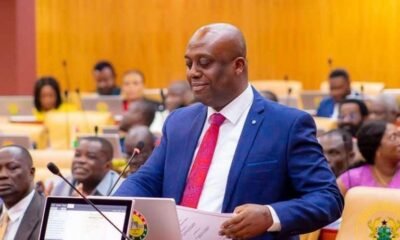
Deputy Finance Minister Thomas Nyarko Ampem disclosed the development during parliamentary debate on the 2027 Budget, saying the institution’s headquarters is expected to be handed over early next month as the government works towards launching the bank in 2027.
According to the Deputy Finance Minister, funding for the institution has been secured, with recruitment processes already underway to assemble the team required to oversee its operations.
He told Parliament that the government was on course to commence full operations by the end of the first quarter of 2027, following the completion of preparations.
The proposed bank is expected to focus on improving access to financial services for women, particularly entrepreneurs, traders, small-business owners and other women seeking financial support to expand their economic activities.
The initiative forms part of the government’s broader efforts to promote financial inclusion and strengthen women’s participation in Ghana’s economic development.
The government has reportedly capitalised the proposed institution with GH¢400 million, while its application for a banking licence remains under review by the Bank of Ghana. The central bank has indicated that it is conducting due diligence and reviewing additional information submitted by the promoters.
Although recruitment and preparations for the headquarters are progressing, the bank has not yet been listed as a licensed bank by the Bank of Ghana. Prospective applicants have also been advised to rely on official government and institutional announcements for verified recruitment opportunities.
The December handover of the head office and ongoing recruitment are expected to represent significant steps towards the institution’s planned operational launch in 2027.
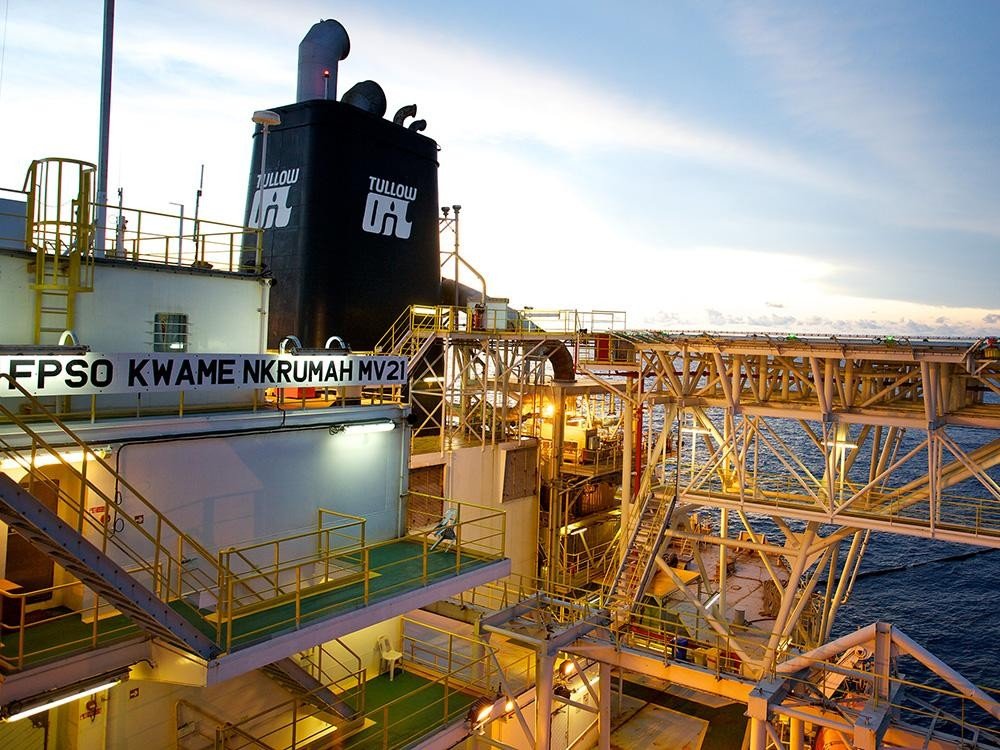
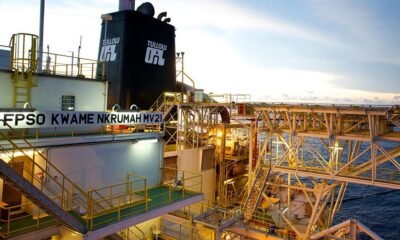
Tullow Oil has reached a settlement agreement with the Government of Ghana to resolve two long-running tax disputes arising from international arbitration proceedings, with the oil company agreeing to make an upfront payment of US$112 million.
The agreement, announced on November 23, 2026, covers disputes relating to proceeds from Tullow’s business interruption insurance policy and the disallowance of loan interest deductions. The deal has received government approval but is subject to consideration and approval by Parliament.
Under the settlement terms, Tullow will pay US$112 million in cash upfront, while approximately US$91 million will be settled through the assignment of certain receivables owed to the company and deductions relating to previously unutilised business interruption insurance premiums.
The company is also expected to make additional cash payments of US$40 million in 2027 and US$44.5 million in 2028. These payments may be deferred if the annual average oil price falls below US$90 per barrel, with 2032 serving as the final backstop for payment.
The agreement further provides for revenues from approximately 100 billion cubic feet of gas from the Jubilee field to be assigned to the Government of Ghana from 2029, although commencement could be deferred until 2032.
The settlement follows two tax arbitration disputes involving assessments of US$196.5 million over business interruption insurance proceeds and US$190.5 million relating to loan interest deductions, both of which carried 100 per cent penalties.
In September 2026, an International Chamber of Commerce tribunal upheld Ghana’s tax assessment relating to Tullow’s business interruption insurance proceeds, dismissing the company’s claims and affirming the Ghana Revenue Authority’s position on the matter.
Finance Minister Dr Cassiel Ato Forson said the agreement gives effect to the arbitration award and secures revenues due to the Ghanaian people, while supporting continued investment in the Jubilee and TEN oilfields.
He stressed that the settlement is limited to the two tax assessments and does not alter Ghana’s Petroleum Agreements or existing tax laws.
Tullow Oil Chief Executive Officer Ian Perks welcomed the agreement, stating that it would help the company resolve its outstanding liabilities, advance its refinancing plans and sustain investment in the country’s key oil-producing assets.
Following the settlement, Tullow revised its 2026 free cash flow guidance to between US$160 million and US$210 million, from its previous forecast of US$170 million to US$250 million.
The agreement is expected to be presented to Parliament for approval, with its implementation potentially providing a framework for resolving the disputes while maintaining the company’s operations and investment commitments in Ghana’s petroleum sector.


Former England Star Raheem Sterling Banned from Driving for Two Years

Kofi Adams and Stonebwoy to Lead Parade Honouring Black Challenge World Cup Champions

CAS Restores Senegal as African Champions, Morocco Rejects Verdict

France Applauds Ghana’s Economic Recovery and Growth Efforts

Nkrumah Memorial Park Initiative Gets Support from Kantanka Group

NADFFA 2027: Ghana to Host Pan-African Film and Food Festival in March

Ghana Faces Very Strong El Niño Threat as GMet Warns of Extreme Heat, Drought and Possible Flooding

GTA Targets Taxi Drivers in ‘Know Ghana’ Campaign to Boost Tourism

UG Alumni Association Honours KGL Boss’ Father With Centre at Legon

Can Students Solve Disagreements Without Fighting? Why Schools Should Teach Conflict Resolution

Illinois’ financial crisis could bring the state to a halt
The final 6 ‘Game of Thrones’ episodes might feel like a full season
New Season 8 Walking Dead trailer flashes forward in time
Mod turns ‘Counter-Strike’ into a ‘Tekken’ clone with fighting chickens
Meet Superman’s grandfather in new trailer for Krypton

-

 General News8 hours ago
Kade Rape and Robbery Suspect Linked to 7 Attacks, Murder Dies During Police Operation
-

 General News10 hours ago
Nollywood Legend Pete Edochie Dies at 79 After Battle With Prostate Cancer
-

 Entertainment22 hours ago
Reggie Rockstone apologises to AY Poyoo over Zen Gardens stage incident
-
 General News5 hours ago
GES Orders Strict Enforcement of Two-Year Ban on Candidates Who Sit for BECE and WASSCE Prematurely
-

 General News5 hours ago
Don’t Ban the Child, Fine the Parent – Seth Dankwah Challenges GES Two-Year Examination Ban
-

 Entertainment22 hours ago
Every Song I Release Is a Sermon – Perez Musik
-
 Education21 hours ago
Not Every Brilliant Child Comes First in Class: Are Schools Ignoring Hidden Talents?
-
 General News5 hours ago
NPA Bill 2026: Emmanuel Duah Urges Parliament to Amend Clause 103 to Save BOST Energies