
Education
Poor Students Are Suffering! – Andy Kankam Slams Exorbitant University Hostel Fees, Demands Government Intervention


Andy Kankam, Managing Editor of Informer Newspaper, has raised serious concerns over the continuous increase in hostel fees at universities in Ghana, warning that exorbitant accommodation charges are threatening the education of students from less privileged backgrounds.
Speaking on the issue on Kessben Maakye show in Accra, Kankam criticised the justification of hostel fee hikes on exchange rate fluctuations and inflation, arguing that these factors have stabilised and, in some cases, improved, making further increases difficult to justify.
He expressed concern over the financial burden placed on students, particularly those from rural communities and low-income families who are struggling to afford accommodation while pursuing higher education.
“I am looking at a poor boy from some village struggling to pay exorbitant hostel fees at the detriment of his education,” he lamented.
Touching on the University of Ghana’s controversial loan arrangement with Africa Integras, Kankam said he was pleased with efforts to address the issue, claiming he had previously warned university authorities about the agreement.
He further alleged that the university entered into the arrangement against legal advice and without the consent of its governing board.
Meanwhile, Kankam praised Frederick Opoku’s performance in rent control, describing the institution as increasingly vibrant under his leadership.
He called for the Rent Control Department to be equipped with technical personnel and decentralised to improve its effectiveness nationwide.
Kankam also urged authorities to strengthen the institution and consider making Frederick Opoku a substantive Rent Control Commissioner, arguing that his performance deserves recognition.
He maintained that effective rent regulation, including enforcement of the 10% tax obligation on rental income to the state, could benefit society while protecting tenants from exploitation
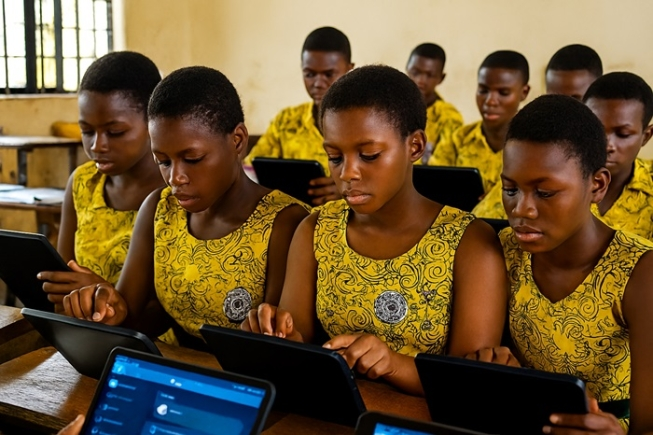
Imagine two students sitting in the same classroom. One consistently scores high marks in mathematics, English and science, while the other struggles to achieve average grades.
The first student receives praise, awards and recognition for academic excellence. The second is often reminded to study harder, improve their grades and follow the example of their more academically successful classmates.
But what if the second student is an excellent artist, a gifted footballer, a talented musician or someone who can repair electronic devices without formal training?
Does performing poorly in examinations mean that such a student is less intelligent or has a limited future?
For years, academic performance has remained one of the most visible measures of student achievement. Examination results influence educational progression, recognition and, in some cases, how children perceive their abilities.
However, students possess different strengths, interests and talents that may not always be reflected in their examination scores.
This raises an important question: Are schools doing enough to discover and develop the talents of students who may not perform exceptionally well academically?
What Does It Mean to Identify a Student’s Talent?
Identifying a student’s talent involves recognising their interests, abilities and potential in different areas of learning and activity.
Some students demonstrate strong abilities in mathematics, science or languages. Others may show promise in music, drawing, storytelling, sports, leadership, technology, practical problem-solving or creative activities.
Talents may become visible through classroom participation, extracurricular activities, personal projects or interactions with other students.
However, identifying talent should not mean permanently labelling children according to what they appear good at during a particular stage of development.
Students can discover new interests, improve existing skills and develop abilities through practice, exposure and encouragement.
Schools should therefore create opportunities for learners to explore different activities before making decisions about their future.
Examinations are important because they help assess students’ understanding of particular subjects and identify areas where additional support may be needed.
However, examination results do not measure every ability a student possesses.
A learner who struggles with written examinations may demonstrate exceptional creativity during practical activities.
Another student may find classroom learning difficult but show strong organisational skills when coordinating a school programme.
Some students may also perform below their potential because of language barriers, limited learning resources, personal difficulties or a lack of suitable academic support.
This does not mean academic performance should be ignored. Rather, it suggests that schools should consider a broader picture when assessing students’ development.
Why Schools Should Pay Attention to Hidden Talents
Every student deserves an opportunity to discover their strengths
Children do not all develop the same abilities at the same pace.
A student who has never been exposed to musical instruments may not know they have an interest in music.
Similarly, a learner who has never participated in coding, athletics, photography or creative writing may remain unaware of their potential in those areas.
Schools can help students discover their interests by introducing them to different activities and allowing them to explore without unnecessary pressure.
Early exposure can help young people make more informed decisions about the skills they want to develop.
It can improve students’ confidence
Students who repeatedly receive poor grades may begin to believe that they are incapable of succeeding.
This perception can affect their willingness to participate in classroom activities or pursue new opportunities.
Recognising a student’s strengths outside traditional academic subjects can help them develop a more balanced understanding of their abilities.
For example, a student who struggles with mathematics but excels in drawing may gain confidence when their artwork is appreciated.
That confidence may also encourage them to approach other learning challenges with greater determination.
However, recognition should not replace academic support. Students still need assistance in subjects where they are experiencing difficulties.
It encourages creativity and innovation
Creativity is useful in many areas, including business, technology, engineering, entertainment and community development.
Students who enjoy designing, building, experimenting or creating new ideas need opportunities to develop those interests.
Schools can encourage innovation through practical projects, exhibitions, science activities, arts programmes and student-led initiatives.
A learner who enjoys creating objects from discarded materials, for example, could be encouraged to explore design, environmental innovation or technical skills.
Such opportunities help students connect classroom learning with practical applications.
It can support better career decisions
Some young people choose academic programmes or careers mainly because of family expectations, social pressure or the prestige associated with particular professions.
While guidance from adults can be valuable, students also need opportunities to understand their own interests and abilities.
A learner who enjoys working with machines may benefit from exploring engineering or technical training.
Another who demonstrates strong writing and communication skills may become interested in journalism, law, education or other communication-related fields.
Recognising strengths early can support career exploration, although students should not be restricted to a particular career simply because they show promise in one area.
It promotes a broader understanding of success
In many school environments, students who achieve the highest examination marks receive the greatest public recognition.
Academic excellence deserves celebration, but other achievements can also contribute to a student’s development.
Schools can recognise creativity, teamwork, sportsmanship, leadership, community service and practical achievements alongside academic performance.
This approach can help students appreciate that success takes different forms and that people contribute to society through different abilities.
Labels such as “weak student,” “dull child” or “not academically gifted” can influence how children view themselves.
When such descriptions are repeated by teachers, parents or classmates, students may become discouraged.
A learner who struggles with a subject may begin to avoid asking questions because they fear being embarrassed.
Schools should distinguish between a student’s current academic performance and their overall potential.
Instead of describing a child as unintelligent, teachers can identify the specific areas where the learner needs additional support.
For example, a student who struggles with reading comprehension may require targeted assistance rather than negative comparisons with classmates.
Every learner should have the opportunity to improve academically while exploring other abilities.
How Can Schools Discover Students’ Hidden Talents?
Identifying students’ strengths requires more than organising an annual talent show.
Schools can create regular opportunities for learners to participate in different activities.
These may include: Creative arts and music programmes, Sports and athletics competitions, Science and innovation exhibitions, Coding and technology clubs, Drama, storytelling and creative writing, Technical and practical projects, debates and leadership activities, Entrepreneurship and design challenges, Community service projects, Photography and media production.
Teachers can observe students’ interests, encourage participation and provide constructive feedback.
Schools should also make activities accessible to learners who may lack the financial resources to purchase equipment or pay participation fees.
Talent development should not become an opportunity available only to students from wealthier households.
Ghana has produced successful individuals in sports, music, entertainment, technology, business, education and many other fields.
These different sectors demonstrate the value of diverse abilities in national development.
Within Ghanaian schools, students participate in activities such as inter-school sports, cultural performances, debates, science competitions and creative arts programmes.
However, opportunities may vary depending on school resources, location and available facilities.
Some schools may have well-equipped laboratories, sports facilities and extracurricular clubs, while others may struggle to provide basic learning materials.
Students in less-resourced schools may therefore have fewer opportunities to explore and develop certain talents.
Improving access to practical learning and extracurricular activities could help more students discover their abilities.
The Ghana Education Service, school administrators, teachers, parents and other education stakeholders can contribute by supporting programmes that recognise different forms of student achievement.
Should Talents Influence School Placement and Career Guidance?
Career guidance should consider students’ interests, abilities, academic performance and future aspirations.
However, talent identification should not become another rigid system that limits children’s opportunities.
For example, a student who demonstrates exceptional sporting ability should not automatically be discouraged from pursuing science or mathematics.
Similarly, a student who excels academically should still have opportunities to explore music, sports and creative activities.
Students should be encouraged to develop multiple abilities and make informed choices as their interests evolve.
Guidance should help learners understand their options rather than decide their future for them.
Parents and guardians have a significant influence on how children develop their interests.
Some may encourage academic achievement while paying less attention to creative or practical abilities.
Others may recognise their children’s interests but lack the resources needed to support them.
Parents can help by observing what their children enjoy, asking questions and encouraging them to explore different activities.
For example, a child who enjoys drawing could be given opportunities to practise and learn more about visual arts.
A student interested in technology could be encouraged to participate in suitable educational projects.
Parents should also avoid comparing siblings or forcing children to pursue careers solely because those professions are considered prestigious.
Supporting a child’s interests does not mean ignoring education. Academic learning and talent development can complement each other.
The Challenge of Limited Resources
One major obstacle to talent development is the availability of facilities, equipment and trained instructors.
Schools may struggle to provide musical instruments, art materials, sports equipment, technology resources or suitable spaces for practical activities.
In some communities, students may also face financial barriers that prevent them from participating in extracurricular programmes.
Addressing these challenges requires cooperation between schools, families, communities, government institutions and development partners.
Partnerships with local artists, sports organisations, technical professionals and businesses could create additional opportunities for students.
Schools can also begin with affordable activities that make use of available resources.
The goal should be to ensure that talent development is not treated as a luxury reserved for a few schools.
Recognising academic excellence is important because it encourages students to work hard and develop strong learning habits.
However, schools could also celebrate achievements in creativity, leadership, innovation, sportsmanship and service.
For example, a student who develops a useful invention or demonstrates outstanding teamwork may deserve recognition even if they are not among the highest academic performers.
Awards should be based on clear and fair criteria to avoid favouritism.
Recognition should also encourage improvement and participation rather than create unnecessary competition among students.
When schools celebrate different achievements, more learners may feel that their contributions are valued.
Having a talent does not automatically guarantee career success.
Developing an ability often requires discipline, training, practice, access to opportunities and, in some cases, financial support.
A talented footballer may need professional coaching, while a gifted musician may require instruction and opportunities to perform.
Students should therefore understand that talent is a starting point rather than a substitute for effort.
Schools can help learners develop realistic expectations by teaching them how to improve their skills and explore related educational or career opportunities.
Should Talent Identification Become Part of School Education?
There is a strong argument for making talent exploration a regular part of students’ educational experiences.
Rather than waiting until learners complete school to discover their interests, institutions could provide structured opportunities for exploration throughout their education.
This does not necessarily require a separate examination subject.
Schools could integrate talent development into extracurricular programmes, practical projects, career guidance and classroom activities.
The most important consideration is ensuring that every student has a reasonable opportunity to participate.
Examination results remain an important part of education, but they do not provide a complete picture of a student’s abilities.
Some children demonstrate their strengths through academic work, while others discover their potential through creativity, sports, leadership or practical activities.
Schools should help learners improve academically without overlooking the different abilities they bring into the classroom.
A child who does not come first in class may still have valuable talents that deserve recognition, encouragement and development.
If education is meant to prepare every child for a meaningful future, should schools focus only on academic excellence, or should discovering hidden talents become an equally important priority?
Can a student who performs poorly in examinations still be considered brilliant because of their talents and abilities?
Education
Remember When Children Spent Their Holidays in the Village? A Ghanaian Childhood Tradition That Is Fading

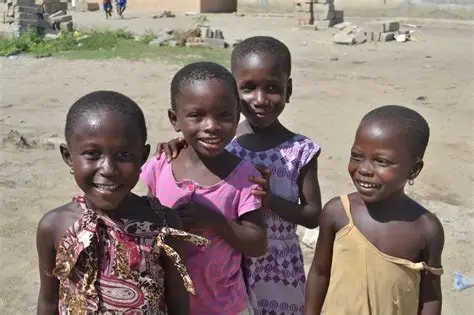
For many Ghanaians who grew up in the 1980s, 1990s and early 2000s, school holidays meant more than sleeping late, watching television or playing with friends. It was also a time to pack a small bag, leave the busy city behind and travel to the hometown to spend time with grandparents, aunties, uncles and other relatives.
For some children, the journey itself was an adventure. They looked forward to travelling in a bus or private car, watching the scenery change along the way and wondering what awaited them when they arrived.
Others could hardly contain their excitement because they knew their grandparents would be waiting, sometimes with food already prepared and stories ready to be told.
In the village, the days often followed a different rhythm. Children woke up to the sounds of roosters, helped with simple household activities, played with cousins, visited relatives and discovered a way of life that was different from what they knew in the city.
For many, those holidays created some of the happiest childhood memories.
Today, however, the tradition of sending children to spend extended school holidays with grandparents and relatives in their hometowns appears less common in some families. Many children now spend their holidays at home, attend holiday classes, join organised activities or travel with their parents.
While these arrangements have their own benefits, they raise an interesting question: are younger generations missing out on an important part of growing up?
Long before the holiday officially began, some children were already making plans.
They knew which clothes they wanted to pack, which cousins they hoped to meet and which activities they wanted to enjoy. Some would remind their parents repeatedly about the journey, especially when the departure date was approaching.
For children living in Accra, Kumasi, Takoradi and other urban areas, travelling to a hometown could feel like entering a completely different world.
The journey might take several hours, depending on the destination. Along the way, children watched roadside sellers, lorry stations, farms, rivers, towns and villages pass by.
There was also the excitement of stopping to buy snacks, drinks or roasted plantain during the journey.
Upon arrival, relatives would often welcome the children with greetings, questions and excitement. Grandparents might ask about school, while cousins quickly began discussing what they would do together.
For some children, the hometown was where they felt they could enjoy a different kind of freedom, explore familiar surroundings and reconnect with relatives they rarely saw during the school term.
One of the most important parts of these holidays was the opportunity to spend time with grandparents.
For children who lived far away, the holidays provided an opportunity to develop relationships with older family members beyond occasional visits and telephone conversations.
Grandparents shared stories about their childhood, explained family history and talked about how life had changed over the years.
Some introduced their grandchildren to traditional foods, local expressions, family customs and the names of important relatives.
A grandmother might teach a child how to prepare a particular dish, while a grandfather could explain how the family acquired its land or why a particular family name carried special meaning.
These conversations were not always formal lessons. Sometimes, children learnt simply by sitting nearby, watching and listening.
They also became familiar with the personalities of their grandparents: the grandmother who insisted everyone ate before leaving the house, the grandfather who enjoyed telling long stories or the relative who always had something interesting to say.
For some children, these memories became especially precious after their grandparents passed away.
For children accustomed to urban life, spending holidays in the hometown often meant having more opportunities to explore outdoor spaces.
Depending on the community, they could play football with cousins, climb trees, visit farms, walk through footpaths, swim in designated safe areas or participate in traditional games.
Some children learnt how to identify different plants, recognise farm crops or distinguish between animals they had previously only seen in books or on television.
Others accompanied older relatives to the farm, market or nearby community gatherings.
Even ordinary activities could become exciting. Fetching water, collecting firewood, helping to arrange food or accompanying a relative on an errand offered experiences that were different from their usual routines.
Of course, village life was not always easy or comfortable. Some children struggled with mosquitoes, limited entertainment, unfamiliar sleeping arrangements or household responsibilities.
But those experiences often taught them to adjust to different environments and appreciate the resources available to them.
Spending holidays with grandparents and relatives also exposed children to practical lessons about responsibility.
They could be asked to sweep the compound, wash their plates, help arrange chairs, feed domestic animals or assist with other age-appropriate household activities.
These responsibilities helped children understand that maintaining a home required effort from everyone.
They also learnt how to interact with older relatives, greet visitors, show respect and participate in family activities.
In some households, children were encouraged to observe how food was prepared, how crops were planted or how certain household tasks were completed.
Such experiences could develop patience, independence and confidence.
However, it is important to distinguish between reasonable participation and excessive responsibilities. Children should be allowed to enjoy their holidays, rest and play without being burdened with work meant for adults.
At its best, the experience combined learning, recreation and family bonding.
For many people, one of the most unforgettable parts of spending holidays in the hometown was meeting cousins.
Children who rarely saw one another during the school term could spend weeks together during holidays.
They created games, shared snacks, explored the neighbourhood and sometimes formed friendships that continued into adulthood.
There were also the familiar disagreements over toys, football teams, sleeping arrangements and who would use a particular item.
But those little arguments were often followed by laughter and another round of play.
For children who were only children or had few siblings at home, the experience could be particularly meaningful.
They suddenly found themselves surrounded by other children with whom they could share everyday experiences.
These relationships also helped them understand that family extended beyond the people living under the same roof.
Today, some cousins maintain close relationships through social media and family gatherings, but others may grow up barely knowing one another.
Another important benefit of spending time in the hometown was exposure to local languages and family traditions.
Children who lived in cities sometimes had limited opportunities to practise the language spoken by their grandparents or other relatives.
During holidays, they could hear these languages throughout the day, learn familiar expressions and understand how certain words were used in everyday conversations.
They also had opportunities to learn about family histories, traditional leadership, festivals, naming customs and the origins of particular family practices.
An older relative might explain why the family celebrated a particular festival, how a traditional marriage was conducted or why certain customs were observed.
These lessons helped children understand their roots and develop a connection with their cultural background.
For children who grew up speaking mainly English or another dominant language at school, the experience could also improve their confidence in communicating with older family members.
As fewer children spend extended periods in their ancestral communities, families may need to find other ways to pass on this knowledge.
Several factors have contributed to the changing holiday experience.
One major reason is the changing nature of family life. Many parents now have demanding work schedules and may prefer to keep their children close during school breaks.
Some families are also concerned about safety, particularly when children are expected to travel long distances or stay in places where parents cannot supervise them directly.
Others may have grandparents who are elderly, unwell or no longer living in the family home.
Urbanisation has also changed family arrangements. Some parents grew up in towns and cities and may have limited connections to their ancestral communities. In such situations, there may be no familiar household available to receive children for an extended holiday.
Another factor is the increasing popularity of holiday programmes.
Children can now attend vacation classes, sports programmes, coding lessons, music training and other organised activities during school breaks.
These opportunities can be valuable, particularly when they help children develop skills and explore interests.
However, when every holiday is filled with structured activities, children may have fewer opportunities to experience the slower pace of family and community life.
Today’s children have access to entertainment that previous generations could hardly imagine.
Smartphones, tablets, gaming consoles, streaming platforms and social media allow them to remain connected to their friends and favourite activities wherever they are.
For some children, spending several weeks in a rural community without reliable internet or access to their usual entertainment can feel challenging.
Parents may also worry that their children will become bored or struggle to adjust to unfamiliar surroundings.
Yet, these differences do not mean that children cannot enjoy spending time in their hometowns.
Families can make the experience more interesting by combining outdoor activities, family visits, traditional games and appropriate access to technology.
The aim should not be to force children to live exactly as their parents did, but to give them opportunities to discover experiences beyond their screens.
A child’s relationship with their hometown can influence how they understand family identity and belonging.
When children regularly visit their ancestral communities, they may become familiar with relatives, family homes, important landmarks and local traditions.
They can understand where their parents or grandparents came from and develop personal memories connected to those places.
Without these experiences, some children may grow up knowing their hometown only by name or through occasional family discussions.
They may not know the people who live there, the history of their family or the significance of particular places.
This does not mean that children who grow up in cities lack cultural identity. Families can pass on their heritage in many different ways.
However, direct experiences can make family history more meaningful because children are not simply hearing about a place; they are developing their own connection to it.
The tradition does not have to return exactly as it existed decades ago.
Parents who want their children to experience life in their hometowns can begin with short, supervised visits during school holidays.
They can arrange for children to spend time with trusted relatives, visit family houses, attend local festivals and meet older members of the family.
Grandparents and other relatives can also make an effort to involve children in age-appropriate activities, share stories and introduce them to traditional dishes and customs.
Family reunions can provide another opportunity to bring different generations together.
For families whose hometowns are far away, regular visits may not always be possible. Nevertheless, photographs, video calls, family stories and visits from relatives can help children maintain a connection.
The important thing is to make family heritage something children experience, not merely something they hear about.
There was something special about spending school holidays in the hometown.
It was a chance to experience a different environment, meet relatives, learn family stories, play with cousins and understand aspects of life that were not always visible in the city.
Not every child’s experience was perfect, and modern holiday programmes offer opportunities that previous generations did not have.
But there is value in allowing children to experience both worlds: the opportunities of modern urban life and the family connections, cultural knowledge and everyday lessons that can come from spending time with older relatives.
As Ghanaian families continue to change, perhaps the goal should not be to recreate the past but to preserve the meaningful parts of it.
One day, today’s children may look back and realise that the holidays they spent with their grandparents were among the most valuable memories of their childhood.
Because sometimes, the greatest gift a family can give a child is not an expensive holiday or the latest gadget, but time with the people who know where their story began.

Aki-Ola Publications Company Limited has donated educational books valued at GH₵482,410 to the Ghana Education Trust Fund (GETFund) in a major move to strengthen teaching and learning across Ghanaian schools.
The donation supports GETFund’s Education Financing Partnership Initiative (EFPI), championed by its Administrator, Paul Adjei, to mobilise private-sector support for educational development.
The books were presented by Aki-Ola Publications’ Managing Director, Peter Asiedu, and received by GETFund Deputy Administrator, Alhassan Sualihu Dandaawa, on behalf of the Fund.
The initiative is expected to improve classroom instruction, promote independent learning and encourage reading habits among students while strengthening their academic foundations.
Peter Asiedu reaffirmed Aki-Ola Publications’ commitment to advancing quality education, stressing the importance of books in shaping students’ academic success.
The gesture highlights the growing importance of public-private partnerships in supporting Ghana’s education sector and complementing government investment.
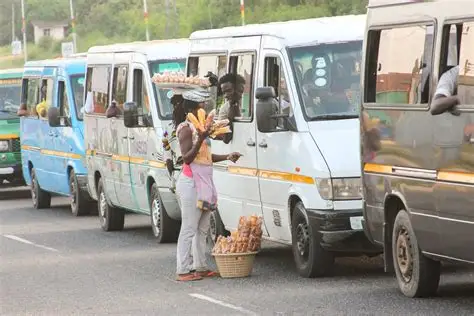
A student may graduate from school with excellent examination results but struggle when asked to travel alone to an unfamiliar location.
They may not know how to identify the right bus, calculate transport costs, ask for directions, understand routes or respond when they miss their stop.
For some young people, parents or guardians handle nearly every aspect of their movement until they become old enough to travel independently. Others begin using public transport at an early age but receive little guidance on how to navigate unfamiliar routes safely.
As young people grow older, however, travelling independently becomes an important part of education, employment and everyday life.
This raises an important question: Should schools teach students how to use public transport safely before they leave school?
Why Public Transport Skills Matter
Public transport is an important part of everyday life for many people. Students use buses, taxis, trains and other forms of transport to attend school, visit relatives, participate in activities and access opportunities.
Learning how to travel independently involves more than knowing where to board a vehicle. It requires planning, awareness, communication and the ability to make responsible decisions.
Here are some reasons schools should consider introducing public transport education.
It encourages independence
Students eventually reach a stage where they must move around without depending entirely on parents, guardians or friends.
They may need to attend university, report for an internship, visit a workplace or travel to an unfamiliar community.
Knowing how to plan a journey, identify the correct route and ask for assistance can make these experiences less intimidating.
It also gives young people greater confidence when handling everyday responsibilities.
It helps students manage transport expenses
Transport costs can take up a significant portion of a student’s daily or monthly budget.
Students should understand how to estimate journey costs, keep track of their transport money and avoid spending the entire amount allocated for travelling.
They can also learn to compare available transport options based on cost, convenience and safety.
This does not mean choosing the cheapest option in every situation. A slightly more expensive but safer or more reliable journey may sometimes be the better decision.
It teaches road and travel safety
Travelling independently requires awareness of possible risks.
Students should understand the importance of using recognised transport services, avoiding dangerous boarding points, following road safety rules and remaining alert during journeys.
They should also know what to do if they feel threatened, become separated from their belongings or find themselves in an uncomfortable situation.
Schools can teach learners to identify trusted sources of assistance and contact a parent, guardian or appropriate emergency service when necessary.
It prepares students for unfamiliar environments
Moving to another town for university, work or training can expose young people to transport systems they have never used before.
A student who understands how to read route information, identify landmarks and ask for directions may find it easier to adjust.
These skills can also be useful when travelling outside Ghana or visiting places where local transport arrangements are unfamiliar.
It improves communication and decision-making
Using public transport often requires interacting with drivers, conductors, transport officials and other passengers.
Students need to know how to ask clear questions, confirm destinations and communicate respectfully.
They should also learn to make sensible decisions when a vehicle takes an unexpected route, a journey is delayed, or they realise they are heading in the wrong direction.
These experiences can strengthen their confidence and problem-solving abilities.
What Should Schools Teach?
Public transport education could be introduced through practical life-skills lessons, road safety education or civic education.
Students should learn how to:
Identify transport routes and destinations.
Estimate journey times and transport costs.
Understand basic route maps and travel information.
Confirm a vehicle’s destination before boarding.
Identify safe and recognised boarding and dropping-off points.
Keep transport money and personal belongings secure.
Recognise unsafe situations and seek appropriate assistance.
Respond calmly when they miss a stop or board the wrong vehicle.
Use mobile navigation tools responsibly without depending on them entirely.
Follow pedestrian and road safety rules.
Schools should also teach students that they do not have to board a vehicle simply because a driver or another passenger pressures them.
How Can Teachers Make the Lessons Practical?
Schools could organise supervised activities that allow students to understand how public transport works.
For example, teachers could provide a fictional journey and ask learners to identify the appropriate route, estimate the fare and calculate how much money they would need for the return trip.
Students could also examine a simple route map and identify the stops they would use to reach a particular destination.
Another exercise could involve presenting different travel situations. What should a student do after missing a stop? How should they respond if someone offers them an unfamiliar ride? Who should they contact if they become lost?
Where appropriate, schools could organise supervised educational trips that allow learners to observe transport arrangements and practise basic travel skills.
These activities should be age-appropriate and carried out with proper safeguarding arrangements.
In Ghana, many students encounter different forms of public transport, including trotro services, shared taxis, buses and other commercial transport options.
In busy urban areas such as Accra and Kumasi, travelling can involve navigating crowded stations, identifying routes, negotiating transport arrangements and managing changing traffic conditions.
Students who move from smaller communities to larger towns for further education may face additional challenges because they are unfamiliar with local routes and transport systems.
Schools could use examples that reflect these realities, including how to identify the correct trotro destination, confirm fares, recognise established transport stations and seek assistance when lost.
Lessons should also acknowledge that transport arrangements differ between communities. What works in Accra may not necessarily apply in a rural district or another region.
One challenge is the additional responsibility of teaching another practical subject within an already busy curriculum.
However, public transport education does not necessarily require a separate examination subject. It could be incorporated into existing road safety, civic education and life-skills programmes.
Another challenge is that transport systems differ across the country. Schools would need to use examples relevant to their communities while teaching general safety principles that apply more widely.
There is also the issue of students’ ages. Younger learners should not be encouraged to travel independently before they are ready. Practical activities must consider their maturity, individual circumstances and parental guidance.
Parents and guardians should therefore work alongside schools to help children develop these skills gradually.
Should Public Transport Education Be Compulsory?
There is a strong argument for introducing basic public transport education before students leave school.
Not every student will use the same transport system, and some may have private transport arrangements. Nevertheless, the ability to plan a journey, understand directions and recognise unsafe situations is useful for almost everyone.
Schools could begin with basic travel awareness for younger learners and introduce more detailed independent travel exercises as students approach adulthood.
The aim should not be to encourage children to travel alone prematurely. It should be to ensure that when they are ready to travel independently, they have the knowledge to make responsible decisions.
Education should prepare students not only for examinations and careers but also for the everyday responsibilities they will encounter as adults.
Knowing how to use public transport safely can help young people become more independent, manage their travel expenses, navigate unfamiliar places and respond to unexpected situations.
A student may know the capital cities of several countries but still struggle to find the right vehicle to a destination in their own community.
Perhaps it is time for schools to give practical travel knowledge greater attention.
If schools are preparing students for life beyond the classroom, should learning how to use public transport safely become part of the education system?
Education
Can Students Solve Disagreements Without Fighting? Why Schools Should Teach Conflict Resolution
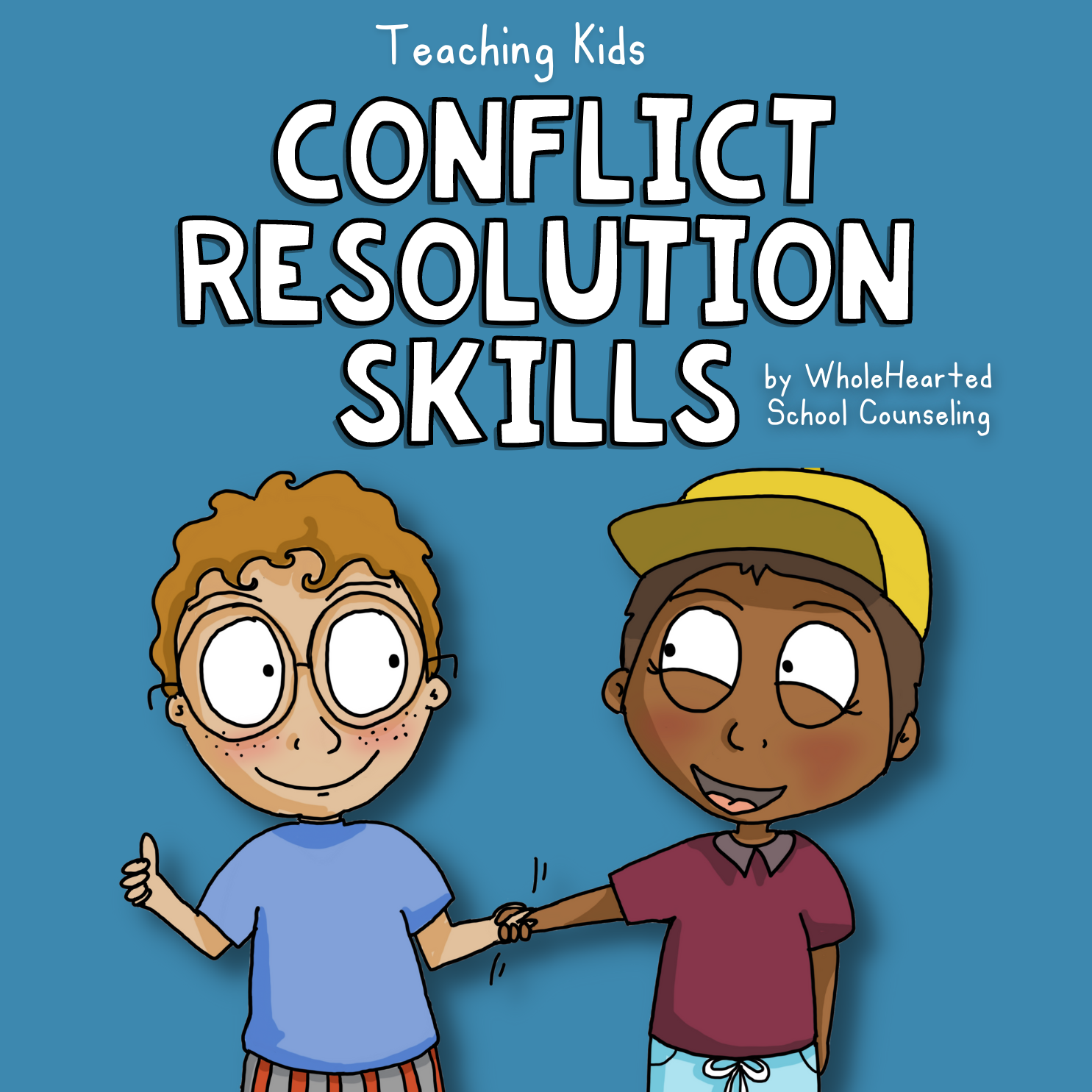
A disagreement between classmates can begin with a simple misunderstanding. One student feels disrespected, another responds angrily, and before long, an ordinary argument becomes a serious confrontation.
In some cases, the disagreement may lead to insults, damaged friendships, bullying or physical fights. What could have been resolved through a conversation may instead become a problem involving teachers, parents and school authorities.
Schools teach students how to solve mathematical problems, write essays and conduct scientific experiments. But are they doing enough to teach them how to solve disagreements with other people?
Should conflict resolution become an essential part of education so students can learn to handle disagreements without fighting?
What Is Conflict Resolution?
Conflict resolution is the process of addressing disagreements and finding ways to manage or settle them constructively.
Conflicts can arise when people have different opinions, misunderstand each other’s intentions, compete for resources or feel that they have been treated unfairly.
For students, disagreements may involve friendships, group assignments, sports, classroom activities, social media exchanges or misunderstandings between classmates.
Learning to resolve conflicts does not mean avoiding every disagreement or pretending that everyone must always agree. It means learning how to express concerns, listen to others and seek solutions without causing unnecessary harm.
Why Students Need Conflict Resolution Skills
It can help reduce unnecessary fights
Some disagreements escalate because students react before understanding what happened.
A student who feels insulted may respond with threats or physical aggression instead of asking for an explanation.
Conflict resolution lessons can teach learners to pause, manage their emotions, communicate their concerns and consider peaceful ways to address the problem.
Students should also understand that walking away from a heated argument can be a responsible decision rather than a sign of weakness.
It improves communication
Poor communication can turn small misunderstandings into larger disputes.
For example, a student may interpret a classmate’s silence as disrespect when the other person is simply distracted or upset about something unrelated.
Learning to ask questions, explain feelings clearly and listen without interrupting can help students understand situations more accurately.
These communication skills are useful in friendships, family relationships, school activities and future workplaces.
It helps students manage anger
Anger is a normal human emotion, but the way people respond to it can affect themselves and others.
Students should learn to recognise when they are becoming upset and use safe strategies to calm down before responding.
These may include taking a break, breathing slowly, seeking help from a trusted adult or returning to the discussion when everyone is calmer.
The goal is not to tell students that they must never feel angry. It is to help them understand that they can experience anger without threatening or hurting another person.
It can strengthen friendships
Friendships are not free from disagreements. Friends may misunderstand one another, compete for attention or disagree about decisions.
Without effective communication, these disagreements can lead to resentment or the end of a friendship.
Conflict resolution skills can help students explain what upset them, listen to the other person’s perspective and decide whether an apology or another solution is appropriate.
They also need to understand that not every relationship must continue. Sometimes, setting boundaries or ending an unhealthy friendship is the safest choice.
It prepares students for adult life
Disagreements occur in homes, communities, businesses and workplaces.
People may have different expectations, beliefs, responsibilities and approaches to solving problems.
Students who learn how to discuss disagreements respectfully may be better prepared to handle challenges in their future relationships and careers.
The ability to negotiate, listen and find practical solutions is valuable far beyond the classroom.
What Should Schools Teach?
Conflict resolution can be introduced through guidance and counselling, social studies, civic education and practical life-skills programmes.
Students should learn how to:
Identify common causes of disagreements.
Listen carefully before concluding.
Express concerns without insulting or threatening others.
Recognise emotions and manage anger safely.
Distinguish between a misunderstanding and repeated harmful behaviour.
Apologise sincerely when you have caused harm.
Negotiate fair solutions when both parties can participate safely.
Set personal boundaries and respect the boundaries of others.
Seek help from teachers, counsellors or trusted adults when necessary.
Recognise when a conflict involves bullying, abuse, threats or violence and requires adult intervention.
An important lesson is that resolving conflict does not always mean reaching a compromise. Where someone is being threatened, abused or bullied, the priority must be safety and appropriate intervention.
Teachers can use fictional classroom scenarios to help students practise responding to disagreements.
For example, two students may both want to lead a group assignment. Instead of arguing over who should be in charge, the class could explore ways to divide responsibilities fairly or agree on a decision-making process.
Another activity could involve a misunderstanding during a sporting event. Students could discuss how the people involved might explain their concerns and reach a solution without insults or fighting.
Teachers could also use role-play exercises in which learners practise listening, asking clarifying questions, making respectful requests and recognising when a disagreement needs adult support.
The exercises should encourage students to reflect on different perspectives without forcing anyone to disclose personal experiences or participate in a situation that makes them feel unsafe.
In Ghana, schools bring together students with different personalities, family backgrounds, opinions and experiences.
As learners interact in classrooms, dormitories, sports activities and social settings, disagreements can occur. The important issue is how these disagreements are handled.
Schools can establish clear procedures for reporting bullying, threats and physical aggression while teaching students how to manage ordinary disagreements peacefully.
Teachers, housemasters, housemistresses, counsellors and school administrators can reinforce these lessons by responding consistently and fairly when problems arise.
Parents also have a role to play. Children often learn how to handle disagreements by observing how adults communicate during family disputes.
When schools and families model respectful communication and appropriate boundaries, students receive more consistent messages about managing conflict.
One challenge is the belief that students should naturally know how to handle disagreements as they grow older. However, these skills often require explanation, practice and guidance.
Another challenge is that students may understand the lessons in theory but struggle to apply them when emotions are intense. Regular practice and consistent support are therefore important.
Teachers may also face difficulties when disagreements involve bullying, discrimination, repeated harassment or unequal power between students. Such situations should not be treated as ordinary arguments that both parties must resolve on their own.
Schools need clear reporting procedures, appropriate disciplinary measures and access to counselling or other support where possible.
Conflict resolution education should complement school rules and safeguarding measures, not replace them.
Should Conflict Resolution Be Compulsory?
There is a strong case for including conflict resolution in school education because disagreements are a normal part of human interaction.
Students do not need to agree on everything. They need to understand how to disagree without automatically turning differences into personal attacks or physical confrontations.
Schools could introduce age-appropriate lessons and assess students through practical activities, discussions and realistic scenarios.
Success should not be measured by whether students never argue. Instead, schools should help learners develop better ways to communicate, recognise harmful behaviour and seek help when a situation becomes unsafe.
Education prepares students to understand the world, but it should also help them understand how to live and work with other people.
Conflict resolution can teach young people to communicate clearly, manage anger, respect boundaries and approach disagreements more thoughtfully.
These skills cannot eliminate every school dispute, but they can give students more constructive ways to respond when problems arise.
If schools are expected to prepare students for life beyond the classroom, should learning how to resolve disagreements peacefully be as important as learning academic subjects?


Not Every Brilliant Child Comes First in Class: Are Schools Ignoring Hidden Talents?

Every Song I Release Is a Sermon – Perez Musik

Reggie Rockstone apologises to AY Poyoo over Zen Gardens stage incident

‘If You Are Rich and Have a Pot Belly, You Are a Fool’ – BullGod

‘It was never intentional’ – Tic Tac apologies to AY Poyoo over stage embarrassment

NADFFA 2027: Ghana to Host Pan-African Film and Food Festival in March

GTA Staff Demand Answers on World Cup Visa Slots, Staff Dismissals and Unpaid Allowances

Nicki Minaj Throws Her Support Behind Trump Ahead of US Midterm Elections

Ghana Faces Very Strong El Niño Threat as GMet Warns of Extreme Heat, Drought and Possible Flooding

GTA Targets Taxi Drivers in ‘Know Ghana’ Campaign to Boost Tourism

Illinois’ financial crisis could bring the state to a halt
The final 6 ‘Game of Thrones’ episodes might feel like a full season
New Season 8 Walking Dead trailer flashes forward in time
Mod turns ‘Counter-Strike’ into a ‘Tekken’ clone with fighting chickens
Meet Superman’s grandfather in new trailer for Krypton

-

 Entertainment24 hours ago
My Childhood Was Boring Because of My Father’s Fame – Gyakie Reveals
-

 Entertainment10 hours ago
2026 National Tourism Awards to Honour Excellence and Strengthen Ghana’s Global Tourism Appeal
-

 Entertainment8 hours ago
Mahama honours veteran filmmaker Chris Hesse for preserving Ghana’s history
-

 Uncategorized8 hours ago
From Humble Beginnings to a Business Empire: Remembering the Life and Legacy of Kessben
-

 General News10 hours ago
JOANA GYAN CUDJOE: A WOMAN WITH A GOOD HEART, A LEADER WITH A VISION!
-

 Entertainment23 hours ago
Ghana Prisons Service Calls on Creative Industry to Support Inmate Rehabilitation
-

 Entertainment7 hours ago
I Turned to Sarkodie When Online Trolling Became Too Much – King Promise
-
 General News10 hours ago
MY POSITION ON EDUCATIONAL PROGRESSION, GIFTED CHILDREN, STEM EDUCATION AND THE FUTURE OF GHANA