
General News
Presidency Orders CEOs Past Lawful Retirement Age to Hand Over and Vacate Office


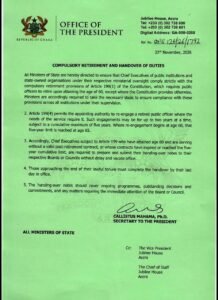
In a letter dated Monday, November 23, 2026, signed by the Secretary to the President, Dr Callistus Mahama, the Presidency instructed ministers to take the necessary measures to enforce the retirement regulations across all institutions under their respective supervision.
The directive, titled “Compulsory Retirement and Handover of Duties,” is in accordance with Article 199(1) of the 1992 Constitution, which requires public officers to retire upon attaining the age of 60, except where the Constitution provides otherwise.
The Presidency, however, explained that Article 199(4) permits the appointing authority to re-engage retired public officers where their services are required.
Such engagements may be granted for a maximum of two years at a time, subject to a cumulative period not exceeding five years. This means that public officers whose post-retirement engagement begins at age 60 would reach the maximum allowable period at age 65.
Consequently, all Chief Executives subject to Article 199 who have attained the compulsory retirement age of 60 and are operating without valid post-retirement contracts have been directed to vacate their positions.
The directive also affects Chief Executives whose post-retirement contracts have expired or who have exhausted the constitutionally permitted five-year cumulative engagement period.
“Chief Executives subject to Article 199 who have attained age 60 and are serving without a valid post-retirement contract, or whose contracts have expired or reached the five-year cumulative limit, are required to prepare and submit their handing-over notes to their respective Boards or Councils without delay and vacate office,” portions of the letter stated.
The Presidency further instructed Chief Executives approaching the end of their lawful tenure to complete all necessary handing-over processes by their final day in office.
According to the directive, the handing-over notes must contain comprehensive information on ongoing programmes, outstanding decisions and commitments, as well as matters requiring the immediate attention of the respective governing Boards or Councils.
All Ministers of State have been tasked with ensuring strict compliance with the constitutional requirements across public institutions and state-owned organisations operating under their ministerial oversight.
The letter, issued from Jubilee House in Accra, was also copied to the Vice President and the Chief of Staff.











General News
MY POSITION ON EDUCATIONAL PROGRESSION, GIFTED CHILDREN, STEM EDUCATION AND THE FUTURE OF GHANA
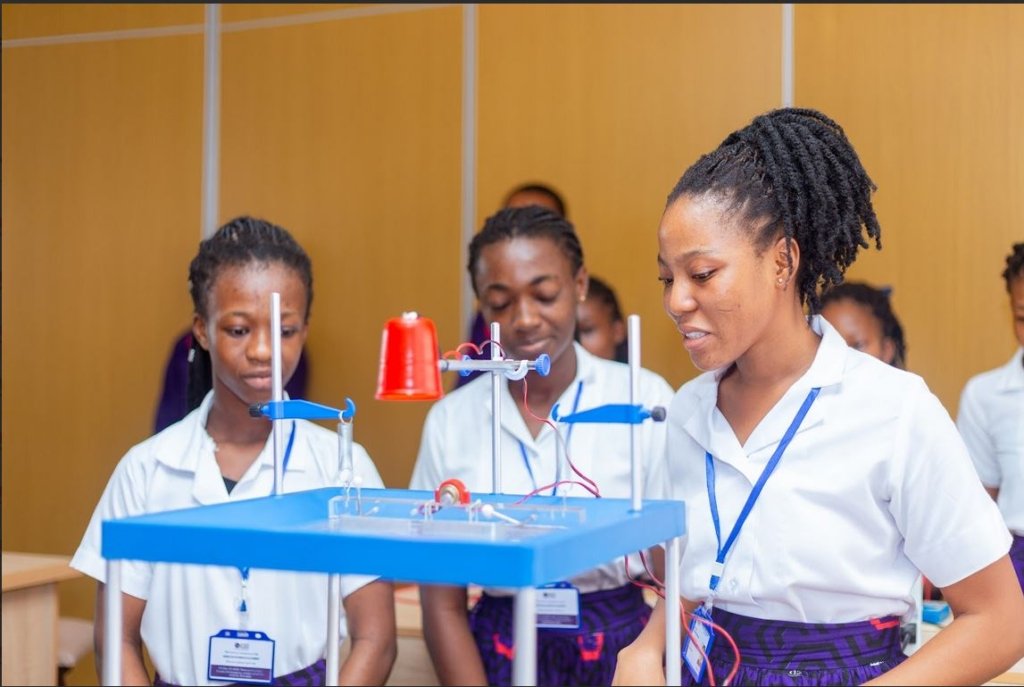
I believe we must approach discussions about our educational system with responsibility, foresight, and understanding. Education is too important to be reduced to political arguments or emotional debates.
The question is not whether some children are exceptionally intelligent or academically gifted. Of course, they are. Every society has children who learn faster, grasp concepts earlier, and demonstrate extraordinary abilities. We must identify these children, nurture their talents, and provide opportunities for them to excel.
However, giftedness should not be an excuse to abandon structure, standards, proper assessment, and accountability within our educational system.
We must build a system that allows us to properly track the educational journey of every child—from the moment they enter school, through each stage of learning, to graduation. We should know how many children enrol, how many progress, how many drop out, how many graduate, and what competencies they acquire along the way.
If a child is gifted, we should create appropriate pathways for that child to advance. Through specialised programmes, accelerated learning, STEM education, technical and vocational training, and talent-based development, we can give exceptional students the opportunity to reach their full potential without compromising the integrity of our educational system.
STEM EDUCATION AND IDENTIFYING TALENT
This is where STEM education becomes very important.
Rather than simply moving a child from one class to another because they are considered exceptionally intelligent, we should establish a strong system of assessment and talent identification. Through Science, Technology, Engineering and Mathematics (STEM), practical learning, innovation, robotics, research, coding, critical thinking, and problem-solving, we can identify the areas in which individual students excel.
Some children may be exceptionally gifted in mathematics and science; others may excel in technology, engineering, leadership, creativity, business, arts, or practical skills. Our educational system must be designed to recognise these different talents and develop them deliberately.
We can introduce specialised STEM programmes, advanced learning opportunities, talent-based classes, enrichment programmes, robotics, coding, innovation centres, and structured academic pathways for gifted students, while ensuring that students who need additional support receive it.
The objective should not be to create an unfair advantage for some children or to hold exceptional students back. The objective should be to build a system that identifies talent early, develops it properly, and allows every child to progress according to clear, transparent, and academically sound standards.
At the same time, we must not neglect the average child or the child who struggles academically. Education must be inclusive, structured, and responsive to different learning abilities. We cannot build a system that celebrates only the exceptionally gifted while leaving other children behind.
LEARNING FROM OTHER COUNTRIES
Ghana must also be willing to learn from countries that have made significant progress in education, science, technology, innovation, and human capital development.
We can study the educational systems of Singapore, China, Germany, Japan, South Korea, Finland, Estonia, and the United States, identify what has worked for them, and adapt some of their best practices to suit our own national circumstances.
We do not have to reinvent everything. We can learn from their STEM programmes, gifted education systems, technical and vocational training, robotics, digital education, apprenticeship programmes, specialised schools, research and innovation centres, practical teaching methods, and the ways they identify and develop students’ individual talents.
For example, Germany’s technical and vocational training model can teach us how to connect education to industry, practical skills, apprenticeships, and employment.
Singapore’s approach to mathematics, science, academic development, and talent identification can offer valuable lessons in building excellence and strengthening educational outcomes.
China, Japan, and South Korea can provide insights into technology, engineering, research, discipline, innovation, and the development of technical competencies.
Finland and Estonia can offer lessons in student development, digital learning, creativity, critical thinking, and modern educational approaches.
The United States also offers examples of specialised STEM programmes, research opportunities, robotics, gifted education, innovation, and different pathways for students with exceptional abilities.
We do not need to copy any country entirely. We must study these systems, identify what works, and adapt their best practices to Ghana’s culture, resources, needs, and development priorities.
Ghana must be prepared to learn, innovate, and modernise its educational system instead of limiting ourselves to the way things have always been done.
WHAT SHOULD OUR CHILDREN BE LEARNING?
Our education system must go beyond memorisation and the acquisition of certificates.
We must deliberately teach our children:
* Critical thinking and problem-solving.
* Science, technology, engineering, and mathematics.
* Artificial intelligence, coding, robotics, and digital skills.
* Entrepreneurship and business development.
* Financial literacy and investment awareness.
* Agriculture, food production, and modern agribusiness.
* Technical, vocational, and practical skills.
* Leadership, discipline, integrity, and responsibility.
* Creativity, innovation, research, and independent thinking.
* Patriotism, citizenship, and national development.
What practical knowledge are we giving our children? What values are we instilling in them? How are we preparing them to create jobs, build businesses, develop our communities, strengthen our institutions, solve Ghana’s problems, and contribute to our economic transformation?
We must educate young people not only to seek employment, but also to create employment and opportunities for others.
EDUCATION MUST BE CONNECTED TO NATIONAL DEVELOPMENT
Countries that are serious about development invest in systems that identify talent, develop skills, establish standards, encourage innovation, and connect education to national productivity.
Ghana must also think strategically about how our educational system prepares young people to compete globally while remaining capable of contributing to the development of their own country.
We need graduates who can help develop our industries, modernise agriculture, strengthen healthcare, build infrastructure, develop technology, improve our financial systems, advance mining responsibly, create businesses, and solve the challenges facing our communities.
We must not simply educate children to pass examinations. We must educate them to think, innovate, build, lead, solve problems, and transform society.
This is why I believe the conversation must go beyond whether a student should be allowed to skip a class or advance to another level. We must ask:
* Is the policy evidence-based?
* Are appropriate assessment systems in place?
* Are we identifying gifted students early enough?
* Are we providing accelerated learning and specialised pathways where necessary?
* Are average learners and struggling students receiving adequate support?
* Are we measuring educational outcomes properly?
* Are our children acquiring practical skills?
* Is our curriculum preparing them for the jobs and industries of the future?
* Is our education system serving the long-term interests of Ghana?
Educational reforms must be guided by evidence, consultation, fairness, clear standards, innovation, and long-term national interest not merely by convenience.
As a country, we must have the courage to rethink our educational priorities and build a system that recognises excellence, supports every learner, develops practical competencies, and prepares our children for the realities of the future.
Our children are Ghana’s greatest investment. The decisions we make about their education today will determine the Ghana we inherit tomorrow.
We must educate for excellence. We must educate for innovation. We must educate for productivity. Above all, we must educate for the future of Ghana.
Hon. Joana Gyan Cudjoe
Less than two years in office, and the journey of transformation has already begun!
For the first time in our history, Amenfi Central has a woman representing the constituency in Parliament. Hon. Joana Gyan Cudjoe is demonstrating that leadership is about commitment, sacrifice, hard work and making a difference in people’s lives.
Look at what is happening across our constituency!
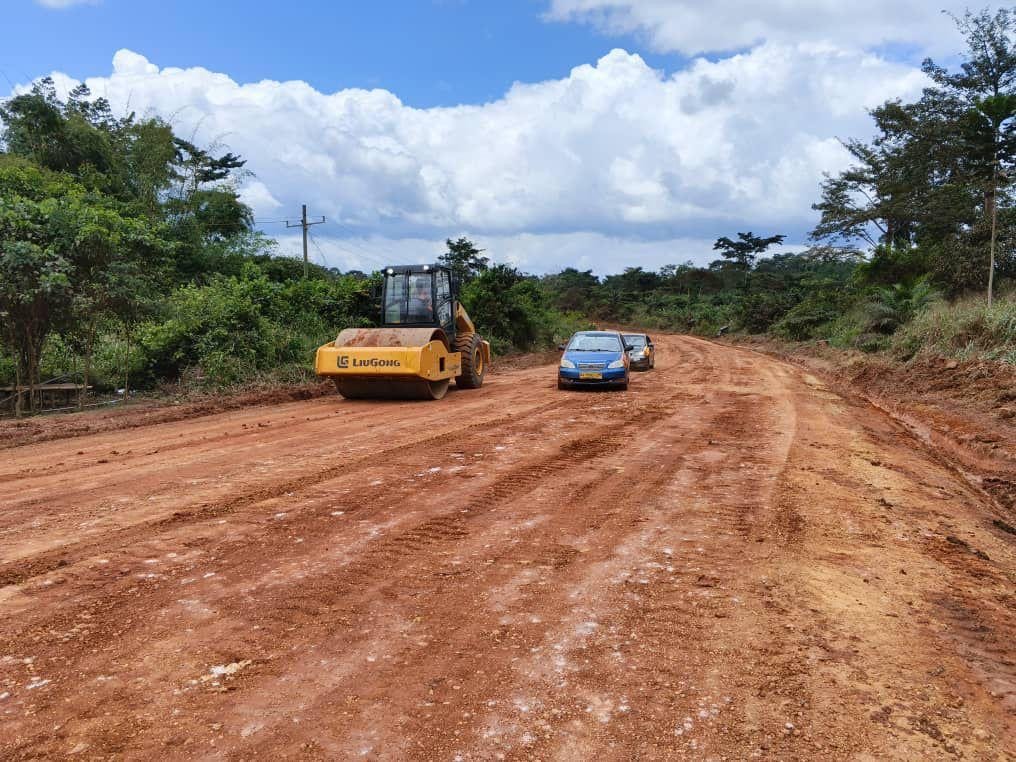
FOUR MAJOR ROAD PROJECTS SECURED!
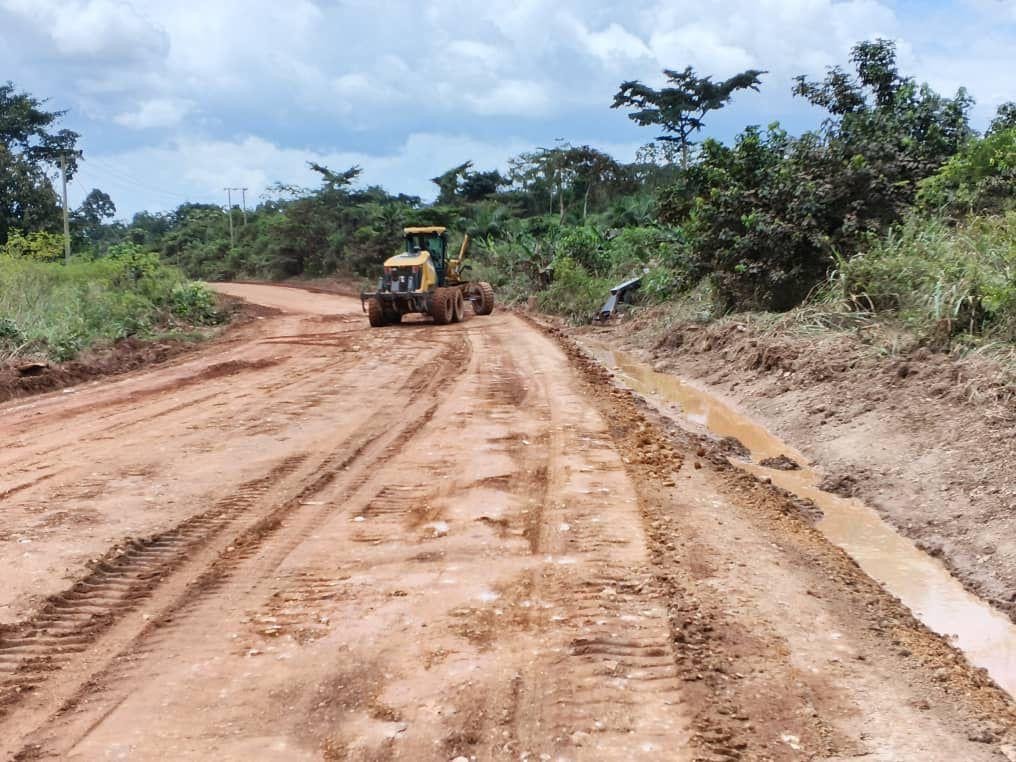
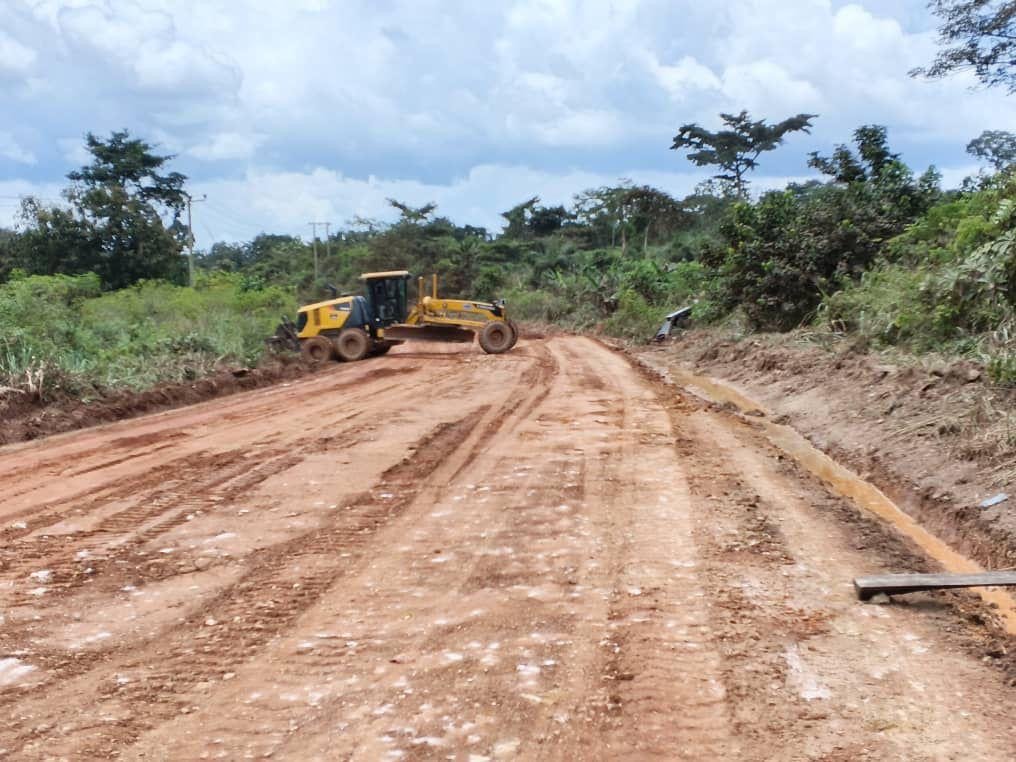
Through her continuous lobbying and engagement with government, four major road projects have been contracted, with four different contractors already working at four different locations. All four projects are ongoing. We look forward to their completion over the coming years, bringing better roads, improved transportation and greater opportunities to our communities.
OVER 30 LOCATIONS BENEFITING FROM ROAD RESHAPING!
Some communities waited 30–40 years without seeing a grader on their roads. Hon. Joana Gyan Cudjoe has personally committed resources to purchase fuel, hire machines and support operators to reshape these neglected roads, working with local businesspeople and the District Assembly.
BRIDGES AND BETTER COMMUNITY ACCESS!
She has supported bridge-related works in several communities and continues to mobilize resources to improve transportation and access for our people.
OVER 40,000 BAGS OF CEMENT FOR COMMUNITY DEVELOPMENT!
In less than two years, she has provided over 40,000 bags of cement to communities across the constituency. These donations have supported self-help initiatives and various community development projects, with quantities depending on each project’s needs. Much of this support has come from her personal resources, alongside contributions from other well-meaning individuals.
OVER 200 JOB OPPORTUNITIES FOR CONSTITUENTS!
Hon. Joana Gyan Cudjoe has also helped secure employment opportunities for over 200 people within Amenfi Central. This is about more than infrastructure; it is about putting food on families’ tables, empowering young people and giving individuals the opportunity to earn a living and build a better future.
38 MORE COMMUNITIES STILL ON THE DEVELOPMENT AGENDA!
She continues lobbying for additional road projects for the remaining 38 communities, as well as electricity, mobile network connectivity and other essential services for underserved communities.
HER VISION GOES BEYOND ROADS!
She wants an Amenfi Central where every community has good roads and bridges, electricity and reliable mobile networks; where young people have jobs and skills training; where farmers and traders can grow their businesses; where healthcare and education improve; and where investors and development partners see opportunities to invest.
She wants our natural resources and economic potential to create lasting jobs, wealth and prosperity for our people.
LEADERSHIP IS ABOUT HEART, SACRIFICE AND RESULTS!
Working alongside our District Chief Executive, Hon. Peter Amponsah, the District Assembly, traditional leaders, local businesspeople and community stakeholders, she continues to push for development.
Yes, there is still more work to do. But we must recognise the progress already being made.
Hon. Joana Gyan Cudjoe is a hardworking woman with a good heart, a generous spirit and a genuine passion for her people. She wants every corner of Amenfi Central, from the biggest town to the smallest village, to experience development.
AMENFI CENTRAL, THE FUTURE IS IN OUR HANDS!
Four major road projects underway. Over 30 locations benefiting from road reshaping. Over 40,000 bags of cement supporting communities. Over 200 job opportunities secured. More bridges, roads, electricity, connectivity, investment and opportunities remain on the agenda.
2028 IS ANOTHER OPPORTUNITY TO CONTINUE THE DEVELOPMENT JOURNEY!
Let us appreciate the work, encourage the progress and give Hon. Joana Gyan Cudjoe another opportunity to continue serving and transforming Amenfi Central.
A WOMAN WITH A GOOD HEART.
A LEADER WHO WORKS HARD.
A VOICE THAT LOBBIES FOR HER PEOPLE.
A VISION THAT REACHES EVERY COMMUNITY.
JOANA GYAN CUDJOE – BUILDING TODAY, INVESTING IN TOMORROW, CREATING OPPORTUNITIES FOR EVERYONE!
ONE PEOPLE. ONE CONSTITUENCY. ONE VISION. A BETTER AMENFI CENTRAL!
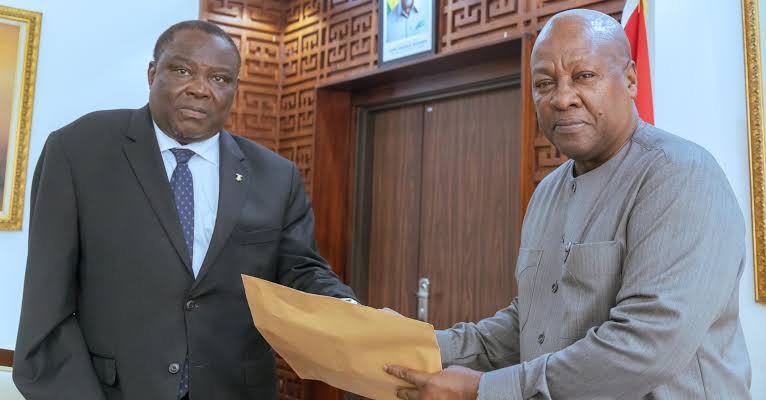
President John Dramani Mahama has reportedly settled on Supreme Court Justice Paul Baffoe-Bonnie’s successor, with Justice Yaw Appau Pwamang said to be emerging as the preferred candidate for the position of Chief Justice of Ghana.
The reported decision is expected to spark renewed discussions about the future leadership of Ghana’s judiciary, particularly as attention turns to who will eventually occupy the country’s highest judicial office.
Although the reported choice has not yet been officially announced, Justice Pwamang’s name is said to be gaining prominence in discussions surrounding the succession of the Chief Justice.
The appointment of a new Chief Justice is one of the most consequential decisions within Ghana’s judicial system, as the officeholder plays a central role in the administration of justice, judicial leadership and the interpretation of the country’s laws.
Justice Pwamang, who currently serves on the Supreme Court, has considerable experience within Ghana’s judicial system, making him a significant figure in conversations about the next head of the judiciary.
The reported development comes at a time when the judiciary continues to face public scrutiny over judicial independence, accountability, access to justice and the need to strengthen confidence in the legal system.
The next Chief Justice is expected to inherit the responsibility of providing leadership to the judiciary while ensuring that the courts maintain their constitutional independence and deliver justice without fear or favour.
President Mahama’s reported decision, if confirmed, could set the stage for a major transition at the top of Ghana’s judicial hierarchy.
However, until an official announcement is made by the Presidency, Justice Pwamang’s reported selection remains unconfirmed, with Ghanaians expected to await further developments regarding the appointment process.
The Chief Justice position remains one of the most influential constitutional offices in the country, making any reported decision concerning its occupant a matter of significant national interest.
General News
Ghana Has Enough Food! NAFCO Boss Backs Rice, Maize Imports Ban To Protect Local Farmers
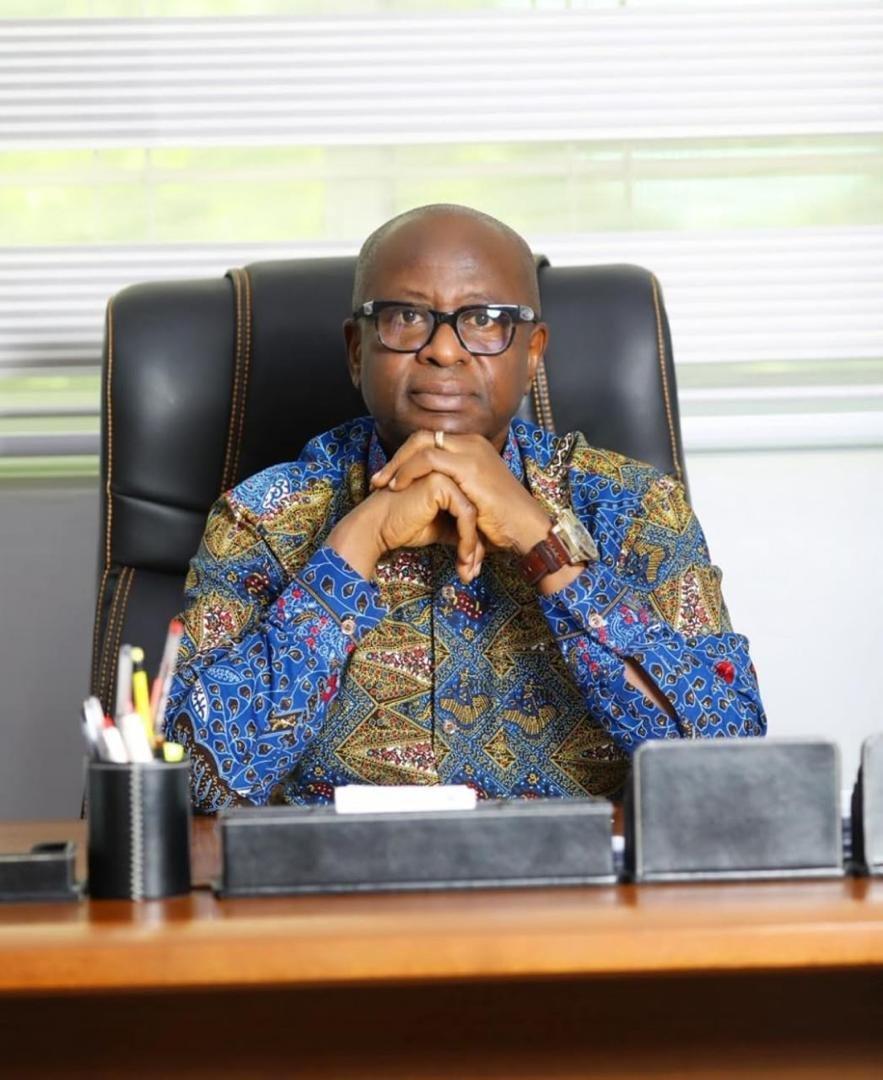
The Chief Executive Officer of the Ghana National Food Buffer Stock Company (NAFCO), George Abradu Otoo, has thrown his weight behind the ban on rice and maize imports, insisting that Ghana has sufficient food supplies to meet domestic demand.
According to him, restricting the importation of these essential commodities will encourage local production, protect Ghanaian farmers and strengthen the country’s agricultural sector.
Speaking on the operations of NAFCO in an exclusive interview with Kojo Preko Dankwa of Kessben Maakye show in Accra, Mr. Otoo disclosed that the company has successfully resolved outstanding financial issues with its suppliers, prompting them to call off their planned picketing over unpaid claims.
He further revealed that NAFCO has been using locally produced grains to support the National School Feeding Programme, demonstrating the country’s capacity to rely on domestic agricultural production.
Mr. Otoo also highlighted the government’s GH₵500 million investment in the construction of warehouses across the country to improve grain storage, reduce post-harvest losses and strengthen food security. He indicated that the initiative has generated profits.
He commended the late President John Evans Atta Mills for his vision in establishing the Ghana National Food Buffer Stock Company, describing it as a strategic intervention aimed at ensuring food availability, stabilising supplies and reducing post-harvest losses.
The NAFCO CEO maintained that prioritising locally produced food remains critical to empowering Ghanaian farmers, creating economic opportunities and strengthening Ghana’s food security
General News
ECG Announces 3-Day Power Outage in Parts of Ashanti Region as GRIDCo Upgrades Major Transmission Line
Residents and businesses in several parts of the Ashanti Region are expected to experience three days of planned power outages as the Electricity Company of Ghana (ECG) announces a temporary interruption in electricity supply to facilitate major transmission infrastructure upgrades.
The planned outage, scheduled from Sunday, November 22, to Tuesday, November 24, 2026, will run daily from 7:30am to 5:00pm, affecting several communities, commercial areas and businesses across the region.
According to ECG, the interruption is necessary to allow the Ghana Grid Company Limited (GRIDCo) to continue upgrading the Anwomaso-to-Ridge Bulk Supply Point transmission line as part of ongoing efforts to improve electricity supply in the Ashanti Region.
The project involves replacing the existing 364MVA single-circuit transmission line with a modern double-circuit line rated at 2 × 488MVA, giving it a combined capacity of 976MVA.
The upgrade is expected to significantly increase the line’s transmission capacity, strengthen the electricity network and improve the ability to deliver power to communities and businesses within the affected areas.
ECG explained that the planned interruption forms part of broader development works aimed at improving power supply reliability and supporting growing electricity demand in the Ashanti Region.
Areas to be affected
The first list of affected areas includes Guinness Ghana Limited, Fan Milk, parts of Kaase, Bonplex, Abat, Georgia Hotel, Antonsu Kuran, Naachia, Sawuah, Aprabon, Adagya, Esereso, Feyiase, Zoomlion and surrounding communities.
Other areas expected to experience the scheduled outages include Ahenema Kokoben, Sokoban, Daban, Asaago, Amabame No. 1 and 2, Bekwame, Kotwi, Nkoransa, Paa, Kyeakyewere, Pakyi No. 1 and 2, Brofoyeduru, Sabin Akrofuom, Adum Afrancho, Anyinam, parts of Santase, Antonsu Kuwait, Naachia, Sawuah, Aprabon, Adagya, Esereso, Feyiase and Zoomlion, as well as surrounding communities.
The extended interruption is expected to affect households, shops, industrial facilities and other businesses that depend on a reliable electricity supply for their daily operations.
ECG has apologised to customers in the affected communities for the inconvenience, assuring the public that the interruption is necessary to facilitate the transmission line upgrade.
The company is urging affected residents and businesses to take precautionary measures ahead of the scheduled outages, particularly those operating businesses that rely heavily on electricity.
The project is expected to improve the capacity of the transmission infrastructure serving the Ashanti Region, although customers will have to endure temporary disruptions while the upgrade works are carried out.


Presidency Orders CEOs Past Lawful Retirement Age to Hand Over and Vacate Office

2026 National Tourism Awards to Honour Excellence and Strengthen Ghana’s Global Tourism Appeal

MY POSITION ON EDUCATIONAL PROGRESSION, GIFTED CHILDREN, STEM EDUCATION AND THE FUTURE OF GHANA

JOANA GYAN CUDJOE: A WOMAN WITH A GOOD HEART, A LEADER WITH A VISION!

Ghana Prisons Service Calls on Creative Industry to Support Inmate Rehabilitation

NADFFA 2027: Ghana to Host Pan-African Film and Food Festival in March

GTA Staff Demand Answers on World Cup Visa Slots, Staff Dismissals and Unpaid Allowances

Nicki Minaj Throws Her Support Behind Trump Ahead of US Midterm Elections

Ghana Faces Very Strong El Niño Threat as GMet Warns of Extreme Heat, Drought and Possible Flooding

GTA Targets Taxi Drivers in ‘Know Ghana’ Campaign to Boost Tourism

Illinois’ financial crisis could bring the state to a halt
The final 6 ‘Game of Thrones’ episodes might feel like a full season
New Season 8 Walking Dead trailer flashes forward in time
Mod turns ‘Counter-Strike’ into a ‘Tekken’ clone with fighting chickens
Meet Superman’s grandfather in new trailer for Krypton

-
 General News17 hours ago
Mahama Settles on Justice Pwamang as Next Chief Justice – Report
-
 General News19 hours ago
Ghana Has Enough Food! NAFCO Boss Backs Rice, Maize Imports Ban To Protect Local Farmers
-

 Entertainment17 hours ago
If You’re Not Financially Stable, Stay Away From Relationships – Fantana Tells Men
-

 Business23 hours ago
80% of Toyota Voxy Accidents Are Mechanical-Related — Bernard Oduro Takyi Claims
-

 Lifestyle17 hours ago
The Lost Art of Keeping Secrets: Why Does Everybody Want to Know Everybody’s Business?
-

 Entertainment16 hours ago
I Love Pain Because That Is Where I Find Peace and Confidence – Fameye
-

 Entertainment17 hours ago
King Promise Confirms Exit from Killbeatz’s, Legacy Life Entertainment After Nine Years
-

 Entertainment16 hours ago
Sarkodie’s Amputee Video Post Was a Personal Attack, not a Joke – Stonebwoy says