
Entertainment
Sarkodie’s Amputee Video Post Was a Personal Attack, not a Joke – Stonebwoy says

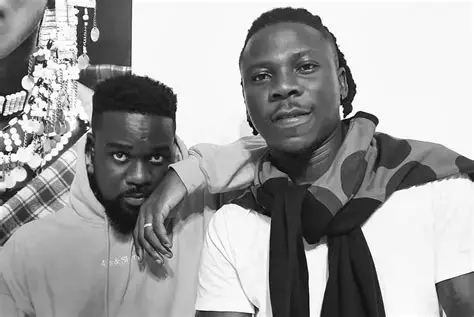
Speaking in an interview with KSM, Stonebwoy expressed dissatisfaction with Sarkodie’s explanation of the incident during an earlier interview with television personality Serwaa Amihere.
According to Stonebwoy, Sarkodie’s responses during that interview only strengthened his belief that the video was shared because of an unresolved personal issue rather than for entertainment.
“When he got the opportunity on Serwaa Amihere’s show, everything he said confirmed the fact that it was a personal vendetta that he was dragging into the system,” Stonebwoy stated.
During the conversation, KSM reminded Stonebwoy that Sarkodie had denied directing the post at him. However, Stonebwoy maintained that the rapper’s explanation failed to address the concerns surrounding the video.
He particularly questioned Sarkodie’s reported willingness to share the same footage again despite the controversy it had generated.
Stonebwoy argued that if Sarkodie genuinely considered the video humorous, he should have been able to explain exactly what made it funny.
“He was asked if he was going to do it again. He said yes; at any given time he can post it again. Somebody dared him to just post it again in the moment now and let’s see how it goes,” he recounted.
He continued, “Because you see it as funny, right? But he was not even able to describe the humour in the video. Because if I really do see something as funny, I will tell you where I find it funny.”
Explaining the content of the controversial footage, Stonebwoy said it featured a man with an amputated leg pretending to kick people walking past him, causing different reactions among those nearby.
The dancehall artiste suggested that Sarkodie should have considered the sensitivity surrounding disability and acknowledged why some people might find the footage offensive.
He further indicated that showing empathy and recognising the concerns raised would have been a more appropriate response than defending the post without clearly explaining its intended humour.









Entertainment
2026 National Tourism Awards to Honour Excellence and Strengthen Ghana’s Global Tourism Appeal
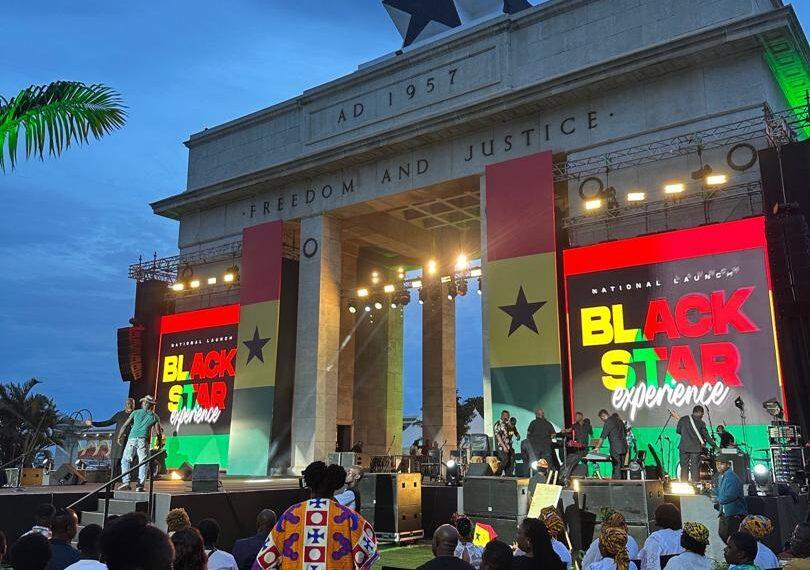
In an article authored by Rahanatu Natogmah Abdulai, a National Service Personnel at the Corporate Affairs Department of the Ghana Tourism Authority, the awards were highlighted as a significant platform for promoting professionalism, innovation, quality service delivery and sustainable tourism development.
The 2026 edition, which will be held under the theme, “Celebrating Excellence Beyond Borders – The Black Star Experience,” seeks to strengthen Ghana’s position as a preferred tourism destination while showcasing the country’s rich cultural heritage, hospitality and creativity to the international community.
According to Abdulai, the National Tourism Awards go beyond the presentation of trophies, serving as an opportunity to reflect on the industry’s achievements and encourage a stronger commitment to excellence.
A total of 28 competitive awards are expected to be presented to deserving individuals and establishments, alongside honorary and special awards recognising personalities whose contributions have supported the development of the tourism sector.
The award categories will cover various segments of the industry, including accommodation facilities, travel and tour agencies, car rental services, tour guiding and other tourism-related activities.
The Minister of Tourism, Culture and Creative Arts, Abla Dzifa Gomashie, will serve as the Guest of Honour, while the Ga Mantse, His Royal Majesty King Tackie Teiko Tsuru II, will chair the occasion.
The Chief Executive Officer of the Ghana Tourism Authority, Maame Efua Houadjeto, will host the ceremony, which is expected to attract government officials, traditional authorities, tourism practitioners and private-sector stakeholders.
Abdulai explained that beyond celebrating outstanding achievements, the National Tourism Awards seeks to establish benchmarks for quality service delivery and encourage businesses to improve their operational standards.
She highlighted the important roles played by hotel operators, restaurant owners, tour guides, travel agents, transport providers and event organisers in shaping the experiences of domestic and international visitors.
Tourism establishments are encouraged to prioritise customer satisfaction, cleanliness, safety, comfort, reliability and professionalism to enhance Ghana’s reputation as a competitive tourism destination.
The recognition of outstanding businesses is also expected to motivate industry players to invest in staff development, improve their facilities and adopt modern business practices that meet international expectations.
The theme for this year’s awards reflects Ghana’s ambition to project its cultural identity and tourism potential beyond its borders through the Black Star Experience.
With attractions such as Cape Coast Castle, Elmina Castle, Kakum National Park, traditional festivals, beaches, local cuisine and creative arts experiences, Ghana possesses diverse tourism resources capable of attracting visitors from across the world.
Abdulai, however, noted that having attractive destinations alone was insufficient to establish a strong tourism reputation, emphasising the importance of quality services and memorable visitor experiences.
Through the awards, the GTA aims to encourage practitioners to develop experiences that generate positive recommendations, attract repeat visits and increase international interest in Ghana.
As the global tourism industry continues to evolve, the awards will provide a platform for encouraging businesses to respond to changing visitor expectations and technological advancements.
Abdulai highlighted the importance of digital marketing, improved customer relations and innovative tourism products in attracting and retaining visitors.
The competitive nature of the awards is also expected to inspire establishments to distinguish themselves through creativity, professionalism and improved service delivery.
The article further highlighted the economic significance of tourism in creating employment, supporting entrepreneurship, attracting investment and generating opportunities for local communities.
Hotels, restaurants, artisans, transport operators, event organisers and other businesses within the tourism value chain stand to benefit from a more competitive and sustainable industry.
Abdulai stressed that the success of the National Tourism Awards should not be measured solely by the number of trophies presented but also by the improvements in service delivery, professionalism and economic opportunities that follow the recognition.
She also underscored the importance of collaboration among government institutions, traditional authorities, private-sector operators and other stakeholders in building a tourism industry capable of competing on the global stage.

The Director-General of Prisons, Mrs Patience Baffoe-Bonnie (Esq), believes the creative arts and media sectors can play an important role in transforming the lives of prisoners by providing skills training, encouraging personal development and addressing the negative perceptions surrounding former inmates.
She appealed to the Creative Arts, Media and Influencers for Rehabilitation Day, held at the VIP Hall of the Prisons Service Training School on Thursday, November 19, 2026.
The programme formed part of the 2026 Prisons/Corrections Month celebrations and was organised under the theme, “Creativity for Change: Unlocking Potential and Transforming Lives through Arts and Media.”
Speaking at the event, Mrs Baffoe-Bonnie explained that the Ghana Prisons Service was seeking stronger collaboration with stakeholders in the creative industry through its Think Prisons 360 Degrees transformation agenda.
According to her, the initiative seeks to move correctional services beyond the traditional focus on confinement and security by placing greater emphasis on rehabilitation, behavioural change and successful reintegration into society.
She stressed that individuals serving prison sentences should not be judged solely by their offences, as many possess talents, ambitions and abilities that could be developed into meaningful careers.
“Behind these walls are human beings, people with talents, dreams, stories and potential, but who are in the grasp of the law and, most importantly, have the capacity to change,” she stated.
The Director-General highlighted the importance of music, filmmaking, poetry, theatre and visual arts in helping inmates express their emotions, discover hidden abilities and acquire practical skills.
She explained that creative activities could also provide prisoners with opportunities to develop businesses or pursue employment after completing their sentences.
“A song can communicate what a lecture cannot. A film can make society understand what statistics cannot. A poem can express pain, hope and transformation. A painting can tell a story without saying a word,” she said.
Mrs Baffoe-Bonnie further noted that documentaries, theatrical productions and social media campaigns could help educate the public about prison life while encouraging inmates to reflect on their past actions and make positive changes.
She maintained that creativity should not be regarded only as a form of entertainment but also as a powerful means of promoting social development and behavioural transformation.
“Creativity is therefore not merely entertainment. It can be an instrument of social change, and the same can happen within our scope of corrections,” she emphasised.
Touching on the challenges facing former prisoners, the Director-General expressed concern about the discrimination and rejection many experience when attempting to return to their communities.
She observed that negative public attitudes often prevent former inmates from securing jobs, establishing businesses and becoming productive members of society, even after completing their sentences.
Mrs Baffoe-Bonnie therefore encouraged journalists, filmmakers, broadcasters and digital content creators to produce stories that promote understanding, challenge harmful stereotypes and demonstrate that individuals can change after imprisonment.
She explained that although offenders must be held responsible for their actions, society must also recognise the importance of giving reformed individuals opportunities to start afresh.
“Such efforts must not excuse wrongdoing, but rather reinforce the principle that accountability and rehabilitation can coexist,” she stated.
The Director-General also distinguished between reformation, rehabilitation and reintegration, explaining that each plays a different but equally important role in the correctional process.
She described reformation as the process of changing an individual’s attitudes, values and behaviour, while rehabilitation involves providing the knowledge, training and abilities needed to live responsibly and productively.
Reintegration, she explained, depends largely on society’s willingness to accept former inmates and provide them with opportunities to rebuild their lives.
As part of its plans to strengthen rehabilitation programmes, the Ghana Prisons Service is seeking partnerships with professionals and organisations involved in music, drama, poetry, storytelling, filmmaking, documentary production, fashion, photography, graphic design, visual arts and digital content creation.
These collaborations are expected to create opportunities for inmates to receive practical training, develop their creative talents and prepare for productive lives beyond prison walls.
Source: Graphic Online
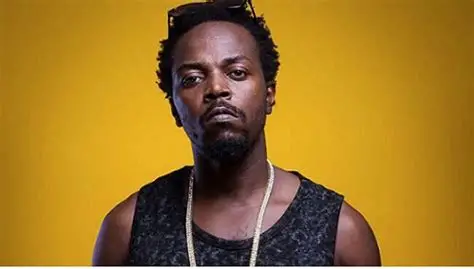
The veteran musician believes he has established a strong reputation and built an impressive collection of songs that continue to entertain music lovers, even without constantly producing new hits.
Speaking during a recent TikTok Live session, Kwaw Kese explained that his fans still enjoy his previous songs and frequently request them whenever he mounts the stage.
He noted that his experience in the industry has placed him in a position where he no longer feels the need to compete with emerging musicians for attention.
According to him, the Ghanaian music industry has entered a new era, with younger artistes now leading the scene and introducing different sounds to audiences.
Kwaw Kese acknowledged that Generation Z musicians have become the dominant force in the industry, adding that established artistes like himself have already enjoyed their time in the spotlight.
He explained that making music at this stage of his career is more about passion and personal satisfaction than chasing popularity or competing for chart positions.
The rapper also indicated that although he continues to release songs, he does not measure his success by how frequently his music becomes a hit.
During the conversation, Kwaw Kese responded to requests from fans who have been calling for a musical collaboration between him and dancehall artiste Shatta Wale.
He promised to work on a song with Shatta Wale, assuring supporters that their long-awaited collaboration could eventually become a reality.
“I will make a song with Shatta Wale, I promise you that,” he said.
Beyond discussing his career, Kwaw Kese shared his views on some of the musicians currently making an impact in Ghana’s rap industry.
He named Kofi Mole as his leading rapper, followed by Kwaku Smoke, and also included Oseikrom Sikanii and Teephlow among his preferred artistes.
However, the musician expressed a different opinion about Black Sherif, explaining that he does not consider him a rapper.
Kwaw Kese argued that Black Sherif’s musical approach places him more in the category of singers than rappers.
Despite his position, he commended Black Sherif for his talent and contribution to Ghanaian music, describing him as a talented musician.

Ghanaian songstress Gyakie has opened up about her childhood experiences, revealing that growing up as the daughter of legendary highlife musician Nana Acheampong came with several restrictions that prevented her from enjoying some of the activities other children experienced.
Speaking in an interview on The Delay Show, the singer explained that her father’s popularity influenced how she was raised, as he made efforts to protect his children from unnecessary public attention.
According to Gyakie, her early years were largely spent moving between home, school and church, leaving her with limited opportunities to socialise, explore her surroundings or participate in other childhood adventures.
“My childhood was very indoor. It was basically from home to school and back home, with church on Sundays,” she disclosed.
The Forever hitmaker explained that her father’s position in the entertainment industry meant the family had to be cautious about their movements and interactions with the public.
She indicated that the restrictions made her childhood less adventurous, as she could not freely engage in activities or display the rebellious behaviour sometimes associated with growing up.
“I couldn’t explore, and I couldn’t be a stubborn girl. My childhood was very boring,” Gyakie added.
Her father, Nana Acheampong, is a celebrated Ghanaian highlife musician who gained widespread recognition through his musical partnership with the late Daddy Lumba. Together, they formed the popular Lumba Brothers, whose contribution to Ghanaian highlife music remains significant.
His popularity exposed the family to public attention, making privacy and security important considerations in raising his children.
Despite describing her childhood as uneventful, Gyakie has successfully established her own identity in Ghana’s music industry.
Born Jackline Acheampong, the singer followed her father’s musical path and gained widespread recognition following the release of her breakthrough song, Forever, in 2020.
The song, featured on her debut extended play, Seed, introduced her distinctive sound to a wider audience and helped establish her as one of Ghana’s promising contemporary musicians.
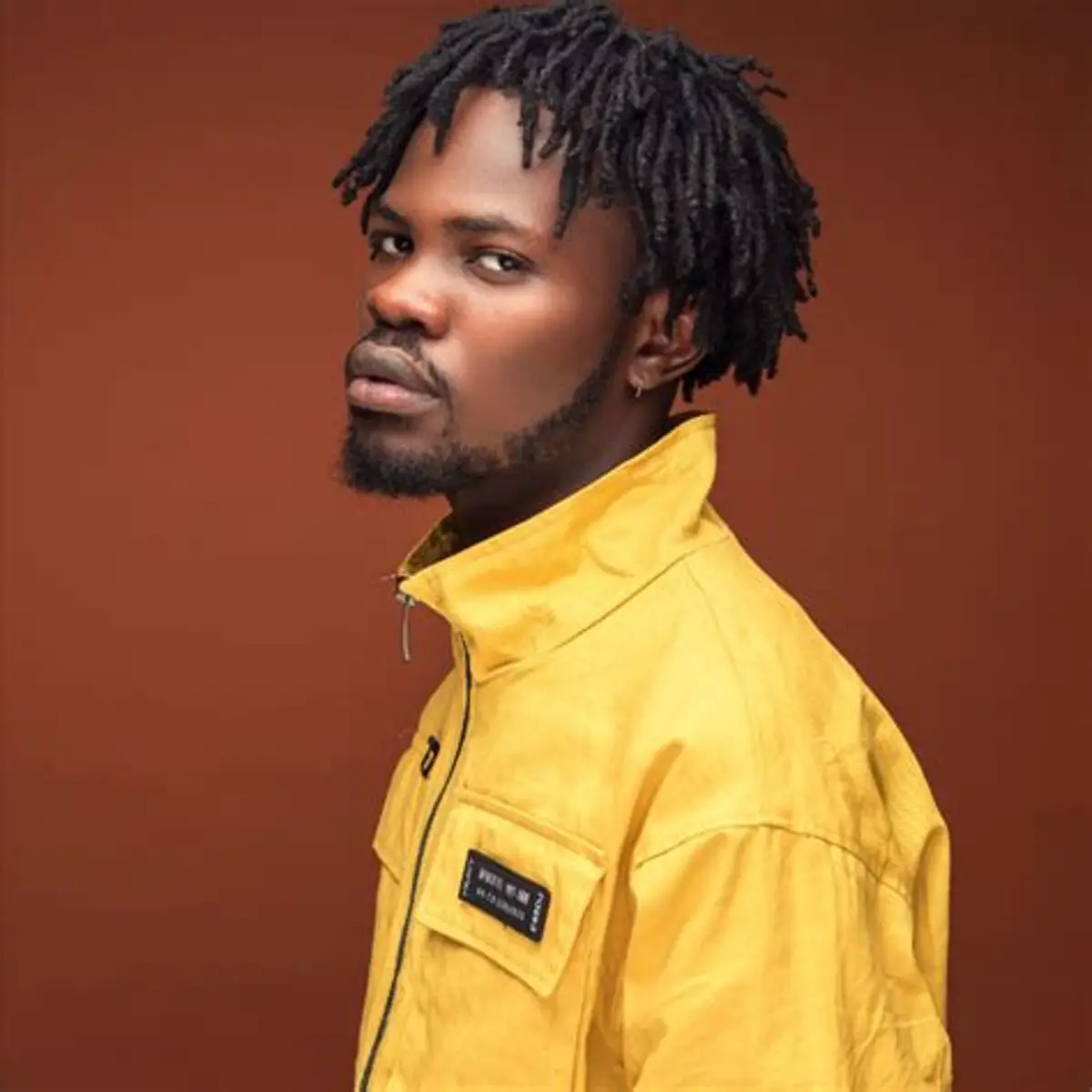
According to the award-winning singer, pain has played an important role in shaping his personality, building his confidence and influencing the emotional stories he shares through his music.
Speaking in an interview on Pulse One On One, Fameye explained that although many people associate pain with sadness and suffering, he sees it differently because of the valuable lessons he has gained from his personal experiences.
“I love pain because pain is where I find peace. I find energy and my confidence and success as well,” he stated.
The musician explained that whenever he encounters challenging situations, he does not attempt to erase the memories or pretend they never happened. Instead, he draws inspiration from those experiences and uses them as motivation to work harder towards achieving his goals.
He believes that pain is an unavoidable reality of human existence and that everyone, regardless of their background or achievements, experiences difficult moments at some point in life.
“For me, I understand life is pain. That’s part of the definition I give to life,” Fameye explained.
Despite his strong connection with painful experiences, the singer emphasised that his music is not intended to promote sadness or make listeners believe that life is entirely about suffering.
Rather, he wants people to understand that even during the most challenging periods, there is still room for happiness, love, hope and positive change.
“In as much as there is pain, and I’ve been preaching pain, I always try so much possible for people to know that behind the pain there’s love and light, and there’s happiness, and there’s brightness,” he said.
Fameye further explained that overcoming one difficult situation does not necessarily mean a person will never experience pain again. He believes that challenges continue to emerge at different stages of life, making it necessary for individuals to develop the strength and determination to face them.
The musician also discussed the relationship between his personal experiences and his songwriting, particularly how his music has evolved since he gained recognition in the Ghanaian entertainment industry.
When asked whether becoming successful had changed the stories he tells through his songs, Fameye maintained that his approach to storytelling remains rooted in his real-life experiences.
“It doesn’t change. It becomes better, and it grows,” he stated.
He explained that his music represents different chapters of his life, from periods when he struggled financially and emotionally to his present experiences of success, recognition and improved circumstances.
According to him, abandoning the difficult experiences that contributed to his growth simply because he has achieved success would make his storytelling incomplete.
“I am telling a story that I’ve lived. And so if I was living a lot of pain and I’m living a little bit of pain and a little bit of money, success, and glory, why should I leave those ones behind?” he questioned.
Fameye indicated that every stage of his journey deserves to be represented in his music because each experience contributes to the person he is becoming.
Beyond his musical career, the singer reflected on the difficulties he encountered during childhood, including the loss of his parents at an early age.
He explained that growing up under challenging circumstances influenced his understanding of life and helped shape his relationships with other people.
According to Fameye, those experiences have affected several aspects of his personal life, including how he builds friendships, treats others and carries out his responsibilities as a father.
He believes that both positive and negative experiences provide opportunities for personal development, provided individuals are willing to recognise and learn from them.
“Everything is important in this life. Life has its own way of teaching you, unless you don’t want to learn,” he remarked.
The musician further suggested that the lessons he has gathered over the years continue to influence his decisions and the messages he communicates to his audience.
Fameye, who has built a reputation for producing emotionally relatable songs about hardship, perseverance, love and everyday struggles, explained that his personal journey remains central to his creative identity.
His experiences of losing loved ones, overcoming childhood difficulties and gradually establishing himself in the music industry have provided material for the stories he tells through his songs.
Although his circumstances have improved over the years, the singer maintains that financial progress and public recognition have not erased the memories of his earlier struggles.
Instead, he continues to combine those experiences with his present achievements, allowing his music to reflect both the difficult realities of life and the happiness that can come from overcoming challenges.


Presidency Orders CEOs Past Lawful Retirement Age to Hand Over and Vacate Office

2026 National Tourism Awards to Honour Excellence and Strengthen Ghana’s Global Tourism Appeal

MY POSITION ON EDUCATIONAL PROGRESSION, GIFTED CHILDREN, STEM EDUCATION AND THE FUTURE OF GHANA

JOANA GYAN CUDJOE: A WOMAN WITH A GOOD HEART, A LEADER WITH A VISION!

Ghana Prisons Service Calls on Creative Industry to Support Inmate Rehabilitation

NADFFA 2027: Ghana to Host Pan-African Film and Food Festival in March

GTA Staff Demand Answers on World Cup Visa Slots, Staff Dismissals and Unpaid Allowances

Nicki Minaj Throws Her Support Behind Trump Ahead of US Midterm Elections

Ghana Faces Very Strong El Niño Threat as GMet Warns of Extreme Heat, Drought and Possible Flooding

GTA Targets Taxi Drivers in ‘Know Ghana’ Campaign to Boost Tourism

Illinois’ financial crisis could bring the state to a halt
The final 6 ‘Game of Thrones’ episodes might feel like a full season
New Season 8 Walking Dead trailer flashes forward in time
Mod turns ‘Counter-Strike’ into a ‘Tekken’ clone with fighting chickens
Meet Superman’s grandfather in new trailer for Krypton

-

 General News17 hours ago
Mahama Settles on Justice Pwamang as Next Chief Justice – Report
-
 General News19 hours ago
Ghana Has Enough Food! NAFCO Boss Backs Rice, Maize Imports Ban To Protect Local Farmers
-

 Entertainment17 hours ago
If You’re Not Financially Stable, Stay Away From Relationships – Fantana Tells Men
-

 Business23 hours ago
80% of Toyota Voxy Accidents Are Mechanical-Related — Bernard Oduro Takyi Claims
-

 Lifestyle17 hours ago
The Lost Art of Keeping Secrets: Why Does Everybody Want to Know Everybody’s Business?
-
 Entertainment16 hours ago
I Love Pain Because That Is Where I Find Peace and Confidence – Fameye
-
 Entertainment17 hours ago
King Promise Confirms Exit from Killbeatz’s, Legacy Life Entertainment After Nine Years
-

 Entertainment15 hours ago
My Childhood Was Boring Because of My Father’s Fame – Gyakie Reveals