
Entertainment
Afia Schwarzenegger Questions Legal Basis for 63-Day Prison Sentence

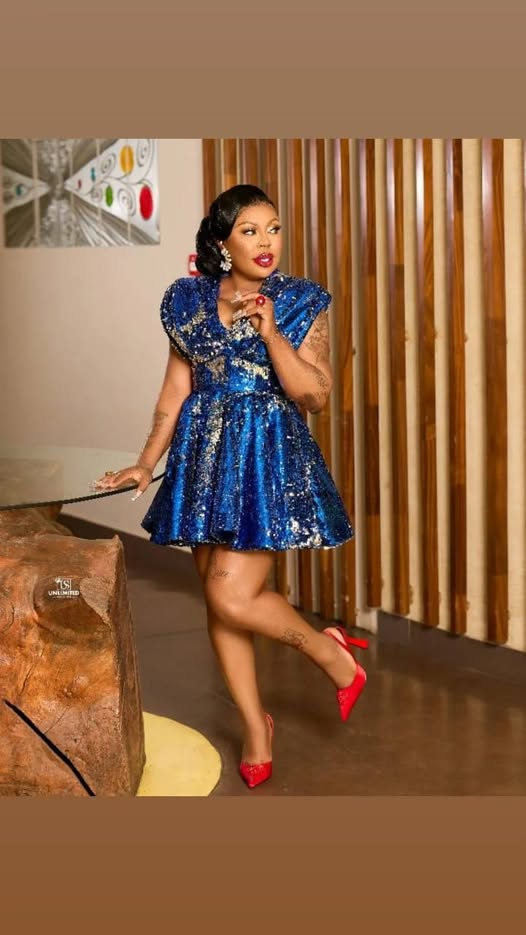
Media personality Valentina Nana Agyeiwaa, widely known as Afia Schwarzenegger, has questioned the legal grounds for her 63-day prison sentence, arguing that she has not received any court injunction prohibiting her from mentioning or discussing another individual.
In a Facebook post on Tuesday, November 17, Afia Schwarzenegger challenged the circumstances surrounding her conviction for contempt of court, maintaining that she should not be imprisoned for conduct she claims she has not been legally restrained from undertaking.
She argued that without being formally served with an injunction barring her from mentioning anyone’s name, it was unclear how such conduct could constitute contempt of court.
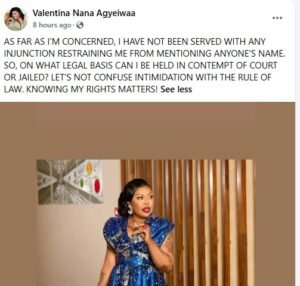
“As far as I’m concerned, I have not been served with any injunction restraining me from mentioning anyone’s name. So, on what legal basis can I be held in contempt of court or jailed? Let’s not confuse intimidation with the rule of law. Knowing my rights matters!” she stated.
Her remarks follow a ruling by the Accra High Court on Monday, November 16, which sentenced her to 63 days in prison after finding her guilty of contempt of court.
The case is connected to a defamation suit filed against her by Sammy Gyamfi, Chief Executive Officer of the Ghana Gold Board (GoldBod).
The suit, filed on July 23 through Sustineri Attorneys PRUC, accused Afia Schwarzenegger of making false and damaging allegations about Mr Gyamfi, including claims that he was buying cars for female students at the University of Ghana, Legon, and engaging in extramarital affairs.
She was also accused of questioning the source of wealth of Mr Gyamfi’s wife’s family, particularly following claims that his wife’s younger sister had purchased a house in the United States.
In a video cited in the suit, Afia Schwarzenegger was quoted as saying: “Tell Sammy Gyamfi’s wife that I am greeting her. Her husband is still buying cars for girls in Legon… Even his wife’s younger sister has bought a house in the US.”
Mr Gyamfi subsequently asked the court to declare the statements defamatory and award him GH¢10 million in general and exemplary damages.










Entertainment
2027 Grammy Nominations: King Ayisoba and Rocky Dawuni Earn African Music Nod as Raye Leads Major Stars
The nominations for the 69th Grammy Awards have been announced, bringing together some of the biggest names in the global music industry, alongside emerging artistes competing for honours at the prestigious ceremony.
Raye, Taylor Swift, Olivia Dean, Bruno Mars and Rosalía are among the major names featured in the 2027 nominations, with Raye emerging as one of the leading artistes in the race. Other established musicians, including Olivia Rodrigo and Tems, have also secured nominations across various categories.
Ghana has also received recognition through traditional musician King Ayisoba, who earned his first Grammy nomination alongside reggae musician Rocky Dawuni for their collaboration, No Tradition, No Africa. The song is nominated in the Best African Music Performance category, where it will compete against works by Asake, Tems, Wizkid and Angélique Kidjo.
African artistes are further represented in the Best Global Music Album category, with Davido, Ayra Starr, Tems and Angélique Kidjo among the nominees. The nominations highlight the continued presence of African music and artistes on the international awards stage.
The 69th Grammy Awards ceremony is scheduled for Sunday, February 7, 2027, at the Crypto.com Arena in Los Angeles. The event will be broadcast on ABC and streamed on Disney+, Hulu and other platforms. Winners will be determined through the Recording Academy’s final-round voting process.
2027 Grammy Awards: Full List of Nominees
| GRAMMY CATEGORY | NOMINEES |
|---|---|
| Record of the Year | “Man I Need” – Olivia Dean; “Choosin’ Texas” – Ella Langley; “I Just Might” – Bruno Mars; “Where Is My Husband!” – Raye; “The Cure” – Olivia Rodrigo; “Berghain” – Rosalía, Björk, Yves Tumor; “The Fate of Ophelia” – Taylor Swift; “Dracula” – Tame Impala With Jennie. |
| Album of the Year | “Lost Weekend” – Phoebe Bridgers; “The Art of Loving” – Olivia Dean; “Dandelion” – Ella Langley; “The Romantic” – Bruno Mars; “This Music May Contain Hope.” – Raye; “You Seem Pretty Sad for a Girl So in Love” – Olivia Rodrigo; “Lux (Complete Works)” – Rosalía; “The Life of a Showgirl” – Taylor Swift. |
| Song of the Year | “Berghain” – Björk Gudmundsdóttir, Noah Goldstein, Jake Miller, Rosalía Vila Tobella & Dylan Wiggins; “Choosin’ Texas” – Luke Dick, Miranda Lambert, Ella Langley & Joybeth Taylor; “The Cure” – Daniel Nigro & Olivia Rodrigo; “Hate That I Made You Love Me” – Ariana Grande, Max Martin & Ilya Salmanzadeh; “I Knew It, I Knew You (from Toy Story 5)” – Jack Antonoff & Taylor Swift; “Man I Need” – Olivia Dean, Tobias Jesso Jr. & Zach Nahome; “Risk It All” – Dernst Emile II, James Fauntleroy, Philip Lawrence & Bruno Mars; “Where Is My Husband!” – Rachel Keen & Mike Sabath. |
| Best New Artist | Angine de Poitrine; Geese; Ella Langley; Slayyyter; Sienna Spiro; Don Toliver; Remi Wolf; The Womack Sisters. |
| Producer of the Year, Non-Classical | Tony Berg; Dernst “D’Mile” Emile II; Noah Goldstein; Miranda Lambert; Mike Sabath. |
| Songwriter of the Year, Non-Classical | Amy Allen; Edgar Barrera; Raye; Joybeth Taylor; Theron Thomas. |
| Best Pop Solo Performance | “Man I Need” – Olivia Dean; “Risk It All” – Bruno Mars; “Where Is My Husband!” – Raye; “The Cure” – Olivia Rodrigo; “Sauvignon Blanc” – Rosalía. |
| Best Pop Duo/Group Performance | “Runway” – Lady Gaga, Doechii; “Bring Your Love” – Madonna, Sabrina Carpenter; “Click Clack Symphony” – Raye Featuring Hans Zimmer; “The Life of a Showgirl” – Taylor Swift, Sabrina Carpenter; “Dracula” – Tame Impala With Jennie. |
| Best Asian Pop Music Performance | “Sunset Kiss” – Babymetal, Polyphia; “Unang Kilig” – Bini; “Bang Bang” – Ive; “404 (New Era)” – KiiiKiii; “Yes” – Lisa; “Visa” – SB19. |
| Best Pop Vocal Album | “The Art of Loving” – Olivia Dean; “Petal” – Ariana Grande; “The Romantic” – Bruno Mars; “This Music May Contain Hope.” – Raye; “You Seem Pretty Sad for a Girl So in Love” – Olivia Rodrigo. |
| Best Dance/Electronic Recording | “Lights Burn Dimmer” – Fred again.., (Jamie T); “I Feel So Free” – Madonna; “Crank” – Slayyyter; “My Old Ways” – Tame Impala; “Melatonin” – Tinashe; “Music” – Underscores. |
| Best Dance Pop Recording | “Blue Moon” – Zara Larsson; “Danceteria” – Madonna; “Life Boat” – Raye; “Dance…” – Slayyyter; “Too Easy” – Tinashe. |
| Best Dance/Electronic Album | “Confessions II” – Madonna; “Sexistential” – Robyn; “SOMA” – Skrillex; “Wor$t Girl in America” – Slayyyter; “Deadbeat” – Tame Impala. |
| Best Remixed Recording | “Beto’s Horns (Fred remix)” – Fred again.. & Tom Norris; “I Just Might (Austin Millz remix)” – Austin Millz; “Love Sensation” – Stuart Price; “Opalite (Chris Lake Remix)” – Chris Lake; “A Question of Trust – Boys Noize Remix” – Boys Noize; “Where Is My Husband!” – David Guetta & Hypaton. |
| Best Rock Performance | “Sarniezz” – Angine de Poitrine; “Lost Boys” – Phoebe Bridgers; “Trinidad” – Geese; “What’s Wrong With Me” – Olivia Rodrigo, Robert Smith; “In the Stars” – The Rolling Stones. |
| Best Metal Performance | “The Edge of Perfection” – Anthrax; “Hive Mind” – Knocked Loose Featuring Denzel Curry; “Your Ghost Again” – Mastodon; “Let There Be Shred” – Megadeth; “End of You” – Poppy, Amy Lee, Courtney LaPlante. |
| Best Rock Song | “In the Stars” – Mick Jagger & Keith Richards; “Lost Boys” – Phoebe Bridgers, Bo Burnham, Alex G, Christian Lee Hutson & Marshall Vore; “My Only Angel” – Joe Perry, Matt Schwartz, Steven Tyler & Dominic Harrison; “Streets of Minneapolis – Radio Mix” – Bruce Springsteen; “Trinidad” – Max Bassin, Dominic DiGesu, Emily Green & Cameron Winter; “What’s Wrong With Me” – Daniel Nigro, Olivia Rodrigo & Sasha Sloan; “Your Favorite Toy” – Foo Fighters. |
| Best Rock Album | “Vol.II” – Angine de Poitrine; “Your Favorite Toy” – Foo Fighters; “The Wow! Signal” – Muse; “Foreign Tongues” – The Rolling Stones; “Frozen Charlotte” – Jack White. |
| Best Alternative Music Performance | “Fabienk” – Angine de Poitrine; “Kill Me” – Phoebe Bridgers; “Au Pays du Cocaine” – Geese; “Reliquia” – Rosalía; “Showbiz” – Hayley Williams. |
| Best Alternative Music Album | “I Must Be Dreaming” – Alabama Shakes; “Lost Weekend” – Phoebe Bridgers; “Music, Fashion, Film” – Charli xcx; “Getting Killed” – Geese; “The Mountain” – Gorillaz; “Lux (Complete Works)” – Rosalía. |
| Best R&B Solo Performance | “Morning Dew (Donk)” – Beyoncé; “Out the Window” – Kehlani; “Let Me” – Victoria Monét; “Pressha” – Jill Scott; “What You Need” – Tems. |
| Best R&B Collaboration or Duo/Group Performance | “Fallin’” – Chris Brown Featuring Leon Thomas; “47th Street” – Lalah Hathaway Featuring J. Ivy; “Sweet Nuthins” – Kehlani Featuring Leon Thomas; “Mess” – PJ Morton Featuring Keyon Harrold; “To B Honest” – Jill Scott Featuring JID. |
| Best Traditional R&B Performance | “I Found Myself” – Durand Bernarr; “Can’t Let Go” – Lalah Hathaway; “Beautiful People” – Jill Scott; “My Muse” – Leon Thomas; “If I Let You” – The Womack Sisters. |
| Best R&B Song | “Let Me” – Jahshua Brown, Darhyl Camper, Jr., Jeff Gitelman, Tiyon Mack, Victoria Monét & Branden Rowell; “My Muse” – Lazaro A. Camejo, Rob Gueringer, Nile Eugene Hargrove, Peter Lee Johnson, Marcus Clayton Paul, David Kenneth Phelps & Leon Thomas; “Out the Window” – Antonio Dixon, Kehlani Parrish, Ashton Norful, Khris Riddick-Tynes & Talay Riley; “Pressha” – Adam Blackstone, Jill Scott & Vincent Tolan; “What You Need” – Ronald Banful & Temilade Openiyi. |
| Best Progressive R&B Album | “Bernarr.” – Durand Bernarr; “Waves” – Moonchild; “The Last Balloon” – Tank and the Bangas; “Pholks” – Leon Thomas; “Distracted” – Thundercat. |
| Best R&B Album | “Brown (The Chocolate Edition)” – Chris Brown; “When the City Sleeps” – Alex Isley; “Kehlani” – Kehlani; “Saturday Night” – PJ Morton; “To Whom This May Concern” – Jill Scott. |
| Best Rap Performance | “Good Flirts” – Baby Keem Featuring Kendrick Lamar & Momo Boyd; “ErrTime” – Cardi B; “Run It Back!!” – De La Soul Featuring Nas; “Let ‘Em Know” – T.I.; “Body” – Don Toliver. |
| Best Melodic Rap Performance | “This Woman” – Busta Rhymes (& J Dilla Featuring D’Angelo); “Safe” – Cardi B Featuring Kehlani; “Girl, Get Up” – Doechii Featuring SZA; “E85” – Don Toliver; “Watching Us” – Wale Featuring Leon Thomas. |
| Best Rap Song | “E85” – Derek Anderson, Aaron Paryce Cheung, Jaasu Mallory, Jacques Webster & Caleb Toliver; “ErrTime” – Matthew Allen, Javaan Durrell Anderson, Belcalis Almanzar, Ronnie Jackson, James D. Steed & Jordan Thorpe; “Girl, Get Up” – Darius Scott, Jaylah Hickmon, Jahlil Gunter, Solána Rowe, Anthony “Moosa” Tiffith Jr. & Anthony “Top Dawg” Tiffith; “Let ‘Em Know” – T.I. & Pharrell Williams; “Spend Dat” – Caresha Romeka Brownlee, Akil King, Maurice Simmonds & Anthony Germaine White. |
| Best Rap Album | “Dillagence II” – Busta Rhymes (& J Dilla); “Am I the Drama?” – Cardi B; “God Gotta Afro & Gold Hoops” – Rapsody; “Octane” – Don Toliver; “Everything Is a Lot” – Wale; “Bully – Deluxe” – Kanye West (Ye). |
| Best Spoken Word Poetry Album | “Black Shaman Strikes Back” – Marc Marcel; “The Color of Rain” – Aja Monet; “A Hero and a Villain” – Mad Skillz; “How Love Grows” – Jwalt (& ClayDough); “Leap Life” – Saul Williams. |
| Best Jazz Performance | “In Walked Bud” – Jon Batiste; “Good Life – Tamron Hall Main Title Theme” – The Baylor Project; “Sophisticated Lady” – Cécile McLorin Salvant, Metropole Orkest & Jules Buckley; “The Lady Is a Tramp” – Deborah Silver & Diane Schuur; “I Get Along Without You Very Well (Except Sometimes)” – Nicole Zuraitis, Christian McBride, Gilad Hekselman & Dan Pugach. |
| Best Jazz Vocal Album | “For Dinah” – Ledisi; “The Wise Ones” – Gretchen Parlato; “Live at Jazz at Lincoln Center” – Catherine Russell; “With Every Breath I Take” – Cécile McLorin Salvant, Metropole Orkest & Jules Buckley; “The Devil I Knew” – Nicole Zuraitis. |
| Best Jazz Instrumental Album | “Monk Movements” – Jon Batiste; “We Dream” – Lakecia Benjamin; “Forever Yours: The Farewell Performance (Live)” – Chick Corea; “Leave That in There” – Sullivan Fortner; “Side-Eye III+” – Pat Metheny. |
| Best Large Jazz Ensemble Album | “Paco de Lucía, Music for Big Band (Live)” – Alex Conde; “In the Brass Palace” – Kurt Elling & WDR Big Band; “Jim McNeely Expeditions” – Frankfurt Radio Big Band & Jim McNeely; “25 Years of Phatness” – Gordon Goodwin’s Big Phat Band; “Oracles” – Helen Sung Big Band & Helen Sung. |
| Best Latin Jazz Album | “Filin” – Melissa Aldana; “Ao Vivo (Live)” – Eliane Elias; “Monk Con Clave” – Carlos Henriquez Featuring Gonzalo Rubalcaba, Pedrito Martinez, Anthony Almonte, Osmany Paredes, Jeremy Bosch & Robert Rodriguez; “Gonzalo Plays Pino” – Gonzalo Rubalcaba; “El Arte Del Bolero Vol. 3” – Miguel Zenón & Luis Perdomo. |
| Best Alternative Jazz Album | “Trip the Night Fantastic” – Terri Lyne Carrington & Social Science; “Who Asked?” – Domi & JD Beck; “Purpose” – Terrace Martin & Marcus Gilmore; “Oh Snap” – Cécile McLorin Salvant; “Fathers” – Nate Smith, Kiefer, Cartoons & Kenny Beats. |
| Best Traditional Pop Vocal Performance | “A Couple Minutes” – Olivia Dean; “For Good” – Cynthia Erivo, Ariana Grande; “Madwoman” – Laufey; “I Hate The Way I Look Today” – Raye; “All That’s Left” – Nicole Zuraitis Featuring Gilad Hekselman. |
| Best Traditional Pop Vocal Album | “Good Grief” – Sara Bareilles; “The Boys of Dungeon Lane” – Paul McCartney; “Better Broken” – Sarah McLachlan; “An Offering: Live at Speakeasy Studios” – Leslie Odom Jr.; “Whatever’s Clever!” – Charlie Puth. |
| Best Contemporary Instrumental Album | “Monk Meditations” – Jon Batiste; “Lullaby for the Lost” – Donny McCaslin; “A Six String Odyssey” – Six String Symphony; “Somni” – Snarky Puppy, Metropole Orkest & Jules Buckley; “BaRcoDe” – Ben Wendel. |
| Best Musical Theater Album | “Chess the Musical”; “The Lost Boys”; “Ragtime”; “Schmigadoon!” |
| Best Country Solo Performance | “The Whole World” – Vince Gill; “Choosin’ Texas” – Ella Langley; “Dry Spell” – Kacey Musgraves; “Can’t Sit Still” – Lainey Wilson; “Gary” – Stephen Wilson Jr. |
| Best Country Duo/Group Performance | “Butterfly” – Zac Brown Band Featuring Dolly Parton; “Here” – Mumford & Sons Featuring Chris Stapleton; “Horses and Divorces” – Kacey Musgraves Featuring Miranda Lambert; “Light of a Clear Blue Morning” – Dolly Parton Featuring Lainey Wilson, Miley Cyrus, Queen Latifah & Reba McEntire; “Phone, Keys, Wallet” – Lainey Wilson, John Mayer. |
| Best Country Song | “Beautiful Things” – Jessi Alexander, Jessie Jo Dillon, Connie Harrington & Megan Moroney; “Choosin’ Texas” – Luke Dick, Miranda Lambert, Ella Langley & Joybeth Taylor; “Dry Spell” – Luke Laird, Shane McAnally, Kacey Musgraves & Josh Osborne; “Hardwired” – Black Francis, Jesse Frasure, Adam Hood, Miranda Lambert & Stephen Wilson Jr.; “Phone, Keys, Wallet” – Trannie Anderson, Jon Decious, Kid Harpoon, Summer Overstreet, Dan Pellarin, Dallas Wilson & Lainey Wilson. |
| Best Traditional Country Album | “Clovis” – Charley Crockett; “50 Years From Home: Down at the Borderline” – Vince Gill; “Banks of the Trinity” – Cody Johnson; “Workin’ Man: Willie Sings Merle” – Willie Nelson; “Once Upon a Second Time Around” – Charlie Worsham. |
| Best Contemporary Country Album | “Mount Pleasant” – Kelsea Ballerini; “Cherry Valley” – Carter Faith; “Dandelion” – Ella Langley; “Cloud 9” – Megan Moroney; “Middle of Nowhere” – Kacey Musgraves. |
| Best American Roots Performance | “Still Crying” – Sara Bareilles; “You Without Me” – Brandi Carlile; “Coyote” – Chuck Leah; “Human Mind” – Mavis Staples; “No Kings” – Jesse Welles Featuring Joan Baez. |
| Best Americana Performance | “Heartland” – Sara Bareilles; “Returning to Myself” – Brandi Carlile; “Sad and Beautiful World” – Mavis Staples; “Mill Town Flood” – Billy Strings; “Masks Off” – Jesse Welles. |
| Best American Roots Song | “Masks Off” – Jesse Welles; “My Full Name” – Madison Cunningham; “Returning to Myself” – Brandi Carlile; “Tennessee Sunshine” – Mary Dawood Catlin, Todd Catlin & Grant Maloy Smith; “Waist Deep” – Zac Cockrell, Heath Fogg & Brittany Howard. |
| Best Americana Album | “Returning to Myself” – Brandi Carlile; “Sad and Beautiful World” – Mavis Staples; “Future Soul” – Tedeschi Trucks Band; “Masks Off” – Jesse Welles; “World’s Gone Wrong” – Lucinda Williams. |
| Best Bluegrass Album | “Rattlin’ Bones” – Bronwyn; “Safe, Sensible and Sane” – Alison Brown & Steve Martin; “Bluegrass Woman” – Lindsay Lou; “So Much for Goodbyes” – Billy Strings; “Earl Jam 2” – Tony Trischka. |
| Best Traditional Blues Album | “Zydeco Trailrides and Southern Soul” – Sean Ardoin & Kreole Rock and Soul Featuring Mr. Sipp; “B.B. King’s Blues Summit 100” – Joe Bonamassa; “Morgan Freeman’s Symphonic Blues Experience” – Morgan Freeman, Ground Zero Blues Club Band, Chineke! Orchestra, Martin Gellner; “Blues Now” – GA-20 with Charlie Musselwhite; “Slideways” – Lil’ Ed & the Blues Imperials. |
| Best Contemporary Blues Album | “Alive! (Live)” – Fantastic Negrito; “Paper Doll (Live)” – Samantha Fish; “Just Say Yes” – Ruthie Foster; “Hard Road” – Christone “Kingfish” Ingram; “The Breakdown” – Keb’ Mo’. |
| Best Traditional Folk Album | “The Fiddle and the Drum” – Renée Fleming With Béla Fleck; “North Node” – Natalie & Brittany Haas; “The Fiddle Funnel Sessions” – E J Ouellette; “Together Again” – Tom Paxton & John McCutcheon; “Under The Powerlines III (January 2025 – June 2025)” – Jesse Welles. |
| Best Contemporary Folk Album | “Le Sigh” – Kris Angelis; “Ace” – Madison Cunningham; “The Great Divide: The Last of the Bugs” – Noah Kahan; “Lost Cause Lover Fool” – The Milk Carton Kids; “Bloodline” – Mon Rovîa. |
| Best Regional Roots Music Album | “Louisiana Love” – Robin Barnes; “Live at Tipitina’s 2025” – Dumpstaphunk; “This Village” – Ranky Tanky; “Ain’t No Dying” – The Rumble Featuring Big Chief Joseph Boudreaux Jr.; “Tongva Songs We Are Here Ekwa Chem” – Tongva Ensemble Featuring Connor Chee & Geneviève Gros-Louis. |
| Best Gospel Performance/Song | “Thank You for Everything” – Kirk Franklin, Karen Clark Sheard; “Watches Over Me” – Cory Henry Featuring Hezekiah Walker & the Brent Fischer Orchestra; “Promises 2.0” – Lisa Knowles-Smith & the Brown Singers; “Mercy” – PJ Morton; “At the Cross” – CeCe Winans. |
| Best Contemporary Christian Music Performance/Song | “God I’m Just Grateful” – Elevation Worship, Chandler Moore; “Ale-luya Medley” – Israel & New Breed; “The Jesus I Know Now” – Brandon Lake, Lainey Wilson; “Living Water” – Lecrae; “Left It in The River” – Jamie MacDonald; “Worthy of It All (Worthy)” – CeCe Winans. |
| Best Gospel Album | “Devotion” – Cory Henry; “Revival: Life in Dallas” – Lisa Knowles-Smith & the Brown Singers; “Closer (Live In Chicago)” – Jonathan McReynolds; “Sunday Morning” – PJ Morton; “The Hymns” – CeCe Winans. |
| Best Contemporary Christian Music Album | “Shiloh” – Doe; “Coritos Vol. 2” – Israel & New Breed; “King of Hearts – In the Room!” – Brandon Lake; “Jamie MacDonald” – Jamie MacDonald; “Breathe on It” – Tauren Wells. |
| Roots Gospel Album | “Through the Fire” – Jason Crabb; “On a Different Note” – Tim Lovelace; “Light. Hope. Faith.” – Cara Paige; “A Fireside Christmas” – Karen Peck & New River; “Rise and Shine” – Sunday Drive. |
| Best Latin Song | “Ahí” – Aubrey Drake Graham, Carolina Giraldo Navarro, Kevyn Mauricio Cruz Moreno & Daniel Echavarría Oviedo; “¿Cómo se ama?” – Jorge Drexler; “Hasta Jesús Tuvo un Mal Día” – Rafa Arcaute, Renee Barri, Catriel Guerreiro, Ulises Guerriero, Martin Kierszenbaum, John Ryan, Gordon Matthew Thomas Sumner, Vicente Jimenez “Vibarco” & Federico Vindver; “La Perla” – Noah Goldstein, David Rodríguez, Rosalía Vila Tobella, Ryan Tedder & Dylan Wiggins; “Niño” – Santiago Alvarado, Mario Del Transito Cocomarola, Camilo Joaquín Villarruel, Gregorio Armando Reinaldo Nelli & Santiago Ruiz. |
| Best Latin Pop Album | “NO ME ARREPIENTO DE SENTIR TANTO” – Karol G; “Femme Fatale” – Mon Laferte; “Muda” – Carín León; “¿Dónde Es El After?” – Rawayana; “Bendito Verano” – Elena Rose. |
| Best Música Urbana Album | “Cosa Nuestra: Capítulo 0” – Rauw Alejandro; “Omerta” – J Balvin, Ryan Castro; “HOPI SENDÉ” – Ryan Castro; “Omakase” – Alvaro Diaz; “El Green Print: La Saga (Disc 1) — Feid vs Ferxxo” – Feid; “Do Not Disturb: Late Checkout” – Young Miko. |
| Best Latin Rock or Alternative Album | “Free Spirits” – CA7RIEL & Paco Amoroso; “Taracá” – Jorge Drexler; “La Vida Era Más Corta” – Milo J; “JuanesTeban” – Juanes; “Shine” – Fito Paez. |
| Best Música Mexicana Album (Including Tejano) | “LO QUE ME FALTA POR LLORAR” – Grupo Frontera; “Aunque Me Duela” – Lupita Infante; “La Madrina” – Mari Nobre; “DINASTÍA (Deluxe)” – Peso Pluma, Tito Double P; “¡VIDA MÉXICO!” – Carlos Rivera. |
| Best Tropical Latin Album | “País Portatil” – Rubén Blades, Roberto Delgado & Orquesta; “El Alma en Clave” – Luis Enrique; “Antes Que El Tiempo Se Vaya” – Fonseca; “Más Que Palabras” – Grupo Niche; “El Último Disco Vol. 1” – Carlos Vives. |
| Best Global Music Performance | “Varuvaaiy” – Devan Ekambaram Featuring Susha; “Una Flor En Cada Estrella” – KerreKe, Mireya, Alex E. Chávez; “Bando [Orchestral]” – Angélique Kidjo Featuring Pharrell Williams & Quavo; “Porcelana” – Rosalía, Dougie F; “Dai Dai” – Shakira, Burna Boy. |
| Best African Music Performance | “Gratitude” – Asake; “Aye Kan (Are You Coming Back?)” – Angélique Kidjo & Ayra Starr; “No Tradition, No Africa” – King Ayisoba Featuring Rocky Dawuni; “Big Daddy” – Tems; “Jogodo” – Wizkid & Asake. |
| Best Global Music Album | “EQUILIBRIVM” – Anitta; “Oriadé” – Davido; “Hope!!” – Angélique Kidjo; “Starrgirl” – Ayra Starr; “Love Is a Kingdom” – Tems. |
| Reggae Album | “Too Too Bad” – Buju Banton; “Exile” – Chronixx; “Brightside” – Ziggy Marley; “The Art of Acceptance” – Protoje; “Supernova” – Runkus; “Lottery” – Shaggy. |
| Best New Age, Ambient, or Chant Album | “Night Music” – Vicente Avella; “Balance” – Paul Avgerinos; “Liminal” – Brian Eno, Beatie Wolfe; “Unspoken Psalms” – Chris Redding; “Tantrika” – White Sun. |
| Best Children’s Music Album | “All in Good Time” – Snooknuk; “Hasta La Vista…Baby” – Lucky Diaz and the Family Jam Band; “Little Birdie’s Big Symphony” – Scott & Mark Hoying; “Magnificent” – Lachi; “Starchild, Vol. 1” – Divinity Roxx and Divi Roxx Kids. |
| Best Comedy Album | “Good Girl” – Nikki Glaser; “Joy in the Trenches” – Trevor Noah; “Legacy” – Wanda Sykes; “100 Sound Effects” – Fred Armisen; “Take a Banana for the Ride” – Jeff Ross; “The Unstoppable” – Dave Chappelle. |
| Best Audio Book, Narration, and Storytelling Recording | “Future Boy” – Michael J. Fox; “The Look” – Michelle Obama; “Man on the Run” – Paul McCartney, Morgan Neville; “Remix Meditation” – Lil Jon; “Star of the Show: My Life on Stage” – Dolly Parton; “Vagabond: A Memoir” – Tim Curry. |
| Best Compilation Soundtrack for Visual Media | “The Devil Wears Prada 2” – Various Artists; “Stranger Things Season 5” – Various Artists; “Wicked: For Good” – Various Artists; “The Wizard of Oz at Sphere” – The Wizard of Oz at Sphere; “Wuthering Heights” – Charli xcx. |
| Best Score Soundtrack for Visual Media (Includes Film and Television) | “The Odyssey” – Ludwig Göransson; “One Battle After Another” – Jonny Greenwood; “Project Hail Mary” – Daniel Pemberton; “Star Wars: The Mandalorian and Grogu” – Ludwig Göransson; “Widow’s Bay” – David Fleming. |
| Best Score Soundtrack for Video Games and Other Interactive Media | “Avatar: Frontiers of Pandora – From the Ashes” – John Paesano; “007: First Light” – Joe Henson & Alexis Leon Smith; “Ghost of Yōtei” – Toma Otowa; “Marvel’s Wolverine” – David Fleming; “Star Wars: Zero Company” – Gordy Haab. |
| Best Song Written for Visual Media | “House” [From “Wuthering Heights”] – John Cale & Charli xcx; “I Knew It, I Knew You” [From “Toy Story 5”] – Jack Antonoff & Taylor Swift; “Need Someone” [From “The Pitt”] – Andrew Bird; “No Place Like Home” [From “Wicked: For Good”] – Stephen Schwartz; “Runway” [From “The Devil Wears Prada 2”] – Henry Walter, Jaylah Hickmon, Dernst “D’Mile” Emile II, Stefani Germanotta, Jayda Love, Bruno Mars & Andrew Watt. |
| Best Music Video | “Lost Boys” – Phoebe Bridgers; “Storm” – Gemer8ion, Yung Lean; “Hate That I Made You Love Me” – Ariana Grande; “Click Clack Symphony” – Raye Featuring Hans Zimmer; “Berghain” – Rosalía Featuring Björk & Yves Tumor. |
| Best Music Film | “To Be Celestial vs. That’s the Weight of the World” – Earth, Wind & Fire; “Hit Me Hard and Soft: The Tour Live” – Billie Eilish; “Man on the Run” – Paul McCartney; “EPiC: Elvis Presley in Concert” – Elvis Presley; “Lilith Fair: Building a Mystery – The Untold Story” – Various Artists. |
| Best Recording Package | “Coloring Book” – Alec Longstreth & Joe Spinelli (Weezer); “Horizons / West” – Jordan Butcher (Thrice); “If You Can Hold Your Breath” – Farbod Kokabi (Karate); “Nothing’s About to Happen to Me” – Mary Banas, Marc Burkhardt & Mitski Miyawaki (Mitski); “Power to the People” – Simon Hilton, Liz Hirsch & Sean Ono Lennon (John Lennon & Yoko Ono/Plastic Ono Band with Elephant’s Memory and Special Guests). |
| Best Album Cover | “God Gotta Afro & Gold Hoops” – Patso Dimitrov & Darin Gilliam (Rapsody); “Sad and Beautiful World” – Lauren N. Bailey, Trevor Hernandez & Elizabeth De La Piedra (Mavis Staples); “This Mirror Weighs a Ton” – Nick Steinhardt & Addie Wagenknecht (Interpol); “West End Girl” – Leith Clark & Nieves González (Lily Allen); “What Happened to the Streets?” – Tina Ibañez (21 Savage). |
| Best Album Notes | “Clifton Chenier: King of Louisiana Blues & Zydeco” – Adam Machado; “Guglielmi: Amalia e Carlo (Live)” – Mitchell Hutchings; “Haydn: The Complete Decca Recordings” – Dominic Fyfe; “Mother of the Blues: The Complete Paramount Recordings, 1923-1928” – David Sager; “Pisces, Aquarius, Capricorn & Jones Ltd. (Super Deluxe Edition)” – Andrew Sandoval. |
| Best Historical Album | “The Bootleg Series Vol. 18: Through The Open Window, 1956-1963” – Steve Berkowitz & Sean Wilentz; “Classic V-Disc Big Band Jazz Sessions Limited Edition Box Set” – Scott Wenzel; “Clifton Chenier: King of Louisiana Blues & Zydeco” – Adam Machado; “Ma Rainey: Mother Of The Blues, The Complete Paramount Recordings 1923-1928” – Lars Edegran; “Polish Radio Sessions 1970-1991” – Adam Domagala. |
| Best Engineered Album, Non-Classical | “The Art of Loving” – Julian Bunetta, Austin Christy, Dan Ewins, Jeff Gunnell, Charlie Holmes, Zach Nahome, John Ryan, Jan Trafas, Max Wolfgang & Matt Zara; “Lux (Complete Works)” – Daniel Cayotte, Isaac Diskin, Tom Elmhirst, Nigel Godrich, Tristan Hoogland, Mike Larson, Manny Marroquin, Jake Miller, Joaquim Monte, Alberto Pérez, Billy Ray, David Rodríguez, Marta Salogni, Bergur Thorisson & Harry Wilson; “Middle of Nowhere” – Bryce Bordone, Serban Ghenea, Konrad Snyder & Mike Stankiewicz; “Nine Inch Noize” – Boys Noize, Jacob Moreno, Trent Reznor & Atticus Ross; “The Thread” – Joe Dougherty, Chris Greatti, Mitch McCarthy, Adam Schoeller & Willow Smith. |
| Best Engineered Album, Classical | “Akiho: Beneath Lighted Coffers & Concerto for Steel Pans & Orchestra” – Mark Donahue; “Dvořák: Symphony No. 9, ‘From the New World’; Simon: Four Black American Dances” – Mark Donahue; “Mahler: Symphony No. 2 ‘Resurrection’” – Jon Johannsen, Jason O’Connell & Mark Willsher; “Puts: Emily – No Prisoner Be” – Silas Brown; “Sarah Kirkland Snider: Forward Into Light” – Silas Brown, Wellington Gordon, Charles Mueller, Doron Schachter, Ryan Streber & Mike Tierney; “Ustvolskaya: Symphony No. 5; Poulenc: La Voix Humaine” – Gintas Norvila. |
| Producer of the Year, Classical | Blanton Alspaugh; Silas Brown; Dmitriy Lipay; Elaine Martone; Dirk Sobotka. |
| Best Immersive Audio Album | “Captain Fantastic And The Brown Dirt Cowboy (50th Anniversary Edition)” – Elton John; “Ghost of Yōtei (Original Soundtrack)” – Toma Otowa; “The Grotesque & The Sublime” – Iceland Symphony Orchestra; “One Size Fits All” – Frank Zappa, The Mothers Of Invention; “Petal” – Ariana Grande. |
| Best Instrumental Composition | “ÉPiLOGUE” – DOMi & JD BECK; “Found in a Frozen Fog” – Punch Brothers; “King of Coins” – ARKAI & Lindsey Stirling; “Listen… (from Disclosure Day)” – John Williams; “Solace (Compassion)” – Andreas Graf, London Symphony Orchestra & Ben Palmer. |
| Best Arrangement, Instrumental or A Cappella | “Blackbird” – New York Vocal Collective; “Olha Maria” – Ben Wendel; “Overjoyed (Live)” – Chick Corea; “Radio Newsreel” – John Powell; “Sir Duke” – Kings Return. |
| Best Arrangement, Instruments and Vocals | “Click Clack Symphony” – Raye Featuring Hans Zimmer; “The Governor’s Waltz” – Phoebe Bridgers; “Moon River” – Studio Intensive Orchestra Featuring Nnenna Freelon; “Send in the Clowns” – Cécile McLorin Salvant, Metropole Orkest & Jules Buckley; “Shrink To Fantasy” – Willow; “Small Eyes” – DOMi & JD BECK. |
| Best Orchestral Performance | “An American Dream?” – Barbara Hannigan, Gothenburg Symphony Orchestra; “Clyne: Color Field” – Marin Alsop, Baltimore Symphony Orchestra; “Cuong: Orbital” – David Alan Miller, Albany Symphony; “John Williams and ‘The President’s Own,’ Vol. 3” – John Williams, United States Marine Band; “Pájaros Mágicos” – Gustavo Dudamel, Los Angeles Philharmonic. |
| Best Opera Recording | “Barber: Vanessa” – Gianandrea Noseda, J’Nai Bridges, Susan Graham, Thomas Hampson, Nicole Heaston & Matthew Polenzani; “Bates: The Amazing Adventures Of Kavalier & Clay” – Yannick Nézet-Séguin, Patrick Carfizzi, Craig Colclough, Andrzej Filończyk, Miles Mykkanen, Edward Nelson, Sun-Ly Pierce & Lauren Snouffer; “Davis: The Central Park Five” – Anthony Parnther, Lacey Jo Benter, Cedric Berry, Ashley Faatoalia, Orson Van Gay, Bernard Holcomb, William Powell III & Justin Ryan; “Little: What Belongs To You” – Alan Pierson, Karim Sulayman; “Mazzoli: Breaking The Waves” – Patrick Summers, Ryan McKinny & Lauren Snouffer. |
| Best Choral Performance | “Hearne: Farming” – Donald Nally, The Crossing; “Here I Am” – Eric Holtan, Susanna Phillips, True Concord Orchestra, True Concord Voices & Tucson Girls Chorus; “Hopkins: My Fatherland” – Gustavo Dudamel, Gregorio Nieto, Philharmonia Orchestra, The Bach Choir & Boy Choristers of Winchester Cathedral; “Talbot: Piedra De Sol (Sunstone)” – Craig Hella Johnson, Conspirare; “Yee: Trans Requiem” – Melissa Attebury, Katherine Goforth, Breanna Sinclairé & Andrew Yee, Novus NY, Trinity Choir & Trinity Youth Chorus. |
| Best Chamber Music/Small Ensemble Performance | “Bridgetower Project – Beethoven, Florence Price, Paquito D’Rivera” – Ilya Kaler & Rasa Vitauskaite; “In Her Hands” – Neave Trio; “Kouyoumdjian: Paper Pianos” – Alan Pierson & Alarm Will Sound; “Puts: Emily – No Prisoner Be” – Joyce DiDonato & Time For Three; “Rhythm Nation” – PUBLIQuartet. |
| Best Classical Instrumental Solo | “Akiho: Beneath Lighted Coffers & Concerto For Steel Pans & Orchestra” – Andy Akiho; “Cuong: Re(new)al” – Sandbox Percussion; “Rubinstein: Piano Sonatas Nos. 3 & 4” – Han Chen; “Stewart: 24 American Caprices” – Curtis Stewart; “Thompson: Breathe/Burn: An Elegy” – Yo-Yo Ma. |
| Best Classical Solo Vocal Album | “Lamenting Earth” – Nicholas Phan; “Legends: Rebellion” – Laura Strickling; “The Living Spiritual” – Kenneth Overton; “Over My Head” – John Holiday; “Solitude” – Reginald Mobley. |
| Best Classical Compendium | “Black Mozart” – Jon Batiste; “My Brother’s Keeper” – Steven Blier, Joshua Blue, Will Liverman, Joseph Parrish, Alan Williams, Chaz’men Williams-Ali & Jorell Williams; “Renewal – Music Of Viet Cuong” – Sandbox Percussion; “Rise” – Imani Winds; “25×25” – Sō Percussion. |
| Best Contemporary Classical Composition | “Bates: The Amazing Adventures Of Kavalier & Clay” – Mason Bates; “Davis: The Central Park Five” – Anthony Davis; “Dennehy: Violin Concerto” – Donnacha Dennehy; “Snider: Forward Into Light” – Sarah Kirkland Snider; “Stewart, C.: 24 American Caprices” – Curtis Stewart. |
Source: Pulse
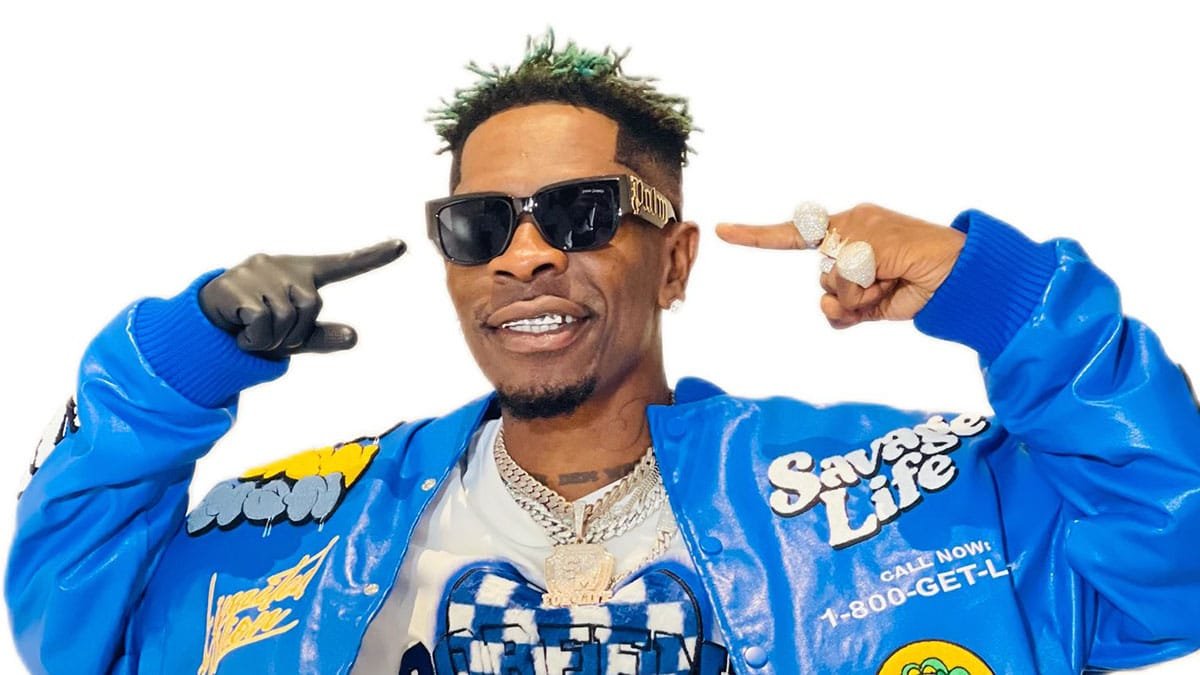
The musician raised concerns about seeing Majesty selling orange juice by the roadside, questioning why their son should be exposed to what he described as unnecessary financial hardship despite his ability to support him.
Speaking on Hitz FM’s Daybreak Hitz, Shatta Wale disclosed that he had bought several gadgets for Majesty to encourage his interest in technology and had made other provisions for his welfare.
He explained that ending his relationship with Michy did not mean he had developed hatred towards her, insisting that their differences should not affect their responsibilities towards their son.
“When I break up with you, that doesn’t mean I hate you,” he said, adding that he continued to make plans to ensure his children enjoyed a particular standard of living.
Shatta Wale suggested that Michy did not fully understand his efforts towards Majesty, alleging that bitterness from their past relationship was affecting their communication and ability to work together.
“Don’t behave like Majesty is a poor boy. Whatever happened in life has passed. What we are thinking about is the kid right now. So she should open her mind,” he stated.
He further questioned why Majesty should be selling orange juice by the roadside when he had established businesses, employed people and created opportunities for others to earn a living.
According to the musician, his business activities and financial capacity put him in a position to make different arrangements for his son rather than have him engage in activities he believed could be avoided.
Shatta Wale also revealed that he previously communicated with Majesty directly but suspected that the young boy had deactivated his phone number because he called him too frequently.
While expressing his concerns about the situation, he maintained that he did not want to speak ill of Michy, describing her as a good woman with whom he once shared a relationship.
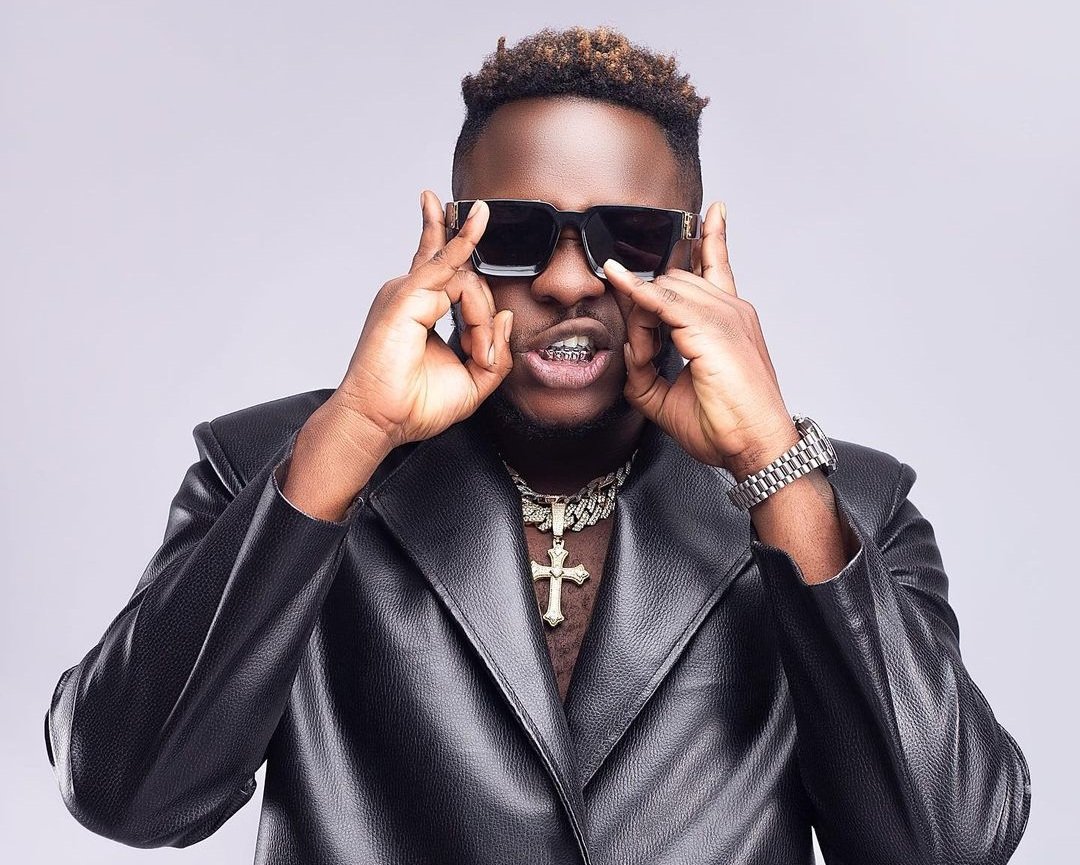
Ghanaian rapper Medikal has defended Nigerian Afrobeats superstar Davido amid the controversy surrounding his performance at an event organised by Manso millionaire Great Osama, insisting that the musician should not be blamed for the duration of his appearance.
Davido has faced criticism following reports that he performed for less than 20 minutes despite allegedly receiving $600,000 for the appearance.
In a video shared on X on November 17, 2026, Medikal urged Ghanaians to stop attacking Davido, arguing that the Nigerian musician only fulfilled the agreement he had reached with the event organisers.
According to Medikal, Davido was already an established superstar before the promoters approached him for the performance and should not be held responsible for expectations that may not have been part of their initial agreement.
He questioned why people were criticising the singer over the length of his performance without knowing the specific terms discussed between him and the organisers.
“Davido is working; he is a superstar who was on his own, and you said you wanted him. You don’t know what they spoke about based on the length of his performance. So don’t sit back and talk about something you don’t know,” Medikal stated.
The rapper also used the opportunity to highlight what he described as the unfair treatment some Ghanaian musicians receive from local event promoters.
He lamented that some organisers fail to respect the financial agreements reached with local artistes, often paying them less than their requested fees while expecting them to perform for extended periods.
Medikal questioned why musicians should be expected to entertain audiences for more than two hours when promoters have failed to honour the agreed payment arrangements.
He maintained that Ghanaian artistes deserve the same respect and consideration given to international performers, stressing that local musicians have also worked hard to establish themselves and entertain their audiences.
“Some of you promoters will pay less, and yet you want us to perform for more than two hours. Yet you will feel like we don’t deserve the amount of money we have charged. But at the end of the day, we do entertain the people who consume our music,” he said.
Medikal further argued that promoters must understand and respect the conditions attached to booking artistes instead of imposing additional expectations after agreements have been reached.
He explained that musicians have the right to determine the nature and duration of their performances based on the arrangements made with event organisers.
Defending Davido’s position, the rapper insisted that artistes must recognise their value and stand by the terms of their bookings.
“So you have to respect the thing. Don’t blame Davido, because he knows his worth. If you pay for an appearance, I will perform one or two songs, and I won’t do more than that,” he added.
Entertainment
Nii Kpakpo Thompson Unveils Nationwide Choral Music Competition to Revive Ghana’s Musical Heritage

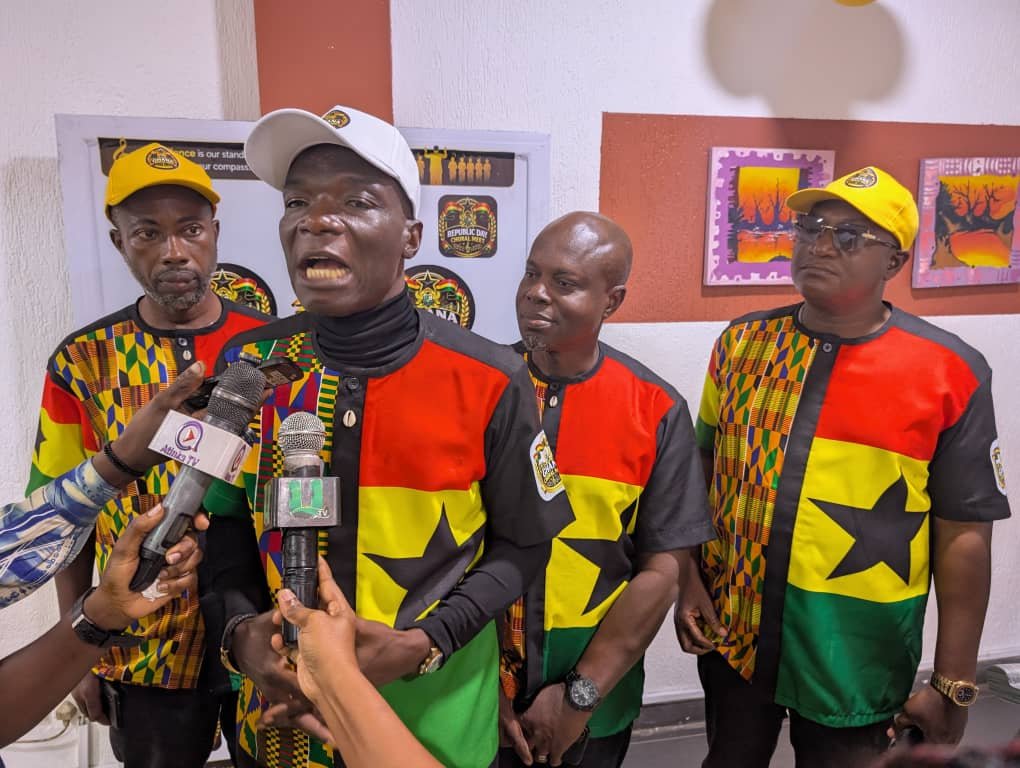
As Ghana prepares to celebrate its 70th independence anniversary, Nii Kpakpo Thompson has unveiled an ambitious Ghana Choral Meet programme aimed at reviving indigenous Ghanaian choral music, promoting musical excellence and strengthening national unity.
Speaking to the press at Paloma Hotel in Accra, Nii Kpakpo Thompson described Ghana Choral Meet as a national institutional platform designed to connect choral music composers, performers and enthusiasts across the country.
He explained that the initiative will bring together choral musicians from various regions while providing professional stages for institutional choirs to showcase their talents during national celebrations.
The programme will feature three major competitions linked to Independence Day, May Day and Republic Day, with winners progressing to a grand finale dubbed the Ghana Choral Meet.
According to him, the Independence Day competition will target the banking sector, while the May Day edition will bring together insurance companies, media institutions and corporate organisations.
The Republic Day competition will focus on para-statal and government institutions, as well as uniformed security and emergency services.
Nii Kpakpo Thompson emphasised that the initiative goes beyond musical competition, serving as a platform to preserve Ghana’s rich cultural heritage, encourage patriotism and promote national cohesion.
The Ghana Choral Meet is expected to become a major celebration of Ghanaian choral music as the nation marks its historic 70th anniversary.
In conclusion, he entreated all choral enthusiast to visit www.ghanachoralmeet.com for further details on the platform.
Entertainment
Obra: The Ghanaian Television Drama That Captured a Generation and Made Actors Household Names
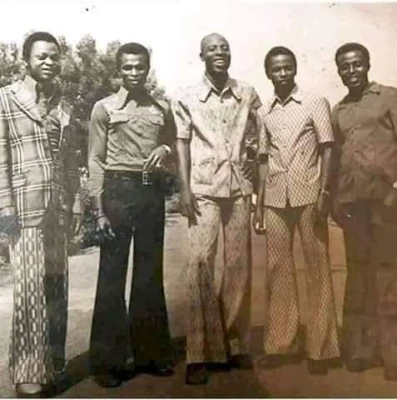
Long before social media, streaming platforms and reality television became major sources of entertainment, Sunday evenings in Ghana had a special attraction. Families gathered around their television sets, eager to watch local drama productions that entertained, educated and reflected the realities of everyday Ghanaian life.
Among the television productions that left an unforgettable impression on viewers was Ɔbra, popularly known as Obra (Life), an Akan-language drama series that became one of the most celebrated programmes in Ghanaian television history.
For many Ghanaians who grew up in the 1980s and 1990s, the mention of Obra brings back memories of talented actors, humorous exchanges, family disputes, traditional values, moral lessons and powerful performances that made viewers laugh, cry and reflect on their own lives.
The programme was more than a television drama. It became part of Ghana’s popular culture, helping to establish the careers of several actors while preserving aspects of Ghanaian language, traditions and storytelling.
The beginnings: From Keteke to Obra
The story of Obra is closely connected to an earlier television production known as Keteke, which began airing on Ghana Television (GTV) in 1981.
Keteke, meaning train or locomotive, was built around everyday activities at a railway station, where people from different backgrounds met, interacted and dealt with the challenges of life.
The station provided a setting for conversations, arguments, gossip, business transactions and encounters that reflected the experiences of ordinary Ghanaians.
Among the memorable characters were Ghanaman, who represented the ordinary Ghanaian and his everyday struggles; the Station Master, who was responsible for managing the station; and Maame Dokono, the food vendor whose presence added colour and humour to the production.
The programme used these characters and their interactions to explore economic difficulties, social relationships, survival, honesty and the moral choices people make when confronted with difficult circumstances.
As the production developed, the concept was expanded into a more elaborate television drama, eventually becoming Obra.
To understand the emergence of Obra, it is important to remember the influence of the legendary Osofo Dadzie drama group.
Since 1972, Osofo Dadzie had established itself as one of Ghana’s most popular television drama groups, providing Sunday evening entertainment to thousands of households.
Its actors had become familiar faces, and its productions attracted audiences through stories that combined humour, family relationships, social commentary and traditional Ghanaian values.
However, disagreements reportedly emerged within the group following a European tour in the early 1980s. The tour exposed divisions among some members, particularly over the arrangements and participation of key personalities.
The situation was followed by disagreements over an increase in transportation and logistical allowances, reportedly from ¢40 to ¢65. When management of the Ghana Broadcasting Corporation (GBC) did not agree to the proposed adjustment, the group stopped producing new plays.
GTV subsequently relied on repeats of older Osofo Dadzie productions, a situation that created an opening for fresh television drama.
The development attracted the attention of then Head of State, Flight Lieutenant Jerry John Rawlings, who reportedly approached Grace Omaboe, popularly known as Maame Dokono, and producer Nana Bosompra to help develop an alternative production.
The initiative led to the expansion of the Keteke concept and the development of Obra, which brought together a new generation of performers and experienced theatre personalities.
The actors who brought Obra to life
One of the biggest strengths of Obra was its cast. The production brought together performers with different acting styles, backgrounds and personalities, creating a television experience that audiences could easily connect with.
Many of the actors came from the Ghana Theatre Club, the School of Performing Arts at the University of Ghana and other theatre circles. Their experience in stage performance helped give the series its distinctive character.
Here are some of the personalities whose contributions helped make the production memorable.
1. David Kwame Dontoh – Ghanaman
Affectionately called Uncle David, Ghanaman and Kofi Abranteɛ, David Dontoh became one of the most recognisable faces of Obra through his portrayal of Ghanaman.
His character represented the ordinary Ghanaian, reflecting the struggles, aspirations, frustrations and everyday experiences of people trying to make a living.

Dontoh’s ability to combine humour with serious social observations made him an important part of the programme. His acting career extended beyond Obra into theatre, television and film.
He later became a familiar face on other television productions and worked as a broadcaster and presenter. His contribution to Ghana’s creative arts industry has earned him recognition as one of the country’s respected veteran performers.
2. Grace Omaboe – Maame Dokono
Grace Omaboe, popularly known as Maame Dokono, was one of the central personalities behind the success of Obra.
Before becoming a household name as an actress, she had established herself as a scriptwriter with the Osofo Dadzie group.
Her transition into acting through Keteke and subsequently Obra marked an important chapter in her entertainment career.

Her Maame Dokono character became particularly memorable because of its connection to ordinary Ghanaian life. She portrayed characters whose experiences reflected family relationships, marriage, motherhood, community values and the challenges women faced.
Beyond acting, Omaboe became a television personality, singer, author and politician. She also established herself in Ghanaian film productions, appearing in works such as Crossfire, Sacrifice and Expectations.
Her contribution to the development of local television drama remains significant.
3. Joe Eyison – The Station Master
Joe Eyison, popularly associated with the Station Master character, was among the original personalities who helped establish the identity of Keteke and Obra.
His character provided an important connection to the railway station setting from which the production developed.

He was also one of the older performers whose acting experience helped give the series credibility. He frequently appeared alongside Esi Kom, with the two often portraying a married couple.
Eyison remains an important name in discussions about the early years of Ghanaian television drama.
4. Belinda Naa Ode Oku – Adwoa Smart
Known popularly as Adwoa Smart, Belinda Naa Ode Oku became one of the most recognisable actresses associated with Obra after joining the production in 1984.
Her distinctive appearance, expressive acting and ability to bring humour into her roles made her a favourite among television audiences.

Adwoa Smart became known for her comic performances and her ability to make even ordinary scenes entertaining. Her popularity extended beyond Obra into Ghanaian movies and other television productions.
She became one of the actresses whose names remained familiar to audiences even after the golden era of traditional television drama.
5. Asonaba Kwaku Darko – Super OD
Popularly known as Super OD, Asonaba Kwaku Darko was one of Ghana’s most celebrated comic actors.
Although he is particularly associated with the Osofo Dadzie drama group rather than the original Obra cast, his contribution belongs to the same golden generation of Ghanaian television entertainment.
His comic timing, facial expressions, delivery and ability to entertain audiences made him an unforgettable personality.

Super OD also featured in Ghanaian movies, including Diabolo, and remained a major figure in the concert party and television comedy traditions.
He passed away in 2018, leaving behind a legacy of memorable performances.
6. Samuel Kwesi Oppong – S.K. Oppong
Samuel Kwesi Oppong was a celebrated Ghanaian actor, musician and storyteller whose contributions were closely associated with the Osofo Dadzie drama tradition.
He was known for his versatility and ability to interpret different characters. His performance in Aku Sika, a production associated with the early success of Osofo Dadzie, helped demonstrate his talent.

Beyond acting, he was also involved in music, reflecting the close relationship between theatre, concert party and highlife entertainment in Ghana.
S.K. Oppong died in 2001, but his name remains important in the history of Ghanaian television drama.
7. Esi Kom
Esi Kom was among the notable actresses associated with the early Obra production.
She was particularly remembered for her performances alongside Joe Eyison, with the two frequently appearing as a married couple.

Her participation helped bring everyday family relationships and domestic experiences to the screen, making the drama relatable to viewers.
8. Charles Amankwa Ampofo
Amankwa Ampofo was an important personality in the development of Ghanaian television drama and cultural entertainment.
He worked with GBC’s Keteke production and became part of the Obra family. His background in cultural performance and broadcasting gave him a valuable place in the industry.

He was also associated with the Kyirem Cultural Group and travelled internationally with cultural performers, including trips to Cuba, Bulgaria and Moscow.
His contribution extended beyond acting, as he also worked on the popular Agoro television programme and Key Soap Concert Party.
9. Prince Yawson – Waakye
Prince Yawson, popularly known as Waakye, was another respected actor associated with the early Obra cast.
He later became a familiar personality in Ghanaian movie productions, particularly during the period when Kumawood and Akan-language films were gaining popularity.

His acting career covered television, theatre and movies, making him one of the performers who connected the older television drama generation to the modern Ghanaian film industry.
10. Emily Brown – Emry Brown
Also mentioned as Emily Brown in some accounts, she was among the personalities associated with the early Obra cast.
Her participation formed part of the group of experienced performers who helped establish the production as a major television attraction.
11. Jane Ackon
Janet Ackom, also referred to as Jane Ackon in accounts of the early production, began her acting career in 1975 and first gained recognition through Osofo Dadzie.
She later joined Obra and became known for her strong character portrayals.

Her experiences in the industry also reveal some of the difficulties actors faced during the early years of Ghanaian television drama, including inadequate financial compensation despite the popularity of their performances.
Her story is a reminder that the success of these productions did not always translate into financial security for the people who made them possible.
12. Charles Adumuah
Charles Adumuah was among the early performers identified with the original Obra cast. He belonged to the generation of actors who helped establish the production before it became a household favourite.
13. Abankwa Duodu
The late Abankwa Duodu was another member of the original cast. His name appears among the early performers who contributed to the development of the series.
14. C.K. Boateng – Kwame Ahe
C.K. Boateng, popularly associated with the character Kwame Ahe, was among the original Obra performers. His inclusion added to the diversity of personalities who made the series an entertaining reflection of Ghanaian society.
15. Dr Rokoto
Dr Rokoto was another familiar personality associated with the Obra television era.
He became one of the recognisable faces of traditional Ghanaian television entertainment. His name is often mentioned alongside the actors who helped make local drama productions popular among Ghanaian households.
16. Koo Nkasei
Koo Nkasei was among the personalities identified with the Obra production by Ghana Broadcasting Corporation’s historical account of the series.
He formed part of the colourful cast that brought the stories and characters to life.
17. Edinam Atatsi and Oklu
Edinam Atatsi and Oklu were also among the performers associated with the early Obra cast.
Although less frequently discussed in contemporary entertainment conversations, their names deserve recognition in documenting the history of the production and the people who contributed to its success.
Other legendary Ghanaian actors from the same television generation
Obra was not the only production that defined Ghanaian entertainment during this period. Several other actors, particularly those associated with Osofo Dadzie, Akan Drama, TV Theatre and concert party productions, helped build the foundation of the industry.
These personalities may not all have been members of Obra, but their contributions belong to the same important chapter in Ghana’s entertainment history.
Frimpong Manso – Osofo Dadzie
The late Frimpong Manso was the man behind the legendary Osofo Dadzie character. His calm, wise and peace-loving personality made him a central figure in the series. He was known for resolving disputes and delivering moral lessons at the end of episodes. He died in August 2020, aged 89
Bea Kissi
Bea Kissi was one of the notable female performers of the Osofo Dadzie group. She belonged to the generation of actresses who helped establish Akan-language television drama as a major source of entertainment.
Fred Addae
Fred Addae was another important member of the Osofo Dadzie group whose performances contributed to the popularity of the production.
Akua Boahemaa
Akua Boahemaa was among the female personalities associated with Osofo Dadzie. She was one of the surviving leading members mentioned in reports following Frimpong Manso’s death in 2020.
Kwadwo Kwakye
He was a member of the Osofo Dadzie group and another personality whose contribution formed part of the early history of Ghanaian television drama.
Adelaide Buabeng
A veteran performer associated with Ghana’s concert party and television drama tradition, she belonged to the generation of actors whose work helped shape local stage and screen entertainment.
Ataa Mensah
A respected Ga-language actor associated with the television production Showcase. His contribution also highlights the importance of indigenous-language drama beyond Akan productions.
Cecilia Adjei
Cecilia Adjei was part of Ghana’s older generation of theatre and concert party performers. She later taught costume design at the University of Ghana’s Theatre Arts Department.
Bob Cole
Bob Cole was one of Ghana’s celebrated comedy and concert party personalities. His performances helped maintain the popularity of traditional comedy and live theatre.
Bob Santo
Bob Santo became one of Ghana’s most recognisable comic actors, entertaining audiences through concert party performances, television and movies. He was particularly admired for his humour and distinctive delivery.
Nkomode
Nkomode was another popular comedian from the traditional concert party generation. His comic performances, alongside other veteran entertainers, helped keep Ghanaian comedy alive on stage and television.
Paa George Appiah Kubi
A veteran Ghanaian actor whose name is associated with the country’s older television and film generation.
Other important personalities from this wider generation include Mercy Offei, Monica Quarcoopome, Ajos and Kenneth Quarshie.
These names are important because the history of Ghanaian television cannot be told through one drama series alone. The work of these performers, alongside groups such as Osofo Dadzie, Obra and other theatre companies, helped shape the entertainment industry.
Nana Kwame Ampadu and the unforgettable Obra theme song
One of the most memorable elements of Obra was its theme song, composed and performed by highlife legend Nana Kwame Ampadu.
The song, also titled Obra, became closely associated with the television production. Its message reflected the central theme of the series: life, its challenges, its lessons and the different experiences people encounter.
Nana Kwame Ampadu was already an established musician, known for his storytelling abilities and songs that addressed social issues, relationships, traditions and human behaviour.
His involvement gave the production a memorable musical identity. Even years after the programme’s popularity, the mention of Obra brings back memories of its familiar theme music for many viewers.
Why Obra became such a national favourite
Several factors contributed to the programme’s success.
Relatable stories: Obra explored situations that viewers could identify with, including marriage, family disagreements, friendship, financial struggles, betrayal, jealousy and community relationships.
Indigenous languages: The use of Twi, Fante and Akuapem made the production accessible to a broad Ghanaian audience. It also demonstrated that local languages could carry compelling television entertainment.
Traditional Ghanaian fashion: Unlike productions that frequently dressed performers in formal suits and ties, Obra embraced local clothing, including kaba and slit and other traditional outfits. This helped create a distinctive cultural identity.
Moral lessons: The drama explored virtues such as honesty, patience, integrity, gratitude and perseverance while exposing vices such as greed, envy, dishonesty and betrayal.
Talented performers: The actors brought their characters to life through natural conversations, expressive performances and humour that connected with viewers.
Although the two productions were closely connected through Ghana’s television history, they had different identities.
Osofo Dadzie was known for its established concert-party tradition, with performers often appearing in formal clothing. Obra introduced a different visual and storytelling approach, with more emphasis on everyday Ghanaian settings, local attire and a wider range of social experiences.
The two productions also shared a connection through Grace Omaboe and Nana Bosompra, whose contributions helped shape the development of Akan-language television drama.
Interestingly, the history of Obra is sometimes dated differently in historical accounts. While Keteke is generally traced to 1981, veteran actor Charles Amankwa Ampofo recalled in a 2021 interview that the transition to Obra took place in 1986. Other accounts place the change earlier in the 1980s.
Obra remains one of the productions that defined an important period in Ghanaian entertainment.
At a time when television options were limited, the programme demonstrated the power of local storytelling and the ability of Ghanaian actors to create productions that attracted audiences across different generations.
It also provided opportunities for performers to establish themselves in an industry that was still developing. Some later transitioned into movies, radio, television presenting, theatre production and other areas of entertainment.
Today, Ghana’s entertainment industry has changed significantly. Digital platforms, streaming services, social media and modern film productions have introduced new ways of creating and consuming entertainment.
However, the contribution of the older generation should not be overlooked. Many of today’s actors and filmmakers are building on a foundation established by performers who entertained audiences with limited production resources but remarkable creativity.
The stories of David Dontoh, Maame Dokono, Adwoa Smart, Joe Eyison, Esi Kom, Amankwa Ampofo and the many other veterans deserve to remain part of Ghana’s cultural history.
For those who grew up watching Obra, the memories go beyond the characters and storylines. They recall Sunday evenings, families gathered around television sets, familiar theme music and the excitement of seeing Ghanaian stories told by Ghanaian actors.
Obra was not just a television programme; it was a reflection of Ghanaian life, and its memories remain part of the country’s entertainment heritage.

Bishop Dr Lord Eagle made is straight on Kessben 92.9fm Accra Awurade Akasa with the host Prophet Richard Afful that Abu trica will be out from US to Ghana

2027 Grammy Nominations: King Ayisoba and Rocky Dawuni Earn African Music Nod as Raye Leads Major Stars

Don’t Make Majesty Look Poor – Shatta Wale tells Michy Over Son’s Upbringing

Mahama Pays First Visit to Akufo-Addo’s Nima Residence Since Taking Office

“Don’t Blame Davido!” Medikal Slams Critics Over Singer’s Short Performance

NADFFA 2027: Ghana to Host Pan-African Film and Food Festival in March

GTA Staff Demand Answers on World Cup Visa Slots, Staff Dismissals and Unpaid Allowances

SAMMY GYAMFI’S “MINE WITHOUT LICENCE” REMARK SPARKS FRESH GALAMSEY DEBATE

Nicki Minaj Throws Her Support Behind Trump Ahead of US Midterm Elections

FOKLEX MEDIA AWARDS COMMENDS PRINCE KWAW GYIMAH AND OWASS FM TEAM FOR PROFESSIONALISM DURING KWAME DZOKOTO INCIDENT

Illinois’ financial crisis could bring the state to a halt
The final 6 ‘Game of Thrones’ episodes might feel like a full season
New Season 8 Walking Dead trailer flashes forward in time
Mod turns ‘Counter-Strike’ into a ‘Tekken’ clone with fighting chickens
Meet Superman’s grandfather in new trailer for Krypton
-

 Entertainment14 hours ago
GTA’s Adu Naa Ayeley Belinda Calls for Improved Visitor Experience Ahead of December in GH 2026
-
 Entertainment12 hours ago
From Celebration to Growth: How December in GH Is Reshaping Ghana’s Tourism Industry
-

 Entertainment13 hours ago
“Let’s Applaud Osama” – Amerado Defends Millionaire Over Davido Saga
-

 Lifestyle11 hours ago
Why Do We Have Special Plates for Visitors but Use the Old Ones Every Day? The Funny Truth About Ghanaian Homes
-
 Entertainment9 hours ago
Obra: The Ghanaian Television Drama That Captured a Generation and Made Actors Household Names
-

 Culture8 hours ago
Understanding Marriage in Ghana: The Beauty of Islamic, Christian and Traditional Wedding Rites
-
 Entertainment6 hours ago
“Don’t Blame Davido!” Medikal Slams Critics Over Singer’s Short Performance
-
 Lifestyle14 hours ago
Ghana’s Sunday Best: Whatever Happened to the Tradition of Dressing Up for Church?