
Entertainment
Francis Duru: Family Announces Funeral Arrangements for Veteran Nollywood Actor

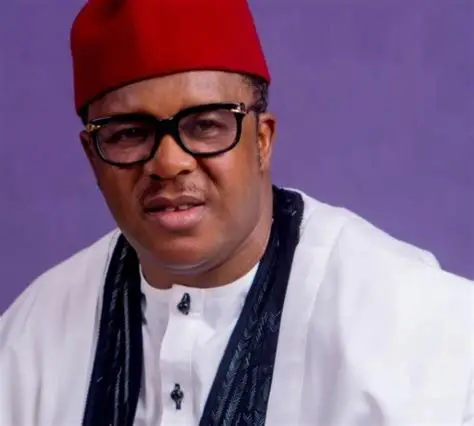
The family of veteran Nollywood actor Francis Duru has announced funeral arrangements to celebrate his life and give him a final farewell.
The arrangements were disclosed in a statement shared on the actor’s official Instagram page on Monday, November 2, 2026, under the title “Forever in Our Hearts.”
According to the family, funeral activities will begin with a Service of Songs and Tributes on Wednesday, November 25, 2026, at 5 p.m. The ceremony will take place at the Family Worship Center, Idris Gidado Street, Wuye, Abuja.
A second Service of Songs and Tributes will be held in Imo State on Thursday, December 10, 2026, at the family compound of the late Pa Theophilus Ogide Duru in Okai, Eziama, Isiala Mbano.
The final funeral rites, including the burial and interment of the actor, have been scheduled for Friday, December 11, 2026, at the same family residence.
The family further announced that additional Services of Songs would be organised by various branch bodies and associations across different states to allow more people to pay their last respects to the late actor.
Francis Duru, aged 59, reportedly died on October 22, 2026, after battling an undisclosed illness.
His death has been a major loss to the Nigerian movie industry, where he established himself as one of the familiar faces of Nollywood through his years of contribution to film and television productions.
His work also earned him recognition among movie lovers across Africa, including Ghana, where Nollywood films have enjoyed a strong following over the years.
As the family prepares to lay him to rest, colleagues, friends, fans and admirers are expected to come together to celebrate his life and honour his legacy in the entertainment industry.

Source: Adomonline


















Ghanaian rapper Sarkodie has expressed concern over the safety of Ghanaians living abroad following the tragic death of 15-year-old Javits Frimpong, who was shot while heading to school in the United States.
In a Facebook post reacting to the incident, the award-winning musician described the circumstances surrounding the teenager’s death as disturbing, questioning how Ghanaians abroad could feel secure amid such incidents.
He acknowledged that Ghana also faces several challenges but said he remained proud of the values and discipline instilled in children growing up in the country, including those raised in difficult neighbourhoods.
According to Sarkodie, incidents of murder in Ghana are generally treated with great seriousness, often generating widespread public attention, shock and condemnation.
He, however, expressed worry about what he considers the increasing frequency of deadly attacks in some Western countries, raising questions about the kind of upbringing that could lead young people to commit such acts.
“I honestly don’t know what kind of upbringing shapes children to become so evil,” he said, while calling on some Black parents living abroad to take a more active role in raising their children and teaching them good values.
The rapper described Javits’ death as heartbreaking and extended his sympathies to the bereaved family, particularly the teenager’s parents.
“May his gentle soul rest in perfect peace. Sending love, prayers and strength to the family, especially his mum and dad,” he wrote.
Javits reportedly relocated from Ghana to the United States with his family approximately a year ago.
He was shot on Thursday, October 29, 2026, while making his way to school in the Bronx, New York.
His father, Thomas Frimpong, disclosed that his son had allegedly been experiencing bullying involving two boys at school. He explained that the school principal had earlier contacted him about the matter, leading to the suspension of the two students.
Following the shooting, authorities were reportedly searching for three teenage suspects between the ages of 16 and 18 in connection with the incident.
Ghana’s Minister of Foreign Affairs, Samuel Okudzeto Ablakwa, has also expressed his condolences to the bereaved family, confirming that Ghanaian officials were engaging with the family and relevant local authorities over the matter.

Veteran Nigerian music producer and music executive Michael Collins Ajereh, popularly known as Don Jazzy, has revealed how he squandered his first major earnings from the music industry before learning the importance of investing.
Speaking on a recent episode of the On The Grind podcast, Don Jazzy admitted that he initially spent his first significant income on luxury and entertainment instead of making wise financial decisions.
He disclosed that he bought 50 bottles of champagne and spent heavily on clubbing after receiving his first major payment from music.
However, he said he soon changed his approach to money and began investing in emerging artistes and other business ventures.
According to him, the investments he made in record labels and other businesses have given him financial security to the point where he no longer needs to work to maintain his lifestyle.
Reflecting on his experience, Don Jazzy encouraged young people to develop good financial habits early and channel their earnings into profitable ventures rather than spending excessively on luxury and unnecessary pleasures.
He said: “The first big money I got from music, I lavished it. I bought 50 bottles of champagne and went clubbing. But I quickly got my act together and invested in signing new artistes. Now I don’t have to work ever again.
“You don’t necessarily have to invest in a record label, but the money you are making in your youth, invest it in a lucrative business as opposed to wasting it on frivolities.”
Source: Daily Post

Ghanaian rapper Medikal has called on Ghanaians living abroad to consider returning home, announcing the start of a new initiative dubbed Brafie.
In a post shared on his official X page on Monday, November 2, 2026, the rapper encouraged Ghanaians who have spent a long time overseas to return to Ghana, using fellow musician Teephlow as an example.
Medikal wrote:
“To all my brothers and sisters abroad, if ebi long for outside, come home like my brother Tee Flow just did. We are starting the #Brafie program now.”
His message suggests an appeal to Ghanaians abroad who may be considering returning home, particularly those who have spent several years outside the country.
By referencing Teephlow’s return, Medikal is encouraging others in the diaspora to follow a similar path as the Brafie initiative begins.
Entertainment
K.K. Kabobo: The Highlife Legend Behind ‘Onyame Ehu Wo’ Whose Story Deserves to Be Remembered

There was a time when Ghanaian highlife music could turn an ordinary song into a national favourite. Before music streaming, social media promotions and viral challenges became part of the industry, musicians depended on their voices, live performances, radio airplay and the loyalty of their listeners.
One of the musicians who made a lasting impression during that era was Kwabena Kwakye Kabobo, popularly known as K.K. Kabobo.
He became widely recognised through songs such as Onyame Ehu Wo, Nyatse Nyatse Girl, and Running Away. His music connected with listeners through memorable melodies and relatable themes, helping him establish a place among Ghana’s highlife performers.
But his story goes beyond the songs. He was once a pupil teacher, worked with several established music groups, formed his own band, enjoyed success as a solo artiste and eventually became a Reverend Minister.
Although he is no longer alive, his contribution to Ghanaian music deserves more attention, particularly from a younger generation that may recognise his songs without knowing the man behind them.
K.K. Kabobo was born Kwabena Kwakye Kabobo. Before becoming a recognised name in Ghana’s music industry, he experienced the financial and career difficulties that many young people encounter while trying to establish themselves.
In an interview with Asaase Radio in June 2023, he disclosed that he had worked as a pupil teacher because he did not have enough money to continue his education.
According to him, the schoolmaster with whom he was staying helped him secure the teaching opportunity.
He began teaching at New Edubiase Methodist Primary School in 1976 under the Methodist Educational Unit.
That experience was an important part of his early life because it showed that his journey into music was not an immediate or straightforward decision. He had to find ways to support himself while pursuing his interest in entertainment.
His eventual decision to concentrate on music would take him into an industry that was becoming increasingly competitive, with established bands and highlife stars already commanding audiences.
Learning the Music Business Through Established Bands
Before becoming a solo performer, K.K. Kabobo developed his musical skills through his involvement with different bands.
During his 2023 interview, he recalled working with groups including Sidiku Buari Express, Ampofo Aburi and F. Michaels Band.
He explained that he spent about 18 months playing with bands before deciding to pursue a different direction.
His experience with these groups gave him an opportunity to understand live performances, musical arrangements and the demands of working with other musicians.
However, Kabobo wanted to become a studio artiste.
He explained that some of the bands he worked with were not recording, which influenced his decision to move on and concentrate on producing his own music.
This decision became an important turning point in his career. Rather than remaining a supporting musician, he wanted to establish his identity through original recordings.
In 1978, K.K. Kabobo established his first band, Explosive Jets.
Forming his own group gave him greater control over his musical direction and created an opportunity to develop his identity as a performer and recording artiste.
The late 1970s and early 1980s were important periods for Ghanaian highlife. Musicians were exploring different sounds and arrangements while maintaining the rhythms and storytelling traditions that made the genre popular.
Kabobo was part of this generation of performers who sought to establish themselves through recorded music.
His work with Explosive Jets helped prepare the ground for his solo recording career, which would soon produce some of his most recognisable songs.
In 1981, K.K. Kabobo released his debut album, which carried the hit song Nyatse Nyatse Girl.
The song became one of the important recordings associated with his early career and helped introduce his name to a wider audience.
It established him as a musician capable of creating songs that listeners could easily connect with.
Kabobo’s music was not limited to one recording. He continued building his catalogue with other songs and projects, including My Sweetheart and Medze Ama Jah.
His recordings contributed to a period when Ghanaian musicians relied heavily on physical album sales, radio airplay and live performances to build their reputations.
For artistes of that generation, having a popular song could create opportunities for performances, recording deals and wider recognition.
Kabobo’s early success demonstrated his ability to move beyond being a member of other bands and establish himself as an independent highlife performer.
Among all the songs associated with K.K. Kabobo, Onyame Ehu Wo, also written as Onyame Ahu Wo, remains one of his most celebrated recordings.
The song became a major success in 1992 and is widely remembered as one of the highlife hits of that period.
Reports on his career state that it was declared Song of the Year in 1992 and recorded exceptionally high sales in Ghana.
Its popularity strengthened Kabobo’s position in the industry and made the song one of the recordings by which many music lovers remember him.
The title itself carries a religious expression in Akan, reflecting the spiritual themes that also became significant in his later life.
Other songs associated with his career include Running Away, which further contributed to his reputation as a highlife musician.
His success showed how a musician could use a distinctive musical identity and memorable compositions to remain relevant in a competitive industry.
K.K. Kabobo’s contribution to Ghanaian music was not restricted to his own recordings.
He also provided backing vocals for other established musicians, including Nana Kwame Ampadu, Akosua Agyapong, Kofi Sammy and Dr Paa Bobo.
This aspect of his career is particularly important because the development of Ghanaian music depended on collaboration among singers, instrumentalists, composers and studio musicians.
Many musicians who became famous as solo performers had first developed their skills by supporting other artistes.
Kabobo’s experience allowed him to participate in different recording projects and interact with musicians from various stages of the highlife industry.
It also demonstrated his versatility and willingness to contribute to music beyond his personal success.
Beyond performing and recording, K.K. Kabobo was involved in professional activities aimed at supporting musicians.
He was associated with the Professional Musicians Association of Ghana (PROMAG) and also served as a welfare officer of the Musicians Union of Ghana (MUSIGA), according to biographical accounts published after his death.
He was also involved in the organisation’s copyright management activities.
These responsibilities were important in an industry where musicians often faced challenges relating to royalties, copyright protection, welfare and the financial benefits of their creative work.
His involvement showed that he understood the importance of protecting the interests of musicians beyond the recording studio.
The issue of how Ghana rewards its veteran musicians would later become particularly relevant during the final period of his life.
One of the most interesting developments in K.K. Kabobo’s life was his decision to become a Reverend Minister.
In April 2012, he was ordained as a Reverend Minister by the Covenant Mission Bible College at Achimota in Accra.
Before his ordination, he reportedly underwent an intensive three-month Bible study programme.
In an interview published at the time, Kabobo explained that he had experienced a difficult period in his life and had encountered pastors, prophets and apostles who encouraged him to pursue a spiritual calling.
He said he had not initially imagined becoming a minister, despite having opportunities to preach in churches.
His transition into ministry represented a new chapter in his life.
He did not become known only as a highlife musician; he also embraced a religious role that became an important part of his identity.
The transition was particularly notable because some of his best-known songs had already established him as a recognised figure in Ghanaian entertainment.
Kabobo also spoke openly about aspects of his personal life during his later years.
In June 2023, he disclosed in an interview with Asaase Radio that he had 17 children with five women.
The revelation attracted public interest and offered a glimpse into the family life of the veteran musician.
However, much of his personal life remained outside the public spotlight compared with his music career.
For many musicians of his generation, public attention was largely focused on their recordings and performances rather than their private affairs.
His later interviews provided an opportunity for audiences to learn more about the person behind the familiar songs.
In the months before his death, K.K. Kabobo experienced serious health challenges.
News of his condition became public in early 2024 when appeals were made for financial assistance to support his medical treatment.
Reports indicated that he had been battling liver disease and required help to meet the cost of his medical care.
His condition generated concern within the Ghanaian entertainment industry.
Several individuals and organisations offered assistance, including former President John Dramani Mahama, former Second Lady Samira Bawumia, musician Wendy Shay and the Ghana Music Rights Organisation (GHAMRO).
Wendy Shay also used the situation to raise concerns about the lack of adequate welfare structures for veteran musicians.
Her comments brought renewed attention to the difficulties some older artistes face after spending years contributing to the entertainment industry.
Despite the support and efforts to obtain treatment, Kabobo’s condition did not improve.
K.K. Kabobo died on Thursday, March 14, 2024, after battling liver disease.
He passed away upon arrival at the University of Ghana Medical Centre in Accra.
His death was received with sadness by music lovers and colleagues who recognised his contribution to Ghanaian highlife.
A one-week observance was held on April 20, 2024, at the Tesano Police Depot Social Centre in Accra.
The gathering attracted musicians and personalities who came to pay their respects, including Amakye Dede, Okyerema Asante and Obuoba J.A. Adofo.
His final funeral rites were subsequently held in June 2024.
His passing marked the end of a musical journey that had taken him from the classroom to the recording studio, from band performances to solo success and eventually into Christian ministry.
K.K. Kabobo’s contribution to Ghanaian music can be understood through the recordings he left behind and the different roles he played in the industry.
His best-known songs include:
Onyame Ehu Wo – one of the biggest recordings associated with his career.
Nyatse Nyatse Girl – the hit that helped establish his solo identity in 1981.
Running Away – another popular song remembered by his fans.
My Sweetheart – one of the musical projects associated with his catalogue.
Medze Ama Jah – another recording associated with his body of work.
His career also reflected the importance of live bands, studio musicians and backing vocalists in the development of Ghanaian highlife.
He belonged to a generation that built careers without the promotional opportunities available to today’s musicians.
There were no TikTok trends or streaming playlists to push their songs to millions of listeners. Their success depended on the quality of their music, the strength of their performances and the ability to connect with audiences.
The story of K.K. Kabobo is not simply about a musician who recorded popular songs several decades ago.
It is about an artiste who worked as a teacher before pursuing music, gained experience with established bands, formed Explosive Jets, recorded successful songs, supported other performers, and later became a Reverend Minister.
His life also highlights a difficult question about Ghana’s entertainment industry: what happens to musicians after their most successful years?
The public often celebrates artistes when their songs are popular, but attention and financial support can become limited as they grow older or face health challenges.
Kabobo’s final illness brought this issue into public discussion and reminded the country that musical legends also need healthcare, financial security and recognition.
His recordings remain part of Ghana’s highlife heritage, and his story deserves to be preserved through documentaries, radio features, music archives and renewed attention to his songs.
K.K. Kabobo may be gone, but the voice behind Onyame Ehu Wo remains part of Ghana’s musical memory. How many young Ghanaians today can identify the man behind the song?

The festival, scheduled for March 12 to 14, 2027, will bring together filmmakers, actors, food entrepreneurs, corporate organisations, investors, tourism stakeholders and members of the African Diaspora to celebrate African creativity and create business opportunities across the continent.
The Chief Executive Officer and Global Ambassador of NADFFA, Ms Ramatu Gumah, announced the programme during the festival’s Corporate and Media Launch held on Thursday, October 29, 2026, at the W.E.B. Du Bois Memorial Centre for Pan-African Culture in Cantonments, Accra.
Addressing dignitaries, members of the diplomatic corps, traditional authorities, government representatives, corporate stakeholders, tourism and hospitality leaders, media practitioners and members of the creative arts industry, Ms Gumah described the launch as more than an event, saying it represented a declaration of Africa’s readiness to own its narrative, promote its cuisine, tell its stories and recognise excellence on the global stage.
Explaining the vision behind the initiative, Ms Gumah said NADFFA had been deliberately established as a Pan-African platform bringing together five major pillars: African cinema, African cuisine, culture, tourism and creative excellence.
She stressed that the festival was not simply another entertainment event but a strategic initiative designed to promote economic opportunities, enhance corporate visibility, develop tourism, strengthen cultural diplomacy and encourage investment networking.
According to her, NADFFA seeks to connect African creative products to markets, provide corporate brands with a premium Pan-African platform and position Ghana as a gateway to African culture.
She further explained that the initiative would strengthen relationships between Ghana, Nigeria, the wider African continent and the Diaspora while creating opportunities for creatives, businesses, investors and policymakers to collaborate.
“We are building an ecosystem where film meets finance, where food meets tourism, and where culture meets commerce,” she stated.
Presenting the roadmap for the 2027 edition, Ms Gumah announced that the main Film and Food Festival would take place on March 12 and 13, 2027, at the forecourt of the State House in Osu, Accra.
The two-day event is scheduled to run from 10:00 a.m. to 4:00 p.m. each day.
She said the festival would transform the venue into a hub for African cuisine and cinema, offering participants an opportunity to experience the continent’s rich cultural and creative heritage.
Activities will include exhibitions of authentic African cuisines, film screenings, masterclasses, cultural performances, fashion displays, art exhibitions and tourism expos.
The programme will also feature business-to-business engagements aimed at connecting Ghanaian, Nigerian and Diaspora enterprises and creating opportunities for partnerships and commercial collaborations.
The festival will climax on Sunday, March 14, 2027, with a grand awards night at the Mövenpick Ambassador Hotel in Accra.
The ceremony is scheduled to begin at 7:00 p.m. and run until 1:30 a.m.
Ms Gumah said the awards night would celebrate outstanding personalities and organisations making significant contributions to the promotion of Africa through entertainment, culture and business.
Award recipients will include actors, filmmakers, food entrepreneurs, cultural icons and corporate brands whose work projects a positive image of Africa to the international community.
She described the occasion as a night of glamour, honour and Pan-African pride, adding that the event would receive broadcast coverage and generate international attention.
The NADFFA CEO also used the launch to appeal to corporate organisations to support the initiative, highlighting the potential benefits of associating with a major Pan-African cultural platform.
She explained that partnerships with the festival would offer businesses access to markets in Ghana, Nigeria and the African Diaspora, which she described as comprising more than 170 million Africans.
According to her, corporate partners would also benefit from direct engagement with young people, creatives and consumers, as well as opportunities to align their brands with Ghana’s Black Star Experience and tourism development agenda.
She added that supporting NADFFA would provide organisations with an opportunity to demonstrate corporate social responsibility through initiatives that empower creative industry players.
Ms Gumah called on the government, corporate sector, diplomatic community, media organisations and the entire film fraternity to support the festival and help establish it as a major platform for African cultural and creative exchange.
She emphasised the importance of building connections between Nollywood, Ghallywood and Hollywood while creating opportunities to take African cuisine to international markets and connect creative talent with investment.
She further announced that the organisers were open to sponsorships, partnerships, exhibition bookings, film submissions and vendor registrations ahead of the March 2027 event.
Expressing appreciation to the NADFFA Board, organising team, media partners and guests who attended the launch, she said preparations were underway to make the festival a successful celebration of African identity and excellence.
“We are ready. Ghana is ready. Nigeria is ready. Africa is ready,” she declared.
She concluded by calling for continued support for African cinema and stronger unity between Africa and its Diaspora.
“Long Live Ghanaian Film! Long Live Nollywood-Africa! Long Live Africa-Diaspora Unity!” she said.

Sarkodie Calls for Better Parenting After Ghanaian Teenager Is Killed in US

Don Jazzy: I Blew My First Big Music Money on Champagne and Clubbing

Francis Duru: Family Announces Funeral Arrangements for Veteran Nollywood Actor

IRAWMA 2025: Shatta Wale Wins 3 Major Awards Including Best Music Video

Samini Secures Promotional Deal with Audiomack for Upcoming Album “THE ORIGIN8A”

AirtelTigo losing GH₵20m monthly; total debts exceed $200million – Sam George


-

 General News1 week ago
GTA Staff Demand Answers on World Cup Visa Slots, Staff Dismissals and Unpaid Allowances
-

 Entertainment2 weeks ago
Shatta Wale Cake Tells Story of Growth, Identity and African Dancehall Influence
-

 General News1 week ago
FOKLEX MEDIA AWARDS COMMENDS PRINCE KWAW GYIMAH AND OWASS FM TEAM FOR PROFESSIONALISM DURING KWAME DZOKOTO INCIDENT
-

 General News1 week ago
SAMMY GYAMFI’S “MINE WITHOUT LICENCE” REMARK SPARKS FRESH GALAMSEY DEBATE
-

 General News1 week ago
Nicki Minaj Throws Her Support Behind Trump Ahead of US Midterm Elections
-
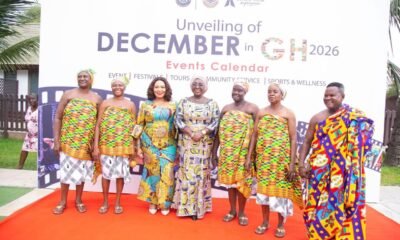
 Entertainment2 weeks ago
Ghana Unveils December in GH 2026 Calendar With Over 150 Events Nationwide
-
 General News2 weeks ago
PROFOUND GRATITUDE FOR YOUR DECISIVE INTERVENTION IN FAST-TRACKING THE COMPLETION OF THE MUMFORD FISHING HARBOUR
-

 Politics2 weeks ago
OB UASI HEADMASTER IN SEXUAL MISCONDUCT CONTROVERSY EYES NDC CONSTITUENCY CHAIRMANSHIP