
Culture
Ghana’s Hidden Tourist Treasures: The Buoyem Caves, Where History, Nature and Mystery Meet

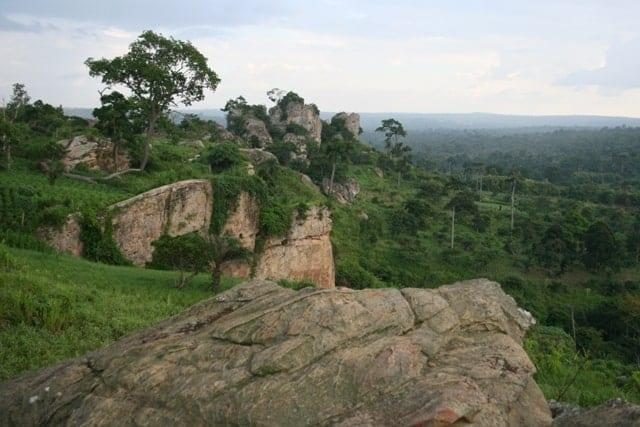
While Ghana’s most popular tourist attractions continue to attract visitors from across the world, there are remarkable destinations hidden in less-explored parts of the country that many Ghanaians have yet to discover.
One such destination is the Buoyem Caves and Sacred Grove, located in the Buoyem community in the Bono East Region, around the Techiman area. The attraction is a fascinating combination of rocky landscapes, caves, waterfalls, wildlife, traditional beliefs and historical accounts that make it one of Ghana’s distinctive heritage destinations.

Surrounded by towering rock formations, forest vegetation and natural pathways, Buoyem offers a different tourism experience from the familiar beaches, castles and urban attractions that dominate conversations about places to visit in Ghana.
For visitors interested in adventure, history, nature, photography and traditional African spirituality, the destination offers an opportunity to explore a part of Ghana that remains relatively unfamiliar to many people.
Buoyem is known for its unusual geological landscape, with large rock formations and cliffs surrounding parts of the community.

The name of the area is associated with its rocky environment, and the landscape is one of the features that makes the destination visually distinctive.
The cliffs, caves, rocky outcrops and vegetation create a natural setting that attracts people interested in exploring geological formations and discovering how communities have historically lived in close relationship with their surroundings.
Some of the rock formations appear to have been shaped into unusual structures over thousands of years through natural geological processes, weathering and erosion.

For visitors, walking through the area provides an opportunity to appreciate the beauty of Ghana’s natural landscape while discovering the historical and cultural significance attached to different locations.
Unlike destinations where tourism revolves around a single attraction, Buoyem offers several features within the same general area, making it an interesting destination for a day of exploration.
The Buoyem Caves are not simply natural formations; they are also associated with historical accounts of conflict, refuge and survival.

According to local historical accounts, the caves served as shelter for people escaping conflicts involving the Bono and Asante kingdoms during the 18th century. The rocky landscape provided hiding places where residents could seek protection from invading forces.
The caves are believed to have offered refuge because their entrances and surrounding rock formations provided spaces that were difficult to access or easily identify from a distance.

These stories have become part of the community’s historical identity, giving the attraction a significance that goes beyond its geological beauty.
For historians and visitors interested in Ghana’s precolonial history, Buoyem offers another perspective on the conflicts, migration, survival and settlement patterns that shaped different communities in the country.
It also highlights the importance of oral history, through which generations have preserved accounts of events that may not always be documented in written records.

One of the attractions that makes Buoyem particularly interesting to nature lovers is its bat population.
The caves are known to provide shelter for Egyptian fruit bats, scientifically known as Rousettus aegyptiacus. These animals live in colonies and can be observed hanging from cave ceilings and rocky surfaces.
The bats are an important part of the ecosystem and contribute to environmental processes, particularly seed dispersal. Fruit bats feed on fruits and help spread seeds across different areas, supporting the regeneration of vegetation.

Their presence also makes the caves an important attraction for wildlife enthusiasts, researchers and people interested in biodiversity.
The sight of a large colony of bats inside a cave can be an extraordinary experience, particularly for visitors who have never encountered them in their natural habitat.
However, visitors should avoid touching the animals, disturbing their colonies or entering restricted areas without the assistance of knowledgeable guides.
Beyond their ecological importance, the bats at Buoyem are associated with local folklore and traditional beliefs.
According to community accounts, the animals are connected to stories of people who sought refuge in the caves during historical conflicts.
The relationship between the caves, the bats, and the community has contributed to the spiritual and cultural significance of the area.

In some traditional narratives, the caves are regarded as places that should be approached with respect because of their association with ancestral history and sacred beliefs.
These stories form part of the community’s cultural heritage and offer visitors an opportunity to understand how natural features can become deeply connected to people’s history, identity and spirituality.
For tourists, the experience is not simply about seeing bats. It is also about listening to the stories and traditions that have shaped the way local people understand their environment.
Another feature associated with the Buoyem area is a natural rock formation reportedly resembling the African continent.
Such unusual formations add to the attraction’s appeal, particularly for visitors who enjoy discovering distinctive landscapes and taking photographs.
The area contains different rock structures, some of which create interesting shapes and viewpoints. Visitors exploring the landscape can appreciate the natural beauty of the rocks while learning about the geological processes that formed them.
The attraction could be particularly appealing to photographers, nature enthusiasts, geology students and content creators looking for unique scenery within Ghana.

With proper visitor management and the preservation of the surrounding environment, these natural formations could become part of a more structured ecotourism experience.
The Buoyem area is also associated with natural water features, including the Bibiri Waterfalls, adding to the variety of attractions visitors can explore.
The combination of rocky terrain, forest vegetation, caves and water creates a landscape that offers more than one type of experience.
For people who enjoy outdoor activities, the area presents opportunities for guided walks, nature observation, photography and exploring the surrounding environment.
The natural vegetation also provides a habitat for different plant and animal species, making the attraction relevant to environmental education and conservation.
Visitors can experience the peaceful surroundings, listen to the sounds of nature and appreciate the contrast between the rocky landscape and the greenery surrounding the community.
Such destinations demonstrate that Ghana’s tourism potential is not limited to beaches, wildlife parks and historical buildings. Natural landscapes and community-based attractions can also provide memorable experiences.

The caves and surrounding environment are also associated with traditional spiritual practices.
Sacred groves have historically played an important role in many Ghanaian communities, serving as places of worship, ancestral remembrance, spiritual consultation and the observance of customary practices.
At Buoyem, certain areas are regarded as sacred and may be governed by traditional customs and restrictions.
Visitors are therefore encouraged to respect the authority of local custodians, seek permission where necessary and follow instructions before entering sacred spaces.
This is particularly important because cultural tourism should not be treated merely as entertainment. It involves understanding and respecting the beliefs, traditions and heritage of the people whose history makes the attraction meaningful.
For visitors, learning about these traditions from local guides can provide a richer experience than simply walking through the caves and taking photographs.
Ghana has a growing opportunity to expand its tourism offerings beyond traditional sightseeing.
The Buoyem Caves could appeal to visitors interested in adventure tourism, ecotourism, cultural tourism, historical exploration and photography.
The destination offers a combination of experiences that could attract different categories of visitors, including:
-
Nature lovers interested in exploring caves, rocks and vegetation.
-
History enthusiasts seeking to learn about precolonial conflicts and local oral histories.
-
Students studying geography, history, wildlife and tourism.
-
Photographers and content creators looking for distinctive natural landscapes.
-
Domestic tourists seeking destinations beyond Ghana’s most popular attractions.
-
International visitors interested in Ghanaian culture and lesser-known heritage sites.
With proper planning, guided experiences could be developed around the caves, wildlife, historical narratives, local food and traditional culture.
The involvement of residents in tourism activities would also be important to ensure that the community benefits economically from increased visitor numbers.
Promoting Buoyem could provide opportunities for residents to earn income through tourism-related activities.

Local guides could offer tours of the caves and surrounding landscapes, sharing historical accounts, cultural knowledge and information about the area’s wildlife.
Residents could also benefit from food businesses, accommodation services, transport, souvenirs, photography, handicrafts and other tourism-related ventures.
Young people in the community could be trained in tour guiding, hospitality, conservation, digital marketing and visitor management.
The attraction could also encourage visitors to spend money within the community rather than simply travelling through the area.
However, the development of tourism facilities must be balanced with the need to protect the caves, wildlife, forest vegetation and sacred areas.
Uncontrolled tourism could damage fragile natural features, disturb bat colonies and undermine the cultural significance of the attraction.
Sustainable tourism development should therefore involve traditional leaders, residents, environmental experts and tourism authorities.
Despite its unique attractions, Buoyem remains less prominent in mainstream tourism conversations than destinations such as Kakum National Park, Cape Coast Castle, Mole National Park and the Kintampo Waterfalls.

This raises questions about how lesser-known attractions are marketed, maintained and incorporated into Ghana’s domestic tourism programmes.
Many Ghanaians travel during holidays, festive seasons and long weekends but often visit the same destinations repeatedly.
Meanwhile, communities with distinctive natural landscapes, historical stories and cultural experiences remain relatively unknown to large sections of the population.
Promoting Buoyem through documentaries, tourism campaigns, social media, travel agencies, school excursions and organised domestic tourism packages could help introduce the attraction to a wider audience.
The Ministry of Tourism, Culture and Creative Arts, Ghana Tourism Authority, local authorities and traditional leaders could collaborate to improve its visibility while ensuring that the community remains central to tourism development.

The Buoyem Caves are a reminder that Ghana’s tourism treasures are scattered across the country, waiting to be explored.
From the enormous rock formations and caves to the bat colonies, sacred traditions, waterfalls and historical accounts, the destination offers a combination of experiences that makes it distinctive.
It also presents an opportunity to reconnect with Ghana’s history, appreciate the country’s natural environment and support communities whose heritage deserves greater recognition.
For those who have explored the country’s famous tourist attractions and are looking for somewhere different, Buoyem could offer an experience worth adding to their travel plans.

Ghana has countless stories hidden within its landscapes. Some are found in castles, others in forests, rivers, mountains and caves. At Buoyem, the rocks, wildlife and traditions tell a story that deserves to be heard by more people.
Have you ever visited the Buoyem Caves, or is this your first time hearing about this attraction? Would you consider making it your next domestic tourism destination?











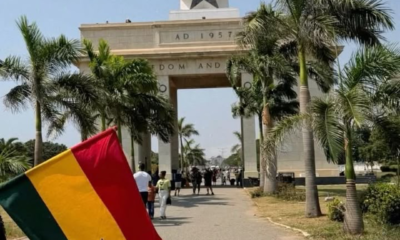



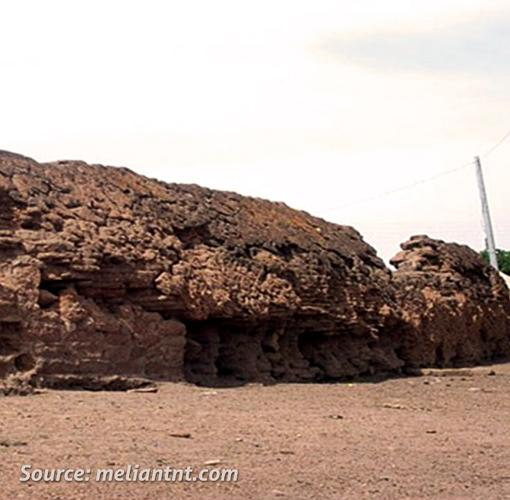
Ghana’s history is not written only in castles, forts, museums and monuments found along the coast. Deep in the northern part of the country are remnants of kingdoms, traditional warfare, migration, trade, slavery and resistance that continue to tell powerful stories about the people who lived there centuries ago.
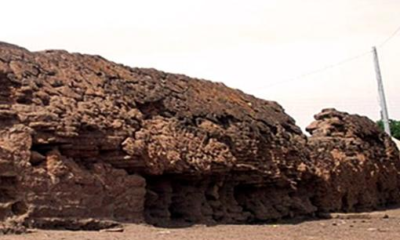
One of these remarkable but less-discussed historical attractions is the Nalerigu Defence Wall, popularly known as the Na Jeringa Wall, located in Nalerigu in the North East Region.
Today, only portions of the once imposing structure remain, but the ruins carry a story connected to the history of the Mamprusi kingdom, the slave trade, traditional authority and the efforts of an ancient community to protect itself against external threats.

For many Ghanaians, the name Nalerigu may be familiar as the traditional seat of the Mamprusi kingdom and the administrative capital of the North East Region. However, not everyone knows that the town also houses the remains of a defensive wall believed to have been constructed centuries ago.
According to the Ghana Museums and Monuments Board, the Nalerigu Defence Wall was originally built to surround the settlement, although only portions of the structure have survived.
The king behind the historic wall
The wall is associated with NaJeringa, also referred to in historical accounts as Naa Gyɛriŋŋa, a powerful Mamprusi ruler believed to have reigned during the mid-18th century.
Several historical accounts place his reign around 1740–1752, although some tourism materials have attributed the structure to earlier centuries. This difference in dating has created questions about the exact period in which the wall was constructed.
The more recent historical accounts point to the mid-1700s, a period when northern communities experienced conflicts, raids and political struggles.
NaJeringa is remembered as a ruler who sought to strengthen the security of Nalerigu, which was an important centre of Mamprusi authority. The construction of the wall was reportedly intended to provide protection for residents and the capital against enemies who could attack the settlement.
Some accounts also suggest the king wanted to leave behind a lasting legacy that would ensure his name and achievements were remembered by generations.
The wall has consequently become associated with his reign, leadership and the history of the Mamprusi people.

The history of the Nalerigu Defence Wall is closely linked to the slave raids that affected communities in northern Ghana.
During the period of the transatlantic slave trade, slave raiders and trading networks operated across parts of the northern territories, capturing people and transporting them southwards through various routes.
Historical accounts indicate that routes connecting areas around Ouagadougou in present-day Burkina Faso and Djenné in present-day Mali passed near Nalerigu. This made the area significant within wider networks of movement, trade and conflict.
The wall was therefore believed to have served as a defensive barrier against attacks on the town and its inhabitants.
Unlike the coastal forts and castles, which were used as centres for holding and trading enslaved Africans before their transportation across the Atlantic, the Nalerigu Defence Wall represents a different aspect of Ghana’s slave-trade history: the efforts of communities to protect themselves from raiders.
It provides an important perspective on how slavery and slave raiding affected communities far beyond the coastline.

The mystery surrounding its construction
One of the most fascinating aspects of the Nalerigu Defence Wall is the traditional account of the materials used in its construction.
The wall is believed to have been built using mud, stones and gravel, with local accounts claiming that substances such as honey, milk, shea butter and pito were mixed into the materials to strengthen the structure.
These stories have become part of the attraction’s historical identity, with many accounts describing the wall as an extraordinary example of traditional building knowledge.
The use of locally available materials would have been important in a period when modern construction equipment, cement and engineering technology were unavailable.

However, the exact materials and construction methods have not been conclusively established through modern scientific analysis, and the accounts involving honey, milk, shea butter and pito should be understood as traditional historical narratives.
The structure is also said to have been built through communal labour involving people from surrounding communities. Some historical accounts describe the labour as forced, with severe punishment allegedly imposed on those who refused or were unable to work.
These accounts reveal that the wall’s history may not only be one of protection and achievement but also of hardship and the human cost associated with its construction.
Historical descriptions suggest the wall was once a much larger defensive structure than the remains visitors see today.
Some accounts estimate that it originally stood about 11 feet high, while the surviving portions are reported to reach approximately six feet at their highest points in certain sections.
The structure reportedly surrounded parts of Nalerigu, with sections designed to provide protection and restrict access into the settlement. Historical accounts also describe gates that were guarded and controlled, allowing people to enter or leave at designated times.
Over the years, weather conditions, erosion, neglect and changes in settlement patterns have contributed to the deterioration of the wall.
What remains today is a fragment of a structure that once formed part of the town’s defence system
The Nalerigu Defence Wall is an important reminder that Ghana’s historical experiences were shaped by different kingdoms, communities, conflicts and systems of protection.
The Mamprusi kingdom played a significant role in the political and cultural history of northern Ghana. Nalerigu remains an important traditional centre, and its historical landmarks help visitors understand the influence of traditional leadership and the relationship between communities and their territories.
The wall also adds to the conversation about the slave trade by documenting the experiences of communities that were affected by raids and attempted to defend themselves.
For students and researchers, the site could provide opportunities to study traditional architecture, military organization, political history, oral traditions and the impact of slave raiding in northern Ghana.
It is also a reminder that historical heritage does not always have to be a perfectly preserved building. Ruins, abandoned structures and fragments of walls can carry valuable information about the past when properly documented, preserved and interpreted.

What else can visitors explore in Nalerigu?
A visit to the Nalerigu Defence Wall could be combined with a tour of some of the other attractions around Nalerigu and Gambaga.
Nayiri Palace
The traditional seat of the Mamprusi overlord and an important centre of traditional authority and cultural activities. Visitors should observe local customs and seek appropriate permission before visiting.

Gambaga Escarpment
A dramatic landscape offering elevated views of the surrounding countryside and an opportunity to appreciate the natural beauty of the North East Region.

Tusugu Cliff Dwellings
Historical cliff-side structures associated with settlement and protection, offering another window into how communities lived and adapted to their environment.

Doves’ Cave and Boulders
A natural attraction near Nalerigu featuring rock formations, caves and opportunities for exploration and hiking.

The Nalerigu-Gambaga area has been identified as having several tourism attractions, including the defence wall, Nayiri Palace, Tusugu cliff dwellings, White River Rapids, Gambaga and the Doves’ Cave.
Despite its historical importance, the wall remains an attraction that many Ghanaians may not have explored or even heard about.
With increased attention to domestic tourism, sites such as this could become part of educational trips, heritage tours, history excursions and cultural tourism packages.
The North East Region has the potential to offer visitors a different experience from the usual beach holidays and visits to coastal castles. Its traditional kingdoms, historical settlements, landscapes, festivals and ancient structures could attract people seeking deeper knowledge of Ghana’s history.
The Nalerigu Defence Wall could benefit from improved signage, historical interpretation boards, guided tours, conservation work and digital promotion to make it easier for visitors to appreciate its significance.
Local residents, historians, traditional authorities, tourism officials and educational institutions could also collaborate to document the stories surrounding the wall and preserve them for future generations.
For young people, the attraction could serve as an opportunity to learn about their heritage while developing careers in tourism, tour guiding, cultural documentation, photography and hospitality.
Culture
Ghana’s Forgotten Tourist Attractions: The Hidden Beauty of the Tongo Hills and Tengzug Shrine

Beyond Ghana’s popular beaches, historical castles, waterfalls and national parks lies a remarkable destination that combines natural beauty, spirituality, history and traditional African architecture.
Located near Bolgatanga in the Talensi District of the Upper East Region, the Tongo Hills and Tengzug Shrine offer one of Ghana’s most distinctive cultural tourism experiences.

Surrounded by enormous granite rocks, ancient settlements and breathtaking landscapes, the destination provides visitors with an opportunity to experience the rich traditions of the Talensi people.
Although the attraction holds considerable cultural and historical significance, it rarely receives the same level of national attention as Ghana’s more popular tourist destinations.
The Tongo Hills are characterised by spectacular rock formations, narrow pathways, caves and elevated landscapes that provide impressive views of the surrounding communities.

The enormous granite boulders, some appearing to balance naturally on one another, create an extraordinary landscape that distinguishes the area from many other tourist attractions in Ghana.
For generations, these hills have formed an important part of the lives of the Talensi people, providing spaces for settlement, traditional worship and cultural activities.
The relationship between the people and their natural environment is particularly fascinating. Traditional homes can be found among the rocky formations, demonstrating how generations of residents have adapted their architecture and lifestyles to the landscape.

The mysterious whistling rocks
One of the most fascinating features of the Tongo Hills is the phenomenon of the whistling rocks.
According to the Ghana Museums and Monuments Board (GMMB), the harmattan winds passing through openings between the rocks produce distinctive whistling sounds.
This natural phenomenon is particularly noticeable between December and February, when dry seasonal winds sweep across northern Ghana.

The unusual sounds, combined with the remarkable rock formations, offer an experience that could attract nature lovers, photographers, researchers and adventure enthusiasts.
Beyond its natural attractions, the Tongo Hills hold deep religious and spiritual significance.
The area is home to several traditional shrines, with the Ba’ar Tonna’ab shrine being among the most prominent. It has historically attracted people from different parts of Ghana and neighbouring countries seeking spiritual guidance, protection and healing.

Interestingly, the shrine is also known among some Akan traditional worshippers as Nana Tongo, demonstrating its historical influence beyond northern Ghana.
Visitors entering the sacred shrine are expected to observe traditional customs, including removing clothing covering the upper body. These requirements apply to both men and women.
Visitors are encouraged to respect local beliefs and seek permission from custodians before taking photographs or entering sacred areas.

The Tongo Hills also preserve an important chapter of Ghana’s colonial history.
During British attempts to establish control over the territory in the early 20th century, the rocky landscape provided refuge for community leaders and residents who resisted colonial occupation.
Among the historical attractions are the Hiding Caves and Hyena Caves, which are associated with local resistance around 1911.
These landmarks provide an opportunity for students, historians and visitors to learn about the experiences of northern communities during colonial expansion.
They also demonstrate that Ghana’s struggle against colonial domination extended beyond the better-known historical events associated with southern Ghana.

Traditional architecture and the lifestyle of the Talensi people
Another remarkable aspect of the destination is its traditional architecture.
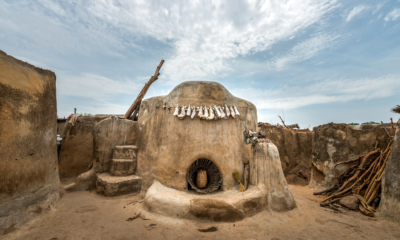
The Talensi people have developed distinctive residential compounds using locally available materials. Their traditional earthen buildings, courtyards and interconnected structures reflect the relationship between family organisation, cultural beliefs and the natural environment.
These buildings are more than places of residence. They represent generations of indigenous knowledge and architectural creativity.
Preserving these structures could provide valuable educational opportunities for architects, researchers and students interested in sustainable African building techniques.

Festivals that bring the hills to life
The Tongo Hills also provide a significant setting for traditional festivals celebrated by the Talensi people.
The Boaram Festival, usually observed in October, celebrates the harvest and acknowledges the spiritual beliefs of the community.
The Gologo Festival, associated with the end of the dry season, is another important cultural celebration connected to traditional religious practices and agricultural activities.
These festivals offer opportunities for visitors to experience indigenous customs and learn about the relationship between agriculture, spirituality and community life
Interestingly, the Tongo-Tengzug cultural landscape has attracted international attention because of its distinctive combination of natural and cultural heritage.

On January 17, 2000, Ghana submitted the Tenzug-Tallensi settlements to UNESCO’s World Heritage Tentative List.
However, in 2014, the World Heritage Committee deferred consideration of the site’s nomination for full World Heritage status.
The committee recommended further research, stronger protective measures, improved management systems and greater support for the preservation of traditional buildings and cultural practices.
The destination remains on Ghana’s UNESCO Tentative List but has not yet been officially designated a World Heritage Site.

Why the Tongo Hills deserve greater attention
Ghana’s tourism potential extends far beyond its popular coastal attractions. Destinations such as the Tongo Hills demonstrate the country’s ability to offer diverse experiences in cultural tourism, adventure tourism, heritage tourism and ecotourism.
With effective promotion and appropriate investment, the attraction could generate employment opportunities for local tour guides, transport operators, artisans, food vendors and hospitality businesses.
The development of visitor facilities, improved accessibility, directional signboards and educational materials could also make the destination more attractive to domestic and international tourists.

Schools and universities could organise educational excursions to the area, allowing students to experience Ghana’s history, geography, architecture and cultural traditions beyond classroom textbooks.
The Ministry of Tourism, Culture and Creative Arts, the Ghana Tourism Authority, the Ghana Museums and Monuments Board and the Talensi District Assembly have important roles to play in preserving and promoting this cultural treasure.
Beyond promoting Ghana’s already popular destinations, tourism authorities should give greater visibility to lesser-known attractions across the country.

Documentaries, social media campaigns, partnerships with travel agencies and organised domestic tourism programmes could help introduce the Tongo Hills to a wider audience.
Efforts should also be directed towards preserving the area’s traditional architecture, sacred spaces and natural environment without compromising the cultural values of its residents.
The experiences and knowledge of local custodians should remain central to any tourism development initiative.

Ghana possesses remarkable heritage destinations that many citizens have yet to experience. The Tongo Hills, with their whistling rocks, sacred shrines and historical caves, are a powerful reminder of how much of the country’s cultural wealth remains to be explored.

When people talk about tourism in Ghana, destinations such as the Cape Coast Castle, Elmina Castle, Kakum National Park, Aburi Botanical Gardens and Mole National Park often dominate the conversation. However, beyond these popular attractions are several historical sites that deserve greater attention for their contribution to Ghana’s cultural heritage.
One such destination is the Pikworo Slave Camp, located at Nania, near Paga, in the Kassena-Nankana West District of the Upper East Region.

Unlike the imposing castles along Ghana’s coastline, the Pikworo Slave Camp offers a different perspective on the history of slavery. Its rocky landscape and historical features tell the story of the inland slave trade and the experiences of enslaved Africans before they reached coastal trading centres.
Despite its historical significance, the site remains less prominent in mainstream tourism conversations than Ghana’s better-known slave trade landmarks.
According to the Ghana Tourism Authority’s Visit Ghana platform, the Pikworo Slave Camp was established in 1704 and served as a holding and transit centre for enslaved Africans.
The name Pikworo means “place of rocks” in the local Kasem language, reflecting the geographical features of the area.
Captives were brought from communities across northern Ghana and neighbouring territories before being transported to trading centres such as the Salaga Slave Market. Many were subsequently taken towards the coast, where they became victims of the transatlantic slave trade.

The camp provides an important reminder that the history of slavery in Ghana extended far beyond the coastal castles. Inland communities also experienced the devastating consequences of human trafficking, forced migration and the separation of families.
One of the most remarkable features of the Pikworo Slave Camp is its natural rock formations, which local historical accounts associate with the daily experiences of enslaved people.
Unlike historical attractions characterised by buildings and monuments, much of Pikworo’s history is preserved within its natural landscape.
Visitors can observe shallow depressions carved into the rocks, which reportedly served as communal eating bowls. Other areas were used for grinding grains and preparing food.

There is also a natural water source within the rocky landscape that supported activities at the camp.
These features offer visitors an opportunity to understand the harsh conditions under which captives lived and the limited resources available to them.
Another notable feature of the camp is its musical rocks, which produce distinctive sounds when struck with smaller stones.
According to local historical accounts, these rocks were used to create rhythms during periods of entertainment at the camp.

Their presence provides an opportunity to reflect on the role of music and cultural expression during difficult periods of African history.
The site also contains a burial ground associated with enslaved people who lost their lives at the camp, as well as a location traditionally identified as a punishment rock.
These landmarks make Pikworo a place of remembrance, historical education and reflection rather than simply a destination for sightseeing.
Ghana has made significant efforts to promote heritage tourism, particularly through initiatives encouraging Africans in the diaspora to reconnect with their ancestral roots.
However, discussions surrounding slavery and heritage tourism frequently concentrate on Cape Coast Castle, Elmina Castle and the Assin Manso Slave River.
While these destinations remain extremely important, places such as Pikworo provide another dimension to the country’s historical narrative.
Understanding the experiences of enslaved Africans requires knowledge of what happened before they arrived at the coastal castles.
Promoting Pikworo could help visitors appreciate the broader history of slavery while drawing attention to the cultural and historical contributions of northern Ghana.
It could also encourage more Ghanaians to explore historical attractions beyond the southern parts of the country.
The Ghana Tourism Authority (GTA), under the Ministry responsible for tourism, has undertaken initiatives to improve and promote the Pikworo Slave Camp.

In 2020, the Authority organised a tree-planting exercise at the site as part of activities marking Emancipation Day.
At the time, concerns were raised about inadequate infrastructure, accessibility challenges and the need for a museum to preserve the camp’s historical materials.
Subsequent rehabilitation works were undertaken, leading to the inauguration of the upgraded facility in December 2024.
The improvements were intended to enhance visitor experiences, preserve cultural heritage and create economic opportunities for surrounding communities.
The site has also hosted activities associated with Emancipation Day, providing a platform for reflection, cultural performances and remembrance.
Beyond its historical importance, the Pikworo Slave Camp has considerable potential to contribute to local economic development.
Increased tourism could create employment opportunities for tour guides, artisans, photographers, transport operators, food vendors and hospitality businesses.
Local communities could also benefit from the sale of traditional clothing, handcrafted products, souvenirs and cultural experiences.

Developing accommodation facilities around the attraction could encourage visitors to spend more time in the area and explore other destinations within the Upper East Region.
However, any commercial development must respect the historical sensitivity of the site and ensure that the experiences of enslaved Africans are presented with dignity.
The preservation of historical attractions should not end with rehabilitation and inauguration ceremonies.
Regular maintenance, effective publicity, professional tour guiding, historical documentation and educational programmes are necessary to sustain their relevance.
The Ministry of Tourism, Culture and Creative Arts, the Ghana Tourism Authority, the Ghana Museums and Monuments Board and local authorities could strengthen collaboration to promote lesser-known heritage destinations.
Schools and universities could also incorporate visits to places such as Pikworo into educational excursions, allowing students to experience Ghanaian history beyond classroom textbooks.

Documentaries, digital storytelling and social media campaigns could further introduce the site to younger audiences and international visitors.
Ghana’s tourism identity should not be limited to a handful of popular attractions. Across the country’s 16 regions are historical landmarks, cultural treasures and natural attractions that deserve recognition.

At Pikworo, ordinary-looking rocks carry extraordinary historical significance. They remind visitors of a painful chapter in African history that must neither be overlooked nor forgotten.
Culture
Understanding Marriage in Ghana: The Beauty of Islamic, Christian and Traditional Wedding Rites

Marriage in Ghana is more than the union of two people who have decided to spend their lives together. It is a significant cultural, religious and social institution that brings families together, strengthens relationships and reflects the values, beliefs and traditions of different communities.
Across the country, marriage ceremonies are celebrated in different ways, depending on the religious beliefs, ethnic backgrounds and family traditions of the couple. Among the most widely recognised forms are Islamic marriage, Christian marriage and traditional marriage, each with its own procedures, requirements and cultural significance.
Although these forms of marriage differ in their practices, they share an important purpose: bringing two people together in a recognised union while seeking the support, blessings and acceptance of their families and communities.
Islamic Marriage: A Union Anchored in Faith and Culture
Islamic marriage in Ghana is guided by the teachings of the Quran and the Sunnah, with the marriage contract, known as Nikah, serving as the foundation of the union.
The process often begins with a formal approach by the groom’s family to the bride’s family to express their intention to marry. Family discussions and negotiations may follow, although the specific arrangements differ among Muslim communities.
The consent of both the bride and groom is essential. The bride must freely agree to the marriage, while the groom also expresses his willingness to enter the union.
One of the central requirements is the payment of Mahr, a gift or financial obligation from the groom to the bride. Unlike a payment made to purchase a bride, the Mahr belongs to the woman and represents a right established under Islamic marriage principles. The amount or nature of the Mahr is agreed upon by the parties.
The marriage contract is then conducted in the presence of witnesses, with an Imam or another qualified person often officiating. Prayers and supplications are offered for the couple, asking Allah to bless their union with love, understanding, patience and prosperity.
Following the religious ceremony, families and friends may gather for celebrations involving food, music, traditional clothing and dancing, depending on the community’s customs.
In Ghana, Islamic marriage rites also reflect ethnic identities. Among the Hausa, Dagomba, Mamprusi and other Muslim communities, the presentation of gifts, family negotiations, attire, greetings and festive activities may differ.
For example, some communities place considerable emphasis on family involvement and the exchange of gifts, while others incorporate distinctive traditional music, clothing and cultural expressions into the celebration.
Despite these differences, the Islamic marriage contract remains the central religious foundation of the union.
Christian Marriage: A Covenant Before God
Christian marriage in Ghana is largely rooted in biblical teachings, which regard marriage as a sacred covenant between a man and a woman, established before God and witnessed by family, friends and the church community.
For many Christian couples, the journey towards marriage begins with a relationship built on shared faith, love and commitment. Depending on their denomination, couples may undergo premarital counselling, attend marriage preparation classes and meet with their pastor or church leaders before the wedding.
Premarital counselling is an important part of the process in many churches. It provides an opportunity for couples to discuss expectations about communication, finances, family responsibilities, faith, child upbringing and conflict resolution.
The wedding ceremony usually takes place in a church or another approved venue, where the couple exchanges marriage vows before God and witnesses.
The bride is often accompanied by her father, guardian or another family member as she walks down the aisle, while the groom waits at the altar. The ceremony may include hymns, Bible readings, prayers, sermons and the exchange of wedding rings.
One of the most significant moments is the exchange of vows, during which the couple promises to love, honour, support and remain faithful to each other through the different seasons of life.
The officiating pastor or priest then pronounces them husband and wife after the necessary declarations and requirements have been fulfilled.
Christian wedding celebrations in Ghana are often colourful and elaborate. Brides may wear white wedding gowns, while grooms appear in suits or tuxedos. Bridesmaids, groomsmen, flower girls and page boys may also form part of the ceremony.
After the church service, the couple and their guests may proceed to a reception featuring music, dancing, speeches, food, cake-cutting and the presentation of gifts.
Different Christian denominations have their own approaches to wedding ceremonies. Catholic weddings, for instance, are usually celebrated within a Mass or a liturgical service, while Pentecostal, Charismatic, Presbyterian, Methodist and other churches may follow different orders of service.
However, the central message remains the same: marriage is a lifelong commitment that requires love, faithfulness, sacrifice, patience and mutual respect.
Traditional marriage, commonly referred to as customary marriage in Ghana, is deeply connected to the country’s cultural heritage and family systems.
Unlike religious weddings, which are conducted according to the teachings and practices of particular faiths, traditional marriage is rooted in the customs and accepted practices of the ethnic communities to which the couple belongs.
It is often regarded as an important stage in the marriage process because it formally brings the two families together and establishes the union according to customary practices.
The process usually begins when the groom informs his family about his intention to marry. His family then approaches the bride’s family through a formal introduction or knocking ceremony.
During this visit, the groom’s family communicates its intention and seeks permission to proceed with the marriage discussions.
If the bride’s family accepts the request, a date may be agreed upon for the presentation of the marriage list, which outlines the items expected from the groom’s family.
The requirements vary considerably among ethnic groups and even between families within the same community.
In many Akan communities, for instance, the groom’s family may be expected to provide drinks for the formal knocking ceremony, a Bible or other requested items, money for customary obligations, clothing, jewellery and other gifts.
The marriage list may also include items such as a suitcase, footwear, foodstuffs and other personal or family gifts, depending on the family’s traditions.
Among the Ewe, Ga, Mole-Dagbani and other ethnic groups, the processes and items presented may differ, reflecting their unique customs and understanding of marriage.
On the day of the traditional marriage ceremony, representatives from both families gather to witness the proceedings. The groom’s family presents the requested items, while family elders and spokespersons guide the negotiations.
In some communities, the bride may be formally asked whether she accepts the groom and wishes to proceed with the marriage. Her consent is an important part of the process.
The ceremony may also involve the presentation of drinks, exchange of gifts, family blessings, traditional prayers, music and cultural performances.
Traditional clothing adds another layer of beauty to the occasion. Kente, traditional cloth, beads, headpieces and other culturally significant accessories are commonly worn, depending on the ethnic background of the couple.
For many Ghanaian families, traditional marriage is particularly meaningful because it not only unite the couple but also establishes a relationship between their families and extended relatives.
It is also worth noting that customary marriage is recognised under Ghanaian law, subject to the applicable customary requirements. It is therefore more than a cultural celebration; it is a legally recognised form of marriage.
Although Islamic, Christian and traditional marriages have different foundations, they share certain values, including commitment, family involvement, mutual respect and the desire to build a lasting relationship.
Islamic marriage places emphasis on religious obligations, the consent of the couple, Mahr and the Nikah contract.
Christian marriage focuses on the spiritual covenant between the couple before God, expressed through vows, prayers and church blessings.
Traditional marriage, on the other hand, highlights family negotiations, customary obligations, cultural identity and the formal acceptance of the union by both families.
Another difference lies in the role of religious and family leaders. Islamic weddings commonly involve an Imam; Christian weddings are officiated by pastors, priests or other authorised ministers, while traditional marriages are guided by family elders and representatives.
The attire, music, food and order of events also vary, giving each ceremony its own identity and atmosphere.
In Ghana, it is not unusual for couples to celebrate their marriage through more than one of these forms.
Some couples begin with a traditional marriage ceremony before proceeding to a church wedding. Others may complete their customary marriage and Islamic Nikah as part of their wedding arrangements.
Christian couples, for example, may first fulfil the customary requirements of their families before holding a white wedding in church.
Muslim couples may also combine Islamic marriage rites with traditional family celebrations, incorporating cultural practices that do not conflict with their religious obligations.
However, couples must understand that the ceremonies serve different purposes and that the legal requirements for a valid marriage depend on the applicable form of marriage and the relevant provisions of Ghanaian law.
Preserving Faith and Culture Through Marriage
Marriage ceremonies in Ghana offer a fascinating picture of how religion, culture and family values coexist within society.
From the prayers and Mahr of Islamic weddings to the vows and blessings of Christian ceremonies, and the family negotiations and colourful customs of traditional marriages, each form carries its own meaning and significance.
Beyond the clothes, food, music, decorations and celebrations, marriage remains a commitment that requires understanding, responsibility, patience and the willingness to build a life together.
As Ghana continues to embrace modern wedding trends, the preservation of these religious and cultural practices remains important in keeping the country’s heritage alive.
Ultimately, whether a couple chooses an Islamic, Christian or traditional marriage, the beauty of the occasion lies not only in the ceremony itself but also in the values, commitment and relationships that the union is expected to nurture.
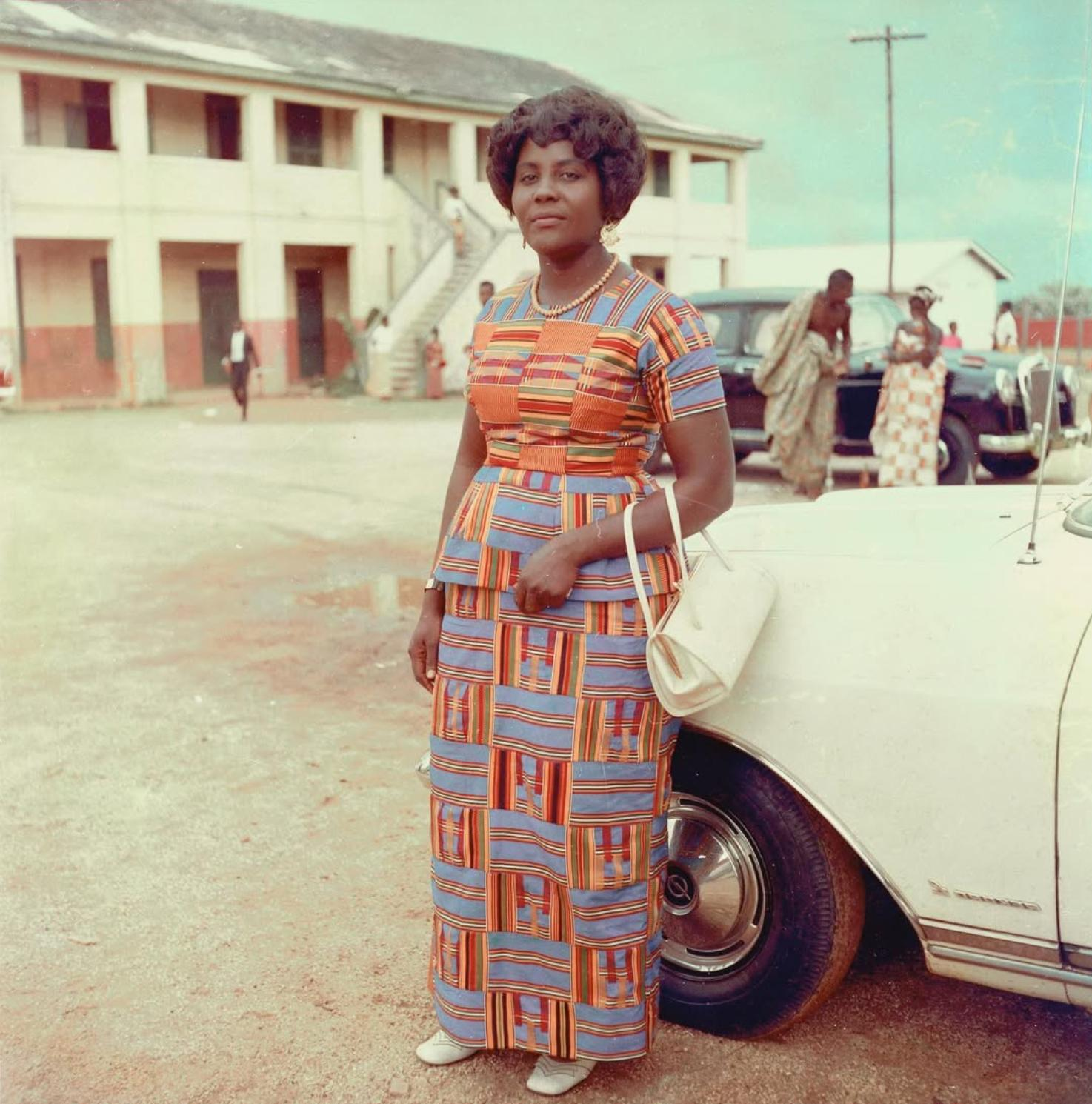
The kaba and slit ensemble remains one of the most recognisable and celebrated expressions of Ghanaian women’s fashion, blending cultural heritage, elegance, femininity, and creativity. For generations, the two-piece outfit has held a special place in Ghanaian society, becoming a familiar choice for weddings, church services, funerals, traditional festivals, formal gatherings and other important occasions.
Beyond its beauty, the kaba and slit tells a story of how Ghanaian fashion has evolved through cultural encounters, changing social expectations and the creativity of local dressmakers and designers. Although its appearance has changed considerably over the years, the outfit has retained its identity as a distinctive part of Ghana’s traditional clothing culture.

The ensemble consists of two main pieces: the kaba, a fitted or structured blouse, and the slit, a long skirt usually designed to wrap around or fit closely around the waist and hips. Depending on the design, the skirt may feature a side or front slit, pleats, gathers or other decorative details that allow movement while maintaining an elegant appearance.
Its development reflects the interaction between indigenous West African clothing traditions and European dress influences during the colonial period. Before the introduction of more structured Western-style garments, women in different Ghanaian communities commonly wore wrapped cloths, loose-fitting tops, traditional wrappers and other locally made garments. These styles were practical and suited to the climate, cultural practices and everyday activities of the time.

During the late 19th and early 20th centuries, increasing contact with European missionaries, colonial administrators and Christian institutions contributed to changing ideas about women’s clothing, particularly in coastal communities. European tailoring techniques, including fitted bodices, shaped sleeves and more structured blouses, gradually influenced local dressmaking.
Christian women, especially those attending church and participating in formal social activities, increasingly embraced clothing that combined modesty with elegance. This interaction helped shape the development of the kaba and slit into a recognisable outfit that reflected both foreign tailoring influences and African preferences for colourful fabrics, elaborate designs and beautifully wrapped cloth.

However, the outfit was not simply a replacement of traditional clothing. Rather, it developed through the adaptation of existing African dressing practices, with local women and dressmakers incorporating new techniques while maintaining familiar fabrics, patterns and cultural expressions.

A fashion statement for every occasion
As the years passed, the kaba and slit became increasingly popular across different sections of Ghanaian society. What was once associated with particular communities and formal settings gradually became a widely accepted choice for women from different backgrounds.
Its versatility is one of the major reasons for its lasting popularity. Women wear it to weddings, engagement ceremonies, church services, funerals, naming ceremonies, festivals, birthday celebrations, official functions and other social gatherings.

The fabric, colour and style often depend on the nature of the occasion. For traditional weddings and engagements, women may choose colourful kente, richly patterned Ankara or beautifully embroidered lace. For church services and formal gatherings, more modest designs featuring long sleeves, high necklines and carefully tailored skirts are common.
At funerals, the ensemble is frequently made with black, red, dark or other appropriate mourning fabrics, depending on the family’s customs and the nature of the ceremony. In some instances, family members and groups wear coordinated fabrics to create a sense of unity and belonging.

The outfit also carries social and cultural meaning. The choice of fabric, quality of tailoring, accessories and overall presentation can communicate personal taste, family identity, cultural affiliation and the importance attached to an occasion.
How the kaba and slit evolved through the decades
The transformation of the kaba and slit over the decades demonstrates the ability of Ghanaian fashion to embrace new trends without completely abandoning its traditional foundations.
In earlier years, the outfit was generally characterised by relatively modest blouses, fuller sleeves and straightforward skirts. The designs were often less complicated, with attention placed on the beauty of the fabric, the neatness of the tailoring and the overall appearance of the wearer.
As Ghana’s fashion industry developed, dressmakers began experimenting with different blouse shapes, sleeve patterns, necklines and skirt designs. The introduction of more decorative fabrics and improved tailoring techniques gave women greater opportunities to personalise their outfits.

By the 1980s and 1990s, the ensemble had become increasingly fashionable, with more elaborate designs gaining attention. Off-shoulder blouses, puff sleeves, peplum tops, fitted bodices and dramatic skirt shapes became popular choices.
Fishtail and A-line skirts also offered alternatives to the traditional straight-cut design. These developments allowed women to embrace more fashionable silhouettes while retaining the familiar kaba and slit combination.
The use of lace, brocade, satin, velvet, printed cotton and kente further expanded the outfit’s appeal. Embroidery, beads, sequins, decorative buttons and carefully arranged fabric details also became important features of many designs.
For many women, the kaba and slit became more than an outfit for covering the body. It became an opportunity to display personal style, celebrate important milestones and make a statement at social events.
The fabrics that give the outfit its identity
Fabric selection plays a significant role in determining the appearance and cultural expression of the kaba and slit.
Kente remains one of the most celebrated choices, particularly for traditional weddings, engagements and important cultural celebrations. Its colourful patterns and symbolic designs make it a powerful representation of Ghanaian identity and heritage.
Ankara and other African wax prints are also widely used because of their vibrant colours, distinctive patterns and versatility. They allow dressmakers to create both simple everyday styles and elaborate designs for special occasions.

Lace fabrics are especially popular for formal events, offering a sophisticated appearance when combined with embroidery, lining and decorative finishing. Some women also choose brocade, satin and other luxurious materials to achieve a more structured and glamorous look.
The accessories are equally important. Traditional beads, gold jewellery, necklaces, earrings, bracelets, headwraps and carefully selected handbags can complete the appearance. Some women also coordinate their headgear with the fabric of their outfits, creating a polished and culturally expressive look.

Modern designers are giving the traditional outfit a new identity
In contemporary Ghana, the kaba and slit continue to experience new transformations as fashion designers respond to changing tastes and international trends.
Modern versions feature corset-inspired bodices, exaggerated sleeves, high-low hems, asymmetrical necklines, lace overlays, detachable sleeves and elaborate peplum designs. Some designers also incorporate structured waistlines, transparent lace details, layered fabrics and dramatic trains to create more striking appearances.

Social media has further increased the visibility of these modern interpretations. Fashion designers, celebrities, influencers and everyday fashion enthusiasts regularly showcase their kaba and slit styles online, inspiring new trends and encouraging women to experiment with different combinations.
The growth of Ghana’s fashion industry has also created opportunities for local seamstresses, tailors, fabric sellers, stylists, beadmakers and other fashion professionals. Every new design represents not only an expression of creativity but also part of a wider industry that supports livelihoods and promotes Ghanaian craftsmanship.
Despite these changes, the traditional identity of the outfit remains recognisable. Whether made with simple cotton prints or expensive lace and kente, the combination of a blouse and a matching or complementary skirt continues to distinguish the ensemble.

A cultural legacy that continues to inspire generations
The enduring popularity of the kaba and slit reflects the important relationship between clothing, identity and cultural preservation in Ghana.
For older generations, the outfit often brings memories of traditional celebrations, family gatherings, church activities and the fashion styles of earlier decades. For younger women, it offers an opportunity to connect with their heritage while exploring contemporary designs that reflect their individual personalities.

It also demonstrates how traditional clothing can remain relevant in a rapidly changing fashion environment. Rather than being abandoned as outdated, the kaba and slit has continued to adapt, finding new expressions through the imagination of Ghanaian designers and the preferences of modern women.
From its historical development and modest beginnings to its present-day status as a fashionable statement, the kaba and slit remains an important symbol of Ghanaian creativity, elegance and cultural pride.
Its story is not simply about changing styles or beautiful fabrics. It is about generations of Ghanaian women who have embraced, preserved and reinvented an outfit that continues to hold a special place in the country’s fashion identity.

As fashion trends come and go, the kaba and slit remains a reminder that some traditions do not need to be abandoned to become modern; they only need to be reimagined.


Lasmid: Building an Orphanage Would Make Me Feel I Have Made It in Life

Tomi Thomas Says Ghanaians Have Made Him Feel Like One of Their Own

Ghana Defeats Argentina to Secure UN Tourism Executive Council Chairmanship for 2027

Afua Asantewaa Announces Third Singing Marathon Attempt in Canada for 2027

Ras Caleb Appiah-Levi honours late father Cofie Essah Appiah, recounts his life, family and legacy

NADFFA 2027: Ghana to Host Pan-African Film and Food Festival in March

Ghana Faces Very Strong El Niño Threat as GMet Warns of Extreme Heat, Drought and Possible Flooding

Avoid excessive taxation that prevents entrepreneurs from creating wealth – Kufuor to Ghana’s leaders

NADFFA 2027 launched in Accra to celebrate African cinema, cuisine and culture

From Sleeping on the Streets to Building a Media Empire: The Kojo Preko Dankwa Story

Illinois’ financial crisis could bring the state to a halt
The final 6 ‘Game of Thrones’ episodes might feel like a full season
New Season 8 Walking Dead trailer flashes forward in time
Mod turns ‘Counter-Strike’ into a ‘Tekken’ clone with fighting chickens
Meet Superman’s grandfather in new trailer for Krypton

-

 Sports24 hours ago
Former England Star Raheem Sterling Banned from Driving for Two Years
-

 Entertainment22 hours ago
Kessben’s Funeral Bans Bloggers, Content Creators and Private Photographers
-
 Entertainment22 hours ago
Abla Dzifa Gomashie Urges Queen Mothers To Protect Ghana’s Cultural Heritage
-
 Entertainment5 hours ago
Ras Caleb Appiah-Levi honours late father Cofie Essah Appiah, recounts his life, family and legacy
-

 Sports24 hours ago
NSA Hails Black Challenge for Historic World Cup Achievement
-

 Sports24 hours ago
Jordan Ayew Marks 125 Black Stars Caps, Insists He Is Not Done Yet
-

 Lifestyle18 hours ago
Whatever Happened to Ghana’s Culture of Calling Elders by Their Titles?
-
 Entertainment20 hours ago
He Understood Me Without Words – Uche Edochie’s Heartbreaking Tribute to Late Father Pete Edochie