
Entertainment
December in GH: How Ghana Is Using the Black Star Experience to Reconnect the African Diaspora

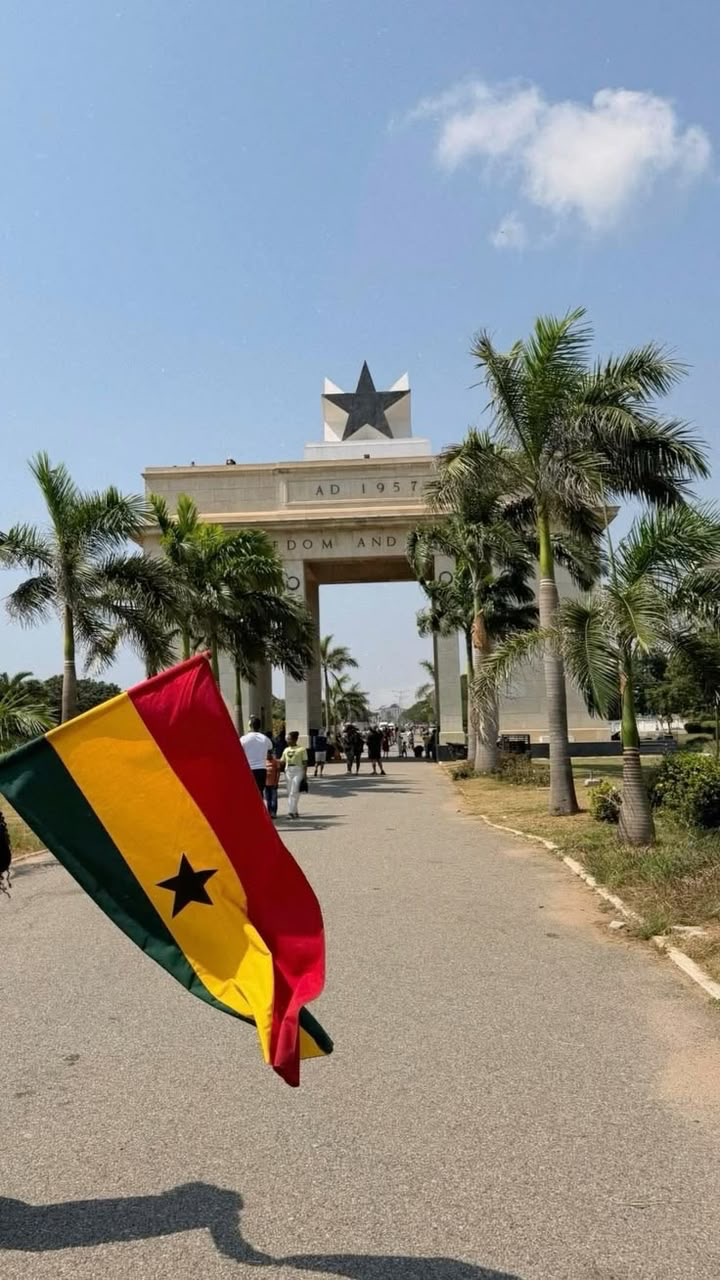
Ghana is seeking to transform its annual December in GH festivities into more than a season of entertainment by using the Black Star Experience to reconnect members of the African diaspora with their ancestral roots, heritage and cultural identity.
In an article authored by Mohammed Rafatu Anaalie, a National Service Personnel at the Corporate Affairs Department of the Ghana Tourism Authority (GTA), he highlights how Ghana can use the growing popularity of December in GH to strengthen its relationship with the global African family and position itself as a destination for cultural rediscovery, historical connection and belonging.
According to the writer, December in GH has gradually become a cornerstone of Ghana’s tourism calendar, bringing together music, fashion, food, art and entertainment while attracting thousands of international visitors, particularly members of the African diaspora.
Every December, Ghana transforms into a meeting point for history, culture and kinship, with activities extending from the energetic streets of Accra to the historic coastline of Cape Coast.
However, Mohammed Rafatu Anaalie argues that beyond the concerts, parties and nightlife, the festive season presents a deeper opportunity to embody the Akan philosophy of Sankofa, which encourages people to return to their roots, reclaim their heritage and learn from their history.
Through the Black Star Experience, Ghana seeks to give greater meaning to this homecoming. The Black Star, a symbol of African freedom, pride, resilience and unity, represents an opportunity to position the country not merely as a place to celebrate but also as a destination where people of African descent can rediscover their identity and establish lasting connections with the continent.
The writer notes that the central question should not simply be how Ghana can attract more visitors every December but how the country can transform those visits into meaningful and enduring relationships.
For many members of the African diaspora, travelling to Ghana represents more than an ordinary holiday. It is a personal journey of Sankofa, allowing them to reconnect with a heritage shaped by generations of history, migration and separation.
Mohammed Rafatu Anaalie explains that the Black Star Experience seeks to deepen this connection through historical and cultural encounters that extend beyond entertainment.
Visitors have the opportunity to walk through the historic grounds of the Cape Coast and Elmina Castles, reflecting on the painful history of the transatlantic slave trade.
They can also visit the Assin Manso Ancestral River Park, where enslaved Africans took their last bath before being transported across the Atlantic during the Middle Passage.
Other important heritage destinations include the Kwame Nkrumah Memorial Park and the W.E.B. Du Bois Centre in Accra, where visitors can learn about the contributions of prominent Pan-African leaders and their efforts towards African liberation and unity.
Alongside these historical visits, December offers opportunities for authentic cultural immersion.
Under the Black Star Homecoming and Heritage Immersion framework, returnees experience traditional welcome ceremonies, royal durbars of chiefs and naming ceremonies designed to reconnect them with their ancestral roots.
These experiences are complemented by indigenous culinary and drumming showcases, major music and cultural gatherings such as AfroFuture and late-December concerts, visual art exhibitions including the Ebien Exhibition and season-long art showcases, as well as local commerce platforms such as the Made in Ghana Fair.
According to the writer, these encounters are particularly important for younger generations born outside Africa because they transform abstract history lessons into experiences they can see, feel and participate in.
Ghana’s growing appeal as a diaspora destination is also reflected in its tourism figures.
According to the 2025 Ghana Tourism Overview, the country recorded approximately 1.31 million international arrivals, with 141,186 visitors arriving in December 2025, compared with 126,791 in December 2024.
Every arrival, the writer suggests, presents an opportunity to transform curiosity about Ghana into a deeper cultural connection.
Sharing his experience, Kwao, a diaspora visitor from the United Kingdom, explained that travelling to Ghana during December means much more to him than simply enjoying a holiday.
“Coming to Ghana during December means much more to me than simply visiting a country or enjoying the festive season. It is an opportunity to reconnect with my roots, embrace my heritage, and experience a part of my identity that I may not always have the opportunity to explore where I come from.
“Being surrounded by the culture, traditions, music, food, and warmth of the Ghanaian people creates a sense of belonging that is difficult to put into words. For me, Ghana is not just a destination; it represents a connection to history, identity, and belonging,” he said.
Mohammed Rafatu Anaalie further argues that the success of a tourism destination should not be measured only by the number of visitors it attracts but also by the quality of experiences they receive from arrival to departure.
As Ghana prepares to welcome visitors under this year’s campaign theme, “Ghana to the World,” the writer emphasises the importance of creating a safe, secure and well-coordinated environment for both residents and international visitors.
Ahead of the festive rush, key areas requiring attention include proactive planning, coordination among government agencies, efficient border processes, transportation management and improved hospitality services.
Public safety remains an important part of these preparations.
Through the Ghana Police Service’s “See something, say something” initiative, residents and visitors are encouraged to remain vigilant and report suspicious activities.
Visible security arrangements, coordinated emergency preparedness and rapid responses to incidents are also necessary to ensure that visitors can explore destinations and enjoy the festive season with confidence.
The public and visitors are further reminded to keep national emergency numbers accessible, including 999 for general emergencies, 192 for the Fire Service and 18555 for emergency assistance.
Transportation is another major consideration during the festive season.
Heavy December traffic, increased transport fares and congestion in major urban centres can negatively affect visitors’ experiences, particularly those travelling between hotels, event venues and tourist attractions.
Improving traffic management and strengthening transportation services are therefore essential.
The writer also stresses the need for hotels, restaurants, tour operators and event organisers to complement Ghana’s reputation for hospitality with professionalism, transparent pricing and reliable customer care.
The importance of these improvements is highlighted by findings from the 2025 December in GH survey.
Although 98 per cent of respondents expressed satisfaction with safety and security, only 65 per cent rated their overall experience as excellent or good.
This 33-percentage-point difference highlights the need to improve other aspects of the visitor journey, ensuring that positive security experiences are matched by quality services across the tourism industry.
Beyond attracting visitors, Ghana is also seeking to ensure that the economic benefits of December in GH extend to local businesses, creative industry players, artisans and young entrepreneurs.
The 2025 December in GH survey recorded average visitor spending of GH¢966.13 on accommodation, GH¢408.31 on food and beverages, GH¢339.29 on entertainment and recreation, and GH¢270.70 on shopping.
These figures demonstrate the economic opportunities associated with the festive season and the importance of ensuring that tourism expenditure benefits a wider section of the Ghanaian economy.
Mohammed Rafatu Anaalie notes that platforms such as the Made in Ghana Fair and season-long art showcases play an important role in connecting diaspora shoppers and collectors directly with local artisans, designers and gallery spaces.
Similarly, connecting young Ghanaian musicians, photographers, content creators and hospitality entrepreneurs to commercial opportunities through platforms such as AfroFuture, late-December concerts and creative hubs like the Ebien Exhibition can support employment and business growth.
However, these opportunities must be supported by fair pricing and consumer protection standards to maintain visitors’ confidence in Ghana as a destination.
The writer also highlights the importance of collaboration between government, the private sector, traditional authorities and local communities in achieving the objectives of the 2026 campaign.
While government is expected to provide policy direction, infrastructure and regulation, businesses and local communities have important roles to play in delivering quality services and encouraging visitors to explore destinations beyond Accra.
These include Kakum and Mole National Parks, Lake Volta and Wli Waterfalls, as well as traditional festivals such as Aboakyer, Hogbetsotso, Damba and Fetu Afahye.
The 2025 Ghana Tourism Overview further indicates that international visitors stay for an average of 13 nights, while repeat visitors account for more than 60 per cent of arrivals.
Additionally, 96 per cent of December visitors indicated their intention to return to Ghana.
These figures point to an opportunity to transform the December travel rush into sustained tourism activity throughout the year.
For the Black Star Experience to achieve its full potential, Mohammed Rafatu Anaalie argues that it must become more than a seasonal tourism slogan.
He emphasises the need for a continuous commitment to cultural exchange, heritage preservation and the strengthening of Ghana’s relationship with people of African descent across the world.
Speaking on the vision behind the initiative, the Deputy Director of Corporate Affairs at the Ghana Tourism Authority, Mr Kofi Atta Kakra Kusi, explained that the Black Star Experience presents an opportunity to position Ghana as a destination where members of the African diaspora can reconnect with their heritage and rediscover their identity.
He said:
“The Black Star Experience represents an opportunity to position Ghana as a destination where people of African descent can reconnect with their heritage, rediscover their identity, and develop a deeper appreciation of their historical and cultural connections to the continent. It goes beyond promoting tourism and entertainment.
“Our vision should be to ensure that visitors do not simply come to Ghana, participate in December festivities, and leave. We want them to experience the richness of our culture, explore our heritage, engage with our people, and develop a relationship with Ghana that extends beyond the festive season.
“Ultimately, Ghana should be a place where people can connect, belong, and call home.”
His comments highlight the need to make visitors feel connected to Ghana beyond the excitement of the festive season.
The writer further explains that every visitor who returns home with positive experiences and meaningful cultural connections has the potential to become an ambassador for Ghana.
Through their stories and recommendations, visitors can influence how the rest of the world views the country and encourage more people to explore its tourism and cultural offerings.
December should therefore not be viewed as the climax of Ghana’s tourism calendar but rather as a gateway to year-round engagement.
December in GH presents Ghana with an important opportunity to tell its story, preserve its cultural heritage and strengthen its relationship with the African diaspora.
By placing Sankofa, heritage and belonging at the centre of the Black Star Experience, the country can transform the festive season from an entertainment-driven event into a meaningful journey of reconnection.
Mohammed Rafatu Anaalie concludes in his article that achieving this ambition requires a shift from seasonal promotion to strategic destination management, supported by international visibility, operational readiness, economic inclusion and consistent service quality.
Ultimately, the success of December in GH should not be measured merely by how many people arrive in Ghana each December.
It should also be measured by how many local businesses and young people benefit from the season, the quality of experiences visitors receive and the strength of the connections they establish with Ghana long after the festivities have ended.
The broader vision is to ensure that December becomes a gateway to lasting relationships, encouraging visitors to return throughout the year and strengthening Ghana’s position as a place where the global African family can reconnect with its roots, embrace its heritage and feel a sense of belonging.













Entertainment
Kofi Kinaata Set for Historic Canada Performances as Ghana Marks 70 Years of Independence

Award-winning Ghanaian musician Kofi Kinaata is preparing to make his first-ever musical performances in Canada as the headline artiste for the Ghana @ 70 – Heritage and Music Concert, scheduled to take place in Ottawa and Toronto in February and March 2027.
The concert forms part of activities designed to celebrate Ghana’s 70th independence anniversary while promoting the country’s rich cultural heritage, music, tourism and investment opportunities to Ghanaians living abroad and the wider Canadian community.
The initiative is being organised by Willbe Events in collaboration with Kofi Kinaata’s management company, Team Move Ghana Limited.
The programme was officially launched on November 11, 2026, at the Mövenpick Ambassador Hotel in Accra, bringing together representatives of the entertainment industry and other stakeholders involved in the celebration.
Speaking at the launch, Kofi Kinaata expressed excitement about participating in the initiative, explaining that his involvement goes beyond performing on stage, as he is also partnering with the organisers to make the celebration successful.
“I am happy to be on board, not just as a headline artiste but as a partner. I have been to Canada before, but I haven’t performed there before,” he stated.
The musician, known for songs including, revealed that although he has previously visited Canada, the upcoming concerts will mark the first time he performs for audiences in the country. Enka Ho Da
Kofi Kinaata has established himself as one of Ghana’s celebrated songwriters, having won the Songwriter of the Year award at the Telecel Ghana Music Awards (TGMA) five times, including his most recent victory at the 26th edition of the awards.
According to the organisers, the Ghana @ 70 celebration will be held in two major Canadian cities, beginning with Ottawa on February 27, 2027.
The first concert will take place at the SP Event Center, located at 1101 Baxter Road in Ottawa.
The celebration will then move to Toronto, where the main national independence anniversary event will be hosted at 1000 Finch on March 6, 2027, coinciding with Ghana’s Independence Day.
Ghanaian songstress Sister Afia has also been announced as one of the artistes expected to perform alongside Kofi Kinaata during the concerts.
Gospel musician Empress Gifty will lead the musical aspect of the thanksgiving service, which forms part of the broader anniversary activities.
Beyond the musical performances, the organisers have outlined plans for a year-long programme beginning in February 2027, aimed at strengthening Ghana’s relationship with Canada through cultural exchanges, business opportunities and diaspora engagement.
The initiative will focus on six major areas, including music and entertainment, Ghanaian heritage and national identity, thanksgiving, business relations between Ghana and Canada, diaspora mobilisation and institutional partnerships.
Chief Executive Officer of Willbe Events, Benjamin Offei-Awuku, explained that the celebration is intended to introduce Ghanaian culture to a wider international audience while giving Ghanaians in Canada an opportunity to reconnect with their heritage.
“We are happy to showcase the rich culture of Ghana to Canada on this special celebration when Ghana is 70. We are not only celebrating it as Ghanaians but also selling our country to other nationals in Canada,” he said.
He indicated that the anniversary activities would not be limited to entertainment, as the organisers also intend to create opportunities for Ghanaian businesses to establish relationships with their Canadian counterparts.
Under the business component of the programme, Ghanaian and Canadian enterprises will be brought together to explore networking opportunities, potential investments and partnerships that could strengthen economic cooperation between the two countries.
The Ghana Investment Promotion Centre (GIPC) and Canadian business associations have been identified as potential stakeholders in the planned business engagements.
The organisers have also proposed collaboration with several Ghanaian institutions, including the Diaspora Affairs Office of the President, the Ministry of Foreign Affairs, the Ghana Tourism Authority (GTA) and the Musicians Union of Ghana (MUSIGA).
President of MUSIGA, Bessa Simons, who was present at the official launch, welcomed the union’s involvement as a partner institution in the initiative.
The organisers further disclosed that they intend to develop Ghana @ 70 Canada into a recurring platform that will continue promoting Ghanaian music, culture, business and diaspora connections beyond the country’s 70th independence anniversary in 2027.
Source:3News
Entertainment
Why Do We Keep Postponing Visits to People We Love? The Relationships We Promise to Maintain

When was the last time you visited a friend, relative or loved one simply to spend time with them? Not because there was a funeral, wedding, birthday celebration or emergency, but because you genuinely wanted to see how they were doing?
Many people have friends and relatives they have not visited in months, sometimes even years. Yet, whenever they speak on the phone, the conversation usually ends with the same promise: “I’ll come and see you soon.”
Unfortunately, soon sometimes never comes.
One person is waiting for the other to visit, while the other is also expecting an invitation. Months pass, birthdays come and go, and the relationship gradually becomes one of occasional phone calls and WhatsApp messages.
Interestingly, some people only reunite with certain friends and family members when there is a major celebration or an unfortunate event.
But why do we find it so difficult to make time for the people we claim are important to us?
Almost everyone knows someone who has made this promise repeatedly.
You may call an old friend and hear that they have been meaning to visit. They may even suggest a particular weekend, but when the time arrives, something comes up.
Sometimes, the explanation is work. Other times, it is financial difficulties, transportation challenges or simply not having enough time.
Before long, another month passes, and the promise is made again.
In some relationships, both parties genuinely want to meet but keep waiting for the other person to make the first move.
The result is that people who once spent a lot of time together gradually become strangers who only exchange greetings occasionally.
Modern life comes with several responsibilities. People have jobs, businesses, children, household duties, personal goals and financial commitments to manage.
For someone working long hours during the week, the weekend may become the only opportunity to rest, run errands and attend to personal responsibilities.
Others spend their free time catching up on household chores or preparing for another busy week.
As a result, visiting friends and relatives may begin to feel like another task on an already crowded schedule.
However, while life can genuinely become demanding, relationships also require attention. Waiting until there is a perfect opportunity may mean waiting much longer than expected.
One interesting development is how technology has changed the way people maintain relationships.
Today, you can see what your childhood friend is doing through their WhatsApp status. You can congratulate a relative on Facebook, watch a friend’s TikTok videos and exchange messages without ever meeting in person.
Social media makes it possible to remain aware of people’s lives without having regular face-to-face interactions.
However, seeing someone’s pictures online is not necessarily the same as spending time with them.
A quick reaction to a birthday post cannot always replace a meaningful conversation, and a forwarded message may not provide the same connection as an actual visit.
Sometimes, people know what their friends are doing online but have not had a proper conversation with them in months.
For some people, visiting friends and relatives is not as simple as it sounds.
Transportation costs, distance and other expenses can make frequent visits difficult, particularly when people live in different towns or far from one another.
There is also the question of what to take along when visiting someone’s home.
In some social circles, people feel uncomfortable visiting without bringing something, whether it is food, drinks or a small gift.
Although these gestures are not compulsory, the expectation can sometimes make an ordinary visit feel more expensive than necessary.
As a result, people may postpone visits until they have enough money to make the trip comfortably.
Have you noticed how some people only meet certain friends and relatives during weddings, funerals, naming ceremonies and other major events?
At such gatherings, everyone is excited to see one another. Old friends exchange numbers, relatives take pictures together, and people promise to organise another meeting.
But after the event, communication may gradually disappear again.
Sometimes, the next time everyone meets is at another major occasion.
This raises an important question about whether we have allowed social events to become the main reason we maintain certain relationships.
Relationships should not always require a special invitation or an important announcement before people make an effort to see one another.
One thing people sometimes forget is that relationships change with time.
Friends move to different locations, relatives grow older, children become adults, and people’s responsibilities increase.
The opportunities to spend time together may not always remain the same.
Someone you regularly promised to visit may eventually become too busy, relocate or simply grow distant.
This does not mean people must visit everyone constantly, but making occasional efforts can help preserve relationships that genuinely matter.
A simple visit, an invitation for lunch or an afternoon spent catching up can sometimes mean more than months of exchanging greetings online.
Maintaining relationships does not always require expensive outings or elaborate plans.
Sometimes, it is enough to call someone, arrange a convenient time and actually follow through.
A visit does not have to involve a big meal, expensive drinks or a special celebration. What matters is the willingness to make time for one another.
People can also be more understanding of each other’s schedules and financial circumstances instead of assuming that every delayed visit means a lack of interest.
Perhaps we should stop treating visits as something we will do whenever life becomes less busy.
After all, the people we love also need our presence, not just our occasional messages.
So, why do we keep promising to visit friends and relatives but rarely follow through? Is it genuinely because life is too busy, financial challenges or have we simply become too comfortable maintaining relationships from a distance?
Entertainment
GH¢2 Billion Not Enough: CEMSE Questions Government’s Energy Financing Plans in 2027 Budget

According to the organisation, although the government has made financial commitments towards improving Ghana’s energy sector, there are significant questions about how the resources will be mobilised, disbursed and utilised to address the growing infrastructure challenges.
Speaking via Zoom during an interview on the Kessben Maakye show in Accra, Ben Nsiah of CEMSE expressed reservations about the GH¢2 billion allocated to the energy compact, describing the amount as insufficient to meet the country’s expanding energy infrastructure needs.
He explained that government budgetary plans sometimes form part of broader medium-term development frameworks designed to achieve specific policy objectives. These frameworks, he noted, are often supported by policy documents submitted to development partners to demonstrate the government’s strategies and development priorities.
However, Nsiah pointed out that the major challenge is not necessarily the preparation of such policy documents or the announcement of financial commitments, but the actual mobilisation and disbursement of resources required to implement them.
He observed that governments sometimes outline ambitious projects and financial targets without clearly identifying where the money needed to execute those plans will come from.
According to him, the absence of clearly defined funding sources makes it difficult to determine whether the proposed allocations can realistically support the government’s intended development objectives.
Touching on the GH¢2 billion provision, Nsiah explained that the allocation is linked to commitments under the Mission 300 initiative, which seeks to expand electricity access across Africa by 2030.
He indicated that Ghana’s energy sector would require significantly more financial resources between now and 2030 to address infrastructure deficiencies, improve electricity accessibility and support the implementation of projects under the initiative.
He questioned whether the amount provided in the 2027 Budget would be sufficient to meet these demands, particularly considering the scale of investment required to strengthen the country’s energy infrastructure.
Nsiah further stressed that budgetary allocations should not be viewed as achievements in themselves, arguing that the government must demonstrate how the funds will be secured and translated into actual projects.
He explained that an effective energy financing plan should clearly outline the relevant policy documents, development partners, funding arrangements and implementation strategies that will guide the achievement of the government’s objectives.
While acknowledging that the GH¢2 billion allocation represents a commitment towards addressing energy sector challenges, he maintained that there is inadequate clarity on the specific sources of the funds and the mechanisms through which they will be disbursed.
Another major concern raised by the CEMSE representative was the government’s reliance on Public-Private Partnerships (PPPs) as a means of financing energy infrastructure development.
Nsiah questioned the progress made on similar commitments outlined in the 2025 Budget, noting that the government had previously identified PPP arrangements as an important strategy for attracting investment into the sector.
He argued that there has not been sufficient information regarding the implementation of those commitments, the level of private sector participation secured and the results achieved.
According to him, the government must provide updates on previous financing arrangements to enable the public to assess whether such strategies are delivering the expected outcomes.
He maintained that repeatedly announcing PPP commitments without clearly reporting on their implementation raises questions about the effectiveness of the government’s financing approach.
Nsiah also drew attention to the government’s electricity access target for 2025, questioning the ambition to achieve a 90 per cent national electricity access rate.
He noted that although the government targeted 90 per cent electricity access, the recorded figure stood at 89.13 per cent, falling short of the intended target.
He explained that the difference between the projected and recorded figures demonstrates why the availability and mobilisation of financial resources must remain central to energy sector planning.
According to him, the critical issue is not simply the percentages or figures announced in budget statements, but whether the government has the financial capacity and implementation mechanisms to achieve the targets.
He argued that without adequate investment, ambitious electricity access targets could remain difficult to achieve, regardless of how promising they appear in official policy documents.
Nsiah further emphasised that the government must pay greater attention to the relationship between financial commitments, resource mobilisation and actual project implementation.
He indicated that the success of the country’s energy development agenda would depend largely on the ability of the government to secure sufficient funding, engage development partners effectively and ensure that allocated resources are released for their intended purposes.
CEMSE has consequently demanded greater transparency in the government’s energy financing arrangements, particularly regarding the GH¢2 billion provision in the 2027 Budget.
The organisation is seeking clearer information on the sources of funding, the role of development partners, the implementation of proposed Public-Private Partnerships and the measures being adopted to address the country’s energy infrastructure requirements.
It has also called for measurable implementation strategies and stronger accountability in the management of resources intended to support electricity access expansion and sustainable energy development.
Entertainment
Concerned Ghana Actors’ Guild Members Take Legal Action Against Van Vicker’s IMC, Urge Members to Suspend Registration

Concerned registered members of the Ghana Actors’ Guild (GAG) have commenced legal proceedings at the High Court in Tema over issues surrounding the Guild’s governance and electoral processes, calling on members to suspend participation in certain registration activities pending the court’s determination.
The members, drawn from the Ashanti, Greater Accra, Western, Central, Volta, Northern and other regions of Ghana, announced that they have filed an application seeking injunctive and related reliefs over actions and decisions concerning the administration of the Guild.
In a press release signed by veteran actor Oscar Provencal on behalf of the concerned registered members, the group said the legal action raises important questions about the governance structure of the Ghana Actors’ Guild, the exercise of authority under existing court orders and the implementation of processes affecting membership and electoral affairs.
The statement explained that the issues have now been placed before a court of competent jurisdiction for consideration and determination.
The concerned members further stated that, out of respect for the judicial process, they would not engage in public discussions about the merits of the case while proceedings remain pending.
They consequently appealed to members of the Guild, officers, aspirants, stakeholders, commentators and the general public to refrain from making statements, publications or taking actions that could prejudice the proceedings or undermine the authority of the court.
According to the group, the court remains the appropriate institution to resolve the disagreements, stressing that all parties must be given a fair opportunity to present their positions in accordance with the law.
As part of measures to preserve the status quo while the court considers the application, the concerned members have advised Guild members to exercise caution regarding activities that could be affected by the eventual ruling.
Specifically, they have urged members not to pay the GH₵150 registration fee currently being demanded under arrangements they say are connected to the pending proceedings.
They have also advised members against participating in any ongoing registration or re-registration exercise linked to the issues before the court.
Additionally, members have been cautioned against taking any irreversible steps that could be affected by the court’s eventual decision.
The group explained that the advice is intended to preserve the existing situation, prevent avoidable prejudice and minimise the possibility of irreparable harm while the legal process continues.
The concerned registered members maintained that their decision to seek judicial intervention was undertaken through lawful processes and should not be interpreted as an attempt to undermine the Ghana Actors’ Guild or any individual.
Rather, they said the action demonstrates their commitment to ensuring that the affairs of the Guild are managed in accordance with the applicable legal and constitutional framework.
They further emphasised that disputes concerning the Guild should be resolved through the appropriate judicial channels.
The group reaffirmed its commitment to the unity, stability and continued growth of the Ghana Actors’ Guild, urging members to remain calm, patient and respectful of the judicial process as the court examines the issues.
They also assured members and the general public that further updates would be communicated as developments arise.
The press release clarified that it relates to matters currently before the High Court in Tema and is intended to inform Guild members and the public about the existence and nature of the proceedings.
It stressed that the contents of the statement do not constitute legal advice, a determination of fact or a representation of the eventual outcome of the case.
The group also noted that all allegations, claims, assertions and reliefs referred to in the statement remain subject to judicial scrutiny and determination.
It further stated that the publication was made without prejudice to the rights of any party involved in the proceedings and was not intended to interfere with or influence the administration of justice.
The applicants have reserved all legal rights available to them under the laws of Ghana and the Constitution of the Ghana Actors’ Guild pending the final determination of the matter.
The statement was signed by Oscar Provencal on behalf of the concerned registered members of the Ghana Actors’ Guild.
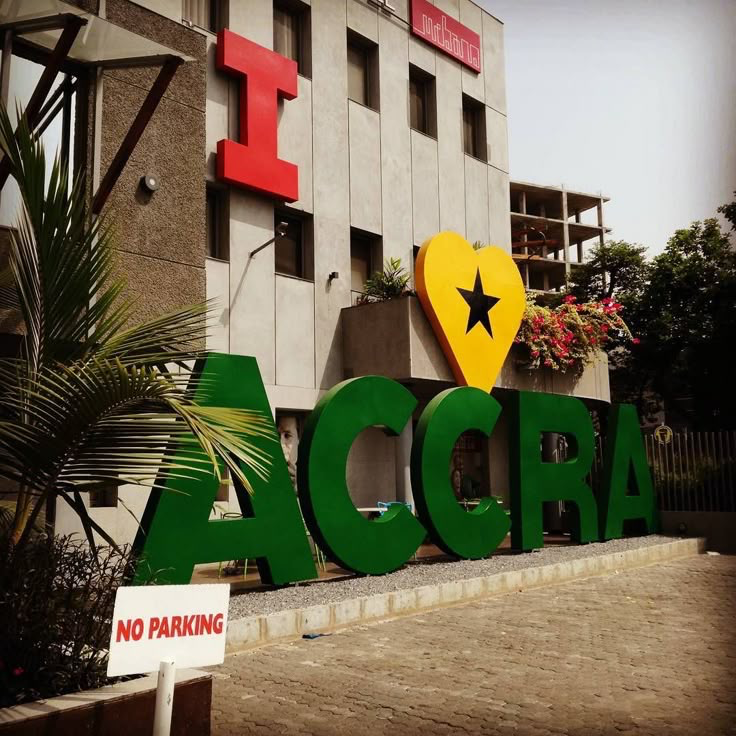
The month-long programme, which is expected to attract thousands of international visitors and members of the Ghanaian diaspora, will feature cultural festivals, music concerts, food exhibitions, heritage celebrations and other entertainment activities aimed at promoting Ghana as a leading tourism destination.
According to the Daily Graphic edition of Thursday, November 12, 2026, the Ghana Tourism Authority is expanding this year’s celebrations beyond Accra to encourage domestic tourism and ensure that other regions benefit from the growing December festivities.
Speaking at a stakeholders’ engagement in Accra, the GTA’s Deputy Chief Executive Officer in charge of Marketing and Special Duties, Gilbert Abeiku Aggrey, disclosed that the programme would feature more than 150 events across the country.
Among the major activities scheduled for the festive season is the Africa Festival of Arts, Culture and Entertainment, which will take place from December 9 to 12, with international artistes expected to perform.
Other events include the Royal City Carnival, Asanteman Global Expo in Kumasi, Bator-Obeze-Elwza Heritage Night, Accra Art Week, African Basketball Festival, AfroFuture and the African Food Festival.
Mr Aggrey explained that the celebrations would extend into the following year as Ghana prepares to mark its 70th anniversary of independence, presenting another opportunity to attract international visitors and showcase the country’s cultural heritage.
He also encouraged stakeholders to recognise members of the diaspora as returnees rather than ordinary visitors, stressing that their connection to Ghana goes beyond tourism because they are returning to their ancestral home.
The development reflects how December in GH has evolved from a period of Christmas celebrations into an internationally recognised homecoming season.
The growth of December in GH can be traced to Ghana’s 2019 Year of Return initiative, which commemorated 400 years since the first enslaved Africans arrived in the Americas.
The initiative encouraged Africans in the diaspora and people of African descent across the world to reconnect with their heritage by visiting Ghana.
Beyond the historical significance of the campaign, the initiative attracted international attention and brought visitors to Ghana’s historic sites, including Cape Coast Castle, while introducing many to the country’s music, food, entertainment and hospitality.
The success of the Year of Return paved the way for the Beyond the Return campaign, which further strengthened Ghana’s efforts to maintain its relationship with the diaspora.
Over time, the December festivities grew into what is now popularly known as December in GH, attracting visitors from the United Kingdom, the United States, Canada, Nigeria and other parts of the world.
The season has since become associated with major concerts, beach activities, cultural celebrations, nightlife and opportunities for people living abroad to reconnect with family and friends.
The expansion of December in GH also reflects the broader tourism development framework established under the Tourism Act, 2011 (Act 817), which created the Ghana Tourism Authority.
The legislation mandates the Authority to promote the sustainable development of tourism in Ghana, both locally and internationally.
It also provides for the regulation and licensing of tourism enterprises, including hotels, guest houses, tour operators and other tourism-related businesses, while establishing the Tourism Development Fund to support tourism development projects.
Through its regulatory and promotional responsibilities, the GTA is expected to maintain standards within the industry, market Ghana as a destination and contribute to the safety and protection of tourism consumers.
These responsibilities have become increasingly important as the country experiences growing international interest during the festive season.
With the increasing number of visitors and events expected across the country, security and emergency response arrangements have become important parts of the preparations for this year’s celebrations.
At the stakeholders’ engagement, the Director of Operations of the Ghana Police Service, Deputy Commissioner of Police (DCOP) Theodore Hormenu, said the police were preparing to manage traffic, crowds and public safety throughout the festivities.
He noted that security was a shared responsibility and called on event organisers and other stakeholders to cooperate with the police by providing timely information about their planned activities.
DCOP Hormenu added that lessons learnt from previous festive seasons would guide the service’s operational preparations.
The Deputy Regional Administrator of the Ghana Ambulance Service, Walter Foli-Ashom, also announced plans to deploy dedicated ambulances, mobile medical posts and strategically positioned emergency response teams.
He explained that the service would adopt a risk-based medical deployment approach and coordinate with the police, fire service and event organisers to ensure effective responses to emergencies.
Mr Foli-Ashom further urged event organisers to submit their calendars early, facilitate accreditation processes and provide secure locations for medical posts and ambulance parking.
Similarly, a Deputy Superintendent of the Ghana Immigration Service, Newman Akuffo, disclosed that the service had positioned emergency response teams as part of preparations for the festive season.
The involvement of the various security and emergency institutions highlights the growing scale of December in GH and the need for coordinated planning to manage the increasing number of visitors and activities.
Beyond the entertainment and cultural experiences, December in GH has become an important economic period for businesses and individuals across several sectors.
Hotels, guest houses, short-stay apartments, restaurants, transportation services, event organisers and tourism operators experience increased demand as visitors arrive in the country.
The season also creates employment and income opportunities for drivers, food vendors, photographers, makeup artists, DJs, fashion designers, security personnel and other service providers.
From traditional Ghanaian dishes such as waakye, kenkey, fufu, kebab, kelewele and jollof to local fashion featuring kente, smocks and Ankara-inspired designs, the celebrations provide opportunities to showcase Ghanaian culture to an international audience.
Major entertainment events such as AfroFuture, Detty Rave and Tidal Rave, alongside concerts held at venues including the Polo Grounds and La Palm, have also contributed to Ghana’s growing reputation as a major December entertainment destination.
The increasing participation of international artistes and visitors has further strengthened the country’s position within Africa’s entertainment and cultural tourism industry.
This year’s decision to organise more than 150 events across different parts of the country is expected to extend some of these economic opportunities beyond Accra to destinations such as Kumasi, Tamale, Cape Coast, Koforidua, Sandema and other communities.
Despite the economic opportunities associated with the festive season, the rapid growth of December in GH has also brought challenges.
Traffic congestion in Accra remains a major concern, with some journeys taking significantly longer during the festive period.
Accommodation costs, transportation fares, food prices and other services also tend to increase as demand rises, sometimes making it difficult for residents who do not earn foreign currency to enjoy activities within their own communities.
There are also concerns about whether the economic benefits of the season are reaching smaller businesses and local communities or remaining concentrated among major hotels, event promoters and large tourism operators.
The Tourism Act’s emphasis on sustainable, responsible and pro-poor tourism development highlights the importance of ensuring that the growth of the industry benefits people across different economic levels.
For December in GH to remain sustainable, there is a need for improved infrastructure, effective traffic management, reasonable pricing, stronger safety arrangements and greater opportunities for local businesses to participate in the tourism value chain.
The expansion of activities into other regions is also expected to support efforts to distribute tourism benefits more widely.
For many Ghanaians living abroad, the festive season represents more than concerts, nightlife and holiday celebrations. It provides an opportunity to reconnect with their families, rediscover their cultural roots and experience a sense of belonging.
The sounds of local languages, traditional music, familiar foods and the warmth of Ghanaian hospitality contribute to the emotional connection that continues to draw members of the diaspora home.
For those living in Ghana, the growing international interest in the country’s December celebrations also presents an opportunity to showcase local culture, creativity and hospitality to the rest of the world.
What started as a Christmas and New Year celebration has gradually developed into a major tourism and cultural event that attracts global attention.
With more than 150 events planned for the 2026 festive season, the Ghana Tourism Authority is positioning December in GH as a nationwide tourism experience while preparations continue for the country’s 70th independence anniversary.
The article was written by Eugenia Naa Otinkorama Ankrah, a National Service Personnel with the Corporate Affairs Department of the Ghana Tourism Authority, who highlights the transformation of December in GH from a festive homecoming into one of Ghana’s major tourism, cultural and economic platforms.

Ghana Targets Nigeria as No. 1 FDI Source as Mahama Team Engages Tony Elumelu

19-YEAR-OLD ARRESTED FOR IMPERSONATING PRISON OFFICER IN TAMALE

MAHAMA CONDEMNS $3BN ANNUAL FOOD IMPORTS, URGES WEST AFRICA TO BOOST LOCAL PRODUCTION

Kofi Kinaata Set for Historic Canada Performances as Ghana Marks 70 Years of Independence

Why Do We Keep Postponing Visits to People We Love? The Relationships We Promise to Maintain

NADFFA 2027: Ghana to Host Pan-African Film and Food Festival in March

GTA Staff Demand Answers on World Cup Visa Slots, Staff Dismissals and Unpaid Allowances

SAMMY GYAMFI’S “MINE WITHOUT LICENCE” REMARK SPARKS FRESH GALAMSEY DEBATE

Nicki Minaj Throws Her Support Behind Trump Ahead of US Midterm Elections

FOKLEX MEDIA AWARDS COMMENDS PRINCE KWAW GYIMAH AND OWASS FM TEAM FOR PROFESSIONALISM DURING KWAME DZOKOTO INCIDENT

Illinois’ financial crisis could bring the state to a halt
The final 6 ‘Game of Thrones’ episodes might feel like a full season
New Season 8 Walking Dead trailer flashes forward in time
Mod turns ‘Counter-Strike’ into a ‘Tekken’ clone with fighting chickens
Meet Superman’s grandfather in new trailer for Krypton
-

 Entertainment8 hours ago
Mawuko Kuadzi Receives Prestigious SOTIGUI Honour at 2026 Awards in Burkina Faso
-

 News Live23 hours ago
Bishop Dr Lord Eagle made is straight on Kessben 92.9fm Accra Awurade Akasa with the host Prophet Richard Afful that Abu trica will be out from US to Ghana
-

 Entertainment8 hours ago
Stop Complaining and Make an Effort– Michy Challenges Shatta Wale Over Majesty
-

 Entertainment23 hours ago
2027 Grammy Nominations: King Ayisoba and Rocky Dawuni Earn African Music Nod as Raye Leads Major Stars
-
 Entertainment7 hours ago
Ghana to Host Over 150 Events as Festive Season Attracts Global Visitors
-
 News Live59 minutes ago
MAHAMA CONDEMNS $3BN ANNUAL FOOD IMPORTS, URGES WEST AFRICA TO BOOST LOCAL PRODUCTION
-

 Entertainment24 hours ago
Don’t Make Majesty Look Poor – Shatta Wale tells Michy Over Son’s Upbringing
-
 Lifestyle3 hours ago
What Happened to the Tradition of Children Running Errands for Neighbours in Ghana?