
Culture
Ghana’s Rich Cultural Heritage: A Beautiful Blend of Tradition, Identity and Modern Life

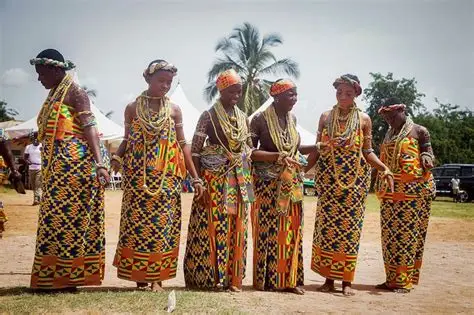
Ghana is a country blessed with a rich and diverse cultural heritage, shaped by centuries of history, traditional beliefs, customs and community values. From its colourful festivals and traditional dances to its distinctive clothing, languages, food and artistic expressions, Ghanaian culture reflects the identity, creativity and resilience of its people.
With more than 100 ethnic and linguistic groups, Ghana is home to a wide range of cultural traditions. Some of the major ethnic groups include the Akan, Ewe, Mole-Dagbani, Ga-Dangme, Guan and Gurma communities. Each group has its own language, traditional leadership structures, festivals, marriage customs, music, dances and ways of celebrating important occasions. Although these communities have different cultural practices, they share values that contribute to Ghana’s national identity.
One of the strongest features of Ghanaian culture is the importance placed on family, respect and community life. Family relationships often extend beyond parents and children to include grandparents, uncles, aunties, cousins and other relatives. In many communities, extended family members play important roles in raising children, supporting one another financially and emotionally, and making important family decisions.
Respect for elders is also deeply rooted in Ghanaian society. Children are traditionally taught to greet older people, listen to their advice and show good manners in their interactions. Greetings are particularly important, as they are considered a sign of respect, recognition and good upbringing. These values are reflected in everyday interactions, traditional ceremonies and community gatherings.
Traditional clothing and craftsmanship
Ghana’s traditional clothing is another important expression of its cultural identity. One of the most recognised fabrics is kente, a colourful handwoven textile associated particularly with the Asante and Ewe communities. Its intricate patterns, colours and designs often carry symbolic meanings connected to history, wisdom, leadership, spirituality and important life experiences.
Kente is commonly worn during festivals, weddings, naming ceremonies, graduations and other significant occasions. Beyond its beauty, the fabric represents the creativity and craftsmanship passed down through generations of weavers.
Other traditional textiles, including adinkra cloth, are equally significant. Adinkra symbols communicate ideas and values through visual designs. Symbols such as Gye Nyame, Sankofa and Dwennimmen represent concepts including God’s supremacy, learning from the past and strength.
Ghana is also known for its traditional bead-making, pottery, wood carving, basket weaving, metalwork and other forms of craftsmanship. The Krobo communities, for example, are widely recognised for their distinctive glass bead-making traditions. These crafts preserve cultural knowledge while providing livelihoods for artisans and supporting local economies.
Festivals that preserve Ghana’s history and traditions
Traditional festivals remain an important part of Ghanaian cultural life. They provide opportunities for communities to remember their history, honour their ancestors, settle differences, renew traditional bonds and celebrate their identity.
Among the well-known festivals is Homowo, celebrated by the Ga people of the Greater Accra Region. The festival commemorates the historical experience of famine and the eventual arrival of bumper harvests. It is marked by traditional drumming, dancing, family gatherings and the sprinkling of kpokpoi, a traditional food prepared from maize.
The Aboakyer Festival, celebrated by the people of Winneba, is another major cultural event. It involves a traditional deer-hunting competition between two Asafo companies, with the successful group presenting its catch as part of the celebration. The festival attracts visitors and provides an opportunity to showcase the community’s traditions.
The Hogbetsotso Festival, celebrated by the Anlo Ewe people, commemorates their historical migration from Notsie in present-day Togo. Through traditional processions, drumming, dancing and storytelling, the celebration reminds younger generations of the struggles and experiences of their ancestors.
Other important celebrations include the Odwira Festival of the Akuapem and Asante communities, the Fetu Afahye of the people of Cape Coast, the Akwasidae celebrations of the Asante Kingdom and the Damba Festival celebrated by several communities in northern Ghana.
These occasions are more than social gatherings. They serve as important cultural institutions through which traditional authorities, elders and community members preserve historical accounts, teach values and pass cultural knowledge from one generation to another.
Music, dance and storytelling
Music and dance occupy a special place in Ghanaian culture. They are present at weddings, funerals, festivals, naming ceremonies, religious gatherings and other social occasions.
Different ethnic groups have distinctive musical traditions and dance forms. The Akan are known for dances such as Adowa and Kete, while the Ga communities are associated with Kpanlogo. The Ewe are widely recognised for Agbadza, a traditional dance performed with energetic movements and rhythmic drumming.
Traditional instruments such as the talking drum, fontomfrom, atumpan, dondo and various types of rattles and bells contribute to Ghana’s musical heritage. These instruments are not only used for entertainment but also for communication, storytelling and ceremonial purposes.
Ghana’s musical identity has continued to evolve through genres such as highlife, hiplife, gospel, Afrobeats and contemporary Ghanaian pop music. Highlife, in particular, has played a significant role in shaping the country’s modern music industry and influencing other African musical styles.
Storytelling is another important part of the country’s cultural heritage. Traditionally, stories were shared around the fire or during family gatherings, with elders using folktales to teach children about honesty, patience, courage, respect and the consequences of certain actions.
Ananse stories, centred on the clever spider character Kwaku Ananse, remain among the most popular examples of Ghanaian oral storytelling. Proverbs also play an important role in everyday communication, allowing people to express complex ideas through short but meaningful statements.
Food as an expression of cultural identity
Ghanaian cuisine is another reflection of the country’s cultural diversity. Food is closely connected to family life, hospitality, celebrations and traditional practices.
Popular dishes include fufu and light soup, banku and tilapia, kenkey with fried fish, waakye, tuo zaafi, omotuo, ampesi and jollof rice. These meals vary across regions and ethnic communities, with ingredients and preparation methods influenced by local traditions and available agricultural produce.
In many Ghanaian households, preparing and sharing food is an important way of strengthening relationships. During festivals, weddings, funerals and other gatherings, large quantities of food are prepared for relatives, friends and visitors.
The tradition of welcoming guests with food and refreshments also reflects the country’s long-standing culture of hospitality.
Traditional authorities continue to play an important role in preserving Ghanaian customs and community traditions. Chiefs, queen mothers, family heads and other traditional leaders help maintain customary practices, settle certain community disputes and oversee cultural ceremonies.
Chieftaincy institutions remain closely connected to Ghana’s history, particularly through traditional councils, stools, skins and ancestral leadership systems. The institution also plays a role in promoting cultural preservation, community development and the protection of traditional heritage.
In addition, customary practices surrounding marriage, childbirth, funerals and naming ceremonies remain significant. Traditional marriage ceremonies, for instance, often involve family introductions, the presentation of customary marriage items and the formal recognition of the union by both families.
Naming ceremonies are equally meaningful, as children are introduced to the family and community through traditions that reflect identity, ancestry and family history.
Although Ghana continues to preserve its traditional heritage, its culture is constantly evolving through modern influences, technology, education, urbanisation and global interaction.
In cities such as Accra, Kumasi, Takoradi and Tamale, traditional and contemporary lifestyles exist side by side. Modern fashion incorporates kente patterns and traditional designs, while Ghanaian musicians continue to blend indigenous rhythms with international sounds.
Social media has also created new opportunities for promoting Ghanaian culture. Young people, content creators, designers, musicians and cultural advocates use digital platforms to showcase traditional clothing, local food, indigenous languages, festivals and historical landmarks to audiences across the world.
Ghana’s creative industries, including fashion, film, music, visual arts and tourism, continue to provide opportunities for cultural expression and economic activity.
However, the influence of modern lifestyles also raises concerns about the gradual loss of some traditional practices. The declining use of indigenous languages among some younger generations, reduced interest in certain traditional crafts and limited knowledge of local histories are among the issues that have drawn attention to the importance of cultural education and preservation.
Encouraging young people to learn their native languages, understand their family histories, participate in traditional festivals and support local artisans can help ensure that Ghana’s cultural heritage remains relevant.
Ghana’s cultural identity is not defined by one ethnic group, language or tradition. Rather, it is shaped by the contributions of different communities whose customs and experiences form part of the country’s collective history.
From the colourful kente fabric and energetic traditional dances to the wisdom of proverbs, the excitement of festivals and the warmth of family gatherings, every aspect of Ghanaian culture tells a story about the people and their way of life.
As the country continues to embrace modern development and global influences, preserving its traditions remains an important responsibility. Cultural heritage should not only be celebrated during festivals and special occasions but also reflected in everyday life.
By appreciating traditional knowledge, supporting local craftsmanship, teaching indigenous languages and encouraging younger generations to understand their roots, Ghana can continue to protect the cultural richness that makes it distinctive.
Ultimately, Ghana’s culture is more than a collection of traditions. It is a living expression of identity, belonging, history and unity that continues to connect generations and introduce the beauty of Ghana to the rest of the world.











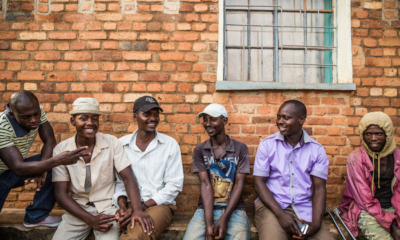




Shea butter is one of Ghana’s most valuable natural products, with a rich history that connects traditional knowledge, women’s entrepreneurship, cultural heritage and economic development. Known locally as nkuto in Twi and kpakahili in Dagbani, the natural fat extracted from shea nuts has been an important part of everyday life in Ghana for generations.

Beyond its familiar use as a skincare and haircare product, shea butter represents an important source of income for thousands of women, particularly in northern Ghana, where the shea tree grows naturally across the savannah belt. Its production has evolved from a traditional household activity into a growing industry that supplies local markets and international manufacturers of cosmetics, soaps, hair products and other personal-care items.

Often described as the ‘Tree of Life’, the shea tree (Vitellaria paradoxa) is deeply connected to the livelihoods of communities in northern Ghana. Its fruits provide food, while its nuts are processed into butter used for cooking, personal care and other domestic purposes. The tree also contributes to the environment by providing shade, supporting biodiversity and growing in areas where other commercial crops may be difficult to cultivate.

The Shea Tree and Its Importance to Northern Ghana
The shea tree is indigenous to the savannah regions of West and Central Africa, with Ghana being one of the important countries within the shea-producing belt.
In Ghana, shea trees are particularly common in the Northern, Savannah, Upper East, Upper West and North East Regions. They grow naturally in communities where farming and other rural economic activities are central to household survival.

Unlike crops that require regular planting and intensive cultivation, shea trees often grow naturally on farmland and in open savannah landscapes. They can take approximately 10 to 15 years or longer to begin producing fruits, depending on growing conditions. Once mature, however, a tree can continue producing fruits for several decades.
The shea fruit usually has a green outer skin that turns yellowish or brownish when ripe. Inside the fleshy fruit is a hard nut containing the kernel from which shea butter is extracted.

For many rural households, the shea season is an important period of economic activity. Women and other community members collect fallen fruits, remove the pulp, extract the nuts and prepare them for processing. The work provides seasonal income and helps families meet their household needs.
The shea tree is therefore more than a source of raw materials. It is part of the agricultural, environmental and economic identity of northern Ghana.

How Traditional Ghanaian Shea Butter Is Produced
The production of traditional shea butter is a labour-intensive process that requires patience, experience and considerable physical effort. Although modern equipment is increasingly being introduced, many women continue to rely on techniques passed down through generations.

The process begins with the collection of ripe shea fruits, which are usually gathered after falling naturally from the trees. The fruits are collected from the ground, cleaned, and their fleshy pulp is removed.
The nuts are then washed and boiled or processed through other preparation methods before being dried in the sun. Proper drying is important because it helps reduce moisture and preserve the quality of the kernels.
After drying, the nuts are cracked to remove their hard outer shells, revealing the kernels inside. These kernels are carefully selected, cleaned and roasted to prepare them for grinding.
The roasted kernels are then pounded or ground into a thick paste. Traditionally, women use grinding stones or milling machines to achieve the desired consistency.

Water is added to the paste, which is then kneaded vigorously by hand. During this stage, the mixture gradually changes colour and releases the natural fat. The process requires considerable strength and experience because the women must work the mixture until the oil separates from the remaining material.
The extracted mixture is heated, allowing the oil to rise to the surface. The oil is then separated, filtered and left to cool. As it cools, it gradually solidifies into the familiar creamy shea butter.
The colour of shea butter can range from ivory and pale yellow to deeper yellowish shades, depending on the nuts, processing methods and other ingredients used. Some traditional producers add natural colourants, including small quantities of other oils, although pure shea butter does not require additional colouring agents.

The final product is packaged in containers or other suitable materials for storage, household use and sale.
This traditional method demonstrates the knowledge and craftsmanship of Ghanaian women, many of whom have mastered the production process through years of practice and experience.

The Different Uses of Shea Butter in Ghanaian Homes
Shea butter has remained a household essential in Ghana because of its versatility. Long before the arrival of many commercially manufactured skincare products, families relied on locally processed shea butter for personal care, cooking and traditional preparations.
1. Skin moisturising and protection
One of the most popular uses of shea butter is skin moisturising. It contains natural fats that help soften the skin and reduce moisture loss. Many Ghanaians apply it to dry skin, cracked heels, elbows, knees and other parts of the body that require extra moisture.
It is also used as a body butter, particularly during the dry season when the harmattan winds can leave the skin dry and rough. Its thick texture makes it useful for people who prefer natural moisturising products without complicated ingredients.

2. Haircare and scalp conditioning
Shea butter is also widely used in haircare, particularly among people who maintain natural, afro-textured and chemically treated hair.
It is applied to hair strands to help reduce dryness, improve softness and make hair easier to manage. Some people also massage it into their scalp as part of their haircare routine.
Today, several Ghanaian haircare businesses incorporate shea butter into hair creams, conditioners, pomades and other products.

3. Traditional cooking
In some northern Ghanaian communities, shea butter is used as a cooking fat. It has traditionally served as an alternative to other cooking oils and is incorporated into the preparation of certain local dishes.
Its use in cooking reflects the importance of the shea tree in rural households, where different parts of the fruit and tree contribute to everyday life.

4. Soap and cosmetic production
Shea butter is an important ingredient in the production of handmade soaps, body creams, lotions, lip balms and other beauty products.
Its natural fatty acids make it useful in soap production, while its moisturising properties make it attractive to manufacturers of skincare products.
Some Ghanaian entrepreneurs have also developed businesses around locally produced shea-based cosmetics, creating opportunities to transform a traditional agricultural product into a finished commercial product.

5. Traditional preparations
Shea butter has also been used in traditional household preparations, including mixtures applied to dry skin and preparations for massage. In some communities, it forms part of traditional ointments and other locally prepared products.
Although it is widely associated with healing, it should not be treated as a substitute for medical treatment. Its most established cosmetic benefit is its ability to moisturise and soften the skin.

Why Ghanaian Shea Butter Is Valued Internationally
Ghanaian shea butter has developed a strong reputation in international markets because of its natural origin, traditional processing methods and the growing demand for plant-based ingredients.
The global cosmetics industry increasingly uses shea butter in moisturisers, body lotions, soaps, haircare products and other personal-care formulations. It is also used in the food industry, including as a source of vegetable fat and in applications involving cocoa butter equivalents.

One of the qualities that makes traditional Ghanaian shea butter attractive is that it is often produced through relatively simple processing methods without extensive industrial refining. This allows buyers to source products with different textures, colours and characteristics depending on their intended use.
Ghana’s shea sector also supplies both handcrafted butter and industrially processed shea products. Industrial processors can separate the fat into different fractions, including stearin and olein, which have applications in cosmetics, food manufacturing and other industries.

According to the Ghana Export Promotion Authority, Ghana is one of the leading suppliers of shea butter and its derivatives to international markets. The country’s products reach buyers in different parts of Europe, Asia, Africa and other regions.
The export market offers an opportunity for Ghana to earn foreign exchange while creating employment in rural communities.

The Women Behind Ghana’s Shea Butter Industry
Perhaps the most important story behind Ghanaian shea butter is the contribution of women.
Across the Northern, Upper East, Upper West, North East and Savannah Regions, thousands of women participate in collecting shea fruits, processing nuts, producing butter and selling the finished products.
For many of these women, shea production is not simply a traditional activity. It is an important economic lifeline that helps them support their families, pay school expenses, purchase household necessities and invest in other small businesses.

Some women operate independently, while others work through cooperatives and community-based associations. These groups enable producers to combine their resources, share equipment, improve production and negotiate with buyers.
The cooperative system is particularly important because individual producers often struggle to meet the large quantities required by commercial buyers.
By working together, women can increase their production capacity and improve their chances of accessing better markets.

However, the industry has not always rewarded the women who do most of the initial work. Many traditional processors face difficulties accessing finance, modern equipment, storage facilities, transportation and reliable buyers. They may also sell their products at relatively low prices because they lack the resources and market information needed to negotiate effectively.
A 2023 academic study of Ghana’s shea value chain identified the strong presence of women at the production and processing stages but highlighted the limited participation of women in some of the more profitable middle and downstream activities.
This makes it important for Ghana to ensure that women benefit not only from collecting and processing shea nuts but also from packaging, branding, manufacturing and exporting finished products.

The Organisations Supporting the Shea Industry
The development of Ghana’s shea sector has involved government institutions, industry associations, development organisations and private businesses.
The Tree Crops Development Authority (TCDA) plays an important role in regulating and developing the shea industry. Established under the Tree Crops Development Authority Act, 2019 (Act 1010), the Authority oversees the production, processing and trading of shea and five other designated tree crops.
Its responsibilities include supporting the development of the industry, improving standards and creating a more organised business environment for producers and other industry participants.

The Ghana Export Promotion Authority (GEPA) also contributes by promoting Ghanaian products in international markets and providing information on export opportunities.
The Shea Network Ghana works to coordinate stakeholders across the shea value chain, advocate for industry development and promote the economic participation of women.
The Global Shea Alliance brings together stakeholders from producing and consuming countries to support sustainable production, improve industry standards and expand market opportunities.
Development partners, including the United Nations Development Programme (UNDP), have also supported projects aimed at improving processing facilities, strengthening women’s cooperatives and protecting shea-producing landscapes.

Ghana’s shea sector has also received institutional support from COCOBOD, which historically played a role in the development and regulation of the industry. However, regulatory responsibility has since shifted to the TCDA.
The importance of shea butter to rural livelihoods has encouraged increased attention to the sector’s development.
In June 2026, the TCDA announced a minimum producer price of GH¢9.01 per kilogram for raw shea nuts for the 2026 crop season, equivalent to GH¢765.63 for an 85-kilogram bag. The measure was intended to help ensure fairer returns for producers.

The Authority also announced that exporters of shea and other designated tree crops would require valid written export permits from April 1, 2026.
These measures form part of efforts to bring greater organisation to the industry, improve producer protection and strengthen Ghana’s position in the international market.
In addition, government and development partners have supported initiatives to introduce modern processing equipment, improve storage facilities and help women increase the quality and quantity of their products.
A notable example is the UNDP-supported intervention in the Tempane District of the Upper East Region, where processing equipment and a shea butter factory were handed over in 2026 to help women improve production and expand their economic opportunities.

The Economic Importance of Shea Butter to Ghana
The shea industry is an important contributor to Ghana’s rural economy, particularly because it provides employment opportunities in communities where formal employment and large-scale industrial activities may be limited.
According to figures published by the UNDP in June 2026, Ghana produces approximately 130,000 to 150,000 metric tonnes of shea nuts annually, with an estimated value of US$118 million. The sector provides an economic lifeline for women across the Northern Savannah Zone.

The economic benefits extend beyond the women who collect and process the nuts. Other people earn a living through transportation, packaging, storage, wholesale distribution, retail sales and the manufacturing of shea-based products.
Small businesses have also emerged around the production of locally branded shea butter, creating opportunities for young entrepreneurs interested in natural skincare and beauty products.
For Ghana, increasing the amount of shea butter processed and packaged locally could generate greater economic benefits than relying heavily on the export of raw shea nuts.
Rather than selling most of the raw materials, the country has an opportunity to develop more local factories, cosmetics brands and manufacturing businesses that can compete internationally.
This would allow more of the financial value generated by the global shea market to remain within Ghana.

Challenges Facing Ghana’s Shea Butter Industry
Despite its economic potential, the shea industry continues to face several challenges that affect producers, processors and exporters.
1. Labour-intensive production
Traditional shea butter production involves several stages of manual labour. From collecting the fruits to cracking the nuts, grinding the kernels and kneading the paste, the process requires considerable time and physical effort.
Women who depend on traditional methods may struggle to produce large quantities to meet commercial demand.

2. Limited access to modern equipment
Many small-scale processors lack access to affordable machinery that could improve production and reduce the physical demands of the work.
Modern processing facilities can help women increase their output, improve consistency and reduce production time.

3. Inadequate storage and transportation
Shea nuts must be properly dried and stored to maintain their quality. Poor storage conditions can expose them to moisture, contamination and other factors that affect the final product.
In some rural communities, transporting harvested nuts to processing centres and markets also remains difficult.

4. Limited access to finance
Many women operate small businesses with limited capital. This makes it difficult for them to purchase raw materials in large quantities, acquire machinery, improve packaging or expand their businesses.
Access to affordable loans and business development support could help more women move from small-scale production into larger commercial operations.
5. Market access and unfair pricing
Another major concern is the difference between the value women receive for their raw materials and the prices at which processed shea products are eventually sold.
Without strong bargaining power and direct access to international buyers, some producers remain dependent on middlemen and aggregators.
Strengthening cooperatives and establishing better market connections could help address this challenge.
Protecting the Shea Tree for Future Generations
The future of the shea industry depends heavily on protecting the trees that sustain it.
Although shea trees grow naturally across Ghana’s savannah belt, they face threats from bushfires, deforestation, land clearing, changing weather conditions and the expansion of agricultural activities.
The destruction of mature shea trees is particularly concerning because they take many years to grow and begin producing fruit.
When an established shea tree is cut down, communities can lose a valuable source of income for years before another tree matures and begins producing nuts.
Protecting existing shea parklands, encouraging the planting of new trees and adopting sustainable harvesting practices are therefore important for the long-term survival of the industry.
Communities also need to be involved in conservation efforts because the women who depend on shea production have a direct interest in protecting the trees.
Initiatives supported by the UNDP, Forestry Commission and other partners have focused on restoring shea landscapes, improving sustainable management and strengthening community participation in the value chain.

The Future of Ghanaian Shea Butter
Ghana has considerable potential to become an even stronger player in the global shea industry.
With increasing international interest in natural skincare ingredients, plant-based cosmetics and ethically sourced products, Ghanaian producers have an opportunity to expand beyond the traditional sale of unbranded shea butter.
The development of locally owned skincare companies, improved packaging, product certification and international marketing could help Ghanaian businesses reach more consumers.

There is also a need to encourage young people to see shea production as a viable business opportunity rather than an activity associated only with older generations of women in rural communities.
Young entrepreneurs can contribute through digital marketing, product development, modern manufacturing, branding and the creation of businesses that connect traditional producers to international customers.
Investment in research could also help improve the quality of shea butter, develop more efficient processing techniques and strengthen the country’s capacity to meet international standards.
The government’s Shea Sector Development Programme, under the Presidential Initiatives in Agriculture and Agribusiness, has identified support for women-led cooperatives, modern processing centres, sustainable harvesting and increased local value addition as important priorities.

More Than a Beauty Product: A Symbol of Ghanaian Heritage
Shea butter tells a story that goes beyond beauty and personal care. It represents generations of traditional knowledge, the resilience of rural women and the economic importance of natural resources to Ghanaian communities.
For many women in northern Ghana, the shea season represents an opportunity to earn an income through skills inherited from their mothers and grandmothers. The methods may be gradually changing with the introduction of modern machinery, but the knowledge and cultural significance behind the craft remain important.

From the collection of fruits beneath the shea trees to the careful processing of kernels and the production of creamy butter, every stage reflects a tradition that has survived for generations.
Today, that same product is finding its way into international skincare brands, cosmetic factories and manufacturing industries, introducing Ghana’s natural resources and traditional craftsmanship to consumers around the world.
The challenge for Ghana is to ensure that as the industry grows, the women who sustain it receive a fair share of its benefits.

Ultimately, shea butter is more than a natural product extracted from a tree. It is a source of livelihood, a symbol of women’s enterprise, an important part of Ghana’s cultural heritage and a reminder of the economic opportunities that can emerge when traditional knowledge is supported with investment, innovation and sustainable development.
Culture
Beyond the Flag: The Powerful Symbols That Tell Ghana’s Story of Freedom, Unity and Heritage
Ghana’s national symbols are more than colourful designs, historic monuments and ceremonial objects. They represent the country’s journey to independence, its cultural identity, the sacrifices of its forebears and the values that continue to shape its people.
From the red, gold, and green national flag to the Coat of Arms, the national anthem, the Black Star, and historic landmarks such as the Independence Arch and Kwame Nkrumah Mausoleum, each symbol tells an important story about Ghana’s past, present, and aspirations for the future.

These symbols remind us of the struggles that brought the country freedom from British colonial rule on March 6, 1957, making Ghana the first country in sub-Saharan Africa to gain independence.
They also play an important role in promoting patriotism, national unity and a sense of belonging among Ghanaians. They are displayed in schools, government institutions, public ceremonies and international events, helping to communicate Ghana’s identity to the rest of the world.
While some of these symbols are officially recognised national emblems, others are important historical landmarks and cultural representations that have become closely associated with Ghana’s identity.
1. The National Flag: A Symbol of Freedom, Wealth and African Unity

The national flag is one of Ghana’s most recognisable symbols and represents the country’s independence, national pride and commitment to African unity.
It was designed by Ghanaian artist and educator Theodosia Salome Okoh and first hoisted on March 6, 1957, when the Gold Coast gained independence and became Ghana.
The flag consists of three horizontal stripes of red, gold and green, with a black five-pointed star positioned at the centre of the gold band. Its colours were inspired by the Pan-African movement, with Ethiopia’s flag serving as an important influence.

Each colour carries a particular meaning. Red represents the blood and sacrifices of those who fought for Ghana’s independence. Gold symbolises the country’s mineral wealth, particularly its gold resources, while green represents Ghana’s rich vegetation, fertile agricultural lands and natural resources.
The black star, often described as the lodestar of African freedom, represents African emancipation, unity and the determination of Black people to achieve self-government.
Its association with the Black Star Line, established by Pan-Africanist Marcus Garvey, further connects it to the wider struggle for African liberation and the empowerment of people of African descent.

Ghana’s flag also has an interesting political history. In 1964, under President Kwame Nkrumah, the gold stripe was replaced with white, reflecting the colours of the ruling Convention People’s Party. However, following the overthrow of Nkrumah’s government in February 1966, the original red, gold and green design was restored on February 28, 1966.
Today, the flag is displayed at schools, government offices, sporting events and national celebrations. It remains a powerful reminder of the sacrifices made to secure Ghana’s freedom and the country’s place in Africa’s history.

2. The National Coat of Arms: Representing Ghana’s Resources and Governance
Ghana’s Coat of Arms is another important national emblem that represents the country’s history, traditional institutions, natural resources and political aspirations.
It was designed by Ghanaian artist and surveyor Nii Amon Kotei and introduced on March 4, 1957, shortly before independence.
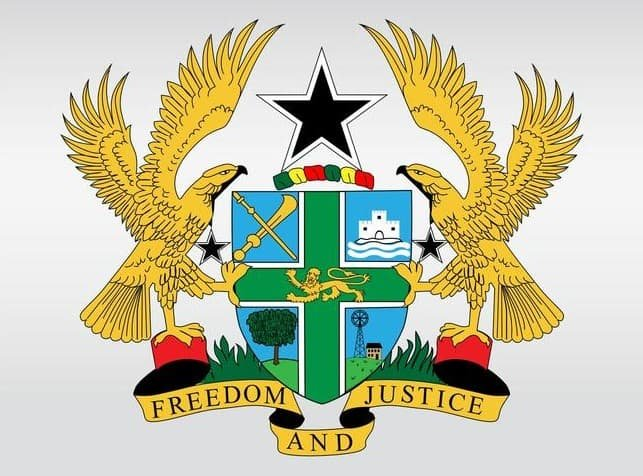
The emblem features a shield divided into four sections by a green St George’s Cross edged in gold. Each section carries an image representing an important aspect of Ghanaian society and national development.
The upper-left section contains a crossed linguist’s staff and ceremonial sword, representing traditional leadership and the importance of chieftaincy in Ghanaian culture.
The upper-right section features Osu Castle, which represents the national government and administration. The building served as the seat of government for several years.

The lower-left section contains a cocoa tree, reflecting the importance of agriculture and cocoa production to Ghana’s economy. For many years, cocoa has been one of the country’s major export commodities and a significant source of livelihood for farmers.
The lower-right section displays a gold mine, symbolising Ghana’s mineral resources and its historical reputation as a major gold-producing country.
At the centre of the green cross is a gold lion, representing Ghana’s relationship with the Commonwealth of Nations.
Above the shield is a black five-pointed star edged in gold, representing African freedom. Two golden tawny eagles support the shield, symbolising strength and protection. Each eagle wears a black star medallion suspended from a ribbon in Ghana’s national colours.
Beneath the shield is the national motto, “Freedom and Justice.”
The motto reflects the principles of liberty, fairness and equal treatment that Ghana seeks to uphold as an independent nation.
The Coat of Arms is used on official government documents, state buildings, institutional materials and other national instruments. It reminds citizens that Ghana’s identity is built on traditional authority, natural wealth, effective governance and the pursuit of justice.
3. The National Anthem: A Song That Unites Ghanaians
Ghana’s national anthem, God Bless Our Homeland Ghana, is one of the country’s most important expressions of patriotism and national identity.
The anthem is performed during national ceremonies, school assemblies, official government functions, sporting competitions and other important public gatherings.
Its lyrics express gratitude, patriotism, loyalty and the determination of citizens to work together for the country’s development.
The anthem encourages Ghanaians to defend their freedom, uphold the nation’s ideals and remain committed to building a prosperous country. It also reflects the sacrifices of those who fought for independence and the responsibility of succeeding generations to protect the freedom they secured.

The music was composed by Philip Gbeho, a Ghanaian musician and composer, while the lyrics were adopted following the country’s independence.
For many Ghanaians, the anthem is among the earliest expressions of national identity they encounter in childhood. Pupils are introduced to it in schools, where they learn to stand in respect and sing the words during morning assemblies.
Beyond its ceremonial importance, the anthem serves as a reminder that national development requires collective responsibility, patriotism and a shared commitment to the country’s future.
4. The National Pledge: A Commitment to Loyalty and Service
The National Pledge is another important expression of Ghanaian identity. It represents the commitment citizens make to their country and the responsibility they have towards protecting its reputation, heritage and sovereignty.
The pledge begins with the words, “I promise on my honour to be faithful and loyal to Ghana, my motherland.”
It goes further to express a commitment to serving Ghana with strength and dedication, respecting the country’s heritage and defending its good name.
The pledge also acknowledges the sacrifices of previous generations whose blood and hard work helped secure the country’s independence.

It is traditionally recited alongside the national anthem during school assemblies, national events and other official gatherings.
For generations of Ghanaian schoolchildren, learning the pledge has been an important part of civic education. It introduces young people to the values of patriotism, discipline, loyalty and national responsibility.
The National Commission for Civic Education (NCCE) has repeatedly emphasised that respecting national symbols is part of the responsibilities of Ghanaian citizens under Article 41 of the 1992 Constitution.
The pledge therefore goes beyond a daily recitation. It serves as a reminder that every citizen has a role to play in building and protecting the country.
5. The Black Star: Ghana’s Connection to African Liberation

The Black Star is one of the most powerful symbols associated with Ghana and its historical contribution to the African independence movement.
It occupies a prominent position on the national flag and Coat of Arms and represents African freedom, dignity, unity and the determination of Black people to overcome colonial oppression.
Its historical connection is strongly associated with Marcus Garvey’s Pan-African movement and the Black Star Line, a shipping company established to promote economic independence and connections among people of African descent.
When Ghana gained independence in 1957, the Black Star became an important representation of the country’s ambition to inspire other African nations to pursue self-government.

Its significance extends beyond political history. Ghana’s national football team is also known as the Black Stars, carrying the emblem into international sporting competitions.
The star is prominently displayed at Independence Square in Accra, where it sits above the Independence Monument. It has also become a familiar feature in Ghanaian fashion, music, art and national celebrations.
For many Ghanaians, the Black Star represents more than the country itself. It reflects the wider African dream of freedom, self-determination and unity.

6. Adinkra Symbols: The Wisdom and Philosophy of Ghanaian Culture

Adinkra symbols are among the most recognised cultural expressions associated with Ghana, particularly among the Akan people.
Unlike the national flag and Coat of Arms, which are official national emblems, Adinkra symbols are traditional cultural representations that communicate philosophical ideas, proverbs, moral lessons and historical experiences.
They originated from Akan traditions and were historically associated with mourning cloth worn during funerals. Over time, their use expanded into clothing, architecture, jewellery, woodwork, painting and other forms of artistic expression.

Each symbol carries a particular message, making Adinkra an important visual language through which traditional wisdom is passed from one generation to another.
Some of the widely recognised symbols include:
Sankofa: Represents the importance of learning from the past to build a better future. It is commonly illustrated by a bird turning its head backwards to retrieve an egg.
Gye Nyame: Expresses the supremacy and power of God.
Duafe: Represents feminine qualities such as beauty, cleanliness and care.
Dwennimmen: Symbolises strength combined with humility, inspired by the image of a ram’s horns.
Akoma: Represents the heart and is associated with patience, tolerance and love.
Aya: Represents endurance, resilience and resourcefulness, inspired by the fern plant.
Akoben: Represents vigilance, preparedness and readiness to respond to a call.
These symbols continue to feature prominently in Ghanaian fashion, cultural celebrations, souvenirs and creative industries.

Their growing international recognition has also helped introduce Ghanaian philosophy and traditional artistic knowledge to audiences around the world.
Adinkra is therefore an important part of the country’s cultural identity, reminding Ghanaians that their heritage contains valuable lessons about leadership, relationships, resilience, spirituality and community life.

7. The State Sword: A Symbol of Traditional Authority and National Power
The State Sword is another important national symbol recognised in Ghana’s civic and traditional institutions.
It represents authority, sovereignty, leadership and the responsibility associated with the exercise of power.
Swords have historically played an important role in Ghanaian traditional governance, particularly among Akan communities, where ceremonial swords are associated with chieftaincy, customary authority and the installation of traditional leaders.
They are also used during important state and traditional occasions to represent the authority of the institution or office they accompany.
The significance of the sword is reflected in the national Coat of Arms, where a ceremonial sword appears alongside a linguist’s staff in the upper-left section of the shield.

The combination represents the importance of traditional leadership and customary institutions in Ghana’s national identity.
The National Commission for Civic Education has also identified the State Sword among the national symbols that citizens are expected to respect.
Beyond its physical appearance, the sword represents the connection between Ghana’s traditional systems of governance and its modern constitutional state.
8. The Ghana Cedi: A Symbol of Economic Identity and Sovereignty
The Ghana cedi is not only the country’s official currency but also an important representation of its economic identity and sovereignty.
Introduced in 1965 to replace the Ghanaian pound, the cedi has become a central part of everyday life, facilitating trade, business transactions, savings and other economic activities.
The name cedi comes from the Akan word sedie, meaning cowrie shell. Cowrie shells were historically used as a medium of exchange in parts of West Africa, making the name a connection between Ghana’s modern monetary system and its traditional trading history.

The cedi is divided into 100 pesewas, and its banknotes and coins feature important national figures, historical representations and other elements of Ghana’s heritage.
Dr Kwame Nkrumah, Ghana’s first President, is among the historical personalities featured on Ghanaian currency.
The currency represents the country’s ability to operate its own monetary system as an independent nation.
It is also a reminder of the importance of economic stability, financial responsibility and the development of local industries in strengthening Ghana’s sovereignty.
The National Commission for Civic Education includes the Ghanaian currency among the national symbols that citizens should respect.

9. The Independence Arch: A Monument to Ghana’s Freedom
Standing prominently at Independence Square in Accra, the Independence Arch is one of Ghana’s most significant historical landmarks.
It commemorates the country’s independence from British colonial rule and represents the sacrifices, determination and political struggle that led to the birth of the Republic of Ghana.

The monument is closely associated with March 6, 1957, when Dr Kwame Nkrumah announced Ghana’s independence and declared the country’s determination to govern itself.
The structure forms part of Independence Square, which is also popularly known as Black Star Square. The square was completed in 1961 to coincide with the state visit of Queen Elizabeth II to Ghana.
The Independence Monument features a large central opening, smaller side openings and a prominent black star at the top. The inscription “AD 1957” and the words “Freedom and Justice” reinforce its connection to the country’s independence and national ideals.

Its architectural design gives it a commanding presence in the capital and makes it one of the most recognisable locations associated with Ghanaian national celebrations.
Every year, Independence Square becomes a major venue for national commemorations, including Independence Day parades, military displays, cultural performances and official speeches.
The Independence Arch and the surrounding square also attract tourists, historians, photographers and visitors interested in Ghana’s political history.
Although it is a historical monument rather than an official emblem like the national flag, its significance in Ghana’s collective memory makes it an important representation of national pride and freedom.

10. The Kwame Nkrumah Mausoleum: Preserving the Legacy of Ghana’s First President
Located in the heart of Accra, the Kwame Nkrumah Memorial Park is one of the country’s most important historical and cultural landmarks.
The memorial honours Dr Kwame Nkrumah, Ghana’s first President and one of the leading figures in the African independence movement.

Nkrumah played a central role in Ghana’s struggle against British colonial rule, leading the country to independence on March 6, 1957. His political vision extended beyond Ghana, as he strongly advocated for African unity, economic independence and the liberation of other African countries from colonial administration.
The mausoleum was constructed under the administration of former President Jerry John Rawlings and officially opened to the public in 1992. It was designed by Ghanaian architect E. G. A. Don-Arthur and occupies the site of the former British colonial polo grounds, where Nkrumah made his historic independence declaration.
The five-acre memorial complex houses the remains of Kwame Nkrumah and his wife, Fathia Nkrumah.
Its architectural design is particularly distinctive. The structure resembles an upside-down sword, which is associated with peace in Akan symbolism. It is covered in Italian marble, topped with a black star and surrounded by water, which represents life.
Inside the mausoleum is a marble tomb containing Nkrumah’s remains. The memorial also features a museum displaying photographs, personal belongings, historical documents and other artefacts that tell the story of his life and political achievements.

One of the most significant inscriptions associated with the memorial is Nkrumah’s famous declaration, “Africa Must Unite”, which captures his vision for a united African continent.
The facility underwent a major redevelopment and modernisation project and was officially reopened on July 4, 2023, to improve its facilities and enhance the visitor experience.
Today, the memorial serves as a place of remembrance, education and reflection. It attracts local and international visitors interested in Ghana’s independence history and Nkrumah’s contribution to Pan-Africanism.

11. Black Star Square: A Place of National Celebration and Remembrance
Black Star Square, officially known as Independence Square, is another major landmark that reflects Ghana’s national identity and historical journey.
Located in Accra, the square was commissioned under the administration of Kwame Nkrumah and completed in 1961. It was built as a monumental space for national ceremonies and important state occasions.

The square features the Independence Arch, the Independence Monument and the Black Star Gate, which carries the image of the black star associated with African freedom.
Its vast open space makes it suitable for military parades, national celebrations, cultural performances and other major public gatherings.
One of its most important events is Ghana’s annual Independence Day celebration on March 6, when citizens gather to commemorate the country’s freedom and honour those who contributed to the independence struggle.

Black Star Square is also a significant tourist attraction, offering visitors an opportunity to appreciate Ghana’s political history and the architectural monuments associated with its independence.
The square is a reminder that independence was not simply a change in political administration but a historic achievement that gave Ghanaians the opportunity to determine their own future.

12. The National Seal: Representing the Authority of the Republic
The National Seal is another important representation of Ghana’s sovereignty and state authority.
It is associated with the official identity of the Republic and the authentication of important state business.
The seal is closely connected to the national Coat of Arms, which contains the black star, the golden eagles, the shield and the motto “Freedom and Justice”.
Official seals and state emblems serve an important purpose in distinguishing government authority and authenticating documents and other official instruments.

Their use reflects the country’s constitutional system and the authority exercised by its public institutions.
The National Seal therefore represents more than an official design. It reflects the existence of Ghana as an independent state with its own institutions, laws and governing authority.
Why Ghana’s National Symbols Matter
Ghana’s national symbols play an important role in preserving the country’s history and strengthening its collective identity.
They connect younger generations to the sacrifices of previous generations and provide an opportunity for citizens to understand the values upon which the country was established.
In schools, the national anthem and pledge introduce children to patriotism and civic responsibility. The national flag and Coat of Arms remind citizens of the country’s sovereignty, while traditional symbols such as Adinkra preserve the wisdom and philosophy of Ghanaian communities.
Historical landmarks such as Independence Square and the Kwame Nkrumah Memorial Park also provide opportunities for education, tourism and national reflection.
The importance of respecting these symbols is recognised under Article 41(a) of Ghana’s 1992 Constitution, which requires citizens to promote the prestige and good name of Ghana and respect the symbols of the nation. The National Commission for Civic Education has also highlighted the responsibility of citizens to uphold these symbols.
Ultimately, Ghana’s national symbols tell a story that goes beyond independence. They reflect a nation shaped by diverse cultures, traditional values, political struggles and the aspirations of its people.
As Ghana continues to develop and present itself to the world, these symbols remain important reminders of where the country came from, what it stands for and the legacy it must preserve for future generations.
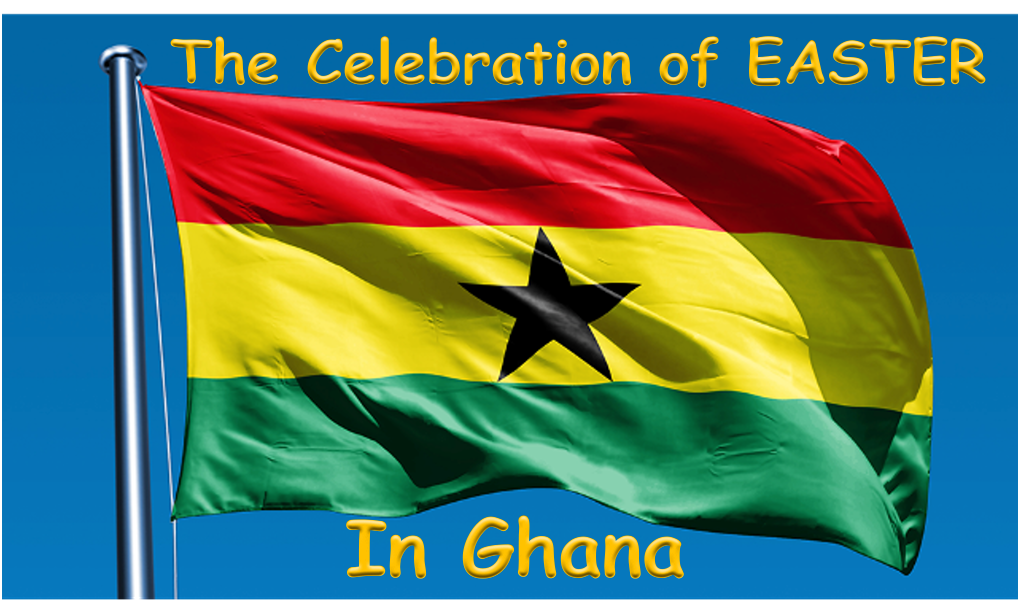
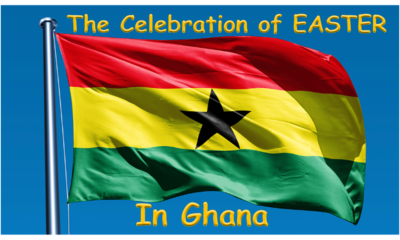
Easter in Ghana is more than a religious celebration; it is a special season that brings together faith, culture, family, tourism and entertainment. While Christians across the country commemorate the death and resurrection of Jesus Christ, the period also provides an opportunity for people to travel, reconnect with loved ones, explore tourist attractions and participate in exciting outdoor activities.
Unlike many religious occasions that are observed mainly within churches, Easter in Ghana comes with a unique blend of spiritual reflection and social celebrations. From the solemn observance of Good Friday to the excitement of Easter Sunday and the outdoor activities of Easter Monday, the season creates memorable experiences for people of different ages and backgrounds.
One of the most recognised destinations during the Easter season is Kwahu in the Eastern Region, where thousands of visitors gather annually for the famous Kwahu Easter festivities.
Good Friday: A Day of Reflection and Remembrance
Good Friday marks one of the most significant days in the Christian calendar. It commemorates the crucifixion and death of Jesus Christ, reminding Christians of His sacrifice and the foundation of their faith.
Across Ghana, churches organise special services, prayer meetings, Bible readings and sermons focusing on the suffering and death of Jesus Christ. Many Christians use the day for fasting, repentance, meditation and personal reflection.
Some churches organise processions, dramatic presentations of the crucifixion and special prayer sessions to help worshippers reflect on the events leading to Christ’s death.
For many families, Good Friday is also a quiet day spent at home, with some avoiding entertainment, parties and other activities as a sign of respect for the solemn occasion.
Holy Saturday: Preparing for the Resurrection Celebration
Holy Saturday, which falls between Good Friday and Easter Sunday, is another important day in the Easter celebration.
It commemorates the period Jesus Christ lay in the tomb before His resurrection. Although the day is generally quieter than Easter Sunday, churches use the occasion to prepare for the celebration of Christ’s victory over death.
Some congregations organise prayer vigils, overnight services and Easter conventions, while others prepare their churches and communities for the major celebration ahead.
For families and travellers, Holy Saturday is also a time to make final preparations for Easter Sunday gatherings, picnics and trips to popular tourist destinations.
Easter Sunday: Celebrating the Resurrection of Jesus Christ
Easter Sunday is the high point of the Christian celebration, marking the resurrection of Jesus Christ from the dead.
Churches across Ghana come alive with joyful worship, thanksgiving, singing, dancing and special sermons celebrating the resurrection. Congregations often dress in beautiful outfits, with white clothing particularly popular as a symbol of purity, victory and new life.
Some churches organise sunrise services, dawn prayers, Easter conventions and special musical performances to mark the occasion.
Unlike Good Friday, which is characterised by solemn reflection, Easter Sunday is filled with excitement and thanksgiving. Christians exchange greetings, embrace one another and celebrate the message of hope, forgiveness and new beginnings.
Following church services, families and friends gather to enjoy special meals and spend quality time together. Popular Ghanaian dishes such as jollof rice, fried rice, fufu, banku, grilled chicken, yam, plantain and assorted soups often feature on Easter menus.
For many households, the day is also an opportunity to visit relatives, welcome guests and strengthen family relationships.
Easter Monday: A Day for Picnics, Tourism and Outdoor Fun
Easter Monday is widely associated with outdoor celebrations, family picnics and recreational activities in Ghana.
After the religious activities of the preceding days, many people use the holiday to relax, travel and enjoy the company of friends and relatives.
Popular destinations include the Legon Botanical Gardens, Aburi Botanical Gardens, beaches, parks, resorts and other recreational centres.
Families organise picnics, prepare food, play games, take photographs and participate in activities such as swimming, boating and sightseeing.
For children and young people, Easter Monday offers an opportunity to enjoy games, music, dancing and other recreational activities outside the usual home and school environment.
The day also provides an important boost for businesses in the hospitality, transportation, food and tourism industries, as many establishments welcome increased numbers of visitors.
Kwahu Easter: Ghana’s Biggest Easter Tourism Attraction
No discussion of Easter in Ghana is complete without mentioning Kwahu.
Located in the Eastern Region, Kwahu has become one of the country’s most popular destinations during the Easter season. Its beautiful mountainous landscape, rich cultural heritage and lively entertainment activities attract thousands of visitors from different parts of Ghana and abroad.
The annual Kwahu Easter celebration has grown beyond a religious gathering into a major tourism and entertainment event, bringing together families, tourists, celebrities, businesspeople, traditional leaders and entertainment lovers.
The festivities are spread across several communities, including Obomeng, Mpraeso, Abetifi, Nkawkaw, Atibie and other towns in the Kwahu area.
Here are some of the exciting activities that make Kwahu Easter special:
Paragliding at Odweanoma Mountain
One of the biggest attractions of Kwahu Easter is paragliding at the Odweanoma Mountain in Atibie.
The activity attracts adventure lovers who want to experience the excitement of flying above the beautiful Kwahu landscape.
Participants, under the supervision of trained pilots, take off from the mountain and enjoy breathtaking aerial views of the surrounding communities, hills and valleys.
Paragliding has become one of the signature attractions associated with Kwahu Easter, helping to position the area as an important adventure tourism destination.
Mountain Hiking and Sightseeing
Kwahu’s mountainous environment provides opportunities for hiking, sightseeing and nature exploration.
Visitors can explore scenic locations, enjoy fresh air and take photographs of the beautiful landscape.
For people who enjoy outdoor adventures, hiking offers an opportunity to experience the natural beauty of the area while discovering some of its remarkable geographical features.
Street Carnivals and Entertainment
During Easter, parts of Kwahu transform into lively entertainment centres.
Music, dancing, street parties, live performances and social gatherings create an exciting atmosphere, particularly in the evenings.
Popular musicians, DJs and entertainment personalities often feature in events organised by individuals, businesses and entertainment promoters.
These activities attract young people and music lovers who travel to Kwahu to enjoy the festive atmosphere.
Cultural Displays and Traditional Celebrations
Beyond the entertainment, Kwahu Easter offers visitors an opportunity to appreciate the area’s cultural identity and traditions.
Traditional drumming, dancing, local customs and community gatherings form part of the wider celebrations.
Visitors can also explore the history and heritage of Kwahu through interactions with residents and traditional communities.
Exploring Local Food and Delicacies
Food is another important part of the Kwahu Easter experience.
Visitors have the opportunity to enjoy a variety of Ghanaian meals, including fufu, banku, kenkey, grilled fish, roasted plantain, yam and traditional soups.
Local food vendors and restaurants often experience increased patronage during the season, providing visitors with an opportunity to enjoy authentic Ghanaian cuisine.
Sports and Recreational Activities
Sports also contribute to the excitement of the Easter season.
Football matches, basketball games and other recreational competitions provide entertainment for both participants and spectators.
Some communities and event organisers use the occasion to organise sporting activities that encourage interaction, teamwork and healthy competition.
Visiting Tourist Attractions Around Kwahu
Easter provides an excellent opportunity to explore some of the tourist attractions in and around the Kwahu area.
Visitors can discover scenic viewpoints, waterfalls, historical locations and natural attractions while learning more about the region’s history and culture.
For those who want something beyond parties and nightlife, exploring these locations offers a different but equally memorable Easter experience.
Another important aspect of Easter in Ghana is the spirit of giving and helping others.
Many churches, religious organisations, individuals and corporate institutions use the season to support vulnerable members of society.
Activities often include donations of food, clothing and essential supplies to orphanages, hospitals, prisons and communities in need.
Some churches organise visits to hospitals and care facilities, offering prayers, encouragement and material assistance to patients and other vulnerable people.
These acts of kindness reflect the Christian message of love, compassion, sacrifice and service to humanity.
Easter and Its Impact on Ghana’s Tourism Industry
Easter has become an important period for Ghana’s tourism and hospitality sectors.
The movement of people from cities to tourist destinations creates business opportunities for hotels, guesthouses, restaurants, transport operators, event organisers, tour guides and local vendors.
Kwahu, in particular, experiences increased commercial activity as visitors arrive to participate in the festivities.
The season also provides an opportunity to promote Ghana’s tourist attractions to international visitors and encourage domestic tourism.
Beyond the economic benefits, Easter helps showcase Ghana’s hospitality, cultural diversity and ability to combine religious traditions with modern entertainment.
Easter in Ghana represents different things to different people. For Christians, it is a celebration of the death and resurrection of Jesus Christ and the hope that comes with His victory over death.
For families, it is a time to reconnect, share meals and create memories. For young people and adventure lovers, it offers opportunities to travel, attend concerts, explore tourist attractions and participate in outdoor activities.
For businesses and tourism operators, it is one of the periods when domestic travel and entertainment activities generate significant economic opportunities.
Whether spending the season in church, enjoying a family picnic, exploring tourist attractions or joining the lively celebrations in Kwahu, Easter remains one of Ghana’s most distinctive festive periods.
It is a celebration that brings together faith, culture, adventure, hospitality and community spirit, making Easter in Ghana an experience worth looking forward to every year.
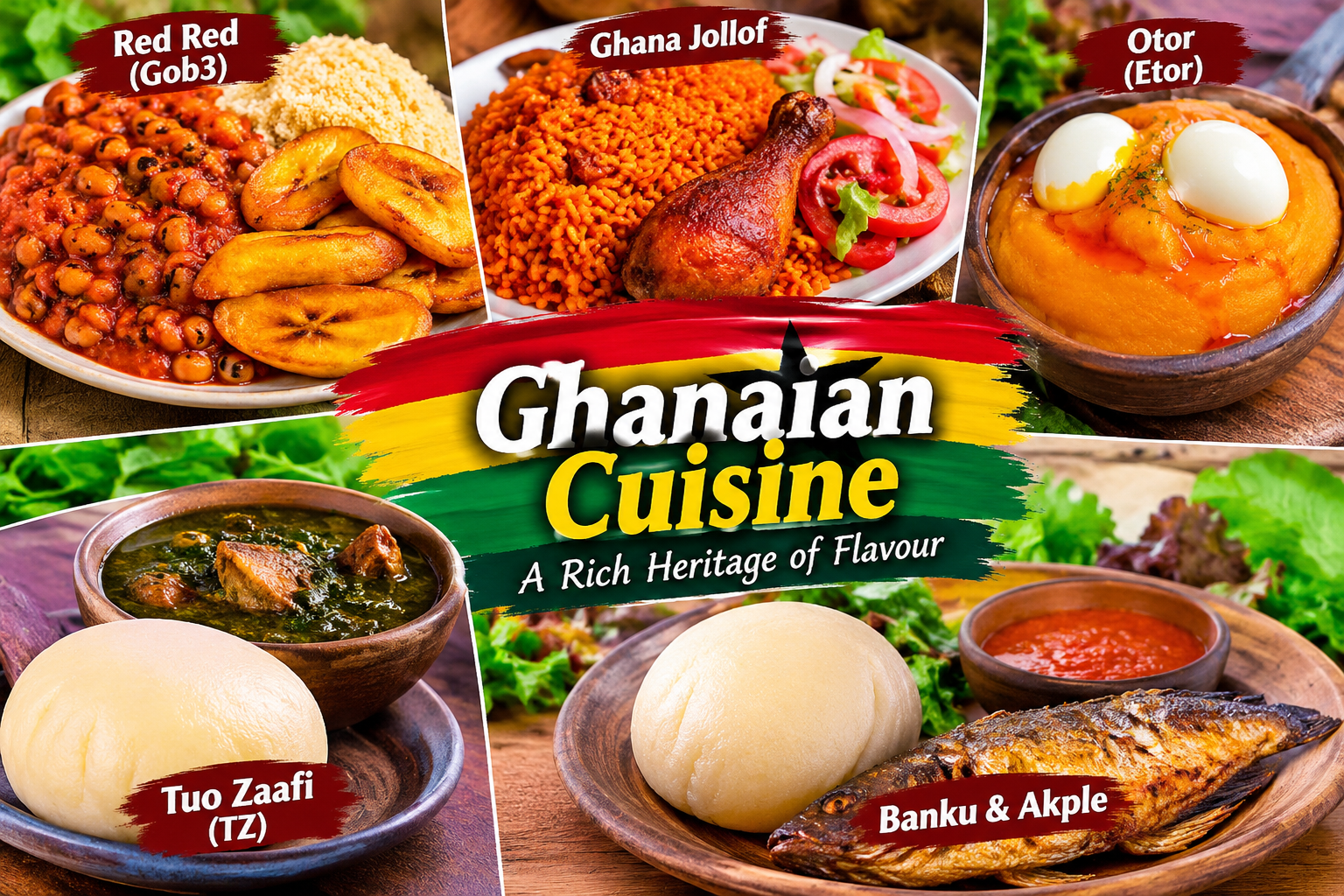
Traditional Ghanaian food culture is one of the country’s richest expressions of identity, bringing together generations of culinary traditions, locally sourced ingredients and cooking methods that have stood the test of time. From meals prepared for special ceremonies to popular dishes sold at roadside food joints, Ghanaian cuisine tells stories of the country’s diverse ethnic groups, their history and the cultural values they continue to preserve.
Across the country, food is more than something people eat to satisfy hunger. It is a way of welcoming visitors, celebrating important occasions, strengthening family relationships and passing cultural knowledge from one generation to another.
Some dishes have become everyday favourites, while others carry deeper traditional and ceremonial meanings. Whether it is a plate of Red Red with fried plantain, a serving of Ghanaian Jollof, or a bowl of Tuo Zaafi accompanied by green vegetable soup, each meal offers a taste of Ghana’s rich culinary heritage.
1. Red Red (Gob3): The comforting combination of beans and fried plantain.
Few Ghanaian meals combine simplicity, affordability and satisfying flavour quite like Red Red. Commonly known as Gob3 and sometimes called Yɔ kɛ Gari, the dish is a popular combination of beans stew, fried ripe plantain and gari.
The meal is traditionally associated with the Ga-Dangme culinary heritage and has become a familiar favourite across different parts of Ghana. Its name comes from the rich reddish appearance created by the use of palm oil and other ingredients in the stew.
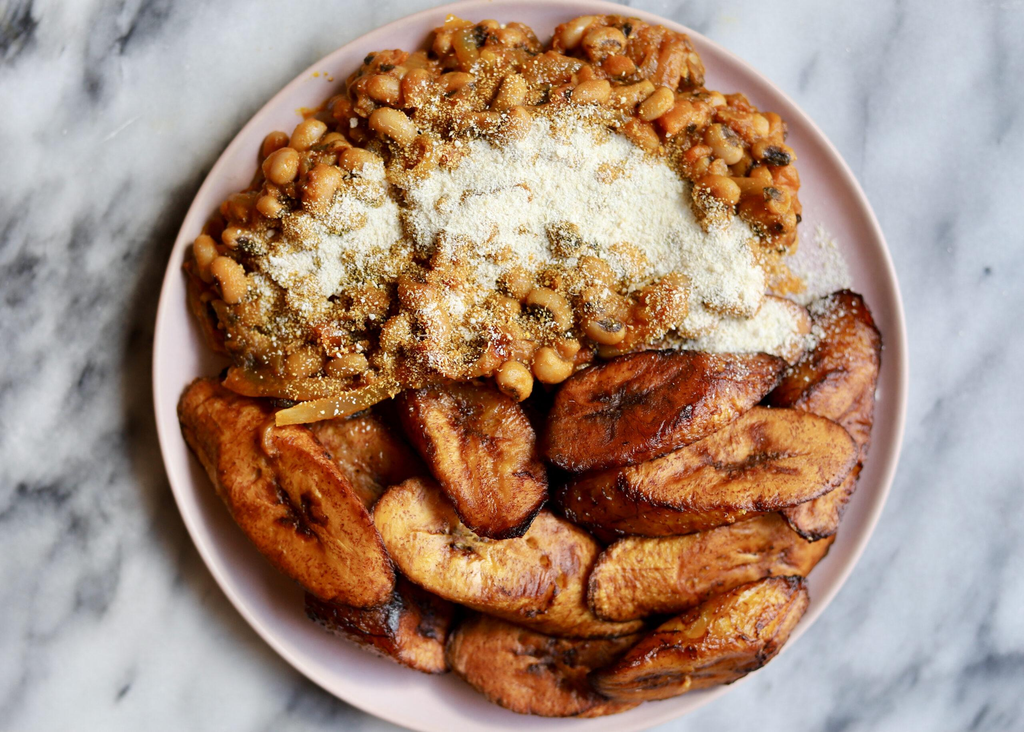
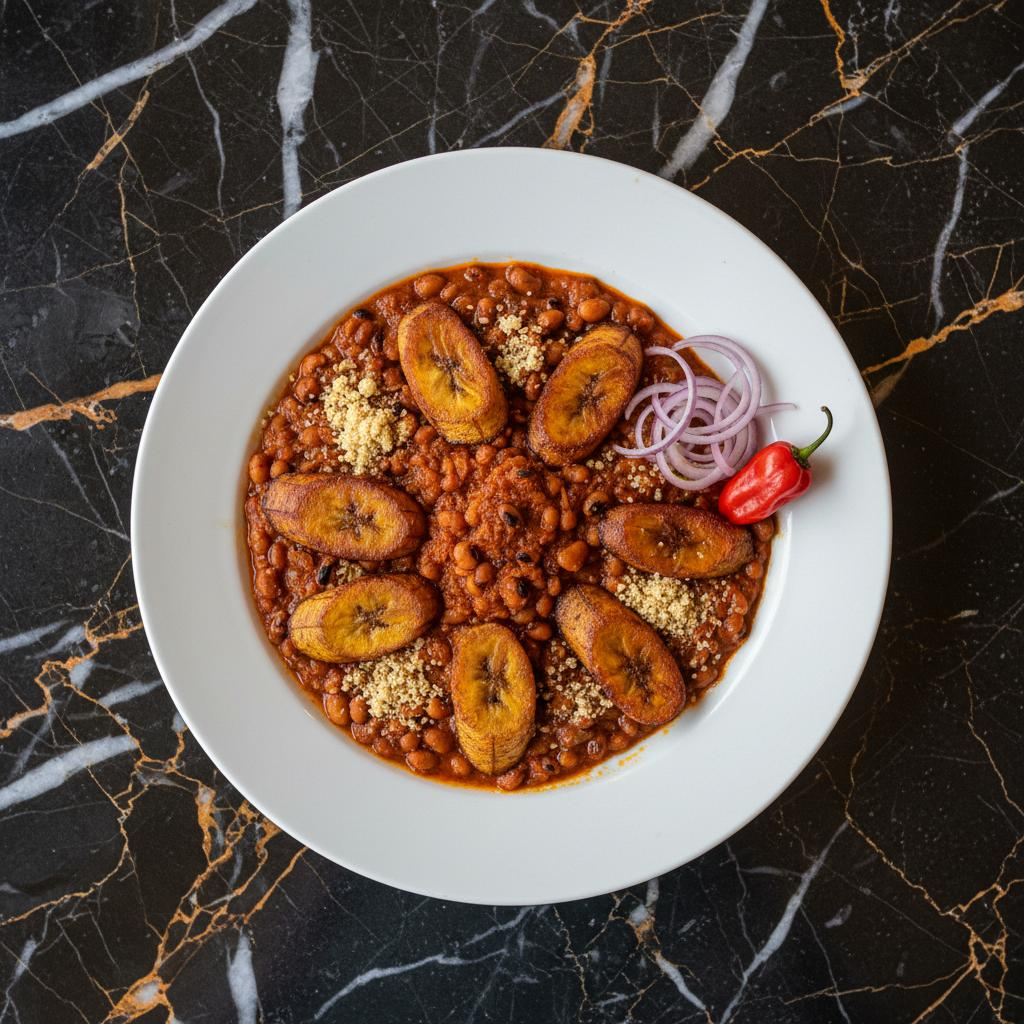
Black-eyed peas or cowpeas are usually the main ingredients. They are cooked until tender before being added to a sauce prepared with red palm oil, tomatoes, onions, pepper, ginger and garlic. Some cooks also include smoked fish, salted fish or powdered shrimp to give the stew an additional depth of flavour.
The fried plantain provides a pleasant contrast to the savoury beans. When ripe plantains are fried until golden brown, their natural sweetness balances the peppery and slightly rich taste of the stew. Gari is often sprinkled over the beans or served alongside the meal, adding a distinctive texture.
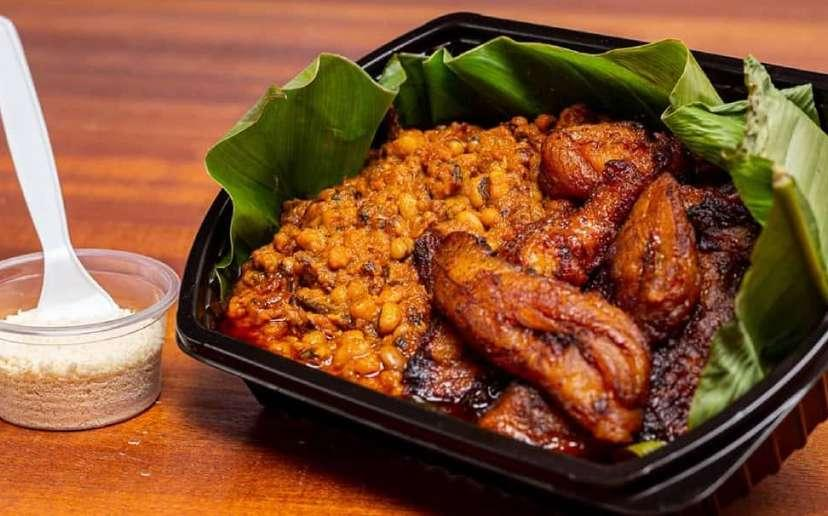
Red Red is particularly popular among students, workers and households because it is relatively inexpensive and filling. The beans provide plant-based protein and dietary fibre, while the plantain and gari contribute energy.
Its popularity extends beyond homes to roadside food vendors, school canteens, markets and restaurants. Some people enjoy it with boiled eggs or avocado, while others prefer adding fish to make the meal more substantial.
Although it is an everyday meal for many Ghanaians, Red Red represents something important about local food culture: the ability to transform simple agricultural ingredients into a delicious meal enjoyed by people from different backgrounds.
2. Ghana Jollof: The Dish Behind West Africa’s Famous Food Rivalry
Few Ghanaian meals generate as much excitement and friendly competition as Jollof rice. Known for its vibrant colour, aromatic seasoning and rich tomato flavour, Ghanaian Jollof has become one of the country’s most celebrated dishes.
The meal is prepared by cooking rice in a carefully seasoned tomato-based sauce made with fresh tomatoes, tomato paste, onions, pepper, garlic, ginger and a selection of spices.
Depending on individual preferences and family recipes, ingredients such as smoked fish, meat stock and other seasonings may be incorporated to give the rice additional depth.
Although Jollof is enjoyed throughout West Africa, its history is associated with the Senegambian region and the culinary traditions of the Wolof people. As the dish spread across the region, different communities adapted its preparation to suit their local ingredients and tastes.
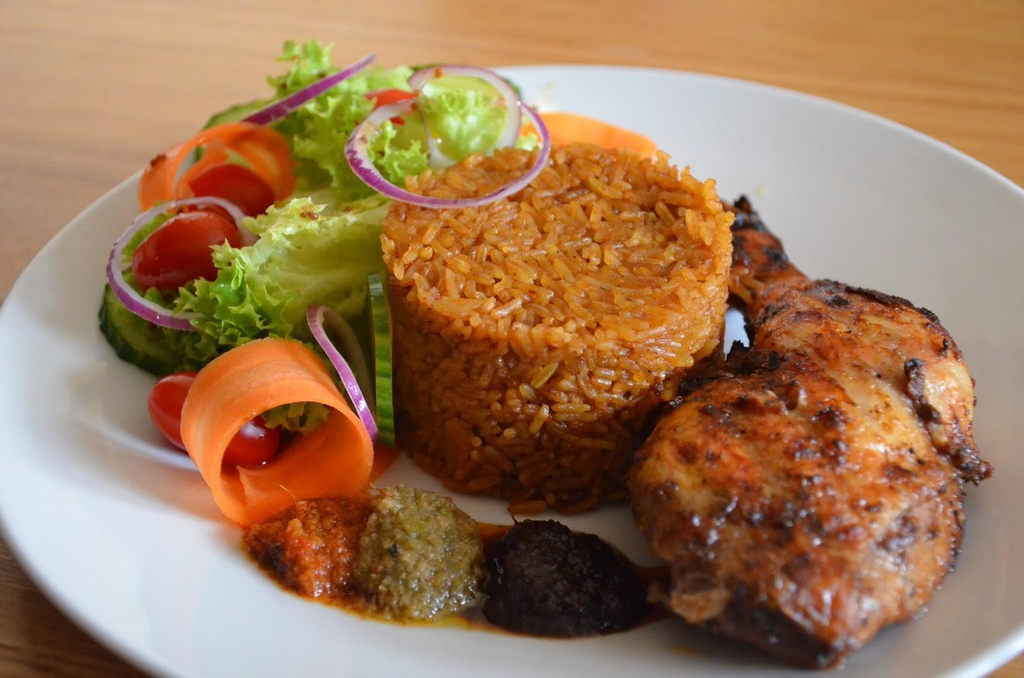
Ghanaian Jollof has developed a distinctive identity through its preparation techniques and seasoning combinations. It is commonly served with grilled or fried chicken, beef, fish, salad, shito and sometimes fried plantain.
The dish is particularly popular at weddings, birthday parties, funerals, festivals and other social gatherings. For many Ghanaians, an occasion is hardly complete without a well-prepared pot of Jollof.
Its popularity has also contributed to the famous Ghana-Nigeria Jollof rivalry, with supporters from both countries passionately defending their preferred versions.
Beyond the friendly arguments, Jollof represents the ability of food to bring people together. It is enjoyed at family gatherings, international food festivals and diaspora celebrations, making it an important ambassador of West African culinary culture.
3. Otor (Eto): The Traditional Dish with Deep Cultural Significance
Otor, also known as Oto, Otoor or Etor, is a traditional Ghanaian delicacy strongly associated with the Ga-Dangme people of the Greater Accra Region.
Unlike many everyday meals, Otor carries considerable cultural and ceremonial importance. It is traditionally prepared for special occasions, including naming ceremonies, birthdays, weddings and traditional rites.
One of its most significant associations is the Akwele Suma, also known as the Ga Twins’ Festival, during which twins are celebrated through customary practices and special meals.
The dish is traditionally prepared using boiled yam or ripe plantain, which is mashed into a smooth mixture and combined with palm oil. Depending on the recipe, onions, pepper and other ingredients may be added to enhance its flavour.
It is commonly served with hard-boiled eggs, which hold symbolic importance in several Ghanaian cultural traditions, particularly in relation to fertility and new beginnings.
The yam version is particularly popular, although plantain Otor is also prepared and enjoyed by many households.
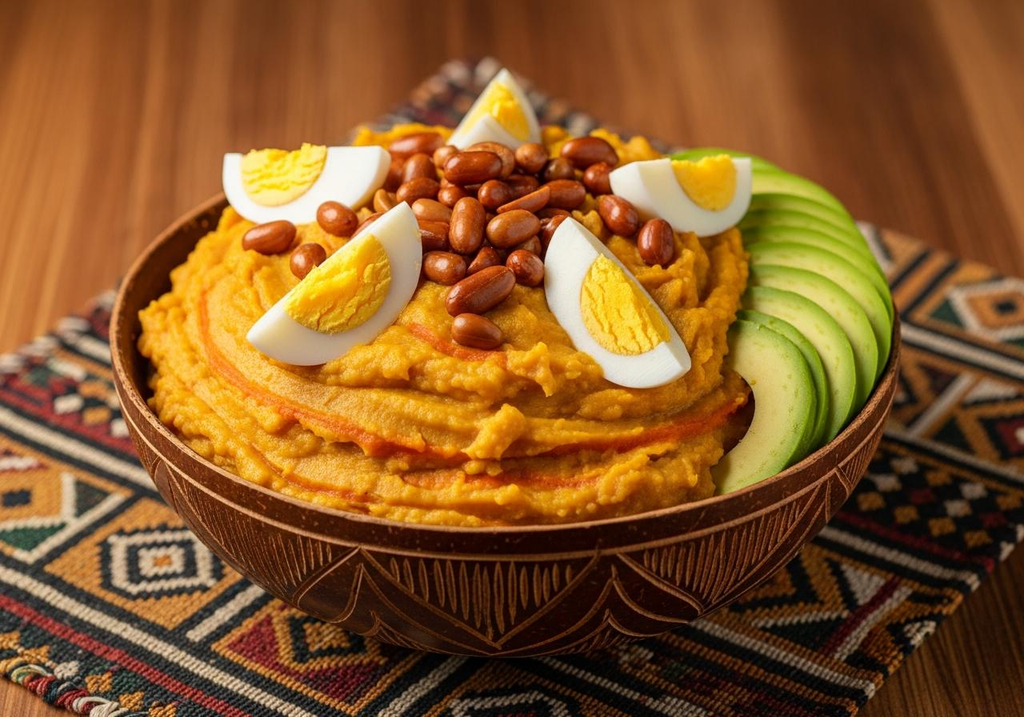
Traditionally, the yam or plantain is mashed using an asanka, a locally used earthenware bowl that is also employed in preparing several Ghanaian sauces and dishes.
During the Akwele Suma celebrations, Otor forms part of the special food prepared for twins. The occasion reflects the cultural importance attached to twins within Ga traditions and provides an opportunity for families and communities to come together.
Otor is also enjoyed beyond ceremonial occasions. Some households prepare it for breakfast or as a satisfying meal, sometimes serving it with roasted groundnuts, avocado or additional accompaniments.
Its continued popularity among different Ghanaian communities demonstrates how traditional foods can move beyond their original cultural settings while retaining their historical significance.
4. Tuo Zaafi (TZ): Northern Ghana’s Beloved Traditional Staple
Tuo Zaafi, popularly called TZ, is one of the most recognised traditional dishes from Northern Ghana. It is particularly associated with communities in the northern part of the country, where it has long been an important part of household meals.
The dish is a soft, smooth preparation made primarily from cereal flour, particularly maize flour, although other flour varieties and local preparations are also used.
Its name is commonly associated with the Hausa language, with Tuo referring to a stirred dough preparation and Zaafi meaning hot. The description reflects the cooking process, which involves continuously stirring the mixture over heat until it develops its characteristic smooth and stretchy consistency.
TZ is rarely enjoyed without its accompanying soup. One of the most popular combinations is Ayoyo soup, prepared using the leaves of the jute plant.
Other popular accompaniments include okra-based soups and vegetable preparations made with locally available ingredients.
The soups are often enriched with dawadawa, smoked fish, meat, pepper and traditional spices, producing a flavourful combination that complements the relatively mild taste of the TZ itself.
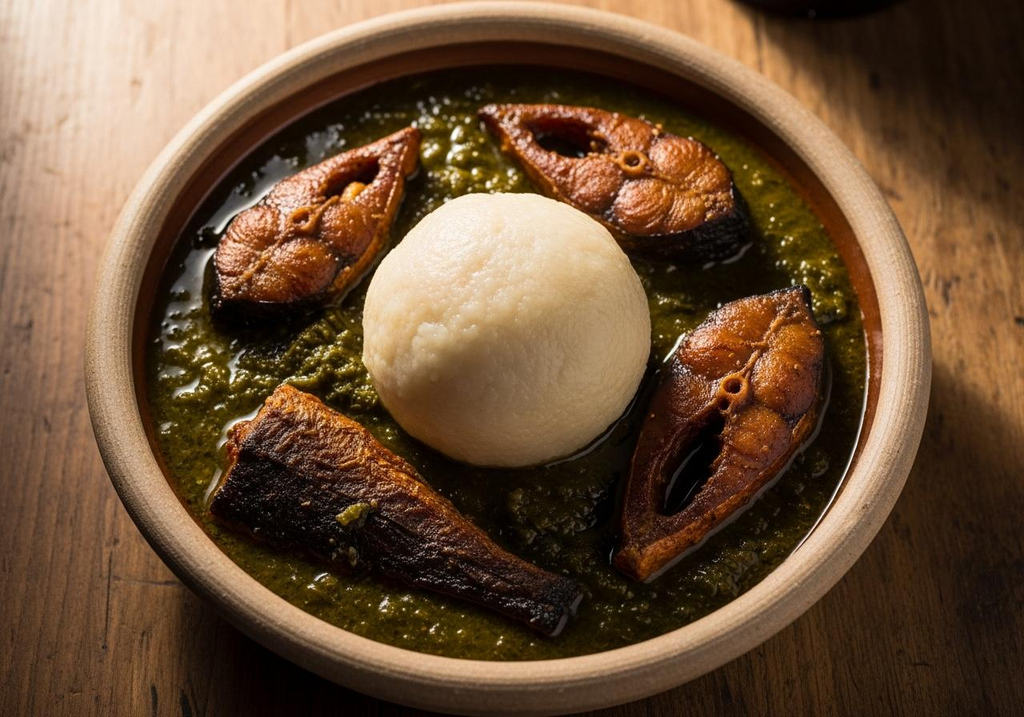
Some preparations also incorporate shea butter, which adds a distinctive flavour and is particularly associated with northern Ghanaian food traditions.
Although Tuo Zaafi originated as a regional staple, its popularity has spread considerably. It can now be found in restaurants, chop bars and food joints across Accra and other parts of the country.
Its growing presence on urban food menus has introduced the dish to people who may not have grown up eating it, while allowing Ghanaians from the northern regions to maintain a connection with familiar traditional meals.
The dish is also appreciated for its combination of carbohydrates, vegetables and protein-rich accompaniments, making it a substantial meal.
Today, Tuo Zaafi remains an important representation of northern Ghanaian culinary identity.
5. Banku and Akple: Two Traditional Staples with Distinctive Regional Identities
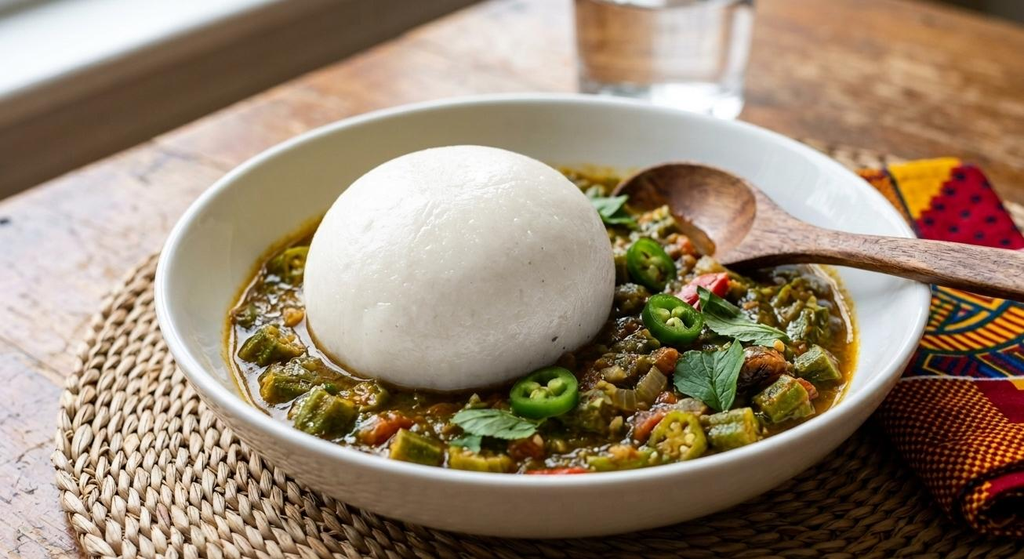
Banku and Akple are among Ghana’s most popular fermented dough-based staples. Although they share similarities in their ingredients and preparation, the two dishes have distinctive regional associations and are enjoyed in different ways.
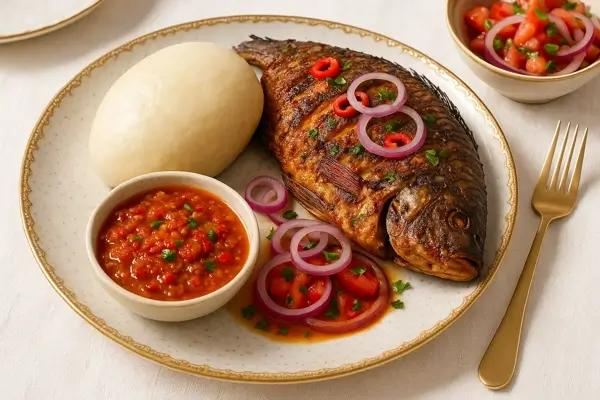
Banku is particularly popular among the Ga, Fante and other coastal communities, while Akple is strongly associated with the Ewe people of the Volta Region.
Both are traditionally prepared using fermented maize dough, although cassava dough is also incorporated into many banku recipes.
The preparation of banku involves combining the fermented dough with water and cooking it over heat while continuously stirring and kneading the mixture. This process produces a smooth, firm and slightly sour dough.
The consistency can vary depending on the proportion of maize and cassava dough used, as well as individual preparation preferences.
Banku is commonly served with grilled tilapia, fried fish, hot pepper sauce, okra stew or soup. The combination of the slightly sour dough and spicy accompaniments makes it a favourite among many Ghanaians.
Akple, on the other hand, is a traditional staple particularly enjoyed in the Volta Region. It is commonly prepared from fermented maize dough and water, although preparation methods and preferred consistency differ among households.
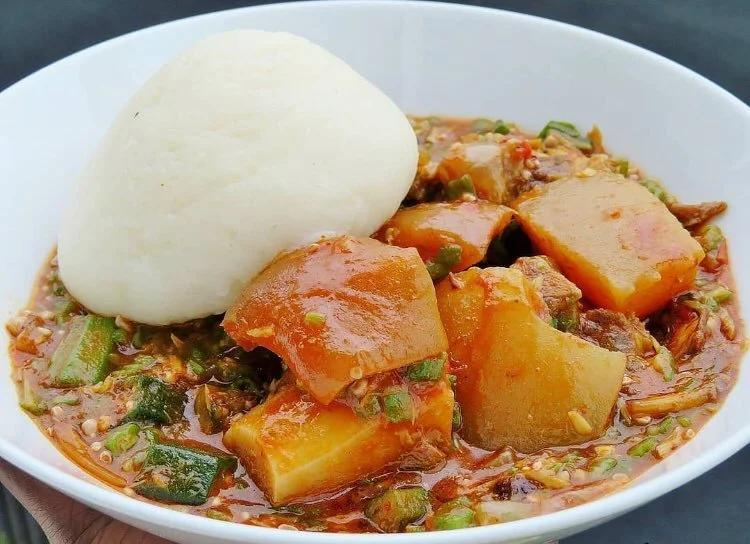
It is particularly associated with Fetri Detsi, the Ewe name for okra soup. The soup is often prepared with fresh or smoked fish, meat, pepper and other ingredients that give it a distinctive flavour.
The difference between the two dishes is not simply their names. Their textures, preparation methods and traditional accompaniments reflect the preferences of the communities that have preserved them over generations.
Both meals are commonly eaten using the hands, with portions taken from the dough and used to scoop the accompanying soup or sauce.
Their continued popularity in Ghanaian homes and restaurants reflects the importance of fermented maize foods in the country’s culinary traditions.
More Than Food: The Cultural Importance of Ghanaian Cuisine
Ghana’s food heritage is much broader than the dishes found on restaurant menus. Traditional meals are closely connected to farming, fishing, festivals, family relationships, religious practices and the history of different ethnic communities.
The country’s geographical diversity has also influenced its culinary traditions. Coastal communities have developed food cultures around fish, fermented maize and seafood, while northern communities make extensive use of millet, sorghum, maize, cowpeas and shea-based ingredients.
The forest and transition zones, on the other hand, are known for their use of yam, plantain, cocoyam, palm fruits and various vegetables.
According to the National Commission on Culture, Ghanaian food serves as a cultural archive, preserving knowledge about the country’s communities, agricultural practices, migration, trade and traditional ways of life.
This diversity is also evident in other popular dishes, including Waakye, Fufu, Kenkey, Ampesi, Mpotompoto, Kelewele and Tubaani.
However, preserving these meals requires more than continuing to prepare them at home. Their histories, indigenous names, preparation techniques and cultural meanings also need to be documented and passed on to younger generations.
As Ghanaian cuisine continues to attract attention internationally, traditional dishes provide opportunities for tourism promotion, food entrepreneurship and cultural exchange.
From a plate of Red Red bought at a roadside food joint to Otor prepared for a traditional celebration, every meal carries something that connects Ghanaians to their heritage.
Ultimately, the richness of Ghanaian cuisine lies not only in its ingredients and flavours but also in the people, stories and traditions that have kept these meals alive.
Which of these Ghanaian dishes is your favourite, and which traditional meal do you think deserves more international recognition?
Culture
Asafotufiam Festival: The Ada Celebration of Warrior Heritage, Courage and Ancestral Traditions
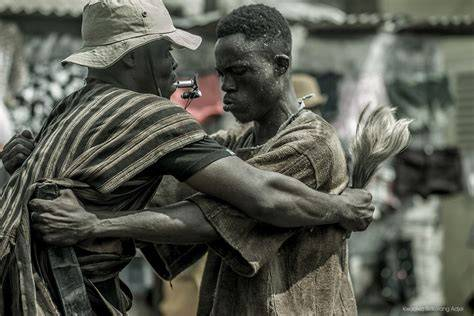
Every year, the people of Ada in the Greater Accra Region come together to celebrate a festival that brings their history of warfare, bravery and migration to life. Known as the Asafotufiam Festival, the celebration is marked by colourful traditional displays, war dances, musket firing, processions and ceremonies honouring the ancestors who shaped the identity of the Ada people.
Unlike festivals centred mainly on harvests or fishing seasons, Asafotufiam has a strong connection to the military history of the Ada people. It commemorates the courage and achievements of warriors who defended their communities and protected their territory in earlier times.
The festival also provides an opportunity for families to reunite, traditional authorities to reaffirm their leadership and younger generations to learn about the history and customs of the Ada traditional area.
What is the Asafotufiam Festival?
Asafotufiam is an annual traditional festival celebrated by the people of Ada in the Greater Accra Region, particularly in the Ada traditional area along the coast and around the Volta River estuary.
The name is commonly interpreted as referring to the firing of muskets by groups of warriors. The festival’s central theme is the remembrance of the bravery, military organisation and sacrifices of ancestors who fought to protect their communities.
The celebration is associated with the traditional Asafo companies, which historically served as organised military groups. Their participation remains one of the most recognisable features of the festival.
Through war dances, musket displays, traditional songs and public ceremonies, Asafotufiam preserves memories of the community’s warrior past while celebrating the unity and identity of the Ada people.
The origins of Asafotufiam are connected to the history of warfare and defence among the Ada people. In earlier times, communities organised warriors to protect their settlements, defend their territory and respond to threats from rival groups.
These warriors operated through organised companies, commonly known as Asafo groups. They had responsibilities connected to military defence, community organisation and the protection of traditional institutions.
The festival developed as a way of remembering their bravery and honouring those who lost their lives in battles.
The celebration also preserves stories of migration, settlement and the struggles through which the Ada people established their communities. These historical memories are passed down through oral accounts, traditional performances and ceremonial practices.
The two Asafo companies: Akomfode and Asorkor
A major feature of Asafotufiam is the participation of the two traditional Asafo companies of Ada: Akomfode and Asorkor.
These groups represent the historical military organisation of the Ada people. Traditionally, membership is determined through maternal lineage, meaning children of the same father may belong to different companies if they have different mothers.
Each company has its own leadership, war drums, songs and ceremonial identity. During the festival, the groups assemble, march through designated routes and demonstrate their traditional military formations.
Their participation is not simply for entertainment. It preserves the structure through which earlier generations organised themselves for warfare and community defence.
How the festival is celebrated
Asafotufiam traditionally takes place during the first week of August and unfolds over several days. The celebrations involve family ceremonies, traditional processions, musket firing, cultural performances and a grand durbar.
Thursday: Homecoming and family purification
The celebrations begin with the arrival of sons and daughters of Ada from different parts of Ghana and abroad.
Families return to their ancestral homes to participate in the festivities and reconnect with relatives. Thursday is traditionally set aside for cleaning family houses, performing customary purification rites and pouring libations at family shrines.
Some families also hold vigils as part of the traditional observances. These activities prepare the community for the main celebrations and provide an opportunity to honour ancestors.
Friday: War dances and musket firing
Friday is one of the most exciting days of Asafotufiam.
At dawn, the war drums summon members of the Akomfode and Asorkor companies. The groups assemble and begin their traditional processions, accompanied by war songs, drumming, dancing and ceremonial displays.
They proceed towards Luhuese, an area outside Big Ada associated with the historical military activities of the community.
One of the notable traditional practices involves introducing young men who have reached the appropriate stage of maturity to their respective Asafo companies. They are taught about the handling of muskets and the military traditions associated with their groups.
The activities also include demonstrations of traditional battle formations and mock warfare, recreating aspects of the military organisation of earlier generations.
Participants dress in traditional battle attire, with some adorning themselves with leaves and palm branches. The sound of muskets, war cries and drums creates an atmosphere that reflects the festival’s historical connection to warfare.
The Kpomkpo-Panya river ceremony
Another important part of the celebration takes place at Kpomkpo-Panya, a riverside location historically associated with the departure of warriors for battle and their return home.
The Asafo companies proceed to the area, where customary ceremonies are performed.
Traditionally, the groups fire three consecutive volleys into the river. Participants then dip their feet into the water and wash their hands.
The act symbolises the washing away of evil, misfortune and negative experiences from the previous year, while expressing hope for peace, protection and prosperity in the period ahead.
The ceremony is particularly significant because it connects the festival’s military history with its spiritual meaning. It recalls the traditional welcome given to warriors returning from battle while offering a symbolic fresh beginning for the community.
The grand durbar is another major highlight of Asafotufiam.
Traditional rulers, queen mothers, elders, Asafo leaders, residents and invited dignitaries gather to celebrate the history and achievements of the Ada people.
The chiefs appear in traditional regalia, sometimes carried in palanquins as part of the ceremonial procession. Their appearance reflects the authority and continuity of traditional leadership.
Speeches are delivered, traditional music and dancing take place, and community leaders use the gathering to address matters affecting the development of Ada.
The durbar also provides an opportunity to recognise individuals and groups who have contributed to the community. Issues such as education, sanitation, infrastructure, youth development and local economic opportunities may feature in discussions.
Beyond the formal proceedings, it is a moment for the people to demonstrate their pride in their heritage and reaffirm their commitment to the progress of the Ada traditional area.
Sunday: Church services and continued celebrations
Religious activities also form part of the festival programme. Sunday is traditionally associated with church services, allowing residents to offer prayers and thanksgiving.
Other social activities may continue throughout the festival period, including sporting events, beach gatherings, boat races and river excursions.
These activities attract families, young people and visitors, adding a recreational dimension to the historical and ceremonial celebrations.
The significance of the musket firing
The firing of muskets is the most recognisable feature of Asafotufiam and explains the festival’s association with warfare.
Historically, the sound of gunfire was used to announce the arrival of warriors returning from battle. It was also connected to the military organisation through which the Ada people defended their territory.
Today, the ceremonial firing serves as a remembrance of those traditions and the sacrifices made by earlier generations.
The practice also gives the festival its distinctive atmosphere. However, musket firing involves real gunpowder and requires strict adherence to safety instructions and directions from organisers.
Traditional clothing and the display of bravery
Traditional battle attire is an important part of the festival’s identity.
Members of the Asafo companies dress in outfits that reflect the appearance and spirit of historical warriors. Leaves, palm branches and other traditional accessories are used in some displays to symbolise victory and military achievement.
Chiefs and elders also appear in traditional garments and regalia, while other participants wear clothing that reflects the cultural identity of the Ada people.
These displays provide a visual connection to the past, allowing visitors and younger generations to appreciate the customs associated with the festival.
Asafotufiam is also a major homecoming occasion.
People who have relocated to Accra, other parts of Ghana or overseas return to Ada to celebrate with relatives and friends. The festival provides an opportunity to renew family relationships, visit ancestral homes and reconnect with the community.
Food and hospitality form part of the experience. Families prepare meals for relatives and visitors, while local food vendors and businesses benefit from the increased number of people in town.
The celebrations also encourage younger family members to learn about their ancestry and understand the traditions that connect them to Ada.
Asafotufiam has become an important cultural attraction in the Greater Accra Region.
Its colourful processions, traditional war dances, musket displays and grand durbar offer visitors an opportunity to experience the heritage of the Ada people.
The festival can also support local businesses, including hotels, guesthouses, restaurants, transport operators, food vendors and traders.
Ada’s coastal location and its connection to the Volta River provide additional attractions for visitors. The festival period can therefore encourage people to explore the area’s beaches, waterways and other tourism opportunities.
For the community, the event is also an opportunity to promote investment, highlight local development needs and attract attention to the potential of the Ada traditional area.
Why Asafotufiam remains important to the Ada people
Asafotufiam is more than a festival of musket firing and colourful celebrations. It is a reminder of the struggles, sacrifices and achievements through which the Ada people established and defended their traditional territory.
It preserves the memory of warriors and chiefs, strengthens family relationships and provides an opportunity for cultural knowledge to be transferred to younger generations.
The festival also demonstrates how traditional practices can evolve. Ceremonies that were once connected to welcoming soldiers home from battle have become an annual celebration of heritage, unity and communal progress.
For the people of Ada, Asafotufiam remains a powerful expression of courage, resilience and belonging. Every year, the sound of the drums and ceremonial muskets brings the community together to honour its past while looking towards a future built on shared identity and development.

Shea Butter: The Golden Treasure from Northern Ghana Taking the World by Storm

I’ve Never Liked Democracy’ – George Quaye’s Take on Ghana’s Governance

Diana Hamilton Warns Gospel Artistes Against Narrow Definition Of Breakthrough

IRAWMA 2025: Shatta Wale Wins 3 Major Awards Including Best Music Video

AirtelTigo losing GH₵20m monthly; total debts exceed $200million – Sam George

Samini Secures Promotional Deal with Audiomack for Upcoming Album “THE ORIGIN8A”


-
 Culture2 hours ago
Shea Butter: The Golden Treasure from Northern Ghana Taking the World by Storm
-

 Entertainment12 hours ago
Samini Denies Reports of Interest in NPP Parliamentary Primaries
-

 Politics12 hours ago
Edward Agyekum Kufuor Declares Intention to Contest NPP Parliamentary Primaries in Atwima Nwabiagya North
-
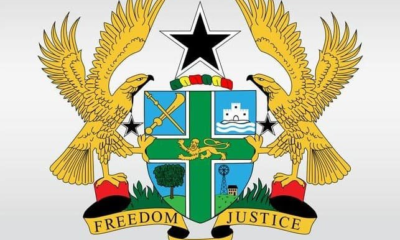
 Culture10 hours ago
Beyond the Flag: The Powerful Symbols That Tell Ghana’s Story of Freedom, Unity and Heritage
-

 Entertainment10 hours ago
Agya Koo Hopes to Finally Work with Shirley Frimpong-Manso
-

 Entertainment9 hours ago
I Guess I Lied – Efya Reacts After Old Video of Her Rejecting Marriage Resurfaces Following Wedding
-

 General News5 hours ago
Radiant Calls for Increased Government Machinery and Massive Capital Spending Ahead of 2027 Budget
-

 Entertainment4 hours ago
I Cry for Christianity in Ghana – Nigel Gaisie Warns Young Pastors Lack Passion for Ministry