
Entertainment
K.K. Kabobo: The Highlife Legend Behind ‘Onyame Ehu Wo’ Whose Story Deserves to Be Remembered


There was a time when Ghanaian highlife music could turn an ordinary song into a national favourite. Before music streaming, social media promotions and viral challenges became part of the industry, musicians depended on their voices, live performances, radio airplay and the loyalty of their listeners.
One of the musicians who made a lasting impression during that era was Kwabena Kwakye Kabobo, popularly known as K.K. Kabobo.
He became widely recognised through songs such as Onyame Ehu Wo, Nyatse Nyatse Girl, and Running Away. His music connected with listeners through memorable melodies and relatable themes, helping him establish a place among Ghana’s highlife performers.
But his story goes beyond the songs. He was once a pupil teacher, worked with several established music groups, formed his own band, enjoyed success as a solo artiste and eventually became a Reverend Minister.
Although he is no longer alive, his contribution to Ghanaian music deserves more attention, particularly from a younger generation that may recognise his songs without knowing the man behind them.
K.K. Kabobo was born Kwabena Kwakye Kabobo. Before becoming a recognised name in Ghana’s music industry, he experienced the financial and career difficulties that many young people encounter while trying to establish themselves.
In an interview with Asaase Radio in June 2023, he disclosed that he had worked as a pupil teacher because he did not have enough money to continue his education.
According to him, the schoolmaster with whom he was staying helped him secure the teaching opportunity.
He began teaching at New Edubiase Methodist Primary School in 1976 under the Methodist Educational Unit.
That experience was an important part of his early life because it showed that his journey into music was not an immediate or straightforward decision. He had to find ways to support himself while pursuing his interest in entertainment.
His eventual decision to concentrate on music would take him into an industry that was becoming increasingly competitive, with established bands and highlife stars already commanding audiences.
Learning the Music Business Through Established Bands
Before becoming a solo performer, K.K. Kabobo developed his musical skills through his involvement with different bands.
During his 2023 interview, he recalled working with groups including Sidiku Buari Express, Ampofo Aburi and F. Michaels Band.
He explained that he spent about 18 months playing with bands before deciding to pursue a different direction.
His experience with these groups gave him an opportunity to understand live performances, musical arrangements and the demands of working with other musicians.
However, Kabobo wanted to become a studio artiste.
He explained that some of the bands he worked with were not recording, which influenced his decision to move on and concentrate on producing his own music.
This decision became an important turning point in his career. Rather than remaining a supporting musician, he wanted to establish his identity through original recordings.
In 1978, K.K. Kabobo established his first band, Explosive Jets.
Forming his own group gave him greater control over his musical direction and created an opportunity to develop his identity as a performer and recording artiste.
The late 1970s and early 1980s were important periods for Ghanaian highlife. Musicians were exploring different sounds and arrangements while maintaining the rhythms and storytelling traditions that made the genre popular.
Kabobo was part of this generation of performers who sought to establish themselves through recorded music.
His work with Explosive Jets helped prepare the ground for his solo recording career, which would soon produce some of his most recognisable songs.
In 1981, K.K. Kabobo released his debut album, which carried the hit song Nyatse Nyatse Girl.
The song became one of the important recordings associated with his early career and helped introduce his name to a wider audience.
It established him as a musician capable of creating songs that listeners could easily connect with.
Kabobo’s music was not limited to one recording. He continued building his catalogue with other songs and projects, including My Sweetheart and Medze Ama Jah.
His recordings contributed to a period when Ghanaian musicians relied heavily on physical album sales, radio airplay and live performances to build their reputations.
For artistes of that generation, having a popular song could create opportunities for performances, recording deals and wider recognition.
Kabobo’s early success demonstrated his ability to move beyond being a member of other bands and establish himself as an independent highlife performer.
Among all the songs associated with K.K. Kabobo, Onyame Ehu Wo, also written as Onyame Ahu Wo, remains one of his most celebrated recordings.
The song became a major success in 1992 and is widely remembered as one of the highlife hits of that period.
Reports on his career state that it was declared Song of the Year in 1992 and recorded exceptionally high sales in Ghana.
Its popularity strengthened Kabobo’s position in the industry and made the song one of the recordings by which many music lovers remember him.
The title itself carries a religious expression in Akan, reflecting the spiritual themes that also became significant in his later life.
Other songs associated with his career include Running Away, which further contributed to his reputation as a highlife musician.
His success showed how a musician could use a distinctive musical identity and memorable compositions to remain relevant in a competitive industry.
K.K. Kabobo’s contribution to Ghanaian music was not restricted to his own recordings.
He also provided backing vocals for other established musicians, including Nana Kwame Ampadu, Akosua Agyapong, Kofi Sammy and Dr Paa Bobo.
This aspect of his career is particularly important because the development of Ghanaian music depended on collaboration among singers, instrumentalists, composers and studio musicians.
Many musicians who became famous as solo performers had first developed their skills by supporting other artistes.
Kabobo’s experience allowed him to participate in different recording projects and interact with musicians from various stages of the highlife industry.
It also demonstrated his versatility and willingness to contribute to music beyond his personal success.
Beyond performing and recording, K.K. Kabobo was involved in professional activities aimed at supporting musicians.
He was associated with the Professional Musicians Association of Ghana (PROMAG) and also served as a welfare officer of the Musicians Union of Ghana (MUSIGA), according to biographical accounts published after his death.
He was also involved in the organisation’s copyright management activities.
These responsibilities were important in an industry where musicians often faced challenges relating to royalties, copyright protection, welfare and the financial benefits of their creative work.
His involvement showed that he understood the importance of protecting the interests of musicians beyond the recording studio.
The issue of how Ghana rewards its veteran musicians would later become particularly relevant during the final period of his life.
One of the most interesting developments in K.K. Kabobo’s life was his decision to become a Reverend Minister.
In April 2012, he was ordained as a Reverend Minister by the Covenant Mission Bible College at Achimota in Accra.
Before his ordination, he reportedly underwent an intensive three-month Bible study programme.
In an interview published at the time, Kabobo explained that he had experienced a difficult period in his life and had encountered pastors, prophets and apostles who encouraged him to pursue a spiritual calling.
He said he had not initially imagined becoming a minister, despite having opportunities to preach in churches.
His transition into ministry represented a new chapter in his life.
He did not become known only as a highlife musician; he also embraced a religious role that became an important part of his identity.
The transition was particularly notable because some of his best-known songs had already established him as a recognised figure in Ghanaian entertainment.
Kabobo also spoke openly about aspects of his personal life during his later years.
In June 2023, he disclosed in an interview with Asaase Radio that he had 17 children with five women.
The revelation attracted public interest and offered a glimpse into the family life of the veteran musician.
However, much of his personal life remained outside the public spotlight compared with his music career.
For many musicians of his generation, public attention was largely focused on their recordings and performances rather than their private affairs.
His later interviews provided an opportunity for audiences to learn more about the person behind the familiar songs.
In the months before his death, K.K. Kabobo experienced serious health challenges.
News of his condition became public in early 2024 when appeals were made for financial assistance to support his medical treatment.
Reports indicated that he had been battling liver disease and required help to meet the cost of his medical care.
His condition generated concern within the Ghanaian entertainment industry.
Several individuals and organisations offered assistance, including former President John Dramani Mahama, former Second Lady Samira Bawumia, musician Wendy Shay and the Ghana Music Rights Organisation (GHAMRO).
Wendy Shay also used the situation to raise concerns about the lack of adequate welfare structures for veteran musicians.
Her comments brought renewed attention to the difficulties some older artistes face after spending years contributing to the entertainment industry.
Despite the support and efforts to obtain treatment, Kabobo’s condition did not improve.
K.K. Kabobo died on Thursday, March 14, 2024, after battling liver disease.
He passed away upon arrival at the University of Ghana Medical Centre in Accra.
His death was received with sadness by music lovers and colleagues who recognised his contribution to Ghanaian highlife.
A one-week observance was held on April 20, 2024, at the Tesano Police Depot Social Centre in Accra.
The gathering attracted musicians and personalities who came to pay their respects, including Amakye Dede, Okyerema Asante and Obuoba J.A. Adofo.
His final funeral rites were subsequently held in June 2024.
His passing marked the end of a musical journey that had taken him from the classroom to the recording studio, from band performances to solo success and eventually into Christian ministry.
K.K. Kabobo’s contribution to Ghanaian music can be understood through the recordings he left behind and the different roles he played in the industry.
His best-known songs include:
Onyame Ehu Wo – one of the biggest recordings associated with his career.
Nyatse Nyatse Girl – the hit that helped establish his solo identity in 1981.
Running Away – another popular song remembered by his fans.
My Sweetheart – one of the musical projects associated with his catalogue.
Medze Ama Jah – another recording associated with his body of work.
His career also reflected the importance of live bands, studio musicians and backing vocalists in the development of Ghanaian highlife.
He belonged to a generation that built careers without the promotional opportunities available to today’s musicians.
There were no TikTok trends or streaming playlists to push their songs to millions of listeners. Their success depended on the quality of their music, the strength of their performances and the ability to connect with audiences.
The story of K.K. Kabobo is not simply about a musician who recorded popular songs several decades ago.
It is about an artiste who worked as a teacher before pursuing music, gained experience with established bands, formed Explosive Jets, recorded successful songs, supported other performers, and later became a Reverend Minister.
His life also highlights a difficult question about Ghana’s entertainment industry: what happens to musicians after their most successful years?
The public often celebrates artistes when their songs are popular, but attention and financial support can become limited as they grow older or face health challenges.
Kabobo’s final illness brought this issue into public discussion and reminded the country that musical legends also need healthcare, financial security and recognition.
His recordings remain part of Ghana’s highlife heritage, and his story deserves to be preserved through documentaries, radio features, music archives and renewed attention to his songs.
K.K. Kabobo may be gone, but the voice behind Onyame Ehu Wo remains part of Ghana’s musical memory. How many young Ghanaians today can identify the man behind the song?













In a video shared on social media on November 1, 2026, Empress Gifty expressed disappointment over comments directed at Florence after she attended a public programme, where some social media users speculated that she had undergone cosmetic surgery.
She particularly questioned why some of the harshest remarks came from women, arguing that people should understand the physical and emotional challenges associated with surgical procedures before ridiculing others.
“Florence Obinim went for a programme, and when you read the comments, people were talking about BBL. What is even more disappointing is that some of the comments came from women. Do you even have the courage to enter the theatre?” she asked.
Empress Gifty, who has undergone surgical procedures herself, described the experience of entering an operating theatre as frightening, explaining that patients often experience anxiety because of the risks involved.
Comparing the experience to surgical childbirth, she stressed that undergoing an operation is not something people should make light of.
“All of us who have entered the theatre have spirits. As you are about to enter, you will just be panicking. Ask those who have given birth in the theatre; it’s between life and death,” she said.
She also cautioned social media users against directing their personal frustrations at celebrities, noting that public figures equally face challenges despite their fame and public visibility.
“We’re not responsible for your happiness. Don’t bring your frustrations on any celebrities because the celebrities also have problems,” she added.
Beyond defending Florence Obinim, Empress Gifty opened up about her own cosmetic procedures and challenged people to respect the decisions others make about their bodies and finances.
The gospel musician disclosed that she had booked another dental appointment after previously spending $1,200 on treatment. She revealed that the new procedure is expected to cost approximately $8,000.
Explaining her decision, Empress Gifty said she wants to improve her ability to chew meat properly, insisting that her choice is based on personal comfort rather than public expectations.
“Don’t try to ridicule the person for what she used her money and strength for. I’ve booked an appointment to fix my teeth again, and it cost $1,200 initially, but the one I want to do now costs about $8,000,” she disclosed.
“I want to fix it so that I can chew meat properly, and that’s what I want to do with my money,” she added.
She further argued that people have different spending priorities, with some choosing to buy clothes and jewellery while others invest in property and other interests.
“Someone will use their money for dresses, another person will buy gold necklaces, while someone else will use theirs to buy cement. Allow people to do what they want with their money, and as for me, I don’t listen to anybody anymore,” she stated.
Empress Gifty also revealed that she had undergone breast reduction surgery after previously having a larger bust.
According to her, she conducted extensive research before the procedure, particularly on how to maintain skin firmness and prevent sagging following weight loss.
“When you all knew me, I used to have big breasts, but now, I’ve made them small. I didn’t want my breasts to sag after the surgery, so I did a lot of research to make my skin firm after the weight loss,” she revealed.
She maintained that people should not be judged for choosing cosmetic procedures, particularly when they have the financial means and are comfortable with their decisions.
The musician, however, urged individuals considering cosmetic surgery to conduct thorough research and seek professional medical advice before proceeding.
She advised prospective patients to consult qualified practitioners and undergo counselling to understand the possible risks, benefits, recovery process and precautions associated with the procedures.
“Whenever you want to do something, do proper research and go to the right people who have learnt and have knowledge about what you are about to do. Go for counselling so they can educate you on the dos and don’ts before you decide whether to proceed or not. Do you know what people go through?” she asked.

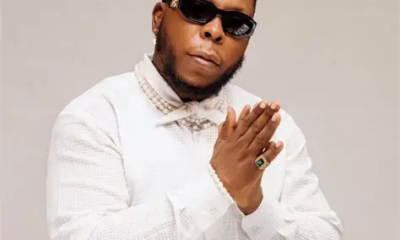
Ghanaian rapper Edem has announced the postponement of the 2026 edition of Edemfest, days before the annual music and cultural festival was due to take place in the Volta Region.
The festival, organised by the Volta Regime Music Group (VRMG), was initially scheduled for November 7. However, in a statement released on Monday, November 2, the organisers disclosed that the event would not go ahead as planned.
VRMG explained that the decision was influenced by a strategic opportunity which they believe could contribute significantly to the festival’s future development. The organisers added that a new date would be communicated after the necessary arrangements had been finalised.
They noted that the decision forms part of efforts to broaden the scope of Edemfest and transform it into a bigger platform beyond music and cultural entertainment.
According to the group, the long-term objective is to create more opportunities for the Volta Region by showcasing its music, cultural heritage, traditions and tourism potential while positioning the area as an attractive destination for cultural experiences.
Edem, popularly known as Ayigbe Edem, said the move was intended to elevate the festival and increase its impact on the region.
He explained that the event had grown through the support of the people and the rich cultural identity of the Volta Region, adding that the new opportunity presented a chance to achieve even greater results.
“Edemfest has grown because of the people, the culture and the support behind it. We see an opportunity to take the festival further and create even greater value for the region, and we believe it is worth pursuing,” he stated.
The rapper also expressed regret over the change in plans, apologising to patrons and stakeholders while thanking them for their patience, understanding and continued commitment to the festival.
Meanwhile, VRMG has clarified that the Jubilee Radio Health Walk will still take place as scheduled, although Edem will not participate in the activity.
The organisers further acknowledged the contributions of their sponsors, partners, artistes, creatives, participants and other stakeholders who supported preparations for the 2026 edition.
Further information, including the revised date for Edemfest, is expected to be announced through the festival’s official communication platforms.


Ghanaian singer Wendy Shay has expressed frustration with Nigerian airline FlyAir Peace over what she describes as an unresolved flight booking issue involving a double payment and an outstanding refund.
In a post shared on X on November 2, 2026, the singer recounted how she paid for a flight to Nigeria twice after encountering difficulties with her initial booking ahead of a scheduled performance.
According to Wendy Shay, she initially made a reservation in January, but the booking was not confirmed by the airline. She was therefore compelled to make a second payment to secure another flight, leaving her paying twice for the same intended trip.
She explained that despite making several attempts to retrieve her initial payment, the airline had failed to refund her money months after the transaction.
The singer also criticised FlyAir Peace’s customer service, describing its response to customer complaints as frustrating and ineffective.
She disclosed that whenever her team managed to reach the airline, they were repeatedly directed to send emails to its Nigerian office. However, despite sending several messages, they had received no response or concrete solution.
Wendy Shay questioned why an airline operating international services would lack an accessible customer service centre capable of addressing passengers’ concerns and resolving urgent complaints.
She further lamented that her team’s repeated efforts to resolve the issue had only resulted in more requests to send emails, without any meaningful feedback from the airline.
Expressing her displeasure over the situation, the singer demanded an immediate refund and warned that she would take the matter to the relevant authorities if the airline failed to act.
“This is unacceptable. Refund us ASAP, or we escalate this matter to the authorities,” she stated.

Gospel musician Florence Obinim has recounted a disturbing bullying experience involving one of her children while reflecting on the murder of 15-year-old Javits Frimpong in the United States.
In an interview on Adom TV, Florence said her son was repeatedly bullied by a schoolmate whenever he received awards and recognition for his academic achievements.
According to her, her son was highly intelligent and regularly received awards at school. However, his academic success allegedly made him a target for a boy she identified as Tony, who reportedly slapped him whenever they were returning home from school.
She explained that her son frequently came home and reported the incidents, saying the boy would slap him each time he received an award.
“One of my children was always praised at school. The white people used to give him awards because he was very intelligent. Whenever he came home, he would tell me that each time he received an award at school, a boy called Tony would slap him on their way home,” she recounted.
Florence said her son initially retaliated but later informed her about the repeated incidents.
She explained that she advised him not to fight back and encouraged him to report any further bullying to her instead.
“I asked my son what he did after the boy slapped him. He said he hit him back, but he’d been doing that to him, and he couldn’t ignore him this time. Their colleagues even had to separate them. I advised him not to retaliate but to report any further incidents to me when he got home,” she stated.
The gospel musician further revealed that the situation escalated when the same boy allegedly hit and scratched her son’s face, forcing her to visit the school and demand action from the authorities.
“Less than a month later, the same boy hit my son and scratched his face. I had to rush to the school and inform the authorities,” she said.
Florence disclosed that she threatened to report the matter to the police to ensure the boy could be arrested. However, the teachers pleaded with her not to take that step, promising instead to dismiss the alleged bully from the school.
She noted that her son was still young at the time and depended on her to intervene whenever he experienced such incidents.
“However, the teachers pleaded with me not to report the incident and promised to dismiss the boy from the school. My son was still young at the time, so he depended on me to handle the situation whenever he experienced such incidents,” she added.

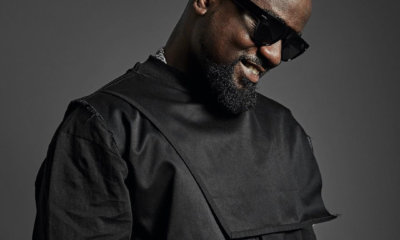
Ghanaian rapper Sarkodie has expressed concern over the safety of Ghanaians living abroad following the tragic death of 15-year-old Javits Frimpong, who was shot while heading to school in the United States.
In a Facebook post reacting to the incident, the award-winning musician described the circumstances surrounding the teenager’s death as disturbing, questioning how Ghanaians abroad could feel secure amid such incidents.
He acknowledged that Ghana also faces several challenges but said he remained proud of the values and discipline instilled in children growing up in the country, including those raised in difficult neighbourhoods.
According to Sarkodie, incidents of murder in Ghana are generally treated with great seriousness, often generating widespread public attention, shock and condemnation.
He, however, expressed worry about what he considers the increasing frequency of deadly attacks in some Western countries, raising questions about the kind of upbringing that could lead young people to commit such acts.
“I honestly don’t know what kind of upbringing shapes children to become so evil,” he said, while calling on some Black parents living abroad to take a more active role in raising their children and teaching them good values.
The rapper described Javits’ death as heartbreaking and extended his sympathies to the bereaved family, particularly the teenager’s parents.
“May his gentle soul rest in perfect peace. Sending love, prayers and strength to the family, especially his mum and dad,” he wrote.
Javits reportedly relocated from Ghana to the United States with his family approximately a year ago.
He was shot on Thursday, October 29, 2026, while making his way to school in the Bronx, New York.
His father, Thomas Frimpong, disclosed that his son had allegedly been experiencing bullying involving two boys at school. He explained that the school principal had earlier contacted him about the matter, leading to the suspension of the two students.
Following the shooting, authorities were reportedly searching for three teenage suspects between the ages of 16 and 18 in connection with the incident.
Ghana’s Minister of Foreign Affairs, Samuel Okudzeto Ablakwa, has also expressed his condolences to the bereaved family, confirming that Ghanaian officials were engaging with the family and relevant local authorities over the matter.

Empress Gifty Defends Florence Obinim Over BBL Criticism

US Embassy Mourns 15-Year-Old Ghanaian Student Shot Dead in New York

Edem Reveals Reason for Last-Minute Postponement of Edemfest 2026

IRAWMA 2025: Shatta Wale Wins 3 Major Awards Including Best Music Video

Samini Secures Promotional Deal with Audiomack for Upcoming Album “THE ORIGIN8A”

AirtelTigo losing GH₵20m monthly; total debts exceed $200million – Sam George


-

 General News1 week ago
GTA Staff Demand Answers on World Cup Visa Slots, Staff Dismissals and Unpaid Allowances
-

 Entertainment2 weeks ago
Shatta Wale Cake Tells Story of Growth, Identity and African Dancehall Influence
-

 General News2 weeks ago
FOKLEX MEDIA AWARDS COMMENDS PRINCE KWAW GYIMAH AND OWASS FM TEAM FOR PROFESSIONALISM DURING KWAME DZOKOTO INCIDENT
-

 General News1 week ago
SAMMY GYAMFI’S “MINE WITHOUT LICENCE” REMARK SPARKS FRESH GALAMSEY DEBATE
-

 General News1 week ago
Nicki Minaj Throws Her Support Behind Trump Ahead of US Midterm Elections
-
 Entertainment2 weeks ago
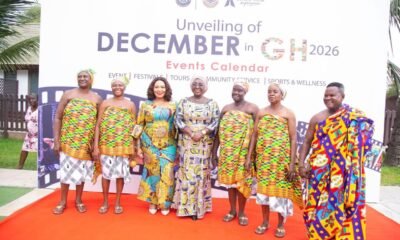
Ghana Unveils December in GH 2026 Calendar With Over 150 Events Nationwide
-

 Entertainment1 week ago
GTA Targets Taxi Drivers in ‘Know Ghana’ Campaign to Boost Tourism
-
 General News2 weeks ago
PROFOUND GRATITUDE FOR YOUR DECISIVE INTERVENTION IN FAST-TRACKING THE COMPLETION OF THE MUMFORD FISHING HARBOUR