
Lifestyle
Remember When Ghanaian Families Sat Outside in the Evening? The Simple Tradition We Are Losing

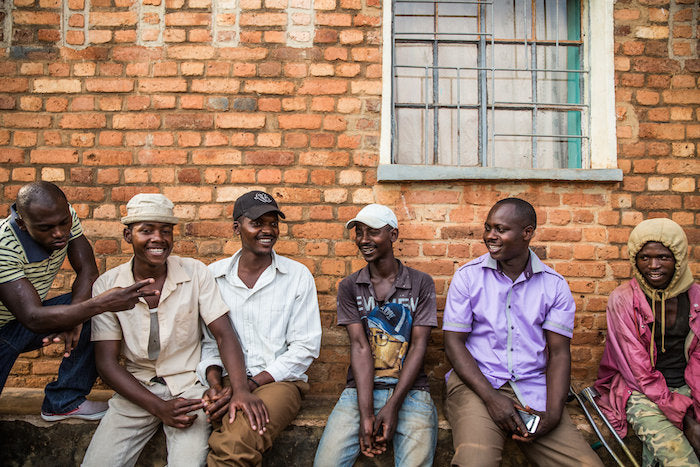
There was a time when the evening hours in many Ghanaian neighbourhoods came with a familiar scene. After a long day of work, school and household responsibilities, people would bring out their chairs, sit in front of their homes and enjoy the cool evening breeze.
Some sat on wooden benches, others used plastic chairs, while children played nearby. Conversations flowed from one topic to another, laughter filled the air, and neighbours who had not seen one another throughout the day finally had time to catch up.
For many families, sitting outside in the evening was part of everyday life. It was not an organised event, and nobody needed a special invitation. People simply came outside, greeted one another and found something to talk about.
Today, that familiar scene is becoming less common in some neighbourhoods. More people spend their evenings indoors, watching television, scrolling through their phones or attending to personal activities.
Although some communities still maintain the tradition, changing lifestyles and modern housing arrangements have affected how people spend their evenings.
It may appear to be a small change, but the simple habit of sitting outside helped create a sense of community that many people remember fondly.
When the compound and frontage became a meeting place
In many Ghanaian communities, the space in front of a house or within a compound served as an informal meeting place.
As the sun began to set, residents could bring out their chairs and settle down outside. Some came to rest after work, while others wanted to escape the heat inside their rooms.
The conversations were often spontaneous. A neighbour could walk past, stop to greet everyone and end up sitting for an hour. Someone returning from the market might share news about food prices, while another person could introduce a discussion about a football match, a family celebration or something happening in the community.
These gatherings did not require refreshments, expensive entertainment or elaborate arrangements. Sometimes, all people needed was a chair and a little time.
For children, it was also an opportunity to play within the view of adults while listening to conversations taking place around them.
The frontage of a house was therefore more than an outdoor space. It was an extension of the home and, in many cases, a meeting point for the neighbourhood.
One thing that made these evenings memorable was the variety of conversations.
Older people shared experiences from their younger days, discussed how the community had changed and sometimes offered advice to younger residents.
Parents talked about their children’s education, work opportunities and family responsibilities. Friends discussed relationships, football, entertainment and everyday challenges.
Sometimes, the conversations were serious. At other times, they were filled with jokes, teasing and laughter.
There were also moments when someone would begin telling a story that attracted everyone’s attention. A simple discussion could turn into a long exchange of memories, with different people adding their own experiences.
For children who were present, these conversations offered an informal way of learning about people, relationships and the world around them.
They heard stories about places they had never visited, people they had never met and experiences that happened long before they were born.
Not every conversation was important, but that was part of the beauty of it. People did not always need a reason to sit together.
The tradition also played a role in how children interacted with adults and other members of their communities.
Children who spent time outside their homes often became familiar with neighbours and older residents. They learnt how to greet adults, respond politely and behave in shared spaces.
They could also hear discussions about school, work, marriage, family responsibilities and community life.
Some children were sent on small errands, asked to bring water or encouraged to help arrange chairs. These everyday activities helped them become comfortable interacting with people outside their immediate families.
The presence of adults also created opportunities for informal supervision, although parents and guardians still had responsibility for keeping children safe.
Today, children have different ways of spending their free time. Many enjoy television, mobile games, social media and indoor entertainment.
These activities are not necessarily harmful, but when outdoor interaction becomes limited, children may have fewer opportunities to develop relationships with people in their immediate communities.
Why more people now spend their evenings indoors
There are several reasons why the culture of sitting outside has changed.
One major factor is the growth of urban living. In some residential areas, houses are built closer together, outdoor spaces are limited, and residents have fewer comfortable places to gather.
Apartment buildings and gated communities may also have rules governing the use of shared spaces. While some provide recreational areas, others offer little room for informal gatherings.
Security concerns have also influenced people’s decisions. Some residents prefer to remain indoors because of concerns about theft, robbery, traffic or disturbances in their neighbourhoods.
Modern entertainment has played a role as well. Television, smartphones and internet services provide endless ways to spend the evening without leaving the house.
Work schedules have also become demanding. Some people return home late, exhausted from traffic and other responsibilities, leaving little energy for social interaction.
For others, privacy is important. They may prefer to spend their free time with immediate family members rather than participate in neighbourhood conversations.
These changes are understandable. However, they have also reduced some of the everyday opportunities people once had to connect with those living around them.
The influence of smartphones and social media
Perhaps one of the biggest differences between the past and present is how people use their free time.
In the past, someone sitting outside could easily become part of a conversation simply because they were physically present.
Today, people may sit together but remain occupied with their phones. One person is watching videos, another is responding to messages, while someone else is scrolling through social media.
Technology has made it easier to stay connected with people across the world, but it can sometimes reduce attention given to those sitting nearby.
A person may know what a friend in another country is doing through social media but have little idea how the neighbour next door is coping.
This does not mean smartphones should be abandoned. They have become important tools for communication, work and entertainment.
The challenge is finding a balance between digital interaction and real-life relationships.
Sometimes, putting the phone aside for a few minutes and joining a conversation can make an ordinary evening more meaningful.
Have modern lifestyles made people less sociable?
It would be unfair to suggest that Ghanaians have stopped socialising altogether.
People still visit friends, attend family gatherings, meet at drinking spots, go to restaurants and participate in religious and community activities.
However, there is a difference between making special arrangements to meet people and having everyday opportunities to interact with those living nearby.
The old evening sitting culture made social interaction part of ordinary life. People did not always need to travel somewhere or spend money to enjoy one another’s company.
It was available right outside the house.
As that habit becomes less common in some areas, people may have to make more deliberate efforts to maintain relationships.
The concern is not simply that fewer chairs are being brought outside. It is that some of the casual conversations and familiar encounters that helped build neighbourhood relationships may also be disappearing.
The disappearance of this simple tradition could affect more than how people spend their evenings.
First, communities may lose opportunities for residents to become familiar with one another. Knowing the people around you can encourage cooperation and make it easier to identify when someone needs assistance.
Second, younger generations may have fewer chances to hear stories and experiences directly from older people.
Third, the informal support systems that grow through regular interaction may become weaker. A person who regularly sees and talks to neighbours may find it easier to ask for help during an emergency than someone who barely knows anyone around them.
There is also the emotional value of having people to talk to after a difficult day. Sometimes, a simple conversation, a shared joke or the presence of familiar faces can make someone feel less isolated.
These benefits may appear ordinary, but they contribute to the quality of community life.
Can the tradition return in modern Ghana?
Bringing back the culture of evening gatherings does not mean people must abandon their televisions, smartphones or personal routines.
Families can start by creating small opportunities to spend time outside when it is safe and comfortable to do so.
Neighbours can organise occasional informal gatherings, particularly in communities where residents already know one another.
Residential associations can also consider creating welcoming shared spaces where people can sit, relax and interact.
Parents can encourage children to spend some time outdoors under appropriate supervision, while older family members can use these moments to share stories and experiences.
Even a few chairs placed outside a home can create an opportunity for conversation.
The most important thing is not the number of people who gather or how long they stay. It is the willingness to make time for human interaction.
Looking back, those evening gatherings were not always comfortable or perfect. There were disagreements, gossip, arguments about football and moments when conversations lasted longer than expected.
But they offered something that money could not easily buy: time spent with people.
People learnt about one another, shared experiences and created memories without needing a special occasion.
As Ghana continues to develop and lifestyles change, it is worth asking whether some of these simple traditions deserve a place in modern society.
A house can have a beautiful living room, a large television and a fast internet connection, but there is something special about sitting outside, feeling the evening breeze and laughing with people who live nearby.
Perhaps the next time the evening comes, instead of spending the entire night indoors, someone could bring out a chair, greet a neighbour and start a conversation.
It may be a small gesture, but it could bring back a little of the warmth that made those ordinary Ghanaian evenings so memorable.
Do you remember evenings when people brought their chairs outside to chat with neighbours and enjoy the cool breeze? Do you think Ghanaians should bring back this simple tradition?




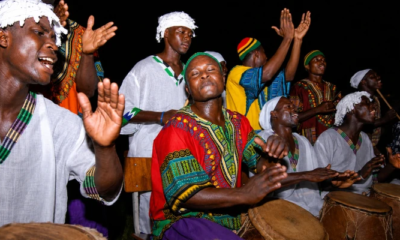





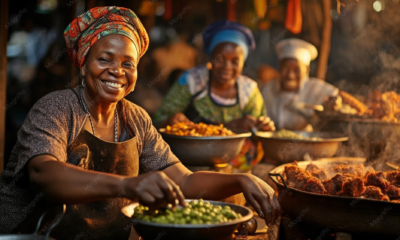









Ghana has produced several distinctive cultural expressions that have crossed geographical boundaries, but few have captured the energy, creativity and youthful spirit of the country quite like Azonto and Akayida.
The two popular dance styles became major cultural movements in Ghana, particularly during the early 2010s, as young people embraced them through music, social media and street performances. Although they share similarities in their energetic movements and connection to hip-hop music, Azonto and Akayida developed distinct identities and became important parts of Ghana’s contemporary entertainment culture.
Azonto: The Dance That Put Ghana on the Global Map
Azonto is one of Ghana’s most popular dance and music genres. It evolved from the traditional Ga dance known as Kpanlogo and originated in coastal communities, including Chorkor, James Town, Teshie, Nungua and Tema.
The dance was initially known as Apaa and was used to portray everyday activities, occupations and experiences through body movements. Dancers mimicked different professions and ordinary activities, transforming simple actions into entertaining dance routines.
Its distinctive movements include keeping one foot planted while the other pivots, slightly slouched shoulders and expressive hand gestures. Dancers also use their hands and bodies to imitate activities such as ironing clothes, washing, driving and swimming.
What initially began as simple one- or two-step movements gradually developed into more complicated routines, allowing dancers to communicate messages and tell stories without necessarily using words.
Azonto became a nationwide sensation before spreading across Africa and into the Ghanaian diaspora. By 2013, it had gained significant popularity internationally, with Ghanaians living abroad playing an important role in promoting the dance as an expression of cultural identity.
Several hit songs contributed to its rise, including Guru’s Lapaz Toyota, Sarkodie’s U Go Kill Me and Fuse ODG’s Azonto and Antenna.
Social media, particularly YouTube, also played a significant role in taking the dance beyond Ghana. Young people began uploading homemade dance videos, tutorials and creative performances, many of which attracted thousands of views and inspired similar performances in other countries.
Through these online platforms, Azonto became more than a dance trend. It developed into a cultural movement that showcased Ghanaian creativity, music and identity to international audiences.
Akayida: The Dance That Challenged Azonto’s Dominance
Following Azonto’s popularity, another dance style known as Alkayida, also spelt Akayida or Alkaida in Ashanti Twi, emerged and captured the attention of Ghanaian music lovers and dance enthusiasts.
Akayida is characterised by relaxed, side-to-side body movements, expressive upper-body gestures, intricate footwork and coordinated hand, shoulder and hip movements.
Unlike dances that depend heavily on fast-paced choreography, its original style was relatively relaxed and free-form, allowing dancers to combine group routines with individual performances.
According to hip–hop, hiplife, Afrobeats, and Azonto musician Guru, who played a major role in popularising the dance, the correct spelling is Akayida.
The dance initially featured slower movements that loosely mimicked the mannerisms associated with the extremist group Al-Qaeda. However, as its popularity grew, the tempo increased, giving birth to more energetic and vibrant choreography.
Its unusual name also became part of its appeal, creating a playful connection between the dance craze and the name of the terrorist organisation.
Akayida emerged at a time when Azonto was enjoying enormous popularity and became one of the dance styles that challenged its dominance on Ghana’s entertainment scene.
Guru’s ‘Akayida (Boys Abrɛ)’ and the Dance Craze
One of the biggest factors behind Akayida’s popularity was Guru’s hit song, Akayida (Boys Abrɛ).
The song helped introduce the dance to a wider audience and established the term in the vocabulary of young people, particularly among Akan-speaking communities.
In Ashanti Twi, the word brɛ means tired. The expression Boys Abrɛ, which became the song’s popular catchphrase, was closely associated with the dance and contributed to its widespread acceptance.
The song quickly became a favourite at social gatherings, parties and entertainment events, with many young people embracing its accompanying dance movements.
Guru’s contribution was significant because the song provided a musical identity for the dance, helping transform it from a developing street trend into a recognised dance craze.
Akayida and the 2014 World Cup Moment
Akayida also attracted attention during the 2014 FIFA World Cup in Brazil, when Ghana’s Black Stars faced Germany in a memorable group-stage encounter.
Ghanaian football supporters anticipated that Asamoah Gyan and his teammates would celebrate a goal with the popular Akayida dance, reflecting the dance’s popularity at the time.
However, the Black Stars performed Azonto rather than Akayida during their celebrations.
Although the expected Akayida performance did not happen, the anticipation surrounding the dance demonstrated how deeply Ghanaian music and dance had become connected to the country’s football culture.
It also reflected the desire of supporters to see Ghanaian cultural expressions showcased on one of the world’s biggest sporting stages.
Akayida briefly attracted international attention when Panamanian dancehall deejay Japanese and Honduran artiste AlBeezy released a song titled La Caída.
The song used an instrumental similar to Guru’s Akayida (Boys Abrɛ) and featured dance movements resembling those associated with the Ghanaian dance.
Although the lyrics were unrelated to Guru’s original song, the adaptation generated renewed interest in the dance, particularly in Panama.
The development gave Akayida a short-lived international boost while offering some exposure to Guru’s music and Ghana’s dance culture beyond the country’s borders.
Two Dances, One Cultural Legacy
Azonto and Akayida represent an important period in Ghana’s contemporary music and dance history.
While Azonto drew inspiration from traditional Ga dance and developed into a global cultural phenomenon, Akayida gained popularity through Guru’s music and its distinctive choreography.
Both dances demonstrated the ability of Ghanaian musicians and young people to turn simple movements, street creativity and popular songs into nationwide entertainment trends.
Their popularity was also evidence of the powerful relationship between music, dance and social media in promoting Ghanaian culture.
Although newer dance trends have since emerged, Azonto and Akayida remain memorable examples of Ghana’s contribution to African popular culture and the creativity that once made Ghanaian dance movements a major talking point both locally and internationally.
Lifestyle
Jama: The Ghanaian Musical Tradition That Unites People Through Rhythm, Energy and Community Spirit
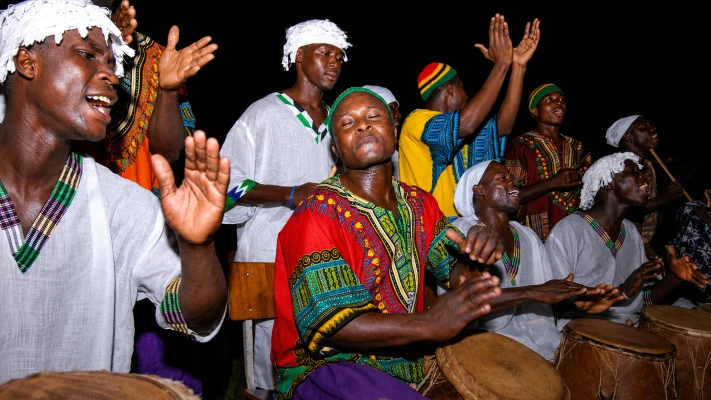
In Ghana, music goes beyond entertainment. It is deeply woven into the country’s cultural identity and serves as a powerful means of bringing people together, expressing emotions, celebrating achievements and strengthening communal bonds. Among the musical traditions that have maintained a strong presence in Ghanaian society is jama, also known as gyama or d jama.
Jama is a lively and energetic form of group music characterised by singing, chanting, clapping, drumming, dancing and coordinated movements. It is built around participation, with individuals coming together to create rhythms and sounds that generate excitement and a shared sense of belonging. Unlike performances where audiences simply watch and listen, jama encourages everyone to become part of the experience.
One of its most recognisable features is the call-and-response pattern. A lead singer or group leader introduces a song, chant or statement, while the rest of the group responds in unison. The lyrics are often simple, repetitive and catchy, making it easy for people to learn and join in, even without prior musical experience.
The accompanying clapping, drumming, whistles and coordinated body movements add to its lively atmosphere, transforming ordinary gatherings into energetic celebrations.
Jama has particularly strong roots in Ghana’s secondary school boarding culture, where it developed into an important part of student life and school traditions.
For generations, students in boarding schools have used jama songs and chants to express school pride, demonstrate unity, celebrate achievements and support their respective houses during competitions. What began as a form of student expression gradually became an established feature of school entertainment and social activities.
During inter-house sports competitions, for instance, students often organise themselves into groups to sing, drum, clap and dance in support of their houses. The songs are sometimes created specifically for the occasion, with lyrics celebrating a house’s identity, achievements or reputation while encouraging competitors to give their best.
Jama is also common during entertainment nights, school anniversaries, processions, speech and prize-giving ceremonies, sporting events and alumni gatherings.
A study conducted by the University of Cape Coast on Gyama Songs in Ghanaian Schools highlights the significant contribution of secondary school students to the development of the tradition. It identifies students’ creativity as a major influence in shaping the songs and chants before the practice expanded beyond school environments into wider Ghanaian society.
Over the years, students have passed down popular chants and introduced new lyrics, rhythms and styles, allowing jama to evolve while retaining its original character.
Although its development is strongly associated with secondary school culture, jama has gradually become part of everyday social life in Ghana.
Today, it can be heard at football matches, university campuses, churches, political gatherings, community celebrations, funerals, festivals and other public events.
At these gatherings, jama serves different purposes depending on the occasion. At a football match, it can motivate players and energise supporters. At a church programme, it can encourage collective participation and create an atmosphere of celebration. During community events, it provides an opportunity for people to interact, express happiness and strengthen social connections.
Its ability to adapt to different environments has contributed significantly to its continued popularity.
One of the most visible ways jama influences Ghanaian society is through sports, particularly football.
In Ghanaian football culture, music, chanting and drumming are important parts of the match-day experience. Supporters use these activities to encourage their teams, intimidate opponents and create an atmosphere of excitement inside and outside stadiums.
The tradition is especially evident during matches involving the Black Stars, Ghana’s national football team. Supporters often organise themselves into singing and chanting groups, using familiar tunes, energetic rhythms and coordinated responses to demonstrate their support.
Jama can also help athletes maintain confidence and enthusiasm, particularly during competitions where team spirit and collective motivation are important.
The relationship between music and football in Ghana extends beyond stadium performances. Whenever the Black Stars prepare for major international tournaments, Ghanaian musicians frequently release songs celebrating the team, expressing national pride and encouraging supporters to rally behind the players.
These songs become part of the wider football experience, demonstrating how music can connect sporting achievements with national identity.
Jama’s influence is not limited to traditional group performances. Its rhythms, chants and participatory style have also contributed to the development and popularity of contemporary Ghanaian music.
Elements of jama can be identified in aspects of hiplife, gospel, highlife and other popular Ghanaian musical expressions, particularly in songs that feature repetitive choruses, energetic group vocals and audience participation.
The call-and-response technique, which is central to jama, is also widely used in Ghanaian popular music. Musicians frequently introduce a line that is repeated or answered by backing vocalists or audiences, creating an interactive musical experience.
In gospel music, for example, similar techniques encourage congregational participation, while hiplife and highlife performances often incorporate chants and crowd responses to build excitement.
Although these genres have their own distinct histories and musical characteristics, jama’s participatory culture demonstrates how traditional forms of expression can influence modern entertainment.
Another important feature of jama is its flexibility in language and lyrical composition.
Songs and chants may be performed in Twi, Ga, Ewe, Fante, English, Ghanaian Pidgin or a combination of different languages. This allows groups from different cultural and linguistic backgrounds to participate without feeling excluded.
The lyrics are often inspired by everyday experiences, school rivalries, sporting achievements, social issues, popular personalities, traditional sayings and community life.
Some songs are created to praise individuals or groups, while others are humorous, motivational or competitive. In school settings, students may compose chants that celebrate their houses, tease rival groups or recount memorable experiences.
This creativity makes jama an evolving tradition. New songs can emerge from almost any social situation, while familiar rhythms can be adapted with different lyrics to suit a particular audience or event.
It also reflects Ghana’s cultural diversity, bringing together different languages, musical influences and traditions through a shared form of expression.
The continued relevance of jama can largely be attributed to its simplicity, inclusiveness and ability to create collective excitement.
Unlike some musical forms that require specialised instruments, professional singers or extensive training, jama can be performed with basic resources. A group can create its own rhythm through handclapping, foot stamping, body movements and simple percussion instruments.
Its participatory nature also means that people of different ages, backgrounds and musical abilities can take part.
More importantly, jama creates a sense of belonging. Students who sing together during school competitions develop memories and connections that often remain with them long after graduation. Alumni frequently revive familiar school chants during reunions, reminding them of their shared experiences and strengthening relationships.
The same sense of togetherness can be seen among football supporters, church members and community groups who use songs to express a common identity.
Jama therefore serves not only as entertainment but also as a means of preserving collective memories, building friendships and passing cultural practices from one generation to another.
Despite changes in Ghana’s entertainment industry and the growing influence of digital music, jama continues to maintain its place in the country’s social and cultural activities.
Its presence in schools, universities, stadiums, churches and community celebrations demonstrates that traditional forms of musical expression can remain relevant even as society evolves.
Social media has also created opportunities for jama performances, school chants and group routines to reach audiences beyond their original settings. Songs that were once known mainly within particular schools or communities can now be shared widely through videos and online platforms.
However, preserving the tradition requires more than simply enjoying its entertainment value. Schools, cultural institutions, musicians and communities can contribute by documenting traditional jama songs, encouraging students to compose original chants and creating opportunities for younger generations to learn about their cultural significance.
Ultimately, jama represents an important aspect of Ghanaian cultural expression. It tells a story of creativity, unity, identity and collective participation.
Whether performed by students supporting their houses, football fans cheering the Black Stars, worshippers celebrating in church or community members gathered for a special occasion, jama continues to demonstrate the power of music to bring people together.
More than just a collection of songs and rhythms, jama is a living expression of Ghanaian togetherness, reminding us that music is sometimes most powerful when everyone has a voice, and everyone becomes part of the performance.
Lifestyle
The Ghanaian Habit of Asking “When Are You Getting Married?” — Can People Mind Their Business?

For many unmarried adults in Ghana, attending a family gathering can sometimes feel like walking into an interview they never applied for.
Before the food is served or the conversation gets interesting, somebody may ask the familiar question: “So, when are you getting married?”
If the person is already in a relationship, the follow-up may be about the wedding date. If they are single, the conversation can quickly shift to whether they have found someone or why they are taking so long.
What may begin as an innocent question can leave people feeling uncomfortable, particularly when it is repeated at every family gathering.
In many communities, marriage is regarded as an important life milestone. Families may look forward to seeing their children settle down, build homes and raise families of their own.
For parents and relatives, asking about marriage may come from genuine concern, excitement or a desire to see loved ones happy.
But the expectation can become overwhelming when everyone appears to have an opinion about when another adult should get married.
Someone in their late twenties may be asked why they are still single. A person in their thirties may face even more persistent questions, while someone who has been in a relationship for years may constantly be asked when the wedding will happen.
The implication can be that there is a correct age for marriage and that anyone who misses it must explain themselves.
Yet people have different experiences, priorities and circumstances.
Some adults are focused on completing their education, building careers, establishing businesses or becoming financially stable before considering marriage.
Others may be looking for a compatible partner and simply have not found one.
Some people are comfortable being single, while others may have experienced difficult relationships that have influenced their decisions.
There are also individuals dealing with personal circumstances they do not wish to discuss publicly.
Repeated questions can make these private matters feel like public property.
A person should not have to disclose their relationship history, financial situation or personal disappointments simply because a relative wants an update.
One interesting part of the conversation is that people who are already married may sometimes be particularly eager to encourage others to follow the same path.
Their intentions may be good. They may enjoy their marriages and hope others experience similar happiness.
However, marriage is not a competition, and reaching the milestone earlier does not automatically mean someone has lived a more successful life.
A person who marries at 25 and another who marries at 38 can both build fulfilling lives. Equally, getting married does not guarantee happiness, financial stability or emotional maturity.
The quality of a relationship matters more than the age at which it begins.
There is a difference between asking someone about their future and repeatedly making them feel inadequate because their life does not match your expectations.
A simple question may be harmless when asked respectfully. But when it becomes a regular topic of conversation, it can make family visits uncomfortable.
Relatives can show interest without demanding explanations. They can offer advice when requested rather than treating marriage as a deadline that must be met.
Adults, in turn, can communicate their boundaries politely without turning every family conversation into an argument.
Marriage can be a beautiful experience, but it should be a personal decision made with readiness, mutual commitment and careful consideration.
The pressure to satisfy relatives should never be the main reason someone chooses a life partner.
Perhaps the next time an unmarried person attends a family gathering, the conversation could focus on their work, interests, happiness or plans without immediately turning to their marital status.
After all, a person’s worth is not determined by whether they have a wedding ring.
So, be honest: when relatives repeatedly ask, When are you getting married?, do you see it as genuine concern, or do you think people should stop treating marriage like a deadline?

Salary: For many young workers in Ghana, payday is one of the most exciting moments of the month. After weeks of reporting to work, dealing with customers, meeting deadlines, and enduring traffic, a salary brings a sense of relief.
There is money in the account again. You can pay bills, buy groceries, settle debts, and maybe finally take care of a few personal needs.
But sometimes, that excitement does not last very long.
Within a few days, the money begins to disappear. A mobile money transfer here, lunch with colleagues there, a few online purchases, money sent to family members and an unexpected expense can quickly reduce what initially looked like a comfortable salary.
Before the second week of the month arrives, some workers are already checking their account balances, wondering how they managed to spend so much money in such a short time.
The situation raises an important question: are young Ghanaians earning too little to meet their needs, spending beyond their means, or struggling with both problems at the same time?
The excitement of payday can be expensive
For some workers, payday comes with a strong desire to reward themselves for surviving another month of work.
After working hard, they may feel they deserve a nice meal, new clothes, a weekend outing or something they have wanted for a long time.
There is nothing wrong with enjoying the money one has worked for. The problem begins when the excitement of receiving a salary makes it easy to spend without considering what must be paid before the next payday.
Someone who has been postponing several purchases may decide to buy everything at once. Another may invite friends out because the money has finally arrived.
A worker who normally avoids expensive restaurants may suddenly feel comfortable spending more because their account balance looks healthy.
The difficulty is that the salary has to cover an entire month, even when the spending happens within the first few days.
What feels like a small reward on payday can become a financial burden when several such purchases happen together.
Mobile money has transformed financial transactions in Ghana. People can send money to relatives, pay bills, purchase goods and transfer funds without visiting a bank.
However, the convenience of digital payments can also make spending feel less noticeable.
When someone pays for food with physical cash, they may see the money leaving their wallet. With mobile money or digital payments, a few taps can complete a transaction within seconds.
A GH¢30 transfer may not seem significant. Neither does GH¢50 spent on lunch, or GH¢40 used to purchase an item online.
But when these transactions happen repeatedly, the total can become substantial.
Consider a worker who spends GH¢35 on lunch for 20 working days. That amounts to GH¢700 over a month, before accounting for breakfast, dinner, snacks or transport.
Add occasional food deliveries, subscription payments and weekend outings, and everyday spending can consume a considerable share of the salary.
The issue is not that every small purchase is unnecessary. Rather, people may underestimate the combined cost of expenses that appear insignificant individually.
One way to address this is to review mobile money statements and bank transactions regularly. Seeing the actual figures can reveal habits that are otherwise easy to overlook.
The pressure to look successful
Another challenge facing some young adults is the pressure to maintain a lifestyle that appears successful.
Social media provides a constant stream of photographs and videos showing restaurant visits, expensive outfits, holidays, new gadgets and fashionable locations.
Although these posts rarely reveal the full financial circumstances behind them, viewers can easily compare their own lives with what they see online.
A person may begin to feel that they are falling behind because their friends appear to be enjoying better experiences.
This can create pressure to purchase clothes they do not need, visit places they cannot comfortably afford, or spend money on outings simply to avoid feeling excluded.
In some cases, people may use borrowed money or credit to maintain appearances.
The challenge is that social media presents the visible part of people’s lives, not necessarily their debts, financial responsibilities or savings.
Someone who regularly posts expensive outings may have a comfortable income, but they may also be prioritising those experiences over other needs. Without knowing the full picture, comparing lifestyles can lead to unrealistic expectations.
Financial stability does not always look impressive online. Sometimes, it means staying home, cooking a meal, paying bills on time and putting a little money aside for future needs.
Sending money to family can consume a large part of a salary
For many young workers in Ghana, earning a salary does not mean the money belongs exclusively to them.
There may be parents to support, younger siblings in school, relatives facing emergencies or household expenses that require regular contributions.
Some workers help with school fees, utility bills, medical expenses and food for family members. Others are expected to contribute to funerals, family gatherings and other social obligations.
These responsibilities can be expressions of love, solidarity and cultural values.
However, they can also make budgeting difficult when requests arrive frequently or when family members assume that receiving a salary means someone has money available to share.
A worker earning a modest income may find that a significant portion of their salary goes towards supporting other people before they have paid their own rent, transport costs and bills.
The situation becomes even more complicated when refusing a request could be interpreted as a lack of care or respect.
One practical approach is to determine how much can reasonably be allocated to family support each month. This allows people to help within their means without neglecting essential expenses.
Families can also benefit from open conversations about financial limitations rather than assuming that every request can be met immediately.
Helping others is important, but it should not require someone to repeatedly borrow money to survive until payday.
Not every worker who runs out of money quickly is financially irresponsible.
The cost of necessities can place considerable pressure on people whose incomes have not kept pace with their expenses.
Transport, rent, food, electricity, water, school fees and other household responsibilities can consume a large share of a monthly salary.
For workers who commute long distances, transport costs can become particularly significant. Spending money on several transport connections each day can add up over the course of a month.
Food is another major expense. Buying meals outside the home may be convenient for people who leave early and return late, but frequent purchases can be more expensive than preparing some meals in advance.
Even people who try to live modestly may struggle when they face unexpected expenses such as medical bills, repairs, family emergencies or increases in household costs.
This is why discussions about salary management should not automatically blame workers for their financial difficulties.
Budgeting can help people understand and manage their money, but it cannot make an inadequate income sufficient for every essential need.
A realistic financial plan must account for both spending habits and the actual cost of living.
The habit of buying things because they are on sale
Discounts and promotional offers can make shopping feel like an opportunity to save money.
A person who sees a shirt reduced in price may feel compelled to buy it before the offer expires. Another may purchase household items, accessories or gadgets because an online seller advertises a limited-time deal.
The reasoning often sounds sensible: the item is cheaper now, so buying it is a good decision.
But there is an important distinction between saving money on something you need and spending money on something you would not otherwise have purchased.
If a person spends GH¢200 on unnecessary items simply because they are discounted, the money has still left their account.
Promotional messages can create urgency, making shoppers feel that they will lose an opportunity if they do not buy immediately.
A useful habit is to pause before making non-essential purchases. Ask whether the item was already on your shopping list, whether you can afford it without borrowing and whether you would still want it if the discount disappeared.
Sometimes, the best bargain is the item you decide not to buy.
Peer pressure and the cost of maintaining friendships
Friendships can bring happiness, emotional support and memorable experiences. However, social activities can also become expensive when people feel obligated to participate in every outing.
A group may plan a birthday dinner at a restaurant, organise a weekend trip or decide to visit an entertainment venue. Each event may appear affordable on its own, but several outings in a month can put pressure on a limited budget.
Some people agree to plans they cannot comfortably afford because they do not want to appear broke, boring or unsupportive.
Others may spend more than they intended because everyone in the group is ordering food, drinks or additional services.
The pressure can be particularly difficult for young adults who are trying to maintain friendships while saving towards bigger goals.
However, a healthy friendship should not depend on a person’s willingness to spend money.
Friends can choose less expensive activities, meet at home, share simple meals or plan outings that reflect everyone’s financial circumstances.
It is also reasonable to decline an invitation when the cost does not fit one’s budget.
Being unable to afford a particular outing does not mean someone values their friends any less.
Buy now, pay later: when tomorrow’s salary is already spent
Another financial challenge arises when people use credit to purchase items before they have the money available.
Borrowing is not automatically a bad financial decision. Credit can serve legitimate purposes when the terms are clear, and repayment is manageable.
However, problems can arise when people repeatedly borrow to finance non-essential purchases or maintain a lifestyle they cannot afford.
A person may use credit to purchase a phone, clothes or household items, expecting to settle the payment with the next salary.
But when payday arrives, the money is already committed to previous purchases.
They may then borrow again to cover current expenses, creating a cycle in which each new salary is partly used to pay for the past.
Small repayments can also become difficult to manage when several loans, digital credit facilities or informal borrowing arrangements overlap.
Before taking on credit, it is important to understand the total repayment amount, applicable fees, due dates and consequences of missing payments.
Borrowing to meet an essential need may sometimes be unavoidable, but repeatedly using credit for discretionary spending can make financial stability harder to achieve.
People are often advised to save a percentage of their salary, build an emergency fund and invest for the future.
Although these are useful financial principles, saving can be difficult when income is already committed to basic expenses.
A worker who pays rent, supports relatives, covers transport and buys food may have little money left at the end of the month.
Others may have enough income to save but struggle because spending decisions are made before savings are set aside.
In either situation, the first step is to understand where the money goes.
A simple record of income and expenses can help identify whether the main challenge is low income, high essential costs, unplanned spending or a combination of these factors.
For those who have some flexibility, setting aside a manageable amount immediately after payday can help prevent savings from becoming whatever happens to remain at the end of the month.
The amount does not have to be large at first. Consistency and a realistic target are more useful than choosing an ambitious figure that cannot be maintained.
People should also avoid comparing their savings with those of friends whose incomes, responsibilities and living costs may be very different.
Practical ways to make a salary last longer
For workers who regularly find themselves short of money before the next payday, a few changes can help create greater control over spending.
Plan before payday arrives.
List the expenses that must be covered, including rent, food, transport, utilities, debt repayments and family responsibilities. This creates a clearer picture of how much money is actually available for other activities.
Separate needs from wants.
Essential expenses should take priority over purchases that can wait. This does not mean eliminating all entertainment or personal treats, but it does mean deciding how much can be spent without affecting important obligations.
Track everyday spending.
Record even small purchases and mobile money transfers for at least a few weeks. The results may reveal patterns that are easy to miss when relying on memory.
Set a limit for social activities.
Decide how much you can comfortably spend on eating out, entertainment, shopping and weekend plans. Once the limit is reached, choose free or less expensive alternatives.
Be realistic about family support.
Decide what you can contribute regularly and communicate honestly when additional requests exceed your budget. Helping within your means is better than repeatedly borrowing to satisfy every request.
Build an emergency fund gradually.
If your circumstances allow, save small amounts towards unexpected expenses. An emergency fund can reduce the need to borrow when something goes wrong.
Review your expenses regularly.
At the end of each week, check whether your spending matches your plan. If it does not, identify the reason and adjust your approach rather than waiting until the end of the month.
Look at your income as well as your spending.
If essential expenses consistently exceed what you earn, cutting out occasional treats may not solve the problem. Depending on your circumstances, increasing income, seeking better-paid work, developing a marketable skill or finding more affordable arrangements may be necessary.
There is no single budgeting formula that works for everyone. A useful plan is one that reflects your actual income, responsibilities and priorities.
The conversation about young Ghanaians running out of money before payday should go beyond blaming people for buying food, going out with friends or occasionally treating themselves.
Some workers genuinely need to examine their spending habits. Impulse purchases, unnecessary borrowing and pressure to maintain appearances can undermine financial stability.
At the same time, low earnings, rising living expenses, family obligations and limited opportunities to increase income can make it difficult for others to save, even when they are careful with money.
Both realities deserve attention.
Financial discipline involves making thoughtful decisions with the resources available. It does not mean denying oneself every pleasure or pretending that income is sufficient when it is not.
The goal is to find a balance between meeting immediate needs, enjoying life, supporting loved ones and preparing for the future.
A salary should provide more than a few days of excitement followed by weeks of anxiety. Whenever possible, it should be managed in a way that gives the earner a clearer understanding of their financial position and greater control over the next payday.
So, let us talk honestly: when your salary enters your account, what usually takes the biggest share — rent and bills, family responsibilities, transport and food, or shopping and entertainment? And do you believe the main problem is poor spending habits, low salaries or the rising cost of living in Ghana?

Walk into certain workplaces, businesses or social gatherings in Ghana, and you may notice something interesting: titles matter.
Some people are comfortable being called by their first names, while others prefer Boss, CEO, Director, Madam, or another title that reflects their position.
But an interesting question arises when the titles become bigger than the work itself: are people more interested in building something meaningful or in being recognised as important?
In a society where professional success is often associated with respect, influence and financial stability, titles can carry significant weight.
Being introduced as a manager, director or chief executive can create an impression of authority. For entrepreneurs, a title may also help establish credibility when meeting potential clients or business partners.
There is nothing inherently wrong with taking pride in one’s achievements. Titles can reflect genuine responsibility, years of experience and hard work.
The problem begins when the desire for recognition becomes more important than the responsibility attached to the title.
Someone may want to be addressed as a boss but struggle to manage a team. Another person may insist on being treated as an authority while refusing to listen to people with more experience.
In such situations, the title becomes a symbol of status rather than a reflection of service.
The pressure to appear successful can be particularly strong among young professionals and entrepreneurs trying to establish themselves.
On social media, business owners may highlight their positions, achievements and lifestyles as a way of attracting attention. Some genuinely use these platforms to promote their work, while others may feel that looking successful is necessary to gain respect.
This can create a situation in which appearances receive more attention than the actual quality of a person’s work.
A business may have an impressive name and a grand introduction, but customers will eventually judge it by its service, reliability and results.
Likewise, a person with no impressive title can still earn tremendous respect through honesty, competence and consistency.
In Ghana, calling someone Boss or Madam can be a polite way of addressing them. It does not automatically mean the person is arrogant or obsessed with status.
Context matters.
However, problems can arise when someone treats people differently simply because they have a lower job title, earn less money or occupy a less prestigious position.
The cleaner, security officer, apprentice, driver and junior employee all contribute to the functioning of workplaces and businesses. Their work deserves dignity, regardless of whether they have impressive titles.
True leadership is not demonstrated only by the way people address you. It is also reflected in how you treat those who cannot offer you anything in return.
There is nothing wrong with wanting to become a CEO, own a company or rise through the ranks of an organisation.
Ambition can motivate people to work harder and create opportunities for themselves and others.
But titles should follow responsibility, not replace it.
The next time someone introduces themselves with an impressive title, perhaps the more important question is not what they want to be called but what they have built, how they treat people and whether their work speaks for itself.
After all, would you rather work for a humble person who delivers results or an impressive-sounding boss who makes every task unnecessarily difficult?
In the end, a title may attract attention, but character and competence are what sustain respect.

Government rolls out digital bed management system to tackle ‘no-bed syndrome’

Mahama warns health facilities against charging NHIS patients extra fees

Okyame Kwame Reveals How Samini Influenced His Decision to Become Vegetarian

IRAWMA 2025: Shatta Wale Wins 3 Major Awards Including Best Music Video

Samini Secures Promotional Deal with Audiomack for Upcoming Album “THE ORIGIN8A”

AirtelTigo losing GH₵20m monthly; total debts exceed $200million – Sam George


-

 General News2 weeks ago
GTA Staff Demand Answers on World Cup Visa Slots, Staff Dismissals and Unpaid Allowances
-

 General News2 weeks ago
SAMMY GYAMFI’S “MINE WITHOUT LICENCE” REMARK SPARKS FRESH GALAMSEY DEBATE
-

 Entertainment4 days ago
NADFFA 2027: Ghana to Host Pan-African Film and Food Festival in March
-

 General News2 weeks ago
Nicki Minaj Throws Her Support Behind Trump Ahead of US Midterm Elections
-

 Entertainment1 week ago
GTA Targets Taxi Drivers in ‘Know Ghana’ Campaign to Boost Tourism
-

 Education1 week ago
Can Students Solve Disagreements Without Fighting? Why Schools Should Teach Conflict Resolution
-

 Lifestyle1 week ago
In Ghana, Everyone Wants to Be Called Boss — But Who Is Doing the Actual Work?
-

 Lifestyle2 weeks ago
One More Video Until 2 AM: Why We Keep Stealing Sleep from Ourselves