
General News
SHC Dismisses Political Motive Claims Over Planned Recovery of Sandbox Beach Club Land

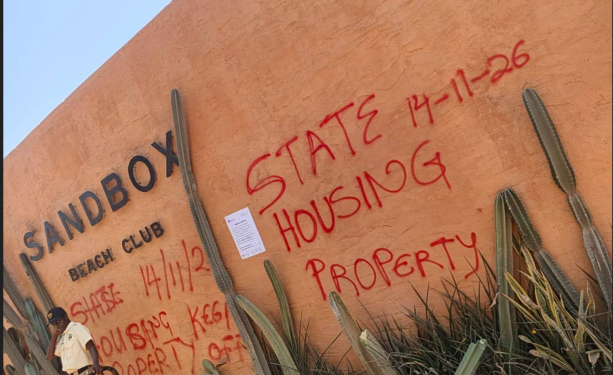
The State Housing Company Limited (SHC) has dismissed claims that its planned demolition of structures occupied by Sandbox is politically motivated, insisting that the exercise forms part of a broader effort to recover state lands and protect public assets.
The clarification follows the marking of the Sandbox-occupied property on Saturday, November 14, with a notice directing occupants and members of the public to stay away from the premises.
In a post on X, formerly Twitter, SHC’s Public Relations Officer, Ewura Adams Karim, rejected suggestions that the facility was being targeted because of its perceived political affiliations.
He described the allegations as false, stressing that the company’s ongoing asset recovery exercise was being carried out in accordance with established procedures and applied consistently to all occupants of its properties.
According to him, SHC had issued public notices to occupants of its lands, giving them 21 days to regularise their tenancy arrangements, renew expired leases or surrender vacant possession.
He added that the company had introduced a 15 per cent discount for occupants with outstanding payments to encourage them to settle their debts and regularise their occupancy.
Mr Karim maintained that the measures applied to all occupants, irrespective of their political affiliations or the nature of their businesses.
Although acknowledging concerns about the potential impact of the planned demolition on workers and their families, he said SHC had provided adequate notice and allowed affected occupants to resolve their tenancy issues.
“We share the concern for workers and their families. That is exactly why SHC gave notice and offered the option to regularise. Protecting jobs and protecting public assets are not opposites,” he said.
He further emphasised that state lands belonged to all Ghanaians and that efforts to recover such properties should not be viewed as an act of political hostility.
Rather, he described the exercise as an act of responsible stewardship intended to safeguard public property for the benefit of both present and future generations.
The statement follows criticism from Richard Gyamfi, a member of the New Patriotic Party’s National Communications Team, who questioned the reasons behind the planned demolition of the Sandbox structures.










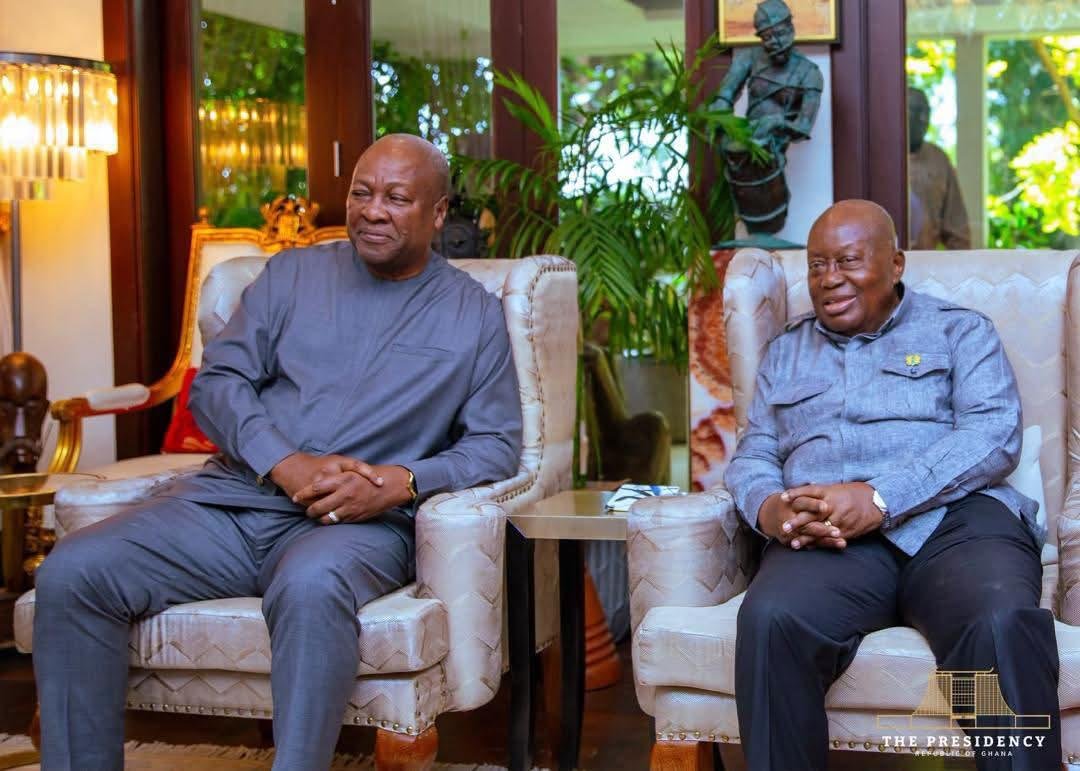
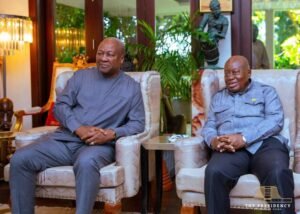
President John Dramani Mahama on Tuesday, November 17, 2026, paid a visit to former President Nana Addo Dankwa Akufo-Addo at his residence in Nima, Accra.
The visit, described as a warm and cordial engagement, was aimed at checking on the well-being of the former president and discussing matters of national and international concern.
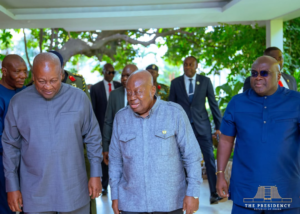
It marked the first time President Mahama had visited his predecessor at his private residence since assuming office on January 7, 2025.
According to details of the meeting, the two leaders exchanged pleasantries and handshakes, creating a friendly atmosphere that reflected their willingness to engage despite their political differences.
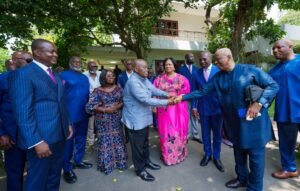
The engagement was also seen as a demonstration that there is more that unites Ghanaians than divides them, particularly when it comes to the country’s broader national interests.
During the meeting, both President Mahama and former President Akufo-Addo assured each other of their readiness to cooperate and consult whenever necessary.
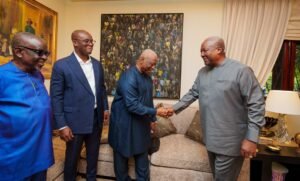
Their interaction highlighted the importance of maintaining cordial relationships among political leaders and putting the country’s common interests above partisan considerations.
Ambassador Alhaji Baba Kamara, ECOWAS Special Envoy on Counter Terrorism, was also present at the meeting.
Other personalities who attended included former First Lady Mrs Rebecca Akufo-Addo, former Chief of Staff Madam Frema Opare, former National Security Advisor Albert Kan Dapaah, and other close associates of the former president.
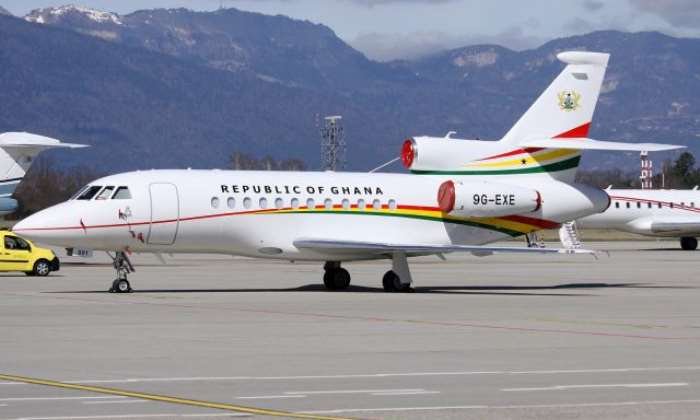
The Ghana has taken delivery of a brand-new presidential executive jet in a major development expected to strengthen the country’s official air transport capabilities and address longstanding concerns over the condition of its ageing presidential aircraft.
The Ghana Air Force has received a new Falcon 6X executive jet manufactured by French aerospace company Dassault Aviation, according to an announcement by Minister for Government Communications, Felix Kwakye Ofosu, on Monday, November 16, 2026.
The newly acquired aircraft is expected to replace the ageing Falcon 900EX, which has been in service for approximately 16 years and has reportedly experienced recurring technical and maintenance challenges.
Announcing the development, Mr Kwakye Ofosu disclosed that Parliament approved the purchase of the new aircraft on December 4, 2025, as part of efforts to strengthen Ghana’s executive air transport capacity.
He explained that the Falcon 6X comes with an improved operational range, allowing it to undertake longer journeys without the frequent refuelling stops associated with the older aircraft.
The minister’s announcement comes after months of public discussion surrounding Ghana’s presidential air transport arrangements, particularly concerns about the reliability of the existing presidential aircraft and President John Dramani Mahama’s use of a private jet for some official international trips.
The previous Falcon 900EX had reportedly encountered technical problems, including fuel system defects, which necessitated maintenance and repair work in France.
According to reports, the new Falcon 6X acquisition is valued at approximately US$60.68 million, making it a significant investment in the country’s aviation infrastructure.
The procurement also forms part of a broader military modernisation programme aimed at improving the operational capacity of the Ghana Armed Forces.
The arrival of the new aircraft is expected to provide greater flexibility for presidential and other high-level official travels while reducing the operational difficulties associated with the previous aircraft.
With the Falcon 6X now delivered, attention will turn to its operational deployment and how effectively it will address Ghana’s long-standing presidential air transport challenges.
General News
DDEP Bondholders Set for Major Relief as February 2027 Payments Loom – “Your Cash Is Ready!”

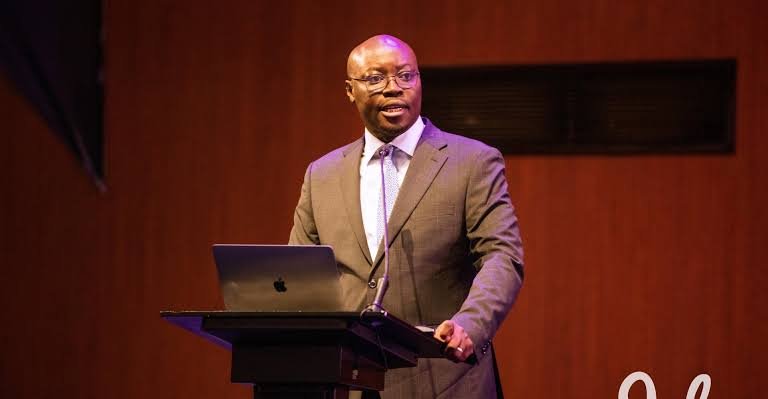
Government has sent a strong message of hope to bondholders under the Domestic Debt Exchange Programme (DDEP), particularly those whose bonds are scheduled to mature in February 2027, assuring them that their money is ready for payment.
In a message directed at affected bondholders, the announcement urged investors whose bonds fall due in February 2027 to prepare to receive their funds, declaring emphatically: “Your cash is ready. Come for your money!”
The statement is likely to attract significant attention among thousands of Ghanaians who have been closely monitoring developments surrounding the DDEP and the repayment of investments affected by the government’s debt restructuring exercise.
The Domestic Debt Exchange Programme was introduced in December 2022 as part of Ghana’s broader efforts to restructure its public debt and restore economic stability. Under the programme, holders of eligible domestic bonds exchanged their existing investments for new bonds with revised maturity dates and payment arrangements.
Although the exercise formed part of the government’s debt-restructuring strategy, it triggered widespread concerns among individual investors, pensioners, financial institutions and other bondholders over the impact on their investments and future financial security.
For affected investors, the latest assurance concerning February 2027 maturities could offer renewed confidence, particularly to those who have been waiting for their investments to reach their scheduled repayment dates.
The announcement also raises expectations about the government’s ability to honour its financial commitments under the restructured bond arrangements.
However, bondholders will be keen to establish the specific payment procedures, timelines and requirements for accessing their funds when the maturity date arrives.
The February 2027 maturity window is therefore expected to remain an important date for investors seeking clarity and reassurance about the recovery of their money.
For now, the message is direct and unmistakable: bondholders whose investments mature in February 2027 are being told to get ready for their money.
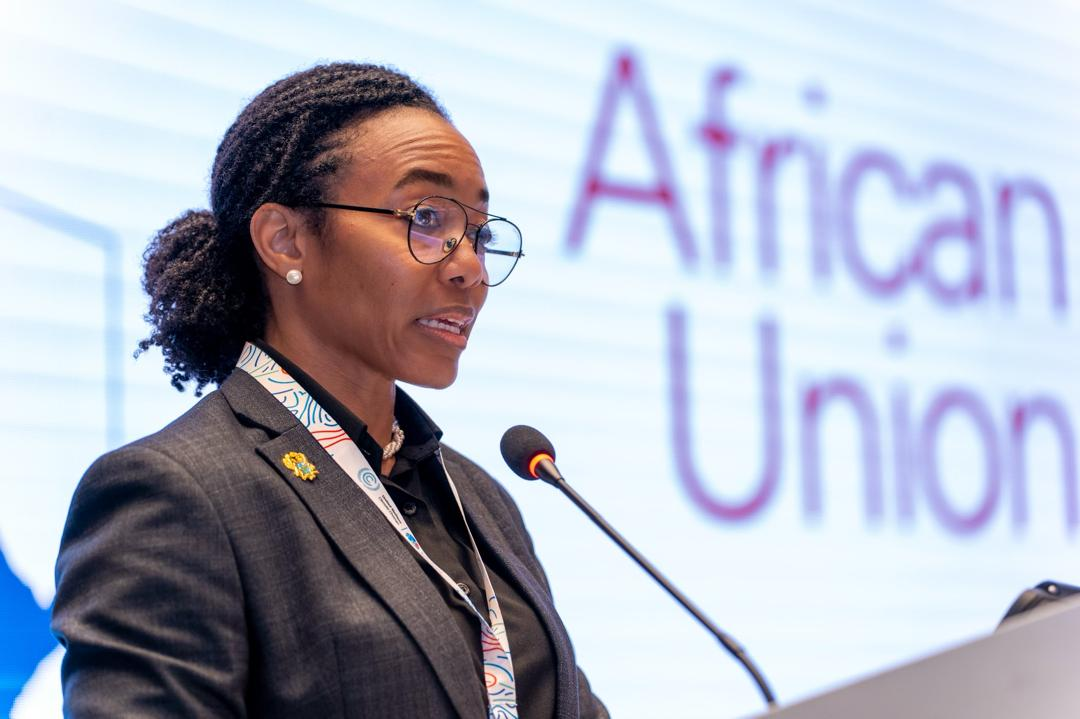
Ghana’s Minister for Environment, Science and Technology, Dr Zanetor Agyeman-Rawlings, has urged the international community to establish a transparent funding and accountability system to guarantee the delivery of at least $120 billion in annual climate adaptation finance by 2035.
She emphasised that commitments made at previous climate conferences must move beyond political promises and result in tangible financial support for countries most affected by climate change.
Dr Zanetor appealed during a meeting of the African Ministerial Conference on the Environment, held on the sidelines of the 31st United Nations Climate Change Conference (COP31) in Antalya, Türkiye. The meeting brought together African representatives to press developed countries to fulfil their climate financing obligations.
She noted that the agreement reached at COP30 in Belém, Brazil, to increase adaptation finance by at least three times must be supported by a clear funding baseline, identifiable sources of finance and effective systems for tracking payments.
“Africa’s case rests on one point: commitments already made must now be funded, tracked and delivered on fair terms,” she said.
Her appeal comes at a time when developing countries continue to face a major funding gap in their efforts to prepare for and respond to climate-related challenges.
According to the United Nations Environment Programme’s 2026 Adaptation Gap Report, developing countries are expected to need approximately $305 billion annually by 2035 to manage the effects of climate change.
However, international public finance provided by developed countries for adaptation efforts in developing nations amounted to between $28.2 billion and $31.7 billion in 2024, leaving a substantial gap between available funding and actual requirements.
The Minister also cautioned against climate financing arrangements that could worsen Africa’s debt situation, arguing that the continent contributes relatively little to the global causes of climate change but continues to experience its severe consequences.
She maintained that funding must be reliable, provided mainly through grants or highly concessional arrangements, and structured in a way that does not place additional financial pressure on African countries.
“Finance must be predictable, grant-based or highly concessional, and must not deepen debt. Direct access for African institutions and communities is essential,” she stated.
Dr Zanetor further called for a meaningful replenishment of the Green Climate Fund and increased financial contributions to the Fund for Responding to Loss and Damage.
She also advocated the creation of a country-led, grant-based Just Transition Mechanism to help African nations improve energy access, strengthen industrial development and equip their populations with the skills needed for the transition to sustainable economies.
Addressing the ongoing climate negotiations, she urged African countries to remain united and defend the continent’s common interests throughout COP31.
She outlined three key positions Africa must maintain: protecting the Belém commitment to triple adaptation finance, rejecting additional climate obligations that are not supported by adequate funding, and preventing the double-counting of climate finance as well as excessive dependence on loans.
“Our strength in Antalya is our unity. Ghana will stand with the African Group of Negotiators Chair and with every African delegation until the final gavel,” she said.
Dr Zanetor reaffirmed Ghana’s readiness to continue working with the African Group of Negotiators to push for the continent’s climate priorities beyond COP31 and into the next global climate conference, which is scheduled to take place in Addis Ababa, Ethiopia, in 2027.
She stressed that the Antalya negotiations must produce a practical and measurable framework that will turn existing climate finance promises into accessible resources to improve climate adaptation and build resilience across Africa.
Source: Citi Newsroom
A controversy surrounding the newly introduced GH¢50 banknote has intensified following claims that the portrait identified by the Bank of Ghana (BoG) as that of Ghana’s celebrated flag designer, Theodosia Okoh, bears a striking resemblance to her younger sister, Dr Letitia Obeng.
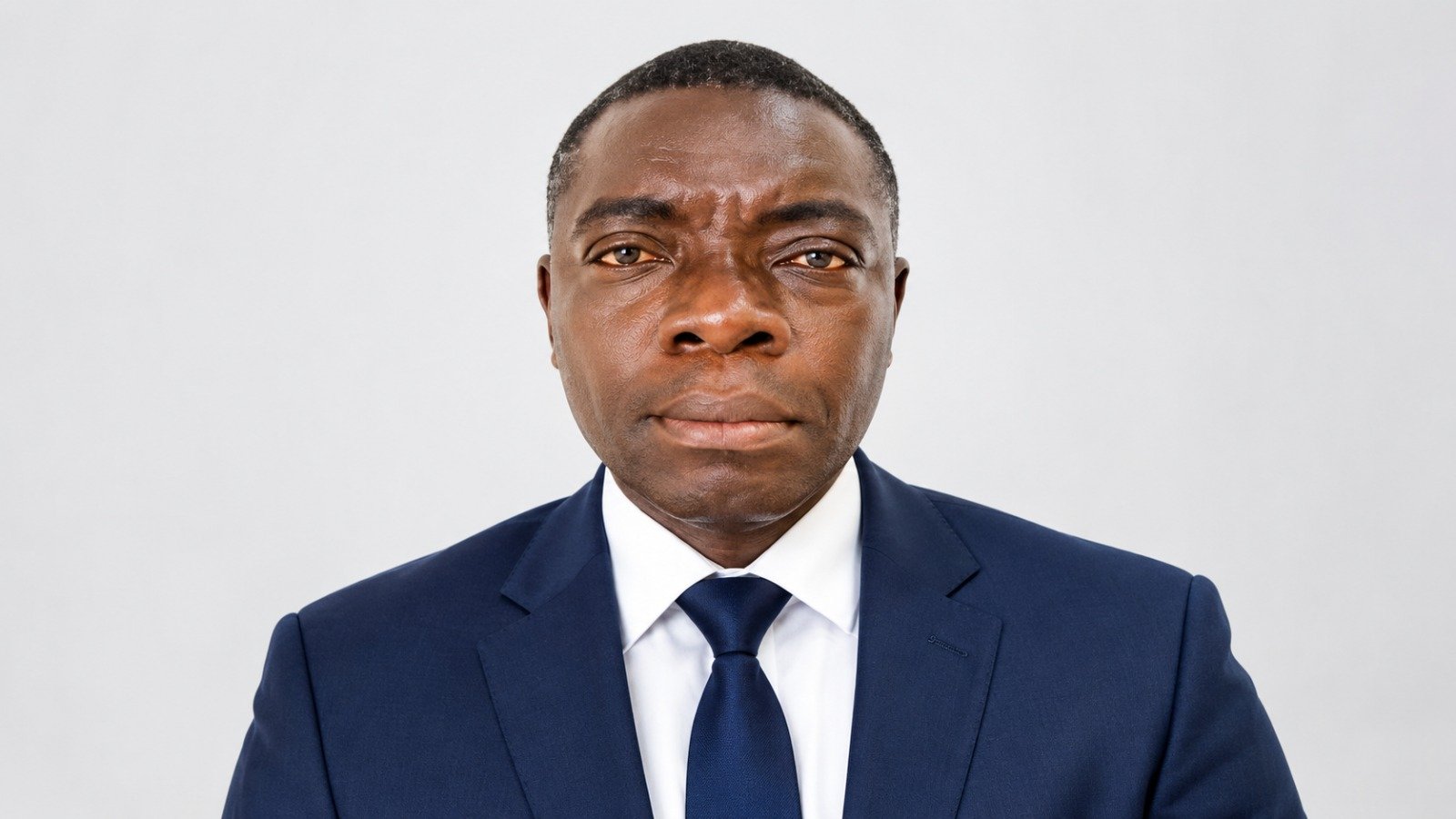
The concern was raised by Seth Afum A. Dankwah of J. G. Knol Technical Institute, Adukrom-Akuapem in the Eastern Region, in a commentary dated Saturday, November 14, 2026, questioning whether the Bank of Ghana correctly represented the late national icon on the new currency.
The controversy emerged barely 24 hours after President John Dramani Mahama and Bank of Ghana Governor Dr Johnson Asiama officially unveiled the redesigned cedi notes at Bank Square in Accra on Thursday, November 12, 2026.
The launch, held under the theme “The Cedi, Our Future: Secure, Designed to Last,” marked a major redesign of Ghana’s currency, introducing new portraits, landmarks and Adinkra symbols across the existing eight denominations.
Although the redesign was intended to celebrate Ghana’s national identity and recognise personalities who have contributed to the country’s development, the GH¢50 note quickly became the centre of public debate.
The question attracting attention is whether the woman depicted on the note is indeed Theodosia Okoh or her younger sister, Dr Letitia Eva Takyibea Obeng, a renowned Ghanaian zoologist and the first Ghanaian woman to obtain a PhD.
The controversy gained national attention after Professor Eddie Obeng, the son of Dr Letitia Obeng and nephew of Theodosia Okoh, questioned the identity of the woman featured on the new GH¢50 note.
In a LinkedIn post, Professor Obeng expressed surprise after discovering that the portrait he initially believed was intended to honour his aunt appeared to resemble his mother instead.
He wrote:
“I have a wry smile on my face that won’t go away, and occasionally I shake my head or giggle. So, I heard this morning that my aunt had been honoured in a new series of banknotes issued in Ghana – she’s famous there for designing the country’s flag after independence from Britain. I was very proud and began composing a message to my cousin. Imagine my surprise when I took a look and realised that they have used a picture of my mother instead – she’s famous for being the country’s first lady PhD. You can’t make it up.”
His comments generated widespread reactions, with several Ghanaians comparing available photographs of the two sisters with the portrait on the new currency.
Theodosia Salome Abena Kumea Asihene, popularly known as Theodosia Okoh, was born on June 13, 1922.
She became nationally recognised for designing Ghana’s national flag in 1957, following the country’s attainment of independence from British colonial rule.
The flag, which features red, gold and green horizontal stripes with a Black Star at the centre, remains one of Ghana’s most important national symbols.
The colours represent the bloodshed during the struggle for independence, the country’s mineral wealth and natural vegetation, while the Black Star symbolises African freedom and emancipation.
Okoh’s contribution to Ghana’s national identity has remained significant, with the flag prominently displayed at national celebrations, schools, sporting events and other important occasions.
She died in 2015.
On the new GH¢50 note, her portrait appears alongside Jubilee House, while the Adinkra symbol Fawohodie, representing independence, freedom and emancipation, is incorporated into the design.
Following the public backlash, the Bank of Ghana offered an explanation of how the portrait was developed.
In an initial Facebook clarification on November 12, 2026, Bank of Ghana Board Member and lawyer Beatrice Annan explained that the image was an engraved artistic representation rather than a direct reproduction of a single photograph.
According to her, the Bank worked with three authentic photographs of Theodosia Okoh, including two from her younger years and another from a later period, to create a composite image representing her as a mature woman.
She further explained that adjustments were made to the hairstyle to reflect the family’s preferred appearance and ensure that the portrait could be reproduced clearly on the banknote.
However, the explanation did little to end the debate, particularly among those who believed the image looked more like Dr Letitia Obeng.
In an official press statement issued on Friday, November 13, 2026, the Bank of Ghana maintained that the portrait was developed using photographs of Theodosia Okoh and not those of Dr Letitia Obeng.
The Bank acknowledged that certain artistic modifications were made during the design process to meet currency production requirements.
It stated:
“The portrait was developed from different photographs of Mrs Okoh and not from a photograph of Dr Letitia Obeng.”
The statement further explained that adjustments, including replacing Okoh’s familiar head-tie with a hairstyle associated with the period, were made to satisfy technical and security requirements.
However, the Bank admitted that these changes contributed to the public’s difficulty in recognising the woman depicted.
“Those adaptations unfortunately contributed to the perceived differences in her appearance, and to the image bearing a close likeness to Dr Letitia Obeng,” the statement added.
The Bank also disclosed that it was engaging members of Theodosia Okoh’s family to explain the design process and address their concerns.
It maintained its commitment to ensuring that distinguished personalities featured on Ghana’s currency are represented with dignity and respect.
The controversy has also attracted political attention, with Minority Leader Alexander Afenyo-Markin criticising the government over the redesign.
Speaking at a press conference on Thursday evening after Finance Minister Dr Cassiel Ato Forson presented the 2027 Budget Statement to Parliament, Afenyo-Markin accused the government of being in a hurry to remove the Big Six from Ghana’s currency.
He argued that the haste surrounding the redesign had resulted in the wrong portrait being placed on the GH¢50 note.
“In fact, they were in haste to erase the Big Six from our currency and our history. Out of their haste, we saw them adorning a new 50-cedi note bearing the name of Theodosia Okoh. But they got her picture wrong and placed on the 50-cedi note a different face,” he said.
He further questioned the government’s economic competence, arguing that an administration unable to correctly identify a national personality on its currency should be subjected to scrutiny over its management of the economy.
The Minority’s Ranking Member on the Economy, Kojo Oppong Nkrumah, also indicated that the caucus would demand that the Bank of Ghana appear before Parliament to explain the selection and approval process.
Among the issues expected to be raised are the photographs used, the due diligence conducted, the total cost of the redesign and the possible financial implications if the notes have to be reprinted.
Beyond the portrait controversy, the new currency has generated debate over the decision to remove five members of the historic Big Six from the previous banknote designs, leaving Kwame Nkrumah as the only member retained.
The redesigned notes feature personalities drawn from different sectors, including commerce, religion, education, justice, culture and diplomacy.
While supporters of the redesign consider it an opportunity to recognise more contributors to Ghana’s development, critics argue that removing the historical figures amounts to disregarding an important part of the country’s independence story.
Dankwah, in his commentary, described the development as a politically sensitive decision that has made the portrait controversy even more significant.
He argued that the redesign was not merely a currency exercise but also a decision about the personalities and historical contributions Ghana chooses to celebrate.
In his assessment, Dankwah identified identity and dignity, public trust in institutions, and the preservation of history as three major issues arising from the controversy.
He argued that currency is among the most widely circulated national symbols, making accuracy in the representation of historical personalities particularly important.
According to him, placing a questionable portrait on a banknote could undermine the dignity of the individual being honoured and create unnecessary confusion among future generations.
He also raised concerns about public confidence in the Bank of Ghana, noting that the institution’s responsibility goes beyond designing currency to safeguarding the credibility of the country’s monetary system.
The controversy, he suggested, could lead some Ghanaians to question the level of scrutiny applied to other aspects of the currency redesign.
On the historical front, Dankwah maintained that the removal of some members of the Big Six, combined with the disagreement over Theodosia Okoh’s portrait, has created room for political interpretations of the new Heritage Series.
With the controversy continuing, questions remain over whether the Bank of Ghana will consider changing the portrait or maintaining its current design.
As of November 14, 2026, the Bank had not announced plans to reprint the GH¢50 notes, insisting that the image was developed from authentic photographs of Theodosia Okoh.
There are also questions about whether Parliament will invite the Bank to explain the design process and disclose the cost of producing the new currency.
Another major issue is whether the Okoh family will accept the Bank’s explanation following its admission that the artistic modifications made the portrait resemble Dr Letitia Obeng.
The redesigned notes are expected to enter circulation on December 1, 2026.
Dankwah believes the coming days will be crucial in determining whether the controversy is resolved before the new notes reach the public.
He argues that the issue goes beyond whether the portrait meets the technical requirements of currency production, stressing that national personalities must be represented in ways that allow the public to recognise and appreciate their contributions.
The debate has consequently placed the Bank of Ghana under pressure to provide further clarity on a currency redesign that was initially presented as a celebration of Ghana’s history and national identity.

Bishop Dr Lord Eagle made is straight on Kessben 92.9fm Accra Awurade Akasa with the host Prophet Richard Afful that Abu trica will be out from US to Ghana

2027 Grammy Nominations: King Ayisoba and Rocky Dawuni Earn African Music Nod as Raye Leads Major Stars

Don’t Make Majesty Look Poor – Shatta Wale tells Michy Over Son’s Upbringing

Mahama Pays First Visit to Akufo-Addo’s Nima Residence Since Taking Office

“Don’t Blame Davido!” Medikal Slams Critics Over Singer’s Short Performance

NADFFA 2027: Ghana to Host Pan-African Film and Food Festival in March

GTA Staff Demand Answers on World Cup Visa Slots, Staff Dismissals and Unpaid Allowances

SAMMY GYAMFI’S “MINE WITHOUT LICENCE” REMARK SPARKS FRESH GALAMSEY DEBATE

Nicki Minaj Throws Her Support Behind Trump Ahead of US Midterm Elections

FOKLEX MEDIA AWARDS COMMENDS PRINCE KWAW GYIMAH AND OWASS FM TEAM FOR PROFESSIONALISM DURING KWAME DZOKOTO INCIDENT

Illinois’ financial crisis could bring the state to a halt
The final 6 ‘Game of Thrones’ episodes might feel like a full season
New Season 8 Walking Dead trailer flashes forward in time
Mod turns ‘Counter-Strike’ into a ‘Tekken’ clone with fighting chickens
Meet Superman’s grandfather in new trailer for Krypton
-

 Entertainment19 hours ago
GTA’s Adu Naa Ayeley Belinda Calls for Improved Visitor Experience Ahead of December in GH 2026
-
 Entertainment16 hours ago
From Celebration to Growth: How December in GH Is Reshaping Ghana’s Tourism Industry
-
 Entertainment18 hours ago
Afia Schwarzenegger Questions Legal Basis for 63-Day Prison Sentence
-

 Entertainment17 hours ago
“Let’s Applaud Osama” – Amerado Defends Millionaire Over Davido Saga
-
 Lifestyle16 hours ago
Why Do We Have Special Plates for Visitors but Use the Old Ones Every Day? The Funny Truth About Ghanaian Homes
-
 Entertainment13 hours ago
Obra: The Ghanaian Television Drama That Captured a Generation and Made Actors Household Names
-

 Culture13 hours ago
Understanding Marriage in Ghana: The Beauty of Islamic, Christian and Traditional Wedding Rites
-
 Lifestyle19 hours ago
Ghana’s Sunday Best: Whatever Happened to the Tradition of Dressing Up for Church?