
Lifestyle
Why Do We Find It Difficult to Say No? The Habit of Agreeing Even When We Don’t Want To


Have you ever agreed to do something simply because you did not want to disappoint someone? Perhaps a friend asked you for a favour when you were already tired, a colleague requested help when you had your own work to complete, or a relative invited you somewhere you had no interest in going.
You wanted to say no, but somehow the word refused to come out.
Instead, you smiled, agreed and later found yourself wondering why you had accepted something you never really wanted to do.
For many people, saying no is not as easy as it sounds. Even when they have genuine reasons to decline a request, they worry about how the other person will react.
In everyday life, this habit can affect friendships, family relationships, workplaces and even personal finances. But why do we sometimes find it easier to inconvenience ourselves than to tell someone we cannot help?
The fear of disappointing people
One of the biggest reasons people struggle to say no is the fear of disappointing others.
Nobody wants to be seen as selfish, difficult or unhelpful. When someone makes a request, especially a close friend or family member, refusing can create feelings of guilt.
For instance, someone may receive an invitation to attend an event despite having other important plans. Rather than explain that they cannot make it, they agree because they do not want the person inviting them to feel rejected.
Others accept responsibilities they cannot comfortably handle because they fear being judged for refusing.
The problem is that constantly trying to make everyone happy can leave very little room for personal needs.
In Ghanaian society, relationships and social connections are important. People are often expected to support relatives, assist friends and show up when others need them.
While helping one another is valuable, there are times when these expectations become difficult to manage.
A person may be asked to contribute money towards an event, attend several gatherings in one weekend or help with a responsibility they did not plan for.
Even when their finances, time or energy are limited, they may struggle to decline because they do not want to be labelled as someone who has changed or become proud.
Sometimes, the fear is not just about saying no. It is about what people might say afterwards.
When saying yes becomes expensive
Agreeing to every request can also affect personal finances.
Someone may lend money they cannot afford to lose, contribute to several social activities or purchase something simply because another person expects them to.
There are people who struggle to refuse financial requests even when they have bills to pay, school fees to settle or personal goals they are trying to achieve.
In some situations, they end up borrowing money or sacrificing their own needs to fulfil promises they should have declined.
Helping others should not mean putting yourself in financial difficulty every time someone asks for assistance.
The workplace challenge
The difficulty of saying no is not limited to personal relationships. It also happens in professional environments.
An employee may accept additional assignments despite having an already full schedule because they do not want to appear uncommitted.
Some workers agree to stay beyond working hours, take on responsibilities outside their roles or handle tasks that should be shared among colleagues.
While being helpful and cooperative can create positive working relationships, constantly accepting more work can lead to exhaustion and frustration.
There is a difference between being a dedicated employee and feeling obligated to accept every request.
Why do we feel guilty after saying no?
Interestingly, even when people finally manage to decline a request, they may spend hours thinking about it.
They wonder whether they sounded rude, whether the other person is upset or whether they should have agreed after all.
Some even send long explanations to justify why they cannot help, although a simple and respectful response would have been enough.
This guilt often comes from the belief that refusing someone automatically means you do not care about them.
But that is not necessarily true. You can care about someone and still be unable to meet every request they make.
Learning to set boundaries
Saying no does not have to involve arguments, disrespect or unnecessary explanations.
It can simply mean being honest about what you can and cannot do.
For example, instead of agreeing to attend an event when you have other commitments, you can politely explain that you will not be available. If someone asks for financial assistance you cannot provide, you can be honest rather than make promises you may struggle to fulfil.
Setting boundaries also means understanding that other people’s disappointment does not automatically make your decision wrong.
Of course, there will be situations where helping someone requires sacrifice. The important thing is to make that decision willingly rather than feeling pressured into it every time.
You cannot please everybody.
Perhaps one of the most difficult lessons to accept is that not everyone will be happy with your decisions.
Some people may misunderstand your refusal, while others may become upset because they were expecting you to agree.
However, constantly saying yes to avoid temporary disappointment can create long-term frustration.
Your time, energy and resources matter too. Being a good friend, relative, colleague, or partner should not require you to abandon your own needs.
Learning to say no when necessary can help create healthier relationships because people begin to understand what you can realistically offer.
At the end of the day, being available to everyone at every moment is not a requirement for being a good person.
So, why do we find it so difficult to say no even when we genuinely do not want to do something? Is it because we fear disappointing people, or have we become too concerned about what others will think of us?



















Ghanaian weddings have always been more than a celebration of love between two people. They are also an expression of family, culture, tradition and community. From the knocking ceremony to the presentation of drinks, traditional marriage lists and family blessings, every stage carries a meaning that connects couples to their roots.
However, as modern lifestyles and changing expectations influence how people celebrate marriage, some of these customs are gradually taking different forms.
In the past, traditional marriage ceremonies were largely family affairs. Parents, uncles, aunties and elders played important roles in discussions leading to the marriage. The ceremony itself was an opportunity for families to meet, exchange gifts, honour their traditions and formally welcome the couple into their respective families.
Today, while many couples continue to observe these customs, the way they are organised has changed. Some ceremonies are now combined with elaborate receptions, professional photography, wedding planners, matching outfits and carefully designed decorations.
Social media has also introduced a new dimension to weddings. Couples increasingly share their celebrations online, with attention sometimes placed on expensive venues, designer outfits, grand entrances and impressive decorations. For some, the pressure to organise a wedding that looks beautiful in photographs and videos can become as important as the ceremony itself.
Another noticeable change is the growing influence of personal preferences. Some couples choose to simplify traditional marriage requirements, while others adapt certain customs to suit their beliefs, finances and lifestyles. These decisions have sparked conversations about whether modern couples are preserving Ghanaian traditions or gradually moving away from them.
Yet, traditional marriage customs are not simply old-fashioned practices. They often represent respect for families, responsibility, unity and the recognition that marriage connects more than two individuals.
The challenge may not be that weddings are changing, but whether the meanings behind important traditions are being understood and preserved as celebrations become more modern.
As Ghanaian society continues to evolve, couples and families have an opportunity to find a balance between embracing modern wedding trends and keeping the cultural practices that give traditional marriages their identity.
Do you think modern Ghanaian weddings are preserving our culture, or are we gradually losing the traditions that once made them special?

How many times have you promised yourself that you would start exercising tomorrow, save money next month, read a book over the weekend or finally learn a new skill when you have more time?
You decide with every intention of following through. You may even feel motivated enough to plan exactly how you will do it. But when tomorrow arrives, something changes. You become busy, tired or distracted, and the task is pushed to another day.
Before you realise it, days turn into weeks, weeks become months, and the things you once promised yourself remain unfinished.
This is a familiar experience for many people. From personal goals and career plans to household responsibilities and important decisions, postponing things has become part of everyday life for some.
But why do we keep delaying the very things we know could improve our lives?
One reason people postpone tasks is that tomorrow always feels like a better opportunity.
When we are tired today, we convince ourselves that we will have more energy the following morning. When we spend too much money this week, we promise to start saving next week. When we fail to exercise today, we assure ourselves that Monday will be different.
The word tomorrow gives us temporary relief because it allows us to avoid doing something we may not feel ready for.
Unfortunately, tomorrow can easily become another excuse when there is no clear plan to take action.
Some people delay their plans because they are waiting for everything to be perfect.
Someone may want to start a business but believes they need more money before taking the first step. Another person wants to return to school but keeps waiting for the right financial conditions.
Others want to start creating content, apply for a new job, learn a trade or pursue a personal project but feel they must first have all the necessary resources.
While preparation is important, waiting for the perfect conditions can prevent people from making progress.
Sometimes, the best way to begin is with what is already available and improve along the way.
Another challenge is the amount of time people spend on their phones.
Someone may plan to spend an hour learning a new skill, reading or completing an important task. However, a quick visit to social media can turn into several hours of scrolling.
One video leads to another, a trending topic captures attention, and before long, the time meant for something productive has disappeared.
The problem is not necessarily a lack of ambition. In some cases, it is the difficulty of managing distractions and staying focused on what matters.
Many people know what they want to achieve but struggle to give those goals the attention they require.
Not every delay comes from laziness. Sometimes, people postpone important decisions because they are afraid of what might happen if they try and fail.
A person who wants to start a business may worry about losing money. Someone considering a career change may fear making the wrong decision. Another person may have a great idea but hesitate because they are unsure whether people will support it.
Instead of taking a risk, they continue preparing, researching and waiting for a moment when they feel completely confident.
However, confidence does not always come before action. Sometimes, it develops through experience.
The longer people wait because they fear failure, the more opportunities they may miss.
There are people who are excellent at planning but struggle with execution.
They create detailed lists, write down their goals, watch motivational videos and discuss their ambitions with friends. They may even purchase items they believe will help them get started.
But after all the planning, very little happens.
For instance, someone may buy exercise equipment but rarely use it. Another person may purchase books for personal development but never finish reading them.
Planning is useful, but it cannot replace action. A simple plan that is followed consistently can be more valuable than an ambitious plan that remains on paper.
Constantly delaying important tasks can have consequences beyond unfinished personal goals.
It can affect finances when people postpone budgeting, saving or paying bills. It can affect careers when applications, training opportunities and professional development are repeatedly delayed.
It can also affect relationships when difficult conversations are avoided, or important responsibilities are ignored.
Over time, unfinished tasks may create frustration and make people feel as though they are not making progress.
The difficult part is that people often become aware of the problem only when a deadline approaches or an opportunity has already passed.
Changing this habit does not necessarily require a dramatic transformation.
One useful approach is to stop waiting for the perfect moment and begin with small, manageable actions.
Someone who wants to exercise can start with a short walk. A person who wants to save money can begin by setting aside a small amount regularly. Someone hoping to learn a new skill can dedicate a few minutes each day to studying.
It is also helpful to set realistic deadlines, reduce distractions and focus on completing one task before moving to another.
Most importantly, people must learn that motivation is not always guaranteed. There will be days when they do not feel like doing anything, but discipline and consistency can help them keep moving.
Tomorrow may always look convenient, but the truth is that some of the opportunities we keep waiting for are available today.
Perhaps the question is not whether we have enough time to pursue our goals, but whether we are making enough effort to use the time we already have.
After all, how many things would have changed in our lives if we had acted when we first promised ourselves we would?
So, what is that one thing you have been promising yourself you will start tomorrow but have still not done?
Lifestyle
Why Has Saying “I Don’t Know” Become So Difficult? The Pressure to Always Appear Intelligent

Have you ever pretended to understand something simply because you didn’t want to appear uninformed? Or agreed with someone during a conversation even though you had no idea what they were talking about?
In a world where everyone seems to have an opinion about almost everything, admitting that we do not know something can feel surprisingly uncomfortable.
Whether it is a discussion about politics, money, relationships, technology, education or current affairs, many people feel the need to contribute something, even when they are not certain about the subject.
Sometimes, instead of simply saying, “I don’t know,” we give explanations, make assumptions or repeat something we heard from another person. Others may quickly search online for an answer so they can continue the conversation without revealing that they were unfamiliar with the topic.
But why has admitting a lack of knowledge become such a difficult thing to do?
One major reason people struggle to say “I don’t know” is the fear of being judged.
In social settings, nobody wants to appear less intelligent, inexperienced or out of touch. When a conversation becomes technical or involves a subject that others seem to understand, some people may feel pressured to contribute.
For instance, imagine a group of friends discussing investments, business opportunities or developments in technology. Even if someone has little knowledge of the subject, they may still offer an opinion to avoid feeling left out.
The same thing happens at workplaces, family gatherings and even casual conversations. People sometimes confuse having an answer with being knowledgeable.
However, knowing when you do not have enough information is also an important part of being informed.
Social media has made information more accessible than ever before. With a few clicks, people can read about almost any subject, watch explanatory videos and join discussions happening across the world.
While this has many advantages, it has also created an environment where opinions are shared quickly, sometimes before the facts are properly understood.
A person may watch a short video about a health issue, business strategy or legal matter and immediately begin advising others as though they have studied the subject extensively.
In some cases, people share information because it sounds convincing without taking the time to establish whether it is accurate.
The desire to appear knowledgeable can therefore become more important than the responsibility to be correct.
Not every subject requires an immediate opinion, but public conversations can sometimes make people feel otherwise.
When a controversial issue trends online, people may be expected to choose a side, explain their position and defend it.
Even when someone has not followed the issue closely, there can be pressure to join the discussion. Remaining silent may be interpreted as ignorance, indifference or an inability to contribute.
This is particularly noticeable in online discussions, where people are often quick to challenge, criticise or mock opinions they disagree with.
As a result, some people would rather say something they are not entirely sure about than admit they need more information.
Yet, there is nothing wrong with taking time to understand an issue before forming an opinion.
Another interesting part of this behaviour is how uncomfortable some people feel about asking questions.
At school, some students avoid raising their hands because they fear their classmates might laugh at them. At work, an employee may hesitate to ask for clarification because they do not want their colleagues or supervisor to think they lack the necessary skills.
Even among friends, someone may pretend to understand a conversation rather than ask what a particular word, reference, or idea means.
This can create unnecessary confusion.
Instead of learning something new, people sometimes leave conversations with unanswered questions simply because they are afraid of appearing uninformed.
Asking questions, however, is one of the simplest ways to improve understanding. Nobody begins life knowing everything, and even highly experienced people continue learning.
There is a difference between being confident and pretending to know everything.
Confidence allows someone to express an opinion while remaining open to correction. Pretending, on the other hand, often involves defending information even when there is little evidence to support it.
A confident person can say, “I have not read about that yet,” or “I am not sure, but I would like to understand it.”
Someone who feels the need to appear knowledgeable at all times may struggle to accept corrections, admit mistakes or listen to another perspective.
This can affect friendships, relationships and professional environments because meaningful conversations require honesty and a willingness to learn.
Admitting that you do not know something is not a sign of weakness. It can actually prevent misunderstandings, misinformation and poor decisions.
In professional settings, asking for clarification can help employees complete tasks correctly. In personal relationships, acknowledging that you do not understand someone’s feelings or perspective can create room for better communication.
It also encourages people to learn rather than simply defend what they already believe.
The ability to say “I don’t know” can be particularly important when discussing serious matters such as health, finances, legal issues and other subjects where inaccurate information can have real consequences.
Nobody has all the answers, and there is no shame in recognising that.
Perhaps the real problem is not that people lack knowledge, but that some have become too uncomfortable with the idea of being seen as learners.
In a society where everyone is eager to speak, perhaps knowing when to listen, ask questions and admit uncertainty is just as valuable as having something to say.
So, why do people find it so difficult to say “I don’t know” when they genuinely have no idea about a subject? Is it fear of embarrassment, pressure to impress others or the desire always to appear intelligent?
Lifestyle
Before Smartphones Took Over, Ghanaian Families Gathered Around the Radio – A Tradition Worth Remembering
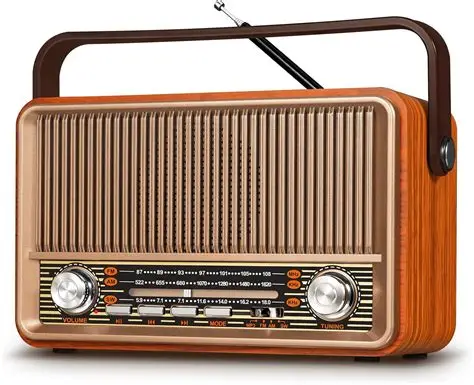
There was a time when a radio set was one of the most important items in many Ghanaian homes.
It could be found on a table in the living room, in the kitchen, on a veranda or somewhere in the compound where everyone could hear what was being broadcast.
In the morning, the radio provided news and information. During the day, it entertained people with music, discussions and interesting programmes. In the evening, families and neighbours could gather around it to listen to their favourite presenters, follow stories and discuss what they had heard.
For many Ghanaians, radio was not simply a device used to pass the time. It was a companion, a source of information and, in some households, the centre of family entertainment.
Today, the way people consume audio and entertainment has changed considerably. Smartphones, podcasts, online music platforms and television have given audiences more control over what they listen to.
Radio remains an important part of Ghanaian life, but the experience of gathering around one radio set as a household is becoming less common.
And for those who grew up during that period, the memories are difficult to forget.
Before smartphones became common, one radio set could serve an entire family.
Parents listened to news and current affairs programmes, while children enjoyed music, entertainment and educational broadcasts.
In some homes, the radio was switched on almost immediately after people woke up. The morning began with news bulletins, discussions about national issues and updates on what was happening around the country.
As the day progressed, different programmes attracted different audiences.
Some people preferred political discussions, others enjoyed sports commentary, while music lovers waited for programmes that played their favourite Ghanaian songs.
The radio was often left playing in the background even when nobody was paying particular attention.
It created a familiar atmosphere in the home, and the sound of a presenter speaking or a popular song playing became part of everyday life.
One of the special things about radio in the past was that listening was often a shared experience.
Unlike today, when everyone can use a personal device and choose different content, one radio set meant that household members sometimes had to agree on what to listen to.
There were occasions when parents wanted the news, while younger family members preferred music.
Sometimes, the adults won the argument, and the children had no choice but to wait until the programme ended.
Other times, a popular entertainment show brought everyone together.
A presenter could introduce a song that made people stop what they were doing. A discussion could generate arguments around the dining table, while an interesting announcement might become the main topic of conversation for the rest of the day.
Radio created shared moments because people were listening to the same things at the same time.
Even after a programme ended, its content could continue to influence discussions within the household.
For music lovers, listening to the radio was sometimes more than waiting for a favourite song.
Some people used cassette recorders to record songs directly from radio broadcasts.
When a presenter announced a song they liked, they could quickly prepare their cassette player and wait for the music to begin.
The challenge was getting the recording right.
Some recordings included the presenter’s voice at the beginning or end because the listener had not pressed the record button at the right time. Others were interrupted by advertisements or announcements.
Yet these recordings were treasured.
People could replay their favourite songs whenever they wanted, even when they did not own the original cassette or album.
Some also created personal mixtapes by recording different songs from the radio and arranging them in a particular order.
It was a simple but exciting way of building a personal music collection before digital downloads and streaming services became widespread.
Another reason radio was special was the relationship listeners developed with presenters.
People became familiar with certain voices and styles of presentation. Some presenters were known for their humour, others for their serious approach to news, and some for the way they introduced songs or engaged callers.
For regular listeners, hearing a favourite presenter could feel like reconnecting with someone they knew.
Some people even organised their daily routines around particular programmes.
They knew when their favourite show started, which presenter was on air and what type of discussions to expect.
Radio personalities also influenced public conversations. Their interviews, commentary and discussions introduced issues that listeners continued debating at home, in offices, at markets and in social gatherings.
In many ways, radio presenters became important voices in the daily lives of their audiences.
Radio also played an educational role in many Ghanaian households.
Children could learn new words, improve their language skills and gain knowledge about issues outside their immediate surroundings.
Educational programmes, discussions and storytelling broadcasts introduced listeners to subjects they might not encounter in their classrooms.
Some broadcasts helped children become familiar with current affairs, history, science and social issues.
Listening to presenters also exposed young people to different ways of speaking and communicating.
For children growing up in homes where local languages were spoken, radio programmes in Akan, Ewe, Ga, Dagbani and other Ghanaian languages provided opportunities to hear those languages used in different contexts.
Radio therefore served as an informal learning resource, especially in households where access to books, computers and other educational materials was limited.
Radio brought people closer to national events
There were moments when radio became particularly important because it connected people to events happening across Ghana and beyond.
During major political developments, election periods, sporting competitions and national emergencies, people turned to radio for updates.
For households without television, radio was sometimes the main source of information.
Football commentary was especially memorable for many listeners. People could follow matches through the voices of commentators, reacting to goals, missed chances and controversial decisions.
Some listeners gathered around radios in drinking spots, homes and community centres to follow important matches.
Even without seeing the action, the excitement in the commentator’s voice helped listeners imagine what was happening on the field.
Radio also gave people access to interviews and public discussions that allowed them to hear different perspectives on national issues.
What has changed in the way Ghanaians listen?
The biggest difference today is personal choice.
A person can listen to music through a phone, follow a podcast, watch an interview on YouTube or stream a radio programme online.
There is no longer a need for an entire household to depend on one radio set.
Many radio stations have also expanded their presence through websites, social media pages and digital streaming platforms.
Listeners can access programmes while travelling, working or staying at home.
These developments have helped radio reach new audiences and remain relevant in a changing media environment.
However, they have also made listening a more individual activity.
Family members can now sit in the same room while each person listens to something different through earphones.
The shared experience of listening to one programme and discussing it afterwards is not as common in some households.
Has the radio lost its place in Ghanaian homes?
Not entirely.
Radio continues to play a significant role in Ghana, particularly through news, political discussions, sports, entertainment, religious programmes and public education.
Many people still listen while driving, working, cooking or carrying out other daily activities.
For some communities, local radio remains an important source of information, especially where internet access is limited or expensive.
Radio stations also continue to provide platforms for public participation, allowing listeners to call in, share concerns and contribute to discussions.
The difference is that the way people access radio has changed.
Some listen through traditional radio sets, while others use mobile phones, computers and online platforms.
The old radio culture may be changing, but the medium itself has not disappeared.
What the younger generation may never experience
Children growing up today may find it difficult to understand why an entire household once waited for a particular radio programme.
They may not appreciate the excitement of hearing a favourite song unexpectedly, recording it onto a cassette or waiting for a presenter to announce the next track.
They may also never experience the feeling of sitting with family members and listening to a major announcement together.
These experiences were part of a particular period in Ghana’s social and media history.
They remind us that entertainment was not always about personal screens and individual choices. Sometimes, enjoyment came from sharing the same experience with the people around us.
A tradition that deserves to be remembered
The rise of smartphones and digital platforms has brought many benefits. People can now access information faster, discover new music and listen to their favourite programmes from almost anywhere.
There is no reason to reject these developments.
However, there is still something special about the old experience of gathering around a radio, listening together and discussing what was being broadcast.
Families can still recreate some of these moments by listening to a radio programme together, sharing interesting podcasts or discussing news and interviews.
The technology may have changed, but the value of shared experiences remains.
For those who grew up with one radio set in the house, the memories are a reminder of a time when a single device could entertain an entire family.
Sometimes, the most beautiful memories are not about the technology itself, but about the people who gathered around it.
Do you remember when one radio set entertained the whole household, and what was your favourite programme to listen to?
Lifestyle
Why Do We Take So Long to Leave the House? The Ghanaian Habit of Saying “I’m Coming” When We’re Not Ready

Why Do We Take So Long to Leave the House? Have you ever told someone you were on your way when you had not even finished getting dressed? Or received a call asking where you were, only to reply, “I’m almost there,” while still sitting comfortably at home?
For many Ghanaians, getting ready to attend an event can take much longer than expected. A simple invitation to meet friends, attend a birthday party, visit someone or go to a family gathering can turn into a lengthy preparation process.
It often begins with the familiar words, “I’ll be there soon.” But soon can mean anything from 15 minutes to two hours, depending on the person.
Interestingly, some people are not even bothered by the delay. They seem convinced that everything will somehow fall into place, even when the event is about to begin.
The struggle of getting ready
Sometimes, the delay is not intentional. Choosing what to wear, deciding on the right shoes, fixing one’s hair and making sure everything looks presentable can take more time than expected.
Even after selecting an outfit, there may be another round of changes. One dress looks too simple, another does not match the shoes, and the final choice may be the one initially rejected.
For some people, getting ready also involves taking pictures, checking their appearance in the mirror and making last-minute adjustments before finally stepping out.
There are also those who believe they cannot leave home without looking completely prepared. They may spend extra time choosing accessories, applying perfume, arranging their hair or making sure their clothes are properly fitted.
What was supposed to be a quick preparation can easily become an entire afternoon activity.
The “I’m on my way” statement
One interesting part of this habit is how confidently some people announce that they are coming even when they have not left home.
A friend may call three times and receive the same response: I’m coming. Meanwhile, the person is still deciding whether to take a taxi, wait for a ride or change their outfit.
Sometimes, the person may even add, “I’m just around the corner,” when they are nowhere near the meeting point.
This can be frustrating for people who arrive early and are left waiting. It can also affect group plans, especially when everyone is expected to arrive at a particular time.
Imagine a group of friends who agree to meet at 4 p.m. One person arrives at the agreed time, another arrives at 4:30 p.m., while the last person is still sending messages promising to arrive in a few minutes.
By the time everyone is together, the original plan may already be delayed.
Social media and the pressure to look good
Social media may also contribute to the time people spend preparing for outings. With pictures and videos becoming part of almost every social gathering, some people want to look their best before leaving home.
An ordinary outing can become an opportunity to create content, take beautiful pictures and share moments online.
As a result, choosing an outfit is no longer just about being comfortable. For some, it is also about how the final look will appear in photographs.
People may spend extra time finding the perfect outfit, selecting accessories and making sure their appearance is picture-ready. Some even take several pictures before deciding that they are finally satisfied with their look.
While there is nothing wrong with wanting to look good, the preparation can sometimes become one of the biggest reasons people arrive late.
Last-minute distractions make everything worse
Another reason people take longer to leave home is the number of unexpected distractions that appear just when they are about to step out.
Someone may remember that they have not eaten, decide to charge their phone, start looking for their keys or suddenly realise that an important item is missing.
Others may sit down for just a minute and become distracted by television, social media or a conversation with someone at home.
There are also people who are almost ready but decide to do one more thing before leaving. That one small task can turn into another 20 minutes.
Sometimes, the problem is simply that people do not prepare ahead of time. They know about an event several days earlier but wait until the last minute to decide what to wear, arrange transportation or get everything ready.
While being late may seem like a harmless personal habit, it can affect other people, especially when it happens repeatedly.
Friends who arrive early may become frustrated, particularly when they have made an effort to respect the agreed time. People organising events may also struggle when guests arrive much later than expected.
For someone who has arranged transportation, booked a table or planned several activities, waiting for a person who keeps saying “I’m almost there” can disrupt the entire schedule.
It can also create misunderstandings. The person waiting may feel disrespected, while the person who is late may believe that a little delay should not be a problem.
Over time, this can become a source of tension among friends, couples and family members.
Is it poor time management or simply a habit?
While some people genuinely underestimate how long they need to get ready, others have become so comfortable with arriving late that it has become part of their routine.
The habit can be difficult to change when people constantly assume that others will wait for them. However, making a little effort to prepare earlier, communicate honestly about delays and respect agreed times can make social outings more enjoyable.
Perhaps the next time you tell someone you are on your way, it might be better to check whether you have actually left the house.
After all, saying I’m coming and actually coming are two very different things.
So, why do some people always say “I’m coming” when they are not even ready to leave home, and should lateness be considered a bad habit or something people simply need to work on?

Hamamat Shea Butter Museum: The Ghanaian Heritage Centre Putting African Beauty, Culture and Women’s Craftsmanship on the World Map

Thomas Partey Receives Support From Black Stars Teammates, Former Footballers at Father’s Funeral

Ghana to Revamp Slave Trade Heritage Sites, Museums and Cultural Attractions Under US$1bn Tourism Plan

IRAWMA 2025: Shatta Wale Wins 3 Major Awards Including Best Music Video

AirtelTigo losing GH₵20m monthly; total debts exceed $200million – Sam George

Samini Secures Promotional Deal with Audiomack for Upcoming Album “THE ORIGIN8A”


-

 General News14 hours ago
Ghana’s New Cedi Notes Reignite Founders’ Day Debate as Five Members of Big Six Disappear – Seth Afum A. Dankwah
-

 Entertainment6 hours ago
Ghana’s US$1bn Tourism Investment: Who Really Benefits from the Government’s Big Ambition?
-

 Entertainment13 hours ago
Joe Mettle Releases 13-Track Live Album ‘The River (Live) Vol. 1’ With Artists From Three African Countries
-

 Lifestyle12 hours ago
Ghanaian Weddings Are Changing: Are We Losing the Traditions That Once Made Them Special?
-

 Politics17 hours ago
Two Suspects Remanded Over Murder of 39-Year-Old Woman in Oti Region
-
 Entertainment5 hours ago
Ghana to Revamp Slave Trade Heritage Sites, Museums and Cultural Attractions Under US$1bn Tourism Plan
-

 Entertainment6 hours ago
Empress Gifty Tells Married Female Gospel Singers: Don’t Build Your Brand Around Your Husbands’ Names
-
 Culture5 hours ago
Hamamat Shea Butter Museum: The Ghanaian Heritage Centre Putting African Beauty, Culture and Women’s Craftsmanship on the World Map