
Entertainment
2027 Grammy Nominations: King Ayisoba and Rocky Dawuni Earn African Music Nod as Raye Leads Major Stars

The nominations for the 69th Grammy Awards have been announced, bringing together some of the biggest names in the global music industry, alongside emerging artistes competing for honours at the prestigious ceremony.
Raye, Taylor Swift, Olivia Dean, Bruno Mars and Rosalía are among the major names featured in the 2027 nominations, with Raye emerging as one of the leading artistes in the race. Other established musicians, including Olivia Rodrigo and Tems, have also secured nominations across various categories.
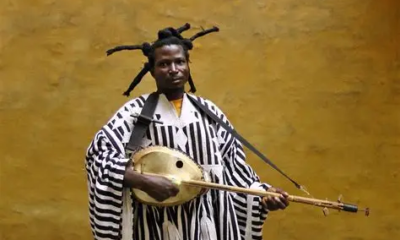
Ghana has also received recognition through traditional musician King Ayisoba, who earned his first Grammy nomination alongside reggae musician Rocky Dawuni for their collaboration, No Tradition, No Africa. The song is nominated in the Best African Music Performance category, where it will compete against works by Asake, Tems, Wizkid and Angélique Kidjo.
African artistes are further represented in the Best Global Music Album category, with Davido, Ayra Starr, Tems and Angélique Kidjo among the nominees. The nominations highlight the continued presence of African music and artistes on the international awards stage.
The 69th Grammy Awards ceremony is scheduled for Sunday, February 7, 2027, at the Crypto.com Arena in Los Angeles. The event will be broadcast on ABC and streamed on Disney+, Hulu and other platforms. Winners will be determined through the Recording Academy’s final-round voting process.
2027 Grammy Awards: Full List of Nominees
| GRAMMY CATEGORY | NOMINEES |
|---|---|
| Record of the Year | “Man I Need” – Olivia Dean; “Choosin’ Texas” – Ella Langley; “I Just Might” – Bruno Mars; “Where Is My Husband!” – Raye; “The Cure” – Olivia Rodrigo; “Berghain” – Rosalía, Björk, Yves Tumor; “The Fate of Ophelia” – Taylor Swift; “Dracula” – Tame Impala With Jennie. |
| Album of the Year | “Lost Weekend” – Phoebe Bridgers; “The Art of Loving” – Olivia Dean; “Dandelion” – Ella Langley; “The Romantic” – Bruno Mars; “This Music May Contain Hope.” – Raye; “You Seem Pretty Sad for a Girl So in Love” – Olivia Rodrigo; “Lux (Complete Works)” – Rosalía; “The Life of a Showgirl” – Taylor Swift. |
| Song of the Year | “Berghain” – Björk Gudmundsdóttir, Noah Goldstein, Jake Miller, Rosalía Vila Tobella & Dylan Wiggins; “Choosin’ Texas” – Luke Dick, Miranda Lambert, Ella Langley & Joybeth Taylor; “The Cure” – Daniel Nigro & Olivia Rodrigo; “Hate That I Made You Love Me” – Ariana Grande, Max Martin & Ilya Salmanzadeh; “I Knew It, I Knew You (from Toy Story 5)” – Jack Antonoff & Taylor Swift; “Man I Need” – Olivia Dean, Tobias Jesso Jr. & Zach Nahome; “Risk It All” – Dernst Emile II, James Fauntleroy, Philip Lawrence & Bruno Mars; “Where Is My Husband!” – Rachel Keen & Mike Sabath. |
| Best New Artist | Angine de Poitrine; Geese; Ella Langley; Slayyyter; Sienna Spiro; Don Toliver; Remi Wolf; The Womack Sisters. |
| Producer of the Year, Non-Classical | Tony Berg; Dernst “D’Mile” Emile II; Noah Goldstein; Miranda Lambert; Mike Sabath. |
| Songwriter of the Year, Non-Classical | Amy Allen; Edgar Barrera; Raye; Joybeth Taylor; Theron Thomas. |
| Best Pop Solo Performance | “Man I Need” – Olivia Dean; “Risk It All” – Bruno Mars; “Where Is My Husband!” – Raye; “The Cure” – Olivia Rodrigo; “Sauvignon Blanc” – Rosalía. |
| Best Pop Duo/Group Performance | “Runway” – Lady Gaga, Doechii; “Bring Your Love” – Madonna, Sabrina Carpenter; “Click Clack Symphony” – Raye Featuring Hans Zimmer; “The Life of a Showgirl” – Taylor Swift, Sabrina Carpenter; “Dracula” – Tame Impala With Jennie. |
| Best Asian Pop Music Performance | “Sunset Kiss” – Babymetal, Polyphia; “Unang Kilig” – Bini; “Bang Bang” – Ive; “404 (New Era)” – KiiiKiii; “Yes” – Lisa; “Visa” – SB19. |
| Best Pop Vocal Album | “The Art of Loving” – Olivia Dean; “Petal” – Ariana Grande; “The Romantic” – Bruno Mars; “This Music May Contain Hope.” – Raye; “You Seem Pretty Sad for a Girl So in Love” – Olivia Rodrigo. |
| Best Dance/Electronic Recording | “Lights Burn Dimmer” – Fred again.., (Jamie T); “I Feel So Free” – Madonna; “Crank” – Slayyyter; “My Old Ways” – Tame Impala; “Melatonin” – Tinashe; “Music” – Underscores. |
| Best Dance Pop Recording | “Blue Moon” – Zara Larsson; “Danceteria” – Madonna; “Life Boat” – Raye; “Dance…” – Slayyyter; “Too Easy” – Tinashe. |
| Best Dance/Electronic Album | “Confessions II” – Madonna; “Sexistential” – Robyn; “SOMA” – Skrillex; “Wor$t Girl in America” – Slayyyter; “Deadbeat” – Tame Impala. |
| Best Remixed Recording | “Beto’s Horns (Fred remix)” – Fred again.. & Tom Norris; “I Just Might (Austin Millz remix)” – Austin Millz; “Love Sensation” – Stuart Price; “Opalite (Chris Lake Remix)” – Chris Lake; “A Question of Trust – Boys Noize Remix” – Boys Noize; “Where Is My Husband!” – David Guetta & Hypaton. |
| Best Rock Performance | “Sarniezz” – Angine de Poitrine; “Lost Boys” – Phoebe Bridgers; “Trinidad” – Geese; “What’s Wrong With Me” – Olivia Rodrigo, Robert Smith; “In the Stars” – The Rolling Stones. |
| Best Metal Performance | “The Edge of Perfection” – Anthrax; “Hive Mind” – Knocked Loose Featuring Denzel Curry; “Your Ghost Again” – Mastodon; “Let There Be Shred” – Megadeth; “End of You” – Poppy, Amy Lee, Courtney LaPlante. |
| Best Rock Song | “In the Stars” – Mick Jagger & Keith Richards; “Lost Boys” – Phoebe Bridgers, Bo Burnham, Alex G, Christian Lee Hutson & Marshall Vore; “My Only Angel” – Joe Perry, Matt Schwartz, Steven Tyler & Dominic Harrison; “Streets of Minneapolis – Radio Mix” – Bruce Springsteen; “Trinidad” – Max Bassin, Dominic DiGesu, Emily Green & Cameron Winter; “What’s Wrong With Me” – Daniel Nigro, Olivia Rodrigo & Sasha Sloan; “Your Favorite Toy” – Foo Fighters. |
| Best Rock Album | “Vol.II” – Angine de Poitrine; “Your Favorite Toy” – Foo Fighters; “The Wow! Signal” – Muse; “Foreign Tongues” – The Rolling Stones; “Frozen Charlotte” – Jack White. |
| Best Alternative Music Performance | “Fabienk” – Angine de Poitrine; “Kill Me” – Phoebe Bridgers; “Au Pays du Cocaine” – Geese; “Reliquia” – Rosalía; “Showbiz” – Hayley Williams. |
| Best Alternative Music Album | “I Must Be Dreaming” – Alabama Shakes; “Lost Weekend” – Phoebe Bridgers; “Music, Fashion, Film” – Charli xcx; “Getting Killed” – Geese; “The Mountain” – Gorillaz; “Lux (Complete Works)” – Rosalía. |
| Best R&B Solo Performance | “Morning Dew (Donk)” – Beyoncé; “Out the Window” – Kehlani; “Let Me” – Victoria Monét; “Pressha” – Jill Scott; “What You Need” – Tems. |
| Best R&B Collaboration or Duo/Group Performance | “Fallin’” – Chris Brown Featuring Leon Thomas; “47th Street” – Lalah Hathaway Featuring J. Ivy; “Sweet Nuthins” – Kehlani Featuring Leon Thomas; “Mess” – PJ Morton Featuring Keyon Harrold; “To B Honest” – Jill Scott Featuring JID. |
| Best Traditional R&B Performance | “I Found Myself” – Durand Bernarr; “Can’t Let Go” – Lalah Hathaway; “Beautiful People” – Jill Scott; “My Muse” – Leon Thomas; “If I Let You” – The Womack Sisters. |
| Best R&B Song | “Let Me” – Jahshua Brown, Darhyl Camper, Jr., Jeff Gitelman, Tiyon Mack, Victoria Monét & Branden Rowell; “My Muse” – Lazaro A. Camejo, Rob Gueringer, Nile Eugene Hargrove, Peter Lee Johnson, Marcus Clayton Paul, David Kenneth Phelps & Leon Thomas; “Out the Window” – Antonio Dixon, Kehlani Parrish, Ashton Norful, Khris Riddick-Tynes & Talay Riley; “Pressha” – Adam Blackstone, Jill Scott & Vincent Tolan; “What You Need” – Ronald Banful & Temilade Openiyi. |
| Best Progressive R&B Album | “Bernarr.” – Durand Bernarr; “Waves” – Moonchild; “The Last Balloon” – Tank and the Bangas; “Pholks” – Leon Thomas; “Distracted” – Thundercat. |
| Best R&B Album | “Brown (The Chocolate Edition)” – Chris Brown; “When the City Sleeps” – Alex Isley; “Kehlani” – Kehlani; “Saturday Night” – PJ Morton; “To Whom This May Concern” – Jill Scott. |
| Best Rap Performance | “Good Flirts” – Baby Keem Featuring Kendrick Lamar & Momo Boyd; “ErrTime” – Cardi B; “Run It Back!!” – De La Soul Featuring Nas; “Let ‘Em Know” – T.I.; “Body” – Don Toliver. |
| Best Melodic Rap Performance | “This Woman” – Busta Rhymes (& J Dilla Featuring D’Angelo); “Safe” – Cardi B Featuring Kehlani; “Girl, Get Up” – Doechii Featuring SZA; “E85” – Don Toliver; “Watching Us” – Wale Featuring Leon Thomas. |
| Best Rap Song | “E85” – Derek Anderson, Aaron Paryce Cheung, Jaasu Mallory, Jacques Webster & Caleb Toliver; “ErrTime” – Matthew Allen, Javaan Durrell Anderson, Belcalis Almanzar, Ronnie Jackson, James D. Steed & Jordan Thorpe; “Girl, Get Up” – Darius Scott, Jaylah Hickmon, Jahlil Gunter, Solána Rowe, Anthony “Moosa” Tiffith Jr. & Anthony “Top Dawg” Tiffith; “Let ‘Em Know” – T.I. & Pharrell Williams; “Spend Dat” – Caresha Romeka Brownlee, Akil King, Maurice Simmonds & Anthony Germaine White. |
| Best Rap Album | “Dillagence II” – Busta Rhymes (& J Dilla); “Am I the Drama?” – Cardi B; “God Gotta Afro & Gold Hoops” – Rapsody; “Octane” – Don Toliver; “Everything Is a Lot” – Wale; “Bully – Deluxe” – Kanye West (Ye). |
| Best Spoken Word Poetry Album | “Black Shaman Strikes Back” – Marc Marcel; “The Color of Rain” – Aja Monet; “A Hero and a Villain” – Mad Skillz; “How Love Grows” – Jwalt (& ClayDough); “Leap Life” – Saul Williams. |
| Best Jazz Performance | “In Walked Bud” – Jon Batiste; “Good Life – Tamron Hall Main Title Theme” – The Baylor Project; “Sophisticated Lady” – Cécile McLorin Salvant, Metropole Orkest & Jules Buckley; “The Lady Is a Tramp” – Deborah Silver & Diane Schuur; “I Get Along Without You Very Well (Except Sometimes)” – Nicole Zuraitis, Christian McBride, Gilad Hekselman & Dan Pugach. |
| Best Jazz Vocal Album | “For Dinah” – Ledisi; “The Wise Ones” – Gretchen Parlato; “Live at Jazz at Lincoln Center” – Catherine Russell; “With Every Breath I Take” – Cécile McLorin Salvant, Metropole Orkest & Jules Buckley; “The Devil I Knew” – Nicole Zuraitis. |
| Best Jazz Instrumental Album | “Monk Movements” – Jon Batiste; “We Dream” – Lakecia Benjamin; “Forever Yours: The Farewell Performance (Live)” – Chick Corea; “Leave That in There” – Sullivan Fortner; “Side-Eye III+” – Pat Metheny. |
| Best Large Jazz Ensemble Album | “Paco de Lucía, Music for Big Band (Live)” – Alex Conde; “In the Brass Palace” – Kurt Elling & WDR Big Band; “Jim McNeely Expeditions” – Frankfurt Radio Big Band & Jim McNeely; “25 Years of Phatness” – Gordon Goodwin’s Big Phat Band; “Oracles” – Helen Sung Big Band & Helen Sung. |
| Best Latin Jazz Album | “Filin” – Melissa Aldana; “Ao Vivo (Live)” – Eliane Elias; “Monk Con Clave” – Carlos Henriquez Featuring Gonzalo Rubalcaba, Pedrito Martinez, Anthony Almonte, Osmany Paredes, Jeremy Bosch & Robert Rodriguez; “Gonzalo Plays Pino” – Gonzalo Rubalcaba; “El Arte Del Bolero Vol. 3” – Miguel Zenón & Luis Perdomo. |
| Best Alternative Jazz Album | “Trip the Night Fantastic” – Terri Lyne Carrington & Social Science; “Who Asked?” – Domi & JD Beck; “Purpose” – Terrace Martin & Marcus Gilmore; “Oh Snap” – Cécile McLorin Salvant; “Fathers” – Nate Smith, Kiefer, Cartoons & Kenny Beats. |
| Best Traditional Pop Vocal Performance | “A Couple Minutes” – Olivia Dean; “For Good” – Cynthia Erivo, Ariana Grande; “Madwoman” – Laufey; “I Hate The Way I Look Today” – Raye; “All That’s Left” – Nicole Zuraitis Featuring Gilad Hekselman. |
| Best Traditional Pop Vocal Album | “Good Grief” – Sara Bareilles; “The Boys of Dungeon Lane” – Paul McCartney; “Better Broken” – Sarah McLachlan; “An Offering: Live at Speakeasy Studios” – Leslie Odom Jr.; “Whatever’s Clever!” – Charlie Puth. |
| Best Contemporary Instrumental Album | “Monk Meditations” – Jon Batiste; “Lullaby for the Lost” – Donny McCaslin; “A Six String Odyssey” – Six String Symphony; “Somni” – Snarky Puppy, Metropole Orkest & Jules Buckley; “BaRcoDe” – Ben Wendel. |
| Best Musical Theater Album | “Chess the Musical”; “The Lost Boys”; “Ragtime”; “Schmigadoon!” |
| Best Country Solo Performance | “The Whole World” – Vince Gill; “Choosin’ Texas” – Ella Langley; “Dry Spell” – Kacey Musgraves; “Can’t Sit Still” – Lainey Wilson; “Gary” – Stephen Wilson Jr. |
| Best Country Duo/Group Performance | “Butterfly” – Zac Brown Band Featuring Dolly Parton; “Here” – Mumford & Sons Featuring Chris Stapleton; “Horses and Divorces” – Kacey Musgraves Featuring Miranda Lambert; “Light of a Clear Blue Morning” – Dolly Parton Featuring Lainey Wilson, Miley Cyrus, Queen Latifah & Reba McEntire; “Phone, Keys, Wallet” – Lainey Wilson, John Mayer. |
| Best Country Song | “Beautiful Things” – Jessi Alexander, Jessie Jo Dillon, Connie Harrington & Megan Moroney; “Choosin’ Texas” – Luke Dick, Miranda Lambert, Ella Langley & Joybeth Taylor; “Dry Spell” – Luke Laird, Shane McAnally, Kacey Musgraves & Josh Osborne; “Hardwired” – Black Francis, Jesse Frasure, Adam Hood, Miranda Lambert & Stephen Wilson Jr.; “Phone, Keys, Wallet” – Trannie Anderson, Jon Decious, Kid Harpoon, Summer Overstreet, Dan Pellarin, Dallas Wilson & Lainey Wilson. |
| Best Traditional Country Album | “Clovis” – Charley Crockett; “50 Years From Home: Down at the Borderline” – Vince Gill; “Banks of the Trinity” – Cody Johnson; “Workin’ Man: Willie Sings Merle” – Willie Nelson; “Once Upon a Second Time Around” – Charlie Worsham. |
| Best Contemporary Country Album | “Mount Pleasant” – Kelsea Ballerini; “Cherry Valley” – Carter Faith; “Dandelion” – Ella Langley; “Cloud 9” – Megan Moroney; “Middle of Nowhere” – Kacey Musgraves. |
| Best American Roots Performance | “Still Crying” – Sara Bareilles; “You Without Me” – Brandi Carlile; “Coyote” – Chuck Leah; “Human Mind” – Mavis Staples; “No Kings” – Jesse Welles Featuring Joan Baez. |
| Best Americana Performance | “Heartland” – Sara Bareilles; “Returning to Myself” – Brandi Carlile; “Sad and Beautiful World” – Mavis Staples; “Mill Town Flood” – Billy Strings; “Masks Off” – Jesse Welles. |
| Best American Roots Song | “Masks Off” – Jesse Welles; “My Full Name” – Madison Cunningham; “Returning to Myself” – Brandi Carlile; “Tennessee Sunshine” – Mary Dawood Catlin, Todd Catlin & Grant Maloy Smith; “Waist Deep” – Zac Cockrell, Heath Fogg & Brittany Howard. |
| Best Americana Album | “Returning to Myself” – Brandi Carlile; “Sad and Beautiful World” – Mavis Staples; “Future Soul” – Tedeschi Trucks Band; “Masks Off” – Jesse Welles; “World’s Gone Wrong” – Lucinda Williams. |
| Best Bluegrass Album | “Rattlin’ Bones” – Bronwyn; “Safe, Sensible and Sane” – Alison Brown & Steve Martin; “Bluegrass Woman” – Lindsay Lou; “So Much for Goodbyes” – Billy Strings; “Earl Jam 2” – Tony Trischka. |
| Best Traditional Blues Album | “Zydeco Trailrides and Southern Soul” – Sean Ardoin & Kreole Rock and Soul Featuring Mr. Sipp; “B.B. King’s Blues Summit 100” – Joe Bonamassa; “Morgan Freeman’s Symphonic Blues Experience” – Morgan Freeman, Ground Zero Blues Club Band, Chineke! Orchestra, Martin Gellner; “Blues Now” – GA-20 with Charlie Musselwhite; “Slideways” – Lil’ Ed & the Blues Imperials. |
| Best Contemporary Blues Album | “Alive! (Live)” – Fantastic Negrito; “Paper Doll (Live)” – Samantha Fish; “Just Say Yes” – Ruthie Foster; “Hard Road” – Christone “Kingfish” Ingram; “The Breakdown” – Keb’ Mo’. |
| Best Traditional Folk Album | “The Fiddle and the Drum” – Renée Fleming With Béla Fleck; “North Node” – Natalie & Brittany Haas; “The Fiddle Funnel Sessions” – E J Ouellette; “Together Again” – Tom Paxton & John McCutcheon; “Under The Powerlines III (January 2025 – June 2025)” – Jesse Welles. |
| Best Contemporary Folk Album | “Le Sigh” – Kris Angelis; “Ace” – Madison Cunningham; “The Great Divide: The Last of the Bugs” – Noah Kahan; “Lost Cause Lover Fool” – The Milk Carton Kids; “Bloodline” – Mon Rovîa. |
| Best Regional Roots Music Album | “Louisiana Love” – Robin Barnes; “Live at Tipitina’s 2025” – Dumpstaphunk; “This Village” – Ranky Tanky; “Ain’t No Dying” – The Rumble Featuring Big Chief Joseph Boudreaux Jr.; “Tongva Songs We Are Here Ekwa Chem” – Tongva Ensemble Featuring Connor Chee & Geneviève Gros-Louis. |
| Best Gospel Performance/Song | “Thank You for Everything” – Kirk Franklin, Karen Clark Sheard; “Watches Over Me” – Cory Henry Featuring Hezekiah Walker & the Brent Fischer Orchestra; “Promises 2.0” – Lisa Knowles-Smith & the Brown Singers; “Mercy” – PJ Morton; “At the Cross” – CeCe Winans. |
| Best Contemporary Christian Music Performance/Song | “God I’m Just Grateful” – Elevation Worship, Chandler Moore; “Ale-luya Medley” – Israel & New Breed; “The Jesus I Know Now” – Brandon Lake, Lainey Wilson; “Living Water” – Lecrae; “Left It in The River” – Jamie MacDonald; “Worthy of It All (Worthy)” – CeCe Winans. |
| Best Gospel Album | “Devotion” – Cory Henry; “Revival: Life in Dallas” – Lisa Knowles-Smith & the Brown Singers; “Closer (Live In Chicago)” – Jonathan McReynolds; “Sunday Morning” – PJ Morton; “The Hymns” – CeCe Winans. |
| Best Contemporary Christian Music Album | “Shiloh” – Doe; “Coritos Vol. 2” – Israel & New Breed; “King of Hearts – In the Room!” – Brandon Lake; “Jamie MacDonald” – Jamie MacDonald; “Breathe on It” – Tauren Wells. |
| Roots Gospel Album | “Through the Fire” – Jason Crabb; “On a Different Note” – Tim Lovelace; “Light. Hope. Faith.” – Cara Paige; “A Fireside Christmas” – Karen Peck & New River; “Rise and Shine” – Sunday Drive. |
| Best Latin Song | “Ahí” – Aubrey Drake Graham, Carolina Giraldo Navarro, Kevyn Mauricio Cruz Moreno & Daniel Echavarría Oviedo; “¿Cómo se ama?” – Jorge Drexler; “Hasta Jesús Tuvo un Mal Día” – Rafa Arcaute, Renee Barri, Catriel Guerreiro, Ulises Guerriero, Martin Kierszenbaum, John Ryan, Gordon Matthew Thomas Sumner, Vicente Jimenez “Vibarco” & Federico Vindver; “La Perla” – Noah Goldstein, David Rodríguez, Rosalía Vila Tobella, Ryan Tedder & Dylan Wiggins; “Niño” – Santiago Alvarado, Mario Del Transito Cocomarola, Camilo Joaquín Villarruel, Gregorio Armando Reinaldo Nelli & Santiago Ruiz. |
| Best Latin Pop Album | “NO ME ARREPIENTO DE SENTIR TANTO” – Karol G; “Femme Fatale” – Mon Laferte; “Muda” – Carín León; “¿Dónde Es El After?” – Rawayana; “Bendito Verano” – Elena Rose. |
| Best Música Urbana Album | “Cosa Nuestra: Capítulo 0” – Rauw Alejandro; “Omerta” – J Balvin, Ryan Castro; “HOPI SENDÉ” – Ryan Castro; “Omakase” – Alvaro Diaz; “El Green Print: La Saga (Disc 1) — Feid vs Ferxxo” – Feid; “Do Not Disturb: Late Checkout” – Young Miko. |
| Best Latin Rock or Alternative Album | “Free Spirits” – CA7RIEL & Paco Amoroso; “Taracá” – Jorge Drexler; “La Vida Era Más Corta” – Milo J; “JuanesTeban” – Juanes; “Shine” – Fito Paez. |
| Best Música Mexicana Album (Including Tejano) | “LO QUE ME FALTA POR LLORAR” – Grupo Frontera; “Aunque Me Duela” – Lupita Infante; “La Madrina” – Mari Nobre; “DINASTÍA (Deluxe)” – Peso Pluma, Tito Double P; “¡VIDA MÉXICO!” – Carlos Rivera. |
| Best Tropical Latin Album | “País Portatil” – Rubén Blades, Roberto Delgado & Orquesta; “El Alma en Clave” – Luis Enrique; “Antes Que El Tiempo Se Vaya” – Fonseca; “Más Que Palabras” – Grupo Niche; “El Último Disco Vol. 1” – Carlos Vives. |
| Best Global Music Performance | “Varuvaaiy” – Devan Ekambaram Featuring Susha; “Una Flor En Cada Estrella” – KerreKe, Mireya, Alex E. Chávez; “Bando [Orchestral]” – Angélique Kidjo Featuring Pharrell Williams & Quavo; “Porcelana” – Rosalía, Dougie F; “Dai Dai” – Shakira, Burna Boy. |
| Best African Music Performance | “Gratitude” – Asake; “Aye Kan (Are You Coming Back?)” – Angélique Kidjo & Ayra Starr; “No Tradition, No Africa” – King Ayisoba Featuring Rocky Dawuni; “Big Daddy” – Tems; “Jogodo” – Wizkid & Asake. |
| Best Global Music Album | “EQUILIBRIVM” – Anitta; “Oriadé” – Davido; “Hope!!” – Angélique Kidjo; “Starrgirl” – Ayra Starr; “Love Is a Kingdom” – Tems. |
| Reggae Album | “Too Too Bad” – Buju Banton; “Exile” – Chronixx; “Brightside” – Ziggy Marley; “The Art of Acceptance” – Protoje; “Supernova” – Runkus; “Lottery” – Shaggy. |
| Best New Age, Ambient, or Chant Album | “Night Music” – Vicente Avella; “Balance” – Paul Avgerinos; “Liminal” – Brian Eno, Beatie Wolfe; “Unspoken Psalms” – Chris Redding; “Tantrika” – White Sun. |
| Best Children’s Music Album | “All in Good Time” – Snooknuk; “Hasta La Vista…Baby” – Lucky Diaz and the Family Jam Band; “Little Birdie’s Big Symphony” – Scott & Mark Hoying; “Magnificent” – Lachi; “Starchild, Vol. 1” – Divinity Roxx and Divi Roxx Kids. |
| Best Comedy Album | “Good Girl” – Nikki Glaser; “Joy in the Trenches” – Trevor Noah; “Legacy” – Wanda Sykes; “100 Sound Effects” – Fred Armisen; “Take a Banana for the Ride” – Jeff Ross; “The Unstoppable” – Dave Chappelle. |
| Best Audio Book, Narration, and Storytelling Recording | “Future Boy” – Michael J. Fox; “The Look” – Michelle Obama; “Man on the Run” – Paul McCartney, Morgan Neville; “Remix Meditation” – Lil Jon; “Star of the Show: My Life on Stage” – Dolly Parton; “Vagabond: A Memoir” – Tim Curry. |
| Best Compilation Soundtrack for Visual Media | “The Devil Wears Prada 2” – Various Artists; “Stranger Things Season 5” – Various Artists; “Wicked: For Good” – Various Artists; “The Wizard of Oz at Sphere” – The Wizard of Oz at Sphere; “Wuthering Heights” – Charli xcx. |
| Best Score Soundtrack for Visual Media (Includes Film and Television) | “The Odyssey” – Ludwig Göransson; “One Battle After Another” – Jonny Greenwood; “Project Hail Mary” – Daniel Pemberton; “Star Wars: The Mandalorian and Grogu” – Ludwig Göransson; “Widow’s Bay” – David Fleming. |
| Best Score Soundtrack for Video Games and Other Interactive Media | “Avatar: Frontiers of Pandora – From the Ashes” – John Paesano; “007: First Light” – Joe Henson & Alexis Leon Smith; “Ghost of Yōtei” – Toma Otowa; “Marvel’s Wolverine” – David Fleming; “Star Wars: Zero Company” – Gordy Haab. |
| Best Song Written for Visual Media | “House” [From “Wuthering Heights”] – John Cale & Charli xcx; “I Knew It, I Knew You” [From “Toy Story 5”] – Jack Antonoff & Taylor Swift; “Need Someone” [From “The Pitt”] – Andrew Bird; “No Place Like Home” [From “Wicked: For Good”] – Stephen Schwartz; “Runway” [From “The Devil Wears Prada 2”] – Henry Walter, Jaylah Hickmon, Dernst “D’Mile” Emile II, Stefani Germanotta, Jayda Love, Bruno Mars & Andrew Watt. |
| Best Music Video | “Lost Boys” – Phoebe Bridgers; “Storm” – Gemer8ion, Yung Lean; “Hate That I Made You Love Me” – Ariana Grande; “Click Clack Symphony” – Raye Featuring Hans Zimmer; “Berghain” – Rosalía Featuring Björk & Yves Tumor. |
| Best Music Film | “To Be Celestial vs. That’s the Weight of the World” – Earth, Wind & Fire; “Hit Me Hard and Soft: The Tour Live” – Billie Eilish; “Man on the Run” – Paul McCartney; “EPiC: Elvis Presley in Concert” – Elvis Presley; “Lilith Fair: Building a Mystery – The Untold Story” – Various Artists. |
| Best Recording Package | “Coloring Book” – Alec Longstreth & Joe Spinelli (Weezer); “Horizons / West” – Jordan Butcher (Thrice); “If You Can Hold Your Breath” – Farbod Kokabi (Karate); “Nothing’s About to Happen to Me” – Mary Banas, Marc Burkhardt & Mitski Miyawaki (Mitski); “Power to the People” – Simon Hilton, Liz Hirsch & Sean Ono Lennon (John Lennon & Yoko Ono/Plastic Ono Band with Elephant’s Memory and Special Guests). |
| Best Album Cover | “God Gotta Afro & Gold Hoops” – Patso Dimitrov & Darin Gilliam (Rapsody); “Sad and Beautiful World” – Lauren N. Bailey, Trevor Hernandez & Elizabeth De La Piedra (Mavis Staples); “This Mirror Weighs a Ton” – Nick Steinhardt & Addie Wagenknecht (Interpol); “West End Girl” – Leith Clark & Nieves González (Lily Allen); “What Happened to the Streets?” – Tina Ibañez (21 Savage). |
| Best Album Notes | “Clifton Chenier: King of Louisiana Blues & Zydeco” – Adam Machado; “Guglielmi: Amalia e Carlo (Live)” – Mitchell Hutchings; “Haydn: The Complete Decca Recordings” – Dominic Fyfe; “Mother of the Blues: The Complete Paramount Recordings, 1923-1928” – David Sager; “Pisces, Aquarius, Capricorn & Jones Ltd. (Super Deluxe Edition)” – Andrew Sandoval. |
| Best Historical Album | “The Bootleg Series Vol. 18: Through The Open Window, 1956-1963” – Steve Berkowitz & Sean Wilentz; “Classic V-Disc Big Band Jazz Sessions Limited Edition Box Set” – Scott Wenzel; “Clifton Chenier: King of Louisiana Blues & Zydeco” – Adam Machado; “Ma Rainey: Mother Of The Blues, The Complete Paramount Recordings 1923-1928” – Lars Edegran; “Polish Radio Sessions 1970-1991” – Adam Domagala. |
| Best Engineered Album, Non-Classical | “The Art of Loving” – Julian Bunetta, Austin Christy, Dan Ewins, Jeff Gunnell, Charlie Holmes, Zach Nahome, John Ryan, Jan Trafas, Max Wolfgang & Matt Zara; “Lux (Complete Works)” – Daniel Cayotte, Isaac Diskin, Tom Elmhirst, Nigel Godrich, Tristan Hoogland, Mike Larson, Manny Marroquin, Jake Miller, Joaquim Monte, Alberto Pérez, Billy Ray, David Rodríguez, Marta Salogni, Bergur Thorisson & Harry Wilson; “Middle of Nowhere” – Bryce Bordone, Serban Ghenea, Konrad Snyder & Mike Stankiewicz; “Nine Inch Noize” – Boys Noize, Jacob Moreno, Trent Reznor & Atticus Ross; “The Thread” – Joe Dougherty, Chris Greatti, Mitch McCarthy, Adam Schoeller & Willow Smith. |
| Best Engineered Album, Classical | “Akiho: Beneath Lighted Coffers & Concerto for Steel Pans & Orchestra” – Mark Donahue; “Dvořák: Symphony No. 9, ‘From the New World’; Simon: Four Black American Dances” – Mark Donahue; “Mahler: Symphony No. 2 ‘Resurrection’” – Jon Johannsen, Jason O’Connell & Mark Willsher; “Puts: Emily – No Prisoner Be” – Silas Brown; “Sarah Kirkland Snider: Forward Into Light” – Silas Brown, Wellington Gordon, Charles Mueller, Doron Schachter, Ryan Streber & Mike Tierney; “Ustvolskaya: Symphony No. 5; Poulenc: La Voix Humaine” – Gintas Norvila. |
| Producer of the Year, Classical | Blanton Alspaugh; Silas Brown; Dmitriy Lipay; Elaine Martone; Dirk Sobotka. |
| Best Immersive Audio Album | “Captain Fantastic And The Brown Dirt Cowboy (50th Anniversary Edition)” – Elton John; “Ghost of Yōtei (Original Soundtrack)” – Toma Otowa; “The Grotesque & The Sublime” – Iceland Symphony Orchestra; “One Size Fits All” – Frank Zappa, The Mothers Of Invention; “Petal” – Ariana Grande. |
| Best Instrumental Composition | “ÉPiLOGUE” – DOMi & JD BECK; “Found in a Frozen Fog” – Punch Brothers; “King of Coins” – ARKAI & Lindsey Stirling; “Listen… (from Disclosure Day)” – John Williams; “Solace (Compassion)” – Andreas Graf, London Symphony Orchestra & Ben Palmer. |
| Best Arrangement, Instrumental or A Cappella | “Blackbird” – New York Vocal Collective; “Olha Maria” – Ben Wendel; “Overjoyed (Live)” – Chick Corea; “Radio Newsreel” – John Powell; “Sir Duke” – Kings Return. |
| Best Arrangement, Instruments and Vocals | “Click Clack Symphony” – Raye Featuring Hans Zimmer; “The Governor’s Waltz” – Phoebe Bridgers; “Moon River” – Studio Intensive Orchestra Featuring Nnenna Freelon; “Send in the Clowns” – Cécile McLorin Salvant, Metropole Orkest & Jules Buckley; “Shrink To Fantasy” – Willow; “Small Eyes” – DOMi & JD BECK. |
| Best Orchestral Performance | “An American Dream?” – Barbara Hannigan, Gothenburg Symphony Orchestra; “Clyne: Color Field” – Marin Alsop, Baltimore Symphony Orchestra; “Cuong: Orbital” – David Alan Miller, Albany Symphony; “John Williams and ‘The President’s Own,’ Vol. 3” – John Williams, United States Marine Band; “Pájaros Mágicos” – Gustavo Dudamel, Los Angeles Philharmonic. |
| Best Opera Recording | “Barber: Vanessa” – Gianandrea Noseda, J’Nai Bridges, Susan Graham, Thomas Hampson, Nicole Heaston & Matthew Polenzani; “Bates: The Amazing Adventures Of Kavalier & Clay” – Yannick Nézet-Séguin, Patrick Carfizzi, Craig Colclough, Andrzej Filończyk, Miles Mykkanen, Edward Nelson, Sun-Ly Pierce & Lauren Snouffer; “Davis: The Central Park Five” – Anthony Parnther, Lacey Jo Benter, Cedric Berry, Ashley Faatoalia, Orson Van Gay, Bernard Holcomb, William Powell III & Justin Ryan; “Little: What Belongs To You” – Alan Pierson, Karim Sulayman; “Mazzoli: Breaking The Waves” – Patrick Summers, Ryan McKinny & Lauren Snouffer. |
| Best Choral Performance | “Hearne: Farming” – Donald Nally, The Crossing; “Here I Am” – Eric Holtan, Susanna Phillips, True Concord Orchestra, True Concord Voices & Tucson Girls Chorus; “Hopkins: My Fatherland” – Gustavo Dudamel, Gregorio Nieto, Philharmonia Orchestra, The Bach Choir & Boy Choristers of Winchester Cathedral; “Talbot: Piedra De Sol (Sunstone)” – Craig Hella Johnson, Conspirare; “Yee: Trans Requiem” – Melissa Attebury, Katherine Goforth, Breanna Sinclairé & Andrew Yee, Novus NY, Trinity Choir & Trinity Youth Chorus. |
| Best Chamber Music/Small Ensemble Performance | “Bridgetower Project – Beethoven, Florence Price, Paquito D’Rivera” – Ilya Kaler & Rasa Vitauskaite; “In Her Hands” – Neave Trio; “Kouyoumdjian: Paper Pianos” – Alan Pierson & Alarm Will Sound; “Puts: Emily – No Prisoner Be” – Joyce DiDonato & Time For Three; “Rhythm Nation” – PUBLIQuartet. |
| Best Classical Instrumental Solo | “Akiho: Beneath Lighted Coffers & Concerto For Steel Pans & Orchestra” – Andy Akiho; “Cuong: Re(new)al” – Sandbox Percussion; “Rubinstein: Piano Sonatas Nos. 3 & 4” – Han Chen; “Stewart: 24 American Caprices” – Curtis Stewart; “Thompson: Breathe/Burn: An Elegy” – Yo-Yo Ma. |
| Best Classical Solo Vocal Album | “Lamenting Earth” – Nicholas Phan; “Legends: Rebellion” – Laura Strickling; “The Living Spiritual” – Kenneth Overton; “Over My Head” – John Holiday; “Solitude” – Reginald Mobley. |
| Best Classical Compendium | “Black Mozart” – Jon Batiste; “My Brother’s Keeper” – Steven Blier, Joshua Blue, Will Liverman, Joseph Parrish, Alan Williams, Chaz’men Williams-Ali & Jorell Williams; “Renewal – Music Of Viet Cuong” – Sandbox Percussion; “Rise” – Imani Winds; “25×25” – Sō Percussion. |
| Best Contemporary Classical Composition | “Bates: The Amazing Adventures Of Kavalier & Clay” – Mason Bates; “Davis: The Central Park Five” – Anthony Davis; “Dennehy: Violin Concerto” – Donnacha Dennehy; “Snider: Forward Into Light” – Sarah Kirkland Snider; “Stewart, C.: 24 American Caprices” – Curtis Stewart. |
Source: Pulse













Entertainment
Kofi Kinaata Set for Historic Canada Performances as Ghana Marks 70 Years of Independence

Award-winning Ghanaian musician Kofi Kinaata is preparing to make his first-ever musical performances in Canada as the headline artiste for the Ghana @ 70 – Heritage and Music Concert, scheduled to take place in Ottawa and Toronto in February and March 2027.
The concert forms part of activities designed to celebrate Ghana’s 70th independence anniversary while promoting the country’s rich cultural heritage, music, tourism and investment opportunities to Ghanaians living abroad and the wider Canadian community.
The initiative is being organised by Willbe Events in collaboration with Kofi Kinaata’s management company, Team Move Ghana Limited.
The programme was officially launched on November 11, 2026, at the Mövenpick Ambassador Hotel in Accra, bringing together representatives of the entertainment industry and other stakeholders involved in the celebration.
Speaking at the launch, Kofi Kinaata expressed excitement about participating in the initiative, explaining that his involvement goes beyond performing on stage, as he is also partnering with the organisers to make the celebration successful.
“I am happy to be on board, not just as a headline artiste but as a partner. I have been to Canada before, but I haven’t performed there before,” he stated.
The musician, known for songs including, revealed that although he has previously visited Canada, the upcoming concerts will mark the first time he performs for audiences in the country. Enka Ho Da
Kofi Kinaata has established himself as one of Ghana’s celebrated songwriters, having won the Songwriter of the Year award at the Telecel Ghana Music Awards (TGMA) five times, including his most recent victory at the 26th edition of the awards.
According to the organisers, the Ghana @ 70 celebration will be held in two major Canadian cities, beginning with Ottawa on February 27, 2027.
The first concert will take place at the SP Event Center, located at 1101 Baxter Road in Ottawa.
The celebration will then move to Toronto, where the main national independence anniversary event will be hosted at 1000 Finch on March 6, 2027, coinciding with Ghana’s Independence Day.
Ghanaian songstress Sister Afia has also been announced as one of the artistes expected to perform alongside Kofi Kinaata during the concerts.
Gospel musician Empress Gifty will lead the musical aspect of the thanksgiving service, which forms part of the broader anniversary activities.
Beyond the musical performances, the organisers have outlined plans for a year-long programme beginning in February 2027, aimed at strengthening Ghana’s relationship with Canada through cultural exchanges, business opportunities and diaspora engagement.
The initiative will focus on six major areas, including music and entertainment, Ghanaian heritage and national identity, thanksgiving, business relations between Ghana and Canada, diaspora mobilisation and institutional partnerships.
Chief Executive Officer of Willbe Events, Benjamin Offei-Awuku, explained that the celebration is intended to introduce Ghanaian culture to a wider international audience while giving Ghanaians in Canada an opportunity to reconnect with their heritage.
“We are happy to showcase the rich culture of Ghana to Canada on this special celebration when Ghana is 70. We are not only celebrating it as Ghanaians but also selling our country to other nationals in Canada,” he said.
He indicated that the anniversary activities would not be limited to entertainment, as the organisers also intend to create opportunities for Ghanaian businesses to establish relationships with their Canadian counterparts.
Under the business component of the programme, Ghanaian and Canadian enterprises will be brought together to explore networking opportunities, potential investments and partnerships that could strengthen economic cooperation between the two countries.
The Ghana Investment Promotion Centre (GIPC) and Canadian business associations have been identified as potential stakeholders in the planned business engagements.
The organisers have also proposed collaboration with several Ghanaian institutions, including the Diaspora Affairs Office of the President, the Ministry of Foreign Affairs, the Ghana Tourism Authority (GTA) and the Musicians Union of Ghana (MUSIGA).
President of MUSIGA, Bessa Simons, who was present at the official launch, welcomed the union’s involvement as a partner institution in the initiative.
The organisers further disclosed that they intend to develop Ghana @ 70 Canada into a recurring platform that will continue promoting Ghanaian music, culture, business and diaspora connections beyond the country’s 70th independence anniversary in 2027.
Source:3News
Entertainment
Why Do We Keep Postponing Visits to People We Love? The Relationships We Promise to Maintain
When was the last time you visited a friend, relative or loved one simply to spend time with them? Not because there was a funeral, wedding, birthday celebration or emergency, but because you genuinely wanted to see how they were doing?
Many people have friends and relatives they have not visited in months, sometimes even years. Yet, whenever they speak on the phone, the conversation usually ends with the same promise: “I’ll come and see you soon.”
Unfortunately, soon sometimes never comes.
One person is waiting for the other to visit, while the other is also expecting an invitation. Months pass, birthdays come and go, and the relationship gradually becomes one of occasional phone calls and WhatsApp messages.
Interestingly, some people only reunite with certain friends and family members when there is a major celebration or an unfortunate event.
But why do we find it so difficult to make time for the people we claim are important to us?
Almost everyone knows someone who has made this promise repeatedly.
You may call an old friend and hear that they have been meaning to visit. They may even suggest a particular weekend, but when the time arrives, something comes up.
Sometimes, the explanation is work. Other times, it is financial difficulties, transportation challenges or simply not having enough time.
Before long, another month passes, and the promise is made again.
In some relationships, both parties genuinely want to meet but keep waiting for the other person to make the first move.
The result is that people who once spent a lot of time together gradually become strangers who only exchange greetings occasionally.
Modern life comes with several responsibilities. People have jobs, businesses, children, household duties, personal goals and financial commitments to manage.
For someone working long hours during the week, the weekend may become the only opportunity to rest, run errands and attend to personal responsibilities.
Others spend their free time catching up on household chores or preparing for another busy week.
As a result, visiting friends and relatives may begin to feel like another task on an already crowded schedule.
However, while life can genuinely become demanding, relationships also require attention. Waiting until there is a perfect opportunity may mean waiting much longer than expected.
One interesting development is how technology has changed the way people maintain relationships.
Today, you can see what your childhood friend is doing through their WhatsApp status. You can congratulate a relative on Facebook, watch a friend’s TikTok videos and exchange messages without ever meeting in person.
Social media makes it possible to remain aware of people’s lives without having regular face-to-face interactions.
However, seeing someone’s pictures online is not necessarily the same as spending time with them.
A quick reaction to a birthday post cannot always replace a meaningful conversation, and a forwarded message may not provide the same connection as an actual visit.
Sometimes, people know what their friends are doing online but have not had a proper conversation with them in months.
For some people, visiting friends and relatives is not as simple as it sounds.
Transportation costs, distance and other expenses can make frequent visits difficult, particularly when people live in different towns or far from one another.
There is also the question of what to take along when visiting someone’s home.
In some social circles, people feel uncomfortable visiting without bringing something, whether it is food, drinks or a small gift.
Although these gestures are not compulsory, the expectation can sometimes make an ordinary visit feel more expensive than necessary.
As a result, people may postpone visits until they have enough money to make the trip comfortably.
Have you noticed how some people only meet certain friends and relatives during weddings, funerals, naming ceremonies and other major events?
At such gatherings, everyone is excited to see one another. Old friends exchange numbers, relatives take pictures together, and people promise to organise another meeting.
But after the event, communication may gradually disappear again.
Sometimes, the next time everyone meets is at another major occasion.
This raises an important question about whether we have allowed social events to become the main reason we maintain certain relationships.
Relationships should not always require a special invitation or an important announcement before people make an effort to see one another.
One thing people sometimes forget is that relationships change with time.
Friends move to different locations, relatives grow older, children become adults, and people’s responsibilities increase.
The opportunities to spend time together may not always remain the same.
Someone you regularly promised to visit may eventually become too busy, relocate or simply grow distant.
This does not mean people must visit everyone constantly, but making occasional efforts can help preserve relationships that genuinely matter.
A simple visit, an invitation for lunch or an afternoon spent catching up can sometimes mean more than months of exchanging greetings online.
Maintaining relationships does not always require expensive outings or elaborate plans.
Sometimes, it is enough to call someone, arrange a convenient time and actually follow through.
A visit does not have to involve a big meal, expensive drinks or a special celebration. What matters is the willingness to make time for one another.
People can also be more understanding of each other’s schedules and financial circumstances instead of assuming that every delayed visit means a lack of interest.
Perhaps we should stop treating visits as something we will do whenever life becomes less busy.
After all, the people we love also need our presence, not just our occasional messages.
So, why do we keep promising to visit friends and relatives but rarely follow through? Is it genuinely because life is too busy, financial challenges or have we simply become too comfortable maintaining relationships from a distance?
Entertainment
GH¢2 Billion Not Enough: CEMSE Questions Government’s Energy Financing Plans in 2027 Budget

According to the organisation, although the government has made financial commitments towards improving Ghana’s energy sector, there are significant questions about how the resources will be mobilised, disbursed and utilised to address the growing infrastructure challenges.
Speaking via Zoom during an interview on the Kessben Maakye show in Accra, Ben Nsiah of CEMSE expressed reservations about the GH¢2 billion allocated to the energy compact, describing the amount as insufficient to meet the country’s expanding energy infrastructure needs.
He explained that government budgetary plans sometimes form part of broader medium-term development frameworks designed to achieve specific policy objectives. These frameworks, he noted, are often supported by policy documents submitted to development partners to demonstrate the government’s strategies and development priorities.
However, Nsiah pointed out that the major challenge is not necessarily the preparation of such policy documents or the announcement of financial commitments, but the actual mobilisation and disbursement of resources required to implement them.
He observed that governments sometimes outline ambitious projects and financial targets without clearly identifying where the money needed to execute those plans will come from.
According to him, the absence of clearly defined funding sources makes it difficult to determine whether the proposed allocations can realistically support the government’s intended development objectives.
Touching on the GH¢2 billion provision, Nsiah explained that the allocation is linked to commitments under the Mission 300 initiative, which seeks to expand electricity access across Africa by 2030.
He indicated that Ghana’s energy sector would require significantly more financial resources between now and 2030 to address infrastructure deficiencies, improve electricity accessibility and support the implementation of projects under the initiative.
He questioned whether the amount provided in the 2027 Budget would be sufficient to meet these demands, particularly considering the scale of investment required to strengthen the country’s energy infrastructure.
Nsiah further stressed that budgetary allocations should not be viewed as achievements in themselves, arguing that the government must demonstrate how the funds will be secured and translated into actual projects.
He explained that an effective energy financing plan should clearly outline the relevant policy documents, development partners, funding arrangements and implementation strategies that will guide the achievement of the government’s objectives.
While acknowledging that the GH¢2 billion allocation represents a commitment towards addressing energy sector challenges, he maintained that there is inadequate clarity on the specific sources of the funds and the mechanisms through which they will be disbursed.
Another major concern raised by the CEMSE representative was the government’s reliance on Public-Private Partnerships (PPPs) as a means of financing energy infrastructure development.
Nsiah questioned the progress made on similar commitments outlined in the 2025 Budget, noting that the government had previously identified PPP arrangements as an important strategy for attracting investment into the sector.
He argued that there has not been sufficient information regarding the implementation of those commitments, the level of private sector participation secured and the results achieved.
According to him, the government must provide updates on previous financing arrangements to enable the public to assess whether such strategies are delivering the expected outcomes.
He maintained that repeatedly announcing PPP commitments without clearly reporting on their implementation raises questions about the effectiveness of the government’s financing approach.
Nsiah also drew attention to the government’s electricity access target for 2025, questioning the ambition to achieve a 90 per cent national electricity access rate.
He noted that although the government targeted 90 per cent electricity access, the recorded figure stood at 89.13 per cent, falling short of the intended target.
He explained that the difference between the projected and recorded figures demonstrates why the availability and mobilisation of financial resources must remain central to energy sector planning.
According to him, the critical issue is not simply the percentages or figures announced in budget statements, but whether the government has the financial capacity and implementation mechanisms to achieve the targets.
He argued that without adequate investment, ambitious electricity access targets could remain difficult to achieve, regardless of how promising they appear in official policy documents.
Nsiah further emphasised that the government must pay greater attention to the relationship between financial commitments, resource mobilisation and actual project implementation.
He indicated that the success of the country’s energy development agenda would depend largely on the ability of the government to secure sufficient funding, engage development partners effectively and ensure that allocated resources are released for their intended purposes.
CEMSE has consequently demanded greater transparency in the government’s energy financing arrangements, particularly regarding the GH¢2 billion provision in the 2027 Budget.
The organisation is seeking clearer information on the sources of funding, the role of development partners, the implementation of proposed Public-Private Partnerships and the measures being adopted to address the country’s energy infrastructure requirements.
It has also called for measurable implementation strategies and stronger accountability in the management of resources intended to support electricity access expansion and sustainable energy development.
Entertainment
Concerned Ghana Actors’ Guild Members Take Legal Action Against Van Vicker’s IMC, Urge Members to Suspend Registration

Concerned registered members of the Ghana Actors’ Guild (GAG) have commenced legal proceedings at the High Court in Tema over issues surrounding the Guild’s governance and electoral processes, calling on members to suspend participation in certain registration activities pending the court’s determination.
The members, drawn from the Ashanti, Greater Accra, Western, Central, Volta, Northern and other regions of Ghana, announced that they have filed an application seeking injunctive and related reliefs over actions and decisions concerning the administration of the Guild.
In a press release signed by veteran actor Oscar Provencal on behalf of the concerned registered members, the group said the legal action raises important questions about the governance structure of the Ghana Actors’ Guild, the exercise of authority under existing court orders and the implementation of processes affecting membership and electoral affairs.
The statement explained that the issues have now been placed before a court of competent jurisdiction for consideration and determination.
The concerned members further stated that, out of respect for the judicial process, they would not engage in public discussions about the merits of the case while proceedings remain pending.
They consequently appealed to members of the Guild, officers, aspirants, stakeholders, commentators and the general public to refrain from making statements, publications or taking actions that could prejudice the proceedings or undermine the authority of the court.
According to the group, the court remains the appropriate institution to resolve the disagreements, stressing that all parties must be given a fair opportunity to present their positions in accordance with the law.
As part of measures to preserve the status quo while the court considers the application, the concerned members have advised Guild members to exercise caution regarding activities that could be affected by the eventual ruling.
Specifically, they have urged members not to pay the GH₵150 registration fee currently being demanded under arrangements they say are connected to the pending proceedings.
They have also advised members against participating in any ongoing registration or re-registration exercise linked to the issues before the court.
Additionally, members have been cautioned against taking any irreversible steps that could be affected by the court’s eventual decision.
The group explained that the advice is intended to preserve the existing situation, prevent avoidable prejudice and minimise the possibility of irreparable harm while the legal process continues.
The concerned registered members maintained that their decision to seek judicial intervention was undertaken through lawful processes and should not be interpreted as an attempt to undermine the Ghana Actors’ Guild or any individual.
Rather, they said the action demonstrates their commitment to ensuring that the affairs of the Guild are managed in accordance with the applicable legal and constitutional framework.
They further emphasised that disputes concerning the Guild should be resolved through the appropriate judicial channels.
The group reaffirmed its commitment to the unity, stability and continued growth of the Ghana Actors’ Guild, urging members to remain calm, patient and respectful of the judicial process as the court examines the issues.
They also assured members and the general public that further updates would be communicated as developments arise.
The press release clarified that it relates to matters currently before the High Court in Tema and is intended to inform Guild members and the public about the existence and nature of the proceedings.
It stressed that the contents of the statement do not constitute legal advice, a determination of fact or a representation of the eventual outcome of the case.
The group also noted that all allegations, claims, assertions and reliefs referred to in the statement remain subject to judicial scrutiny and determination.
It further stated that the publication was made without prejudice to the rights of any party involved in the proceedings and was not intended to interfere with or influence the administration of justice.
The applicants have reserved all legal rights available to them under the laws of Ghana and the Constitution of the Ghana Actors’ Guild pending the final determination of the matter.
The statement was signed by Oscar Provencal on behalf of the concerned registered members of the Ghana Actors’ Guild.
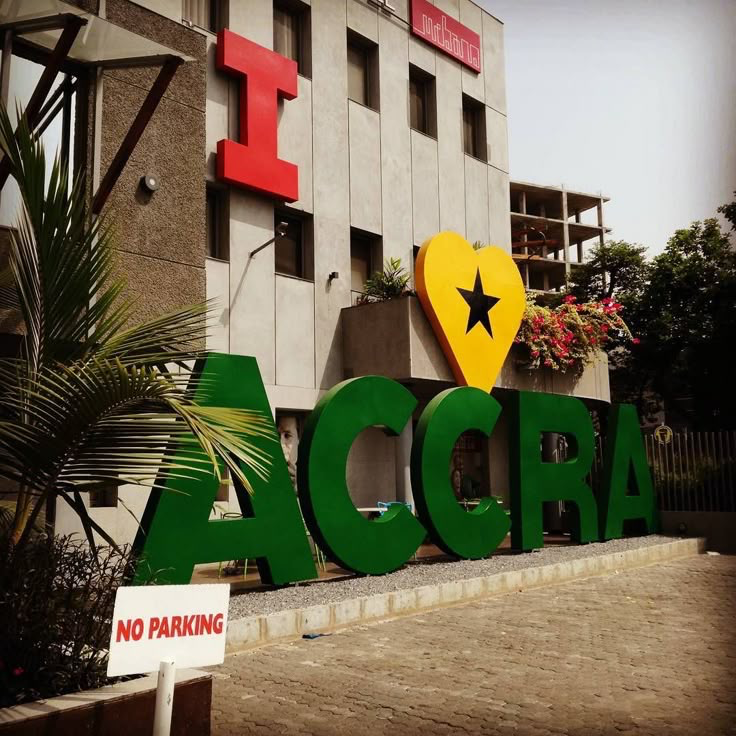
The month-long programme, which is expected to attract thousands of international visitors and members of the Ghanaian diaspora, will feature cultural festivals, music concerts, food exhibitions, heritage celebrations and other entertainment activities aimed at promoting Ghana as a leading tourism destination.
According to the Daily Graphic edition of Thursday, November 12, 2026, the Ghana Tourism Authority is expanding this year’s celebrations beyond Accra to encourage domestic tourism and ensure that other regions benefit from the growing December festivities.
Speaking at a stakeholders’ engagement in Accra, the GTA’s Deputy Chief Executive Officer in charge of Marketing and Special Duties, Gilbert Abeiku Aggrey, disclosed that the programme would feature more than 150 events across the country.
Among the major activities scheduled for the festive season is the Africa Festival of Arts, Culture and Entertainment, which will take place from December 9 to 12, with international artistes expected to perform.
Other events include the Royal City Carnival, Asanteman Global Expo in Kumasi, Bator-Obeze-Elwza Heritage Night, Accra Art Week, African Basketball Festival, AfroFuture and the African Food Festival.
Mr Aggrey explained that the celebrations would extend into the following year as Ghana prepares to mark its 70th anniversary of independence, presenting another opportunity to attract international visitors and showcase the country’s cultural heritage.
He also encouraged stakeholders to recognise members of the diaspora as returnees rather than ordinary visitors, stressing that their connection to Ghana goes beyond tourism because they are returning to their ancestral home.
The development reflects how December in GH has evolved from a period of Christmas celebrations into an internationally recognised homecoming season.
The growth of December in GH can be traced to Ghana’s 2019 Year of Return initiative, which commemorated 400 years since the first enslaved Africans arrived in the Americas.
The initiative encouraged Africans in the diaspora and people of African descent across the world to reconnect with their heritage by visiting Ghana.
Beyond the historical significance of the campaign, the initiative attracted international attention and brought visitors to Ghana’s historic sites, including Cape Coast Castle, while introducing many to the country’s music, food, entertainment and hospitality.
The success of the Year of Return paved the way for the Beyond the Return campaign, which further strengthened Ghana’s efforts to maintain its relationship with the diaspora.
Over time, the December festivities grew into what is now popularly known as December in GH, attracting visitors from the United Kingdom, the United States, Canada, Nigeria and other parts of the world.
The season has since become associated with major concerts, beach activities, cultural celebrations, nightlife and opportunities for people living abroad to reconnect with family and friends.
The expansion of December in GH also reflects the broader tourism development framework established under the Tourism Act, 2011 (Act 817), which created the Ghana Tourism Authority.
The legislation mandates the Authority to promote the sustainable development of tourism in Ghana, both locally and internationally.
It also provides for the regulation and licensing of tourism enterprises, including hotels, guest houses, tour operators and other tourism-related businesses, while establishing the Tourism Development Fund to support tourism development projects.
Through its regulatory and promotional responsibilities, the GTA is expected to maintain standards within the industry, market Ghana as a destination and contribute to the safety and protection of tourism consumers.
These responsibilities have become increasingly important as the country experiences growing international interest during the festive season.
With the increasing number of visitors and events expected across the country, security and emergency response arrangements have become important parts of the preparations for this year’s celebrations.
At the stakeholders’ engagement, the Director of Operations of the Ghana Police Service, Deputy Commissioner of Police (DCOP) Theodore Hormenu, said the police were preparing to manage traffic, crowds and public safety throughout the festivities.
He noted that security was a shared responsibility and called on event organisers and other stakeholders to cooperate with the police by providing timely information about their planned activities.
DCOP Hormenu added that lessons learnt from previous festive seasons would guide the service’s operational preparations.
The Deputy Regional Administrator of the Ghana Ambulance Service, Walter Foli-Ashom, also announced plans to deploy dedicated ambulances, mobile medical posts and strategically positioned emergency response teams.
He explained that the service would adopt a risk-based medical deployment approach and coordinate with the police, fire service and event organisers to ensure effective responses to emergencies.
Mr Foli-Ashom further urged event organisers to submit their calendars early, facilitate accreditation processes and provide secure locations for medical posts and ambulance parking.
Similarly, a Deputy Superintendent of the Ghana Immigration Service, Newman Akuffo, disclosed that the service had positioned emergency response teams as part of preparations for the festive season.
The involvement of the various security and emergency institutions highlights the growing scale of December in GH and the need for coordinated planning to manage the increasing number of visitors and activities.
Beyond the entertainment and cultural experiences, December in GH has become an important economic period for businesses and individuals across several sectors.
Hotels, guest houses, short-stay apartments, restaurants, transportation services, event organisers and tourism operators experience increased demand as visitors arrive in the country.
The season also creates employment and income opportunities for drivers, food vendors, photographers, makeup artists, DJs, fashion designers, security personnel and other service providers.
From traditional Ghanaian dishes such as waakye, kenkey, fufu, kebab, kelewele and jollof to local fashion featuring kente, smocks and Ankara-inspired designs, the celebrations provide opportunities to showcase Ghanaian culture to an international audience.
Major entertainment events such as AfroFuture, Detty Rave and Tidal Rave, alongside concerts held at venues including the Polo Grounds and La Palm, have also contributed to Ghana’s growing reputation as a major December entertainment destination.
The increasing participation of international artistes and visitors has further strengthened the country’s position within Africa’s entertainment and cultural tourism industry.
This year’s decision to organise more than 150 events across different parts of the country is expected to extend some of these economic opportunities beyond Accra to destinations such as Kumasi, Tamale, Cape Coast, Koforidua, Sandema and other communities.
Despite the economic opportunities associated with the festive season, the rapid growth of December in GH has also brought challenges.
Traffic congestion in Accra remains a major concern, with some journeys taking significantly longer during the festive period.
Accommodation costs, transportation fares, food prices and other services also tend to increase as demand rises, sometimes making it difficult for residents who do not earn foreign currency to enjoy activities within their own communities.
There are also concerns about whether the economic benefits of the season are reaching smaller businesses and local communities or remaining concentrated among major hotels, event promoters and large tourism operators.
The Tourism Act’s emphasis on sustainable, responsible and pro-poor tourism development highlights the importance of ensuring that the growth of the industry benefits people across different economic levels.
For December in GH to remain sustainable, there is a need for improved infrastructure, effective traffic management, reasonable pricing, stronger safety arrangements and greater opportunities for local businesses to participate in the tourism value chain.
The expansion of activities into other regions is also expected to support efforts to distribute tourism benefits more widely.
For many Ghanaians living abroad, the festive season represents more than concerts, nightlife and holiday celebrations. It provides an opportunity to reconnect with their families, rediscover their cultural roots and experience a sense of belonging.
The sounds of local languages, traditional music, familiar foods and the warmth of Ghanaian hospitality contribute to the emotional connection that continues to draw members of the diaspora home.
For those living in Ghana, the growing international interest in the country’s December celebrations also presents an opportunity to showcase local culture, creativity and hospitality to the rest of the world.
What started as a Christmas and New Year celebration has gradually developed into a major tourism and cultural event that attracts global attention.
With more than 150 events planned for the 2026 festive season, the Ghana Tourism Authority is positioning December in GH as a nationwide tourism experience while preparations continue for the country’s 70th independence anniversary.
The article was written by Eugenia Naa Otinkorama Ankrah, a National Service Personnel with the Corporate Affairs Department of the Ghana Tourism Authority, who highlights the transformation of December in GH from a festive homecoming into one of Ghana’s major tourism, cultural and economic platforms.

Ghana Targets Nigeria as No. 1 FDI Source as Mahama Team Engages Tony Elumelu

19-YEAR-OLD ARRESTED FOR IMPERSONATING PRISON OFFICER IN TAMALE

MAHAMA CONDEMNS $3BN ANNUAL FOOD IMPORTS, URGES WEST AFRICA TO BOOST LOCAL PRODUCTION

Kofi Kinaata Set for Historic Canada Performances as Ghana Marks 70 Years of Independence

Why Do We Keep Postponing Visits to People We Love? The Relationships We Promise to Maintain

NADFFA 2027: Ghana to Host Pan-African Film and Food Festival in March

GTA Staff Demand Answers on World Cup Visa Slots, Staff Dismissals and Unpaid Allowances

SAMMY GYAMFI’S “MINE WITHOUT LICENCE” REMARK SPARKS FRESH GALAMSEY DEBATE

Nicki Minaj Throws Her Support Behind Trump Ahead of US Midterm Elections

FOKLEX MEDIA AWARDS COMMENDS PRINCE KWAW GYIMAH AND OWASS FM TEAM FOR PROFESSIONALISM DURING KWAME DZOKOTO INCIDENT

Illinois’ financial crisis could bring the state to a halt
The final 6 ‘Game of Thrones’ episodes might feel like a full season
New Season 8 Walking Dead trailer flashes forward in time
Mod turns ‘Counter-Strike’ into a ‘Tekken’ clone with fighting chickens
Meet Superman’s grandfather in new trailer for Krypton
-
 Entertainment11 hours ago
December in GH: How Ghana Is Using the Black Star Experience to Reconnect the African Diaspora
-

 Entertainment11 hours ago
Mawuko Kuadzi Receives Prestigious SOTIGUI Honour at 2026 Awards in Burkina Faso
-

 Entertainment12 hours ago
Stop Complaining and Make an Effort– Michy Challenges Shatta Wale Over Majesty
-
 News Live4 hours ago
MAHAMA CONDEMNS $3BN ANNUAL FOOD IMPORTS, URGES WEST AFRICA TO BOOST LOCAL PRODUCTION
-
 Entertainment10 hours ago
Ghana to Host Over 150 Events as Festive Season Attracts Global Visitors
-
 Lifestyle6 hours ago
What Happened to the Tradition of Children Running Errands for Neighbours in Ghana?
-

 Politics6 hours ago
Ghana’s GH¢2 Billion Energy Compact Under Fire As CEMSE Raises Red Flags Over 2027 Budget
-

 Entertainment7 hours ago
Concerned Ghana Actors’ Guild Members Take Legal Action Against Van Vicker’s IMC, Urge Members to Suspend Registration