
Entertainment
‘I Am an Eagle; I Don’t Play with Birds’ – Empress Gifty Fires Fresh Jab at Critics


Ghanaian gospel musician Empress Gifty has taken another swipe at her critics following the controversy surrounding the luxury car she received as a birthday gift from her husband, Prophet Hopeson Adorye.
In an interview with Andy Dosty on Joy Prime, shared on X on November 12, 2026, the gospel singer appeared to dismiss those criticising her over the birthday present, describing herself as an eagle who does not entertain birds.
Empress Gifty maintained that she is a heavyweight in the Ghanaian music industry, suggesting that people who constantly criticise her are only seeking attention and relevance.
According to her, she has reached a stage in her career where she no longer intends to waste her time or energy responding to issues she considers unimportant.
“I am an eagle, so I don’t play with birds. Every eagle is a heavyweight who sees far; that is how God created me because everything to me is news. So now I don’t waste my breath and time on those things,” she said.
The musician further explained that her priority is to focus on activities that make her happy, push her forward and create financial opportunities for her career.
She stressed that making money is an important part of her professional journey, adding that being a gospel musician without financial stability can be frustrating.
“I make sure that things that would make me happy, things that would push me forward, and things that would bring me money because this ministry without money is annoying,” she stated.











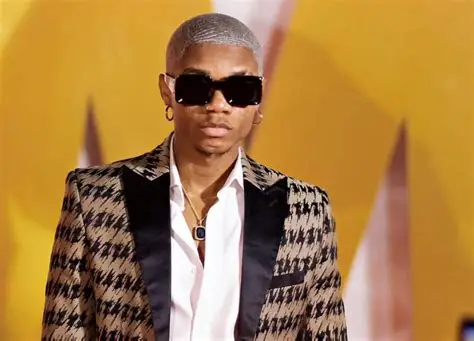
Ghanaian musician KiDi has praised fellow singer Fameye for his exceptional songwriting abilities, describing him as an artiste with a unique creative gift that distinguishes him from many musicians in Ghana.
The Touch It hitmaker said Fameye has a special ability to capture the emotions, experiences and everyday realities of Ghanaians through his lyrics, compositions and song arrangements.
Speaking in an interview, KiDi revealed that his admiration for Fameye’s artistry led him to approach the singer to write a song for his album.
He explained that they had an extensive conversation about the creative and spiritual direction he wanted the album to take before Fameye went away to work on the material.
KiDi said he deliberately did not tell Fameye that the song would eventually become the album’s opening track. Instead, he shared his vision for the project and asked him to create something that would fit the overall concept.
Fameye later returned with four songs, all of which impressed KiDi. However, one immediately stood out to him.
“I heard it, and I was like, yep, this is the one,” he recalled.
According to KiDi, the selected song captured the spiritual depth he wanted for the album, making it suitable as the opening track.
He also praised its arrangement, particularly the stripped-back instrumental sections and choir accompaniment, which gave the song a strong church-like atmosphere.
Asked why he chose Fameye over other talented Ghanaian songwriters and musicians, KiDi highlighted the singer’s distinctive creative and spiritual qualities.
“I’ve always said he carries spirits. Like, a lot of artists have that, but Fameye carries a special spirit,” he said.
He further commended Fameye’s songwriting, composition and arrangement skills, describing his music as authentically Ghanaian and deeply connected to the emotions and experiences of the people.
“His song arrangements, his song composition, his writing, it’s just something very authentically Ghanaian, authentically the emotion of a Ghanaian,” KiDi added.
Source: Adom Online
Entertainment
NFA Film Development Fund Attracts Nearly GH¢100m in Funding Requests as 56 Filmmakers Pitch Projects
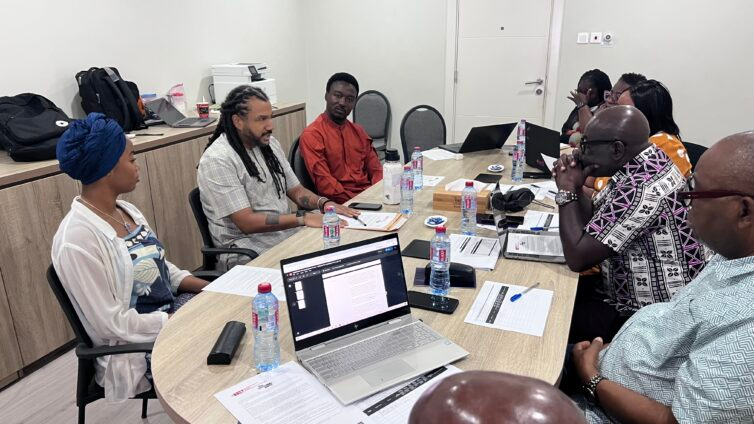
The National Film Authority’s (NFA) Film Development Fund has attracted close to 100 applications representing nearly GH¢1 billion in proposed project budgets, with 56 shortlisted applicants advancing to the final stage of the selection process.
The applicants are pitching their projects in person before a panel of evaluators in sessions which began on Monday, November 9, 2026, and are expected to end on Friday, November 13, 2026.
The evaluation panel is expected to finalise the projects that will receive financial support from the GH¢20 million seed fund, established to strengthen Ghana’s film industry and improve access to financing for local filmmakers.
The applications represent a combined project budget approaching GH¢1 billion, approximately 50 times the size of the Fund. The total amount requested is also about five times the available funding, underscoring the significant demand for financial support within the Ghanaian film industry.
According to the NFA, the selection process will prioritise projects that are bankable, deliverable and firmly rooted in Ghanaian content.
Executive Secretary of the National Film Authority, Kafui Danku-Pitcher, described the response from filmmakers as remarkable, noting that the high number of applications demonstrates the industry’s need for structured financial support.
“The response has been remarkable. Close to a hundred applications and a combined project value approaching one billion cedis tell us the industry has been waiting for this kind of structured support,” she said.
She added that the Authority was committed to conducting a rigorous and fair selection process while ensuring that successful applicants received their funding without unnecessary delays.
“Our job now is to be rigorous and fair, and then to move quickly. Filmmakers who are selected should be on set, not waiting on paperwork,” she stated.
Chairman of the Film Development Fund Management Committee, Mawuko Afadzinu, also stressed that the committee was treating the selection process as an important responsibility involving public resources.
He explained that the Fund was not intended to operate as a prize draw but would support projects with credible plans, capable production teams and clear strategies for reaching audiences and generating revenue.
“This is not a prize draw. We are looking for projects with a credible plan, a capable team and a clear route to audiences and revenue. The strength of the pitches so far gives us confidence that the Fund will be put to work well,” he said.
The Film Development Fund operates under the provisions of the Film Development and Classification Act, 2016 (Act 935).
Under its funding arrangements, the Fund can support up to 60 per cent of the eligible budget of an approved project, while the applicant is responsible for raising the remaining 40 per cent.
The arrangement is intended to encourage private investment, partnerships and additional financial contributions, enabling the GH¢20 million allocation to support projects with a much larger combined value.
The 56 shortlisted applicants are defending their proposals before the evaluation panel, which is assessing the quality of their presentations alongside the written applications submitted earlier.
Figures from the application process indicate that more than 66 per cent of the submissions are under the Production Window, making the production of completed films the most sought-after area of support.
However, the Fund’s structure extends beyond film production, with its approved seed allocation distributed across 10 funding windows grouped into Core and Enabling Windows.
The five Core Windows are Production, Distribution and Marketing, Cinema Infrastructure Development, Strategic Industry Projects, and International Co-Production.
The five Enabling Windows are Development, Training and Capacity Building, Research and Innovation, Regional Development and Inclusion, and Public Education and Behavioural Change.
While the strong interest in production reflects the desire of filmmakers to secure financing for projects ready to go into production, the NFA’s wider funding structure is intended to strengthen the entire film value chain.
This includes developing scripts and stories before production, training industry professionals, improving cinema infrastructure, establishing distribution networks and creating international co-production opportunities that can open foreign markets to Ghanaian films.
The different funding windows also provide opportunities for organisations outside the film industry to participate in its development.
Financial institutions, for instance, may find opportunities in cinema infrastructure, while telecommunications companies and consumer brands could support distribution and marketing. Development agencies may also be interested in training, capacity building and regional inclusion programmes.
Each window provides a different opportunity for investment towards the broader objective of establishing a sustainable and commercially viable Ghanaian film industry.
Following the completion of the pitching sessions and the final selection of successful projects, the National Film Authority is targeting the disbursement of funds from the end of November into early December 2026.
The timeline is expected to allow selected filmmakers to begin executing their projects before the end of the year.
The disbursement could also create employment opportunities for actors, production crews, technical professionals, suppliers and other service providers involved in the filmmaking process.
The Film Development Fund was formally launched in May 2026 as part of efforts to address the longstanding financial challenges facing Ghana’s film industry.
The introduction of the Film Development Fund comes at a time when several African countries are strengthening their film industries through investment, production support, cinema infrastructure and government-backed initiatives.
Nigeria remains one of the strongest examples of the commercial potential of African filmmaking.
According to figures released by FilmOne Entertainment, the Anglophone West African box office generated approximately ₦15.6 billion in 2025, with Nollywood productions accounting for about 49.4 per cent of the revenue, narrowly ahead of Hollywood films.
The Nigerian box office reportedly grew from approximately ₦7.4 billion in 2023 to ₦15.6 billion in 2025, with industry projections suggesting it could reach ₦20 billion in 2026.
Estimates also put direct employment in Nigeria’s film industry at approximately one million people, while the federal government has set an ambition of developing a US$100 billion creative economy by 2030.
Nollywood’s growth has been supported by its high volume of film production, a large domestic audience and an expanding multiplex cinema network that provides local productions with platforms to reach viewers.
South Africa offers another important example, particularly in the areas of infrastructure, production incentives and the need for consistent funding.
The country’s National Film and Video Foundation has commissioned economic impact studies over the years to measure the film industry’s contribution to gross domestic product, employment and tax revenue.
South Africa’s foreign production incentive, which provides 25 per cent of qualifying local expenditure alongside an additional bonus for Black-owned service companies, attracted more than R2.5 billion in foreign production investment between November 2023 and June 2024.
However, the incentive scheme did not approve new projects during the 2024/25 and 2025/26 financial years because of funding shortages. The disruption reportedly came at a cost of approximately 1,850 jobs.
The situation highlights the importance of predictable and sustainable financing arrangements for the film industry.
Egypt, regarded as Africa’s oldest film industry, also remains one of the continent’s largest markets in terms of audience.
Its box office was performing above pre-pandemic levels in 2025, although currency depreciation reduced its value in foreign currency to approximately US$37 million, compared with nearly US$60 million six years earlier.
In response, Cairo has pursued a state-backed plan to revive cinema as both an economic asset and an instrument of cultural influence.
These examples demonstrate that strong film industries require more than talented filmmakers and interesting stories. They also depend on consistent financing, infrastructure, distribution networks and deliberate investment in the development of audiences.
Ghana has a considerable pool of creative talent, compelling stories and a global diaspora audience, but the industry has struggled with limited financing and inadequate exhibition infrastructure.
Industry commentators have pointed to the availability of fewer than 20 functional cinema screens for a population of more than 33 million, compared with more than 800 screens in South Africa.
The country also lacks a comprehensive system for tracking box office performance, audience figures and film production output, making it difficult for investors to assess the commercial potential of the local market.
Ghana has previously attempted to address the financing gap through initiatives such as the 2021 Presidential Film Pitch Series, which attracted 100 submissions and shortlisted 25 projects. The initiative resulted in at least one investment deal for a documentary series.
However, the country continued to lack a permanent statutory fund dedicated to supporting film development.
The GH¢20 million Film Development Fund is expected to address some of the structural challenges that have limited the growth of Ghana’s film industry.
Its potential impact rests on three major areas.
First, it provides a structured source of financing for film production. Nigeria’s growth has been supported by a steady flow of locally financed films, while South Africa has benefited from production incentives and investment mechanisms.
A dedicated fund could give Ghanaian filmmakers access to an initial source of capital around which they can plan and attract additional investment.
Second, the Fund is designed to attract private-sector participation.
By limiting its contribution to 60 per cent of an eligible project’s budget, the arrangement requires producers to secure the remaining financing from other sources.
This could encourage partnerships with banks, corporate organisations, investors and international film institutions while ensuring that producers retain a financial stake in their projects.
Third, the Fund could help establish a reliable performance record for Ghanaian film investments.
Information on how funded projects are executed, completed, distributed and repaid could provide banks, brands and international partners with evidence to assess the commercial potential of future investments.
Although the GH¢20 million allocation cannot independently match the scale of Nollywood, the level of interest demonstrated in the first application round presents a strong case for expanding the Fund and attracting additional corporate and development partners.
More importantly, it provides Ghana with a structured, rules-based financing mechanism around which filmmakers and investors can plan.
While financing film production is an important part of developing the industry, ensuring that completed films reach audiences and generate revenue is equally essential.
This is the motivation behind the NFA’s newly launched Cinema Train Initiative, which is expected to complement the Film Development Fund.
The initiative was launched on Saturday, October 31, 2026, at Silverbird Cinemas in Accra, with the objective of widening access to cinema, improving film exhibition and creating sustainable revenue opportunities for Ghanaian filmmakers.
The Cinema Train is designed to connect filmmakers, distributors, cinema operators and communities while expanding screening opportunities through partnerships with institutions, including the National Commission on Culture and its centres across the country.
The NFA Board has set a target of getting at least one per cent of Ghana’s population to watch locally produced films.
The initiative is expected to provide a distribution and exhibition pathway for films supported by the Development Fund.
While the Fund will provide financing for new Ghanaian productions, the Cinema Train will help create platforms through which those films can reach paying audiences, generate revenue and potentially contribute to the recycling of investment capital.
Ms Danku-Pitcher described the two initiatives as complementary components of the Authority’s strategy to strengthen the film industry.
“The Fund and the Cinema Train are two halves of one strategy,” she said.
“We are financing the stories and building the screens and the audiences to receive them. When both work, filmmakers earn, investors see returns, and the industry grows.”
Mr Afadzinu also emphasised the importance of connecting film financing to audience development.
“Every project we back is a bet on an audience. The Cinema Train strengthens those bets, because a film that can reach viewers in communities across the country is a safer investment for everyone involved,” he added.
With nearly 100 applications demonstrating the level of demand for financial support, the National Film Authority is seeking additional partnerships to increase the resources available to the Film Development Fund.
The Authority is inviting corporate organisations, financial institutions, development partners, international film funds, cinema operators, exhibitors and digital platforms to participate in the initiative.
The NFA believes that additional investment will help support more viable projects while strengthening the different areas of Ghana’s film value chain.
The gap between the available funding and the amount requested by filmmakers is significant. Nearly GH¢1 billion in proposed project budgets has been submitted against a seed allocation of GH¢20 million.
This means several potentially viable projects may remain without financing despite the demand for their production.
The Authority believes that organisations that join the initiative at this stage will have an opportunity to contribute to the development of the industry’s funding structure, project pipeline and long-term investment opportunities.
Ms Danku-Pitcher said the response from filmmakers had demonstrated their readiness to develop the industry, but additional capital would be needed to meet their ambitions.
“The Fund has shown that Ghanaian filmmakers are ready to build. What they need is more capital standing beside them,” she said.
“We are opening the door to banks, brands, development partners and fellow film bodies who want to back an industry on the rise, and we want them in the room while the opportunity is still being shaped.”
Benefits for organisations that partner with the Fund
The NFA has outlined several benefits for organisations interested in supporting the Film Development Fund.
Early access to vetted projects: Potential partners will have access to projects that have undergone a structured assessment, including written applications, evaluation against established criteria and presentations before a panel of evaluators. This provides co-investors with a clearer understanding of the projects they are supporting.
Leverage on investment: Since the Fund can contribute up to 60 per cent of an eligible project’s budget, additional contributions from partners can be complemented by public funding and the producer’s own investment.
Access to audiences: Through the Cinema Train Initiative, partner-backed films and associated brands could reach cinema audiences in Accra and, as the network expands, communities across the country.
Brand visibility and reputational value: Supporting the Fund provides organisations with an opportunity to associate their brands with an industry that creates employment, promotes Ghanaian culture and strengthens the country’s international image.
Performance data and investment evidence: As supported projects are completed, distributed, and their financing repaid, the Fund is expected to build a track record that can provide useful information for future investors.
Participation in shaping the industry: Early partners could also contribute to discussions on the Fund’s priorities as it expands into areas such as production, training and cinema infrastructure.
The National Film Authority has outlined different ways organisations can participate in the Film Development Fund.
Interested institutions can contribute capital directly to the Fund, co-finance individual film projects, sponsor specific funding windows or events, or provide support for the Cinema Train Initiative and training programmes.
Organisations interested in exploring partnership opportunities have been encouraged to contact the National Film Authority for further engagement.
The NFA believes that the filmmakers who have presented their projects during the current pitching process have demonstrated the creative potential available in Ghana.
The next step, according to the Authority, is to bring more stakeholders on board to provide the financial and institutional support needed to translate that potential into a sustainable industry.
The coming weeks are expected to be important in determining whether the current momentum can translate into long-term growth for Ghanaian filmmaking.
The evaluation panel is expected to conclude its work after the final pitching sessions on Friday, November 13, 2026, before confirming the projects selected for funding.
Disbursement is targeted from late November into early December, allowing successful applicants to begin implementing their projects before the end of the year.
Beyond the first funding round, the NFA says it will continue engaging government, corporate Ghana and development partners to expand the Fund and ensure that its financing arrangements remain predictable.
For an industry that has consistently called for improved access to capital, the first application round has demonstrated the level of interest among filmmakers and the scale of opportunities available.
With applications submitted, projects pitched and a structured financing mechanism now in operation, the National Film Authority is seeking to turn the GH¢20 million seed allocation into a foundation for a stronger, more competitive and financially sustainable Ghanaian film industry.
Source: Joy Entertainment

Ghanaian musician Okyeame Kwame has added a new role to his career after announcing that he has begun teaching second-year Development Communication students at the University of Media, Arts and Communication (UniMAC).
The award-winning rapper shared the development in an Instagram post this week, describing his classroom experience as an opportunity for learning and knowledge exchange between himself and the students.
According to him, the students have been teaching him as much as he has been sharing his knowledge with them, making the experience both rewarding and fulfilling.
“My second-year students in Development Communication are teaching me more than I teach them. It is a beautiful experience, and I am grateful to GIJ for this great learning opportunity,” he wrote.
He further indicated that he would give his followers an insight into his teaching activities by sharing some of his lectures online.
“I will share some of my lectures with you,” he added.
Although the musician did not disclose his formal academic designation or the specific nature of his appointment at the institution, the development marks another significant step in his professional journey beyond music and entrepreneurship.
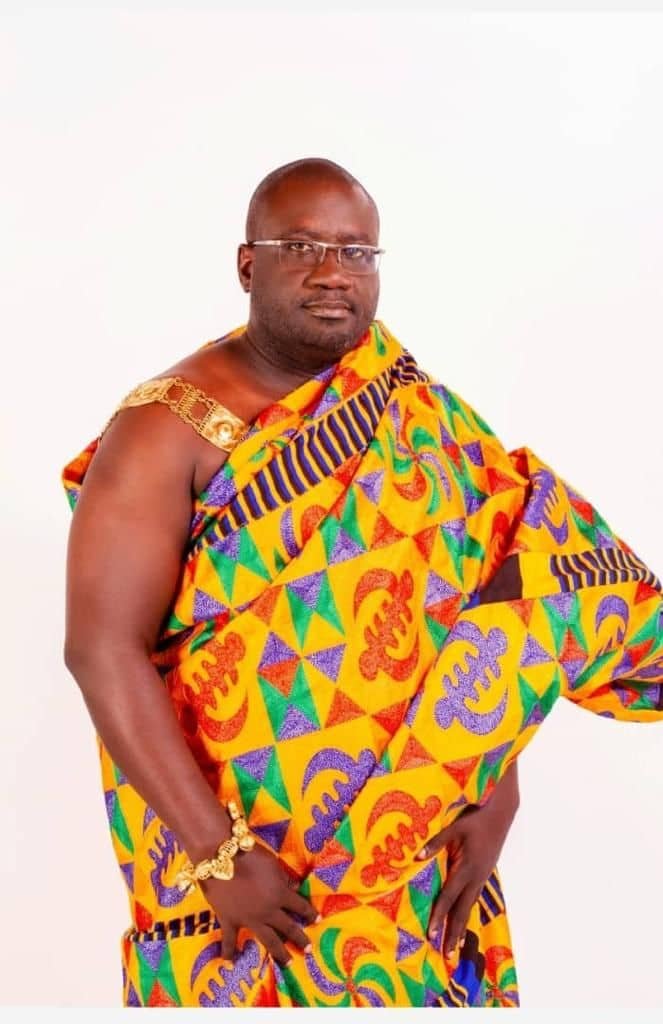
Behind every successful media organisation is a story of people who understand the industry, know what it takes to build programmes from nothing and have spent years learning the craft before eventually creating something of their own. For KPD News Online, that story is closely connected to veteran Ghanaian broadcaster, journalist, media executive and creative arts advocate Kojo Preko Dankwa.
His journey is not one of overnight success. It is a story that began in a difficult home, where finding food was sometimes a daily struggle, continued through years of walking long distances to school, sleeping in radio studios and on the streets of Kumasi, and eventually led him into some of Ghana’s biggest media organisations.

Today, Kojo Preko Dankwa is the man behind the vision of KPD News Online, an emerging digital media platform he hopes will contribute to the development of Ghana’s media landscape. He is also a senior media executive at Kessben Media Group, where he currently serves as Head of Kessben 92.9 FM, Programmes Manager of Kessben 92.9 FM and host of The Punch on Kessben Television. He also hosts the station’s popular morning programme, Kessben Maakye, alongside his other broadcasting and management responsibilities.
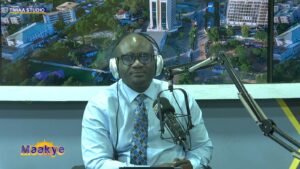
Having worked with established media organisations such as Peace FM, Asempa FM, Adom FM, Kasapa FM, Starr FM, Accra FM and Kessben Media, he has spent years behind the scenes developing programmes, managing production teams, nurturing broadcasting talents and working with some of the most recognised personalities in Ghana’s media industry.
He also serves as President of the Foundation of Concerned Arts Professionals (FOCAP), an organisation he co-founded to advocate for the welfare and development of professionals in Ghana’s creative arts industry.
Yet, to understand the man behind KPD News Online, it is important to look beyond his professional titles and achievements. His life story reveals a young man who had to fight for almost every opportunity, a professional who understood the value of learning from others and a media personality whose ambitions have continued to grow despite the milestones he has achieved
A Childhood Defined by Hardship, but Not Defeat
Born in Accra on December 17 to the late Kwame Kakari Dankwa and Madam Lydia Ofori, who was from Nsawam, Kojo Preko Dankwa’s childhood was far from the comfortable upbringing many children experience.
He describes his early life as one shaped by a broken home and financial difficulties. Growing up, he and his younger brother sometimes had to fend for themselves because the family struggled to provide even the necessities.
In recounting those years, he remembered how difficult it was to find something to eat.
There were mornings when he bought gob3 and added plenty of gari to the meal, hoping it would be enough to keep him from becoming hungry again during the day. On some occasions, he had to depend on friends’ families for food because there was nothing to eat at home.

His father’s circumstances had also changed. His father, who worked as a shipping clerk, had lost his job, while his mother’s business had collapsed. She eventually had to work as a bar attendant at her sister’s drinking pub.
These circumstances placed considerable pressure on the family, particularly the children, who had to grow up understanding that life would not always provide what they needed.
Kojo has one brother from the same mother and other siblings from his father’s side. He explained that although his father did not particularly encourage them to develop close relationships with their paternal siblings, he is now making conscious efforts to build and strengthen those family connections.
Both his parents have since passed away.
Despite the difficulties of his childhood, Kojo had a clear picture of what he wanted to become. His dreams were to become a journalist, a lawyer and a showbiz personality.
Interestingly, his mother once considered enrolling him in the military, partly because his late uncle, Kwasi Akuffo, was a member of the institution. However, Kojo was already determined to follow a different path.
He wanted to work in journalism and entertainment, and he was prepared to endure the difficulties that came with pursuing those ambitions.
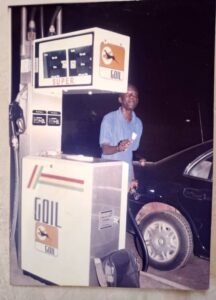
Education was one of the first major obstacles Kojo had to overcome.
Although he wanted to attend the Ghana Institute of Journalism (GIJ), financial difficulties prevented him from enrolling at the institution.
He therefore found an alternative by joining Manifold Tutorial College, a private journalism school, where he pursued his journalism training.
Even getting to school was a challenge.
He recalled walking from Banana, a suburb of Accra, to Kaneshie because he did not have money for transportation. While other students could afford to commute, he had to depend on his own strength and determination to get to class.
His education was also made possible through the kindness and support of his aunt’s husband, who took responsibility for paying his school fees until he completed journalism school.
Kojo has not forgotten that sacrifice. During vacation periods, he had to visit his aunt’s home and help with domestic responsibilities as a way of appreciating the support he received.
For a young man who had experienced financial difficulties at home, the assistance was significant. It gave him an opportunity to continue pursuing a dream that might otherwise have been interrupted by poverty.
His time at Manifold Tutorial College became the beginning of the professional journey that would eventually take him across different radio stations and media organisations.
Completing journalism school was only one part of Kojo’s journey. The next challenge was gaining practical newsroom experience.
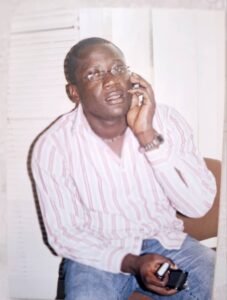
He understood that classroom knowledge alone would not make him a good journalist. He needed to work in a newsroom, understand how radio operated, learn how stories were developed and experience the demands of broadcasting.
That understanding influenced one of the most difficult decisions of his early career: leaving Accra to search for practical opportunities in the Ashanti Region.
He believed that remaining in Accra would make it difficult to gain the kind of hands-on experience he needed, given the competition for opportunities. He therefore decided to leave his comfort zone and start afresh elsewhere.
His first internship was at Asta Radio in Techiman, where he recalled sleeping in the station’s studio because he did not know anyone in the area who could accommodate him.
When the situation became difficult, he moved to Kumasi to continue looking for opportunities.
His experience in Kumasi was equally challenging. Before eventually securing an opportunity at GBC’s Garden City Radio, he had gone through the recruitment process at another station, Spirit FM.
According to him, he had completed the necessary processes and was expecting to be employed. However, the owners of Spirit FM eventually decided against taking him on.
That disappointment forced him to look for another opportunity, which eventually led him to GBC’s Garden City Radio.
He revealed that he slept on the streets of Kumasi before finding a place to stay and securing an opportunity to undertake his internship.
He later stayed with someone at Suame, where he continued to find his feet in the profession.
At GBC, he was not a formal staff member and had to survive on what journalists commonly refer to as soli.
It was a period of uncertainty, but one that strengthened his determination to learn the profession.
He credited his editor, George Grant Yankson, for helping him develop through hard work, consistency and practical newsroom experience.
Looking back, Kojo believes leaving Accra was necessary because he wanted to understand journalism beyond textbooks. He was willing to sacrifice comfort, accommodation and stability for the opportunity to learn.
After gaining experience in Kumasi, Kojo returned to Accra, where another important opportunity came through a good friend, Kwadwo Asante.
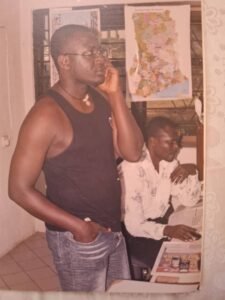
It was through Kwadwo Asante that he secured another internship opportunity at Peace FM.
He also acknowledged Fadda Dickson for helping facilitate the attachment, which gave him access to a more established radio environment and an opportunity to learn from experienced professionals.
During his time at Peace FM, Kojo worked under the leadership of several senior media personalities and newsroom managers.
Among them were Abu Issa Money, Irene Manison, head of news Edward Faakye and programmes manager Maa Afia.
These individuals contributed to his understanding of newsroom discipline, radio production, editorial responsibilities and the importance of working within a professional media environment.
In 2001, he joined Peace FM as a reporter and news producer.

This marked the beginning of a career that would eventually see him take up production and managerial responsibilities at several major media organisations.
Peace FM: The Beginning of His Work Behind Major Radio Programmes
At Peace FM, Kojo began building the production experience that would later become one of his strongest professional assets.
He worked in the newsroom and gradually became involved in the production of the station’s popular morning programme, Kokrokoo.

He worked alongside Kwesi Acquah and Jerry Mordy, with Kwame Sefa Kayi as the programme’s host.
The experience exposed him to the demands of morning radio, including content preparation, editorial planning, coordination and the ability to keep audiences engaged.
In 2006, when Peace FM introduced an entertainment programme, Kojo was assigned to produce Entertainment Review, which was hosted by Kwesi Aboagye.
The programme gave him further exposure to entertainment journalism and the production of discussions around developments in Ghana’s music and entertainment industry.
His experience at Peace FM became an important foundation for his next career move.
Multimedia Group: The Years That Shaped His Professional Identity
In 2007, Kojo joined the Multimedia Group, beginning what he describes as one of the most rewarding periods of his professional life.
He spent approximately 10 years with the organisation, gaining extensive experience in broadcasting, production, management, leadership and talent development.
He has repeatedly described his time at Multimedia as a period of significant professional growth, particularly because of the opportunity to work with experienced media professionals and learn how major radio programmes were built and managed.
One person he particularly credits is Kwasi Twum, the founder of Multimedia Group.
Kojo explained that he was given managerial responsibilities relatively early in his career, an opportunity that helped him understand the media business beyond the newsroom and production studio.
He described it as an honour to have Kwasi Twum coach him and provide the leadership that helped shape his professional development.
He also acknowledged Cox Tamakloe and Von Bucksteine for their guidance and support during his time at the organisation.
Asempa FM: Building Ekosii Sen From Scratch
At Asempa FM, Kojo started as Head of Production.
One of his most significant contributions during this period was his involvement in establishing Ekosii Sen, the political affairs programme that has since become one of Ghana’s prominent afternoon political shows.
He explained that the programme started from scratch and required commitment, planning and consistent work to develop into the influential platform it eventually became.
As Head of Production and producer of the programme, he worked closely with the management team to build its content and establish its identity.
He specifically credited Cox Tamakloe, who was then the programme’s head, and Von Bucksteine, the General Manager, for the leadership and support they provided.
Kojo believes the growth of Ekosii Sen was the result of teamwork, determination and the willingness to build something even when its future was uncertain.
Bobie Ansah eventually took over as the programme’s presenter and continued to develop its popularity and influence.
For Kojo, being part of the programme’s early development remains one of the important achievements of his Multimedia years.

Adom FM: Producing Dwaso Nsem and Developing Entertainment Programming
Kojo was later moved from Asempa FM to Adom FM, where he took up the responsibility of Executive Producer of Dwaso Nsem.
He explained that he did his best to strengthen the programme and make it effective in delivering its content to listeners.
At Adom FM, he worked with Ekourba Gyasi, who was later replaced by Adakabre Frimpong Manso.
The programme also featured contributions from several personalities, including Afia Pokua, popularly known as Vim Lady, Sekyere Popro, Kojo Addo, Yaa Serwah Ampofo Brakatu and Listowel Kwadwo Forjour.
He also worked with Daddy Bosco, who is now associated with the Musicians Union of Ghana (MUSIGA).
His responsibilities were not limited to the morning show. Kojo also worked on the station’s entertainment and drive-time programming.
He served as producer of Ofie Kwanso, a drive-time programme that featured presenters such as Dr Asanka, Dr Prekese and Eddie K.
He also continued his involvement in entertainment programming, having worked on Asempa Entertainment before moving to Adom Entertainment.
One of his notable contributions was helping to establish Adom Entertainment Hall, which later became known as Adom Billboard.

With the support of Programmes Director Cox Tamakloe, the programme was developed into a Saturday afternoon entertainment platform.
It initially had Eddie K as its presenter before Kofi De Aqua took over.
Following their departure, Kojo stepped in as the substantive host, taking responsibility for presenting and developing the programme.
When Adom FM relocated from Tema Community 2 to Fanofa Street at Kokomlemle in Accra, he served as Executive Producer of both the Adom Morning Show and Adom Billboard.
His Multimedia years gave him the opportunity to understand different aspects of radio, from news production and political discussions to entertainment programming, morning shows and talent management.
He considers those years a major part of the professional foundation on which his subsequent career has been built.
EIB Network: A New Chapter in Radio Management
In February 2015, Kojo joined the EIB Network as Programmes Manager at Kasapa 102.5 FM.
The appointment represented another important step in his development as a media executive.
At Kasapa FM, he also served as Executive Producer of Anopa Kasapa, the morning programme hosted by Fiifi Banson.
His responsibilities required him to combine programme management with production, ensuring that the station’s content met the expectations of its audience.
He also had an association with Starr FM, where he hosted the entertainment programme Morning Zoo whenever the need arose.

During this period, he worked closely with Emmanuel Ohemeng, with whom he had developed a long-standing professional relationship through their production work.
Kojo said the two had worked together for at least 10 years as part of a production team, making the relationship an important part of his professional experience.
He spent approximately four years with the EIB Network before moving on to another opportunity.
Class Media Group: Understanding the Business Behind Broadcasting
After leaving EIB Network, Kojo joined Class Media Group, where he became General Manager of Accra 100.5 FM.
The role exposed him to another side of the media industry: the business and organisational responsibilities that come with managing a media house.
He explained that working in management helped him understand that running a media organisation involves much more than what audiences see when presenters appear on radio or television.
There are operational responsibilities, business considerations, talent management, production structures and other important activities that determine how an organisation functions.
Having taken up managerial responsibilities early in his career through Multimedia, he said the experience had helped him become more mature in understanding both the business and creative sides of broadcasting.
He also served as Executive Producer of Accra FM’s morning show.
Beyond radio, he worked as an entertainment host on CTV’s The Showbiz, alongside Nana Kwame Gyan, discussing developments within Ghana’s entertainment industry.
His experience at Class Media Group further strengthened his understanding of how media organisations operate and the relationship between management, programming and talent.
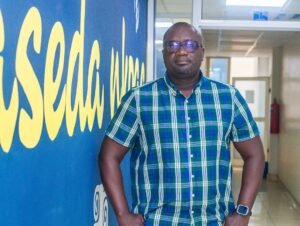
FOCAP: Turning Concern Into an Advocacy Movement
While building his career in broadcasting, Kojo was also developing an interest in the broader welfare and professional needs of Ghana’s creative arts industry.
That interest eventually led to the establishment of the Foundation of Concerned Arts Professionals (FOCAP) in 2019.
He founded the organisation alongside colleagues, including Enoch Agyepong of Speech Productions, events expert Mel Kwesi Davis and Edward, a journalist.
Kojo currently serves as President of FOCAP.
He explained that the idea behind the organisation was to create a formal platform through which professionals in the creative arts industry could raise concerns, advocate for their welfare and push for solutions to challenges affecting the sector.
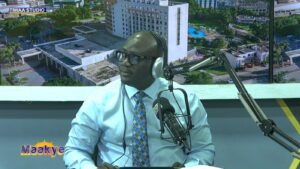
However, establishing the organisation was not easy.
According to him, the creative arts sector had not previously experienced an advocacy group of that nature, and the idea was not initially welcomed by everyone.
There was a need to convince people about the importance of organised advocacy and demonstrate that the organisation could make a meaningful contribution.
The founding members remained committed to the vision and gradually worked to establish FOCAP as a recognised voice within the creative arts space.
Kojo believes the organisation has since developed influence and the ability to engage stakeholders, raise important industry concerns and seek practical solutions.

For him, the work of FOCAP is not simply about making statements or criticising institutions. It is about identifying problems, engaging the relevant stakeholders and helping to find solutions.
He believes the organisation’s achievements should inspire the establishment of more advocacy groups within the creative arts industry to champion the interests of professionals in different sectors.
He maintains that impact is the most important measure of success and that the work of advocacy organisations must produce meaningful results for the people they represent.
His involvement in FOCAP reflects another dimension of his professional life: a commitment to the development of the industry beyond his responsibilities as a broadcaster and media executive.
Kessben Media Group: A New Level of Leadership and Broadcasting
On January 2, 2022, Kojo joined Kessben Media Group, beginning another important chapter in his broadcasting and media management career.
Over the years, he has taken on several responsibilities within the organisation, combining production, events, content development and on-air broadcasting.
His current positions reflect a significant progression in his career. He now serves as Head of Kessben 92.9 FM and Programmes Manager of the station, responsibilities that place him at the centre of its programming direction, content development and overall broadcast operations.
Beyond his management responsibilities, Kojo is also the host of The Punch on Kessben TV, where he brings his experience and understanding of current affairs and public discussions to television audiences.

He also hosts Kessben Maakye, the station’s morning show, while continuing his involvement in entertainment broadcasting through Kessben Entertainment.
His expanded responsibilities mark a notable development from his earlier roles at the organisation, where he was associated with production, events and content management.
For someone who spent much of his career producing morning programmes and helping presenters develop their content, becoming the host of a major morning show represents another milestone.
He believes his years behind the scenes have made him a stronger broadcaster because he understands how content is created, the angles that make discussions interesting and the preparation required to deliver an engaging programme.
His presenting style, he said, is not copied from any particular personality. Rather, it is a blend of the lessons and experiences he has gathered from working with different presenters, producers and media executives.
He believes his production background gives him a different understanding of radio because he knows what goes into developing content before it reaches the audience.
Some people have described his move into morning radio hosting as long overdue, while others believe it is simply the right time for him to take on the responsibility.
He also acknowledges that the leadership at Kessben Media continues to teach him important lessons, particularly about humility and the need to remain willing to learn regardless of one’s experience.
His current responsibilities at Kessben demonstrate how far he has travelled from his early days as a young journalist searching for an opportunity to gain practical newsroom experience.
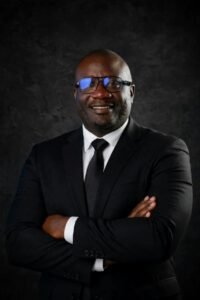
The People Who Helped Shape His Career
Kojo’s professional journey has brought him into contact with several personalities who have contributed to the development of Ghana’s media industry.
He considers it a privilege to have worked with what he describes as the best and most experienced people in the media space.
Among the personalities he mentioned are Kwame Sefa Kayi, Fiifi Banson, Captain Smart, Adakabre Frimpong Manso, Ekourba Gyasi, KOD, Bola Ray, Cox Tamakloe, Daddy Bosco and Kwabena Bobie Ansah.
He also acknowledged the role of Kwasi Twum in his professional development, particularly for providing him with early managerial opportunities and mentorship.
These working relationships have helped shape his understanding of broadcasting, programme production, management and talent development.
He believes one of the most important responsibilities of experienced media professionals is to create opportunities for others.
Throughout his career, he says he has trained and developed people in production and on-air broadcasting, provided opportunities for emerging talents and helped individuals grow professionally.
He has also witnessed different phases of the media industry, including the rise of major organisations, the challenges that have led to the decline or collapse of some media businesses, and the changing fortunes of individual media personalities.
Those experiences, he believes, have taught him valuable lessons about the need for preparation, adaptability, good leadership and the importance of understanding the business behind the microphone.
Although he has received several awards and honours over the years, he jokingly admitted that he could not immediately remember all of them.
For him, however, the greatest achievement is not simply the recognition that comes with awards but the opportunity to build people, programmes and institutions.

KPD News Online: The Dream to Build Something of His Own
After spending years contributing to the development of other media organisations, Kojo is now working to establish a digital media platform of his own.
That vision is KPD News Online, accessible at kpdnewsonline.com.
The platform represents an important personal ambition for him because it gives him the opportunity to apply his years of experience in journalism, broadcasting, production and media management to a project he can build and develop.
He explained that the idea is driven by a dream, a clear focus and what he believes is a gap within Ghana’s digital media landscape.

He sees an opportunity to create a media space that can contribute to the country’s news and information ecosystem.
For Kojo, building KPD News Online is not simply about establishing another website. It is about developing a media platform with a clear identity, purpose and direction.
He acknowledges that the project is still young and that building a successful media organisation requires patience, investment, consistency and the right people.
Rather than rushing the process, he believes in starting gradually and developing the platform into something bigger.
“We start slow. We grow big. I believe in that,” he said.
His experience in different media organisations has given him an understanding of what it takes to build programmes, manage content, develop talent and sustain a media business.
He now hopes to apply those lessons to KPD News Online, transforming his years of experience into a platform that can grow and establish its own place in Ghana’s media industry.
The project also reflects his desire to remain actively involved in journalism and digital publishing at a time when audiences increasingly depend on online platforms for information.

Krunch Point Desk Consultancy: Extending His Experience Beyond Radio
Alongside KPD News Online, Kojo is also developing another business venture, Krunch Point Desk Consultancy.
The consultancy is intended to operate within the media and communications industry, offering services such as media consultancy, talent training, media buying and professional development.
The idea is to use his years of experience to help individuals, businesses and organisations improve their media presence, communication strategies and professional skills.

Through the consultancy, he hopes to contribute to talent development and provide services that can support the work of media professionals and organisations.
Although he describes the business as a young venture that still needs to grow, he sees significant opportunities within the consultancy space.
Both KPD News Online and Krunch Point Desk Consultancy reflect his ambition to move beyond working within established organisations and build ventures that carry his own vision.
The Academic Journey Is Not Over: His Dream of Studying Law
Despite his years of professional experience, Kojo has not stopped pursuing academic development.
He disclosed that he is currently studying Development Communication, an area that will further strengthen his understanding of communication and its role in society and development.
His educational background includes a Diploma in Communication Studies from Manifold Tutorial College in 2001.
In 2005, he obtained a Certificate in Radio/Television Writing and Production from the African Institute of Journalism and Communication.
He later completed a course at Speed of Change PD Grad School in Los Angeles, California, in 2010.
In 2019, he participated in a Master Class in Arts Administration at the African University College of Communication.

His decision to continue studying after years in the industry reflects his belief that professional development should never end.
Interestingly, law remains another dream he has not abandoned.
Although financial difficulties prevented him from pursuing some of his educational ambitions earlier in life, he remains confident that he will eventually study law.
When asked whether he would still read law, his response was emphatic: “Will I read the law? YES, I will one day.”
It is a reminder that even after building a career spanning several major media organisations, he still has personal ambitions he wants to fulfil.
Awards, Recognition and a Career of Service
Over the years, Kojo has received several awards and honours in recognition of his work in broadcasting and the entertainment industry.
Although he admitted that he could not immediately list all the awards he has received, his professional journey has brought him recognition as a broadcaster, entertainment personality, producer and media executive.
His achievements also extend beyond personal recognition.
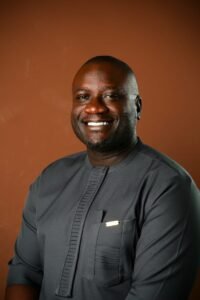
He has contributed to the development of programmes, worked with prominent presenters, trained emerging talents, taken up managerial responsibilities and established an advocacy organisation for creative professionals.
He believes that the real value of experience lies in what one can do with it, particularly in creating opportunities for people who are coming into the industry.
His professional philosophy is built around service, humility, preparation and learning.
His Message to Young People: Serve, Learn and Prepare Yourself
Reflecting on his life, Kojo says there is one important lesson he has consistently followed: serve, serve and continue to serve.
He believes that people must be willing to learn from those who have gone ahead of them rather than rushing to occupy positions without first developing the necessary skills.
He encourages young professionals to prepare themselves, believe in their abilities and be careful about the friends and associations they keep.
According to him, preparation should not be seen as punishment. Instead, it is part of the process of building oneself for future opportunities.
He believes that people who are willing to serve, learn and remain consistent will eventually have their time.
His own life provides an example of the philosophy he promotes.

The young man who could not afford transportation to school, who depended on the kindness of relatives to pay his fees and who slept in radio studios and on the streets while looking for internship opportunities eventually became a media executive responsible for production, content and talent development.
He has also become an advocate for creative professionals and is now working to establish his own media and consultancy businesses.
Kojo describes himself as both a political and creative person, explaining that the combination of these interests has shaped his career and professional identity.
He believes his experience as a producer has made him a stronger presenter because he understands the importance of content, research, preparation and identifying the right angles for discussions.
His style, he insists, is his own, developed from the different personalities and programmes he has worked with throughout his career.

A Man Who Finds Purpose in Building From Scratch
One of the most revealing aspects of Kojo’s personality is his attraction to difficult assignments, particularly situations where something has to be built from nothing.
He explained that he is most comfortable when the future of a project appears uncertain, when the structures are not yet in place and when others may doubt that the vision can become a reality.
“When the future is bleak, when it has to be built from scratch, when no one believes it will happen, that is when I come in to fix,” he said.
That philosophy can be traced through different stages of his career.
He was part of the team that helped establish Ekosii Sen at Asempa FM, contributed to the development of entertainment programming at Adom FM, took up managerial responsibilities at different media organisations and helped establish FOCAP at a time when the idea of a formal creative arts advocacy organisation was unfamiliar to many in the industry.
Now, he is applying that same mindset to KPD News Online and Krunch Point Desk Consultancy.
His ambitions are not limited to maintaining his current position. He wants to build platforms, develop people and create opportunities that can continue to serve others.

The Great Man Behind KPD News Online: Beyond the Microphone
Away from the newsroom, production meetings, radio studios and advocacy engagements, Kojo Preko Dankwa is a husband and father of three children.
His family life is another important part of his identity, alongside the professional responsibilities and ambitions that continue to occupy his time.
His life has been shaped by experiences that taught him the importance of family, sacrifice, humility and perseverance.
He is a man who understands what it means to start with very little, to depend on the kindness of others, to face rejection and to continue working even when the next opportunity is uncertain.
His journey through Peace FM, Multimedia Group, EIB Network, Class Media Group and Kessben Media has given him a wealth of experience across different areas of broadcasting and media management.
Today, he occupies significant leadership and broadcasting positions at Kessben Media Group as Head of Kessben 92.9 FM and Programmes Manager, while also hosting Kessben Maakye and The Punch on Kessben TV.

His work with FOCAP has also allowed him to contribute to conversations about the welfare and development of Ghana’s creative arts industry.
As he develops KPD News Online and Krunch Point Desk Consultancy while continuing his responsibilities at Kessben Media Group, he is entering another important chapter of his life.
For someone who once walked from Banana to Kaneshie because he could not afford transportation, slept in a radio studio in Techiman and endured nights on the streets of Kumasi in pursuit of practical journalism experience, building a media platform of his own represents more than a business ambition.
It is the continuation of a dream that began long before he became a recognised name in broadcasting.
His story carries an important message for young journalists and aspiring media professionals: the journey may be difficult, opportunities may not come when expected, and recognition may take years, but the willingness to learn, serve and remain prepared can make a difference.

Kojo Preko Dankwa has spent much of his professional life helping to build programmes, develop talents and contribute to the growth of media organisations. With KPD News Online, he now has the opportunity to build something that carries his own vision.
And perhaps the words that best capture the journey, the struggles, the achievements and the ambitions still ahead are the philosophy he has chosen to live by:
“Life indeed serves us better when we serve life better.”
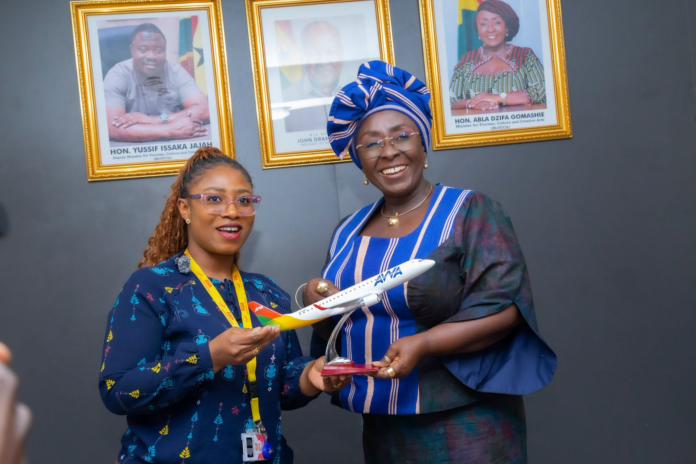
The Minister for Tourism, Culture and Creative Arts, Abla Dzifa Gomashie, has appealed to Africa World Airlines (AWA) to make domestic air travel more affordable to encourage more Ghanaians to explore tourist attractions across the country.
She made the appeal during a meeting with a delegation from the airline, led by its Head of Commercial, Portia Akowuah, at the Ministry of Tourism, Culture and Creative Arts.
The meeting provided an opportunity for Africa World Airlines to unveil its new Embraer E190 aircraft and discuss potential areas of collaboration with the Ministry to strengthen the relationship between the aviation and tourism sectors.

Ms Gomashie commended AWA for its continued investment in Ghana’s aviation industry, particularly its efforts to improve air transport services. However, she emphasised the need for more affordable domestic airfares and accessible travel packages to make air travel an attractive option for Ghanaians.
According to the Minister, reducing the cost of domestic flights could encourage more people to travel to different parts of the country, discover Ghana’s tourism potential and experience the country’s diverse cultural and natural attractions.
She noted that improved domestic air connectivity would play an important role in promoting tourism beyond the country’s major cities, while creating opportunities for local businesses and communities that depend on tourism.
The Minister also welcomed AWA’s Afishiapa Christmas Promo, describing the initiative and its partnership with GHOne TV to showcase tourist attractions as positive steps towards encouraging domestic tourism.
The promotional campaign is expected to help draw attention to tourism destinations across Ghana and inspire more residents to use the festive season as an opportunity to travel and experience the country.
The engagement underscored the importance of stronger cooperation between the aviation and tourism industries, with both sectors having the potential to support each other through improved connectivity, competitive fares and targeted promotional activities.
The Ministry’s call forms part of broader efforts to make domestic tourism more accessible and encourage Ghanaians to appreciate and explore the country’s tourism resources.
Source:Adom Online

KiDi Hails Fameye’s Unique Songwriting Gift, Says He Carries a Special Spirit

‘I Am an Eagle; I Don’t Play with Birds’ – Empress Gifty Fires Fresh Jab at Critics

NFA Film Development Fund Attracts Nearly GH¢100m in Funding Requests as 56 Filmmakers Pitch Projects

IRAWMA 2025: Shatta Wale Wins 3 Major Awards Including Best Music Video

AirtelTigo losing GH₵20m monthly; total debts exceed $200million – Sam George

Samini Secures Promotional Deal with Audiomack for Upcoming Album “THE ORIGIN8A”


-
 General News12 hours ago
Mahama Meets New ECOWAS Commission President Birame Diop, Discusses Regional Security and Development
-

 Entertainment7 hours ago
From Sleeping on the Streets to Building a Media Empire: The Kojo Preko Dankwa Story
-

 Entertainment14 hours ago
Where Has the GH¢40m Gone? – FOCAP Challenges Government Ahead of 2027 Budget
-
 Entertainment12 hours ago
ArchXenus Marks 15 Years with Foundation Launch, Raises Alarm Over Ghana’s Housing Crisis
-

 Health & Fitness14 hours ago
US-Based Omega Psi Phi Fraternity Chapters Partner PNHF to Offer Free Prostate Cancer Screening for 100 Men in Accra
-

 Entertainment13 hours ago
Wiyaala Appeals to Mahama, GES Over Poor Conditions at Funsi SHS
-

 Lifestyle7 hours ago
Why Do We Keep Promising Ourselves “Tomorrow”? The Habit of Postponing Things That Matter
-
 Politics7 hours ago
NPP Demands Sacking of NACOC and Airport Chiefs Following Repeated Cocaine Seizures